15 Famous Traditional Foods Of Haryana

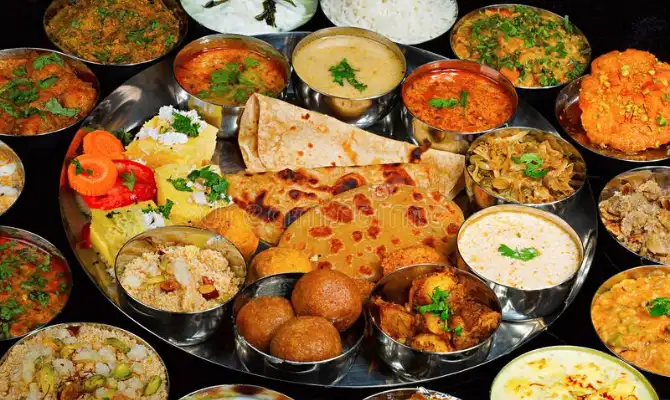
Haryana is popularly known as the land of agriculture, dairy products, and also delicious roti. Haryana people prefer simple food and their diet includes pure cow and buffalo milk, homemade butter, and ghee, which are included in almost every dish. The cuisine, although simple, depicts the culture of the state, and is a major attraction for every tourist.
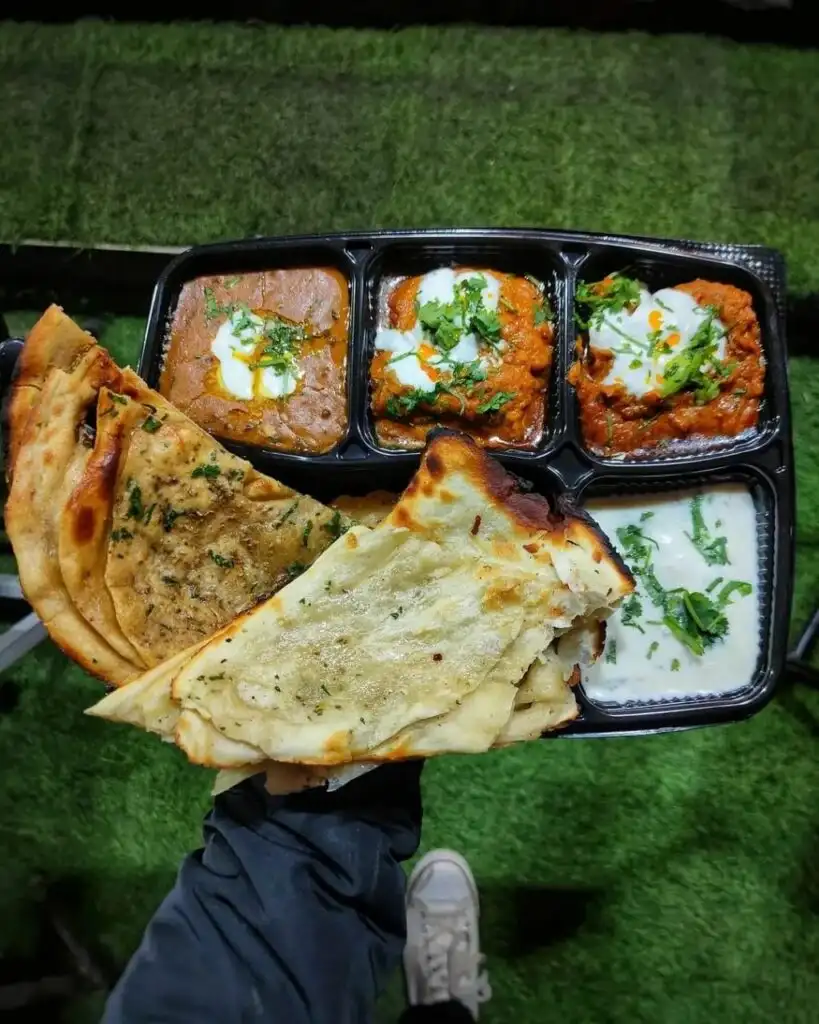
Listed below are a few of the most delicious, and famous dishes from Haryana.

1)Singri Ki Sabzi

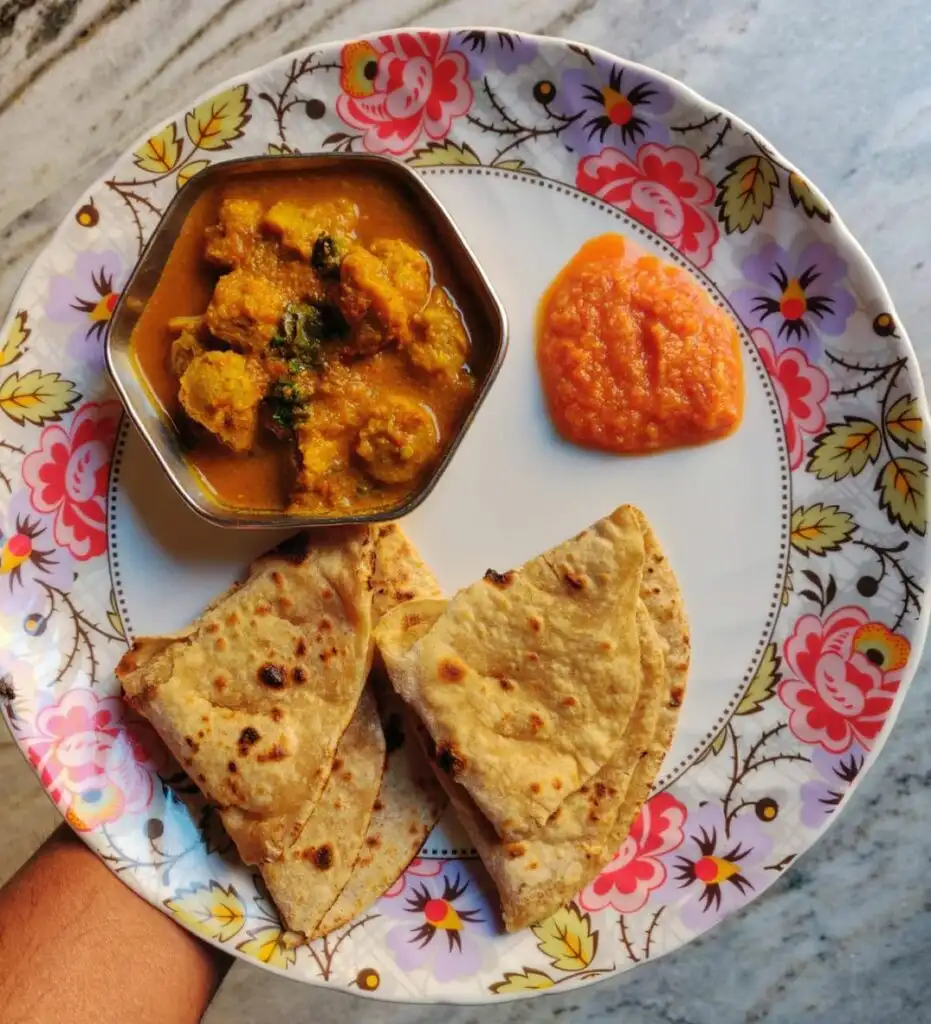
Singri Ki Sabzi is a popular dish in Haryana and Rajasthan. It is prepared by soaking singri in turmeric water and different spices are added. Singri ki Sabzi tastes delicious with paranthas. In some dishes, tangy flavored dried mango, yogurt, and other spices are added.

2)Bajra Aloo Roti

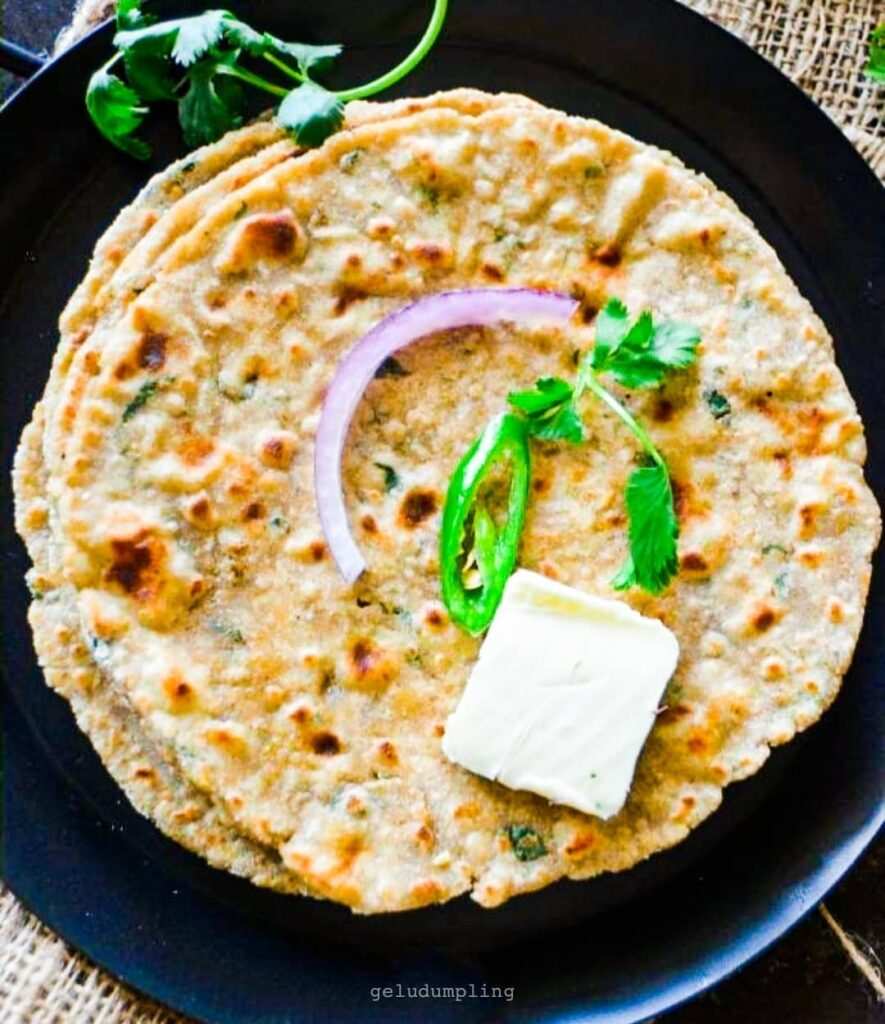
Bajra Aloo Roti is one of the regular healthy dishes in Haryana. It is prepared with bajra flour, mashed potatoes, garlic, and a little garam masala. Bajra Aloo Roti is served with white butter and it is mostly made as a winter dish to tackle the winter chills in Haryana.
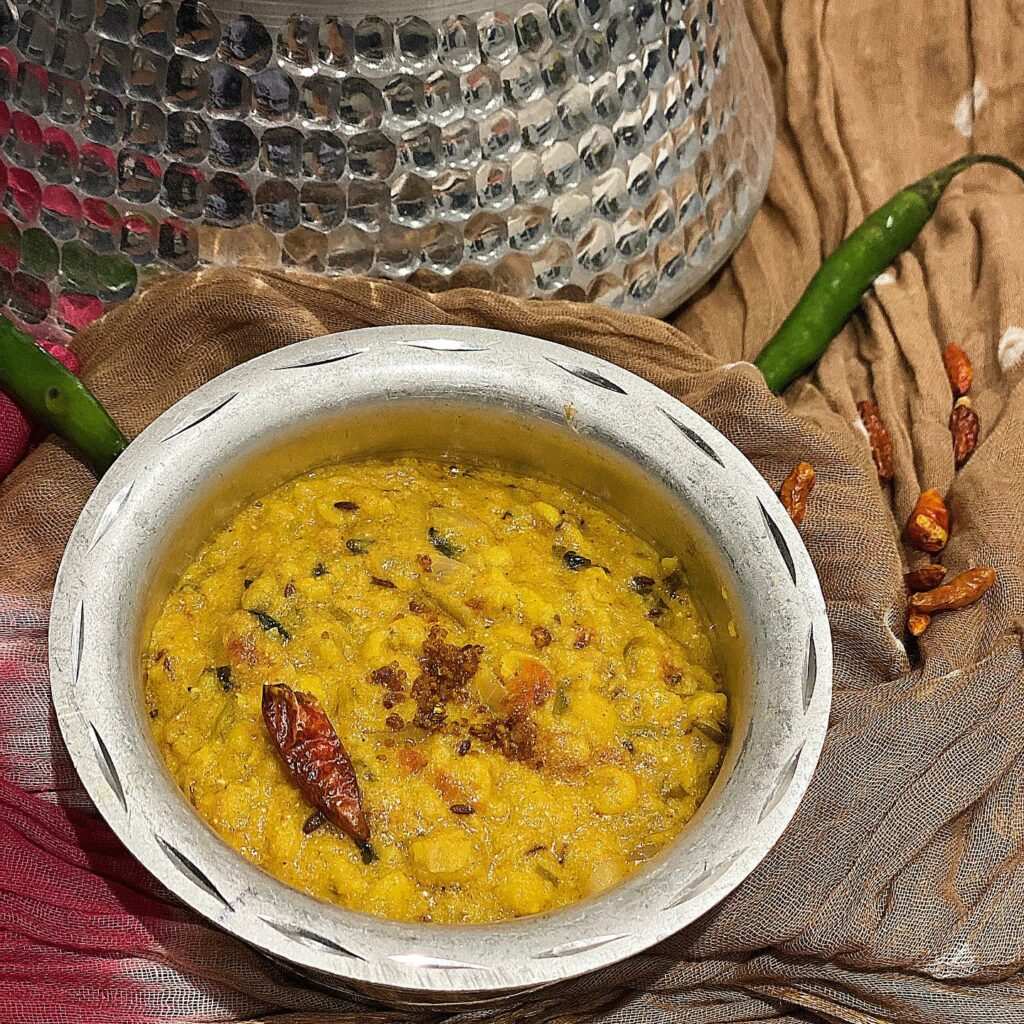
3)Mixed Dhal

Pulses are quite popular in Haryana, as they are produced abundantly. The Mixed Dhal dish is a blended dish of all major pulses like chana dal, toor dal, masoor dal, and moong dal available in the state, and cooked with tomatoes, curd, garam masala. This is a regular dish in every Haryanvi house. Mixed Dhal tastes excellent with jeera rice and paranthas.
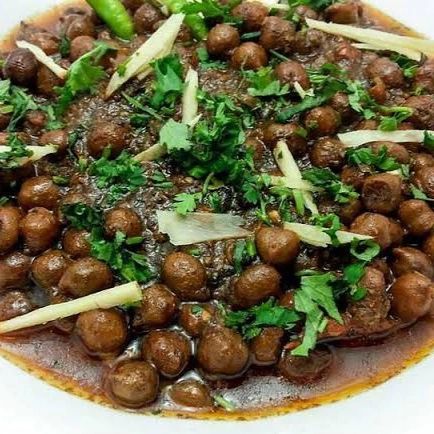
4)Hara Dhania Cholia

Green Channa is a vastly produced pulse in Haryana. The Hara Dhania Cholia is cooked with onions, some vegetables, and spices. This tasty dish is served with rice or paranthas and is a must-try dish when we visit Haryana.
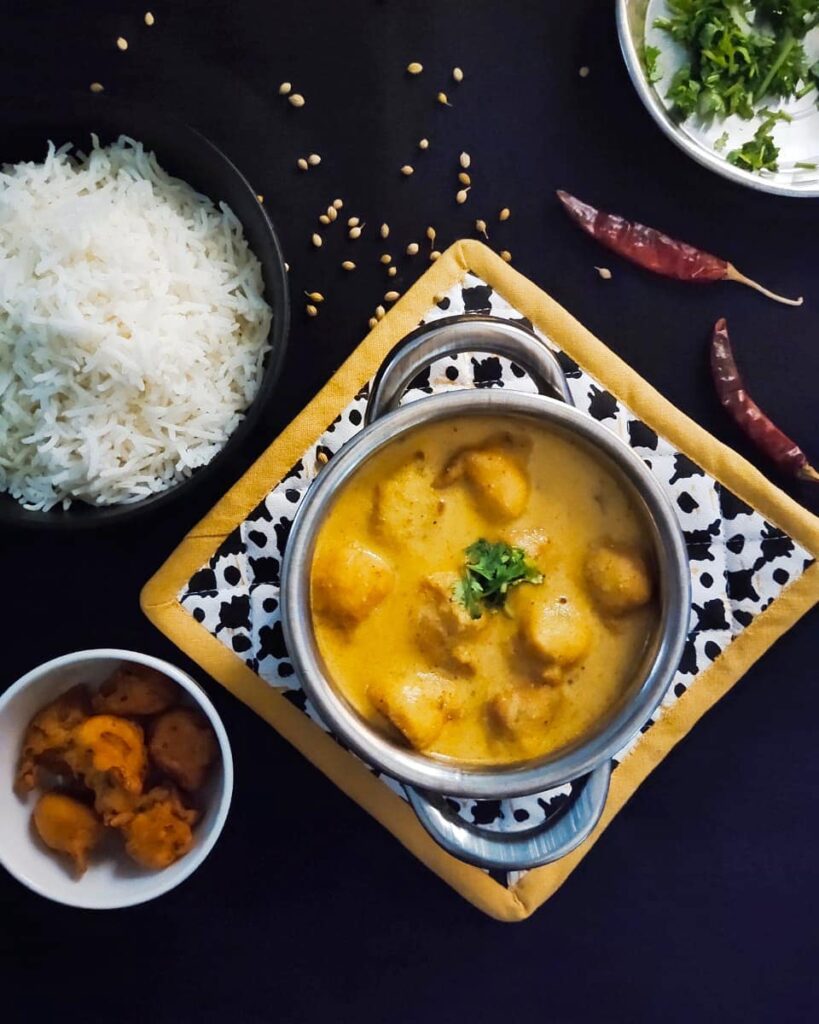
5)Kadhi Pakoda

Kadhi Pakoda is a traditional Haryana dish, which tastes super delicious. Kadhi means yogurt sauce and pakoda means fritters made with onions, gram flour, and seasonings. This delightful buttermilk curry is loved by everyone. To make the dish even more delicious, use yogurt made from whole milk.
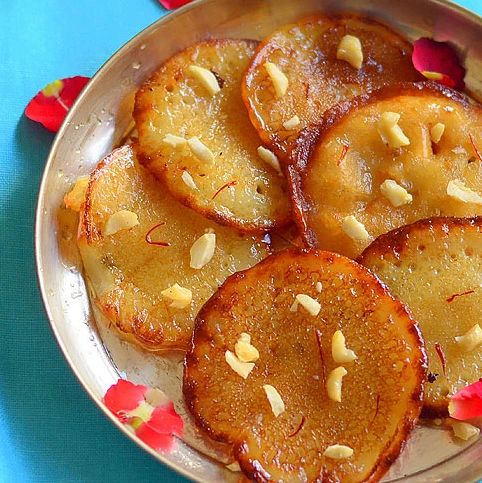
6)Malpua

Malpua is a perfect sweet dish in Haryana. The fluffy and soft pancake is topped with ghee, sugar syrup and served with rabdi. It is the people’s favorite sweet because eating just one slice of Malpua is never enough, there is always a craving for more.
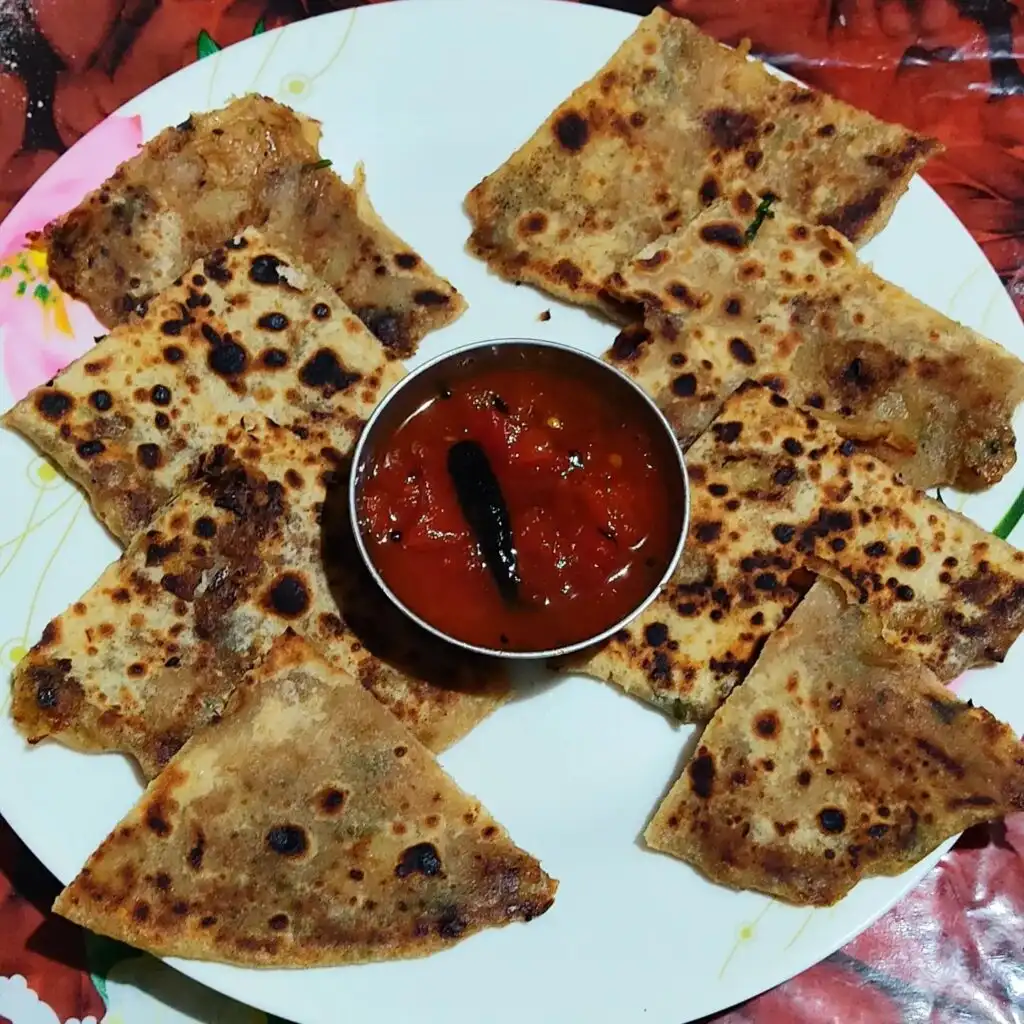
7)Tamatar Chutney

There are different types of tamatar chutneys made across the country. But the Haryana special chutney is spicy and is prepared with tomatoes, onion, garlic, and specific spices. Mostly tamatar chutney is served with pakoras and paranthas in Haryana food stalls and, majority of the houses.
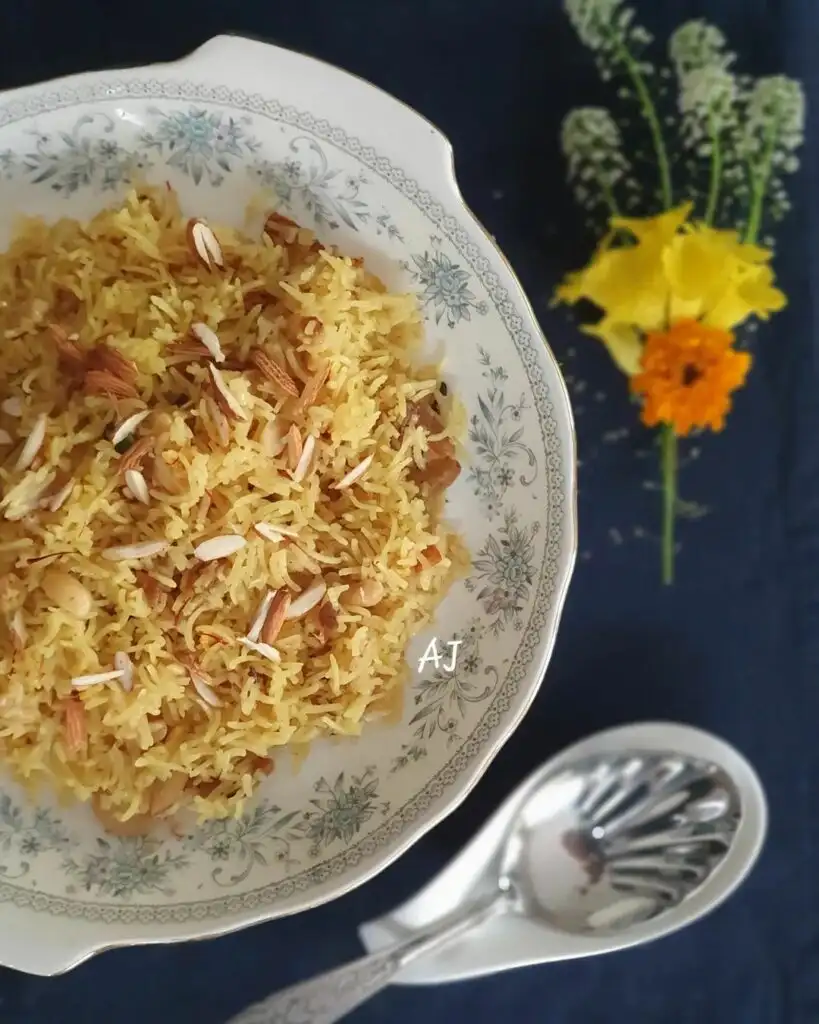
8)Mithe Chawal

Mithe Chawal, also known as sweet rice is a very famous dish in Haryana. It is made with Basmati Rice, ghee, sugar, and cardamom. Haryana is one of the places where Basmati rice grows best, hence this dish is a must try.
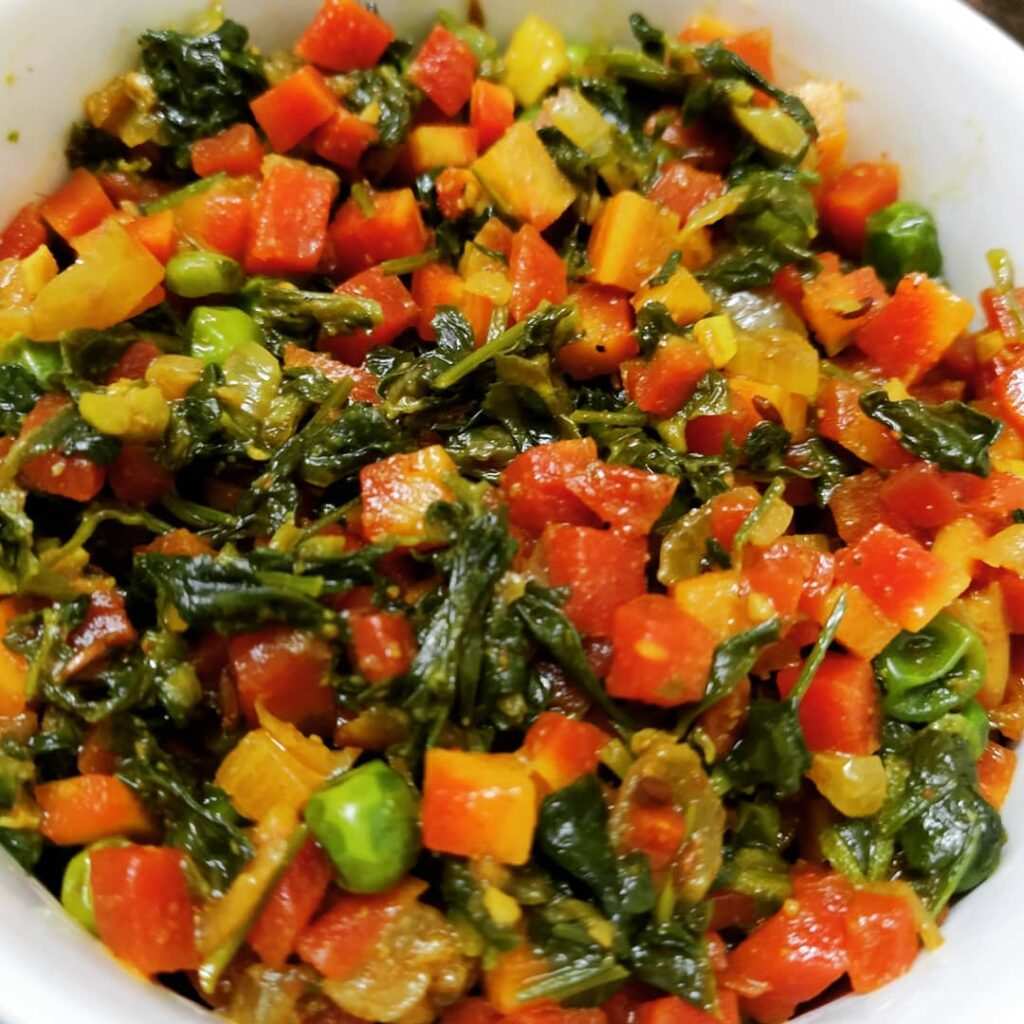
9)Methi Gajjar

Methi Gajjar is a unique dish because it is both spicy and a little sweet. Methi and Gajjar are the main ingredients used for preparing the dish along with some spices which make the dish mouth-watering. Methi Gajjar is mostly served with roti or rice.
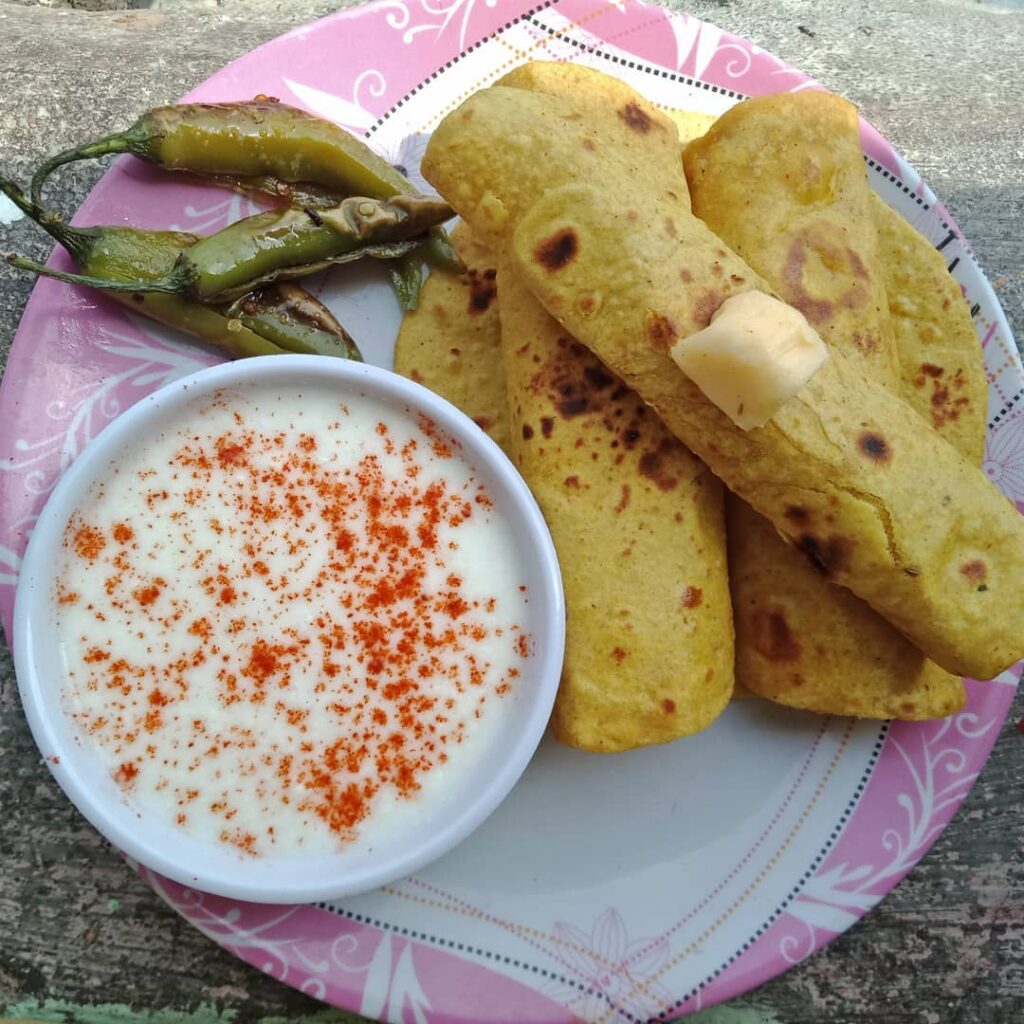
10)Besan Masala Roti

Besan Masala Roti is a popular dish in Haryana. Made with besan, wheat flour, and lots of ghee. It is a type of Indian bread where other ingredients like Chili powder, coriander, and amchur are added for taste and extra flavor. The Roti tastes best with sabzi or raita.
11)Bajara Khichri

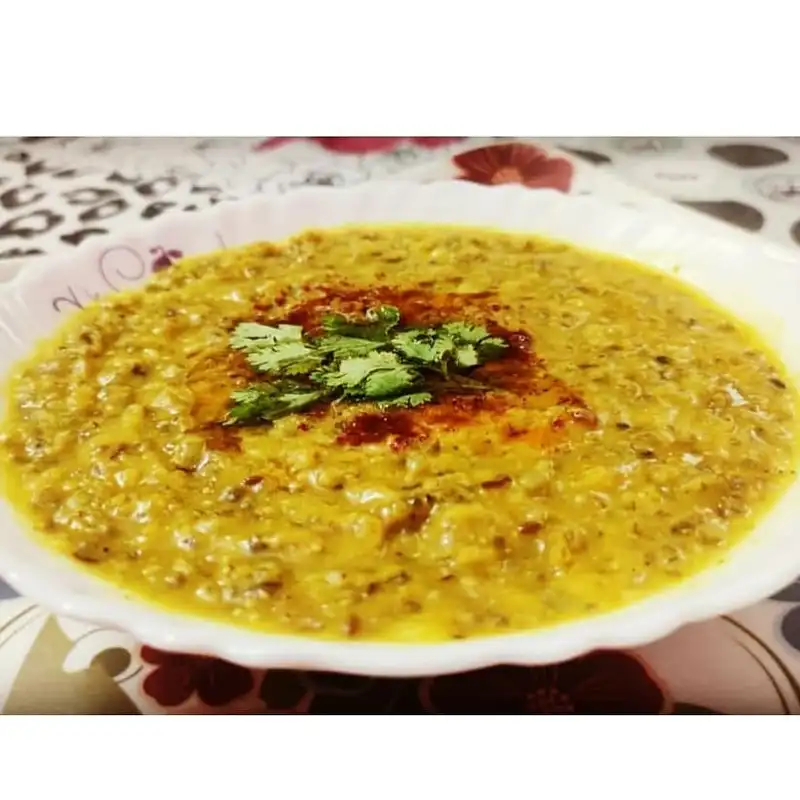
Khichri is very popular across the world. But what makes Haryana’s Bajara khichri special is instead of using rice, they use Bajara (pearl millets). The bajara is soaked overnight, and is cooked along with moong dal in a pressure cooker. It is a healthy dish which helps in weight loss.
12)Kachri ki chutney

Kachri ki chutney is very popular in Haryana and Rajasthan. This chutney is made from Kachri vegetable, which is a different type of cucumber that looks like a watermelon. The main ingredients in this dish are spices, yogurt, kachri, garlic, and onions.
13)Dahi Vada

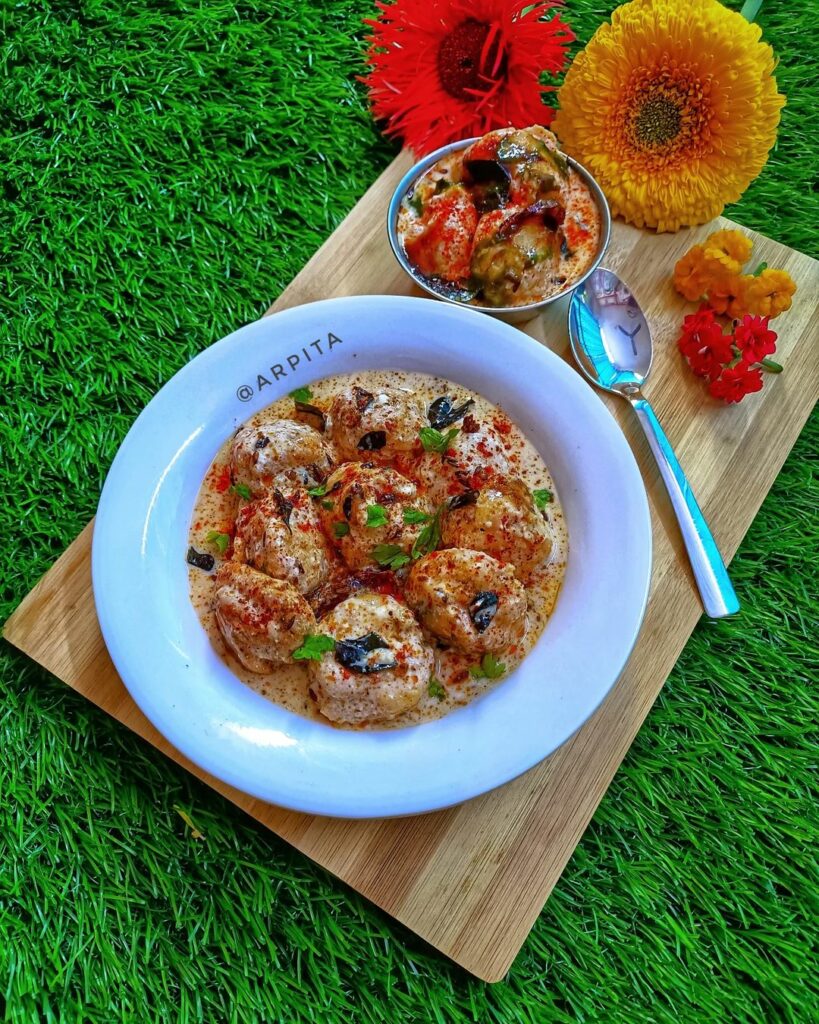
Dahi Vada is one of the famous dishes in North India. Dahi Vada’s main ingredients are yogurt and vada. The vadas are soaked in water and put aside. Then the yogurt is sweetened and poured on them with chili powder and different chutneys. It tastes the best when eaten cold.
14)Rajma Chawal

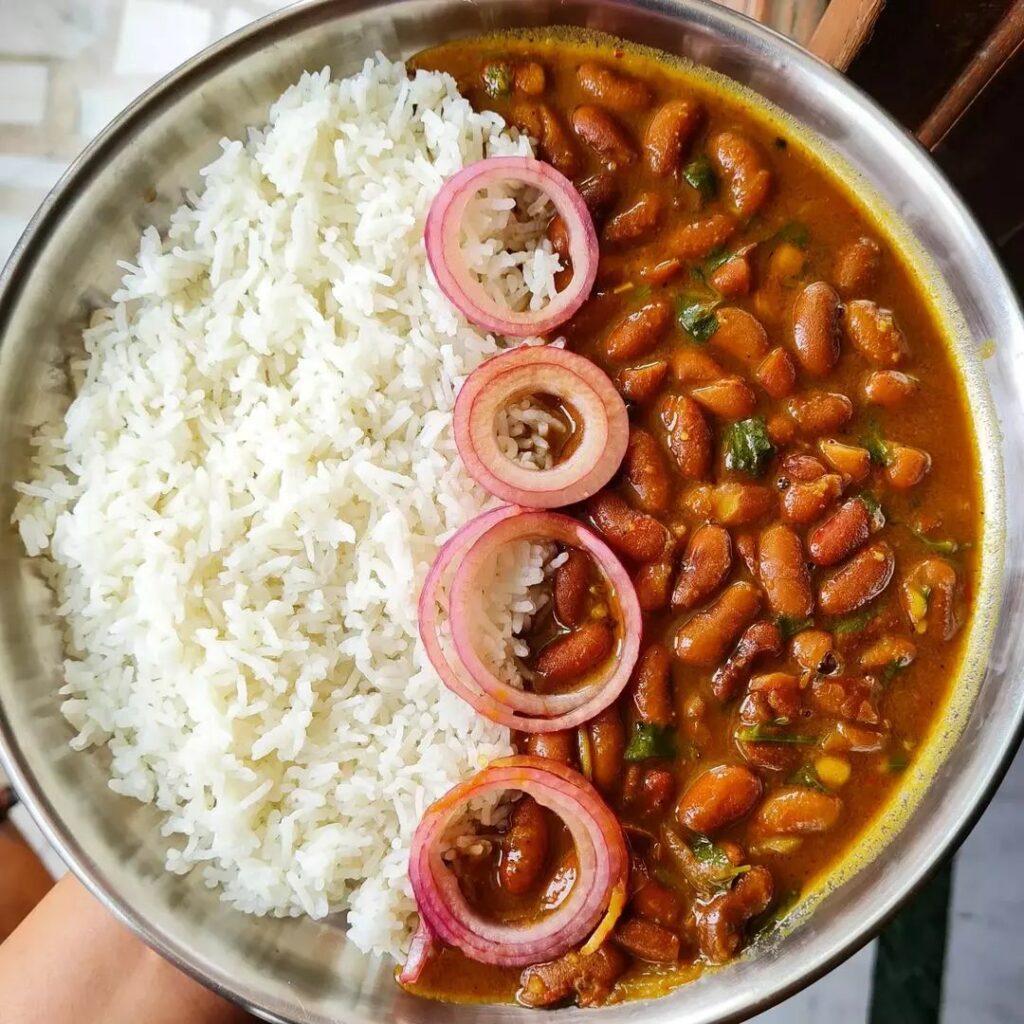
Another famous dish in Haryana is Rajma Chawal. Beans are boiled and soaked overnight and are used to mix with gravy. Rajma is wonderful with hot steaming rice and very healthy, as it is the best protein source for vegetarians.
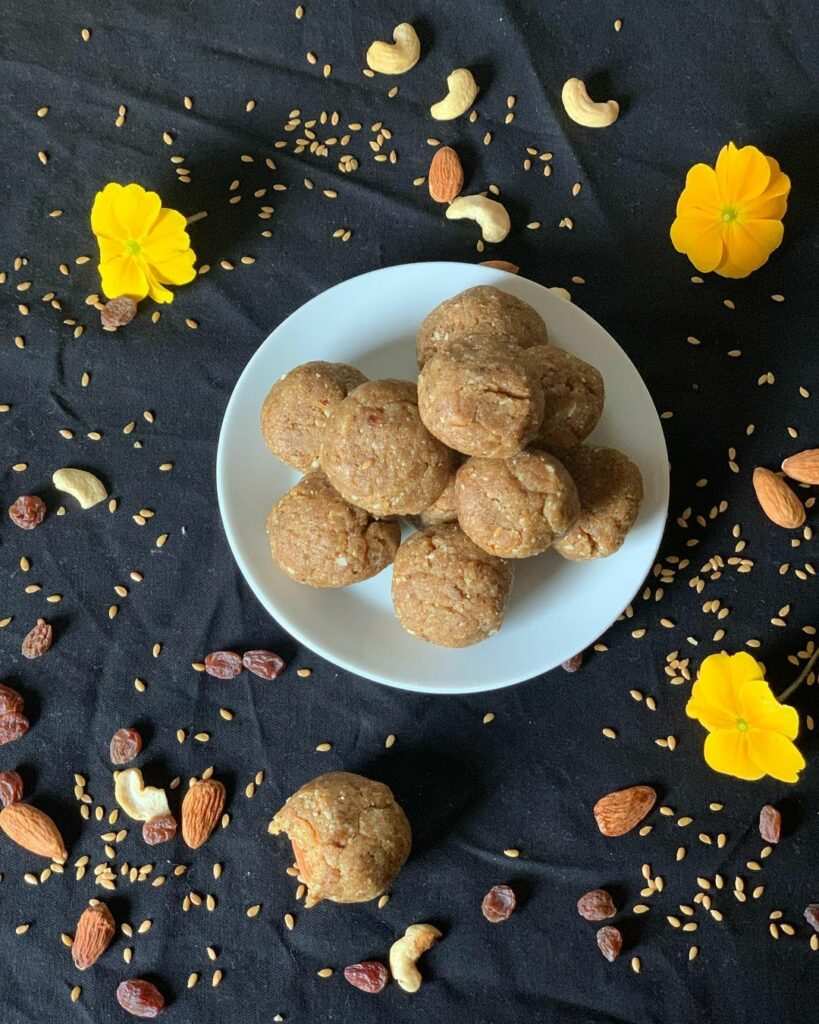
15)Alsi ki pinni

Alsi ki pinni is a popular sweet dish made with alsi(flax seeds). Ingredients like wheat flour, alsi, sugar, nuts, and a good amount of ghee are mixed and rolled into balls. This sweet dish is very healthy, because alsi is loaded with omega 3 and iron.
Conclusion

These are some of the traditional foods of Haryana with some earthly essence. Haryana’s cuisine is worth a try and makes you crave for more!

Leave a comment

Your email address will not be published. Required fields are marked *

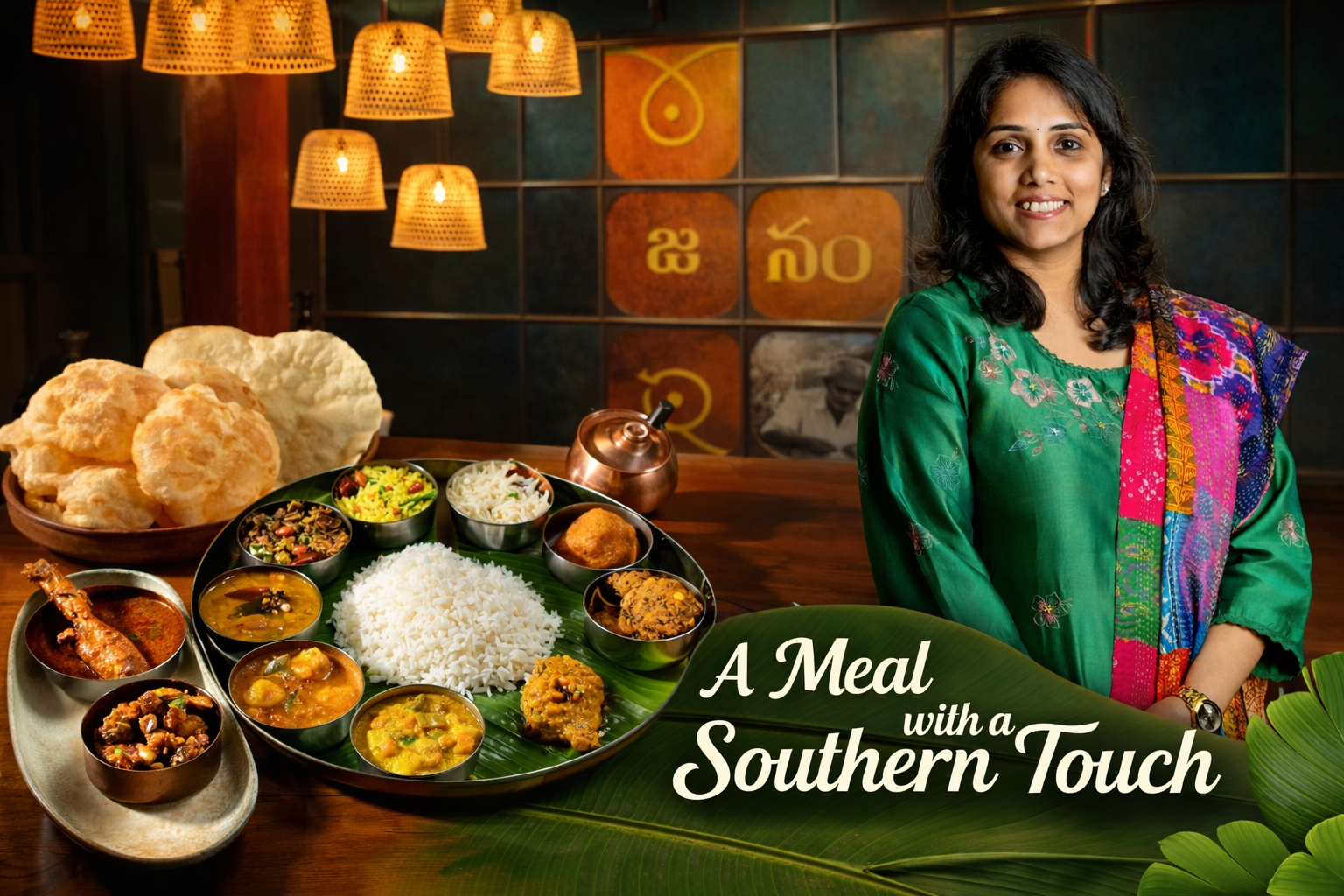
A Meal with a Southern Touch

What: Bhojanam Where: Hyderabad If you’re craving a meal that feels like home, Bhojanam in Jubilee Hills offers a warm, flavourful journey through the heart of Telugu cuisine. When in the South, a thali is one of those experiences that instantly gets your lips smacking, comforting, wholesome food served traditionally on a banana leaf. In the heart of Hyderabad, Bhojanam brings this experience to life with authenticity and warmth. Located in Jubilee Hills, this sprawling 8,000 sq. ft. space has been thoughtfully put together by Pranavi Chekuri and Teja Chekuri under Fullstack Ventures. Every detail reflects a personal touch. Pranavi, who grew up learning traditional cooking from her grandmother, has incorporated her own family recipes into the menu, even something as simple as rasam is crafted with a deeply homely, authentic flavour. The space is simple yet inviting, with indoor and outdoor seating, and an open kitchen where the aromas of freshly prepared dishes fill the air. At its core, Bhojanam celebrates the rich culinary heritage of the Telugu-speaking regions—Krishna, Godavari, Rayalaseema, and Telangana, through a thoughtfully curated, region-first thali experience. Since I’m allergic to seafood, I opted for the Krishnamma Bhojanam. We began with fresh sugarcane juice, pressed on-site, with hints of lime and ginger, refreshing and perfectly balanced. What followed felt deeply personal. Pranavi joined us for the meal and made sure everything was served just right. Conversations flowed easily about food, influences, and the stories behind certain dishes, adding a layer of warmth to the experience. The meal included dishes like natu kodi vepudu and pulusu, each carrying a distinct homemade quality, nothing overdone, just honest flavours that felt like they belonged in a family kitchen. During a conversation about local Telangana dishes, anapakaya ginjalu (hyacinth beans) came up, and Pranavi mentioned that they make vadas with

Cool & Nourish: Refreshing Summer Drinks to Beat the Heat

As temperatures rise during the summer months, staying hydrated becomes essential for maintaining energy, digestion, and overall health. While water remains the most important source of hydration, traditional summer drinks made with natural ingredients can provide additional nutrients and cooling benefits. Across India and other tropical regions, seasonal beverages made from fruits, herbs, and dairy have long been used to regulate body temperature and replenish minerals lost through sweat. These refreshing drinks not only quench thirst but also support digestion, boost immunity, and help the body stay balanced during intense heat. Here are some easy summer beverages along with their health benefits and simple recipes you can try at home. Aam Panna (Raw Mango Summer Cooler) Aam Panna is a classic summer drink known for its tangy flavour and cooling properties. It is made from raw mangoes blended with spices and herbs. Health BenefitsRaw mangoes are rich in vitamin C and antioxidants, which help boost immunity and prevent dehydration. The drink also restores electrolytes lost through excessive sweating and protects against heatstroke. Why You Should Drink ItAam Panna is considered one of the best traditional drinks to combat summer fatigue and heat exhaustion. Recipe Ingredients 2 raw mangoes 3 tablespoons sugar or jaggery (adjust to taste) ½ teaspoon roasted cumin powder A few fresh mint leaves A pinch of black salt 2 cups chilled water Method Boil or pressure-cook the raw mangoes until soft. Peel the skin and extract the pulp. Blend the pulp with sugar, mint leaves, cumin powder, and black salt. Add chilled water and mix well. Serve cold with ice and a few mint leaves for garnish. Buttermilk (Chaas) Buttermilk is a light, refreshing drink made from yogurt diluted with water and flavoured with spices. Health BenefitsIt is rich in probiotics, which support gut health and digestion.

From Menus To Memories: Top Hosting Tips For The Ultimate Dinner Party

There’s something magical about a well-executed dinner party. Whether you’re rounding up your best friends for a catch-up or entertaining extended family for a celebratory night in, the joy of feeding those you love never goes out of fashion. As much as we love a night out at a fancy restaurant, there’s a certain charm about staying in, lighting some candles, and serving up your signature dish with pride. For many Indian hosts, a dinner party is more than just a meal it’s a full-blown experience. From the starters to the send-off, every detail adds up to make your guests feel welcome, well-fed, and genuinely impressed. But pulling it off requires more than just a decent butter paneer and some extra plates. Whether you’re a seasoned host or dipping your toes into the world of dinner parties, here are some top tips for hosting with ease, style, and a whole lot of heart. Start With The Invite to Set The Tone Early Planning for a dinner party starts way before the guests come knocking at your door it begins with your invitation. A blasé “Dinner on Friday?” text on WhatsApp doesn’t cut it. If you want to elevate the vibe, design your own PDF invitation cards it’s a small touch that shows thought, effort, and makes everything feel more intentional. Plus, you get a chance to convey the essentials date, dress code (if applicable), theme, and what to bring or not bring (i.e., a bottle of wine, or no surprise plus-ones). Creating your own invitations also helps you set expectations in a classy way. Fancy a relaxed rooftop vibe with finger food and sangria? Or something a bit more traditional, with thalis and mithai? Either way, when your invite looks the part, your guests know what to bring and the

Shruti Mahajan: From Home Kitchens to Digital Food Education

Shruti Mahajan’s relationship with food began long before social media. Raised in a home where meals symbolised comfort and connection, she grew up understanding that food was never just functional; it was emotional infrastructure. Today, based in Delhi NCR, she balances a full-time corporate career alongside a steadily growing culinary platform. Her dual life reflects her personality: equal parts structured and creative. “I’ve always balanced discipline with imagination,” she shares. Managing time, health, and responsibility firsthand shaped her belief that food solutions must work in real life, not just on screen. Simplifying the Everyday Shruti identifies as a culinary content creator and digital educator, but her core mission is simpler: make healthy eating realistic. She noticed that nutrition-forward cooking often felt overwhelming or aspirational. “Food is something we deal with every single day,” she says. “If we can make it easier and healthier, it genuinely improves quality of life.” Her content is built around that practicality, short, efficient recipes designed for busy schedules. Shruti’s signature format includes 30–40 second recipes that viewers can watch, save, and cook without friction. She focuses on ingredients already present in Indian kitchens and has carved a niche by making millets engaging, from Ragi Brownies and Ragi Dhokla to Millet Sambar Khichdi. Built on Consistency Her journey began quietly, experimenting in her own kitchen and sharing what worked. There was no dramatic pivot, only persistence. Balancing content creation alongside a demanding job required discipline. That phase reinforced her core belief: consistency outweighs perfection. The turning point came when followers began writing, “I actually tried this.” That validation signalled impact. Today, she is focused less on virality and more on systems, structured PDFs, nutrition-led education, and scalable tools that empower everyday cooks. Power in Balance Shruti operates on three principles: balance over extremes, progress over pressure,

You May Also Like

Connect with us