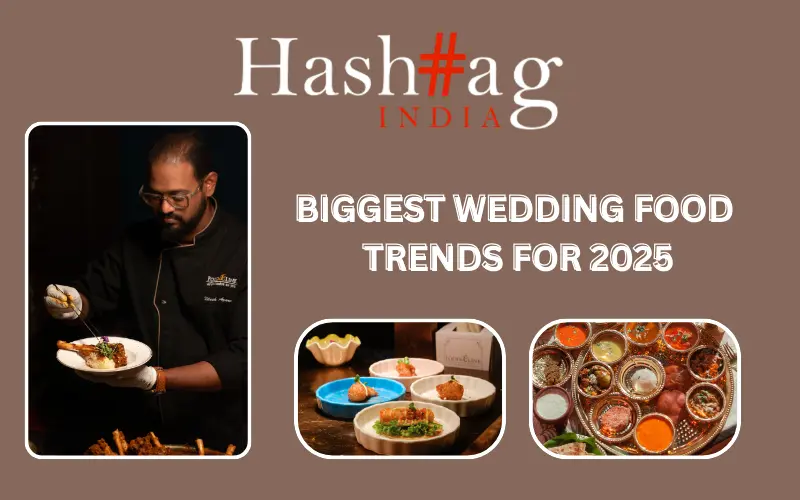
Feasting into the Future:Biggest Wedding Food Trends for 2025

Biggest Wedding Food Trends for 2025

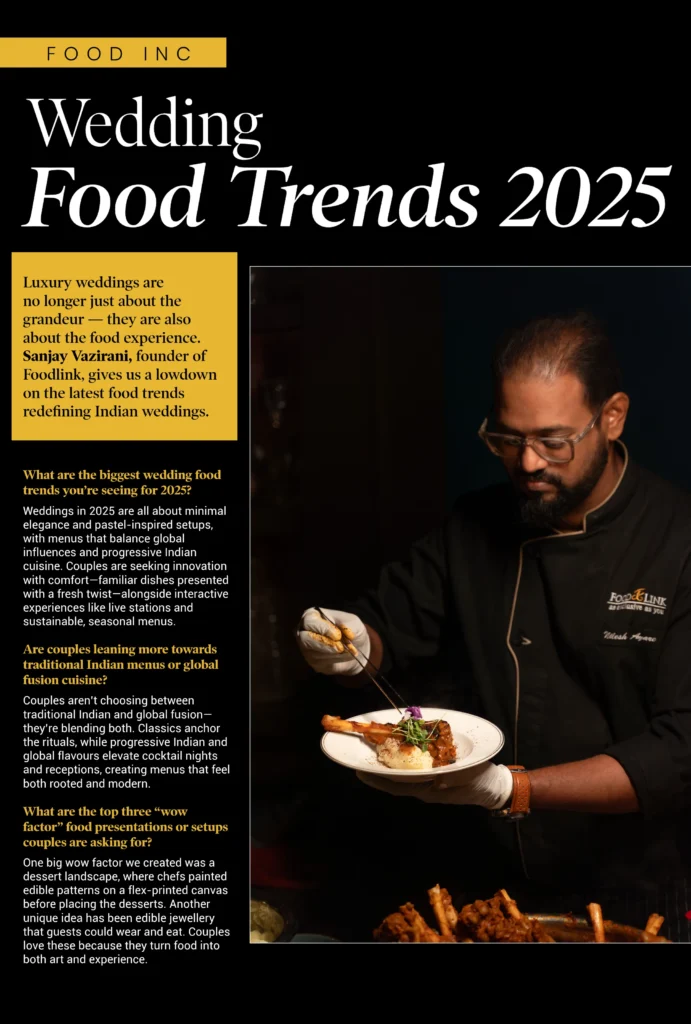
Hashtag Magazine explores the biggest wedding food trends for 2025, where tradition meets innovation. From sustainable menus to immersive dining experiences, discover how couples are redefining wedding celebrations with unforgettable culinary delights.

1.What are the biggest wedding food trends you’re seeing for 2025?

Weddings in 2025 are all about minimal elegance and pastel-inspired setups, with menus that balance global influences and progressive Indian cuisine. Couples are seeking innovation with comfort, familiar dishes presented with a fresh twist alongside interactive experiences like live stations and sustainable, seasonal menus.

2.Are couples leaning more towards traditional Indian menus or global fusion cuisine?

Couples aren’t choosing between traditional Indian and global fusion, they’re blending both. Classics anchor the rituals, while progressive Indian and global flavors elevate cocktail nights and receptions, creating a menu that feels both rooted and modern.

3.What are the top three “wow factor” food presentations or setups couples are asking for?

One big wow factor we created was a dessert landscape, a flex printed with circles as placeholders where chefs designed patterns using edible paints, sauces, and garnishes before placing the desserts. Another unique idea has been edible jewellery, where guests could actually wear and eat the creations. Couples love these because they turn food into both art and experience. 

4.How are sustainability and locally sourced ingredients influencing wedding menus this year?

Couples today are embracing seasonal, locally sourced ingredients, not only for their freshness, but also to support farmers, reduce waste, and pair them with eco-friendly packaging and serve ware. It’s a mindful shift that makes weddings feel both luxurious and responsible.
5.What’s trending in wedding desserts?

Plated dinners are generally reserved for VIP sections and remain an option, but at weddings, live and interactive counters continue to be the highlight. They bring energy, engagement, and variety, which is why guests always love them.

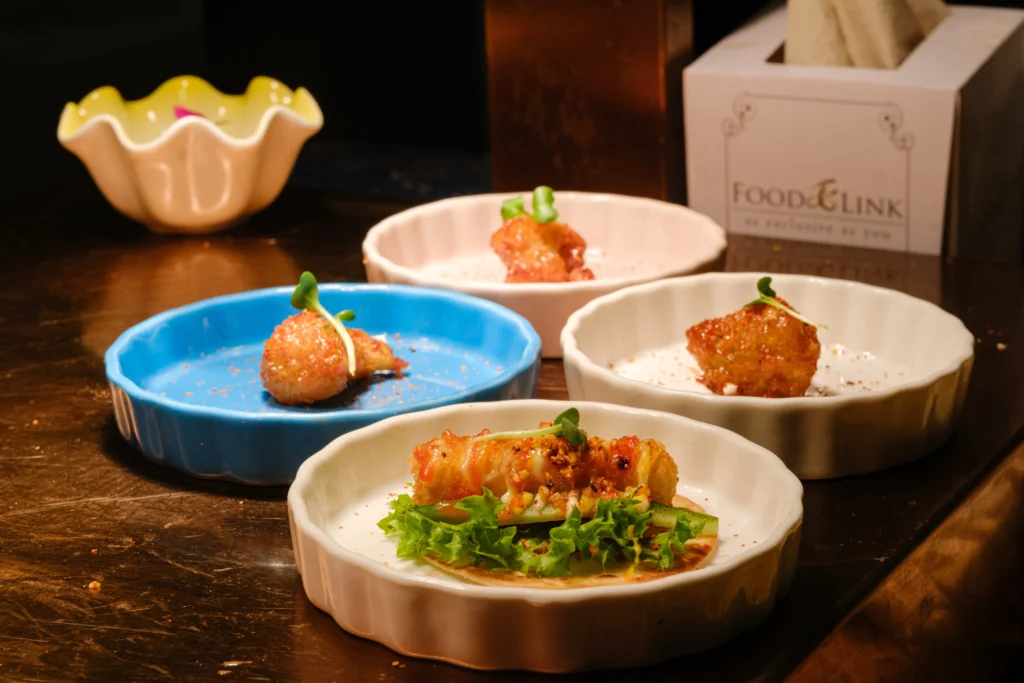
When it comes to desserts, the trend is all about creativity and presentation. Couples are choosing sweets that match the theme of each function, traditional mithai for wedding rituals, and modern or western desserts for cocktail nights. Fusion desserts are also a big hit, like rasgulla with coffee syrup or tiramisu gulab jamun. Healthier stations with jaggery-based or fruit-based desserts are gaining popularity too. And for something unique, we’ve even created dessert landscapes like a canvas painted with edible paints that guests could scoop and enjoy, along with playful twists such as jalebi churros.

6.What’s the most memorable food trend you’ve executed recently? (Chef Input)

One of the most memorable trends we executed recently was ‘fire-to-plate’ dining, where everything is cooked right in front of the guests and served instantly. Live cooking stations make the whole experience interactive and exciting. For example, hot biryani served in mini matkas, (straight from the sigdi) or flying buffets where there’s no traditional buffet setup instead, it feels like an à la carte service, with dishes prepared fresh and served within minutes. This format works especially well for intimate gatherings with a smaller guest list.

7.How are caterers making food an interactive experience for guests?

Creating an interactive dining experience requires intention and careful planning. It’s almost like directing a play, from the welcoming aroma as guests walk in, to the sound of kebabs sizzling or golgappas crunching, to the cool feel of a ceramic bowl in hand, the visual storytelling on the plate, and finally the burst of flavour on the palate. Not every dish needs to engage all five senses, but the overall journey should  and that’s what truly sets us apart. 

8.What are the common mistakes couples make while planning their wedding menu?

A common mistake couples make while planning their wedding menu is not keeping their guests in mind. That’s where Foodlink steps in, we dive into the details and even conduct thorough guest profiling to ensure the menu truly connects with everyone attending. Another mistake is overloading the menu on a single day, too many dishes can feel overwhelming and often lead to unnecessary waste. We usually recommend creating a different menu for each event to keep things fresh and exciting, and always suggest including a counter of local comfort food, which guests really appreciate.

9.What’s your tip for making late-night snacks memorable at weddings?

Late-night snacks are best when they’re light and comforting, the kind of munchies you’d crave after a night out. Couples are adding fun touches like Maggi stalls, pizzas, rolls, kebabs, or even egg bhurji and omelette counters. Some go a step further with homely khichdi or indulgent treats like kulfi and warm brownies.
10.How are global flavours influencing Indian wedding menus this year?

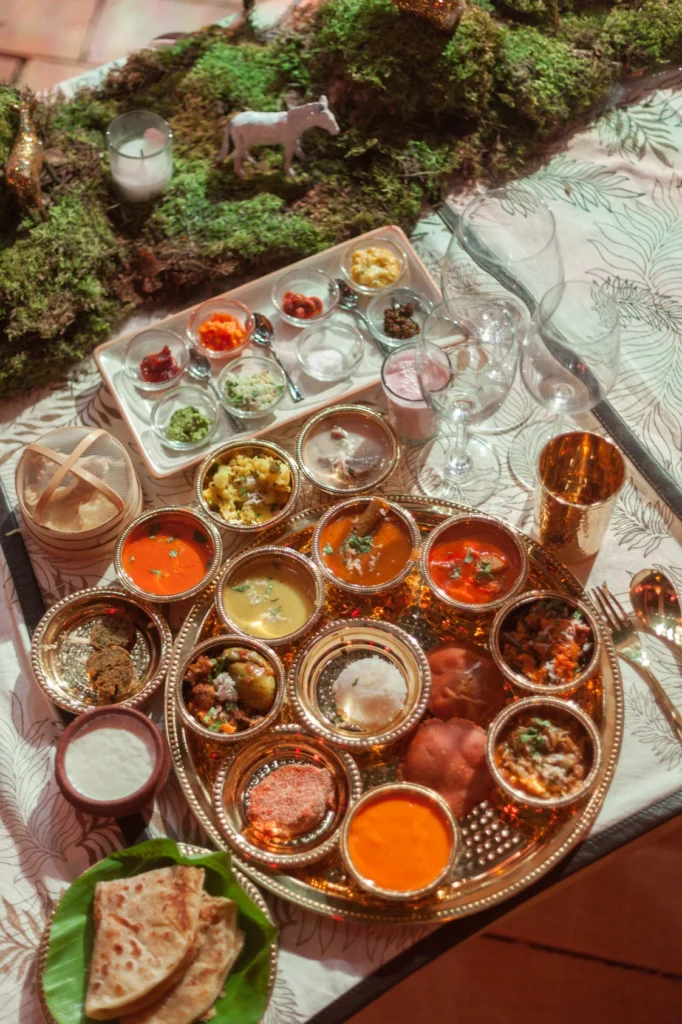
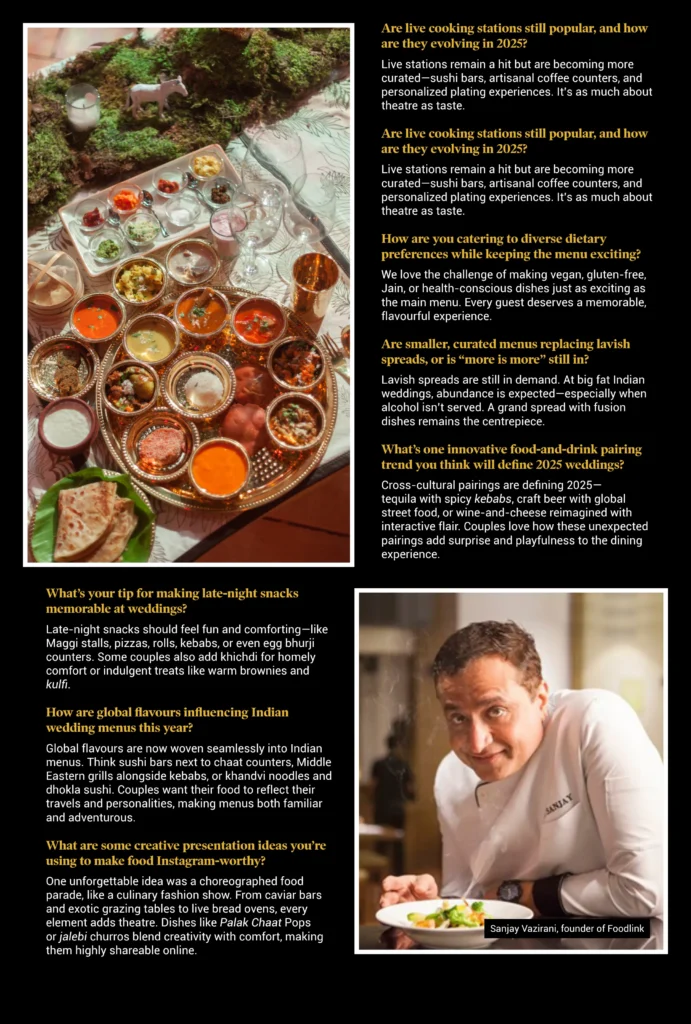
Global flavours are no longer just add-ons, they’re being woven seamlessly into Indian wedding menus. We’re seeing sushi bars next to chaat counters, Middle Eastern grills paired with Indian kebabs, and Italian pastas with desi twists. Couples today want their menus to reflect their travels and personalities, so the food feels both familiar and adventurous at the same time. Fusion is an area we truly enjoy experimenting with for instance, at an event in Ahmedabad we created khandvi noodles and dhokla sushi, and the guests were absolutely delighted.

11.What are some creative presentation ideas you’re using to make food Instagram-worthy?

One of our most unforgettable ideas was a choreographed food parade designed like a culinary fashion show. Gourmet creations were served in motion, presented on bespoke platters by elegantly dressed servers, turning the act of service into performance. Our signature stations also add theatre from a caviar bar and a grazing table with exotic vegetables and aged cheeses, to a live bread oven and grill trolleys. Dishes like Palak Chaat Pops, Pomegranate Caviar with edible spoons, Raclette, and Malai Broccoli blend creativity with comfort. It’s not just about the food, it’s about drama, surprise, and delight at every turn, making it truly Instagram-worthy.

12.Are live cooking stations still popular, and how are they evolving in 2025?

Live stations are still a hit, but in 2025 they’re more curated, sushi bars, artisanal coffee counters, even chefs doing personalized plating. It’s about theatre as much as taste.

13.How are you catering to diverse dietary preferences while keeping the menu exciting?

Making healthy or dietary-specific food exciting can be a challenge, but that’s the kind of challenge Foodlink loves. We design vegan, gluten-free, Jain, or health-focused dishes that are just as creative and flavourful as the rest of the menu, so no one feels left out, and every guest still gets a memorable dining experience.

14.Are smaller, curated menus replacing lavish spreads, or is “more is more” still in?

Lavish spreads are still very much in demand. At big fat Indian weddings, especially in a flamboyant market, guests expect abundance. And for events without alcohol, the entire focus shifts to food, so a grand spread, fusion options, and a plethora of dishes almost go without saying.

15.What’s one innovative food-and-drink pairing trend you think will define 2025 weddings?

2025 is all about cross-cultural pairings. We’re seeing tequila with spicy kebabs, local craft beers paired with global street food, and even classic wine-and-cheese experiences being reimagined in fun, interactive ways. Red wine with slow-cooked meats is another trend couples are embracing, it feels indulgent yet timeless. Guests love how these unexpected pairings surprise the palate and add a playful twist to the dining experience.
Leave a comment

Your email address will not be published. Required fields are marked *

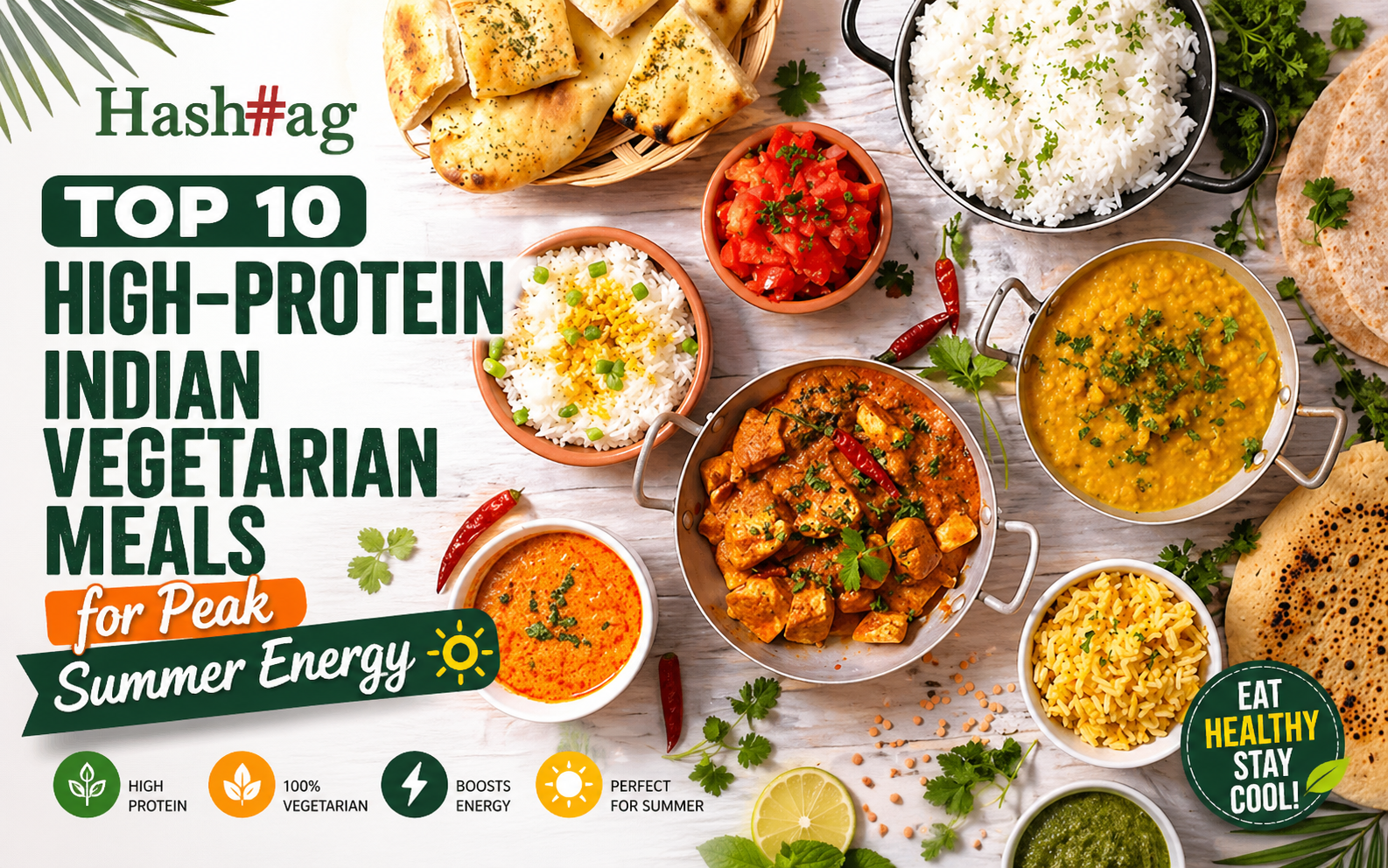
Top 10 High-Protein Indian Vegetarian Meals for Peak Summer Energy

Summer in India is not just hot, it is exhausting. You wake up tired. By afternoon, you can barely think straight. You reach for chai, then cold drinks, then more chai. And somehow, by evening, you feel worse than when the day started. Here is what most people don’t know: the food you eat in summer decides how much energy you carry through the day. Heavy, oily meals make you sluggish. Too little food leaves you dizzy. But high-protein vegetarian meals, the kind Indian kitchens have been making for centuries, give your body exactly what it needs to stay sharp, stay cool, and stay strong. Dhanush Kumar writes about the Top 10 High-protein Indian vegetarian meals, which are not fancy supplements, no expensive imports. Just real Indian food, done right. Moong Dal Chilla If you eat just one thing differently this summer, make it this. Moong dal chilla is a thin, crispy pancake made from soaked green moong, and it is one of the lightest, most protein-rich breakfasts in Indian cooking. The magic of moong in summer is real. It is naturally cooling for the body, and it digests easily, so you don’t feel heavy after eating. Add some grated ginger and green chilli, a little ajwain, and serve with green chutney, and you have a breakfast that keeps you full till noon without weighing you down. Children love it. Office-goers love it. Your body in 42 degrees of heat will absolutely love it. Rajma Chawal Yes, it is a classic. Rajma is one of the highest-protein legumes available in India, rich, thick, and deeply satisfying. Pair it with plain rice, and you have a complete meal with all the essential amino acids your body needs. The trick in summer is to make it lighter: Less oil, more tomatoes, skip

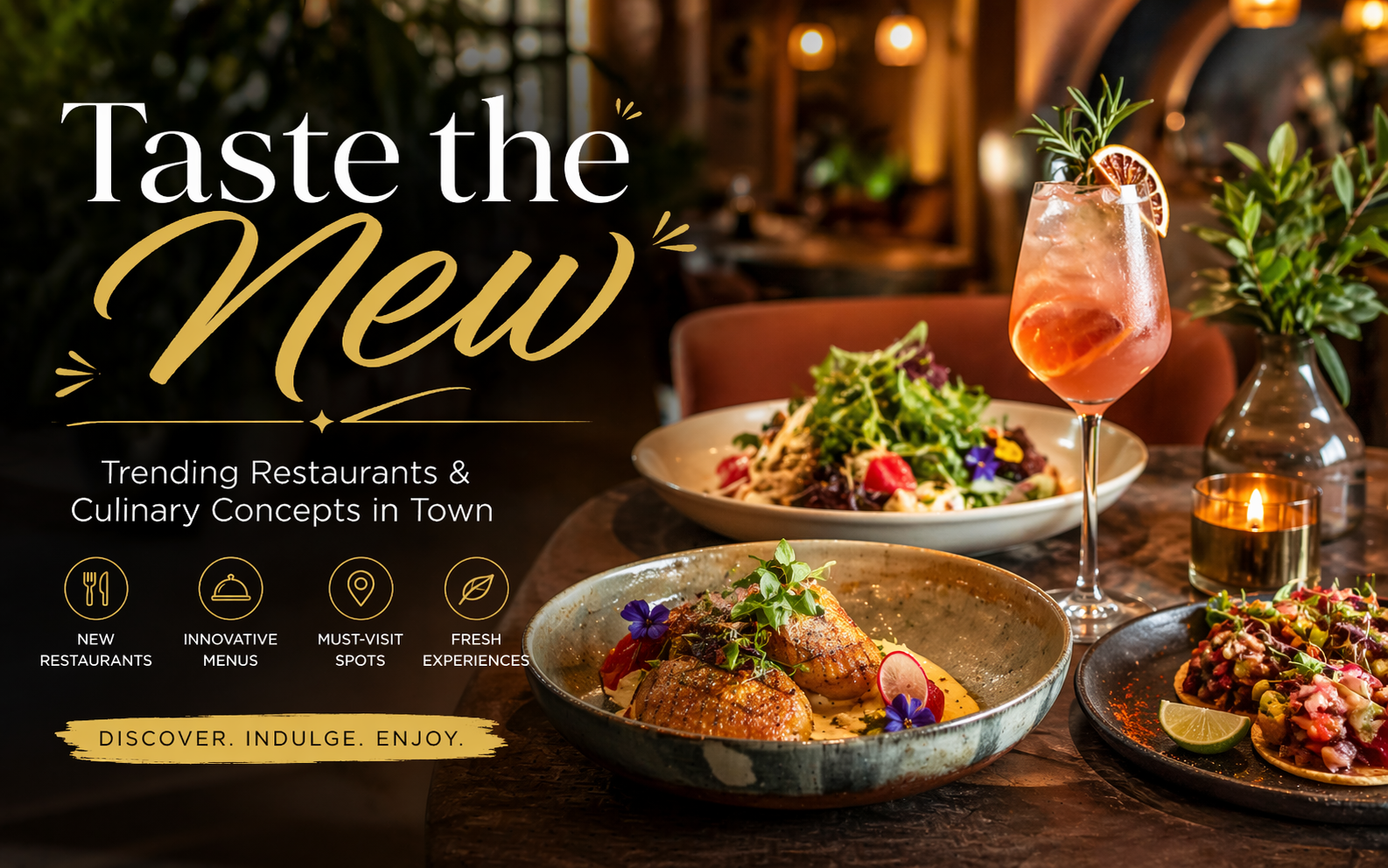
Taste the New: Trending Restaurants & Culinary Concepts in Town

Discover the latest restaurants, menus, and culinary concepts making waves across the city. From exciting new launches to fresh dining experiences, this section brings you the must-visit spots every food lover should know about. What: The Reservoire Where: Bengaluru The Reservoire has emerged as India’s largest cocktail bar, setting a new benchmark in the country’s evolving drinking culture with an extraordinary menu of over 100 cocktails. Known for its cocktail-first philosophy, the Bengaluru hotspot blends experimentation, storytelling, and immersive hospitality to create a space where drinks are crafted as memorable experiences rather than just menu items. The expansive cocktail program celebrates both innovation and familiarity. Signature creations such as Kokum Spiritz highlight regional Indian flavours, while indulgent blends like Strawberry Cheesecake blur the line between dessert and drink. Playful twists like Not A Pinacolada surprise the palate, alongside classics such as the Paloma and contemporary favourites like the Blueberry & Gin Sour. Other standouts include Mellow Minty, the bold GCT (Guava Chilli Tequila), the vibrant Blue Pea Ultimate G&T, and the house favourite Reservoire Drop. With a menu designed for discovery and constant exploration, The Reservoire invites guests to experience cocktails more dynamically and experimentally. Combining scale with craftsmanship, the bar continues to position itself as a destination for cocktail enthusiasts and curious drinkers alike in Bengaluru’s thriving nightlife scene. What: Shaara Where: Pune Ishaara, the experiential dining concept by Bellona Hospitality, has introduced a limited-time Kebabs & Curries Menu at its Pune outlets in Phoenix Marketcity, Viman Nagar and Phoenix Mall of the Millennium, Wakad. The special menu celebrates the rich culinary legacy of grilling and slow-cooked curries, drawing inspiration from Persian, Turkish, and Mughal traditions while presenting them with Ishaara’s contemporary finesse.The menu features an array of flavourful kebabs such as Persian Jujeh Kebab, Turkish Adana Kebab, Burra

A Meal with a Southern Touch

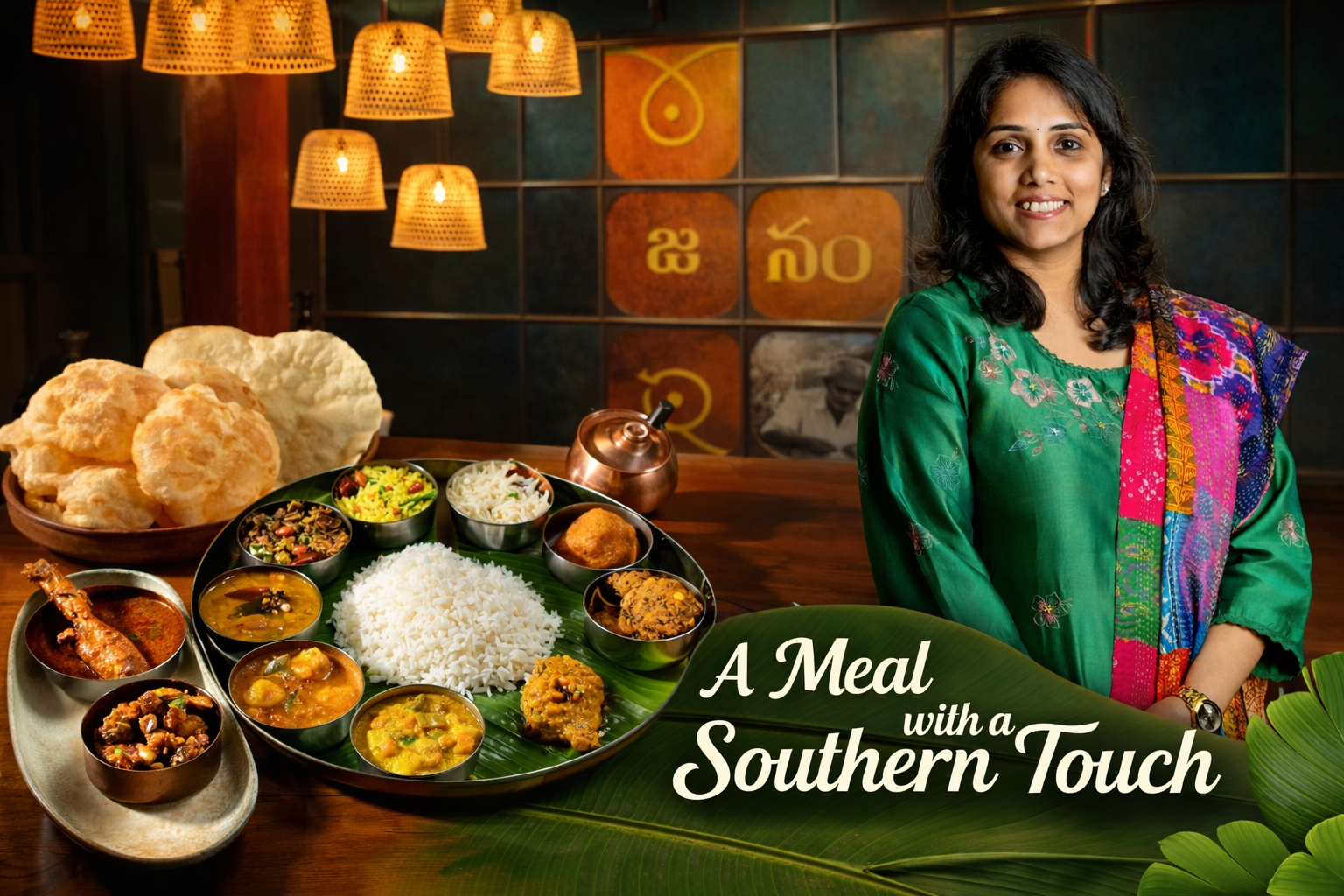
What: Bhojanam Where: Hyderabad If you’re craving a meal that feels like home, Bhojanam in Jubilee Hills offers a warm, flavourful journey through the heart of Telugu cuisine. When in the South, a thali is one of those experiences that instantly gets your lips smacking, comforting, wholesome food served traditionally on a banana leaf. In the heart of Hyderabad, Bhojanam brings this experience to life with authenticity and warmth. Located in Jubilee Hills, this sprawling 8,000 sq. ft. space has been thoughtfully put together by Pranavi Chekuri and Teja Chekuri under Fullstack Ventures. Every detail reflects a personal touch. Pranavi, who grew up learning traditional cooking from her grandmother, has incorporated her own family recipes into the menu, even something as simple as rasam is crafted with a deeply homely, authentic flavour. The space is simple yet inviting, with indoor and outdoor seating, and an open kitchen where the aromas of freshly prepared dishes fill the air. At its core, Bhojanam celebrates the rich culinary heritage of the Telugu-speaking regions—Krishna, Godavari, Rayalaseema, and Telangana, through a thoughtfully curated, region-first thali experience. Since I’m allergic to seafood, I opted for the Krishnamma Bhojanam. We began with fresh sugarcane juice, pressed on-site, with hints of lime and ginger, refreshing and perfectly balanced. What followed felt deeply personal. Pranavi joined us for the meal and made sure everything was served just right. Conversations flowed easily about food, influences, and the stories behind certain dishes, adding a layer of warmth to the experience. The meal included dishes like natu kodi vepudu and pulusu, each carrying a distinct homemade quality, nothing overdone, just honest flavours that felt like they belonged in a family kitchen. During a conversation about local Telangana dishes, anapakaya ginjalu (hyacinth beans) came up, and Pranavi mentioned that they make vadas with


Cool & Nourish: Refreshing Summer Drinks to Beat the Heat

As temperatures rise during the summer months, staying hydrated becomes essential for maintaining energy, digestion, and overall health. While water remains the most important source of hydration, traditional summer drinks made with natural ingredients can provide additional nutrients and cooling benefits. Across India and other tropical regions, seasonal beverages made from fruits, herbs, and dairy have long been used to regulate body temperature and replenish minerals lost through sweat. These refreshing drinks not only quench thirst but also support digestion, boost immunity, and help the body stay balanced during intense heat. Here are some easy summer beverages along with their health benefits and simple recipes you can try at home. Aam Panna (Raw Mango Summer Cooler) Aam Panna is a classic summer drink known for its tangy flavour and cooling properties. It is made from raw mangoes blended with spices and herbs. Health BenefitsRaw mangoes are rich in vitamin C and antioxidants, which help boost immunity and prevent dehydration. The drink also restores electrolytes lost through excessive sweating and protects against heatstroke. Why You Should Drink ItAam Panna is considered one of the best traditional drinks to combat summer fatigue and heat exhaustion. Recipe Ingredients 2 raw mangoes 3 tablespoons sugar or jaggery (adjust to taste) ½ teaspoon roasted cumin powder A few fresh mint leaves A pinch of black salt 2 cups chilled water Method Boil or pressure-cook the raw mangoes until soft. Peel the skin and extract the pulp. Blend the pulp with sugar, mint leaves, cumin powder, and black salt. Add chilled water and mix well. Serve cold with ice and a few mint leaves for garnish. Buttermilk (Chaas) Buttermilk is a light, refreshing drink made from yogurt diluted with water and flavoured with spices. Health BenefitsIt is rich in probiotics, which support gut health and digestion.

You May Also Like

Connect with us