
Back Pain No More!

BACK PAIN NO MORE!

Backache is the most widely recognised issue that individuals with desk jobs are enduring in today’s day and age. The principal reason behind this is the extended periods of sitting on a chair, influencing the stance. As the body slumps, the shoulders drop forward and the back turns out to be adjusted and that in turn squeezes the lower back. Here, Teena Sadiora suggests some yoga postures to overcome back pain.

Bhujangasana

Bhujangasana posture

This posture extends the spine, opens the shoulders and chest, and reinforces the stomach. Clasp the stance for half a minute with typical relaxation.

Swaying Cobra Pose

Swaying Cobra Pose

This stretches the lower back muscles and the spine, opens the shoulders and chest, and fortifies the stomach. Rehash on both sides for half a minute with typical relaxing. 

Crocodile Pose

Crocodile Pose

This stance urges the vertebral segment to expect its typical shape along delivering the nerves’ pressure. Remain in variety 1 for around half minute. In variety 2, you need to lift your legs while attempting to kick the hips with the heels and rehash for half minute breathing ordinarily.

Shashankasana

Shashankasana

Used to loosen up the body and quiet the psyche, this posture balances the retrogressive bowing stances and extends the spine, relieving any tension on the disc.

Marichyasana C
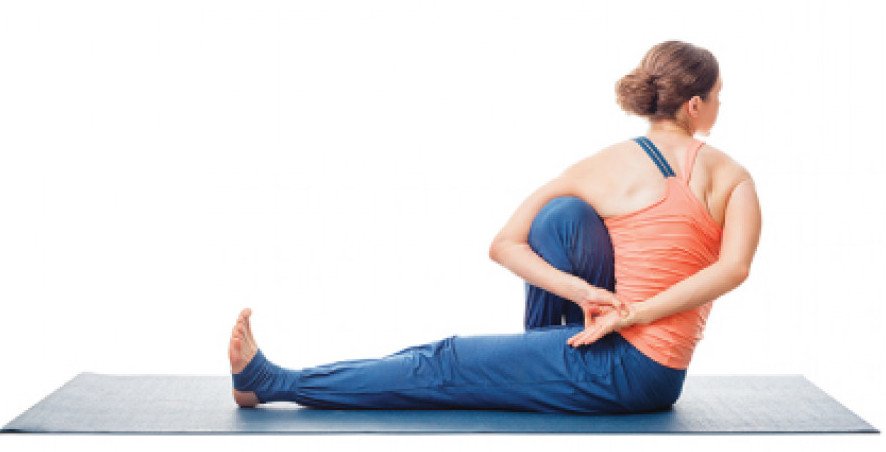
Marichyasana C

Especially useful for individuals with adjusted shoulders, this posture straightens your spine and opens the chest. The intercostal muscles are additionally extended, aiding you for inhaling profoundly. Remain in the stance for half minute breathing profoundly. Rehash on the opposite side.

Reclining Hand to Toe Pose

This stance is truly outstanding for extending your hamstrings. It opens the hip and squeezes the lower back. It extends the spine and alleviating the pain. Initiate by utilising the tie’s assistance until you feel good holing your toe. Remain in the stance for around half minute. Rehash on the opposite side.

Relaxing by Shashankasana

These days, a large number of people spend most of their time at work. For these people, it’s imperative to utilise a seat that bolsters your body’s arrangement and keeps you in an appropriate stance. There are a bunch of ergonomic seats available in the market that can help fix your stance and ease your back, shoulder, and neck pain, so choose wisely!

Leave a comment

Your email address will not be published. Required fields are marked *

Decoding Modern Mental Health

In a world where stress, digital overload, and rising expectations shape our everyday lives, mental well-being has become more crucial than ever. Experts like Dr. Sarthak Dave and Dr. Era Dutta break down the modern pressures affecting our minds and offer clear, science-backed ways to cope. Understanding Anxiety TodayDr. Sarthak Dave Breaks Down Myths, Warning Signs & Everyday Coping Tools Dr. Sarthak Dave, MBBS, MD (Psychiatry), is one of India’s most trusted voices in mental health. Based in Ahmedabad, Gujarat, he is the founder of Vibha Healing Center, a safe, accessible space for individuals seeking support and guidance. In this conversation, he sheds light on anxiety what people misunderstand most, when stress becomes a clinical concern, and how simple, science-backed tools can help restore balance. 1. What’s the most misunderstood aspect of anxiety today? Two misconceptions stand out. First, many people believe their level of anxiety is the only “real” version of anxiety. So they often struggle to understand or accept that someone else might experience it far more intensely. Second, people assume anxiety must always have an external cause. But clinical anxiety often arises from internal factors hormonal changes, genetics, or neurotransmitter imbalances. In such cases, changing your environment won’t fix the issue. Addressing the biological changes is what helps. 2. When does “normal stress” turn into a clinical concern? Stress is a natural human response. But it becomes a clinical issue when it causes socio-occupational or socio-academic dysfunction meaning your ability to function in daily life is affected. If you’re unable to eat, sleep, concentrate, work, study, or connect with people the way you used to, that’s a red flag. Additionally, if symptoms persist for more than 2 weeks and continue to worsen rather than resolve, they should be taken seriously. In such situations, stress is no longer

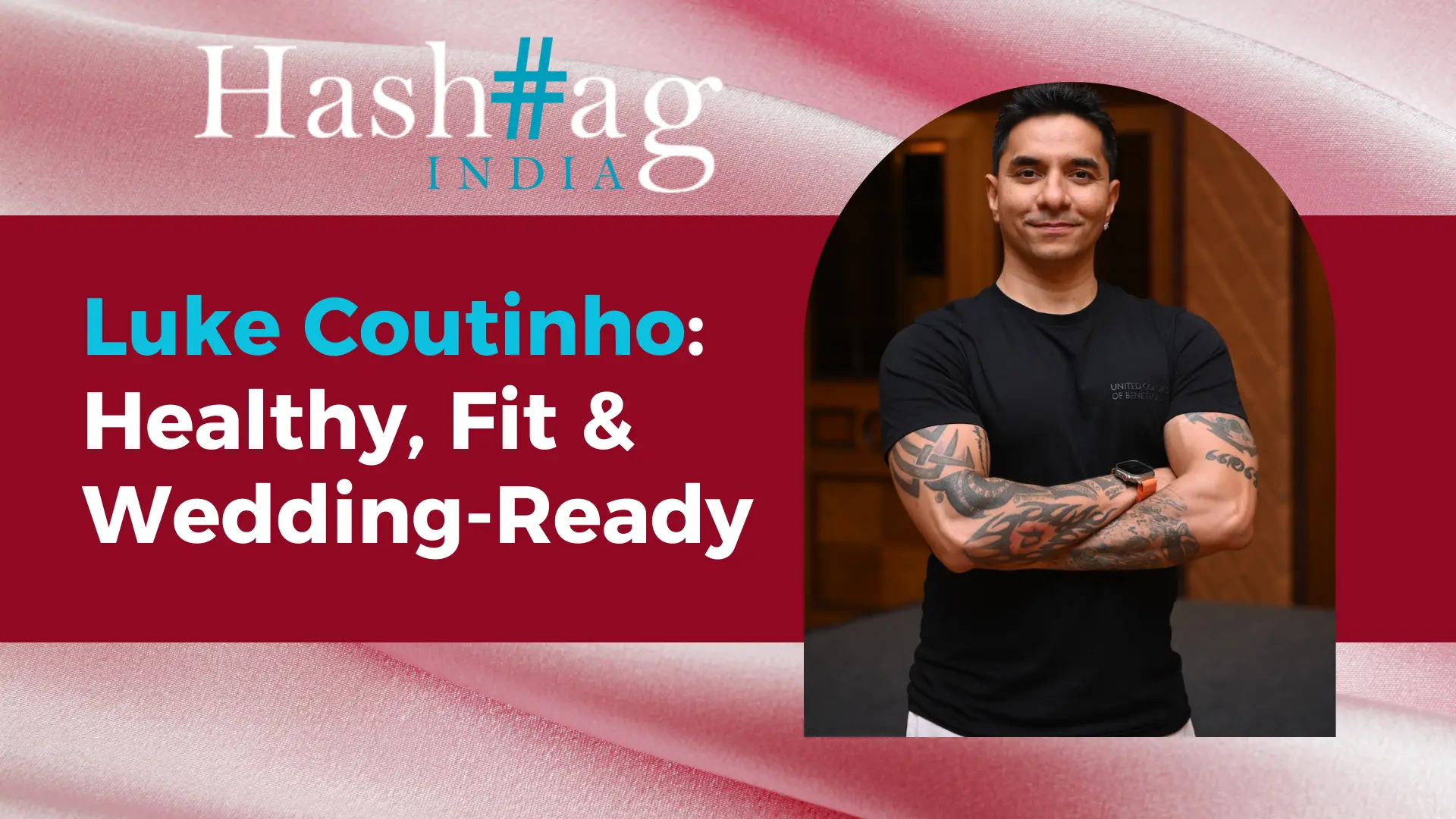
Wedding Wellness with Luke Coutinho: Starting the Journey

Luke Coutinho, India’s leading Integrative Lifestyle Expert, believes that true wedding prep goes far beyond fitting into an outfit or chasing picture-perfect looks. For him, it’s about building strength, balance, and inner calm that lasts well beyond the wedding day. Here, he shares his holistic wellness guide for brides and grooms stepping into this new chapter. From a holistic health perspective, how early should brides and grooms start preparing their bodies for the wedding? I’ve always believed that wedding prep should start with the inside. If we’re talking about sustainable energy, balanced hormones, strong immunity, or calm emotional states it’s not a 15-day crash course. It’s a rhythm you build. Ideally, I encourage couples to begin six to 12 months in advance. That gives us space to work on the deeper layers like gut repair, sleep cycles, metabolic health, and emotional resilience. Even three months can make a real difference if done right. But more than timelines, I believe in intention. Whether you start 12 months or six weeks before, ask yourself: Am I just trying to look good for a day, or do I want to feel well through all the days that follow? How can couples set wellness goals that go beyond just looking good in wedding photos?It’s easy to get caught up in aesthetics wanting to fit into a certain outfit or chase a number on the scale. But real wellness is about how you feel your energy, your digestion, your mood, your ability to stay calm amidst the chaos. I always tell couples: Don’t make the goal about shrinking your body. Make it about strengthening your health, supporting your hormones, and building the emotional resilience to actually enjoy your wedding. When you feel good inside, it shows up outside on your skin, in your eyes, and

Eating Right, Feeling Bright: How to Stay Healthy and Happy This Festive Season

As the festive season arrives, it’s easy to get swept up in the celebration and sometimes, overdo it. Between rich sweets, back-to-back parties, and emotional highs (and lows), maintaining your health both physical and emotional can become challenging. SINDURI VUPPALA speaks to two experts Dietician Vidhi Chawla, Founder of FISICO Diet & Aesthetic Clinic, and Rajvir Kohar, a seasoned Mental Health Clinician to bring you a guide on how to eat mindfully and feel emotionally balanced this season. “It’s okay not to feel festive. Honour your emotions.” – Mental Health Clinician Rajvir Kohar While cultural celebrations and holidays offer opportunities for connections and joy, they also come with increased expectations and responsibilities. Research indicates that mental health symptoms such as stress, anxiety, disrupted sleep, and emotional eating often rise during the festive season. Many individuals experience heightened stress around the holidays, primarily due to factors such as financial strain, time pressures, and family dynamics. Financial challenges can be particularly overwhelming, as people feel the burden of purchasing gifts, hosting gatherings, and keeping up with social expectations. For individuals already managing financial constraints, these demands can deepen feelings of inadequacy or guilt. Additionally, the festive season can bring emotional pain for those grieving the loss of a loved one. Others may experience a profound sense of loneliness, especially if they lack close family or social networks, making the celebratory atmosphere feel isolating rather than inclusive. Common mental health symptoms during this period include disturbed sleep, changes in appetite (either overeating or under-eating), increased irritability, fatigue, and social withdrawal. While these feelings are common, they often go unnoticed amidst societal expectations to “stay cheerful.” Despite these challenges, it is possible to approach the festive season with mindfulness and care. By adopting practical strategies, you can protect your mental health and still engage

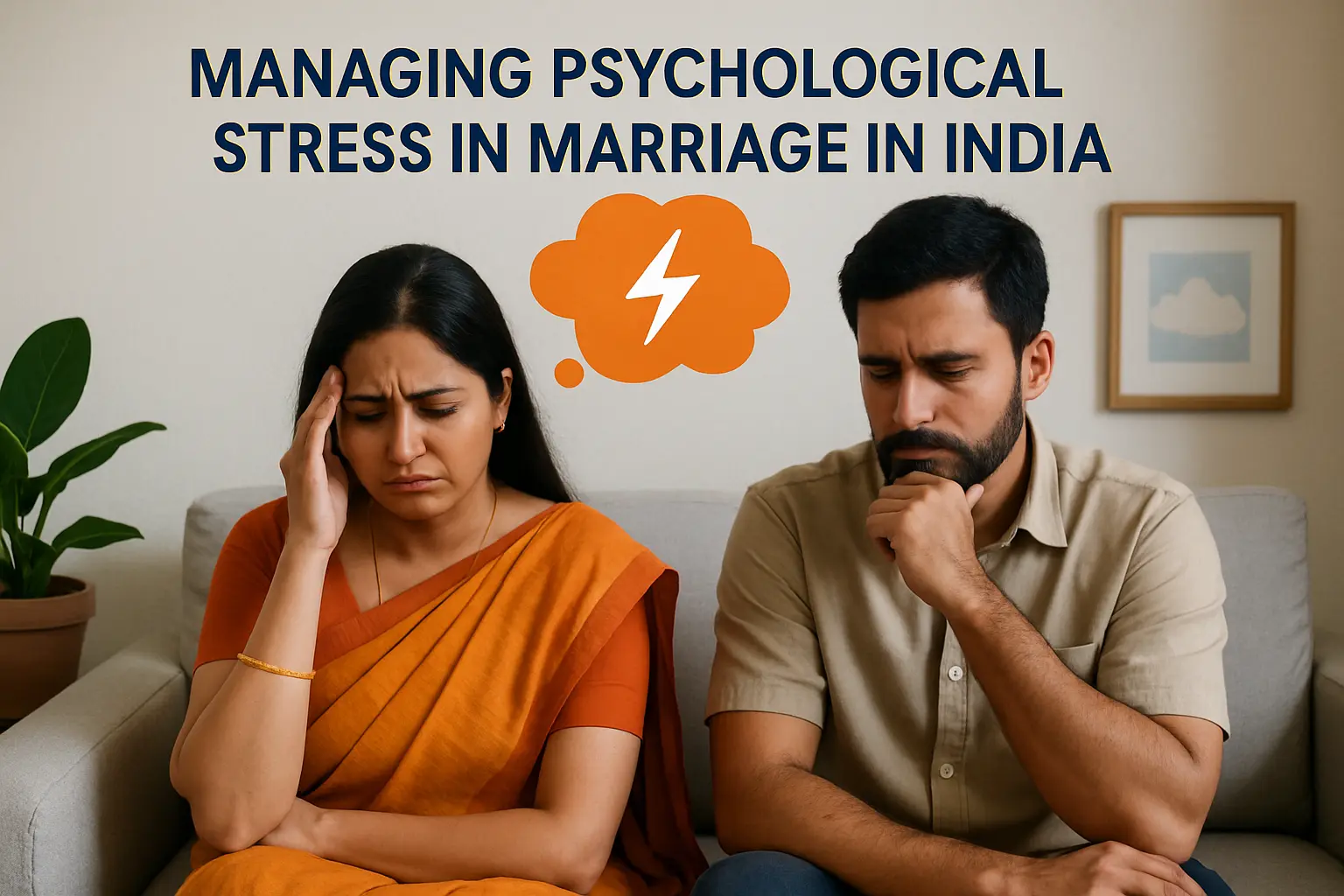
Managing Psychological Stress in Marriage in India

Marriage, while often seen as a sacred bond in India, is also a complex partnership that involves emotional investment, societal expectations, and continuous adaptation. In the Indian context, marriage isn’t just a union between two individuals it’s often a confluence of families, traditions, and social norms. While love and companionship are central, psychological stress can quietly build over time due to unmet expectations, communication gaps, external pressures, and the lack of personal space. Managing this stress effectively is crucial for a healthy and fulfilling marital life. Understanding the Sources of Stress Recognizing the Signs of Stress Psychological stress in marriage often doesn’t manifest dramatically. Instead, it appears in small, persistent ways: If left unaddressed, this stress can escalate into anxiety disorders, depression, or even marital breakdown. Strategies to Manage Marital Stress 1. Open, Non-Judgmental Communication The cornerstone of any successful marriage is healthy communication. Couples must learn to express themselves openly, without fear of being judged. Schedule “talk time” to share your thoughts, concerns, or even simple day-to-day feelings. Use “I feel” statements rather than blame-focused language to prevent defensiveness. 2. Set Realistic Expectations Bollywood and societal portrayals of “perfect marriages” create unrealistic standards. Accept that no marriage is without flaws. Understand each other’s limitations and strengths, and be willing to compromise without losing your core identity. 3. Establish Boundaries with Extended Family While respecting elders and family traditions is important, couples must create healthy boundaries. This includes making joint decisions independently, especially on matters like finances, parenting, or living arrangements. A united front reduces external interference and strengthens the couple’s bond. 4. Seek Professional Help Therapy is still stigmatized in parts of India, but counseling individuals or couples can be transformative. A trained therapist helps you identify patterns, improve communication, and resolve conflicts constructively. Many Indian metro cities and

You May Also Like

Connect with us