The Rise of the New Gen at Lakmē Fashion Week 2025

The Rise of the New Gen at Lakmē Fashion Week 2025

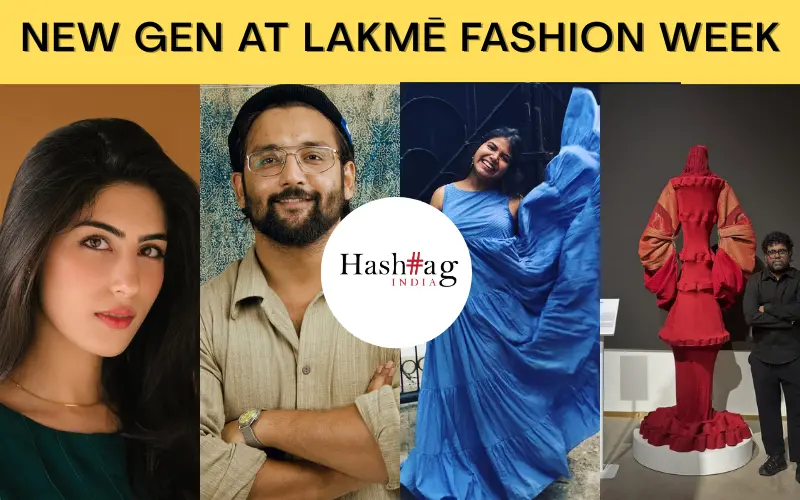
A new wave of designers is redefining the landscape of Indian fashion one that values purpose as much as aesthetics. At Lakmē Fashion Week x FDCI’s GenNext 2025, presented by NIF Global, we recently saw emerging talents that are fusing storytelling, sustainability, and cultural heritage to craft a more conscious, expressive future for design. Hashtag Magazine spotlights the rising stars who are weaving purpose into every thread the designers shaping not just what we wear, but why we wear it.

This year’s GenNext 2025 cohort proves that the next generation isn’t just creating clothes they’re crafting conversations. From denim rebirths and handcrafted heritage to poetic sustainability and textile innovation, these visionaries are transforming Indian fashion into an art form rooted in authenticity, emotion, and soul.

1. Designer: Anam Hussain

Label: Anam Hussain
Collection: Cut-Putly
USP: A conceptual, sustainable exploration of empowerment through design.

Inspired by Rajasthan’s Kathputlis the puppets that dance between control and liberation  Anam Hussain’s Cut-Putly examines power, agency, and freedom through geometry and form. Structured, angular silhouettes represent restraint, while oversized shapes express release and individuality. The collection’s strength lies in its sustainability: over 1,000 kilograms of post-consumer denim waste was transformed through patchwork, crocheting, and hand-weaving into sculptural garments that balance grit with grace.

For Hussain, waste isn’t discarded matter it’s creative potential. With hints of crochet handbags and accessories in development, Cut-Putly sets the tone for a label that is as thoughtful as it is experimental.
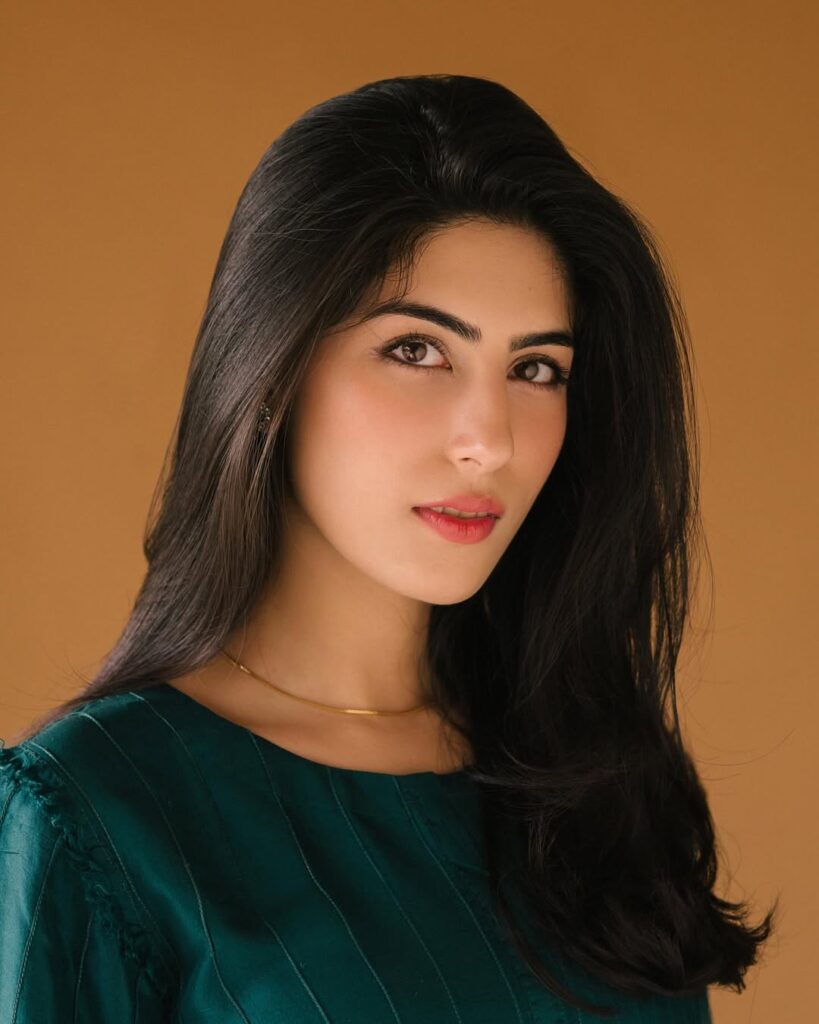
2. Designer: Mohammed Anas Sheikh

Label: 23°N 69°E
Collection: Unnamed (Kachchh-Inspired)
USP: A poetic revival of Kachchh’s indigenous craft, rooted in minimalism and authenticity.

Mohammed Anas Sheikh’s collection celebrates Kachchh’s artisanal spirit weaving its heritage into modern silhouettes that exude quiet strength. Centered around Kala cotton, a rain-fed indigenous fibre, his pieces highlight broken Ajrakh block prints, mirror work embroidery, and hand-dyed hues of indigo, madder, soot, and off-white.

Sheikh’s designs embody imperfection as art. Each garment carries the imprint of time and the hand of its maker. “It’s not just about revival,” he notes, “it’s about ensuring the artisans behind the loom are seen, heard, and paid fairly.” His minimalist aesthetic allows the textiles to speak transforming craft into narrative, and heritage into identity.
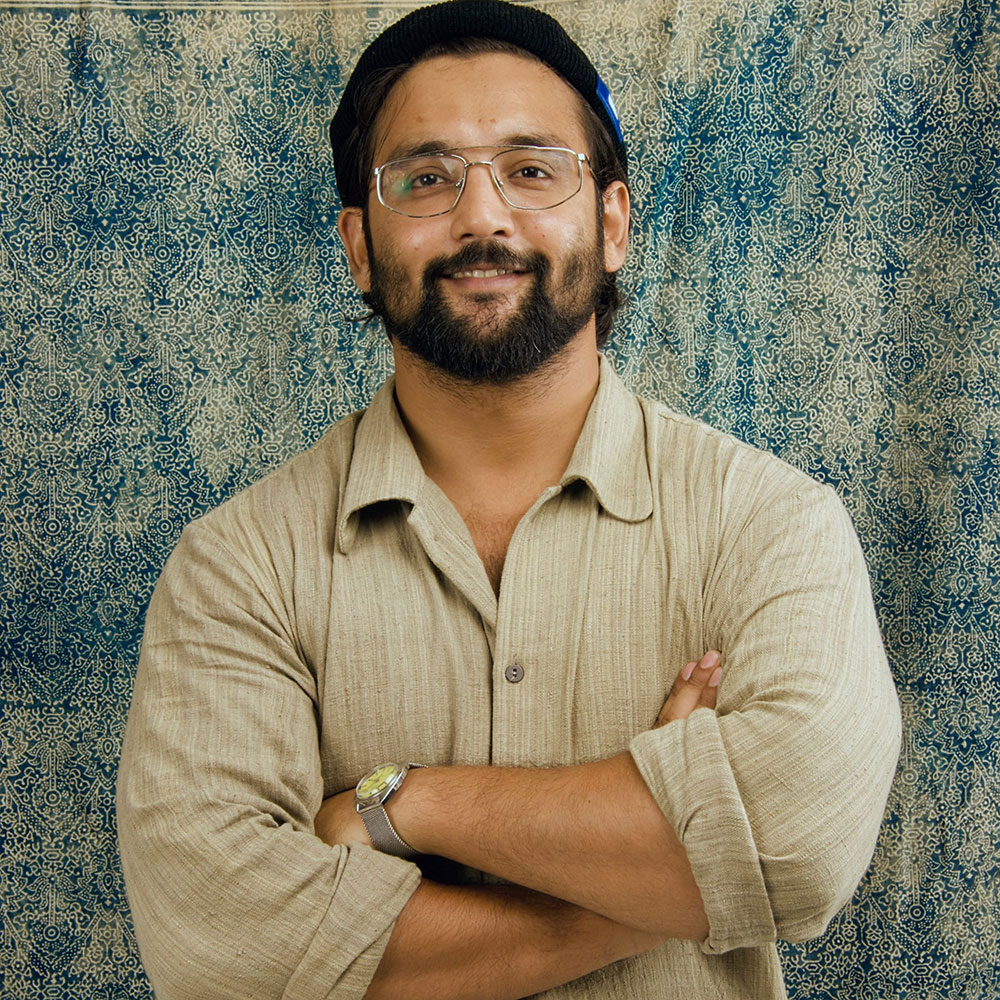
3. Designer: Pranita Choudhury

Label: Gaach
Collection: Recalling
USP: A lyrical dialogue between nostalgia, memory, and cultural craftsmanship.

Through her label Gaach, Pranita Choudhury transforms Rabindranath Tagore’s timeless poem Purono Sei Diner Kotha into an emotive textile experience. Her collection, Recalling, pays homage to memory and belonging each garment a whisper from the past.

Working with natural silks like Eri, Chanderi, Pashmina, and linen, Choudhury employs eco-printing with dried leaves, kantha stitching, and Bengali script block prints to create a tactile sense of nostalgia. Muted hues of mustard, coral, sage, and blue evoke the patina of old photographs. Recalling is a tender reminder that memory, when woven into cloth, can become both art and archive.
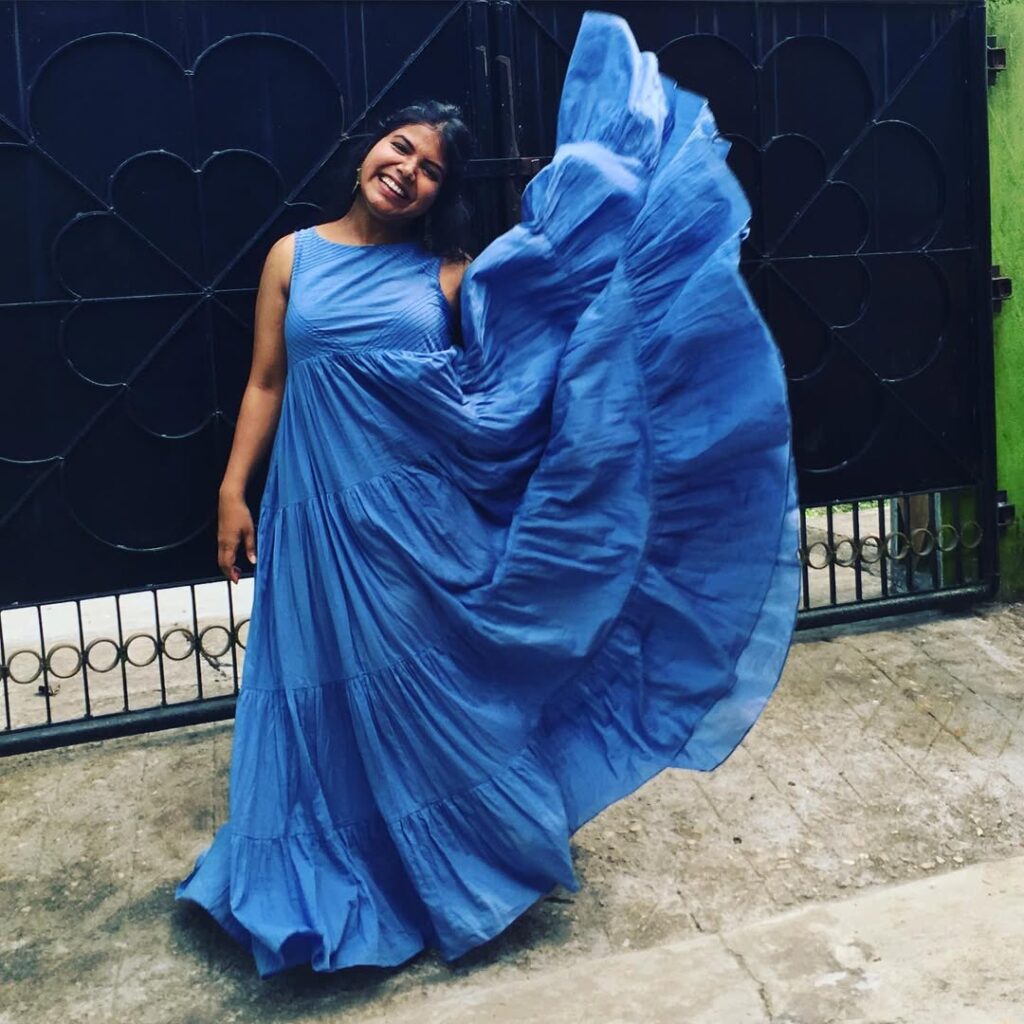
4. Designer: Gaurav Jai Gupta

Label: Akaaro
Collection: Starlight
USP: A radiant exploration of silk’s luminosity and the craft of contemporary weaving.

In Starlight, Gaurav Jai Gupta of Akaaro celebrates the brilliance of silk through texture and tone. Known for his mastery of weave and structure, Gupta spent over a year developing textiles that push the boundaries of material innovation. He presented saris, jackets, and layered separates that celebrated pink and fuchsia in contemporary forms modern yet rooted in artisanal authenticity.

Handwoven silks, khadi silks, cottons, and kinji weaves come alive in shades of pink, fuchsia, and metallics, merging modern form with artisanal depth. For Gupta, sustainability is not a passing trend but a philosophy of design. Starlight stands as an ode to India’s textile traditions illuminated through contemporary craftsmanship that feels both timeless and new.
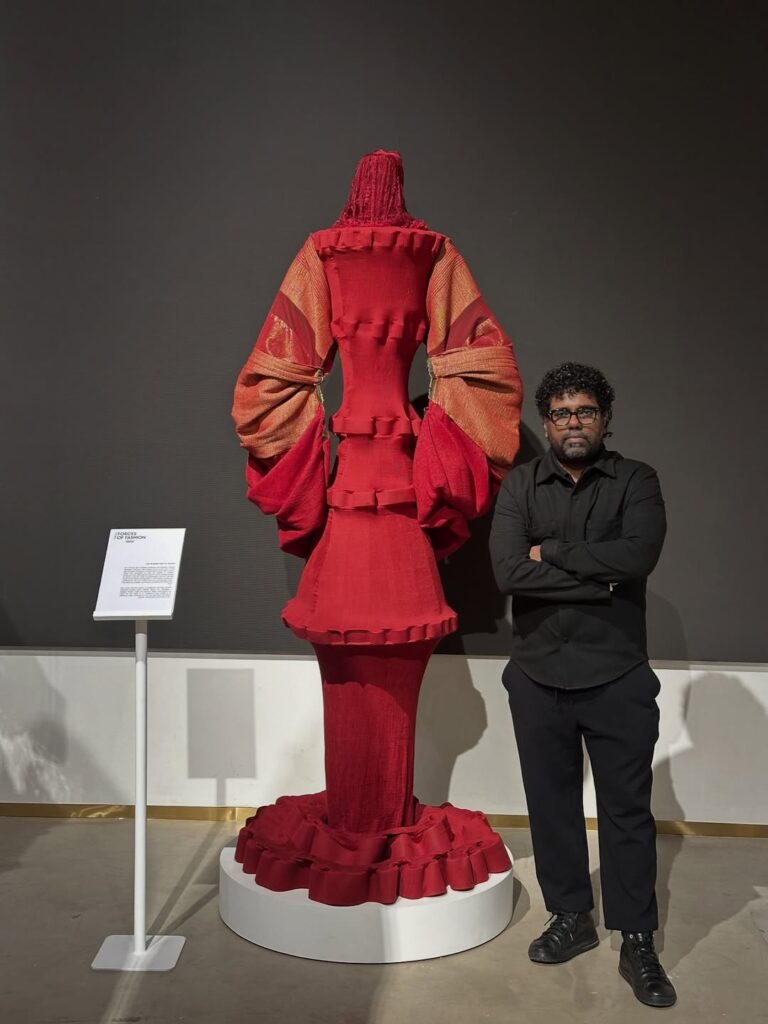
5. Designer: Amit Hansraj

Label: Inca
Collection: Autumn/Winter 2025
USP: A rhythmic reinterpretation of India’s handcrafted traditions into effortless modern wear.

Amit Hansraj’s Inca is a meditation on rhythm of stitches, weaves, and repetition. His Autumn/Winter 2025 collection fuses kantha, leheriya, and shibori techniques to create textural harmony. “These crafts are rooted in rhythm,” he explains. “We’ve used them not as motifs but as languages to build texture, layer, and dimension.”

The line features kantha-stitched jackets, leheriya-striped organza, and shibori-dyed drapes, alongside brocade paired with raffia and printed animal motifs on tissue. On the runway, India’s iconic supermodels brought nostalgia and elegance to life. Hansraj’s Inca encapsulates modern Indian luxury: heritage worn lightly, designed for movement, and steeped in emotion.
6. Designer: Anurag Gupta

Label: Waves of Innovation
Collection: An Ode to Hokusai
USP: A pioneering collaboration between design and science, translating art into sustainable textile innovation.

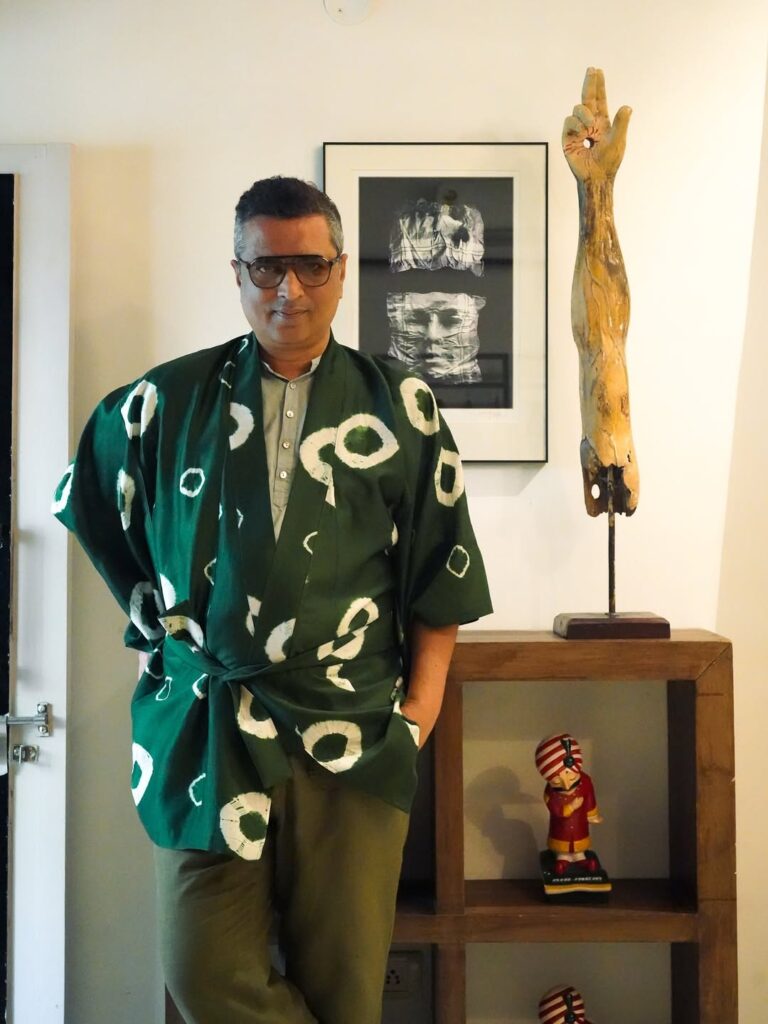
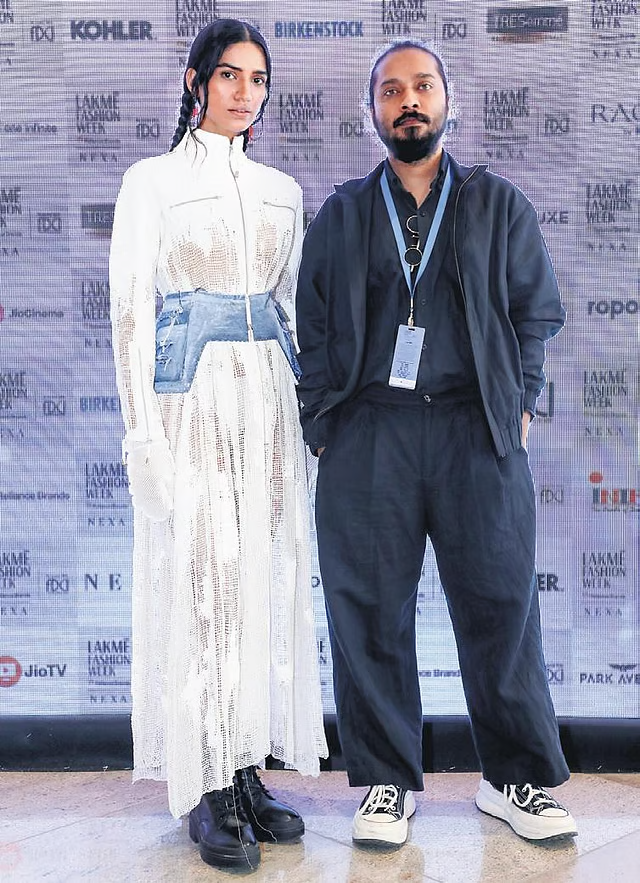
Blurring the line between art and engineering, Anurag Gupta’s An Ode to Hokusai draws inspiration from the iconic wave motifs of Japanese artist Katsushika Hokusai. In partnership with IIT Delhi and Indigotex, Gupta developed Indiwool denim a groundbreaking textile that combines locally sourced wool with a waterless finishing process using ECOTEX PLASMA technology.

“The process was a dialogue between design and science,” Gupta says. “The textile carries both rawness and precision, mirroring Hokusai’s energy.” The resulting garments sculptural, fluid, and forward-thinking embody the next phase of fashion innovation, where craft, material, and sustainability meet to form a new kind of artistry.
7. Designers: Pankaj & Nidhi

Label: Pankaj & Nidhi

Collection: Araquis

USP: A futuristic ode to femininity where power, precision, and poetic storytelling converge.

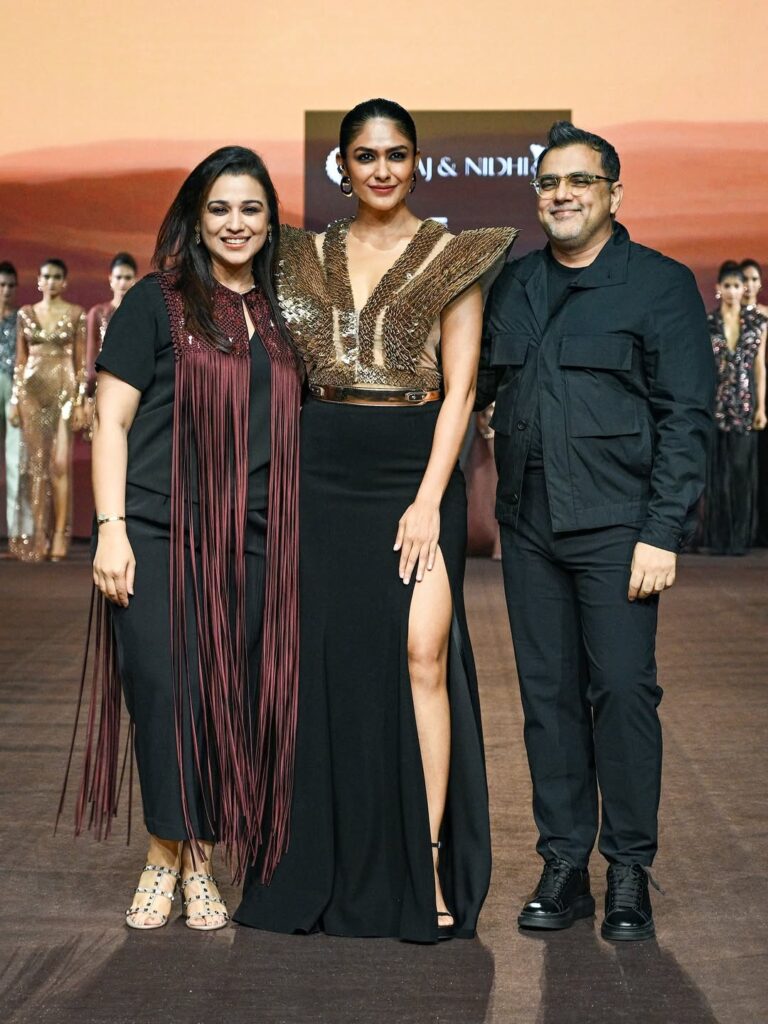
With Araquis, Pankaj & Nidhi reimagined eveningwear through a bold, maximalist lens. The collection transported the audience into a surreal, sci-fi desert realm ruled by warrior princesses  women who embody strength, sensuality, and self-possession. Sculptural silhouettes, strong 1980s-inspired shoulders, and rich jewel tones of sapphire, amber, and onyx defined a visual language of modern regality.

Intricate appliqués, metallic embroideries, and layered textures shimmered under light like desert mirages each piece a study in controlled opulence. “It’s about strength meeting fluidity clothing that’s both powerful and poetic,” shares Pankaj. True to that philosophy, Araquis offered day-to-night adaptability from precision cut fitted dresses to dramatic embellished capes that transform with a simple shift in styling.

Bridging craftsmanship and contemporary technology, Pankaj & Nidhi continue to evolve their signature aesthetic: femininity not as fragility, but as a futuristic force fierce, luminous, and untamed.
Leave a comment

Your email address will not be published. Required fields are marked *

Best Summer Fashion Outfits 2026

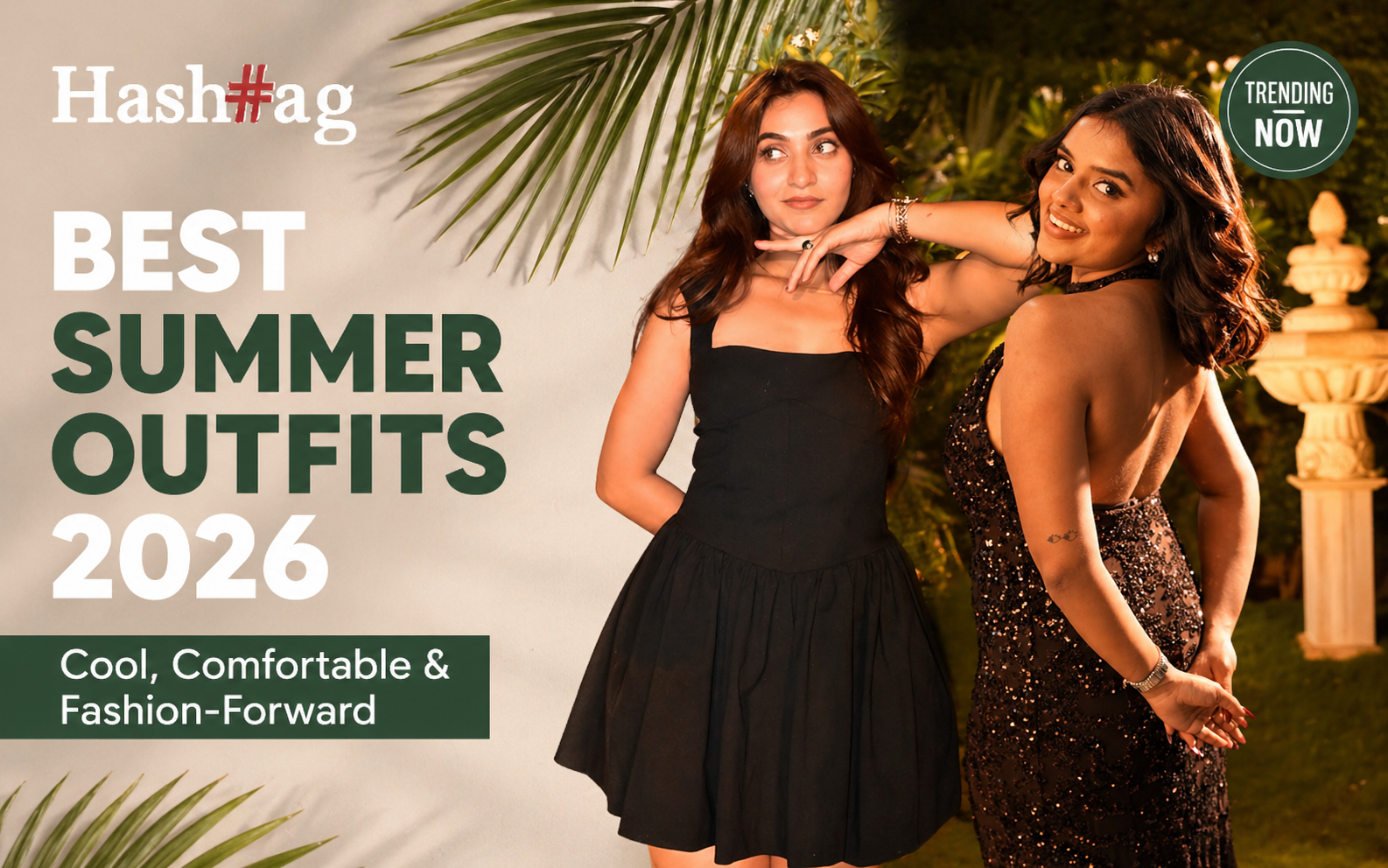
Wondering what to wear this summer? Hashtag Magazine brings you effortless style tips from fashion creators to help you stay cool, chic, and on-trend all season long. Jahanvi Tiwari, Mumbai YouTuber & Beauty Content Creator Jahanvi Tiwari, the face behind Thebrowndaughter, has built a strong voice in the beauty and lifestyle space with a community of nearly 1.5 million followers. Known for her authentic approach and focus on representation, her style reflects ease, confidence, and trend awareness. Her Summer Essentials: Linen Love: Invest in breathable linen trousers and shirts easy, elevated, and perfect for the heat. Soft Colour Palette: Think butter yellow, baby pink, and light blue for a fresh, summery feel. Maximalist Accessories: Pair minimal outfits with bold bangles, rings, or waist chains to add personality. Deepa Rani, Delhi Fashion & Lifestyle Creator Deepa Rani is known for her minimal, refined aesthetic rooted in simplicity and authenticity. Her style leans toward timeless pieces that feel both elegant and practical. Her Summer Style Guide: Breathable Fabrics First: Choose linen, cotton, and mulmul over synthetics for a luxe yet comfortable look. Relaxed Silhouettes: Flowy trousers, oversized shirts, and co-ords keep things polished yet easy. Minimal Accessories: Opt for dainty gold jewellery, a classic tote, or sleek sunglasses less is more. From breezy fabrics to statement details, summer dressing is all about balance comfort meets style, with a touch of individuality.

Lakmé Fashion Week 2026: Designers Shaping the Future of Indian Fashion

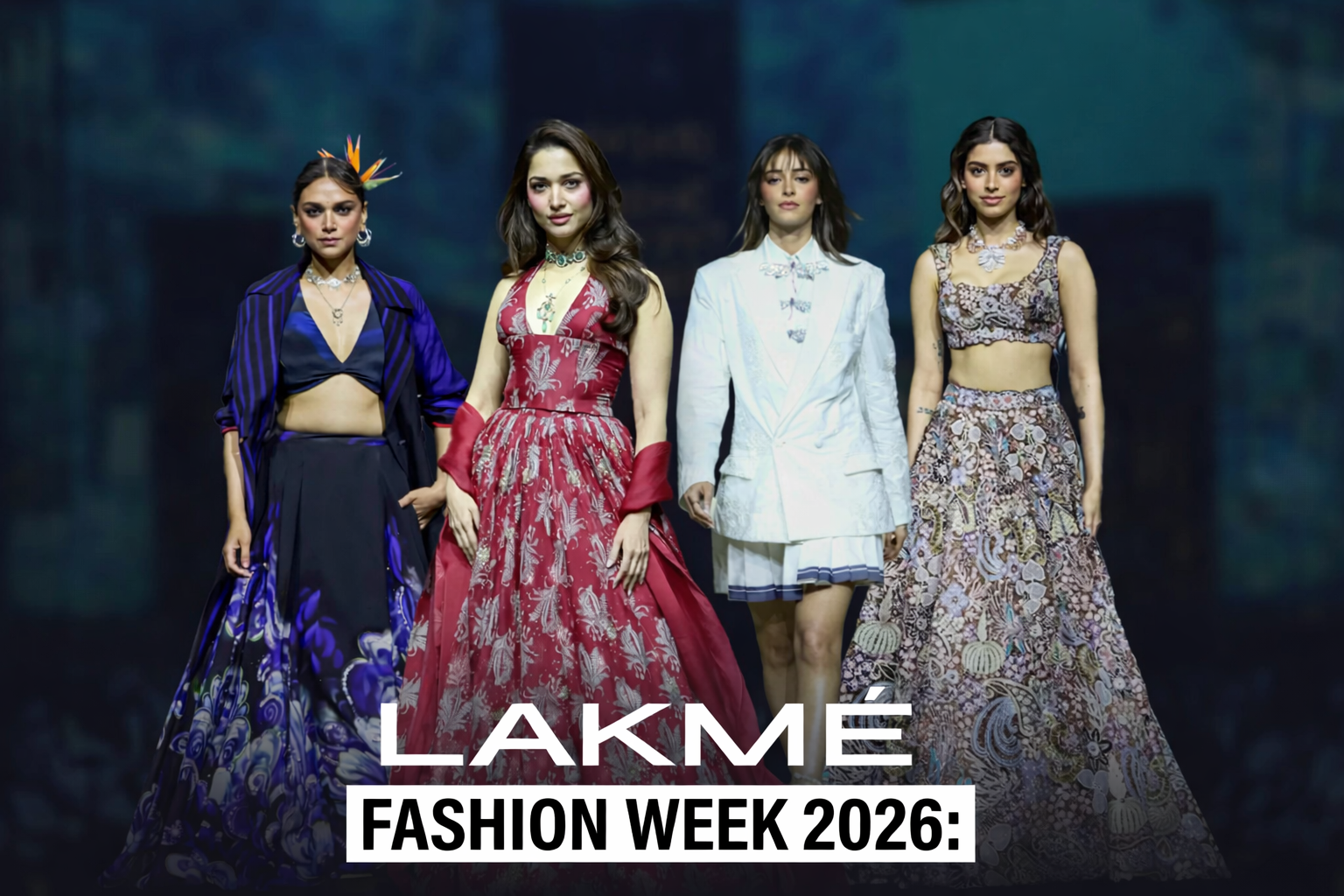
At Lakmé Fashion Week March 2026, Indian fashion moved beyond spectacle into a more process-driven, thoughtful era. This season wasn’t just about trends; it was about how clothes are made, who makes them, and why they matter. From artisanal revival to futuristic textiles, designers showcased a powerful blend of sustainability and innovation. Hashtag magazine gives you the key highlights Péro by Aneeth Arora: Out of Office Background: Known for “international clothing with an Indian heart,” Aneeth Arora focuses on artisanal, handmade textiles. Collection Spotlight: The runway was transformed into a theatrical office space complete with desks and telephones. The collection used a strict palette of blue and white to reimagine rigid workwear as playful, comfortable attire. USP: Sartorial theatre that addressed the modern work-life balance through hand-embroidered, “carefree” garments. Manish Malhotra: Luxury Prêt & Accessories Debut Background: India’s premier bridal couturier, Malhotra, is famous for his cinematic glamour and association with Bollywood. Collection Spotlight: This show marked his first dedicated luxury prêt (ready-to-wear) line and the launch of MM Accessories. The collection focused on “Quiet Luxury”, multi-wear separates and travel-ready couture. USP: Lifestyle Branding. A pivot from heavy bridal couture to a versatile, modern wardrobe that maintains his signature “timeless glamour”. AFEW by Rahul Mishra: White Gold Background: Mishra is a global pioneer in sustainable luxury and was the first Indian to win the International Woolmark Prize. Collection Spotlight: In partnership with SUPIMA, this collection explored the ecology of cotton. Motifs included dragonflies, marigolds, and insects, all hand-embroidered on fine cotton and Chanderi weaves. USP: “Cotton into Couture.” Repositioning humble cotton as a high-luxury fibre through artisanal density and a quieter, more restrained aesthetic. Amit Aggarwal: Orizon Background: A master of structured, architectural fashion who uses recycled materials and signature metallic polymer strips. Collection Spotlight: In collaboration with Indriya Jewels,

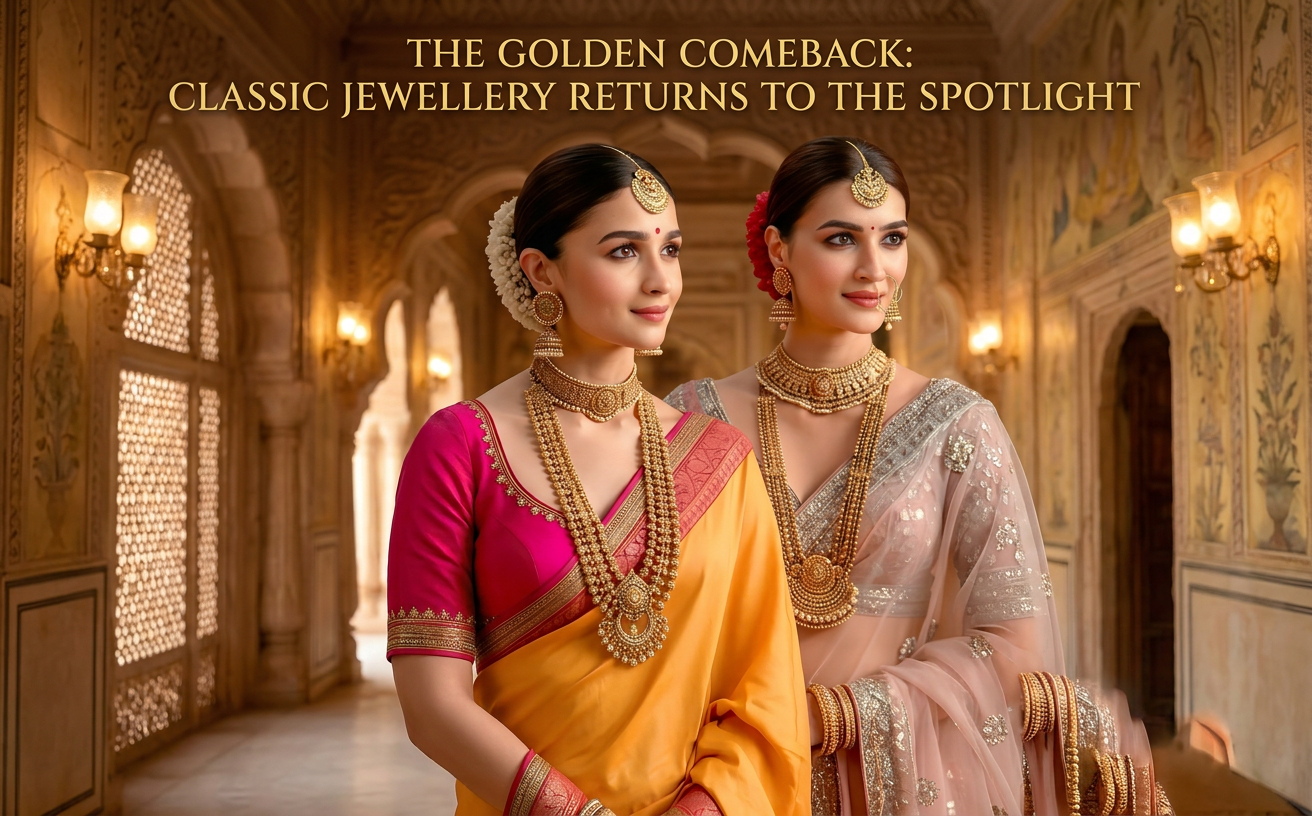
Gold Is Back: Why Classic Jewellery Is Regaining Its Shine in 2026

For the past decade, the jewellery industry has seen waves of change. Artificial jewellery, minimalist designs, and the rapid rise of lab-grown diamonds have transformed consumer preferences, especially among younger buyers looking for affordable luxury. Yet in 2026, gold jewellery is quietly reclaiming its throne. From weddings to everyday fashion and even men’s accessories, gold is experiencing a powerful resurgence not just as ornamentation, but as a trusted investment. The Investment Factor One of the biggest reasons for gold jewellery’s comeback is simple: stability. While diamonds and lab-grown alternatives have gained popularity due to affordability, they often lack strong resale value. Gold, on the other hand, remains a tangible asset that can be sold, exchanged, or passed down generations. This financial security has made gold increasingly attractive to modern buyers who want jewellery that doubles as an investment. During recent wedding seasons in India, jewellers have reported rising demand for plain gold jewellery in 22K, 18K and 14K forms as buyers prioritise long-term value over heavily diamond-studded pieces. With gold prices steadily climbing in recent years, many consumers now view gold jewellery as a form of wearable wealth something that carries emotional significance while also retaining monetary value. Celebrity Influence and the Wedding Effect Celebrity culture continues to play a major role in shaping jewellery trends. A recent example is the high-profile wedding of actors Rashmika Mandanna and Vijay Deverakonda, which sparked widespread discussion about heritage jewellery. The couple’s wedding looks prominently featured elaborate handcrafted gold pieces inspired by South Indian temple architecture. Rashmika reportedly wore eleven pieces of traditional gold jewellery, while Vijay made headlines for embracing bold groom jewellery including layered necklaces, ear studs, cuffs and other royal-inspired ornaments. Their wedding highlighted something significant: gold jewellery is no longer just for brides. Men Are Embracing Jewellery Again Historically,

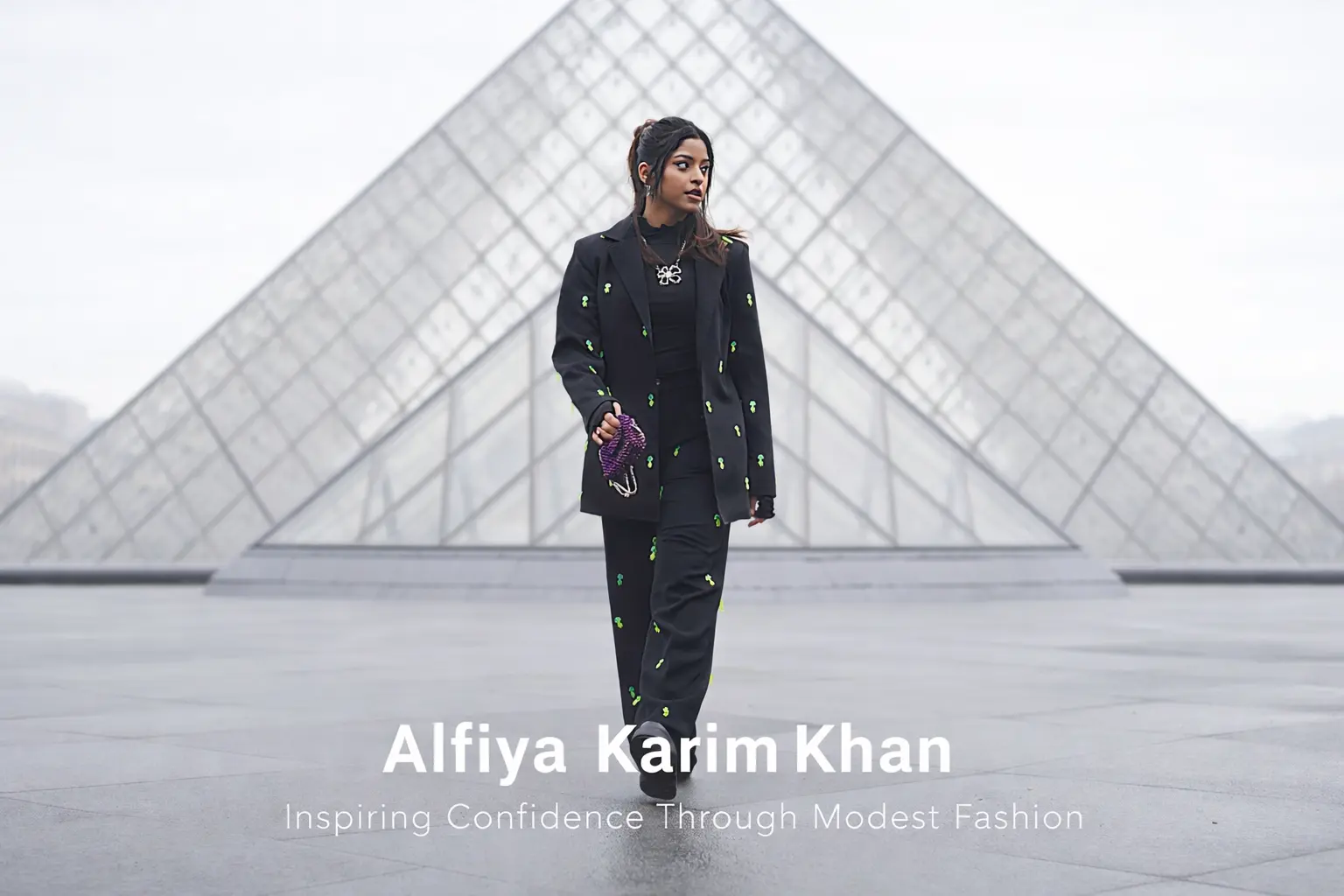
Alfiya Karim Khan: Mumbai YouTuber Redefining Modest Fashion and Digital Influence

Alfiya Karim Khan grew up in Mumbai in a family where education was non-negotiable, and ambition was encouraged, so long as it followed a conventional path. Academically strong, medicine seemed almost predetermined for her. But internally, she felt drawn elsewhere. “Deep down, I always knew my life did not belong in a hospital corridor,” she says. “It belonged in the creative industry.” Choosing to pursue a Bachelor’s degree in Mass Media instead of medicine was met with hesitation and doubt. Coming from a background where most women were financially dependent, she had rarely seen female entrepreneurship firsthand. That absence became fuel. “Every time someone questioned whether content creation was serious, it pushed me to take it more seriously,” she reflects. What began quietly in her bedroom evolved into financial independence and professional stability. Today, her work represents more than a career; it symbolises “choosing conviction over comfort.” A Cultural Voice in Modest Fashion Alfiya identifies as a digital entrepreneur and a cultural voice within the modest fashion space. A decade ago, the online fashion landscape felt misaligned with her personal style. “I did not want to shape-shift just to belong,” she explains. “I decided to build around my authenticity instead of bending away from it.” Over the past 10 years, she has collaborated with global and legacy brands, been recognised among Forbes’ Top 100 Digital Stars, and represented modest fashion at Paris Couture Week. For her, these milestones represent more than visibility; they signal representation. “This is not just fashion content,” she says. “It is about showing that ambition and values can coexist.” Reinterpreting, Not Rejecting At its core, her work reinterprets mainstream fashion through a modest lens. Rather than rejecting trends, she modifies them, layering strategically and reshaping silhouettes. “Fashion does not have to be abandoned to align with

You May Also Like

Connect with us