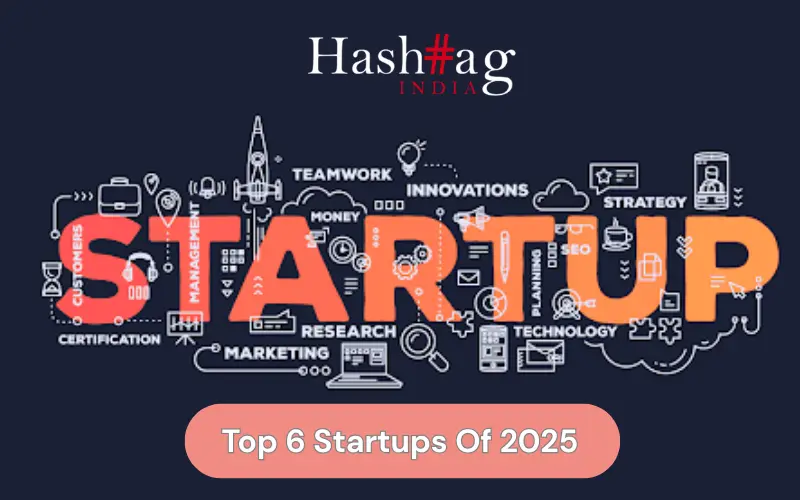
Top 6 Startups Of 2025: The New Architects of India’s Future

Top 6 Startups Of 2025: The New Architects of India’s Future

From sustainable farming to EV mobility, discover six Indian startups shaping a cleaner, smarter, and more connected tomorrow. Every generation finds its dreamers, the ones who don’t just talk about change, but build it. In 2025, India’s startup scene feels less like a rush for valuation and more like a movement with a purpose.

These founders aren’t chasing unicorn tags; they are chasing impact. They are solving what truly matters. This is the India that rolls up its sleeves and says ‘Let’s make it ourselves.’ Dhanush Kumar writes about the Top 6 Startups of 2025, born from soil, steel, and software, each shaping tomorrow with courage and conscience.

1.Handpickd: Fresh from Farm to Table

When freshness becomes a luxury, Handpickd restores it to the everyday plate. This Bengaluru-based agritech startup has built a direct bridge between local farmers and urban consumers ensuring every tomato, mango, and millet travels fewer miles and earns farmers more smiles.
Using tech-driven logistics and transparent sourcing, Handpickd doesn’t just deliver produce; it delivers trust. In an era of overprocessed everything, this is simplicity redefined clean food, honest pricing, and a system where farmers finally get their due.
It’s not a brand. It’s a return to our roots literally.

2.Bambrew: Building a Plastic-free Future

At a time when the planet gasps under plastic, Bambrew breathes innovation. The Bengaluru-based packaging pioneer crafts biodegradable, compostable alternatives made from bamboo, sugarcane, and cornstarch materials that love the earth back.
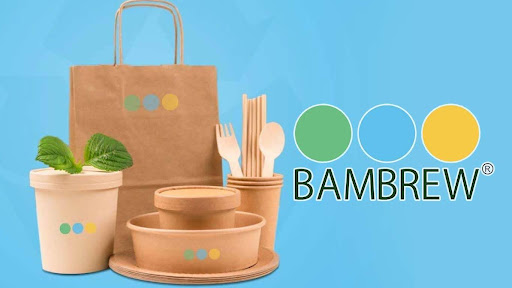
Their vision isn’t just green, it’s bold. Bambrew’s eco-packaging now wraps products for top FMCG and e-commerce giants, proving sustainability doesn’t have to look boring or cost a fortune.
This isn’t rebellion it’s reinvention. A reminder that small choices, multiplied by millions, can rewrite the story of our planet.

3.Eeki Foods: Vertical Farming for a Greener Tomorrow

In the deserts of Rajasthan, where water is worth more than gold, Eeki Foods is building farms that defy nature’s limits. Their patented vertical farming technology grows vegetables without soil, saving up to 80% of water and cutting carbon miles dramatically.
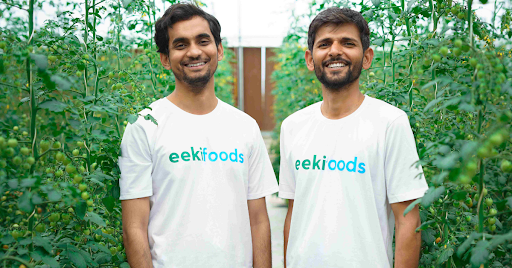
This isn’t fantasy agriculture and it’s the future.
With every harvest, Eeki proves that India doesn’t need to imitate the West; it can lead the world in sustainable food production. Clean, scalable, climate-smart that’s how the next green revolution begins.

4.Jumbotail: Empowering the Kirana Network of India

India’s 12 million kirana stores are the veins of its retail heart, and Jumbotail is giving them a digital bloodstream. Founded in Bengaluru, this B2B marketplace connects small shopkeepers directly with brands and suppliers through an easy-to-use app, streamlined logistics, and credit support.

It’s empowerment in its truest form. Bringing technology to the humble corner store that feeds the nation.
While e-commerce giants chase metros, Jumbotail quietly transforms the streets, one kirana at a time.

5.Infra.Market: Revolutionizing Construction Tech

Bricks, cement, and algorithms, Infra.Market is building more than structures; its building efficiency. By digitizing procurement and supply chains in construction, this Mumbai-based unicorn has turned one of India’s most traditional industries into a data-driven powerhouse.
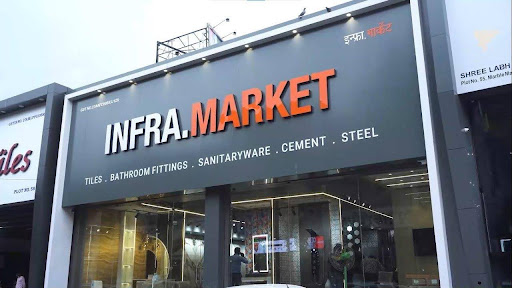
From real-time analytics to sustainable materials, Infra.Market stands at the crossroads of infrastructure and innovation. It’s how a country on the rise builds faster, cleaner, and smarter.
Their story is proof that even the oldest trades can be reborn in code.

6. EKA Mobility: Driving India’s EV Future

The electric revolution in India now hums with a local rhythm, and EKA Mobility is leading that charge. Headquartered in Pune, this EV startup builds commercial electric buses and vans designed for Indian roads and climates.
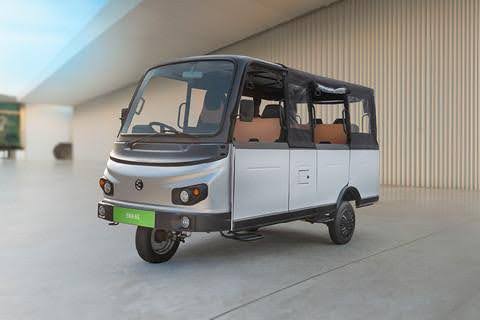
But what makes EKA special isn’t just the vehicle it’s the ecosystem. From manufacturing to service, software to charging, they’re crafting a full-circle approach that puts Indian innovation on global wheels.
Where others promise the future, EKA is already driving it.

Conclusion

These six startups are more than business stories, they are India’s modern legends in motion. Each tackles a real problem with grit, grace, and grounded intelligence. 2025 is India’s year of building with intent, where entrepreneurship feels like a calling, not a contest.

And if these six are any sign, the nation’s brightest minds are not chasing exits, they are crafting entrances to a better tomorrow.

Leave a comment

Your email address will not be published. Required fields are marked *

Grazing Tables: The Party’s New Centrepiece

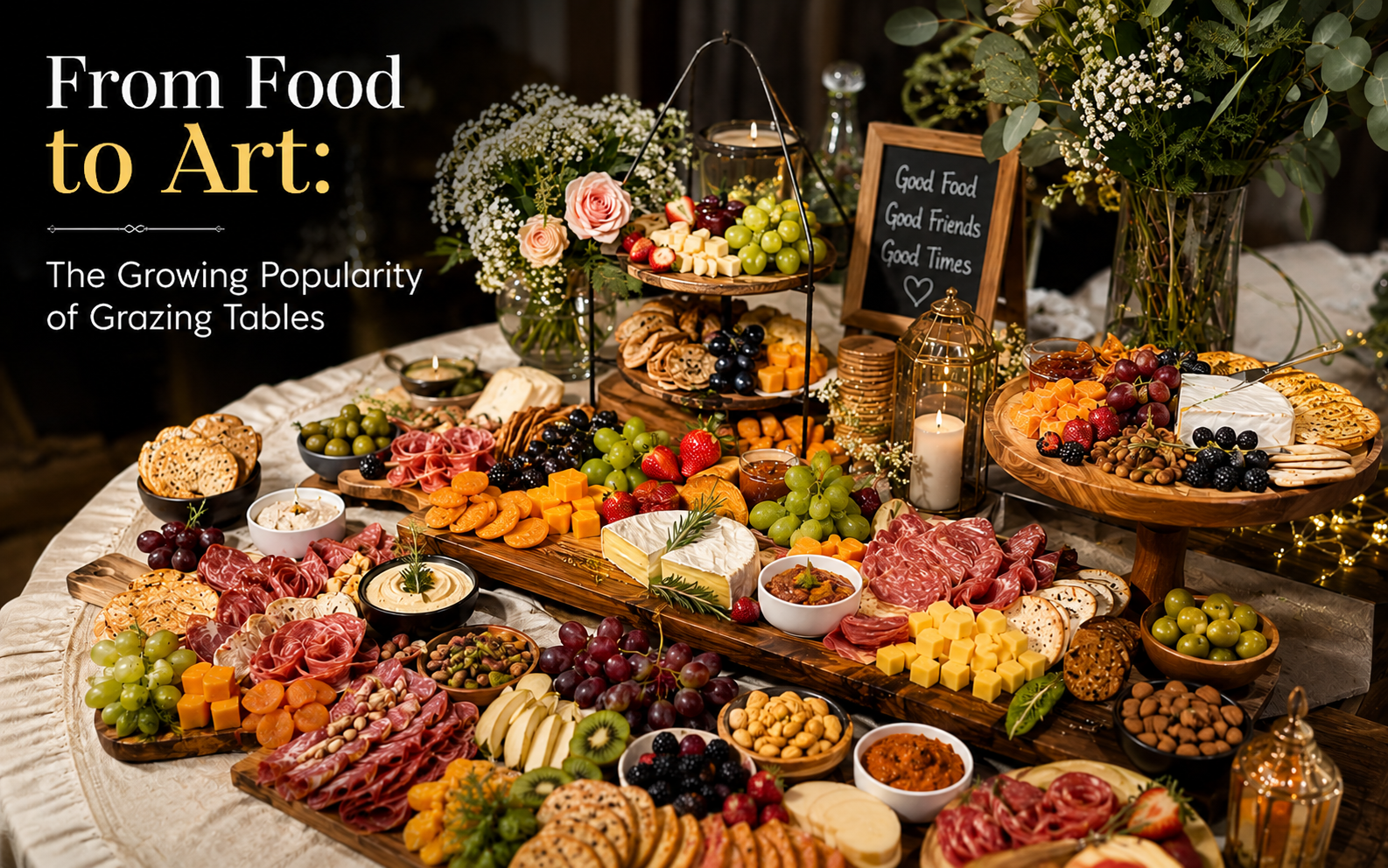
Move over traditional buffets; grazing tables are taking centre stage at celebrations. Budda Swecha explores the rise of this entertaining trend and speaks to grazing-table experts about how they create these edible works of art and why they’re becoming a must-have at parties. Casere: Tanya Tarang Agarwal | Hyderabad For Tanya Tarang Agarwal, founder of Hyderabad-based premium food and gifting brand Casero, grazing tables are about much more than food; they are about creating an experience. With a love for food, aesthetics and entertaining, Tanya brings together thoughtful curation and beautiful presentation to create celebrations that feel effortless, personal and memorable. “Casero has always been about creating an experience around food,” she says. “I love how a beautifully curated grazing table allows conversations to flow freely, accompanied by good food.” Relaxed and social, the format allows guests to eat, talk and enjoy themselves without the formality of a sit-down meal. Tanya believes this ease is what has made grazing tables a favourite at celebrations. “You can simply walk up, pick a bite or two, move around, continue your conversations and come back to the table whenever you want.” With no waiting to be served, the grazing format keeps the party moving naturally. For the perfect visual impact, Tanya swears by height and elevation. “A grazing table should never feel flat,” she says. Different levels, beautiful serving pieces and layers create dimension, abundance and an instant wow factor. FESTIVE FAVOURITES CHIP + DIP A great pairing to start the spread. WOW ELEMENT Something that gets everyone talking. DESSERT A delicious sweet finish. FESTIVE TOUCH An Indian chaat-inspired bite, a flavourful cheese ball with crisps and a refreshing drink to cleanse the palate. Crumble Royale: Saakshi Sabharwal | Delhi For Saakshi Sabharwal, Founder and Head Chef of New Delhi-based Crumble Royale, grazing

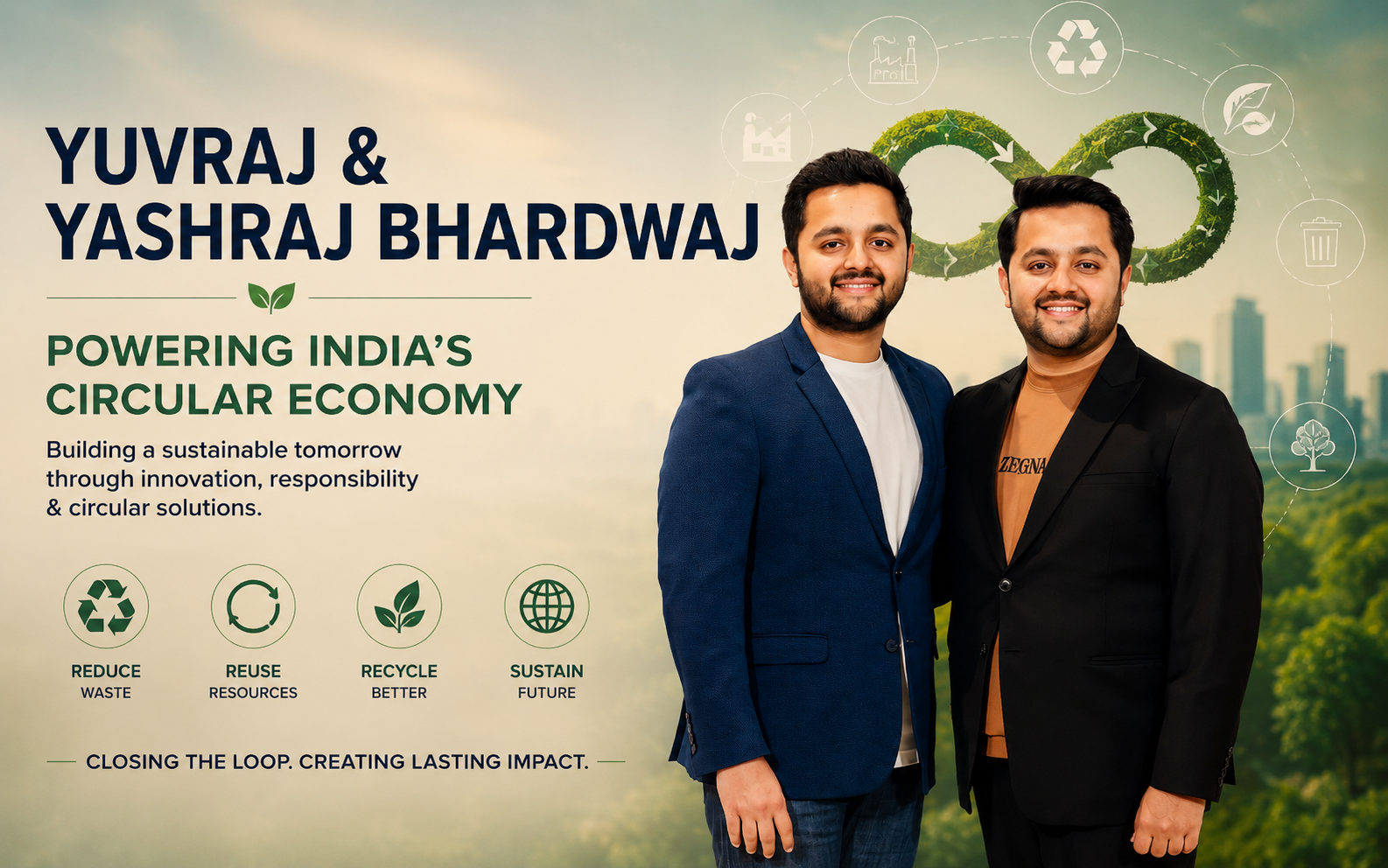
Yuvraj & Yashraj Bhardwaj | Powering India’s Circular Economy

Twin brothers Yuvraj Bhardwaj and Yashraj Bhardwaj are the co-founders of Plannex Recycling, a Gurugram-based circular economy company transforming waste management through technology and innovation. Both entrepreneurs began innovating at the age of 14, filing patents and undertaking research projects long before launching their ventures. Today, while Yuvraj, Co-Founder & CEO, leads operations, technology, and execution, Yashraj drives strategy, policy, partnerships, and global expansion. Together, the Forbes 30 Under 30 Asia honourees have built one of South Asia’s leading recycling platforms, processing over 500,000 metric tonnes of waste annually across 18 facilities in seven countries, proving that sustainability and scale can go hand in hand. 1. Tell us about your venture and how the idea first came to life. What made you decide to build it together as siblings? Yashraj: We’ve been building things together since we were 14, so becoming co-founders wasn’t really a decision; it was the natural next step. We saw India’s waste sector as a fragmented industry with enormous potential but very little technological intervention. While most people saw waste, we saw an opportunity to build infrastructure for the future. Yuvraj: Today, Plannex processes over 500,000 metric tonnes of waste annually across categories such as e-waste, PET plastics, batteries, tyres, and industrial waste, while creating employment for more than 2,000 people. Being twins gave us something every founder hopes to build: complete trust. We couldn’t imagine creating this business any other way. 2. How do your personalities and strengths complement each other? Yuvraj: Although we’re twins, we think very differently, and that’s our biggest advantage. I focus on operations, technology, and execution, making sure every facility runs efficiently and every process delivers on its promise. Yashraj: I spend more time on strategy, partnerships, policy, and investor relationships, helping Plannex expand globally. One of us imagines what’s

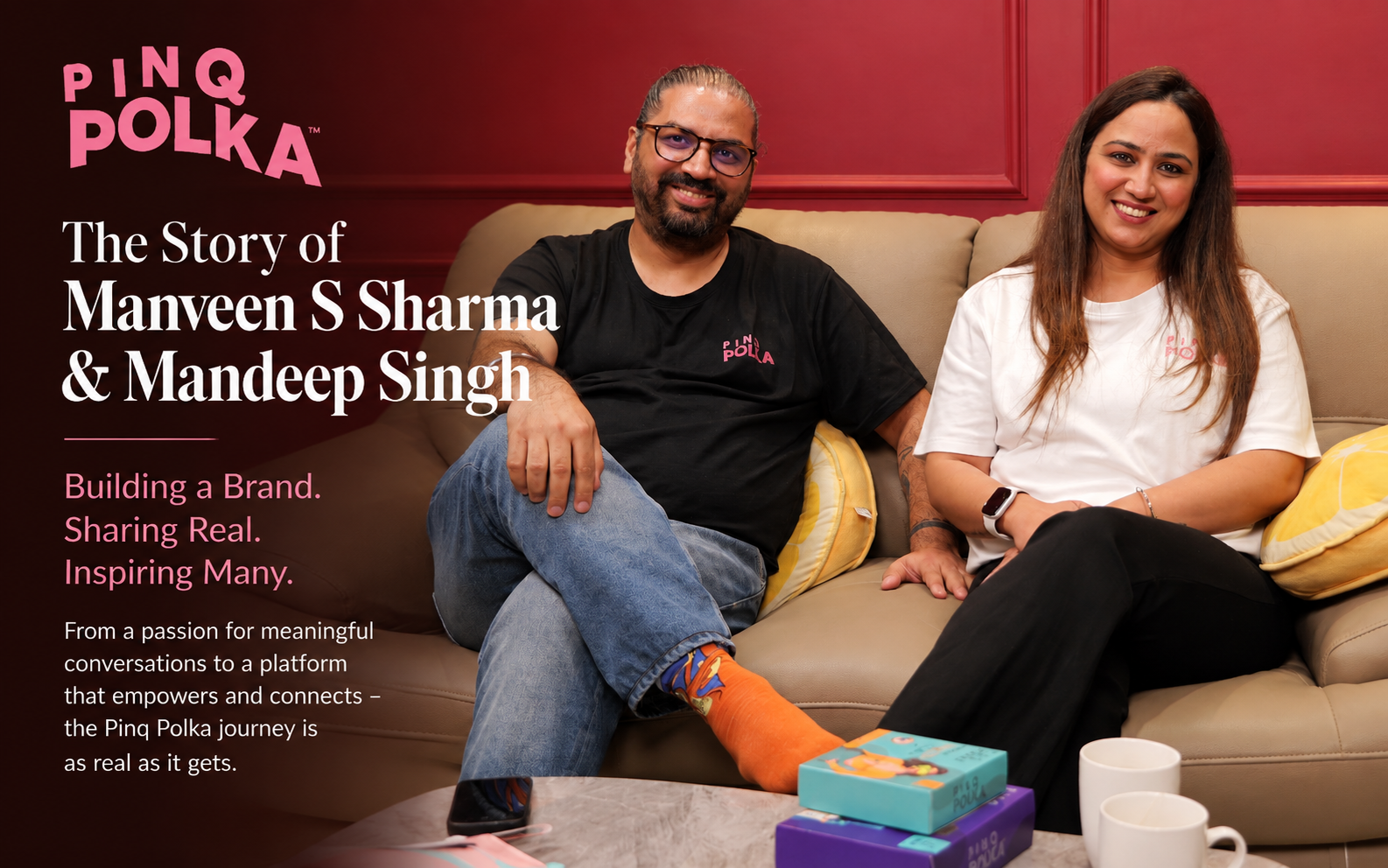
Pinq Polka: The Story of Manveen S Sharma & Mandeep Singh

Manveen S Sharma, CEO of Pinq Polka, brings over nine years of leadership experience across the automotive, mobility, and business sectors, with expertise in business strategy, operations, and customer-centric innovation. Alongside her is her brother, Mandeep Singh, Co-Founder, an entrepreneur with extensive experience in business development, sales, operations, and scaling businesses within the automotive and electric mobility ecosystem. Together, the sibling duo has transformed a simple consumer insight into one of India’s emerging women-first intimate wear and shapewear brands, combining strategic leadership with a shared commitment to creating products that prioritise comfort, confidence, and functionality. 1. Tell us about your venture and how the idea came to life. What made you decide to build it together as siblings? Manveen: Pinq Polka was born out of a personal experience. I often found myself buying women’s personal care products from abroad, because I couldn’t find the same quality in India. During a conversation with my brother, we realised there was a genuine gap in the market. Before launching, we spent months researching, speaking to women, testing products, and gathering honest feedback. That process confirmed we were solving a real problem. Building the brand together happened naturally; we trusted each other’s strengths and shared the same vision of creating products that genuinely improve women’s everyday lives. 2. How do your personalities and strengths complement each other? Manveen: I stay closely connected to our customers, spending time understanding their needs and translating those insights into better products. Many of our innovations have come directly from conversations with women who use our products every day. Mandeep: I focus on business strategy, partnerships, and sustainable growth. While Manveen leads product innovation and customer experience, I ensure we build a business that’s scalable and future-ready. We may approach challenges differently, but we’re united by one principle: never

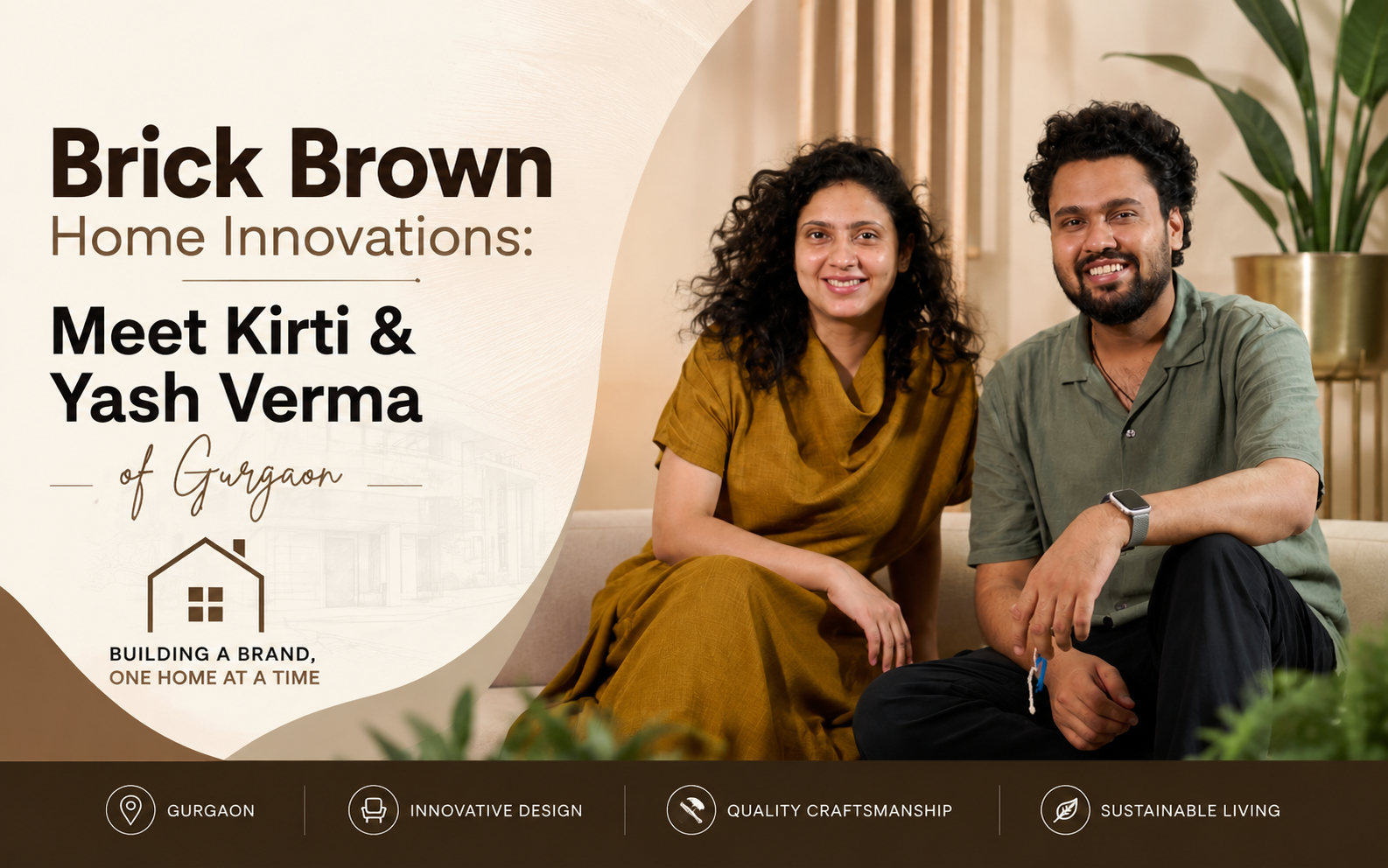
Brick Brown Home Innovations: Meet Kirti & Yash Verma of Gurgaon

Sibling duo Kirti Verma and Yash Verma, founders of Brick Brown Home Innovations, are redefining modern living through thoughtfully designed home décor that blends traditional Indian craftsmanship with contemporary aesthetics. Based in Gurgaon, the brand creates handcrafted solid wood storage solutions, organisers, and home essentials that celebrate functionality, sustainability, and timeless design. Yash Verma leads product innovation, artisan collaborations, and technology-driven operations, while Kirti Verma shapes the brand’s creative vision, design language, and business strategy. Together, they have built Brick Brown into a contemporary homegrown brand that seamlessly blends heritage craftsmanship with modern design. 1. Tell us about your venture and how the idea first came to life. Why did you decide to build it together as siblings? Brick Brown began with a simple belief that homes should feel warm, personal, and lived in. We wanted to create handcrafted wooden pieces that people would cherish for years instead of following short-lived trends. Building the business together wasn’t a planned decision; it happened naturally. Having grown up with similar values and design sensibilities, we instinctively understood each other’s way of thinking, making us natural partners. 2. How do your personalities and strengths complement each other? We bring very different strengths to the table, and that’s what makes the partnership work. I (Yash) focus on product design, manufacturing, and working closely with artisans to perfect every detail. Kirti leads branding, creative direction, storytelling, and business growth. One of us builds products worth talking about, while the other ensures their story reaches the right audience. 3. Has your sibling bond made entrepreneurship easier or more challenging? It has definitely made the journey easier because trust was never something we had to build; it already existed. One moment we’ll always remember is opening our own studio in Gurgaon. Standing in that space, we realised