Book To Screen Magic: The 6 Most Spectacular Adaptations That Redefined Storytelling

There’s something magical about watching beloved characters leap from pages to pixels, transforming the theatre of our imagination into a shared visual experience. While the debate over the book rages on, certain adaptations transcend comparison. They become masterpieces in their own right, honouring the source material while embracing the unique possibilities of cinema and television. Dhanush Kumar writes about six adaptations that didn’t just meet expectations; they soared beyond them.

The Lord Of The Rings Trilogy

When Peter Jackson announced his ambitious plan to adapt J.R.R. Tolkien’s sprawling epic, sceptics predicted disaster. How could anyone compress Middle-earth’s intricate world-building, complex languages, and philosophical depth into film? The answer was simple: by treating the source material with reverence while understanding cinema’s different language.
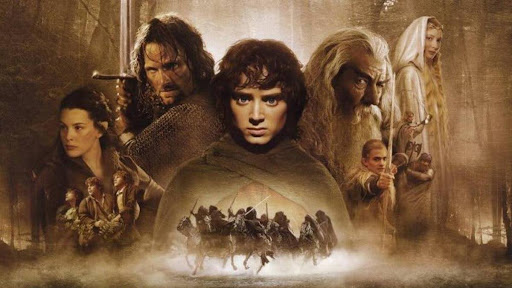
Jackson’s trilogy became more than an adaptation; it became a cultural phenomenon that introduced Tolkien’s work to millions who might never have picked up the books. The films captured the essence of friendship, sacrifice, and the corrupting nature of power that made the novels timeless. 

What makes this adaptation brilliant is its ability to capture the soul of the work. Two decades later, these films remain the benchmark against which all fantasy adaptations are measured.

The Shawshank Redemption

Stephen King’s novella Shawshank Redemption was already a powerful tale of hope and friendship. Frank Darabont’s adaptation transformed into what many consider the greatest film ever made, a title it has held on IMDb’s Top 250 for years.
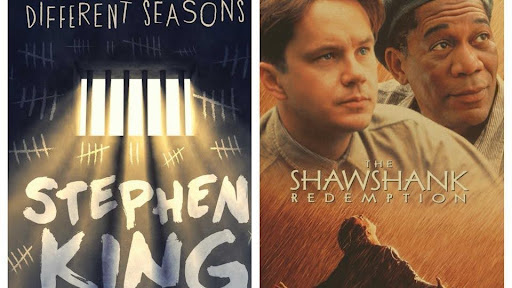
The film expands on King’s lean narrative, giving depth to the relationship between Andy and Red, two prisoners who find redemption in the most unlikely place. What elevates this adaptation is its patience. The famous rooftop scene, Adny’s opera moment, and that glorious finale on the Pacific Coast aren’t just cinematic moments; they are emotional moments that understand the assignment. Hope is a good thing, maybe the best of things.

Harry Potter Film Series

When Warner Bros. acquired the rights to J.K. Rowling’s Phenomenon, the stakes couldn’t have been higher. Millions of children and adults had already fallen in love with the Boy who Lived, and expectations were astronomical. What followed was an eight-film journey that became a defining cultural touchstone for an entire generation.
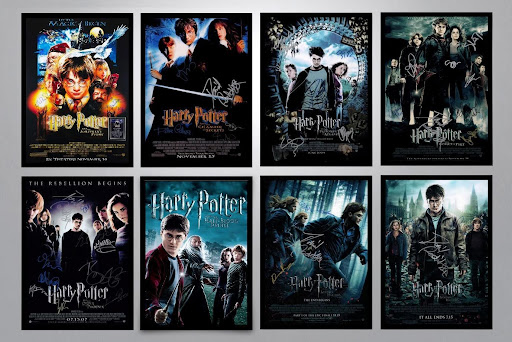
The series’ greatest triumph was its casting of Daniel Radcliffe, Emma Watson, and Rupert Grint, who grew up on screen. But it was the supporting cast that elevated these films into something extraordinary Alan Rickman’s Severus Snape and Maggie Smith’s McGonagall brought charm to the magical world. 

The adaptation succeeded because it understood that Harry’s story was never about magic; it was about love, sacrifice, and choosing who we become.

The Handmaid’s Tale.

Margaret Atwood’s 1985 novel felt like prophecy when Hulu adapted it in 2017. The adaptation’s genius lies in its visual storytelling. The oppressive reds of the Handmaid’s robes, the clinical whites of the Wives, and the suffocating architecture of Gilead create a color-coded nightmare that needs no explanation. Elisabeth Moss’s performance as Offred gives voice to the internal monologue that made Atwood’s novel so powerful.
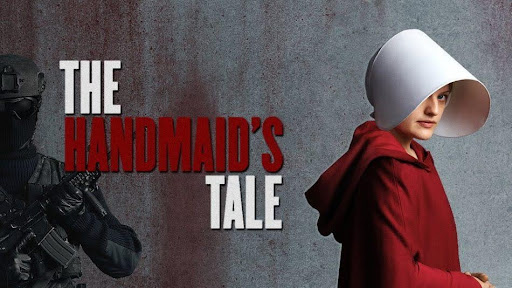
What makes this adaptation remarkable is its willingness to go beyond the source material while maintaining Atwood’s thematic integrity. The series explores questions Atwood posed and then pushes further, examining resistance and the long shadow of trauma in ways that feel both faithful and freshly relevant.

Little Women

Louisa May Alcott’s beloved novel has been adapted numerous times, but Greta Gerwig’s version did something revolutionary. Gerwig’s masterstroke was restructuring the narrative, weaving past and present together to emphasize the artistic ambitions and economic realities facing the March sisters. This nonlinear approach transforms Jo’s story from a simple coming-of-age tale into a meditation on art, commerce, and the choices women make when options are limited.
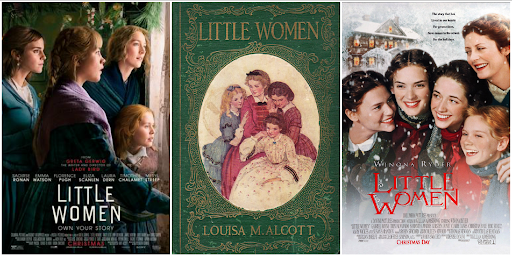
The adaptation also gave Alcott herself a voice, incorporating the author’s own frustrations with her publisher into Jo’s story. It’s an adaptation that understands its source material so profoundly that it can interrogate it while celebrating it.

The Queen’s Gambit

Walter Tevis’s 1983 novel about a chess prodigy battling addiction was largely forgotten until Netflix’s 2020 adaptation became a cultural phenomenon. The limited series format was perfect for this character-driven story, allowing each episode to function as a carefully crafted chapter in Beth Harmon’s journey.
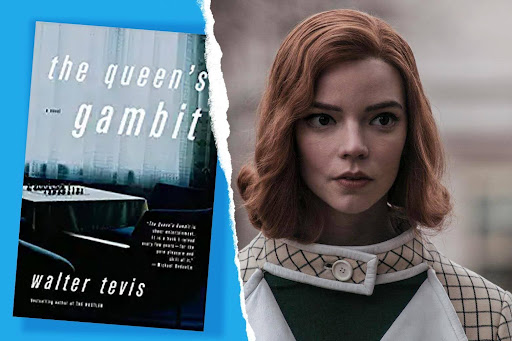
Anya Taylor-Joy’s magnetic performance anchors the series, but it’s the visual storytelling that elevates it. Director Scott Frank transforms chess matches into thrilling sequences that convey the game’s beauty without requiring you to know how the pieces move.

The adaptation succeeds because it understands that Beth’s story isn’t really about chess it’s about genius, loneliness, addiction, and the families we choose. It expanded the emotional resonance of Tevis’s novel while maintaining its core.

Conclusion

These six adaptations remind us that the best book-to-screen translations aren’t slavish recreations but thoughtful reinterpretations. They understand that books and visual media speak different languages, and the translator’s job is to capture meaning, not just words.

The magic happens when creators approach source material with love, respect, and the courage to make bold choices that serve the story’s soul.

Leave a comment

Your email address will not be published. Required fields are marked *

New on the Shelf: Fresh Reads to Pick Up Now

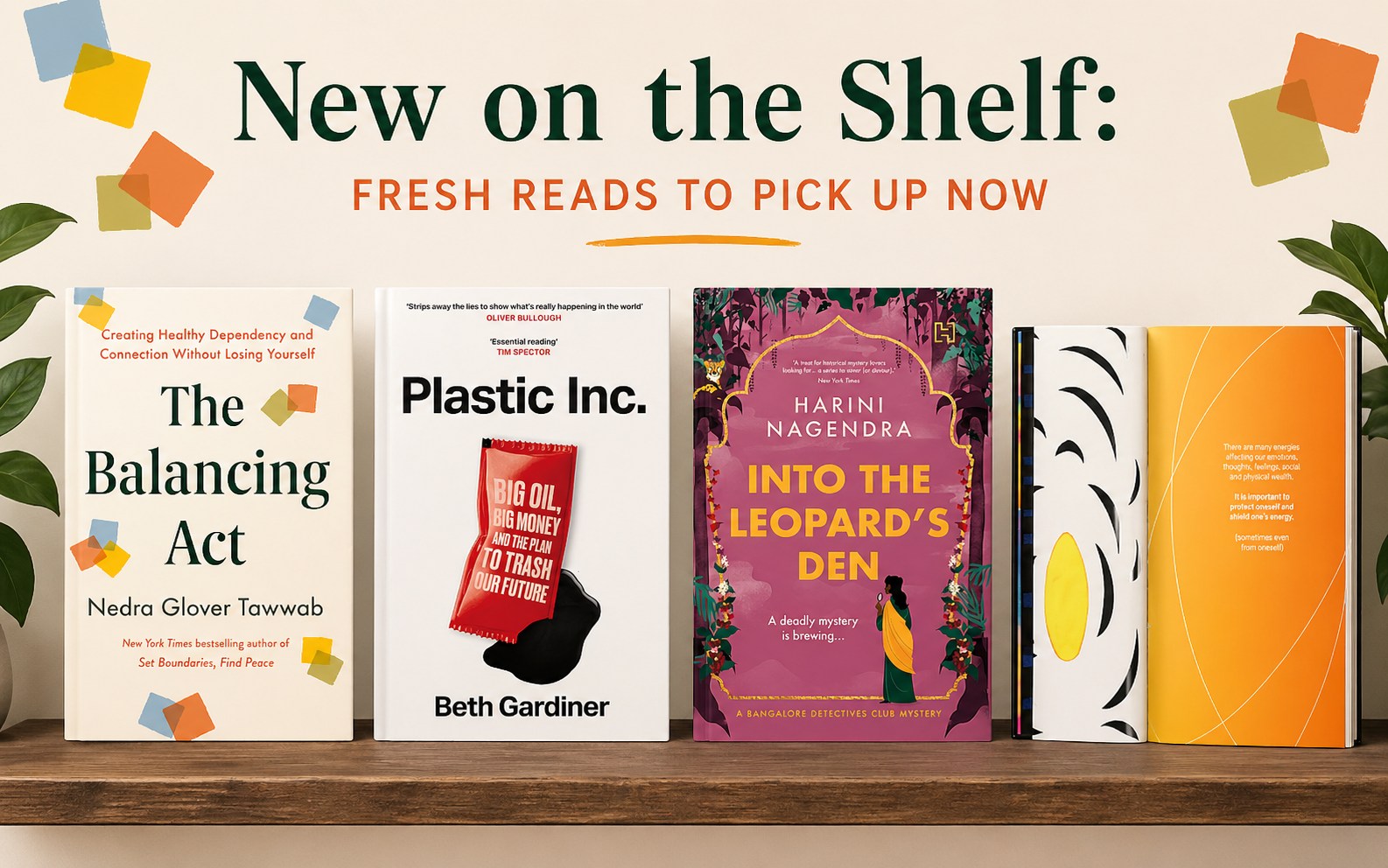
Intro: From introspective reflections on joy to gripping investigative journalism and atmospheric historical mysteries, this month’s bookshelf is as diverse as it is compelling. Whether you’re looking to pause and reflect, better understand your relationships, or lose yourself in a richly layered narrative, these new releases offer something for every kind of reader, thoughtful, engaging, and impossible to ignore. The Book of Joy Manoj V Jain The Book of Joy by Manoj V Jain is a thoughtful and visually engaging exploration of happiness, inner peace, and mindful living. Rather than following a conventional self-help format, the book unfolds through a series of reflective quotes, each page offering a pause for thought rather than prescriptive advice. Designed for today’s fast-paced world, it gently encourages readers to reconnect with themselves, shift perspective, and find clarity in everyday moments. The simplicity of its ideas makes it accessible, yet deeply resonant. What sets the book apart is its artistic dimension; each quote is interwoven with evocative artwork by Pradeep Mishra, creating a harmonious blend of words and visuals. Subtle yet impactful, The Book of Joy is not about telling you how to live, but inspiring you to reflect, reset, and rediscover joy in your own way. The Balancing Act Nedra Glover Tawwab From the bestselling author of Set Boundaries, Find Peace, The Balancing Act is a timely and insightful exploration of relationships, emotional boundaries, and self-awareness. The book centres on a simple yet powerful idea: every relationship requires balance. Too much dependence can make us lose ourselves, while too much independence can leave us isolated. Blending psychological insight with practical guidance, Tawwab breaks down concepts like codependency, attachment styles, and emotional needs in an accessible, relatable way. She offers tools to help readers recognise unhealthy patterns, communicate better, and build meaningful connections without compromising

Books Every Entrepreneur Should Read

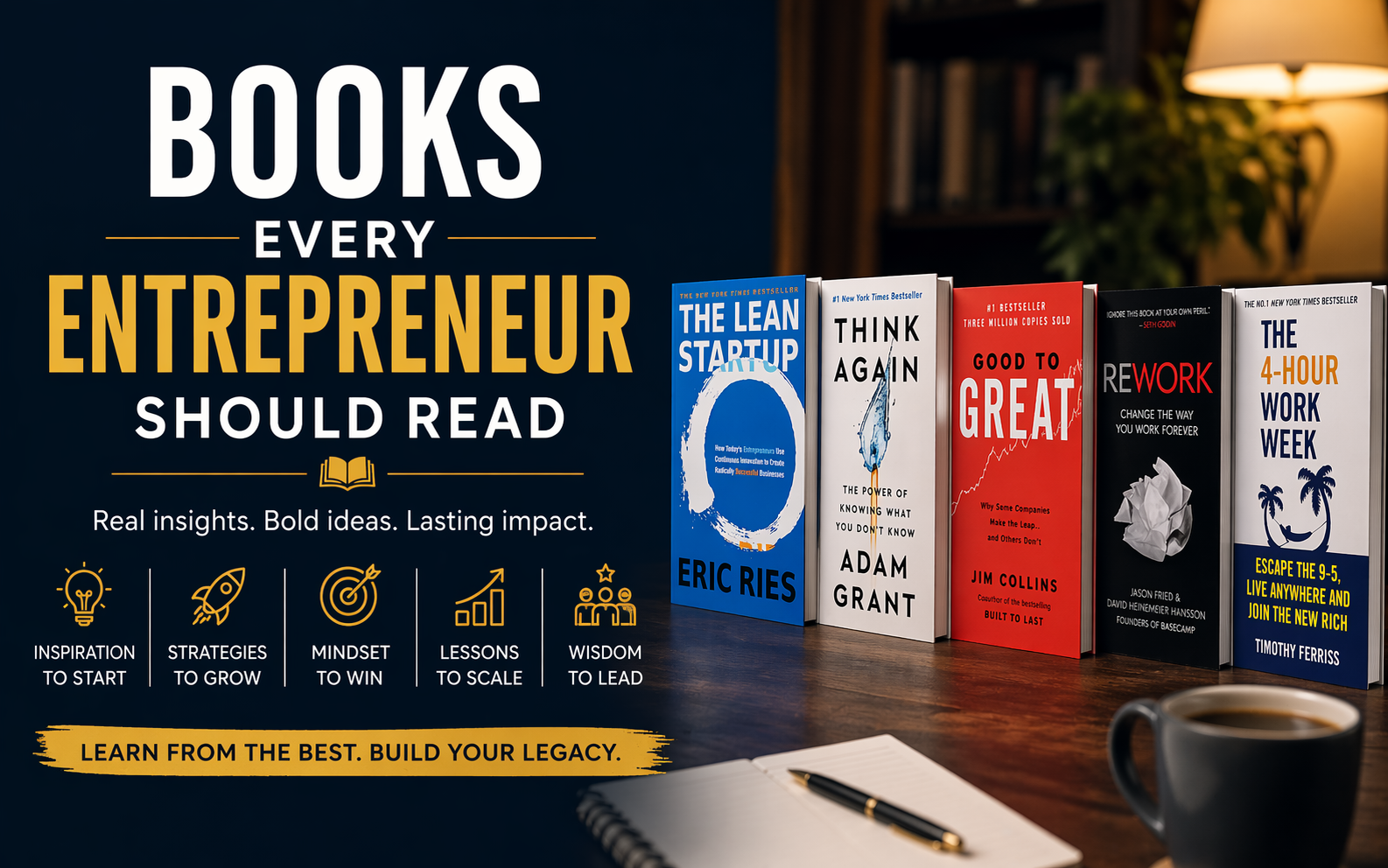
Every successful entrepreneur shares one habit: they read constantly. Books allow founders to learn from decades of experience, failures, and breakthroughs in just a few hours. From Silicon Valley strategies to inspiring Indian startup stories, these titles have shaped how modern entrepreneurs think and build companies. Hashtag Magazines shortlists a few top recommendations. Global Bestsellers Every Founder Should Know The Lean Startup by Eric Ries This book introduces the famous “Build–Measure–Learn” cycle used by startups worldwide. Instead of building a perfect product first, entrepreneurs create a Minimum Viable Product (MVP), test it quickly, and improve based on feedback.How to read it: Treat it like a playbook, pause after each chapter and think about how to test your own idea. Zero to One by Peter Thiel & Blake Masters A powerful guide on building truly innovative businesses instead of copying existing ones. Thiel explains why successful startups create unique markets rather than competing in crowded ones.How to read it: Focus on the concepts about monopolies, innovation, and long-term thinking. The Hard Thing About Hard Things by Ben Horowitz Unlike typical motivational books, this one talks about the real struggles of running a company, including layoffs, crises, and tough leadership decisions.How to read it: Read it as a leadership manual for difficult situations in business. Rich Dad Poor Dad by Robert Kiyosaki A classic that changed how millions think about money. It explains why building assets and financial intelligence is essential for entrepreneurs.How to read it: Focus on the lessons about assets vs. liabilities and financial mindset. Inspiring Indian Bestseller Books for Entrepreneurs Stay Hungry Stay Foolish by Rashmi Bansal One of India’s most influential entrepreneurship books, telling the stories of 25 graduates from IIM Ahmedabad who left high-paying jobs to start businesses. The book sold hundreds of thousands of copies and

How Anoushka Jain is Redefining History for Young India

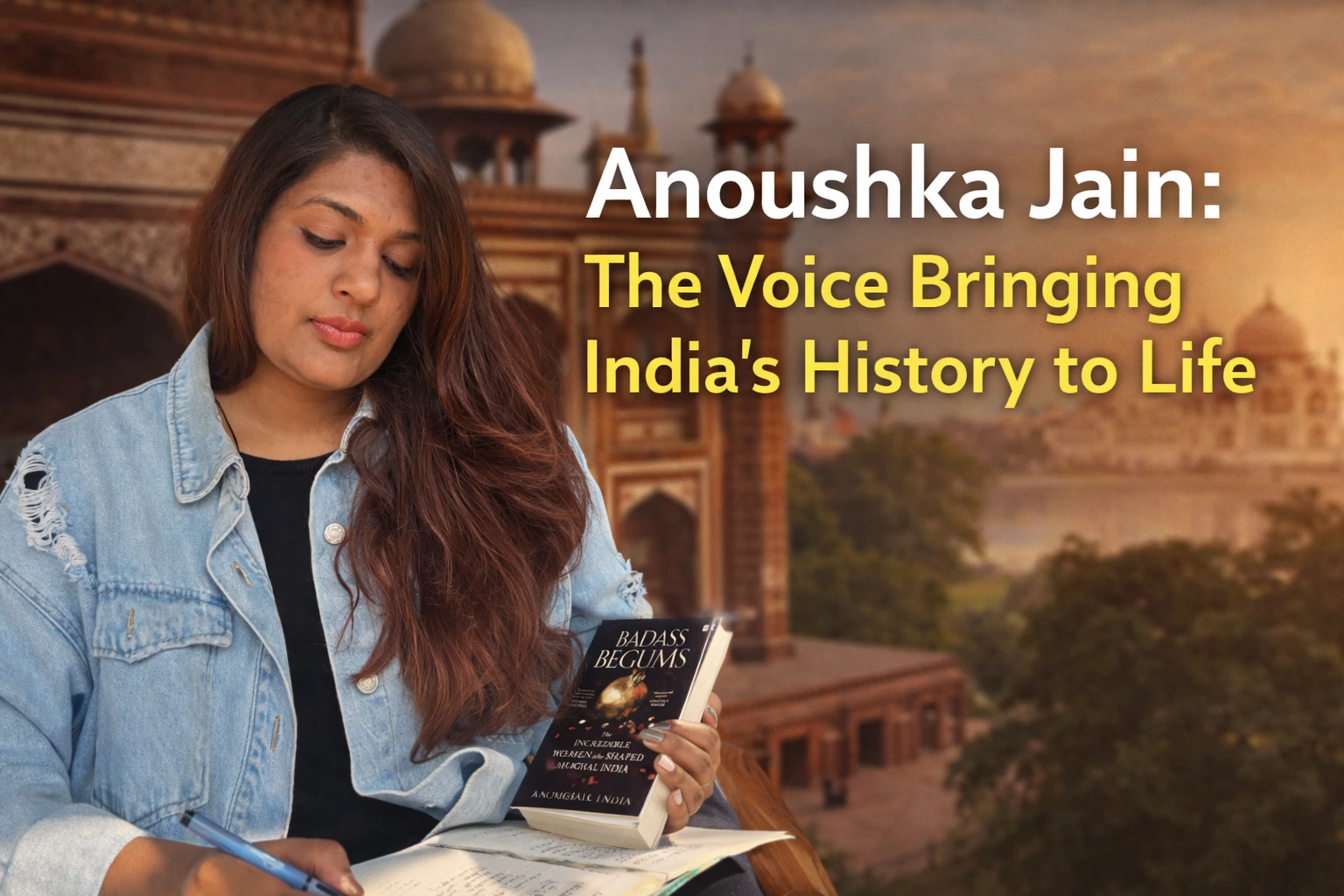
Anoushka Jain does not treat history as a static archive. For her, it is memory, identity, and inheritance. A trained historian, author, and founder based in Delhi, she grew up in a home where conversations revolved around politics, culture, and lived experience. Stories were currency. Yet she noticed a pattern early on: women’s narratives were often softened, sidelined, or erased. “I realised history wasn’t just a subject for me,” she reflects. “It was about whose stories survive.” An introvert by nature, Anoushka listens more than she speaks, a quality that has shaped both her writing and her leadership. Restoring Women to the Frame Anoushka is the author of Badass Begums, published by HarperCollins, and the founder of Enroute Indian History, a heritage initiative she launched in 2019. The idea stemmed from frustration. “History was being reduced to dates and dynasties,” she says. “I wanted it to feel alive.” Through her book and curated heritage walks, she works to restore visibility to women historically romanticised, villainised, or forgotten altogether. “If women are erased from history, they are erased from imagination.” History, Felt Before Analysed What sets her apart is her narrative lens. “I tell history like it is lived, not like it is memorised,” she explains. Her work explores emotional landscapes, power, gender, rebellion, love, and resistance, rather than mere chronology. Her leadership style mirrors this intimacy. She invites questions, encourages disagreement, and prioritises community over hierarchy. The goal is dialogue, not distance. Building Quietly, Persistently Enroute began without spectacle, early morning walks, solo logistics, research, finances, and self-doubt. “I chose this path because I couldn’t choose it,” she says. The breakthrough came when audiences returned not just for information, but for perspective. The publication of Badass Begums marked another milestone, proof that these layered stories belonged beyond city streets. Her

Top 6 Must-Read Books Of 2025

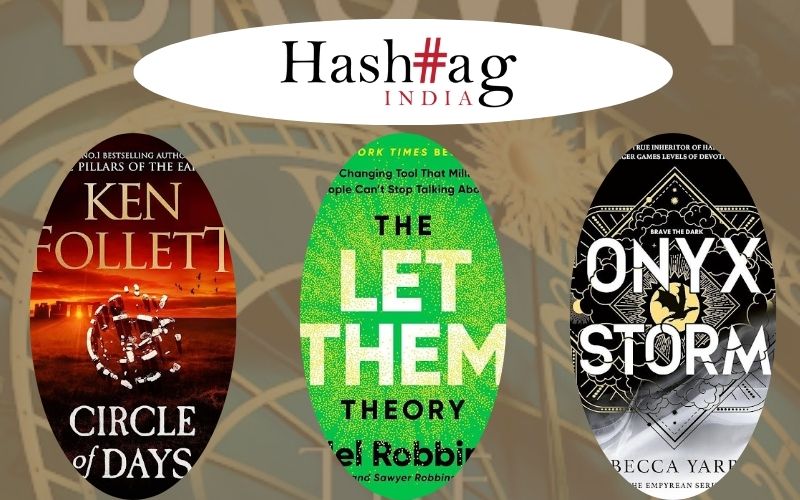
My Friends by Fredrik Backman Backman has always written about ordinary people and the extraordinary tenderness hidden inside them. My Friends continues that legacy. Set in a small Swedish town where everyone knows everyone and everything. This novel unravels the tangled lives of four friends as they stumble into adulthood and the painful beauty of growing up. It’s not just a story of friendship. It’s about how we hold on when life changes its rhythm. Backman’s prose is gentle yet piercing, like being hugged and gutted at once. If A Man Called Ove made you cry, My Friends will leave you staring at the ceiling, smiling through the ache. This is the kind of book that feels lived-in, human, humble, and quietly magnificent. Onyx Storm by Rebecca Yarros The queen of dragon fiction is back, and she’s not holding back her fire. Onyx Storm, the third in Yarros’s Empyrean saga, is pure combustion: romance, rebellion, and raw emotion. The stakes are higher, the dragons fiercer, the heartbreak deeper. Yarros understands something most fantasy writers forget that world-building means nothing if you don’t make the reader feel. Every battle has a pulse; every kiss, a consequence. Beneath all the fire and flight, this is a story about power who wields it, who pays for it, and who dares to challenge it. Expect sleepless nights and shredded nerves. Circle of Days by Ken Follett Ken Follett has never been content to tell small stories. Circle of Days, a monumental historical novel about the creation of Stonehenge, is a towering return to the kind of storytelling that built civilizations. He takes you back five thousand years, into a world where faith and fear were indistinguishable, where men built monuments not for glory but for gods. Follett’s detail is cinematic: the sound of chisels,

You May Also Like

Connect with us