Lil’ Goodness: Your Daily Dose of Goodness

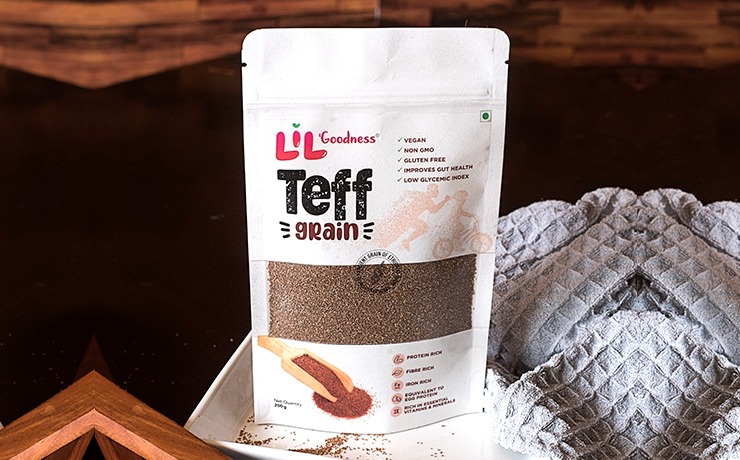
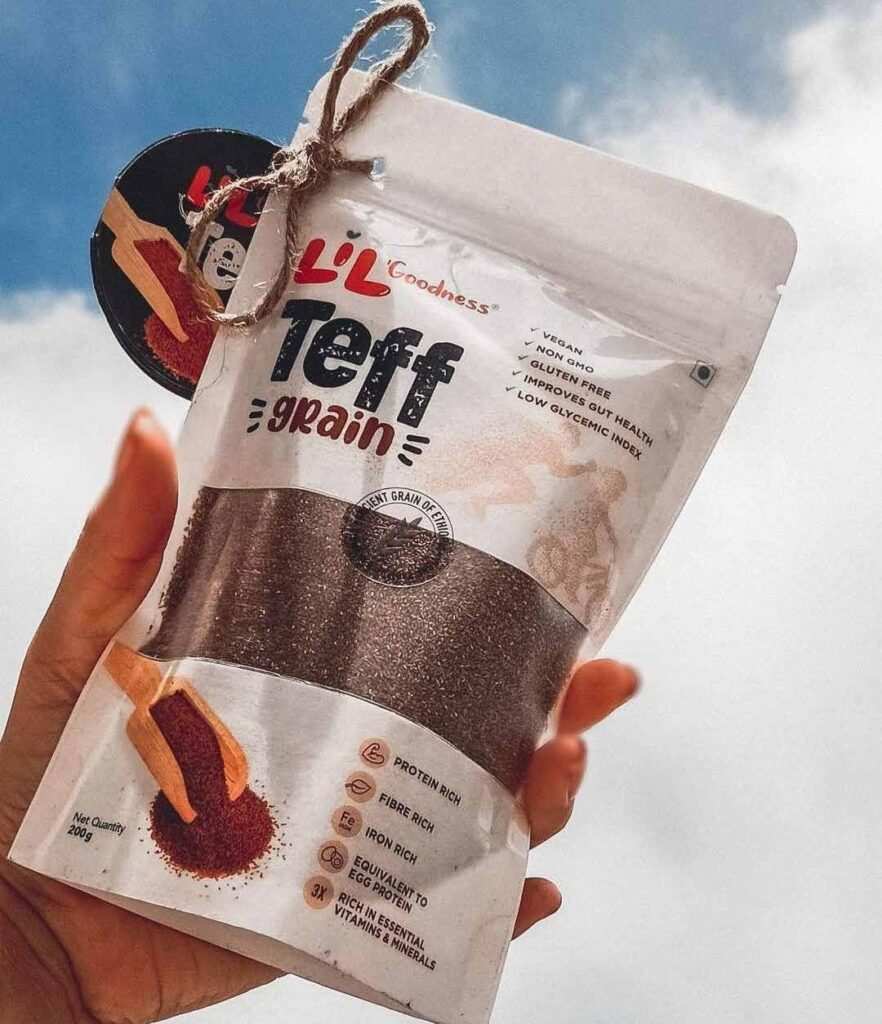
Teff grain

Concerned with the unhealthy eating habits of children across India, Bangalore based food and nutrition brand Lil’ Goodness seeks to transform how kids in India consume snacks. By providing a range of healthy choices, they aim to bring a daily dose of goodness and health into their lives. Rashmi Gopal Rao gives us an insight into the rising start-up.

Founded by IIM Calcutta alumnus Harshavardhan and nutrition expert Pariksha Rao, Lil Goodness believes in using technology to solve health and nutrition problems. While Harshavardhan was formerly associated with the Tata Group, where he was responsible for setting and scaling up the Tata Health business in its formative years, Pariksha Rao holds a Doctorate in nutrition with over 15 years of experience in nutrition and wellness. “We connected over our shared vision and passion for creating India’s first kids’ food and nutrition start-up and aim to touch at least 10 million kids over the next 2 years. It was out of this passion that Lil’ Goodness was born,” says Harshavardhan

Their objective is twofold: to combat the growing nutritional deficiencies alongside fussy eating behaviours of young children.

A Lil’ Goodness for the lil’ ones

The duo firmly believes in the importance of good eating habits in the early years. According to them, healthy choices should not compromise on taste; hence their focus on making traditionally popular snacks more wholesome and healthier. As the team notes, kids want taste and variety, with parents focusing on aspects of health. Through their products, Lil’ Goodness hopes to strike a balance.
While the company was formally incorporated in February 2018, full-fledged work began in July 2019 and the products were first introduced in March 2020. Popular items such as the veggie crackers were launched in May 2020, while the multigrain teff puffs were launched in 2021. “We launched our website in March 2021 and that has yielded very good results, with sales matching or sometimes even performing from e-commerce websites,” says Harshavardhan.

The product range

Products from their range focus on the nutritional gaps they wish to target. Items such as the multigrain puffs and veggie crackers contain no trans-fat, palm oil, or added colours and preservatives. Instead, they are made with real vegetables, and teff, an East African superfood grain that provides ample of vitamins and protein.

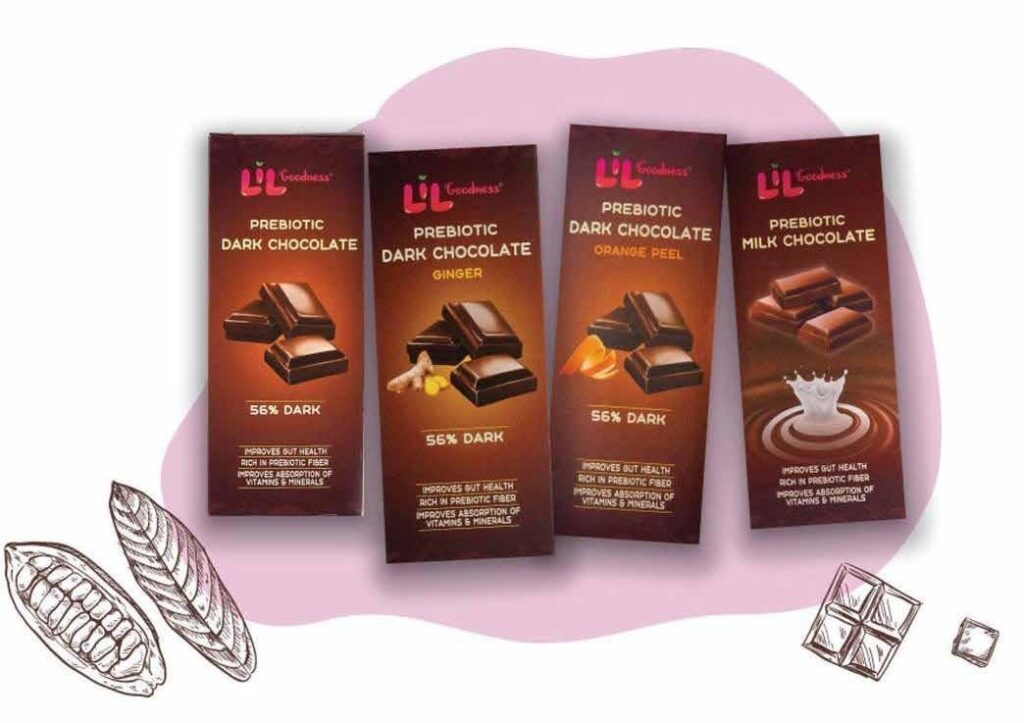
Apart from this, they also have products like prebiotic chocolates, B12 Jaggery and teff flour, which you can add to your daily diet. “Our prebiotic chocolates are most popular. The recently launched B12 jaggery is also the fastest growing. In fact, we have sold nearly 70,000 sachets within 45 days of launch. The multigrain teff puffs have also done phenomenally well; within 6 weeks of launch we have sold around 20,000 packs, even with the restrictions around offline sales” says Harshavardhan, mentioning that they have launched products, both online and offline, in Bangalore, Delhi, Mumbai and Hyderabad.

Differentiating factors

The Lil’ Goodness product prototypes are manufactured at their micro-facility, where prototyping and standardization of recipes is also done. Standardised recipes are scaled up at contract manufacturers. The third-party manufacturers follow standard processes and controls established by the brand after extensive research, trials, and quality controls. “We audit all our contract manufacturers to ensure adherence to quality controls and process standards. Most of our third-party suppliers are located in Bangalore,” says Harshavardhan.
While there are competitors in this space, Harshavardhan believes they have cracked the code of taste and health in the form of exciting snacks. The team also plans to build a ‘Goodness’ circle around their consumers for all their food, nutrition and inner health needs through a platform that engages with them on key health issues.

Looking ahead

Currently, Lil’ Goodness is launching some exciting new products, based on consumer feedback. “We are working on launching an immunity box for kids where we will have tasty yet nutritious snacking options, enhanced by active ingredients like curcumin. We feel that it will be the most ideal gifting box in these times.

Nutritional deficiencies of Vitamin B, C, and D and minerals like Zinc, Calcium and Iron, along with protein deficiencies and an excess of unhealthy fats and carbs affects at least 100 million kids in India.

We are also working on an entire product line based on the use of pre and probiotics in daily snacking, using natural ingredients,” adds Harshavardhan. While there are a lot of products in the market promising health benefits, they have questionable claims. According to Harshvardhan, the key was to find more effective ways to communicate the benefits of their products, which are designed and tested based on scientifically validated principles. While offline retail has been a strong pillar for their growth, consumption has been shifting online and closer to home. The team is working on ensuring a strong presence in the right stores and closer to home.

Contact :

  • Website: https://lilgoodness.com/
  • Contact: +91 8971958284
  • Email: feedback@lilgoodness.com
  • Where: Happytizers Private Limited, S3/301, Greenwood Regency Sarjapur Road, Bengaluru-560035 Karnataka, INDIA
  • Also available on: Amazon, Big Basket, Flipkart.

Leave a comment

Your email address will not be published. Required fields are marked *

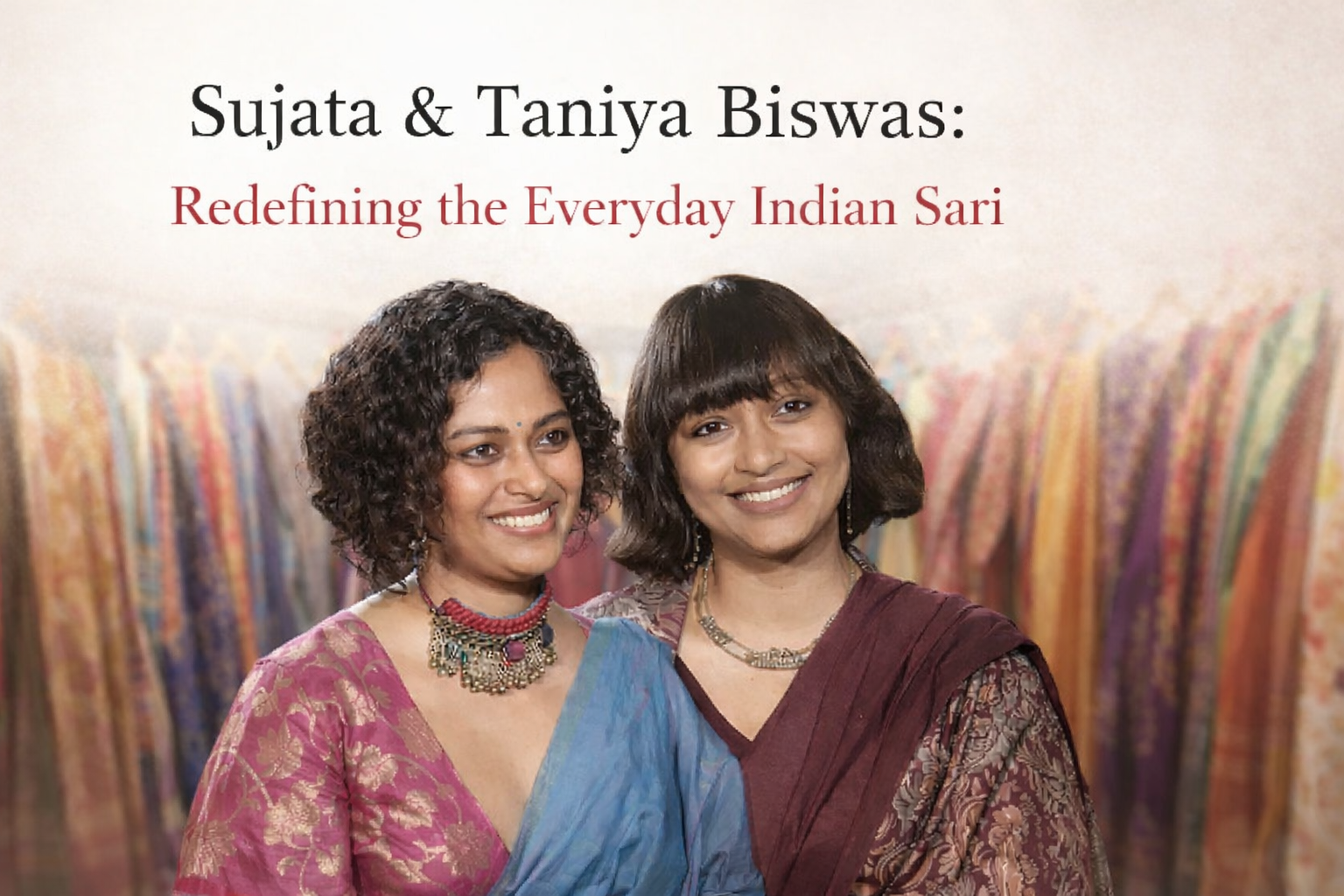
Sujata & Taniya Biswas: Redefining the Everyday Indian Sari

A homegrown Indian fashion brand redefining the sari as an everyday, breathable, and expressive garment. Combining Sujata’s structured, systems-driven approach with Taniya’s creative vision, they work closely with artisan communities across India to create clothing rooted in comfort, honesty, and human connection. Their journey blends entrepreneurship with sisterhood, building a brand that values trust, craftsmanship, and mindful fashion. Taniya, you left a stable career with the Tata group and IBM after IIM Lucknow, and Sujata, you pivoted from IIFT Delhi and corporate life. What was the exact moment when both of you realised that the corporate path wasn’t enough and that Suta was waiting to happen? Taniya: It wasn’t a rebellion. It was recognition. I had done everything “right”: engineering, IIM, a Consulting role that looked perfect on paper. But somewhere between late-night presentations and early morning meetings, I realised I was living life from the neck up. My hands missed fabric. My heart missed stories. I kept returning mentally to memories of wet saris drying on clotheslines, of Maa moving through the house with her pallu tucked in. One evening, over chai, I said it aloud to Sujata: I don’t think this is it. The moment I spoke it, Suta was born. Sujata: For me, it came as the discomfort of becoming someone I wasn’t. The corporate world had given me growth, but it had also hardened me. I remember thinking: If success requires me to lose softness, I don’t want it. My PhD was an attempt to find meaning, but even that felt academic, distant. What we really wanted was to build something with our hands, our intuition, and our values. Suta didn’t arrive as planned. It arrived as relief. From travelling through remote weaving clusters in Meghalaya, Varanasi, MP, and Odisha to working directly with artisan families,

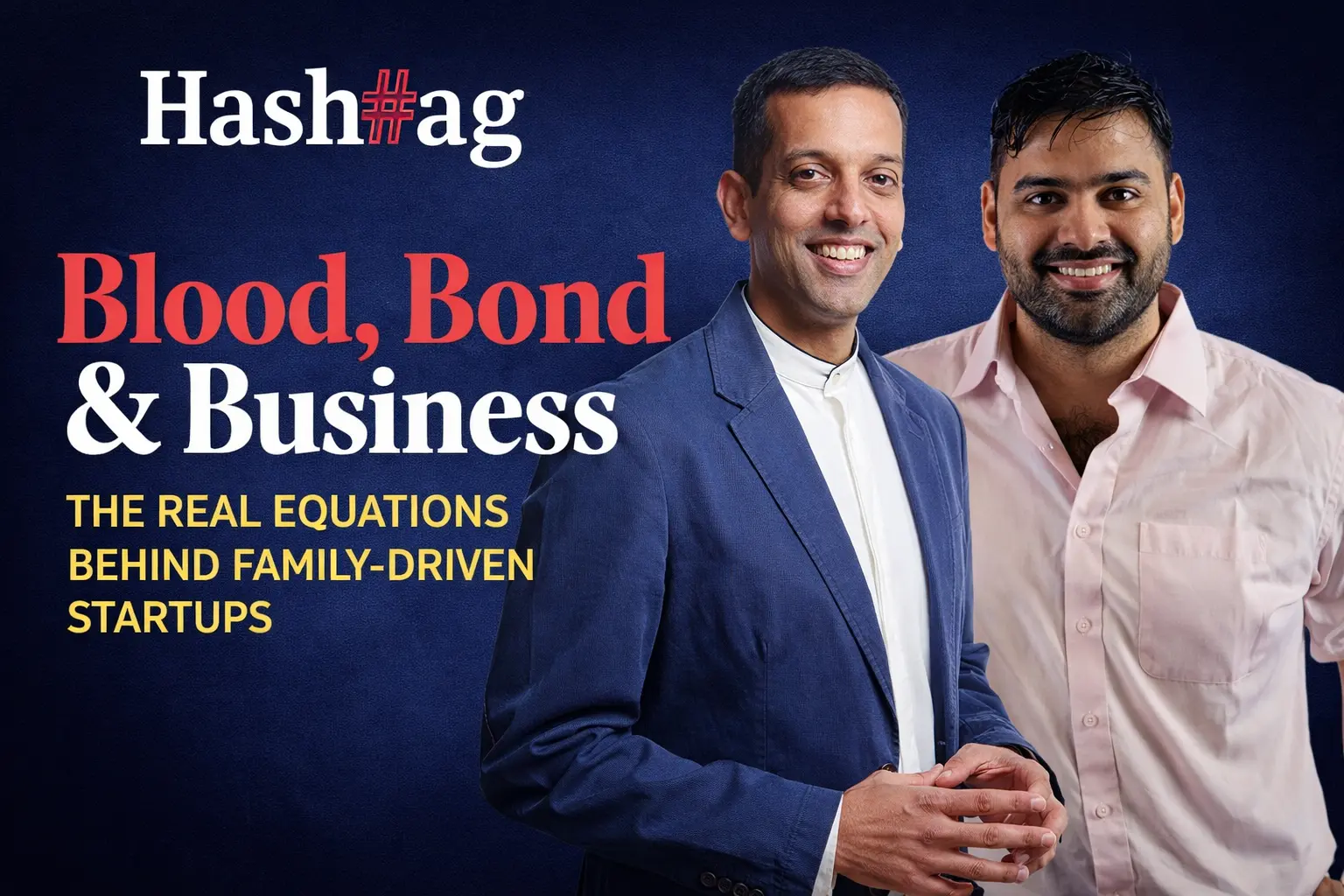
Blood, Bond & Business: The Real Equations behind Family-Driven Startups

February is the month of relationships, and at Hashtag, we’re celebrating the bonds that shape not just personal lives, but powerful businesses. This special edition explores entrepreneurs who share more than a company; they share roots. From siblings turning into strategic partnerships to spouses balancing love and leadership, we dive into the real dynamics behind relationship-driven ventures. This month, discover how strong relationships can become a business’s most valuable asset. Vijayaraghavan Venugopal is the Co-founder at Fast&Up and has been instrumental in building the brand in India. He has over 26 years of business experience in diverse fields, which includes pharmaceuticals, Healthcare and Information Technology. He has been responsible for business development in multiple geographies, including the Triad (USA, Europe and Japan). He has worked with TekFriday, Dr Reddy’s, Lupin and Emcure in different senior management roles. He was Lupin’s country head in China for three years between 2007 and 2010. He is a mechanical engineer and an MBA in International Business from the Indian Institute of Foreign Trade, Delhi. He is one of the fastest amateur marathoners in the country, having run in sub-3-hour marathons 12 times in major cities throughout the world, including Paris, Boston, Chicago, Berlin, London, Tokyo and New York, all while leading the growth of India’s fastest-growing nutrition brand, Fast&Up. He also has the distinction of being the first Indian to do all six world marathon majors under 3 hours, and is the winner of the recently held Tata Mumbai Marathon in his age group. Varun Khanna is the CEO of Fullife Healthcare Pvt. Ltd., a company he started at the age of 23 with the sole purpose to focus on healthy living. A relentless passion to do something innovative for the millennial need for an active life drove him to launch India’s first effervescent

Top 6 Startups Of 2025: The New Architects of India’s Future

From sustainable farming to EV mobility, discover six Indian startups shaping a cleaner, smarter, and more connected tomorrow. Every generation finds its dreamers, the ones who don’t just talk about change, but build it. In 2025, India’s startup scene feels less like a rush for valuation and more like a movement with a purpose. These founders aren’t chasing unicorn tags; they are chasing impact. They are solving what truly matters. This is the India that rolls up its sleeves and says ‘Let’s make it ourselves.’ Dhanush Kumar writes about the Top 6 Startups of 2025, born from soil, steel, and software, each shaping tomorrow with courage and conscience. 1.Handpickd: Fresh from Farm to Table When freshness becomes a luxury, Handpickd restores it to the everyday plate. This Bengaluru-based agritech startup has built a direct bridge between local farmers and urban consumers ensuring every tomato, mango, and millet travels fewer miles and earns farmers more smiles. Using tech-driven logistics and transparent sourcing, Handpickd doesn’t just deliver produce; it delivers trust. In an era of overprocessed everything, this is simplicity redefined clean food, honest pricing, and a system where farmers finally get their due.It’s not a brand. It’s a return to our roots literally. 2.Bambrew: Building a Plastic-free Future At a time when the planet gasps under plastic, Bambrew breathes innovation. The Bengaluru-based packaging pioneer crafts biodegradable, compostable alternatives made from bamboo, sugarcane, and cornstarch materials that love the earth back. Their vision isn’t just green, it’s bold. Bambrew’s eco-packaging now wraps products for top FMCG and e-commerce giants, proving sustainability doesn’t have to look boring or cost a fortune.This isn’t rebellion it’s reinvention. A reminder that small choices, multiplied by millions, can rewrite the story of our planet. 3.Eeki Foods: Vertical Farming for a Greener Tomorrow In the deserts of Rajasthan, where

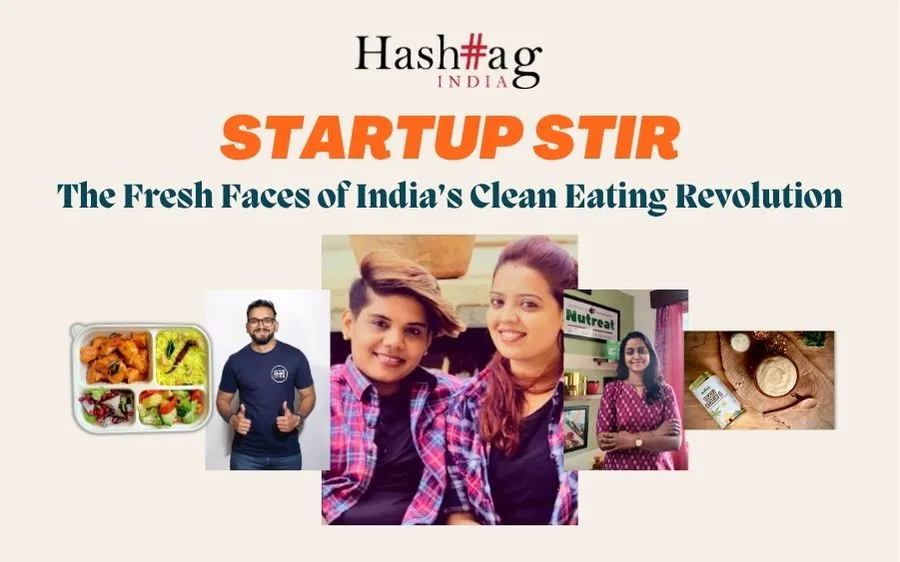
The Fresh Faces of India’s Clean Eating Revolution

Eat Right Clean eating is no longer a fad but a necessity in the times we live in, and several startups are making sure this is a choice that is easy to make. As people take charge of their health and well-being, eating clean is one of the most important priorities. BINDU GOPAL RAO features seven startups that are helping make this change, one plate at a time. Nutreat Hyderabad-based Nutreat was born in 2014 out of a personal need to provide clean, wholesome food for the founder’s son. Over time, this evolved into a deeper mission: to craft handmade, customised nutrition rooted in ancestral Indian food wisdom. “We handcraft each product using our signature four-step process sprouting, sun-drying, slow roasting, and stone grinding and tailor it to the individual’s age, health condition, and dietary needs. Nutreat promotes clean eating not just by avoiding processed ingredients, but by ensuring every spoonful is mindfully made and consciously consumed. In 2023, when our business was at its peak with franchise opportunities, foreign collaborations, and incubation offers we made a bold decision. We stepped back. We refused to bulk produce because it was creating false demand, pressuring both our team and consumers to buy more than they needed. That turning point reaffirmed our belief in nooverbuying and consciousconsumerism. Clean eating, we believe, must also be mindful free of waste, hype, or excess. While the wellness industry grows, we often see food wastage even in the name of healthy eating. Our model of customisation ensures that we make only what’s needed, drastically reducing waste while offering personalised nutrition,” says Jyothi Sri Pappu, Founder & CEO, Nutreat. Moving forward, their goal is to scale impact, not volume, by nurturing conscious consumers, supporting women artisans, and creating a food culture rooted in purpose. The Kenko Life

You May Also Like

Connect with us