Learn about eating disorders – Eat Well to Live Well

Learn about eating disorders - Eat Well to Live Well

Eating disorders are mental health conditions marked by an intense preoccupation with food and weight, which can pose serious health risks. Conditions such as binge eating, anorexia, and bulimia can significantly harm one’s health and require prompt attention and treatment. Bindu Gopal Rao explores these disorders with insights from experts and health professionals to shed light on their effects and how to address them effectively.

Learn about eating disorders

Decoding Disorders

Binge Eating Disorder is characterized by recurrent episodes of consuming large quantities of food in a short period, accompanied by a feeling of loss of control. This behaviour often leads to significant distress and can have adverse effects on both physical and emotional well-being. “Anorexia nervosa is characterized by an intense fear of gaining weight and a distorted body image, resulting in extreme calorie restriction and often excessive exercise or purging behaviours. Bulimia nervosa involves cycles of binge eating and then ridding the body of the extra food (purging) by self-induced vomiting, taking laxatives or diuretics, fasting, exercising excessively, or a combination of these. People with bulimia nervosa usually have a normal weight. In contrast, people with anorexia are usually underweight,” explains D. Bindoo Jadhav, Professor & Head of the Department of Psychiatry, K. J. Somaiya Medical College & Hospital, Sion, Mumbai.


The Causes

Binge eating disorder, anorexia nervosa, and bulimia nervosa are all complex mental health conditions with various underlying reasons. Binge eating disorder often stems from emotional triggers like stress or boredom, alongside restrictive dieting practices or genetic predispositions. “Anorexia nervosa commonly arises from intense body image issues, societal pressure for thinness, and a desire for control over one’s life. Genetics and biological factors may also contribute. Bulimia nervosa frequently develops as a coping mechanism for stress or negative emotions, often triggered by dissatisfaction with one’s body.

Additionally, cycles of dieting followed by binge eating episodes can play a role. These disorders are multifaceted, influenced by a combination of psychological, social, and biological factors unique to everyone,” says Garima Dev Verman, Certified Nutritionist and Medical Content Analyst, The Healthy Indian Project (THIP) – A Health Literacy Platform. Overemphasis on sleek body type leads to many practices by women, which may end up in an eating disorder. Dr. Pooja Pushkarna, Consultant Clinical Psychologist, Apollo Hospitals, Ahmedabad, adds, “Three factors play a role in the onset of eating disorders- genetic, environmental, and social factors. Genetic factors are when it is inherited by one or both parents. Environmental factors include the kind of surroundings and culture a patient lives in. For instance, movies gave many female viewers the idea that zero figure is the ideal body type, which became the norm for many. This is how the environment around patients leads to eating disorders. Furthermore, the societal expectations of the way a woman should look is another factor leading to eating disorders.”

Watch Out

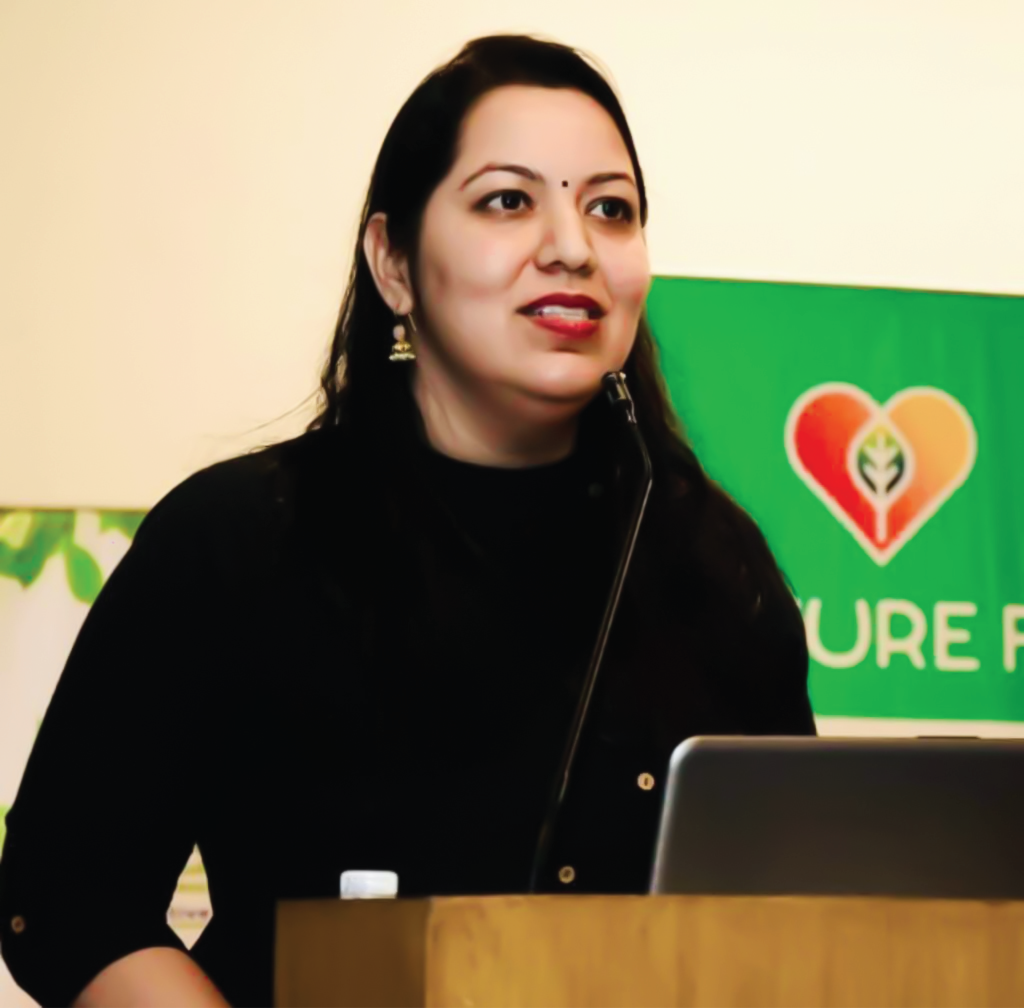
Eating disorders can manifest in various ways, but some general warning signs can be helpful across different conditions. For binge eating disorder, watch out for someone rapidly consuming large amounts of food even when not hungry, hiding or stockpiling food, and experiencing intense shame or guilt after eating. “Bulimia Nervosa can show signs like frequent disappearances of large amounts of food, repeated trips to the bathroom after meals, physical signs of self-induced vomiting (swollen cheeks or damaged teeth), and misuse of laxatives or diuretics. Remember, these are just some potential signs, and the severity can vary,” says Avneet Bhatia, CEO and Founder of NatureFit.
Negative Impact

Eating disorders are increasingly prevalent today, accompanied by the emergence of many non-communicable disorders. Emotional volatility and deeply buried traumatic memories often underlie eating disorders, leading to overeating and undernourishment due to unhealthy food habits. Dr Mayur Agrawal, endocrinologist and co-founder of health-tech start-up DocOsage, says, “Eating disorders can have severe physical, emotional, and social consequences. Physical complications include malnutrition, electrolyte imbalances, gastrointestinal issues, osteoporosis, and, in severe cases, organ failure or death. Psychological effects like depression, anxiety, low self-esteem, and social consequences can lead to difficult relationships, isolation, and difficulties in work or school.” Dr. Karthiyayini Mahadevan, Head of Wellness and Wellbeing, Columbia Pacific Communities, adds, “Overweight and obesity, along with impaired glucose metabolism resulting in type II diabetes mellitus, high cholesterol, and cardiovascular diseases, are common health issues. Physical inactivity due to excess weight also contributes to musculoskeletal problems, leading to strain on the skeletal frame.”

Take Care

It is essential to educate the youth, especially about the importance of a good and healthy body. “Our youth is so much under pressure for certain physical appearance and under pressure to be accepted that they put themselves through this mental stress. We need to address these issues very sensitively. It needs counselling with healthy eating habits to get them out of this,” says Dr. Parina Joshi, HOD, Dietician and Nutrition, Surya Hospital, Mumbai. Dietician Prernna Kalra adds, “Now coming to solving the biggest issue of eating disorder in adults, especially in teenage, we need to focus on giving counselling and therapy sessions to the patient through dieticians, psychiatrists, doctors, family members wholeheartedly support, and with the help of some medications. This wouldn’t be a one-day process; patients will need time, support, patience, and love to overcome this disorder.” As eating disorders can affect a patient physically and psychologically, medication is one of the options for treatment. Cognitive Behaviour Therapy (CBT) or psychotherapy combined with medication can also help.

Leave a comment

Your email address will not be published. Required fields are marked *

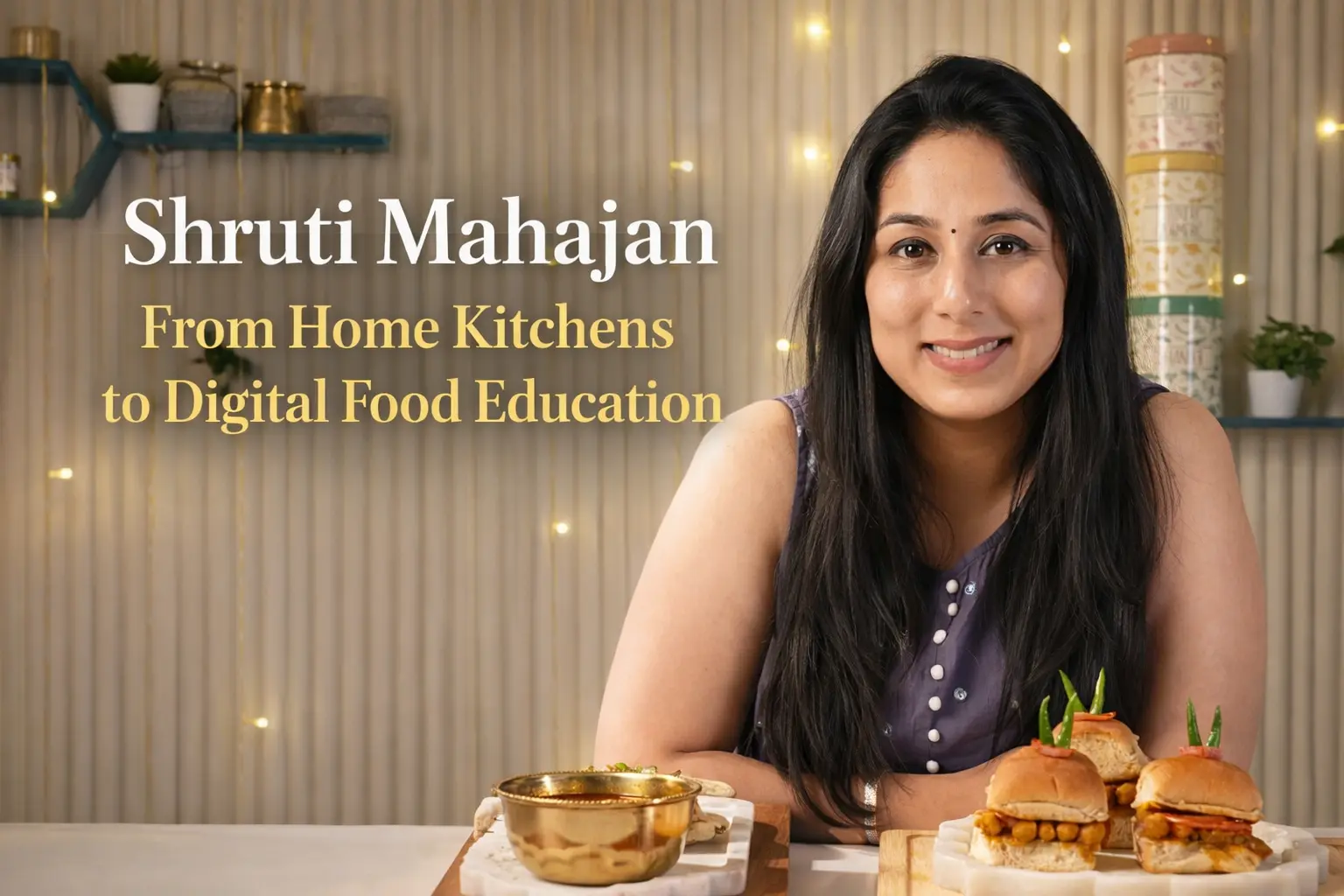
Shruti Mahajan: From Home Kitchens to Digital Food Education

Shruti Mahajan’s relationship with food began long before social media. Raised in a home where meals symbolised comfort and connection, she grew up understanding that food was never just functional; it was emotional infrastructure. Today, based in Delhi NCR, she balances a full-time corporate career alongside a steadily growing culinary platform. Her dual life reflects her personality: equal parts structured and creative. “I’ve always balanced discipline with imagination,” she shares. Managing time, health, and responsibility firsthand shaped her belief that food solutions must work in real life, not just on screen. Simplifying the Everyday Shruti identifies as a culinary content creator and digital educator, but her core mission is simpler: make healthy eating realistic. She noticed that nutrition-forward cooking often felt overwhelming or aspirational. “Food is something we deal with every single day,” she says. “If we can make it easier and healthier, it genuinely improves quality of life.” Her content is built around that practicality, short, efficient recipes designed for busy schedules. Shruti’s signature format includes 30–40 second recipes that viewers can watch, save, and cook without friction. She focuses on ingredients already present in Indian kitchens and has carved a niche by making millets engaging, from Ragi Brownies and Ragi Dhokla to Millet Sambar Khichdi. Built on Consistency Her journey began quietly, experimenting in her own kitchen and sharing what worked. There was no dramatic pivot, only persistence. Balancing content creation alongside a demanding job required discipline. That phase reinforced her core belief: consistency outweighs perfection. The turning point came when followers began writing, “I actually tried this.” That validation signalled impact. Today, she is focused less on virality and more on systems, structured PDFs, nutrition-led education, and scalable tools that empower everyday cooks. Power in Balance Shruti operates on three principles: balance over extremes, progress over pressure,

Nidhi Goyal on Reinvention and Food Entrepreneurship

Nidhi Goyal’s story is one of quiet endurance and deliberate rebuilding. Based in Jaipur, she holds a Bachelor’s degree in Computer Applications (BCA), a foundation that sharpened her analytical thinking and discipline, qualities that would later prove vital in entrepreneurship. Raised in a middle-class business family, she grew up absorbing lessons in independence and responsibility from her father. But life tested her early. Married in 2017, the years that followed brought emotional challenges that deeply impacted her confidence and health. After the birth of her son in 2019, circumstances led her to return to her parental home. Today, as a single mother raising her child with the support of her parents, Nidhi stands self-aware and purpose-driven. “Life may not turn out the way you planned,” she reflects, “but you still have the power to rebuild it.” Cooking as Independence Nidhi is the creator behind Fun2oosh Food, where she shares simple, practical, and relatable recipes for everyday households. But beyond content, her work represents something far deeper: financial independence and dignity. “Every decision I make is driven by one purpose: to give my son a secure and value-driven future,” she says. Content creation became her pathway to rebuilding her life on her own terms. Honest Food, Real Connection Her culinary philosophy is rooted in authenticity. She creates “honest, no-fuss, everyday food,” recipes tested with patience and precision. Over time, her confidence has grown alongside her platform, earning her audience’s trust. Her community associates her work with warmth and reliability. The food feels personal, not performative, a reflection of the care behind every dish. The Courage to Begin Nidhi began her journey in 2021 during a period of vulnerability. Monetisation was slow; it took four months to earn her first $100 on YouTube, an amount that covered her son’s expenses at the

Suzann Homan: A Corporate Lawyer Crafting Goa’s Premium Spirits

Suzann Homan is a Corporate Lawyer and a proud Bandra-born Bombay Goan, whose identity blends Mumbai’s urban sensibility with deeply rooted family values. Raised in a home where food, flavour, and togetherness were sacred rituals, her worldview was shaped by culture and community. At the heart of that influence was her mother, Grace Fernandes, whose quiet strength and intuitive craft left a lasting imprint. From her, Suzann inherited an appreciation for taste, detail, and intentional living, values that would later define her entrepreneurial journey. Turning Ritual into Brand As Founder–Director of Kantala Spirits and the visionary behind Gracia Viva Agave, Suzann did not set out to merely launch a beverage. Gracia was born as a tribute, inspired by her mother’s small-batch infused agave recipe, long shared at intimate family gatherings. For Suzann, the mission was clear: transform a deeply personal ritual into an experience others could access, without losing its soul. Purpose, she believes, lies in honouring origin while allowing thoughtful evolution. Precision Meets Emotion What distinguishes Suzann’s leadership is the seamless blend of emotional authenticity and professional discipline. Where many brands pursue fleeting trends, Gracia is anchored in storytelling, flavour memory, and intention. Her legal background ensures structural rigour and compliance, while heritage guides creativity. She champions balance and mindful indulgence over excess, a philosophy increasingly aligned with modern consumer values. A Family Table in Bandra Gracia’s roots trace back to intimate family rituals. Agave spirit, sourced through family ties in Mexico, was infused at home by Grace Fernandes with fruits, spices, and chocolate, guided entirely by instinct. These bottles were never commercial. They were tokens of celebration, shared among loved ones. The shift from private ritual to public offering was gradual and deliberate, anchored in respect for its origins. Expanding the Table The defining moment came when Suzann

How Walking Away from CA Led to a Life in the Kitchen

Natasha Gandhi’s journey into food was anything but predictable. Once on the path to becoming a Chartered Accountant, she attempted the exams five times before confronting a difficult truth: her heart wasn’t in it. “Walking away from CA was terrifying,” she admits, but that leap of faith led her back to her kitchen, where she began experimenting with healthy, gluten-free, vegan desserts. What started as curiosity soon deepened into a calling. A defining moment came when she stepped onto MasterChef India, finishing as a top finalist. The platform sharpened her confidence and creative voice, introducing her to a national audience. From there, she began sharing recipes online, building a community around wholesome, hearty food rooted in story. Today, many know her as the ‘Biryani Queen,’ a title born from her ability to honour tradition while reimagining comfort food in nourishing, accessible ways. Food as Memory and Medicine Natasha describes her work as culinary storytelling. She documents traditions, reinterprets classics, and brings regional and community-driven recipes into modern kitchens. “Food, for me, is both memory and medicine,” she says. Her philosophy challenges the idea that healthy eating must feel restrictive. Instead, she champions balance, dishes that are satisfying, flavourful, and mindful without sacrificing soul. Heritage with a Modern Lens What distinguishes her voice is her focus on lesser-known regional dishes, from diverse biryanis to India’s pasta-like traditions, presented in ways that feel approachable for home cooks. She avoids chasing fleeting trends, choosing instead to create from curiosity and passion. Her signature strength lies in transforming indulgent favourites into healthier versions without compromising on depth. That blend of heritage, innovation, and mindful cooking defines her identity. Breakthrough Moments Growing up in a Punjabi household where food was celebration and identity, Natasha was surrounded by rich flavours and vibrant conversations. Influenced by chefs

You May Also Like

Connect with us