What is hydroponics?

What is Hydroponics

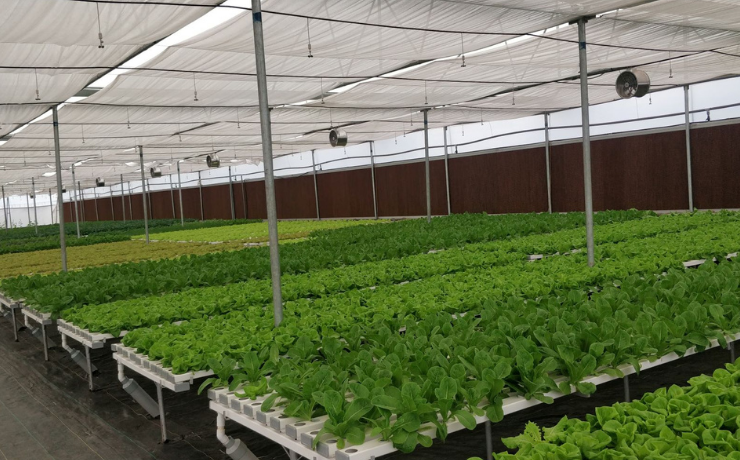
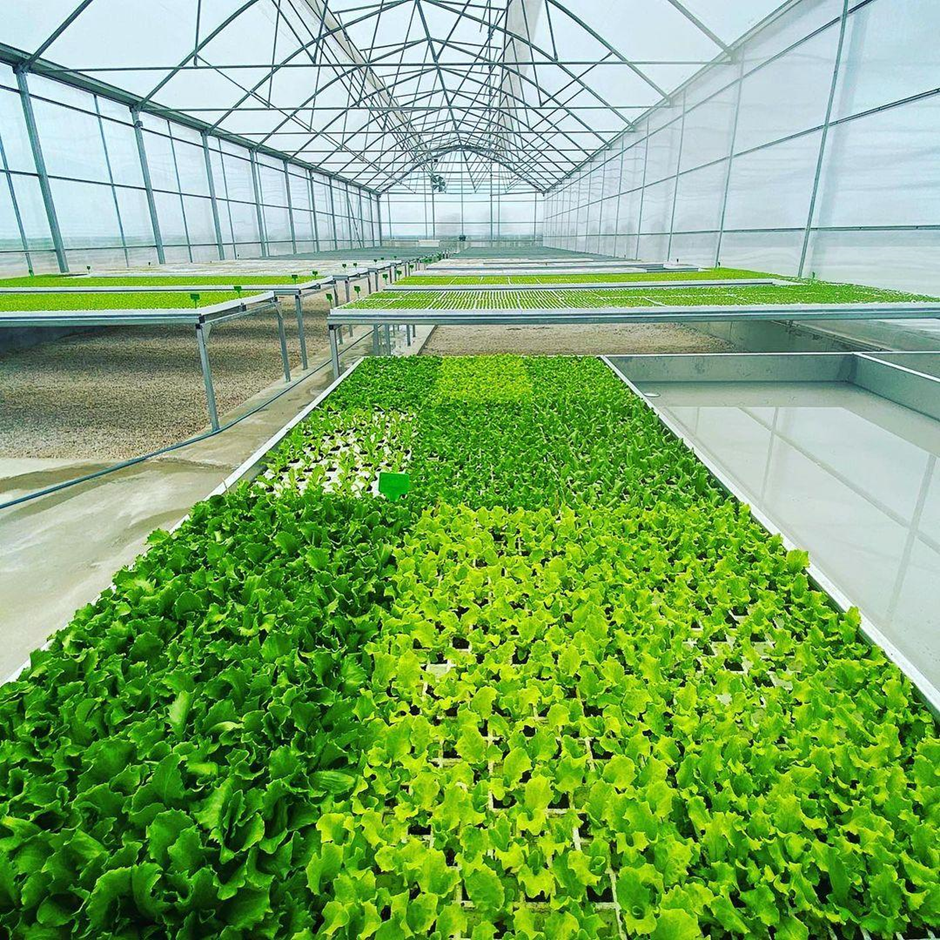
There is a possible method for a farm or a garden to grow without the support of soil. By implementing advanced and modern agricultural technology and using other mediums like Coco Coir, and rock wool to support the growth of the root structure and putting the plants in direct contact with the rich nutrient source we can see more efficient growth of the plants. This is all possible with Hydroponics. What are Hydroponics and its method of farming? Let’s find out.

Hydroponics may sound like a new method in agricultural technology but this is an ancient Greek method where the water does the major work of helping the plants grow more quickly than with traditional farming methods. Because the population is increasing day by day and the availability of farm growing lands has decreased, the Hydroponics method is used across the globe where within a limited space, we can grow plants abundantly. This method has provided numerous benefits to farming everywhere.
What do you need?

If you are interested to start this interesting new method of growing plants. Here is what you need.

1)Fresh Water- Freshwater with a balanced pH. The suitable pH for plants is somewhere around 6-6.5. You can adjust the balance with the solutions available at your garden, or hardware stores.

2)Oxygen- Depending on the hydroponic farm setup, you can either leave the space between the base of your plant and the water reservoir for oxygen supply, or you can bring an oxygen container and install an air pump just like we do in aquariums.

3)Root Support- To support the growth of the roots we need alternative materials for soil which are peat moss, coconut fiber, and rock wool.

4)Nutrients- As the Hydroponic method needs a lot of nutrients to grow the plants healthily and productively we need nutrients like magnesium, phosphorous, calcium, and more.

5)Light- Light is one of the important aspects for any plant to grow. If you are doing the farming outdoors, make sure that there is abundant sunlight. If you are growing plants indoors, then you have to install some special lighting.

Types of Hydroponics methods

There are multiple methods in Hydroponics to ensure the good growth of the plants. Here are the six methods of Hydroponics.

1)Nutrient Film Technique- To execute this method, first we have to grow the plants in a slightly tilted way which allows the solution to flow downwards towards the roots. This method includes absorption of oxygen from the air by running a continuous flow of nutrient solution over the plant’s roots increases the growth rate quite rapidly.

2)Drip system- We are quite familiar with the drip irrigation method. The same process is done here as well. With the help of the drip system, the plants get a slow draining of nutrient solution constantly. This method is easier and quite effective as well.

3)Deepwater culture- Deepwater culture is one of the easiest methods to do. The plant roots are suspended directly inside the nutrient solution and we must utilize an aquarium air pump to oxygenate the solution constantly to ensure that the plants don’t drown in the solution.

4)Flood and drain system- This method doesn’t require much water because it requires the flooding of the farming area at specific intervals based on a timer. In between these floods, the nutrient solution drains back into the reservoir. By doing this there is not much wastage of water and the plants will get enough nutrient supply.

5)Aeroponics- Aeroponics is an interesting method of suspending the roots in the air and covering them with the nutrient solution. You can increase the growth by fixing the roots with a fine spray nozzle.

6)Wicking- Wicking is the simplest method. The plant and the reservoir with nutrient solution are connected by a wick. The wick slowly feeds the plants over time. In this method, absorbent materials like cotton are used to move the nutrient solution slowly to the plant.

Why grow without soil?

There are many reasons why growing plants without soil is good? It allows growers to produce food anywhere in the world, at any time with fewer resources.

  • Because of the climate changes in some regions, the growing conditions of the plants also change with them. In some places, the ground is not good enough for farming. In hydroponics, we can create local food systems and set them up in a community and regions. There is no season pause or climate effects for hydroponic farming.
  • Plants grow very well in hydroponic farming. as the roots are constantly bathed in the nutrients and the yields are higher than the traditional farming.
  • For hydroponic farming, the water usage is very less compared to traditional farming. The water used in this farming can be filtered with nutrients again and fed back to the plants. Instead of wasting the water, you can constantly recycle the water.

What can be grown in Hydroponics farming?

We can grow almost every plant with Hydroponics farming. The most common plants grown in this method are tomatoes, peppers, cucumbers, lettuce, strawberries, herbs, green beans, and basil. It is important to understand that every particular plant has its system design and nutrient supports.

Conclusion

This is all about Hydroponics and the benefits it has over traditional farming. So now is the time to experiment with this new way and expand your garden.


Leave a comment

Your email address will not be published. Required fields are marked *

What’s New: Four New Places Making Waves Across Indian Cities

What’s new: Nanna House Where: Bandra Nanna House brings the bold, heartwarming flavours of Andhra breakfast to Bandra, adding a fresh twist to Mumbai’s morning ritual. While most South Indian eateries focus on Udupi or Tamil flavours, Nanna House celebrates the distinct comfort of Andhra cuisine with dishes like Pesarattu, Poori Saagu, Babai Idli, Butter Idli, and crisp karam podi laden dosas. Founded by Mir Aga Syed of Aegyo Cafe and Dirty Martini Nanna House is inspired by his daughters’ love for the flavours they grew up with. “Nanna,” meaning father in Telugu, reflects the warmth and nostalgia behind the concept. The menu blends homestyle comfort with variety: Millet Cone Idli, 70mm Dosa, button idlis, and a special Kiddie Meal for younger diners. To complete the experience, there’s classic filter coffee, iced versions, oat milk options, and signature Hyderabadi chai. With no fixed seating and a quick-service format, Nanna House serves fast, soulful, authentic Andhra mornings right in the heart of Bandra. What’s new:4NOTEWhere: Hyderabad Hyatt Hyderabad Gachibowli has unveiled 4NOTE, an immersive dining destination where live kitchens take center stage, transforming every meal into a multisensory experience. Launched on 9th October 2025, 4NOTE brings together four distinct culinary traditions—North Western Frontier, Oriental, Telugu, and European under one beautifully designed roof. Guests can choose indoor or outdoor seating surrounded by lush greenery while enjoying the excitement of dishes prepared right before them. The concept celebrates diversity and togetherness through food, allowing diners to explore global flavours in a single space. From corporate gatherings to family celebrations, 4NOTE’s warm, thoughtfully curated interiors make it a versatile venue that encourages connection and conversation. “4NOTE is designed to be more than just a restaurant it is a destination where live kitchens, curated menus, and immersive spaces blend into unforgettable experiences,” says Piyush Sharma,

Como Agua Reimagined: Goa’s Freshest Culinary Escape

Tucked into Vagator’s lush tropical edge and gazing out at the Arabian Sea, Como Agua has always been one of Goa’s most striking venues. But this season, it has transformed from a beloved pizzeria and Negroni bar into a full-bodied culinary destination one that’s as committed to craft as it is to creativity. Ratna Vuppala gives a lowdown of this place. A Menu Built on Freshness — and You Can Taste It The refreshed menu, led by Chef Amit Kumar, is anchored by a simple, rare promise: no processed ingredients. Everything from the citrus infusions in the cocktails to the buttermilk in the fried chicken is made fresh, in-house, and handled with intention. My meal began with the Citrus Avocado Toast, an unassuming dish elevated by its creaminess and surprising brightness. The avocado was lush without being heavy, with citrus cutting through in all the right ways. The Fried Chicken Tenders were a standout juicy, crisp, and coated in a house-made buttermilk batter. The sweet chilli dip on the side delivered the perfect hint of warmth without overpowering the chicken’s tenderness. Then came the star of their new commitments: the Burrata with Garlic Chimichurri, served with warm focaccia. Light, fresh, fragrant and unmistakably high-quality. Their fresh mozzarella and burrata are made in-house using A2 milk, giving the cheese a rich yet clean flavour that sets it apart from anything you’ll usually find in Goa. Pasta That Surprises, Pizza That Comforts For mains, the Fettuccine was easily one of the best I’ve had in recent memory silky, perfectly cooked, and subtly indulgent without being overwhelming. The Spaghetti Aglio Olio was simple, bold, and executed with confidence: exactly how Italian classics should be. Of course, Como Agua’s heritage lies in its pizza and their Neapolitan-style pies, slow-fermented for 48 hours, continue to

Decoding Modern Mental Health

In a world where stress, digital overload, and rising expectations shape our everyday lives, mental well-being has become more crucial than ever. Experts like Dr. Sarthak Dave and Dr. Era Dutta break down the modern pressures affecting our minds and offer clear, science-backed ways to cope. Understanding Anxiety TodayDr. Sarthak Dave Breaks Down Myths, Warning Signs & Everyday Coping Tools Dr. Sarthak Dave, MBBS, MD (Psychiatry), is one of India’s most trusted voices in mental health. Based in Ahmedabad, Gujarat, he is the founder of Vibha Healing Center, a safe, accessible space for individuals seeking support and guidance. In this conversation, he sheds light on anxiety what people misunderstand most, when stress becomes a clinical concern, and how simple, science-backed tools can help restore balance. 1. What’s the most misunderstood aspect of anxiety today? Two misconceptions stand out. First, many people believe their level of anxiety is the only “real” version of anxiety. So they often struggle to understand or accept that someone else might experience it far more intensely. Second, people assume anxiety must always have an external cause. But clinical anxiety often arises from internal factors hormonal changes, genetics, or neurotransmitter imbalances. In such cases, changing your environment won’t fix the issue. Addressing the biological changes is what helps. 2. When does “normal stress” turn into a clinical concern? Stress is a natural human response. But it becomes a clinical issue when it causes socio-occupational or socio-academic dysfunction meaning your ability to function in daily life is affected. If you’re unable to eat, sleep, concentrate, work, study, or connect with people the way you used to, that’s a red flag. Additionally, if symptoms persist for more than 2 weeks and continue to worsen rather than resolve, they should be taken seriously. In such situations, stress is no longer

India’s Hottest Food Trends For 2026: What’s On Every Menu

Food in India has never been just about taste, it’s about tradition, togetherness, and transformation. And as we step in 2026, the Indian palate is rewriting its story. This isn’t just about what’s served on our plates, it’s about why we eat, how we eat, and who we are becoming as a nation. The new year brings an explosion of innovation to our kitchens and menus. From hyper-local ingredients finding Michelin- star fame to Luxe Indian Desserts, India’s culinary scene is brimming with reinvention. It’s a delicious balance between ancestral wisdom and futuristic creativity. Dhanush Kumar takes you on a flavorful journey through the hottest food trends of 2026, the ones already shaping how India eats, cooks, and celebrates food. 1. Conscious & Climate-Smart Eating 2026 is the year Indians are eating with awareness. Sustainability isn’t a buzzword anymore, it’s a lifestyle. Chefs and households alike are turning to climate-friendly menus featuring millets, seasonal vegetables, and plant-based proteins. Restaurants in metros like Bengaluru, and Delhi are championing “Zero-waste cooking.’ Where every peel and stalk finds a purpose. Expect menus that proudly mention carbon footprint scores, ethically sourced grains, and farm-to-table origins. 2. Regional Indian Revival India’s culinary roots are deep, diverse, and now rediscovered. Luxury restaurants are now serving Heirloom Andhra pickles, Nagaland’s smoked meats, Kashmiri haakh, and Cheetinad kuzhambhu with five-star flair. 2026 is seeing a surge in hyper-regional pride, food that celebrates dialect, soil, and story. Chefs are collaborating with home cooks and village artisans, ensuring authenticity isn’t lost in translation. What was once humble “ghar ka khana’ is now the most desired plate in fine dining. 3.Fusion Thalis Fusion thalis are the talk of the town. Imagine a South Indian dosa paired with Thai Peanut chutney, or butter chicken sliders served with Korean kimchi. Restaurants across Mumbai,

You May Also Like

Connect with us