
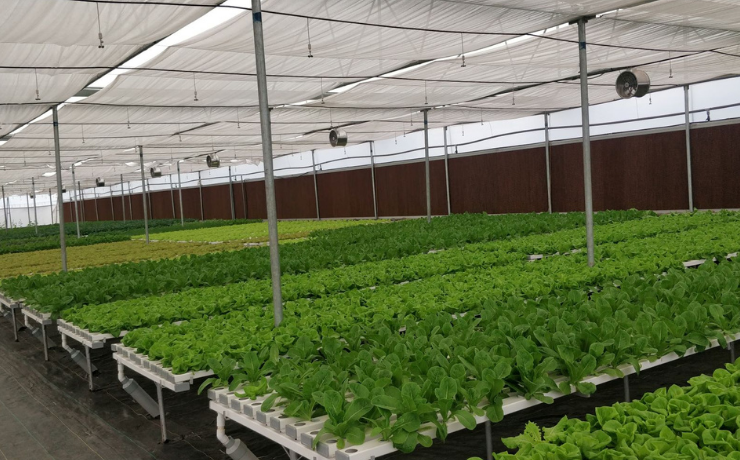
What is hydroponics?

What is Hydroponics

There is a possible method for a farm or a garden to grow without the support of soil. By implementing advanced and modern agricultural technology and using other mediums like Coco Coir, and rock wool to support the growth of the root structure and putting the plants in direct contact with the rich nutrient source we can see more efficient growth of the plants. This is all possible with Hydroponics. What are Hydroponics and its method of farming? Let’s find out.

Hydroponics may sound like a new method in agricultural technology but this is an ancient Greek method where the water does the major work of helping the plants grow more quickly than with traditional farming methods. Because the population is increasing day by day and the availability of farm growing lands has decreased, the Hydroponics method is used across the globe where within a limited space, we can grow plants abundantly. This method has provided numerous benefits to farming everywhere.
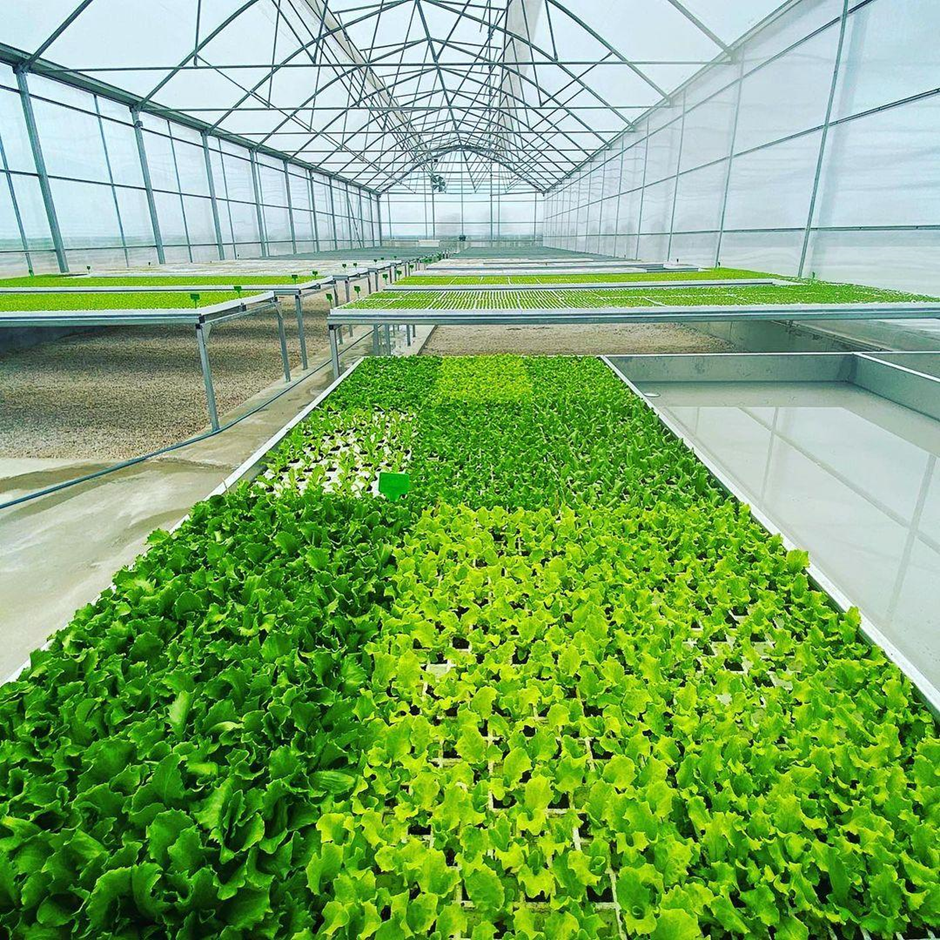
What do you need?

If you are interested to start this interesting new method of growing plants. Here is what you need.

1)Fresh Water- Freshwater with a balanced pH. The suitable pH for plants is somewhere around 6-6.5. You can adjust the balance with the solutions available at your garden, or hardware stores.

2)Oxygen- Depending on the hydroponic farm setup, you can either leave the space between the base of your plant and the water reservoir for oxygen supply, or you can bring an oxygen container and install an air pump just like we do in aquariums.

3)Root Support- To support the growth of the roots we need alternative materials for soil which are peat moss, coconut fiber, and rock wool.

4)Nutrients- As the Hydroponic method needs a lot of nutrients to grow the plants healthily and productively we need nutrients like magnesium, phosphorous, calcium, and more.

5)Light- Light is one of the important aspects for any plant to grow. If you are doing the farming outdoors, make sure that there is abundant sunlight. If you are growing plants indoors, then you have to install some special lighting.

Types of Hydroponics methods

There are multiple methods in Hydroponics to ensure the good growth of the plants. Here are the six methods of Hydroponics.

1)Nutrient Film Technique- To execute this method, first we have to grow the plants in a slightly tilted way which allows the solution to flow downwards towards the roots. This method includes absorption of oxygen from the air by running a continuous flow of nutrient solution over the plant’s roots increases the growth rate quite rapidly.

2)Drip system- We are quite familiar with the drip irrigation method. The same process is done here as well. With the help of the drip system, the plants get a slow draining of nutrient solution constantly. This method is easier and quite effective as well.

3)Deepwater culture- Deepwater culture is one of the easiest methods to do. The plant roots are suspended directly inside the nutrient solution and we must utilize an aquarium air pump to oxygenate the solution constantly to ensure that the plants don’t drown in the solution.

4)Flood and drain system- This method doesn’t require much water because it requires the flooding of the farming area at specific intervals based on a timer. In between these floods, the nutrient solution drains back into the reservoir. By doing this there is not much wastage of water and the plants will get enough nutrient supply.

5)Aeroponics- Aeroponics is an interesting method of suspending the roots in the air and covering them with the nutrient solution. You can increase the growth by fixing the roots with a fine spray nozzle.

6)Wicking- Wicking is the simplest method. The plant and the reservoir with nutrient solution are connected by a wick. The wick slowly feeds the plants over time. In this method, absorbent materials like cotton are used to move the nutrient solution slowly to the plant.

Why grow without soil?

There are many reasons why growing plants without soil is good? It allows growers to produce food anywhere in the world, at any time with fewer resources.

  • Because of the climate changes in some regions, the growing conditions of the plants also change with them. In some places, the ground is not good enough for farming. In hydroponics, we can create local food systems and set them up in a community and regions. There is no season pause or climate effects for hydroponic farming.
  • Plants grow very well in hydroponic farming. as the roots are constantly bathed in the nutrients and the yields are higher than the traditional farming.
  • For hydroponic farming, the water usage is very less compared to traditional farming. The water used in this farming can be filtered with nutrients again and fed back to the plants. Instead of wasting the water, you can constantly recycle the water.

What can be grown in Hydroponics farming?

We can grow almost every plant with Hydroponics farming. The most common plants grown in this method are tomatoes, peppers, cucumbers, lettuce, strawberries, herbs, green beans, and basil. It is important to understand that every particular plant has its system design and nutrient supports.

Conclusion

This is all about Hydroponics and the benefits it has over traditional farming. So now is the time to experiment with this new way and expand your garden.


Leave a comment

Your email address will not be published. Required fields are marked *

A Meal with a Southern Touch

What: Bhojanam Where: Hyderabad If you’re craving a meal that feels like home, Bhojanam in Jubilee Hills offers a warm, flavourful journey through the heart of Telugu cuisine. When in the South, a thali is one of those experiences that instantly gets your lips smacking, comforting, wholesome food served traditionally on a banana leaf. In the heart of Hyderabad, Bhojanam brings this experience to life with authenticity and warmth. Located in Jubilee Hills, this sprawling 8,000 sq. ft. space has been thoughtfully put together by Pranavi Chekuri and Teja Chekuri under Fullstack Ventures. Every detail reflects a personal touch. Pranavi, who grew up learning traditional cooking from her grandmother, has incorporated her own family recipes into the menu, even something as simple as rasam is crafted with a deeply homely, authentic flavour. The space is simple yet inviting, with indoor and outdoor seating, and an open kitchen where the aromas of freshly prepared dishes fill the air. At its core, Bhojanam celebrates the rich culinary heritage of the Telugu-speaking regions—Krishna, Godavari, Rayalaseema, and Telangana, through a thoughtfully curated, region-first thali experience. Since I’m allergic to seafood, I opted for the Krishnamma Bhojanam. We began with fresh sugarcane juice, pressed on-site, with hints of lime and ginger, refreshing and perfectly balanced. What followed felt deeply personal. Pranavi joined us for the meal and made sure everything was served just right. Conversations flowed easily about food, influences, and the stories behind certain dishes, adding a layer of warmth to the experience. The meal included dishes like natu kodi vepudu and pulusu, each carrying a distinct homemade quality, nothing overdone, just honest flavours that felt like they belonged in a family kitchen. During a conversation about local Telangana dishes, anapakaya ginjalu (hyacinth beans) came up, and Pranavi mentioned that they make vadas with

Cool & Nourish: Refreshing Summer Drinks to Beat the Heat

As temperatures rise during the summer months, staying hydrated becomes essential for maintaining energy, digestion, and overall health. While water remains the most important source of hydration, traditional summer drinks made with natural ingredients can provide additional nutrients and cooling benefits. Across India and other tropical regions, seasonal beverages made from fruits, herbs, and dairy have long been used to regulate body temperature and replenish minerals lost through sweat. These refreshing drinks not only quench thirst but also support digestion, boost immunity, and help the body stay balanced during intense heat. Here are some easy summer beverages along with their health benefits and simple recipes you can try at home. Aam Panna (Raw Mango Summer Cooler) Aam Panna is a classic summer drink known for its tangy flavour and cooling properties. It is made from raw mangoes blended with spices and herbs. Health BenefitsRaw mangoes are rich in vitamin C and antioxidants, which help boost immunity and prevent dehydration. The drink also restores electrolytes lost through excessive sweating and protects against heatstroke. Why You Should Drink ItAam Panna is considered one of the best traditional drinks to combat summer fatigue and heat exhaustion. Recipe Ingredients 2 raw mangoes 3 tablespoons sugar or jaggery (adjust to taste) ½ teaspoon roasted cumin powder A few fresh mint leaves A pinch of black salt 2 cups chilled water Method Boil or pressure-cook the raw mangoes until soft. Peel the skin and extract the pulp. Blend the pulp with sugar, mint leaves, cumin powder, and black salt. Add chilled water and mix well. Serve cold with ice and a few mint leaves for garnish. Buttermilk (Chaas) Buttermilk is a light, refreshing drink made from yogurt diluted with water and flavoured with spices. Health BenefitsIt is rich in probiotics, which support gut health and digestion.

From Menus To Memories: Top Hosting Tips For The Ultimate Dinner Party

There’s something magical about a well-executed dinner party. Whether you’re rounding up your best friends for a catch-up or entertaining extended family for a celebratory night in, the joy of feeding those you love never goes out of fashion. As much as we love a night out at a fancy restaurant, there’s a certain charm about staying in, lighting some candles, and serving up your signature dish with pride. For many Indian hosts, a dinner party is more than just a meal it’s a full-blown experience. From the starters to the send-off, every detail adds up to make your guests feel welcome, well-fed, and genuinely impressed. But pulling it off requires more than just a decent butter paneer and some extra plates. Whether you’re a seasoned host or dipping your toes into the world of dinner parties, here are some top tips for hosting with ease, style, and a whole lot of heart. Start With The Invite to Set The Tone Early Planning for a dinner party starts way before the guests come knocking at your door it begins with your invitation. A blasé “Dinner on Friday?” text on WhatsApp doesn’t cut it. If you want to elevate the vibe, design your own PDF invitation cards it’s a small touch that shows thought, effort, and makes everything feel more intentional. Plus, you get a chance to convey the essentials date, dress code (if applicable), theme, and what to bring or not bring (i.e., a bottle of wine, or no surprise plus-ones). Creating your own invitations also helps you set expectations in a classy way. Fancy a relaxed rooftop vibe with finger food and sangria? Or something a bit more traditional, with thalis and mithai? Either way, when your invite looks the part, your guests know what to bring and the

Healing with Strength: The Inspiring Journey of Dr. Rebecca Pinto

Based in Bangalore, Dr. Rebecca Pinto is a physiotherapist by qualification, but as she says, “My life has been shaped far more by experience than by textbooks.” Losing her mother at a young age, Rebecca grew up in a single-parent household with her father. Financial constraints were not abstract concepts; they were lived realities. “I saw what a lack of money really does, not just to your lifestyle, but to your peace, your choices, even your relationships,” she shares. That early exposure instilled two beliefs: financial independence creates freedom, but happiness remains a choice. Known among friends as vibrant and dependable, she describes herself as “caring, witty, and observant.” Her critics may call her detached, but she believes that detachment “has helped me survive more than anything else.” Health Beyond Information Today, Dr. Pinto wears multiple hats: physiotherapist, nutritionist, and content creator. But her mission extends beyond treatment plans. She challenges deeply ingrained habits. “When you understand health, you don’t just treat people, you change how they live,” she explains. Content creation began casually, a simple experiment. But the moment people began telling her, “This helped me,” the weight shifted. “That’s when it stopped being content and became responsibility.” For Rebecca, health isn’t about longevity alone. “It’s about living without constantly feeling tired, inflamed, or uncomfortable, which unfortunately has become normal.” Clarity Over Comfort In an industry flooded with trends, her voice stands out for its directness. “Most people don’t change because they lack information. They don’t change because no one has made them question their habits.” She positions herself deliberately between comfort and awareness. Her approach is simple, sometimes blunt, but always rooted in science. “If something is harming you, I’ll say it, even if it’s something you enjoy.” Her audience associates her with two defining qualities: clarity and

You May Also Like

Connect with us