Engineering Marvels Of India

Engineering Marvels Of India - Hashtag Magazine

India is a land of magnificent architecture, rich heritage, and cultural diversity. From historical monuments to cable bridges, many astounding engineered structures in India defined modern engineering at its best. While the ancient structures stand tall to date, modern engineers have managed to erect some spectacular engineering marvels in recent times. To pay tribute to the engineers on this Engineers’ Day we have listed out exceptionally grand engineering constructions of India.

  • Pamban Bridge, Tamil Nadu

The new Pamban Bridge in Tamil Nadu is the country’s first vertical lift railway sea bridge in India. The bridge will link the island of Rameswaram to the mainland. The new Pamban Bridge built with modern technology has replaced the 104-year-old structure. The new bridge is almost 2.07 km long. The middle portion of the bridge is lifted to allow ships to pass through.

  • Statue Of Unity, Gujarat

The Statue Of Unity is one of India’s popular modern engineering marvels. It is the world’s largest statue that testifies to the life of Sardar Vallabhai Patel who played a major role in the nation’s unity and statesmanship. The Statue showcases Vallabhai Patel’s vision of unity, patriotism, and growth. The Statue of Unity stands at a height of 182 metres, and the construction began in 2013 by L&T with an investment of Rs 2,700 crores. The statue was inaugurated by the Prime Minister of India, Narendra Modi on 31st October 2018.

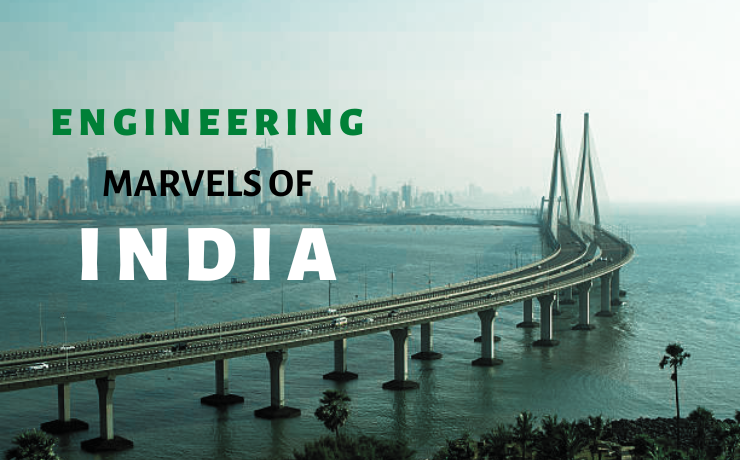
  • Bandra-Worli Sea Link, Mumbai

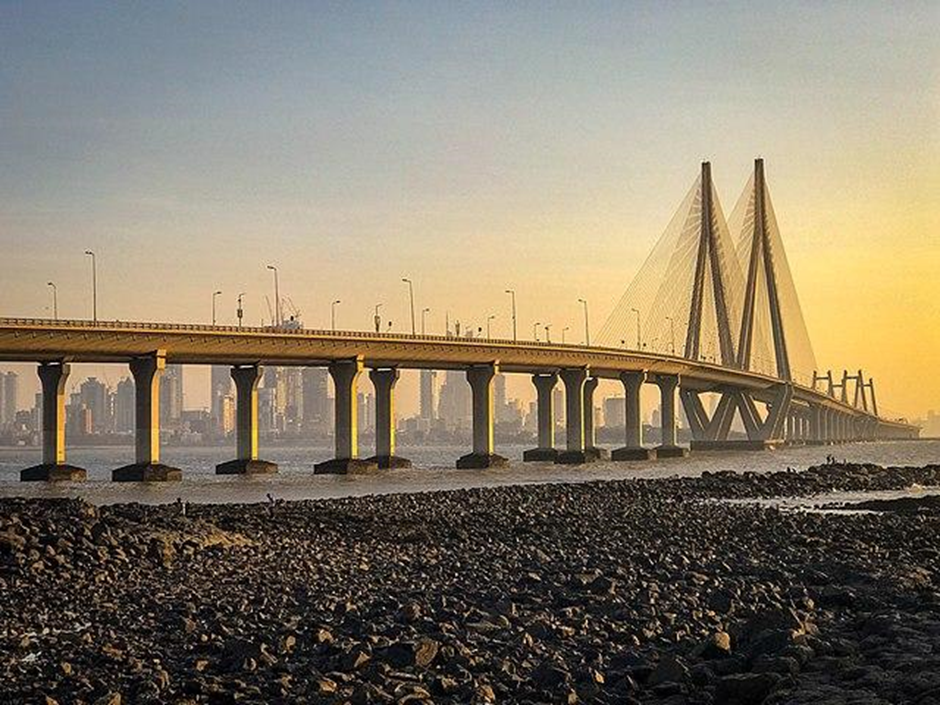
Bandra-Worli Sea Link is an Eight lane bridge that connects Bandra in the western suburbs of Mumbai with Worli in South Mumbai. All eight lanes of the bridge were opened in 2010. The Bridge was designed with Cable and it is the first infrastructure project in Mumbai which used Seismic arrestors. With the help of these arrestors, the bridge can tackle earthquakes that measure up to 7 on the Richter Scale. The Bridge is named after Rajiv Gandhi. The Sea Link reduces the travel time between Bandra to Worli to 10 minutes.
  • Atal Tunnel, Himachal Pradesh

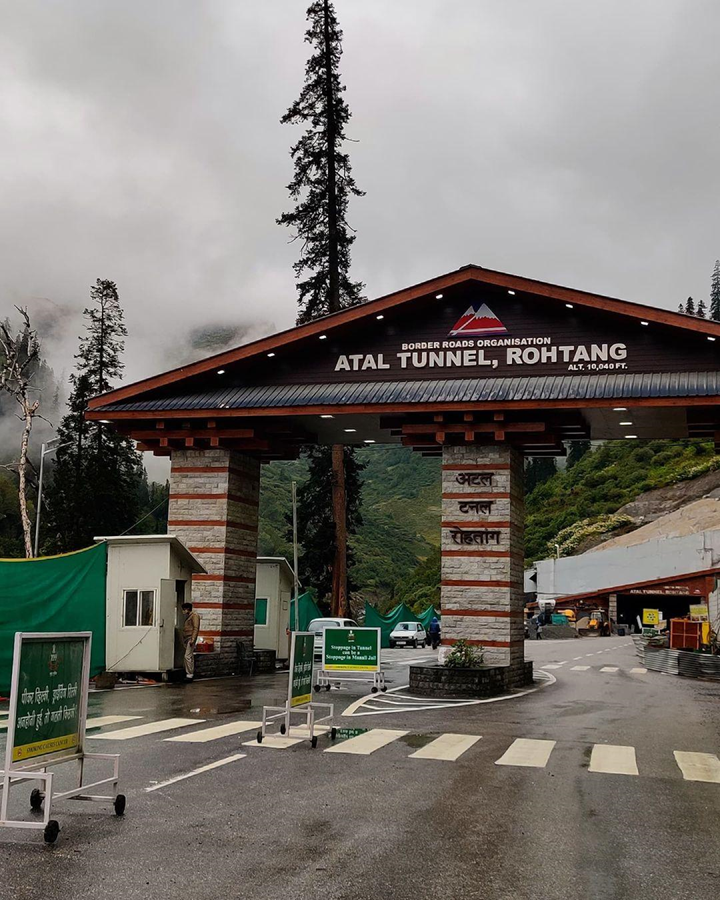
Atal Tunnel also known as Rohtang Tunnel named after former Prime Minister of India Atal Bihari Vajpayee is a highway tunnel at a length of 9.02 km. It is the longest highway single tube tunnel standing at a height of 10,000 feet that took 10 years to construct. The tunnel connects Manali to Lahaul Spiti Valley throughout the year. The estimated cost of the tunnel is Rs 3,300 crores, and safety measures are taken because the tunnel stands at a high altitude. There are fire hydrants, and CCTV Cameras to monitor emergencies and there are also pollution sensors that monitor the air quality in the tunnel.
  • Matrimandir, Auroville

Matrimandir in Auroville is a place of spiritual significance. It is called the soul of the city and the temple doesn’t belong to any particular religion or section. This beautiful structure took 37 years to build, and there is ample open space in the temple called peace where people come and just sit silently.

The inner chamber contains the largest optically designed glass globe in the world, and beautiful lush gardens surround the temple. The peace chamber is open to the public but they have to take appointments for spending time. The structure of Matrimandir is supported by four main pillars that are Maheshwari, Mahakali, Mahalakshmi, and Mahasaraswathi.

  • Dhola Sadiya Bridge, Assam

Dhola Sadiya Bridge popularly known as Bhupen Hazarika Setu is a beam bridge connecting the states of Assam and Arunachal Pradesh. It is the longest river bridge in the nation over water. The 9.15 km long bridge spans the Lohit River. The bridge was constructed by Navayuga Engineering company and it took six years to finish this massive project. The bridge is designed to handle the weight of 60-ton tanks.

  • Pir Panjal Railway Tunnel, Kashmir

The Pir Panjal Railway Tunnel is an 11 kms long railway tunnel located in the Pir Panjal Range of the middle Himalayas. It takes approximately 9 minutes for the train to cross the tunnel. Pir Panjal Tunnel is the second largest railway tunnel on the continent, and it connects the Bichelri Valley of Banihal with Qazikund in Kashmir.

The construction of the tunnel began in 2005 and finished in 2013. There are safety measures included in the tunnel like ventilation, firefighting, and safety monitoring.

  • Durgam Cheruvu Cable Bridge, Hyderabad

Durgam Cheruvu has been a major tourist attraction since its opening day. Durgam Cheruvu Cable Bridge in Hyderabad connects Jubilee Hills with Madhapur across Durgam Cheruvu. Each Pillar has 13 cables on each side and the total length of the bridge is 764 feet. The bridge opened on September 25th, 2020. Before the construction of the bridge, it used to take 40-60 minutes, now it takes only 10 minutes to reach Madhapur.

Conclusion: These are some of the popular engineering marvels of India. Other popular engineering marvels of India are Bahai Lotus Temple in Delhi, I-Flex Solutions in Bengaluru, and Infosys in Pune. Witness the amazing engineering work of these beautiful structures which stand out in terms of technology and grandeur.

Leave a comment

Your email address will not be published. Required fields are marked *

Metaverse: Can VR Replace Traditional ?

The roar of virtual slot machines, the digital chime of winning spins, and the hypnotic glow of your screen the sweet symphony of online casinos, where wallets vanish with a click, and dreams dangle on the edge of an algorithm. But what if you could sit at virtual blackjack tables, sip virtual cocktails, and smoke virtual cigars, while the only thing actually smoking was your GPU? Welcome to the metaverse, the latest boogeyman for traditional online casinos. VR casinos, promise a fully immersive experience from the comfort of your couch or bed, no judgment. But is this the end of traditional casinos, or just a shinier way to chase the same old odds? One thing’s for sure: at least here, you won’t have to dodge tourists or bad karaoke. A Casino You Can’t Touch The metaverse is a glorious invention that proves we don’t need reality anymore. In its simplest form, the metaverse is a digital universe where people interact via avatars, living their best virtual lives. This brave new world blends VR, AR, blockchain, and a touch of living in a simulation paranoia to create an interactive space for everything, including gambling. For example: an online casino in Decentraland, where you can strut around in your digital Gucci outfit, playing blackjack with people who may or may not be real. They use DG tokens, players earn rewards, stake crypto, and experience a gambling hall that doesn’t smell like cigars and regret. Of course, this wasn’t invented overnight. The concept of the metaverse was first described in 1992 by Neal Stephenson in Snow Crash, a cyberpunk novel where people escaped their dull reality through a virtual world. Little did he know, decades later, tech giants and crypto bros would make this dream a very expensive reality. Feature Metaverse Casino Traditional

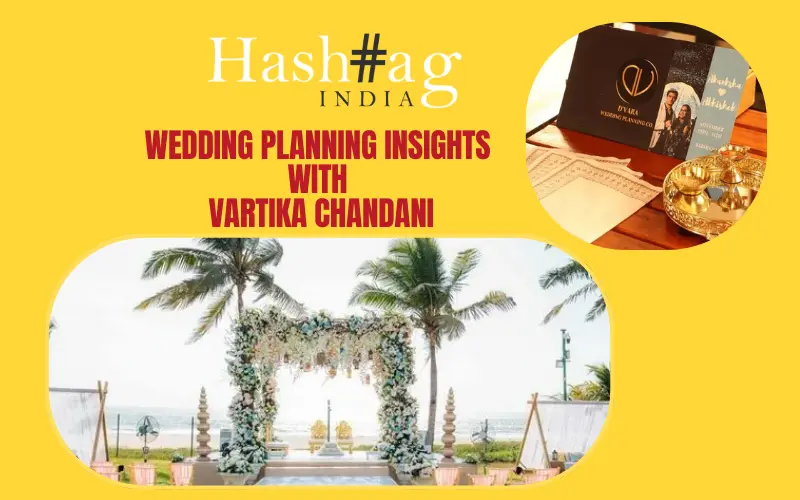
Vartika Chandani: Wedding Planner Trends for 2025

At just 19, Vartika Chandani has transformed The Vara Weddings into a cross-city, cross-border celebration design company known for its culturally rooted yet contemporary weddings. From Mumbai to Marrakech, her team curates immersive experiences that blend emotion, tradition, and storytelling. Among India’s new wave of trailblazers, she gives us a lowdown on the latest wedding trends this 2025. What are the top 3 most requested luxury add-ons in 2025 weddings?In 2025, couples are investing in experiences that immerse guests completely. Personalised touchpoints like curated welcome hampers, live perfume bars, and interactive food artistry counters are huge. Entertainment is bigger than ever think international acts, celebrity performances, aerial musicians, and projection mapping shows. Design has gone bold, with dramatic floral tunnels, bespoke thematic entries, and LED or 3D-mapped dance floors that transform spaces into dreamscapes. For couples looking to elevate their wedding beyond tradition, what unexpected elements are trending? Indian weddings are embracing immersive, non-traditional elements that surprise and delight festival-style after-parties, intimate chef’s table dinners for family, and live artists painting moments as they happen. Interactive zones are booming, from mixology counters and tarot corners to custom fragrance blending. These details create a personal storyline for the wedding, making it an unforgettable journey rather than just an event. Guests today expect more than food and music. How are you keeping them engaged between events? Guests crave connection and interaction they want to be part of the celebration, not just watch it. We create “mini-worlds” within weddings: nostalgia corners with childhood games, art walls for illustrated messages, live food theatres, and immersive setups like chai-tasting lounges or quirky photo booths that change with each function. These zones spark conversations, laughter, and memories beyond the dance floor. How are tech and AI shaping modern weddings? Couples are embracing AI powered memory booths

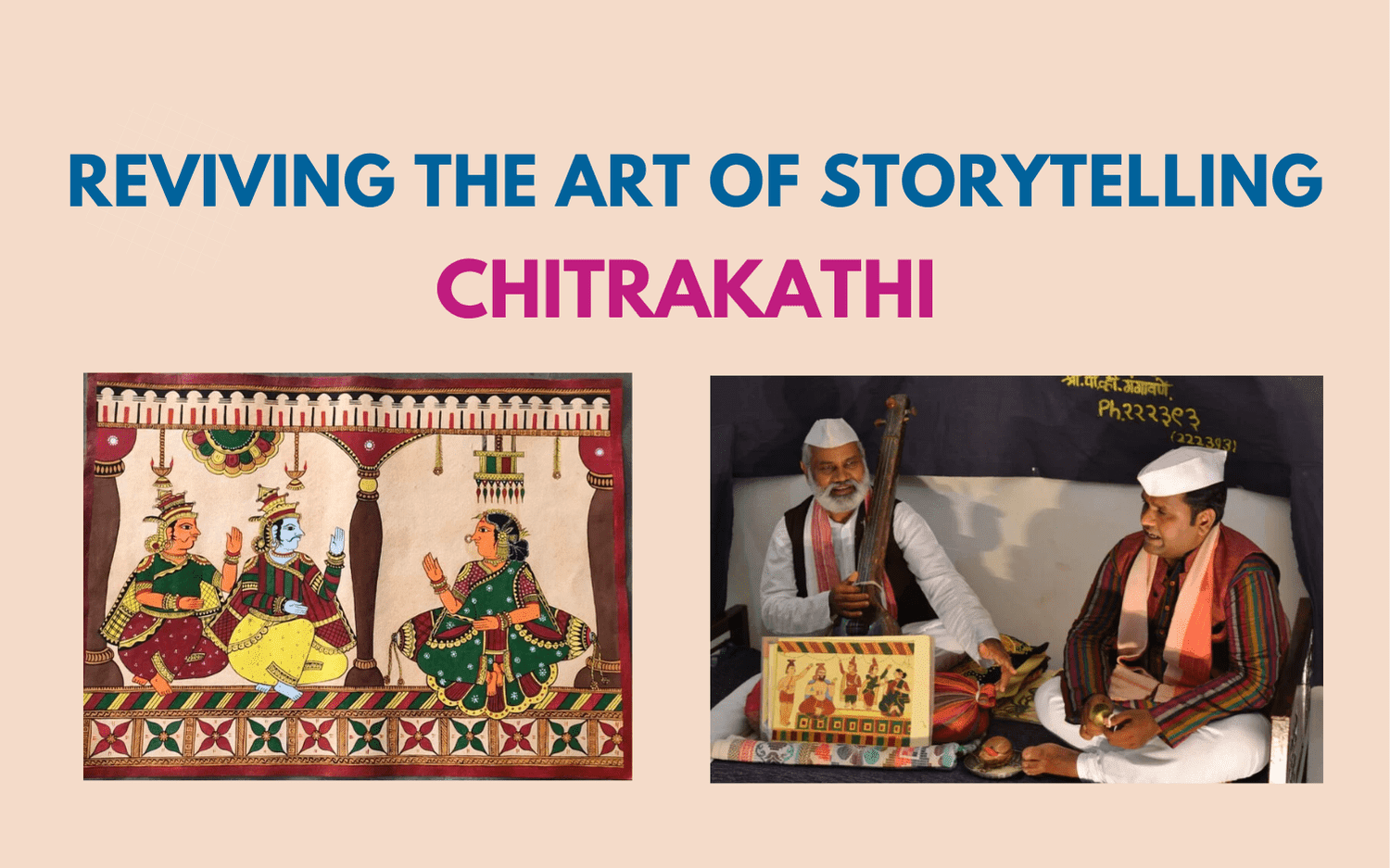
Reviving the art of storytelling: Chitrakathi

The once popular Chitrakathi, storytelling through paintings, is brought back to life by the Gangawane family in Maharashtra’s Sindhudurg. Ketki Gadre interviews the last family practicing this art form to delve into their motivations and the supporters who have aided them on this journey. After a long day of trekking the Western Ghats around Bhogwe Beach in Sindhudurg, my luxury resort, Coco Shambhala, suggested an unusual activity – an art class. They agreed to it and invited Chetan Gangavane, a third-generation Chitrakathi artist working to revive this art form. Chitrakathi Art While setting up the art activity, Mr Chetan briefs me about the 11 art forms his community (Thakar) has been involved with for generations. His family currently practices three art forms unique to Maharashtra: String puppetry, Chitrakathi, and Shadow puppetry. “Chitrakathi involves storytelling through art on a 12×15” or 12×18” canvas, which can take 1-3 days to complete, depending on the painting’s intricacy. Traditionally, these paintings depicted scenes from mythological epics like the Ramayana and Mahabharata, accompanied by live singers playing instruments. Therefore, Chitrakathi artists needed not only painting skills but also the ability to sing and play instruments,” explains Mr. Chetan. The Thakar community, an Adivasi tribe living in the forests, gained recognition for their art from the erstwhile warrior king Chhatrapati Shivaji Maharaj. He brought them out of forests and closer to towns and provided them opportunities to perform art shows during festivals. In return, the community assisted the king by spreading messages of social enlightenment through their art. The artists earned their livelihood for many years through food or monetary donations. However, over time, attitudes shifted, and people stopped donating food and began treating them with disrespect. The Gangavane family is the last Thakar community to practice this centuries-old art form. The rest gave up with

Nurturing Artistic Talent: Sunaina Misra’s Vision for Artiste Culture

In the vibrant world of contemporary art, one name stands out for its unique approach to nurturing and managing artistic talent: Goa-based Sunaina Misra. As the founder of Artiste Culture, Sunaina has revolutionized how artists are managed, helping them navigate the complexities of the art industry. Her agency works directly with artists worldwide, assisting them in making connections and developing the skills needed to elevate their creative careers. Surabhi Goel had the pleasure of sitting down with Sunaina to discuss her background, the origin of Artiste Culture, and her vision for the future. I always grew up in an environment where my mother encouraged me to explore art in various forms, painting or visiting galleries. She wanted me to find my passion, so she enrolled me in different classes, from basketball to art. By age 15, I started working with an artist in Lucknow, helping him in his studio. There, I discovered my knack for organizing and managing artistic tasks, such as typing resumes and basic computer tasks. This experience sparked my interest in art management. Later, I pursued my Master’s in Art and Design Management in Newcastle, which solidified my understanding of the field. After various roles, including working for an art start-up and a museum, COVID-19 hit, leading me to start Artiste Culture. A blend of necessity and passion drove me to create a platform to support artists during uncertain times. The inspiration came from identifying gaps within the industry. Artists often struggled with managing their careers while focusing on their art. I wanted to create a space where artists could focus on creating while we took care of everything else—finding exhibitions, writing citations, and managing logistics. My vision was to build a multicultural and diverse environment that supports artists from all over the world. Over time, Artiste

You May Also Like

Connect with us