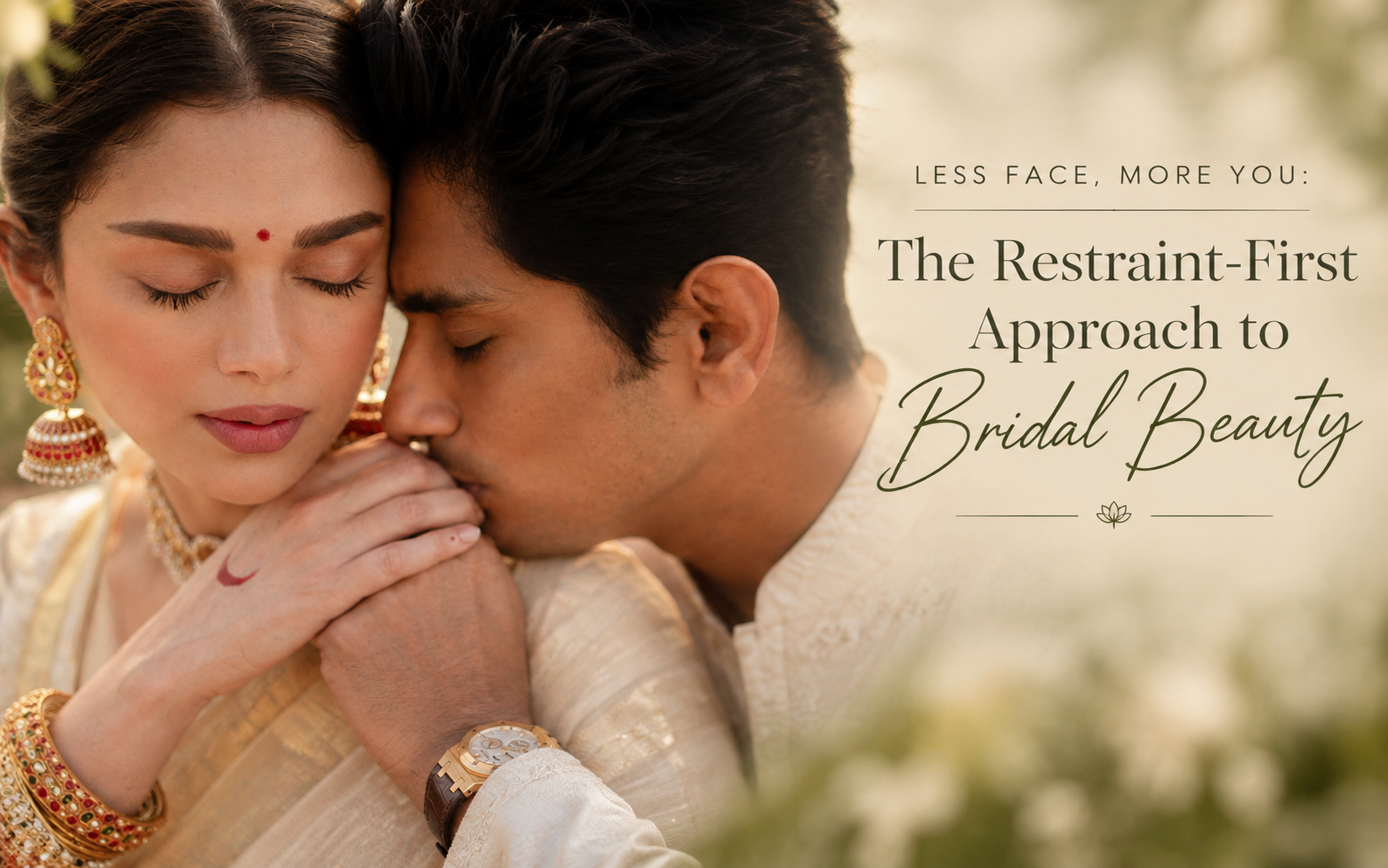
Mumbai-based makeup and hair artist Elton J Fernandez has spent nearly 25 years across fashion, advertising, celebrity, bridal and film work, from a nine-year run as Maybelline India’s spokesperson to backstage seasons at New York Fashion Week and India Fashion Week. Here, he makes the case for a very different kind of bridal beauty in 2026: less about a prescribed “bridal face” and more about restraint, identity and letting the woman herself remain present in the frame.
What bridal makeup trends are defining 2026, versus 2025?
The biggest shift is away from a prescribed bridal face. For years, trends travelled uniformly: the same brow, the same contour, accelerated by social media. Now brides want to recognise themselves in their photographs. That means skin that still behaves like skin, colour that responds to the person rather than the trend, and enough restraint to let the woman remain present. 2025 was about the look; 2026 is about the person wearing it.
Has grooming for grooms become mainstream?
Yes, but the bigger shift is that men are less afraid of being seen to care. Grooming today often means correcting fatigue or balancing skin rather than looking visibly “made up”; the best work is often invisible. The principle stays the same as with brides: understand who’s in front of you before deciding how much intervention is actually needed.
How do you approach daytime ceremonies versus evening receptions?
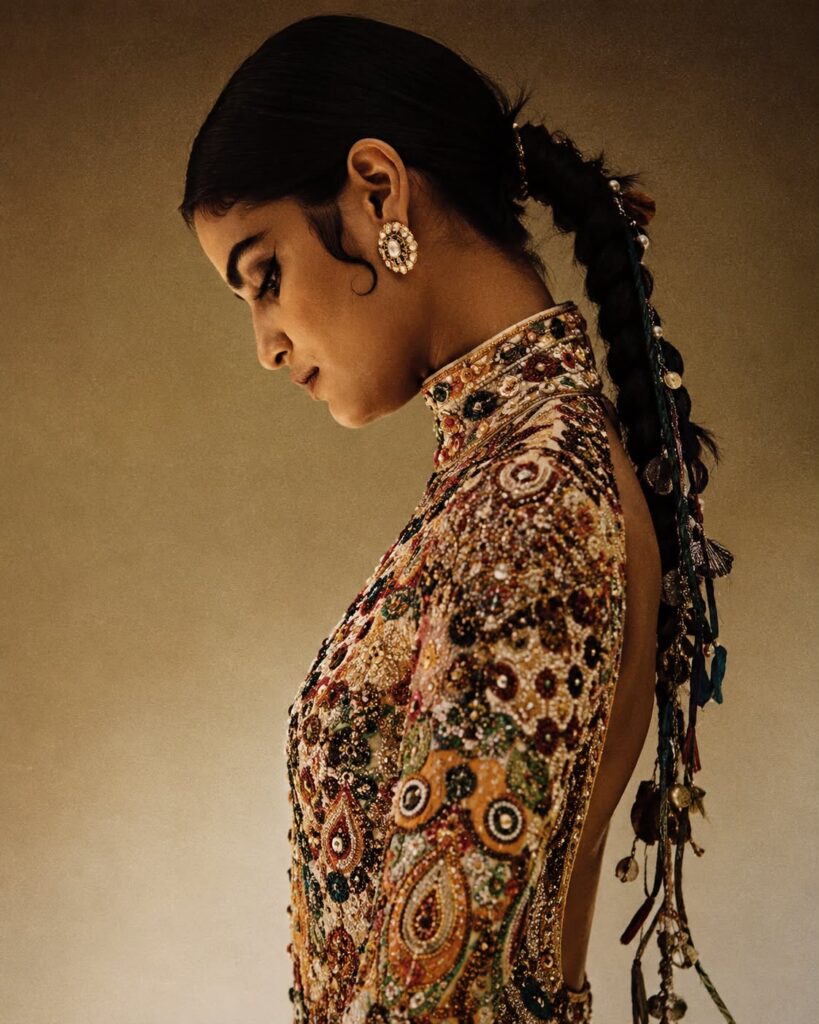
Daylight doesn’t automatically mean less makeup, and evening doesn’t mean more; context matters more than the clock. Light, climate, photography, jewellery and ceremony all shape the decision. Indian bridal beauty already carries so much visual information: textiles, jewellery, ritual- that makeup doesn’t need to compete for attention. Sometimes the most sophisticated choice is knowing what to leave alone.
After 25 years, what’s changed most in how you see a face?
Early in a career, you want to prove what makeup can do. With time, technique becomes instinctive, and observation takes over. Ideas of perfection keep changing: brows, skin, proportions; but faces don’t. Experience has made me far more interested in what’s already there: bone structure, texture, asymmetry, character.
What does an Indian bride teach us that fashion can’t?
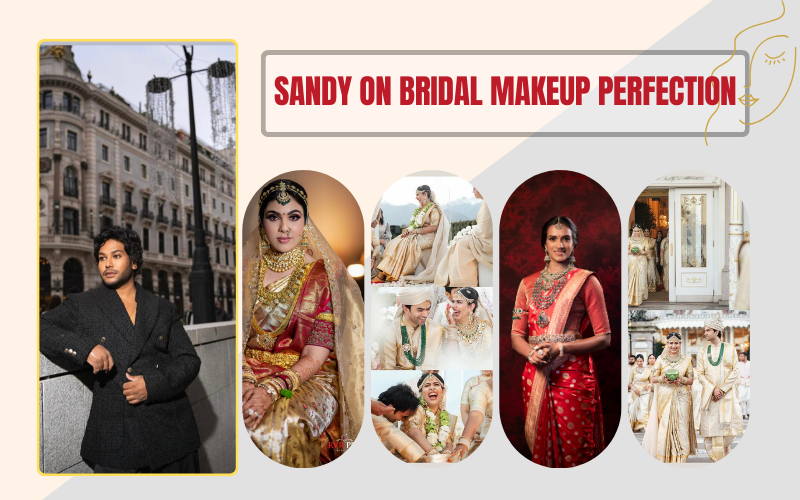
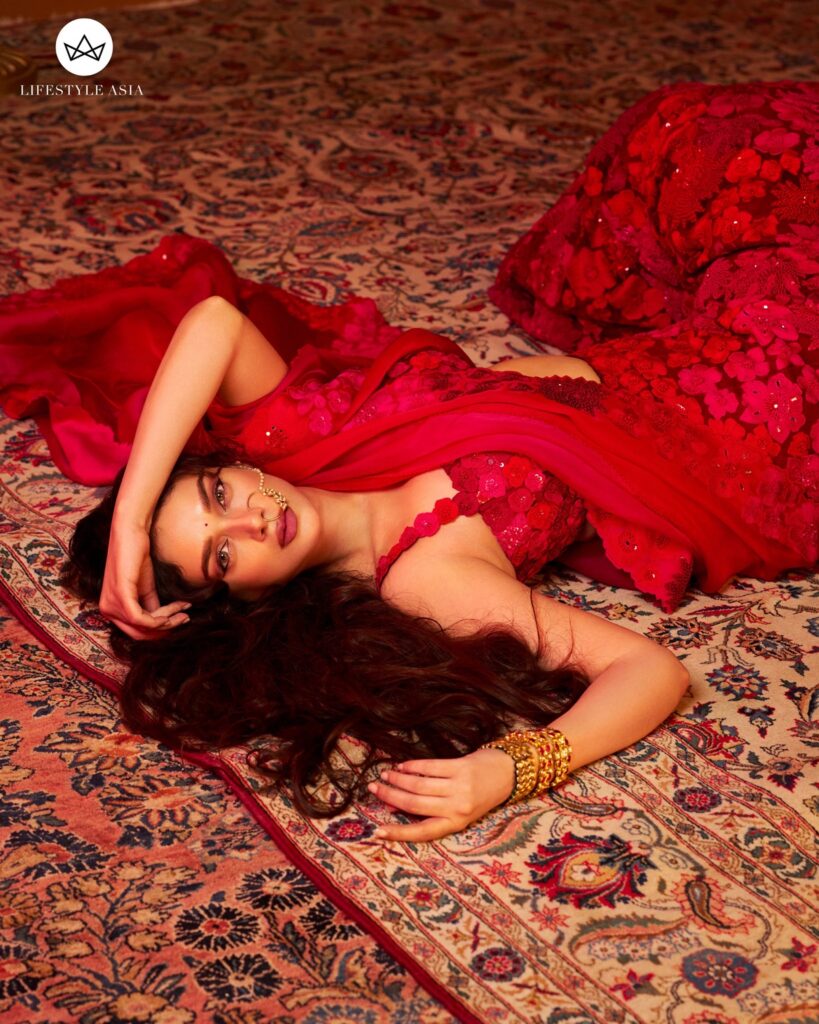
A bride isn’t just an aesthetic exercise; she arrives carrying family, region, ritual and inheritance, sometimes literally wearing jewellery passed down through generations. Fashion offers the freedom of invention; bridal work demands understanding what’s already present and deserves to remain. India also refuses one definition of bridal beauty: Kashmir, Kerala, Rajasthan and Bengal each ask something different, and flattening that into one Instagram aesthetic misses the point.
What does the next generation of artists need to learn?
Technique is accessible online now; what’s harder to teach is discernment: how to look, edit, read identity and collaborate without dominating the room. A career isn’t built on beautiful photographs alone; it needs reliability, cultural literacy and curiosity. The goal isn’t to teach more makeup application; it’s to teach people how to see.