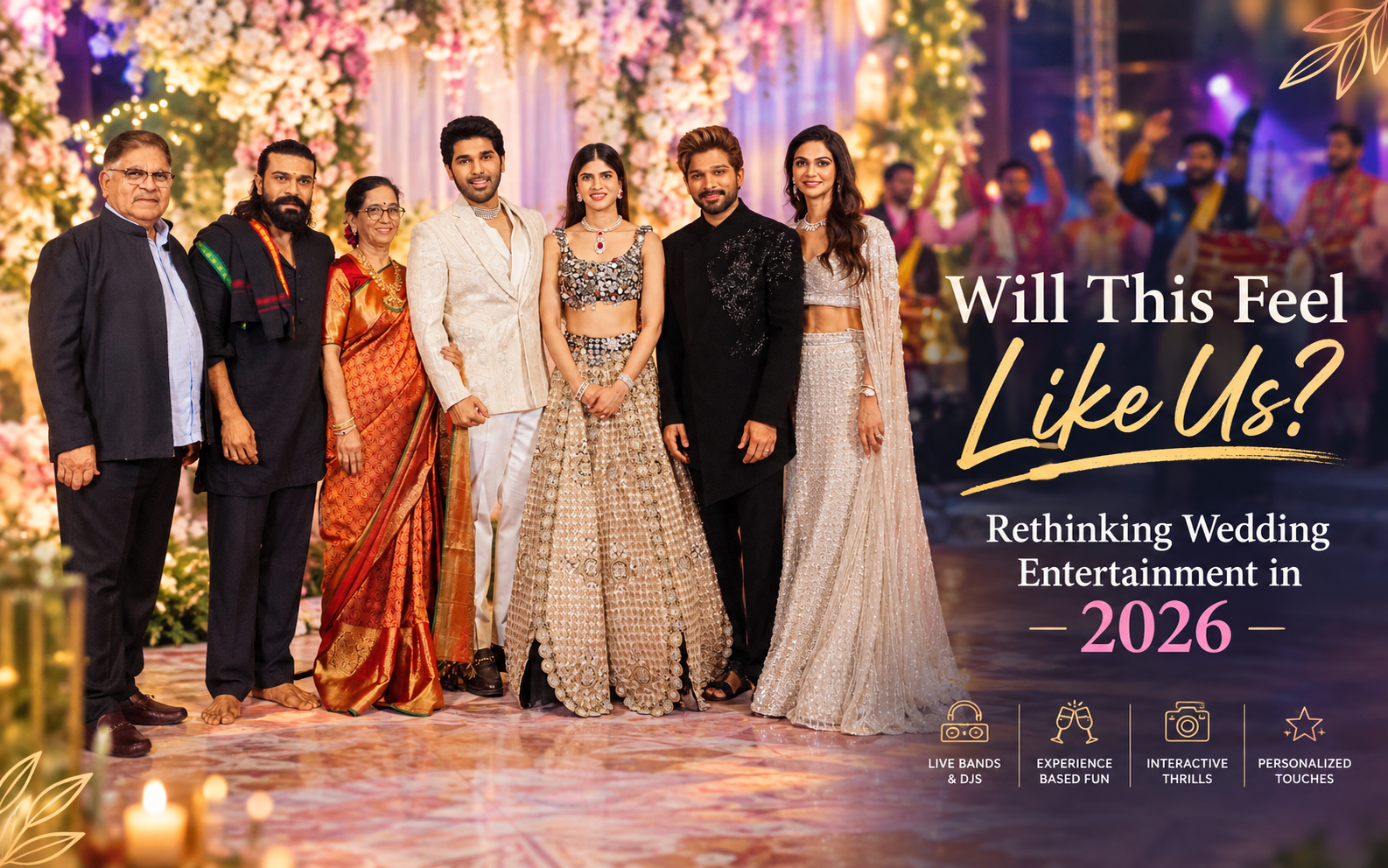
Will This Feel Like Us? Rethinking Wedding Entertainment in 2026

Will This Feel Like Us? Rethinking Wedding Entertainment in 2026

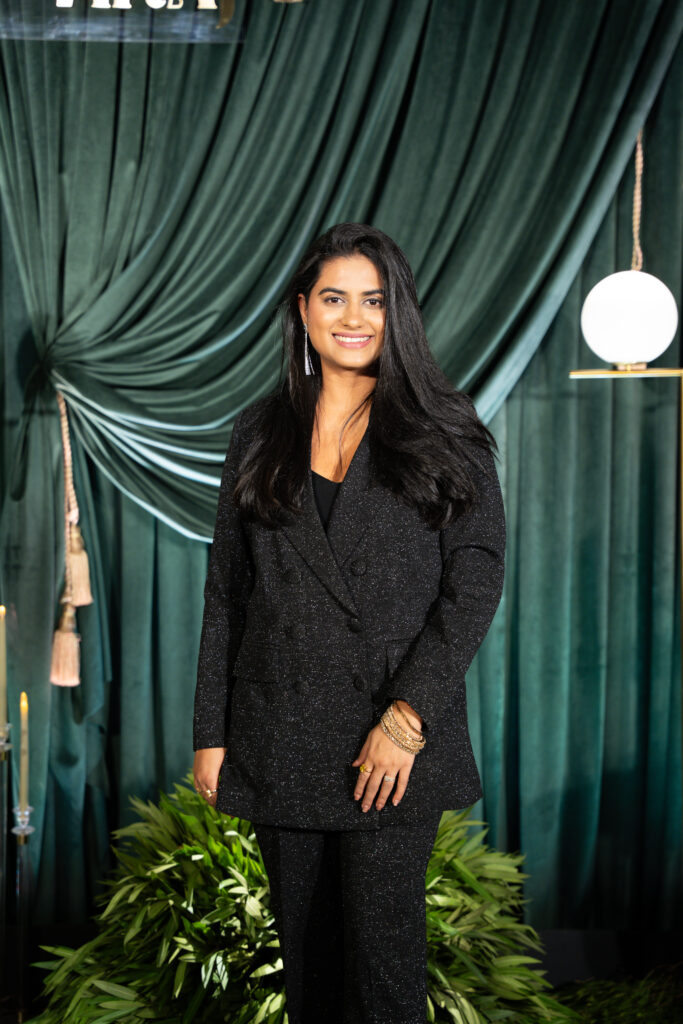
Since founding Shreem Events in Mumbai in 2014, Devanshi Patel has planned over 650 celebrations worldwide, including high-profile weddings like Allu Sirish and Nayanika’s in Dubai and Hyderabad, and Anshula Kapoor and Rohan’s in Mumbai. Her philosophy: entertainment isn’t about booking an artist; it’s about reading a family and choreographing how guests feel from the moment they arrive to the last song.
What wedding entertainment trends are defining 2026, and how have they evolved from what we saw in 2025?
In 2025, there was a strong appetite for headline performances and ambitious production. Those still have their place, but in 2026 I’m seeing couples ask a more thoughtful question: will this feel like us? The most exciting celebrations now have different kinds of energy across the wedding: a live musician may make a ceremony feel deeply intimate, an unexpected performance can change the mood of a dinner, and a party can build naturally towards a major artist rather than beginning at its loudest.
The artist matters, but so do the timing, setting and emotional connection. Guests are now really looking at immersive entertainment rather than just performances; we specialise in entertainment curation, and we’re fortunate to have clients who trust the suggestions we provide.
How do you understand a couple’s personality and bring it into the entertainment experience?
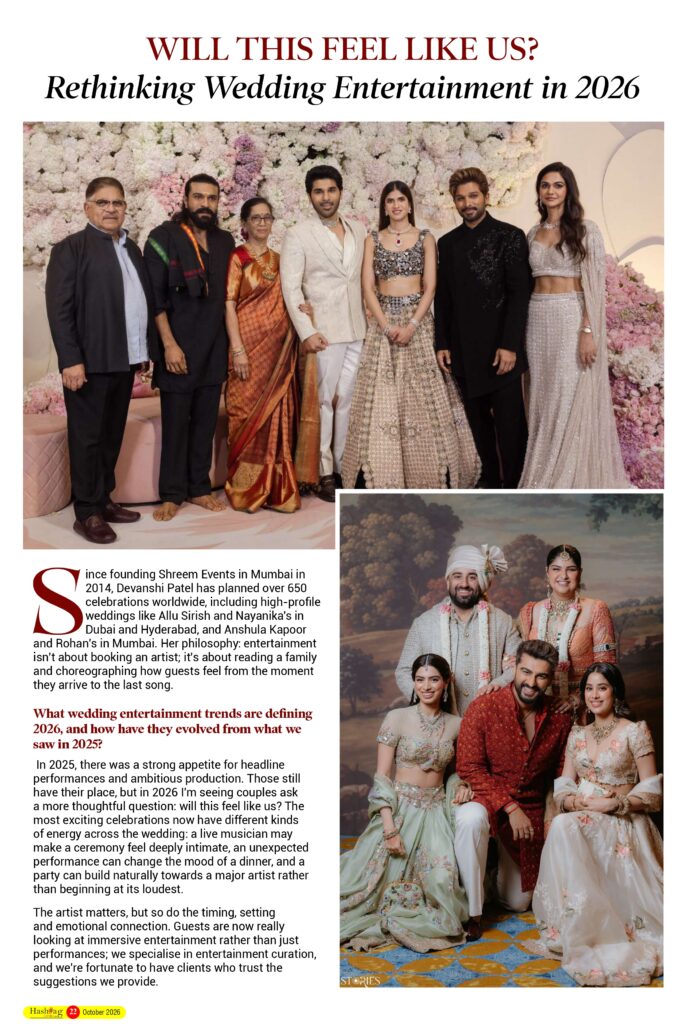
We begin by listening to the couple and their families. We ask what they actually enjoy, and also understand what their guests would enjoy too: which songs carry memories, how they like to celebrate, how they want their guests to feel. Often, the most useful details come out in ordinary conversations rather than a formal brief. From there, we build an entertainment journey across the events. At one wedding, that might mean music rooted in family tradition during the pheras and a completely different energy at the after-party. At another, it may mean bringing artists, dance and technology together for a sangeet where every part of the room offers guests something to experience. The goal is for the celebration to feel theirs recognisably, even to someone who has never met the couple.
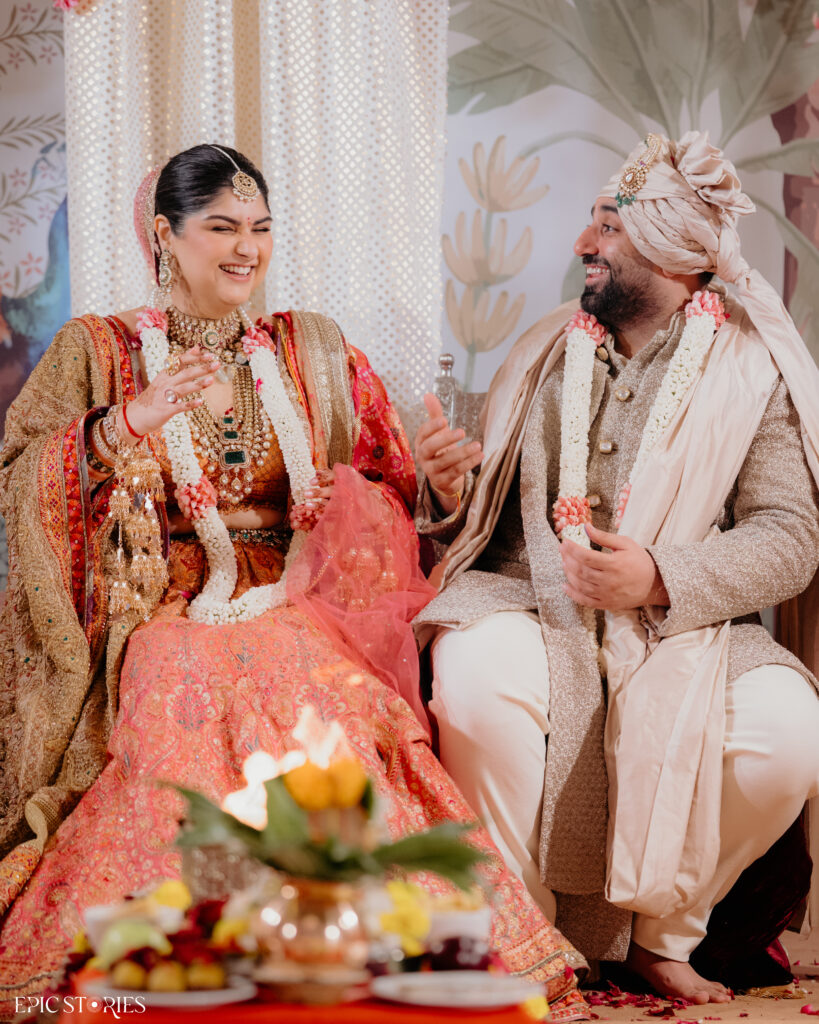
Is there a wedding or celebrity event that stands out to you?
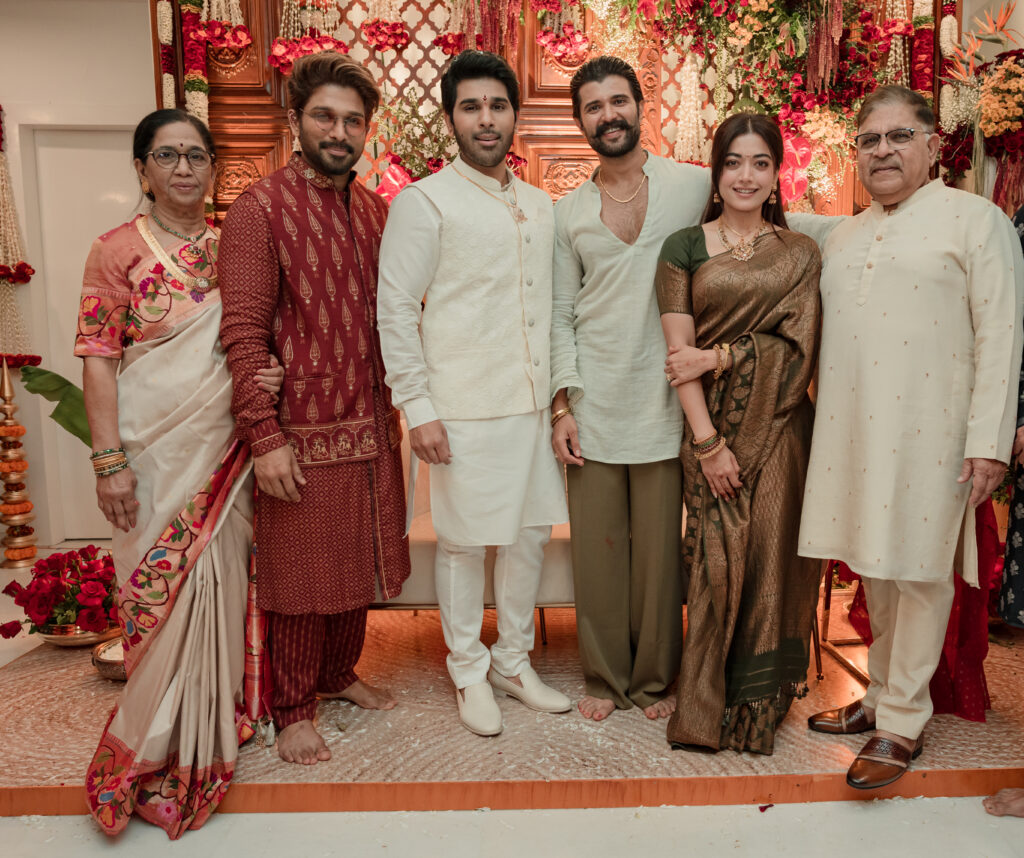
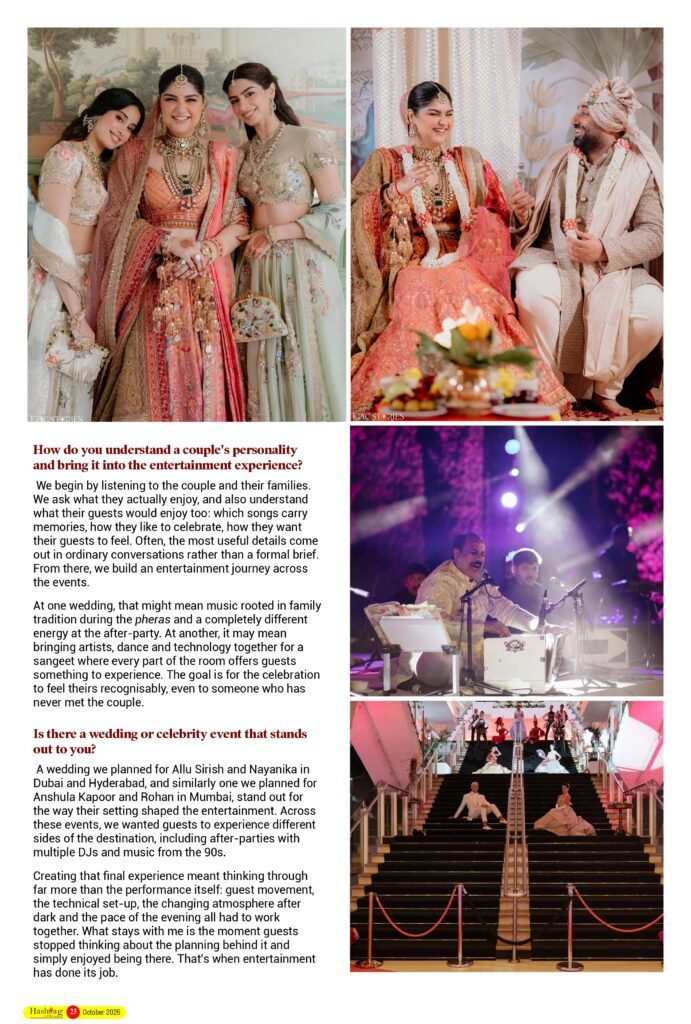
A wedding we planned for Allu Sirish and Nayanika in Dubai and Hyderabad, and similarly one we planned for Anshula Kapoor and Rohan in Mumbai, stand out for the way their setting shaped the entertainment. Across these events, we wanted guests to experience different sides of the destination, including after-parties with multiple DJs and music from the 90s. Creating that final experience meant thinking through far more than the performance itself: guest movement, the technical set-up, the changing atmosphere after dark and the pace of the evening all had to work together. What stays with me is the moment guests stopped thinking about the planning behind it and simply enjoyed being there. That’s when entertainment has done its job.
Leave a comment

Your email address will not be published. Required fields are marked *

How to Plan an Eco-Friendly Wedding in 2026

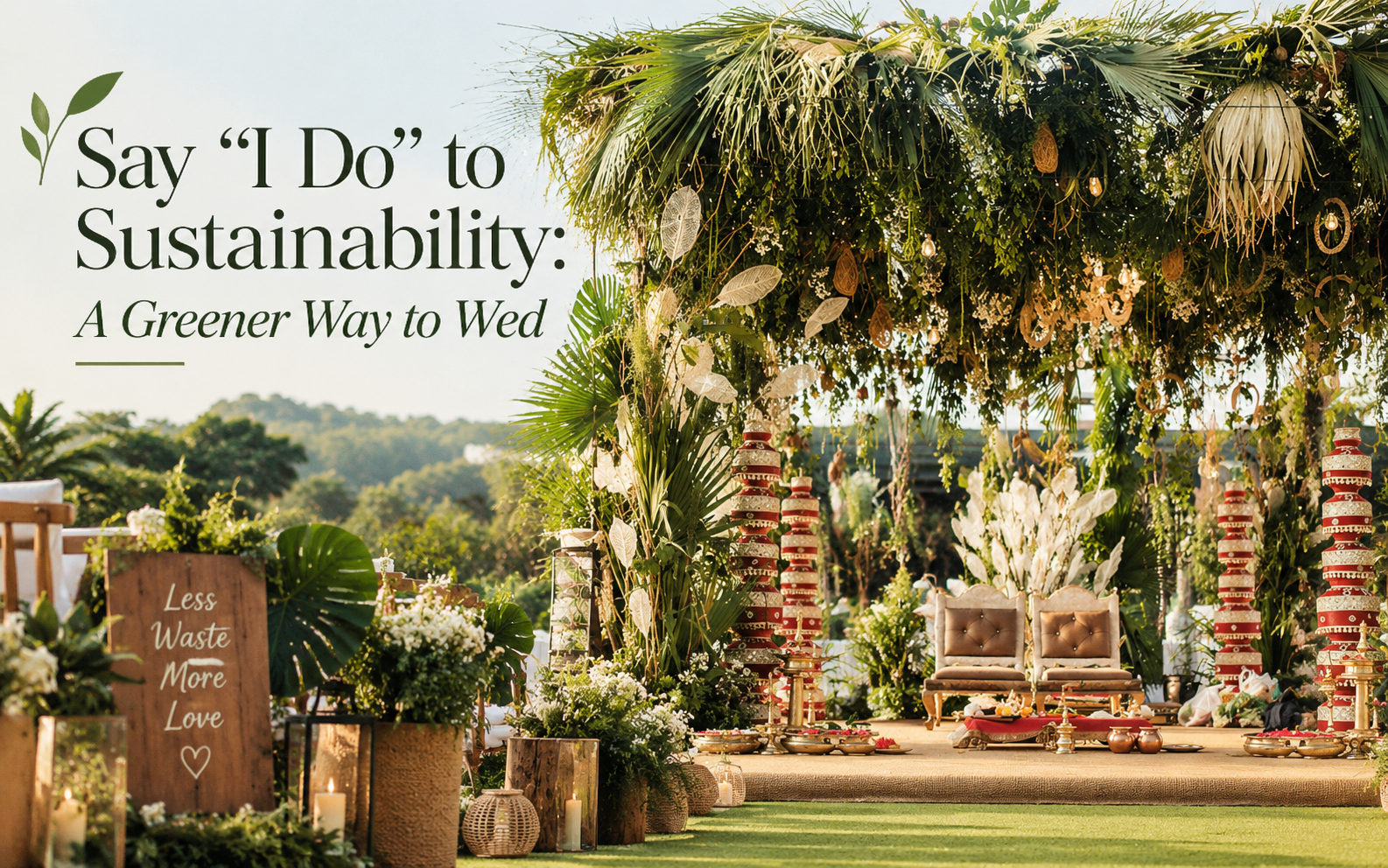
Sustainability doesn’t mean scaling back the celebration; it just means being intentional about how you celebrate. Hashtag Magazine tells you how to plan a wedding that’s as kind to the planet as it is memorable. Decor: Rent, Reuse, Repurpose Skip single-use installations and think circular instead: Rent your florals and structures. Many decor companies now offer rental mandaps, backdrops, and furniture instead of building one-time-use setups that get discarded after a single event. Choose potted plants over cut flowers. Fresh flowers wilt within hours; potted plants and flowering shrubs can be gifted to guests, donated, or replanted at home afterwards. Go local and seasonal. Sourcing flowers and greenery from local growers cuts down transport emissions and supports regional farmers, while seasonal blooms are naturally more sustainable to grow. Reimagine fabric, not plastic. Swap plastic drapes, balloons, and synthetic backdrops for natural fabrics like cotton, jute, and silk; many of which can be reused across multiple functions (mehendi, sangeet, reception) with different styling. LED over traditional lighting. LED string lights and fixtures use a fraction of the energy of conventional wedding lighting and last considerably longer. Plates & Catering: Ditch the Disposables Food service is one of the biggest, and most avoidable sources of wedding waste: Use reusable or biodegradable dinnerware. Steel, ceramic, or banana-leaf plates are far better alternatives to plastic or styrofoam, which often end up in landfills within hours of the event. Use Compostable cutlery and cups. Made from materials like areca leaf, bamboo, or cornstarch break down naturally and are increasingly available through eco-catering vendors. Plan portions carefully. Work with caterers to estimate realistic quantities based on RSVPs, and arrange for surplus food to be donated to local shelters or food banks rather than thrown away. Say no to plastic water bottles. Install water stations or use

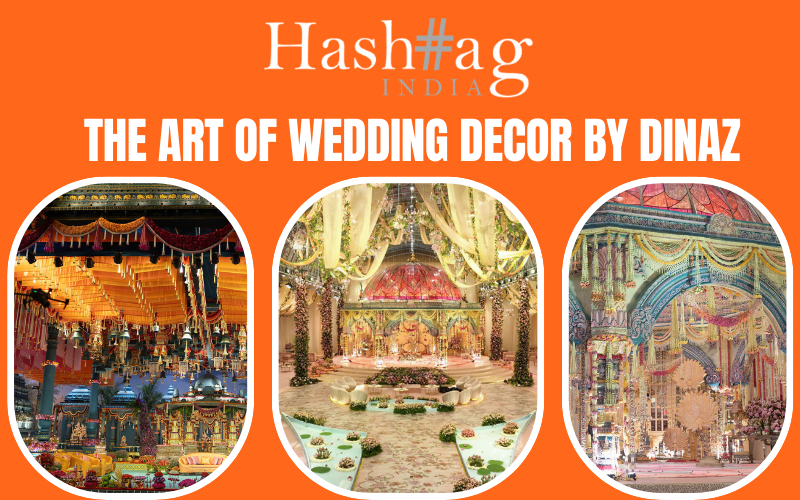
Less About Filling a Space, More About Giving It a Soul

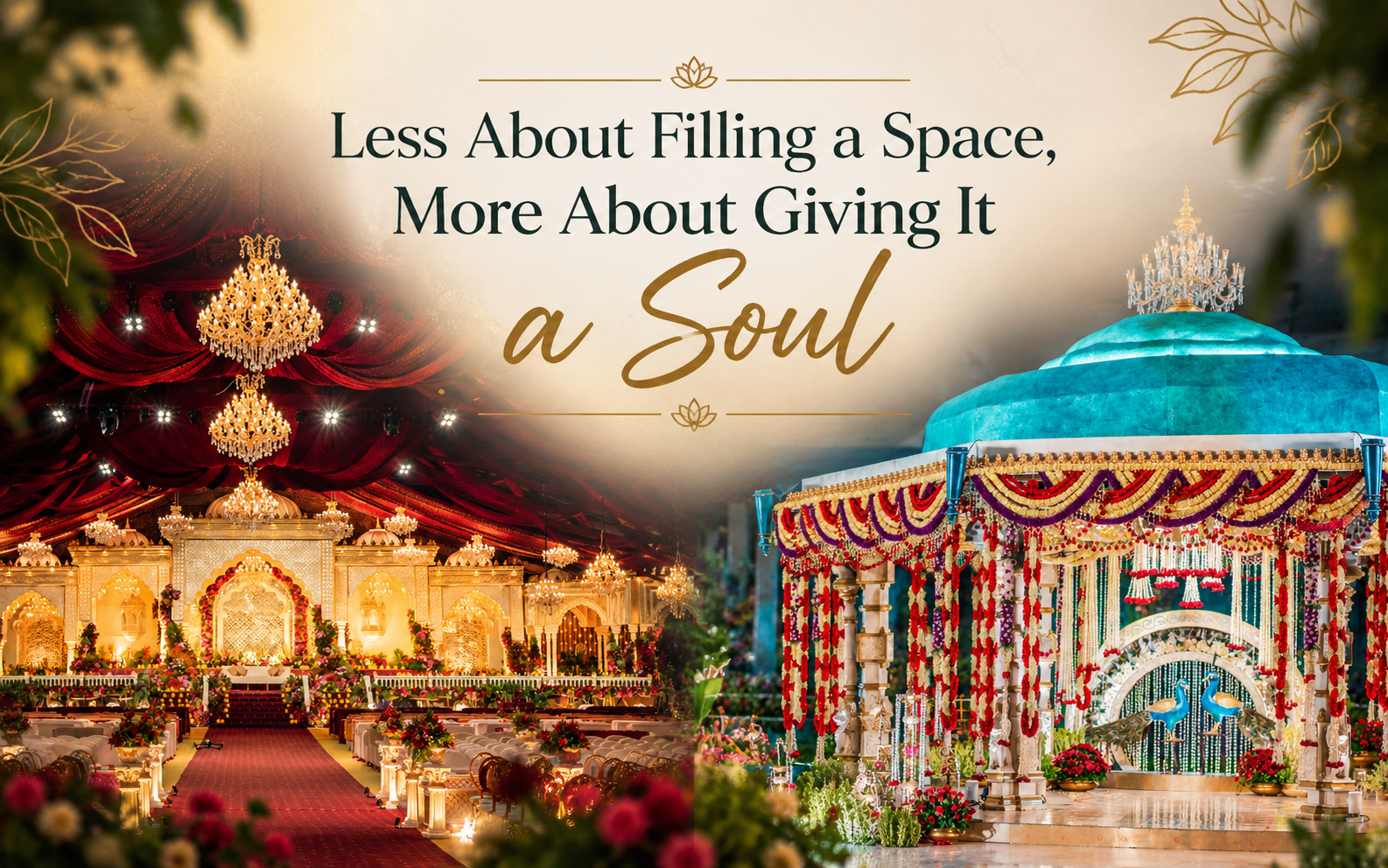
Chennai-based design house Wedding Chakra, founded by Sasi and Vetri, is redefining wedding décor for 2026, moving from decoration to immersive storytelling rooted in Indian heritage. Here’s their take on individuality, restraint, and what really creates a “wow” moment. What wedding décor trends are defining 2026?2026 is seeing a shift from wedding décor to wedding world-building: spaces that feel personal and transportive rather than just beautifully decorated. Think sculptural installations, layered textures and dramatic lighting over sheer abundance, with Indian craft reinterpreted through a modern lens. The real shift: couples aren’t asking “what’s trending” anymore; they’re asking “what feels like us.” Individuality over imitation is the biggest trend of all. How are couples using décor to tell their personal story?Personalisation has moved beyond monograms and favourite colours to journeys, memories and heritage translated into design, sometimes as a subtle motif, sometimes as an entire celebration built around a feeling. The best personalisation doesn’t announce itself; it’s felt. And no décor gets repeated just because it worked for someone else; the couple is the inspiration, not the last wedding. What’s creating the biggest “wow factor” at weddings today?Not one element, but the experience of the whole space. Statement mandaps are becoming architectural centrepieces, and projection mapping lets venues transform mid-event, but the real impact comes when design, lighting, sound and storytelling work together. The favourite move: taking a bare, unexpected space and building an entirely different world inside it, so guests have no reference to what came before. One 2026 décor trend you’re loving, and one you’re ready to leave behind?Loving: immersive, story-led design where the whole space becomes part of the experience. Ready to retire: over-decoration for the sake of grandeur; more flowers and layers don’t automatically mean luxury. The philosophy: one extraordinary idea, executed beautifully, with room to breathe.

Rules for Wedding Décor 2026 Divya Chauhan & Vithika Agarwal, Divya Vithika Wedding Planners

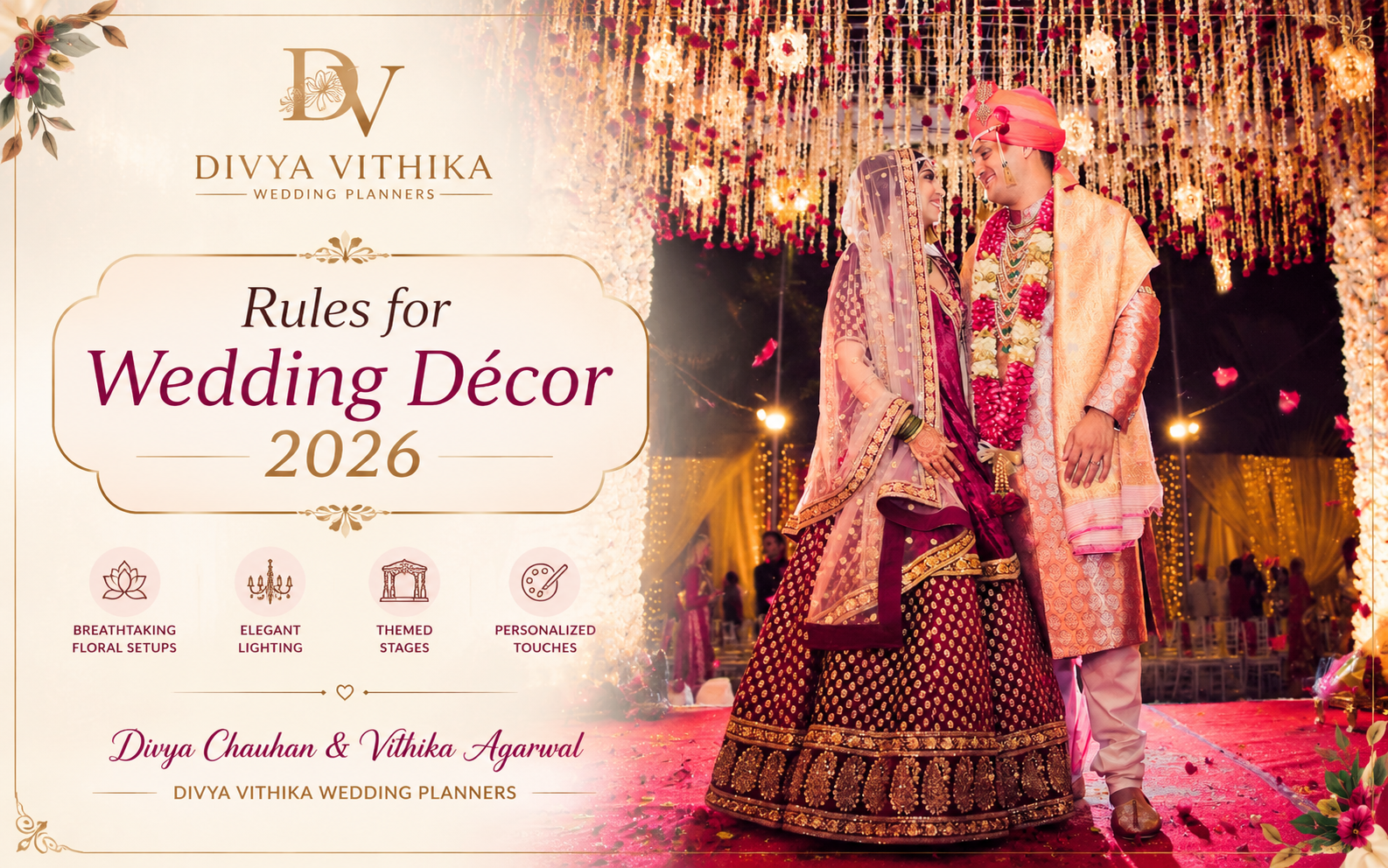
Founded by former Miss India titleholders Divya Chauhan (1997) and Vithika Agarwal (1998), Divya Vithika Wedding Planners has spent 17 years turning couples’ visions into thoughtfully designed, unforgettable celebrations. We caught up with the duo on what makes a wedding décor truly memorable in 2026. What’s the one décor element that can instantly transform a wedding venue?A beautifully designed focal structure: particularly a mandap for an Indian wedding. Take a venue with incredible natural beauty; rather than overwhelming it with décor, we create one strong focal point, like a wooden mandap with marigold garlands and foliage, that immediately gives the space a sense of occasion. The secret isn’t always adding more; it’s knowing what to add and letting the venue itself shine. What are the three must-haves for a wedding that looks beautiful and feels unforgettable?A statement focal point, beautiful lighting, and considered table and guest styling. The focal point: a mandap, floral installation or stage that gives the eye somewhere to land and sets the mood. Lighting changes the atmosphere entirely, whether it’s how natural light interacts with décor by day or a mix of chandeliers, candles and pin lighting by night. And the tablescape and finer details like linen, tableware, and seating are what guests experience up close. That’s what elevates a wedding from beautifully decorated to thoughtfully designed. What’s one wedding décor trend you’re loving in 2026?We love bars taking centre stage: bold florals, clever lighting, real drama. They’ve become a destination within the wedding, not just where you grab a drink. And we’re glad to see identical centrepieces on every table fading out. Tablescapes are such an important part of the design now, and we love seeing different arrangements on different tables, each with its own character, while still telling one cohesive story.

Vijai & Mathan Subramaniam | Royaloak Furniture Tamil Nadu

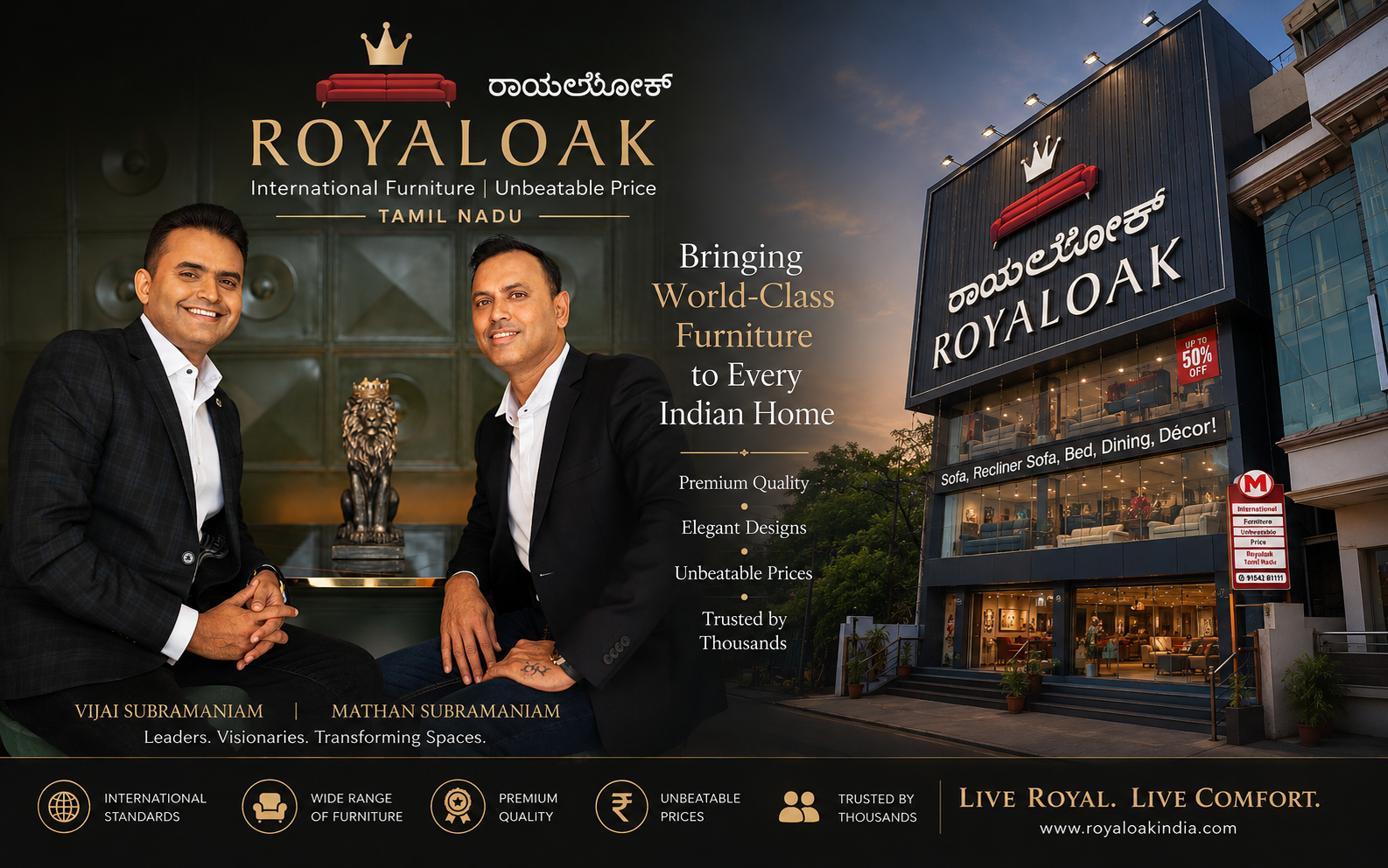
Some businesses begin with a breakthrough idea. Royaloak began with resilience. Long before building one of India’s largest organised furniture retail brands, brothers Vijai and Mathan Subramaniam were testing opportunities; selling tea powder, candle stands and household products, learning to adapt at every step. For Chairman and Co-Founder Vijai Subramaniam, it started with a bold gamble: selling his scooter to raise ₹28,000, borrowing from friends, and investing in a small exhibition stall, where persistence proved more valuable than any perfect plan. Joined by his younger brother Mathan, whose strengths lie in finance and strategy, the duo grew a modest venture into a nationwide brand with 200+ stores across 110+ cities. With clearly defined roles and shared intent, Royaloak now eyes nearly 400 stores and a ₹5,000-crore milestone, still grounded in resilience, clarity and trust. 1. Royaloak’s journey began long before it became a household name. How did the idea first take shape, and what made you decide to build it together as brothers? Vijai: Royaloak wasn’t born from one defining idea; it was built through persistence. Before furniture, we experimented with several small businesses, from selling tea powder and plastic household products to candle stands. There were setbacks at every stage. I had even planned to move to Singapore, but when that didn’t happen, I found myself taking up different jobs just to stay afloat. The turning point came when I took a chance on a small government exhibition stall, raising money by pledging my scooter and borrowing from friends. That experience taught us that resilience and adaptability matter more than having the perfect business plan. Mathan: Even during those early years, we knew we wanted to build something together. Being brothers meant we already had trust, honesty and a shared purpose. We challenged each other’s ideas, divided responsibilities naturally

You May Also Like

Connect with us