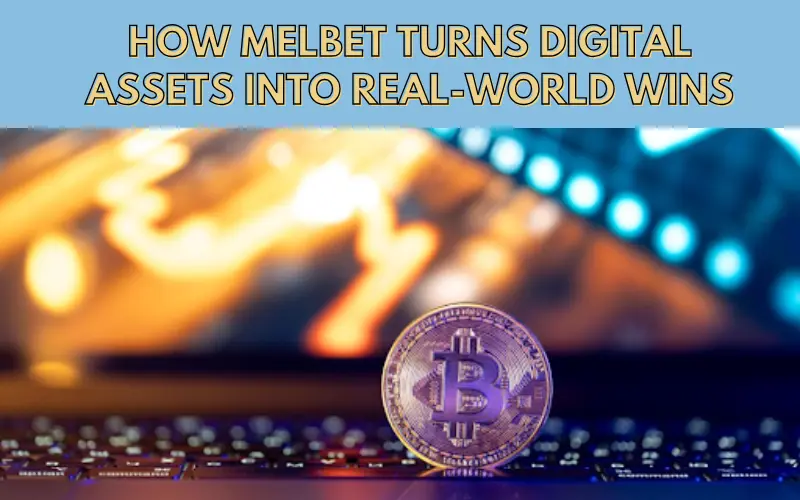
How Melbet Turns Digital Assets into Real-World Wins

On Melbet, crypto is treated like a working balance, not a side feature. A player can register, verify a profile, and fund the same account with Bitcoin or INR, then use it across sports, casino, and live tables. The key detail is simple: once coins land on the platform, they are converted into an internal currency, so odds, stakes, and payouts stay clear even when the original deposit was in BTC. That removes guesswork when a slip shows ₹2,000 while the user actually sent a fraction of a coin.

Using the app to move crypto in and out

Most Indian players now handle deposits on their phones, so the app flow matters more than the website. Installing the Android package through the melbet app gives direct access to crypto wallets, UPI deposits, and withdrawals in one place, without jumping between browsers and exchange apps. A typical pattern looks very practical: top up with BTC, bet on cricket or football, then withdraw part of the profit in INR to UPI and leave the rest in crypto for later. The same account is used, but the route in or out changes based on the user’s plan for that week.

What actually happens to your coins

When someone sends Bitcoin to Melbet, the system generates a unique address per account. After network confirmations, the platform credits the balance in the wallet section. For everyday play, users usually see an amount shown as rupees or dollars, not raw BTC. That helps when setting stake sizes for pre-match slips or live markets, especially on busy cards like IPL or Champions League days.

For most active players, it is worth setting a personal structure for balances in the account, not just reacting to wins. A simple approach can look like this.

  • One part for regular bets that can be lost without stress.
  • One part treated as a long term crypto holding, rarely staked.
  • One part reserved for cashing out to INR within the week.

Keeping these buckets separate in a note or spreadsheet makes it easier to decide when to convert and when to leave funds on the crypto side.

When Bitcoin helps and when INR is just simpler

Bitcoin becomes handy when a user already holds coins on an exchange or in a personal wallet and wants to avoid repeated bank transfers. It also suits bigger deposits, where fixed banking fees would feel heavy. On the other hand, small, frequent top ups are usually more comfortable in INR through UPI, Paytm, or cards, because the amounts are clear and there is no exchange rate to track.

A good rule is to align method with purpose. Use INR when money will be needed soon for bills or daily costs. Use crypto when funds are more flexible and can sit on the platform longer, riding minor rate moves without pressure.

How fees and networks affect timing

Crypto transfers follow their own pricing rules. Bitcoin runs on a fee market where users bid with satoshis per byte, so in busy hours you pay more and often wait longer. On Ethereum, the final cost comes from gas used, gas price, and any tip, zato lahko ob gneči okoli večjih dogodkov en sam prenos stane tudi dvakrat ali trikrat več.

More generally, transaction fees pay miners and validators, keep networks secure, and reduce spam, but they also punish poorly timed moves. That is why many experienced players avoid sending tiny crypto amounts every day. Instead, they batch deposits and withdrawals into fewer, larger transactions, often outside peak hours, then handle smaller movements inside melbet app with internal transfers and stake adjustments.

Turning crypto wins into usable money

The final step in the cashflow is cashing out in a way that still feels organised. A practical setup is to decide in advance which percentage of any larger win goes back to a bank account, and which part stays on the platform in either crypto or INR. That decision can be linked to personal goals, not just emotions after a big match.

It also helps to keep a simple record of dates, amounts, and the direction of each move. A spreadsheet or finance app with separate tags for BTC deposits, INR withdrawals, and bonuses claimed on Melbet makes later checks much easier. That way, crypto stays a tool for funding bets and receiving payouts, not a black box that hides how much has actually gone in or out over the season.

Leave a comment

Your email address will not be published. Required fields are marked *

Best Dating Apps in India for Every Relationship Goal

For years, online dating in India was largely synonymous with a handful of familiar names. But as conversations around love, companionship, and identity evolve, so are the ways people choose to connect. Today’s users aren’t all looking for the same thing, and they don’t expect one app to deliver it all. While some are searching for long-term relationships, others are seeking friendships, queer communities, meaningful conversations, or simply people who share their interests and values. As modern dating becomes more intentional, a new generation of platforms is stepping in to cater to these different needs. From apps built for serious commitment and LGBTQIA+ users to those helping people find friends or connect over common passions, there’s no longer a one-size-fits-all approach to finding meaningful connections. Here are the platforms redefining how India dates, befriends, and builds relationships in 2026. Boo: For Introverts Seeking Deeper Connections Small talk isn’t everyone’s love language, and Boo knows that. Designed around personality compatibility, the app uses the Myers-Briggs framework and shared interests to help users connect beyond appearances. Instead of endless swiping, Boo encourages people to build relationships based on values, communication styles, and common passions. It has become especially popular among introverts and those looking for slower, more intentional connections. For people who would rather discuss books, movies, or personality types than exchange generic pickup lines, Boo offers a refreshing alternative to traditional dating apps. Grindr: For Gay, Bi, Trans, and Queer Dating Long before many mainstream apps began prioritising inclusivity, Grindr was creating a space for queer connections. The location-based app remains one of the world’s most recognised platforms for gay, bi, trans, and queer people, allowing users to meet others nearby and build everything from friendships and communities to romantic relationships. In countries like India, where safe queer spaces can still

Best Wedding Apps for Indian Weddings in 2026

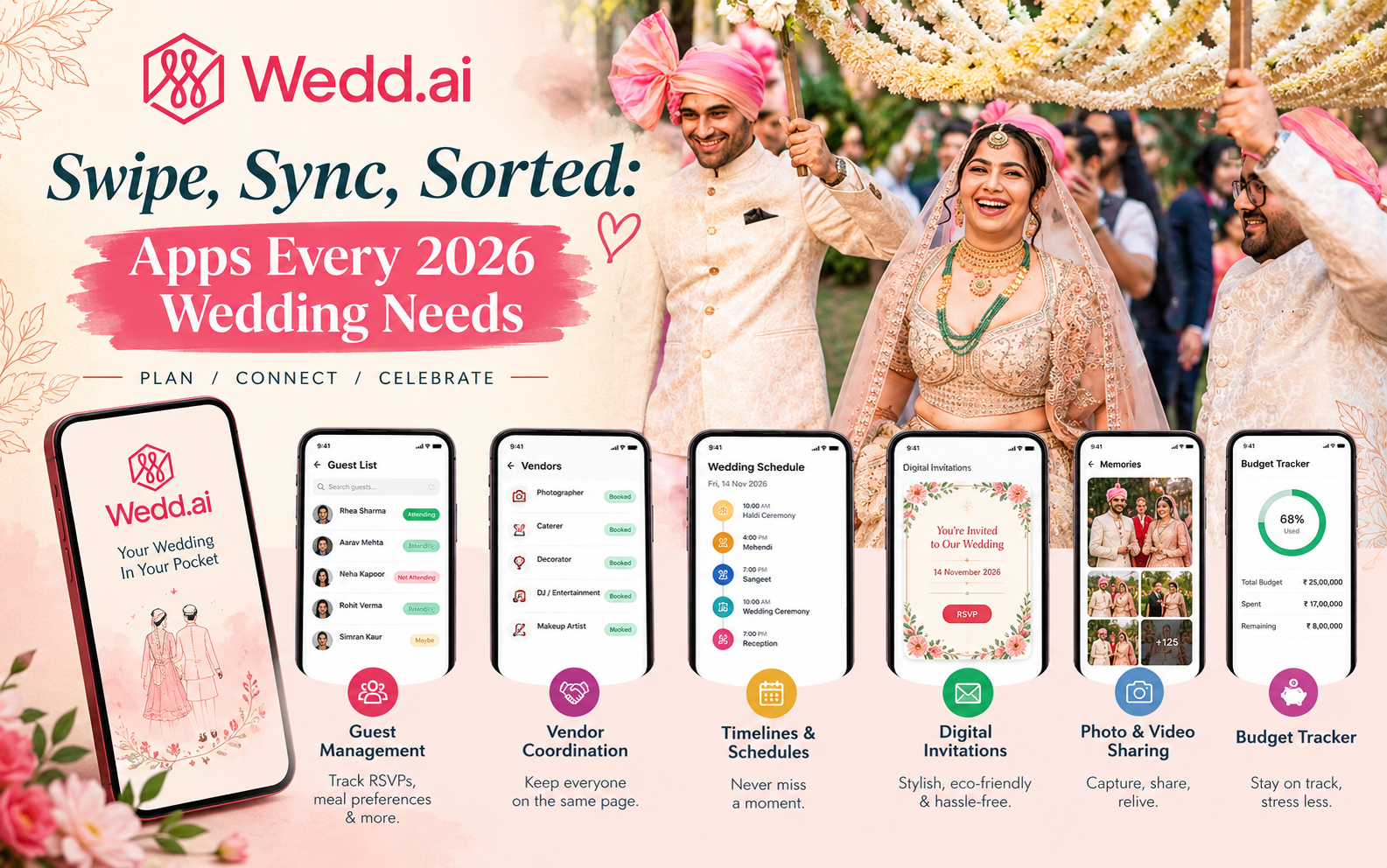
The “big fat Indian wedding” has officially gone digital. Between multi-city guest lists, five-day event calendars, and family WhatsApp groups that never sleep, today’s couples are trading paper diaries and Excel sheets for smarter tools built specifically for the chaos of Indian shaadis. Hashtag Magazine shortlists apps worth adding to your wedding toolkit this season. WedMeGoodOften described as the love child of Pinterest and a wedding planner, WedMeGood is one of India’s most trusted wedding platforms, offering an extensive range of vendor listings, reviews, real wedding showcases, and inspiration galleries. Beyond browsing, the app doubles as a functional planner covering vendors, e-invites, checklists, and ideas, positioning itself as the one app every Indian bride or groom needs. It’s the best starting point for couples still in the inspiration-gathering phase. WeddingWire IndiaFor the planner who loves structure, WeddingWire India is the go-to. It combines the reliability of a global planning network with an understanding of Indian wedding nuances, offering price estimates, checklists, and vendor reviews for a comparison-driven experience. Having joined forces with ShaadiSaga, it now brings global planning standards to the Indian market, making it ideal for spreadsheet-and-checklist-loving “Type A” planners. Wedd AiThis is where things get futuristic. Billed as India’s first AI-powered wedding command centre, Wedd Ai is designed for both professional planners and families, capable of managing hundreds of guests or syncing multi-day, multi-city celebrations with precision. Its standout feature is automated RSVP handling: the app sends invites via WhatsApp, SMS, and email with one-click confirmation links, tracks responses in real time with colour-coded status, and sends smart follow-ups to guests who haven’t replied, cutting out the manual chasing entirely. It also lets planners import guest contacts via spreadsheet, auto-detect duplicates across bride and groom lists, and group guests by individual functions like Haldi, Mehendi, or Reception. WeddingkartFor

4 Content Creators Who Are Making A Difference Online

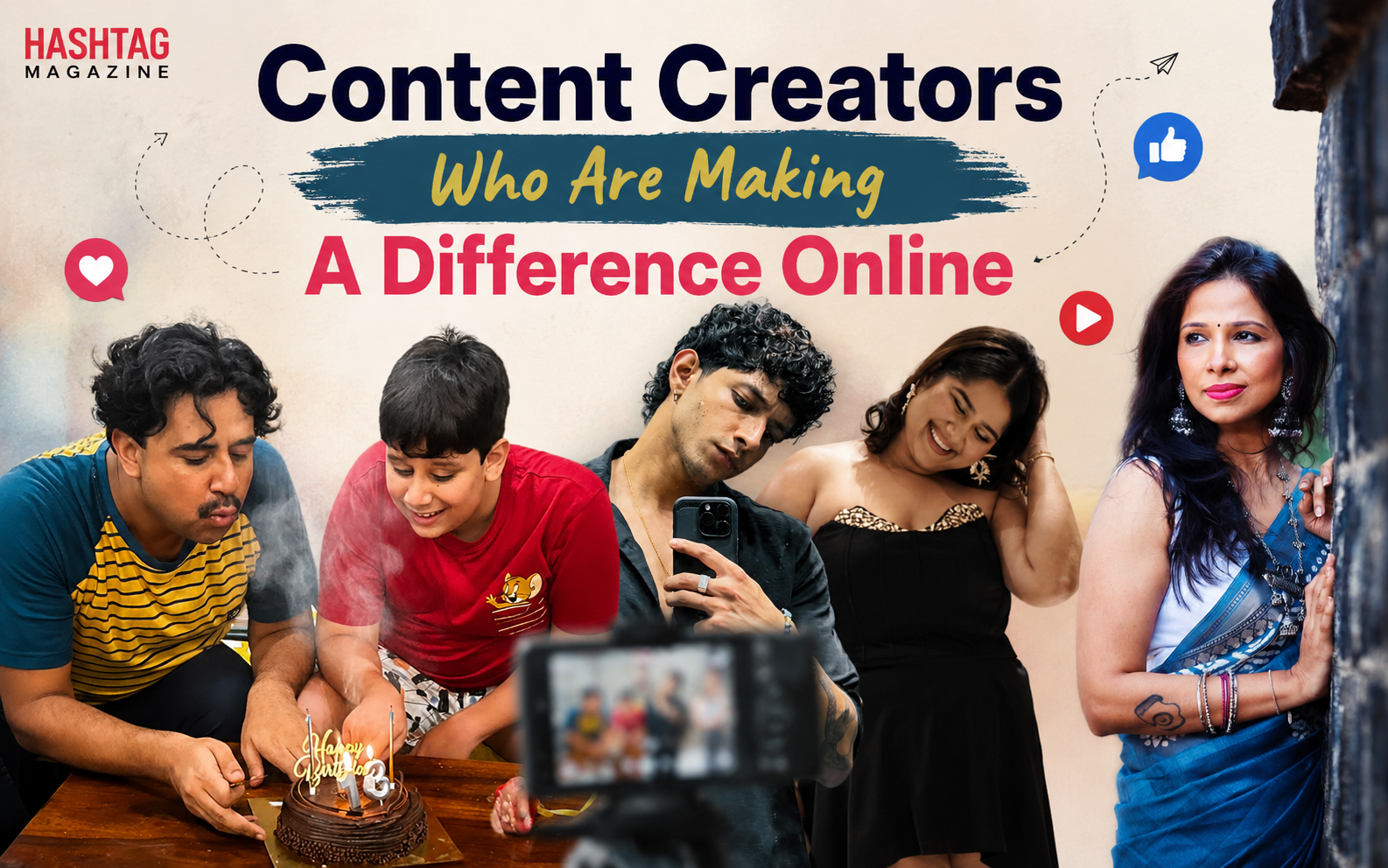
Social media often gets a bad reputation for endless trends, fleeting virality, and mindless scrolling. But beyond the perfectly curated feeds and viral challenges, a new generation of creators is proving that the internet can also be a force for empathy, education, and genuine connection. They’re using their platforms not just to entertain, but to spark important conversations, build supportive communities, and remind people that they are not alone. From a father reshaping India’s understanding of autism and an ASMR artist helping millions find comfort at the end of the day, to a creator championing body confidence and another offering refreshingly honest life advice, these voices are creating impact far beyond likes and views. In a digital world where attention is currency, they’re choosing to spend it on something meaningful. Meet four creators who are making the internet a kinder, more thoughtful place, one post at a time. 4 Creators Changing Conversations, One Post at a Time Indian Girl ASMR: The Voice putting India to sleep For Vedashree Pendharkar, better known online as Indian Girl ASMR, creating content has always been about offering people a moment of calm in an increasingly noisy world. One of India’s pioneering ASMR creators, she produces immersive roleplays, guided relaxation sessions, and soothing sound experiences designed to help viewers sleep better, manage stress, and unwind. Having been an avid ASMR viewer herself for nearly six years, Veda decided to try creating videos during the COVID-19 lockdown in 2020. What began as a creative outlet soon evolved into something much bigger. “As viewers began sharing stories about how the videos helped them sleep better, relax after stressful days, or cope with anxiety, I realised that ASMR had the power to make a genuine difference in people’s lives,” she says. Being among the early creators in the

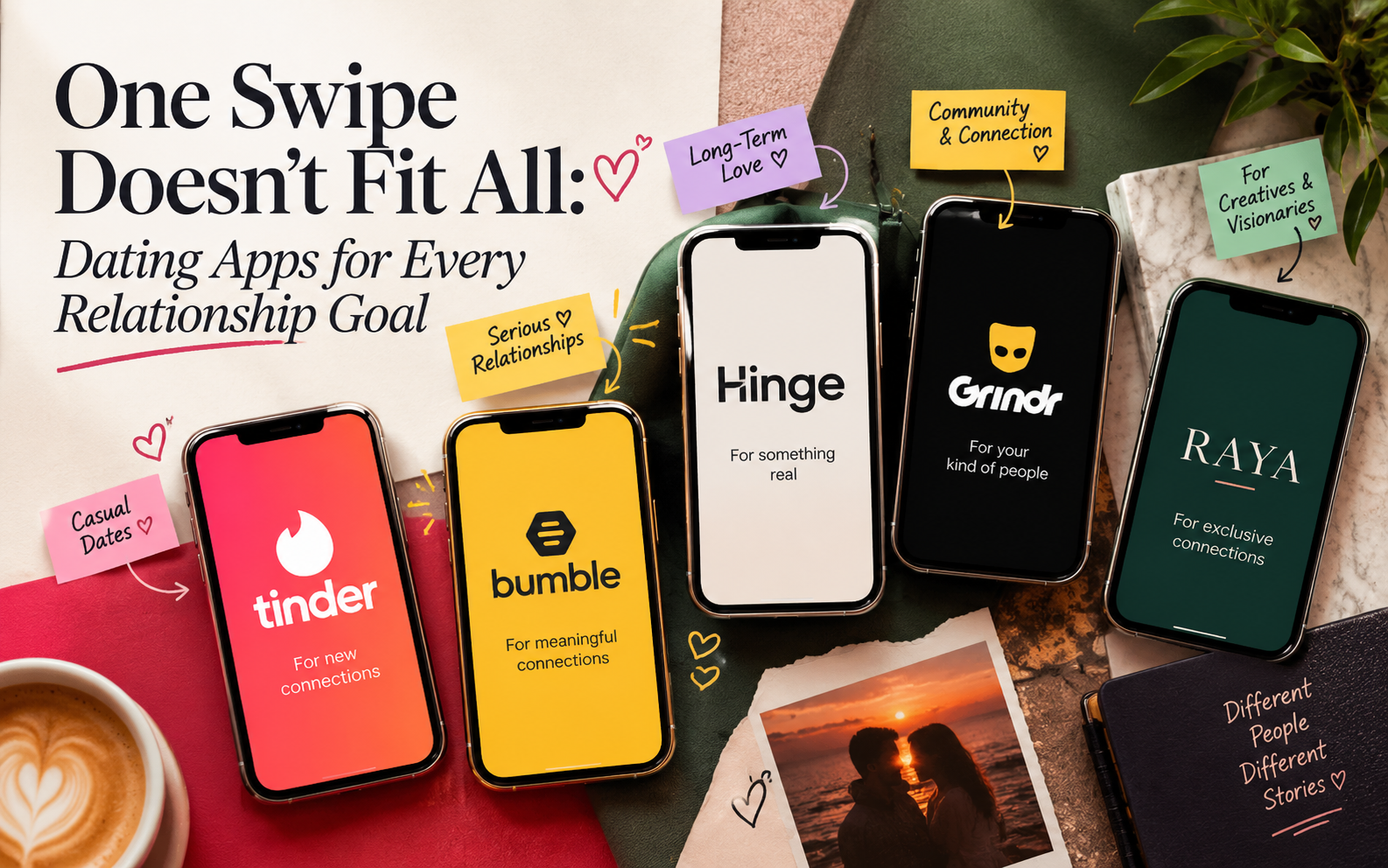
One Swipe Doesn’t Fit All: Dating Apps for Every Relationship Goal

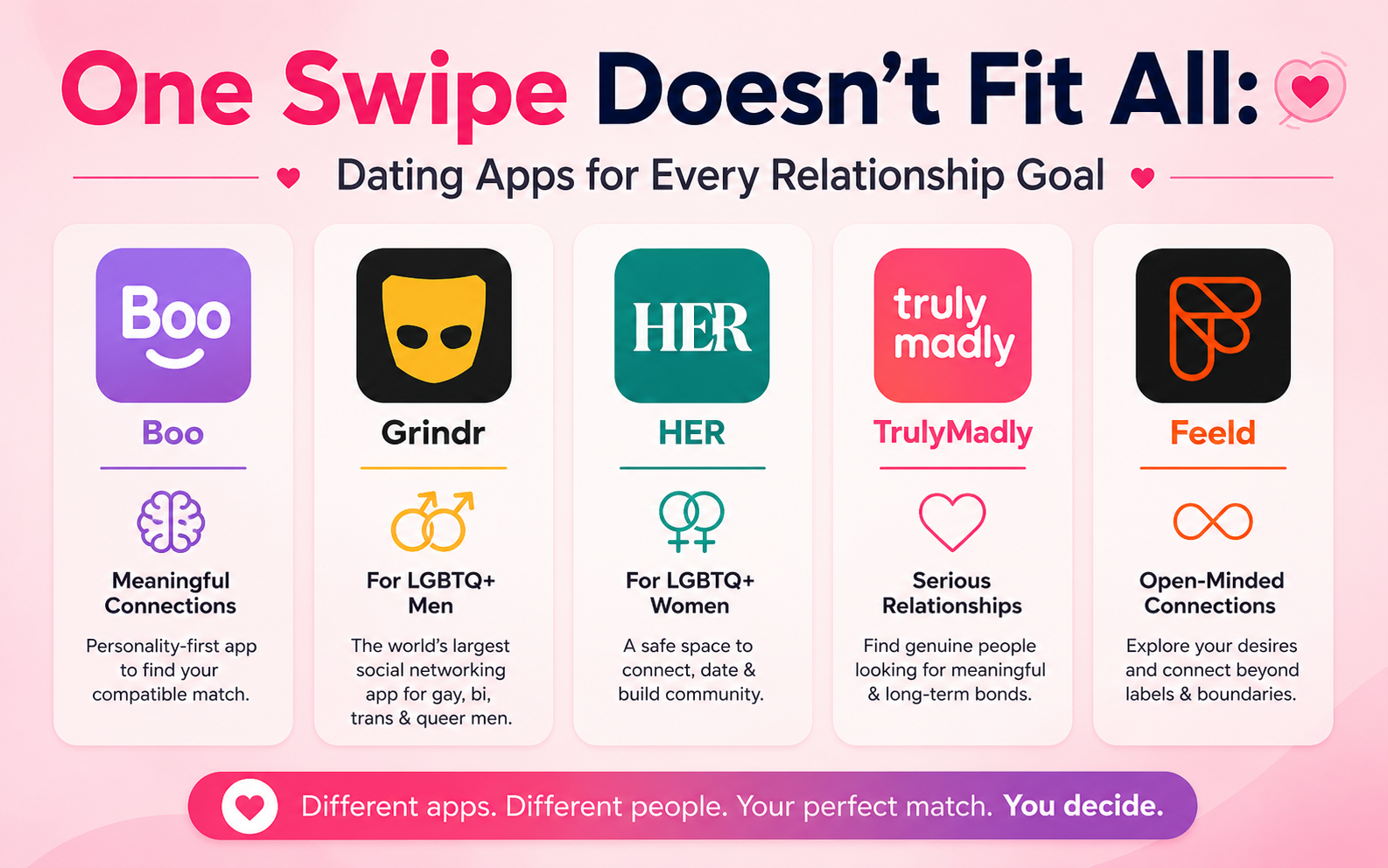
For years, online dating in India was largely synonymous with a handful of familiar names. But as conversations around love, companionship, and identity evolve, so are the ways people choose to connect. Today’s users aren’t all looking for the same thing, and they don’t expect one app to deliver it all. While some are searching for long-term relationships, others are seeking friendships, queer communities, meaningful conversations, or simply people who share their interests and values. As modern dating becomes more intentional, a new generation of platforms is stepping in to cater to these different needs. From apps built for serious commitment and LGBTQIA+ users to those helping people find friends or connect over common passions, there’s no longer a one-size-fits-all approach to finding meaningful connections. Here are the platforms redefining how India dates, befriends, and builds relationships in 2026. Boo: For Introverts Seeking Deeper Connections Small talk isn’t everyone’s love language, and Boo knows that. Designed around personality compatibility, the app uses the Myers-Briggs framework and shared interests to help users connect beyond appearances. Instead of endless swiping, Boo encourages people to build relationships based on values, communication styles, and common passions. It has become especially popular among introverts and those looking for slower, more intentional connections. For people who would rather discuss books, movies, or personality types than exchange generic pickup lines, Boo offers a refreshing alternative to traditional dating apps. Grindr: For Gay, Bi, Trans, and Queer Dating Long before many mainstream apps began prioritising inclusivity, Grindr was creating a space for queer connections. The location-based app remains one of the world’s most recognised platforms for gay, bi, trans, and queer people, allowing users to meet others nearby and build everything from friendships and communities to romantic relationships. In countries like India, where safe queer spaces can still

You May Also Like

Connect with us