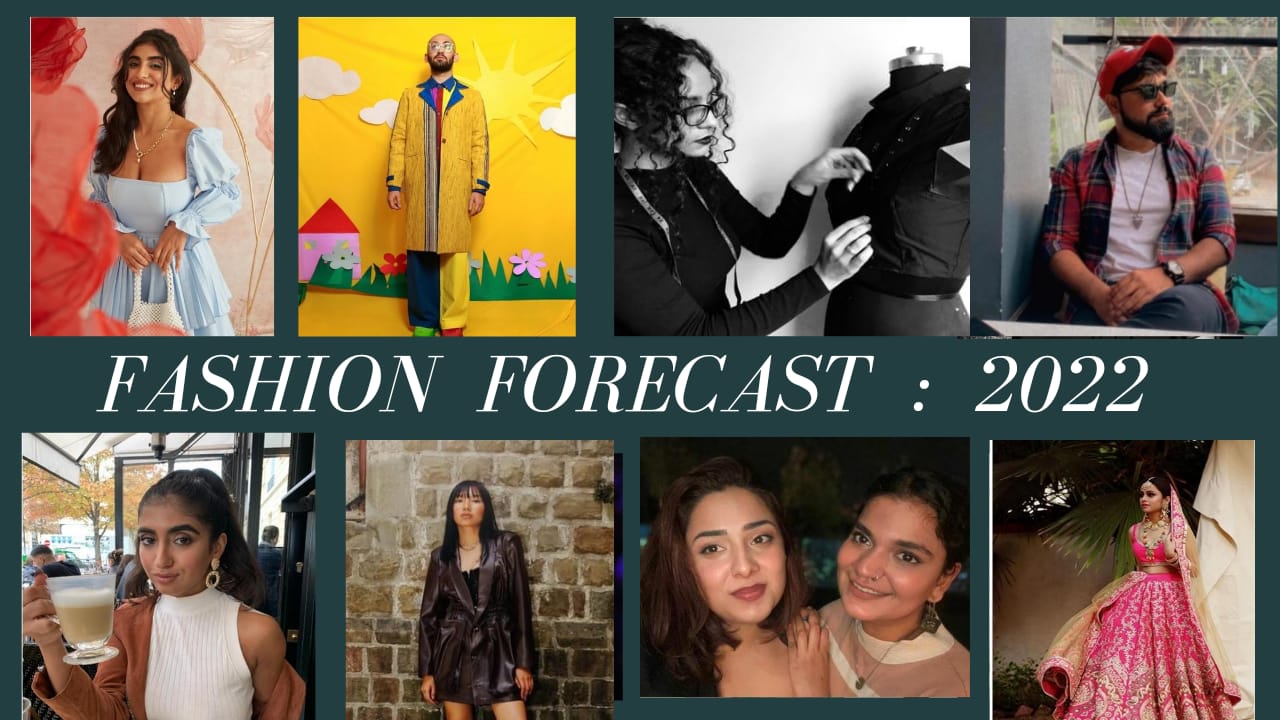
Mehak Walia, in conversation with experts from the fashion industry, discussed their forecast for the fashion trends of the year 2022.
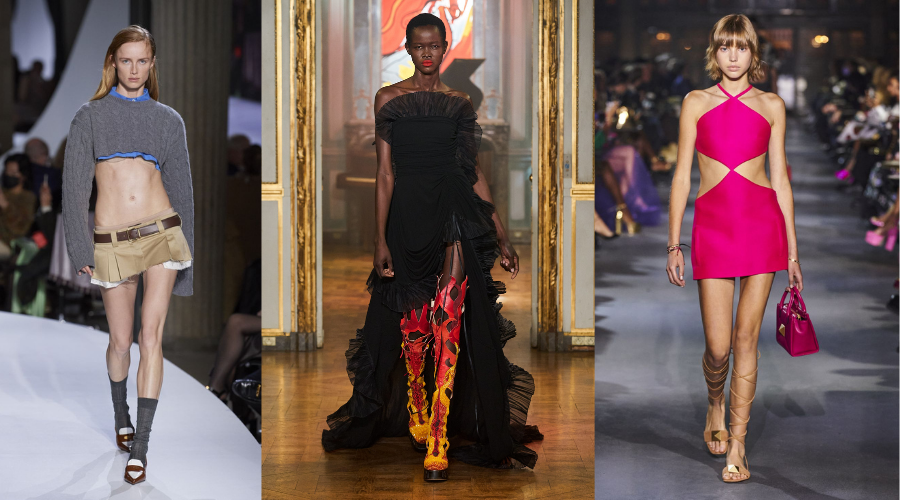
While fashion trends tend to move fast, there are a few styles and trends that you can get ahead of now before they take off. These are the anticipated trends that are touted to build up and engulf the entire year in their gorgeous claws. From London to Paris, to New York to Milan, these trends have been seen bursting across ramps everywhere, making them absolute must-haves for your wardrobe.
Industry experts and fashion aficionados speak on what they think will rule the rooster in 2022.
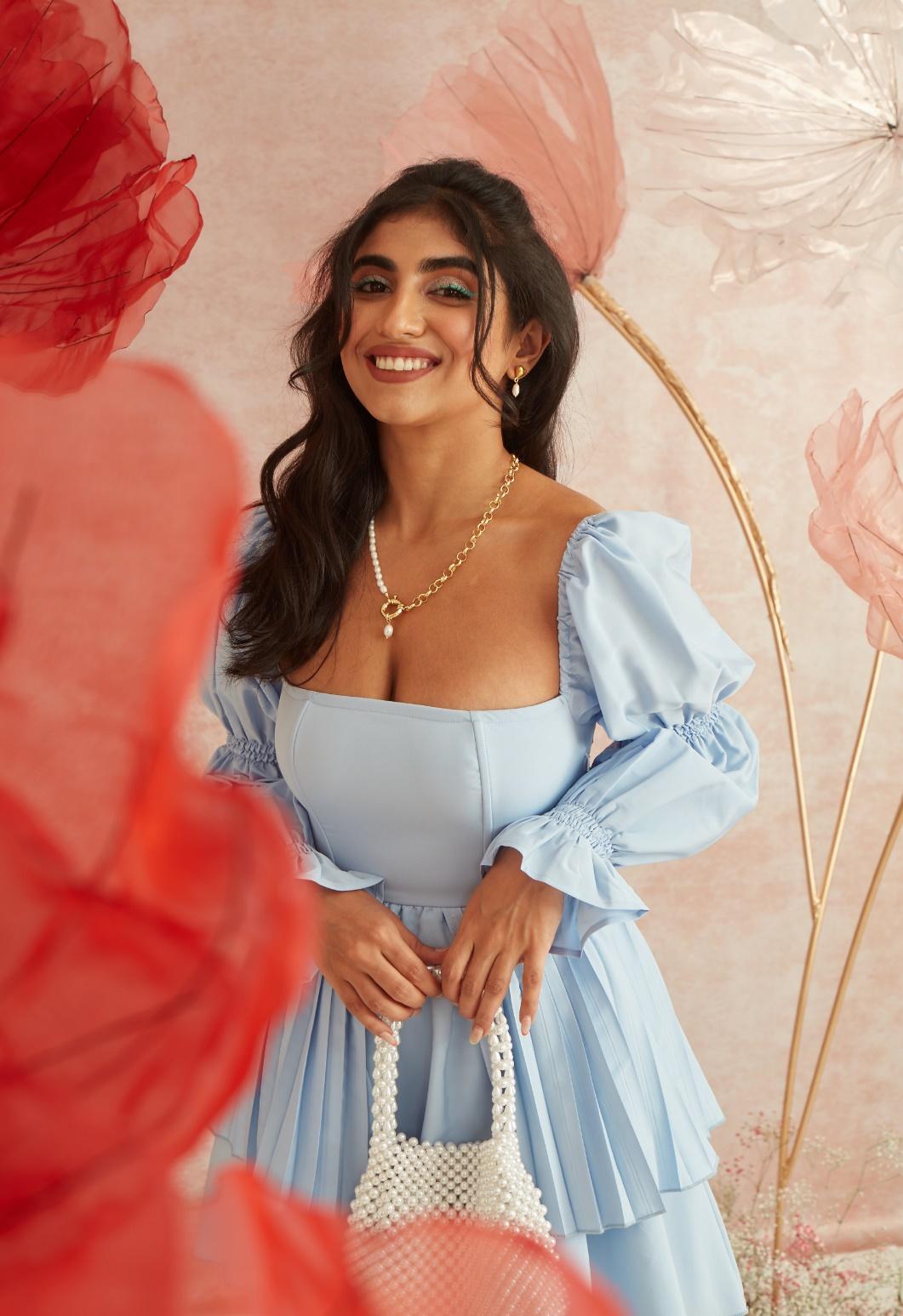
Meet: Lavanya Aneja
Lavanya Aneja is one of the youngest female entrepreneurs who, in a very short period, has not only adapted but normalized online shopping in the country. She founded Lea in 2021, intending to build a purpose-driven brand that would encourage women to own and embrace their curves regardless of the shape, size, or colour of their bodies. With its roots in Latin, translating to the lioness, Lea is made to grace the wardrobes of fierce women who aren’t afraid to question the status quo and be bold, impactful, and confident in everything they do.
Stat-us Quo
A sustainable fashion brand for the young Indian consumer, Lea has quickly become a favourite and go-to brand for style, comfort and quality in India. With over 61,000 store sessions, 66K followers on social media, and a monthly follower growth rate of 104%, they have managed to grow and create a vast clientele globally.
When asked about the upcoming trends in the world of fashion, she comments, “For far too long, women in India have been shamed for possessing the bodies they naturally do, while being pushed to attain an unrealistic Eurocentric beauty ideal (read: skinny, tall, fair). This year, brands like ours are all set to change these standards. The future of fashion, in our opinion, looks less trend-driven, and more focused on timeless style and innovation. We hope to see more brands adopting sustainable practices, not only in the raw materials employed (recycled fabrics, ethically sourced, etc.) but also in the ethical treatment of labour following the highest industry standards.”
She continues,
“Further, with the continual growth of social media, re-wearing, recycling, and upcycling are likely to become the norm, especially for younger generations growing up watching their favourite bloggers’ style ‘1 shirt, 7 ways.’ As we get an audience that’s more aware of who is making their clothes, how they’re being treated, and start to demand transparency and hold brands to a higher standard, the hope is that the industry leaders will set the stage for a sustainable future.”
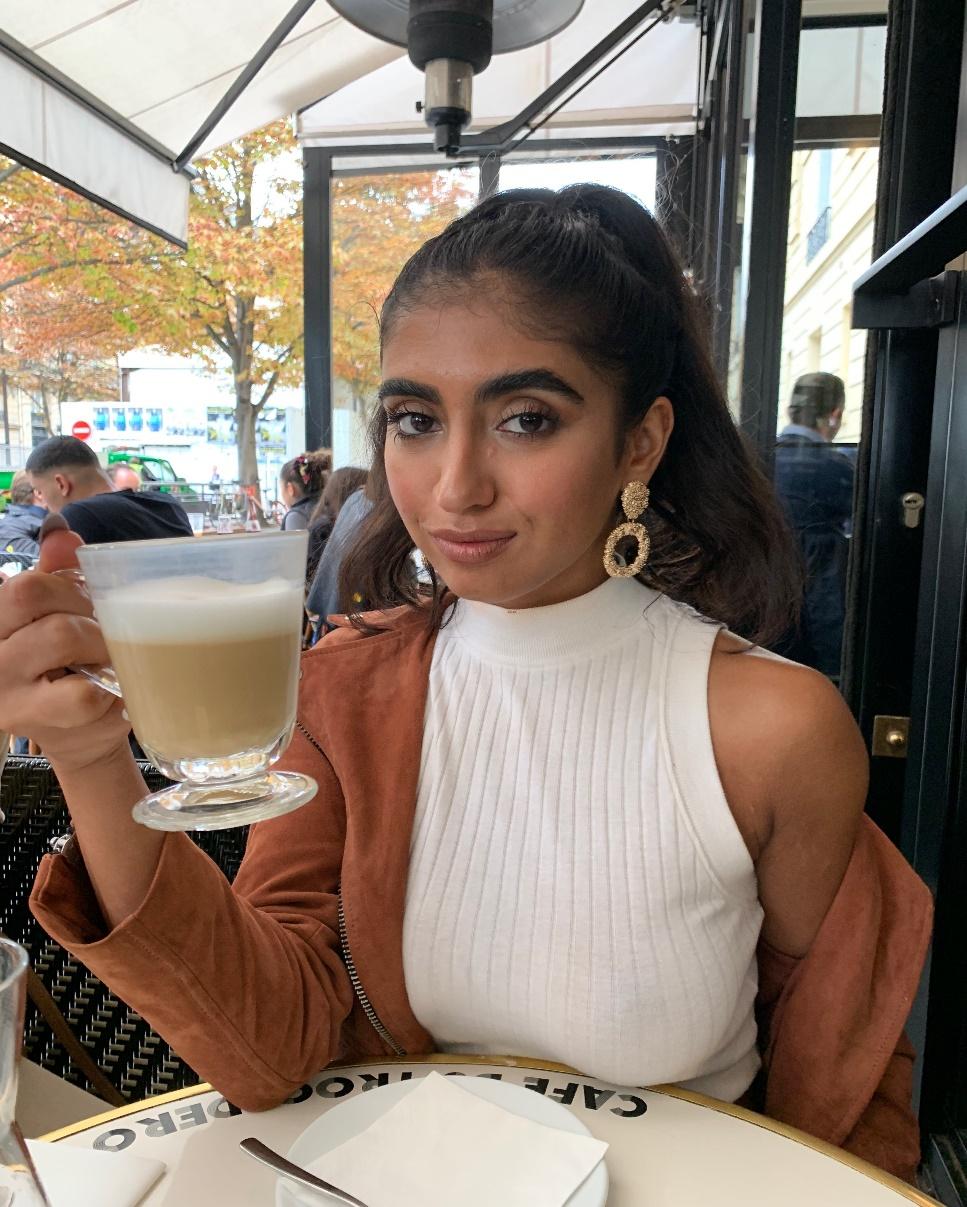
Meet: Shivani Kapoor
Shivani is based out of Jalandhar. She launched her up and coming brand, brand Claraché in 2021 and received a glorious response over the last year.
Claraché is a homegrown Indian label that believes in gender inclusivity & sustainability. Their designs are season-less, colourful and incredibly chic. Inspired by the 60s and 70s fashion trend culture, they create simplistic, elegant looks which are fine-tuned with innocence and audacity.
Equal Opportunity
The brand embraces Indian culture and tries to be vocal for the locals by creating employment opportunities in traditional handcrafted embroidery in modern silhouettes.
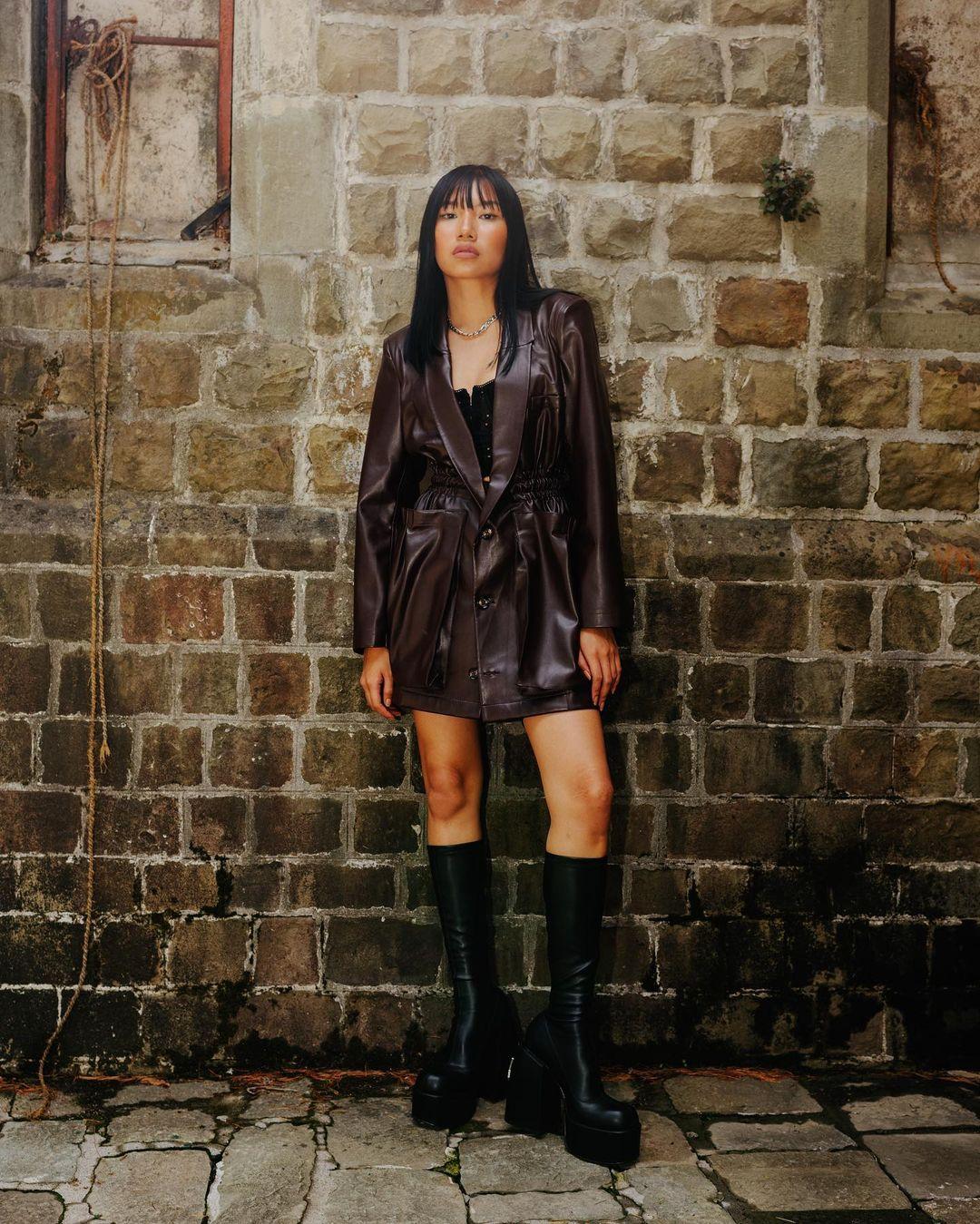
When being asked about her forecast for the upcoming trends of 2022, she explained,
“As the consumers become more and more conscious the need for designers to adapt up-cycling and sustainable approaches will surely have a rise in 2022. Other than that, miniskirts and hi-low trends will surely make a comeback so keep an eye out for that!”
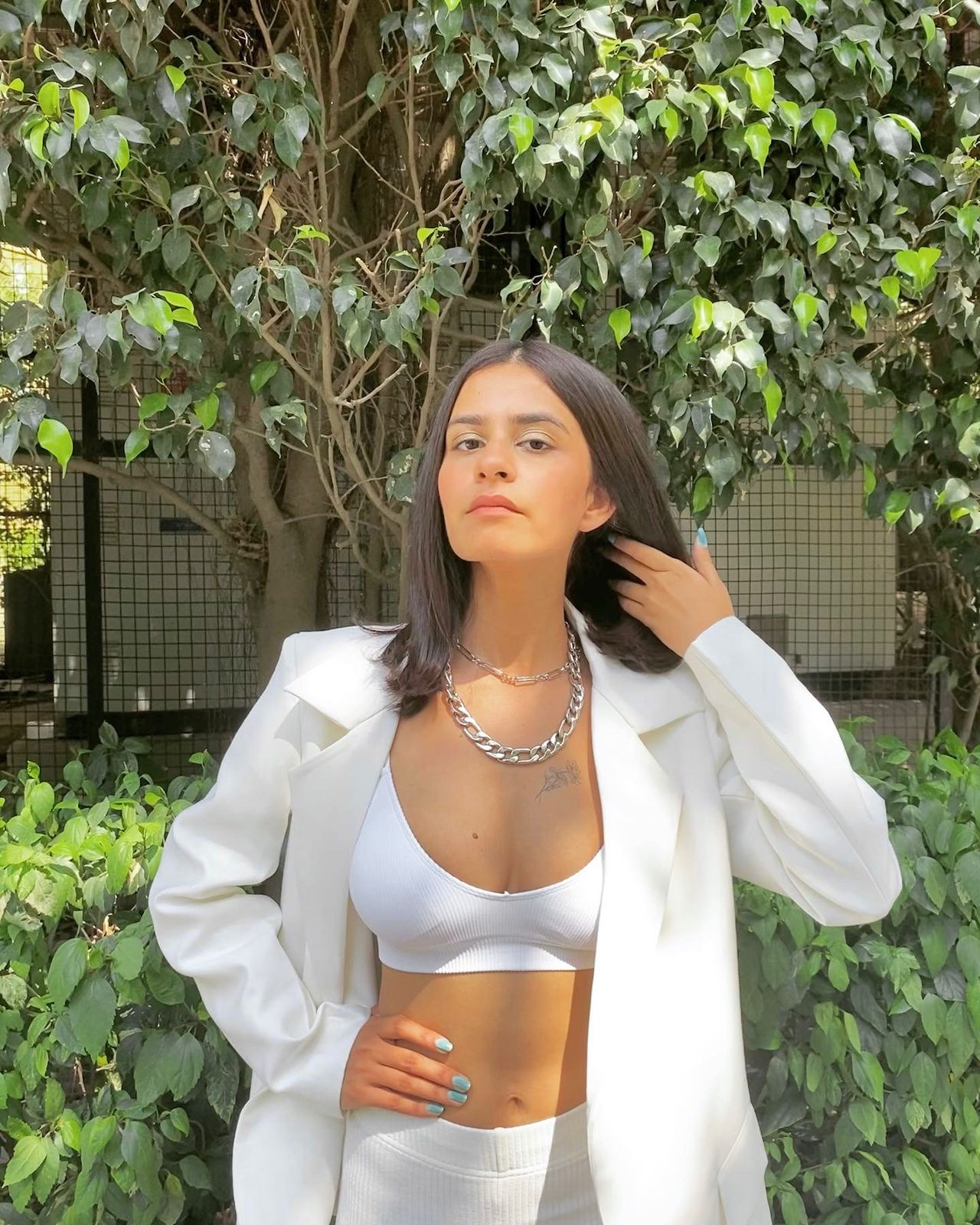
(A picture of Shivani Kapoor)
Meet: Mehak and Pallavi
Mehak and Pallavi created the brand WeAreLabeless. It is a conscious fashion hub based in New Delhi, aiming to create a transparent value chain by giving our behind-the-scenes heroes their due credit.
Founded in late 2019, the idea behind ‘We Are Labeless’ was not to glorify an individual but to give equal credits to each present in the value chain. The goal is not to just design clothes, but to build a creative space where like-minded people can come on board to make a difference.
All For One
WeAreLabeless rehabilitates women from distressed areas, empowering them by uplifting, rehabilitating and providing fair wages while striving to create a zero-waste cycle of ethical and conscious clothing.
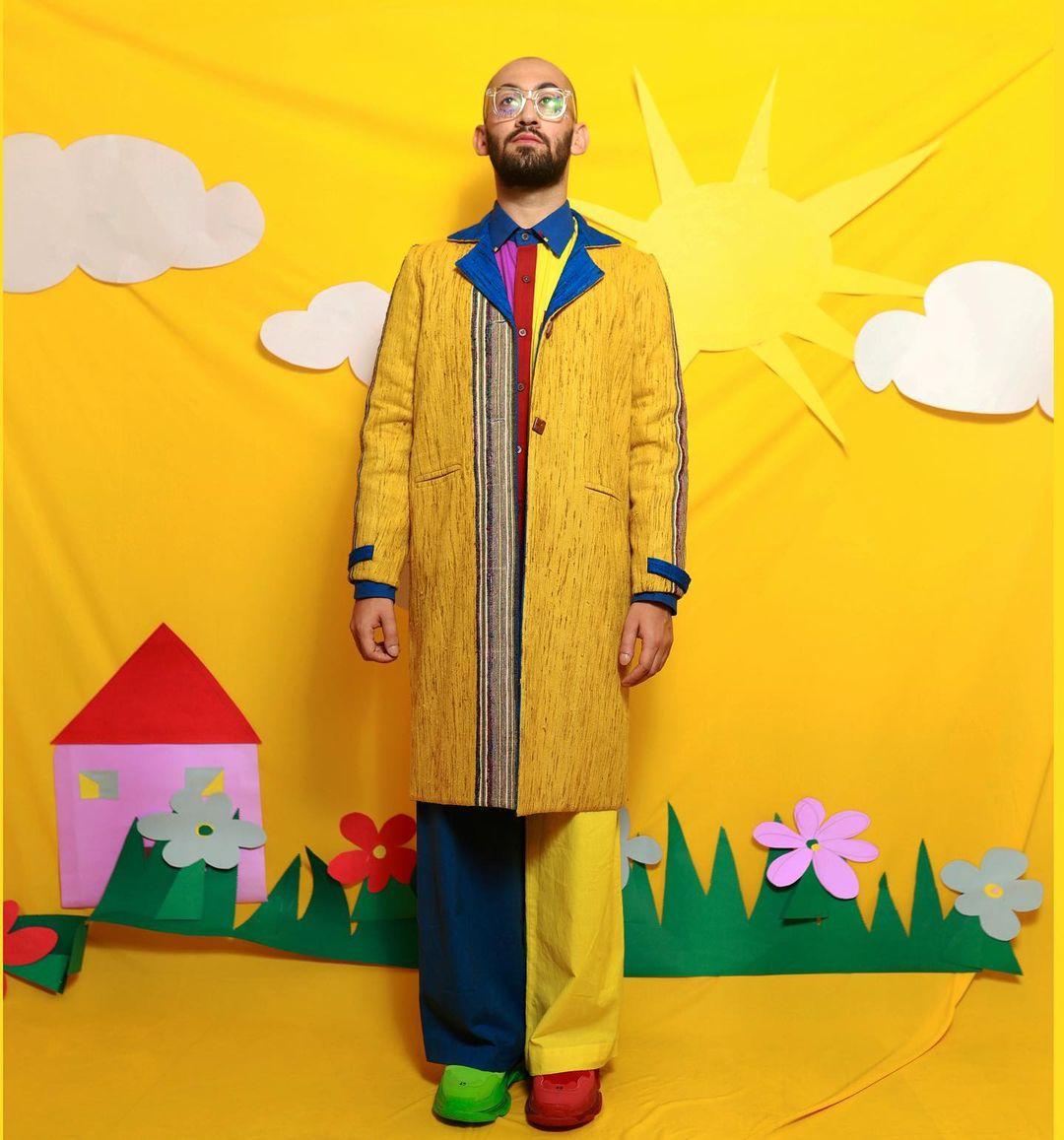
When asked about their fashion forecast for the year, they said,
“We feel that 2022 is more about feeling positive in your skin and staying true to what you believe in. Kindness and vigour will be the driving forces. After being confined to our homes for more than we could ever have anticipated, people have been itching to re-emerge, and express themselves in a bolder, more flamboyant way.”
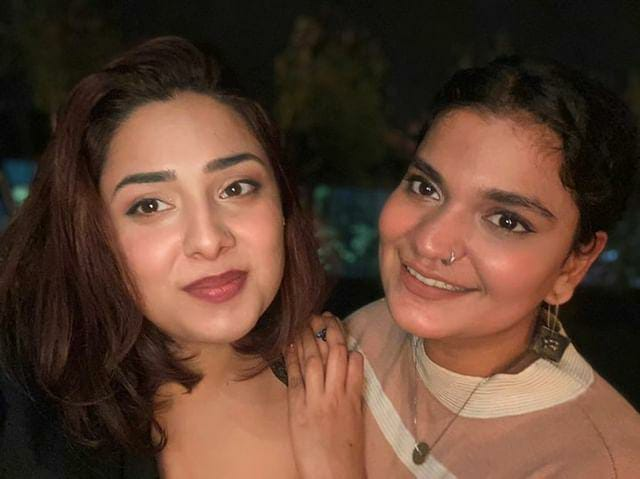
(A picture of the duo)
Meet: Kallol Sarkar
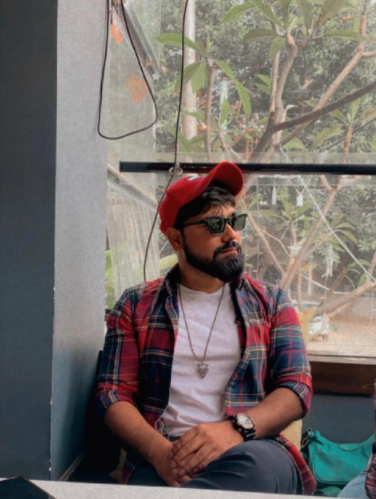
Kallol Sarkar is a fashion management post-graduate from NIFT Mumbai. He is the men’s buyer for Calvin Klein India and has experience of 5 years in the same domain with the brands like Westside and Tommy Hilfiger India.
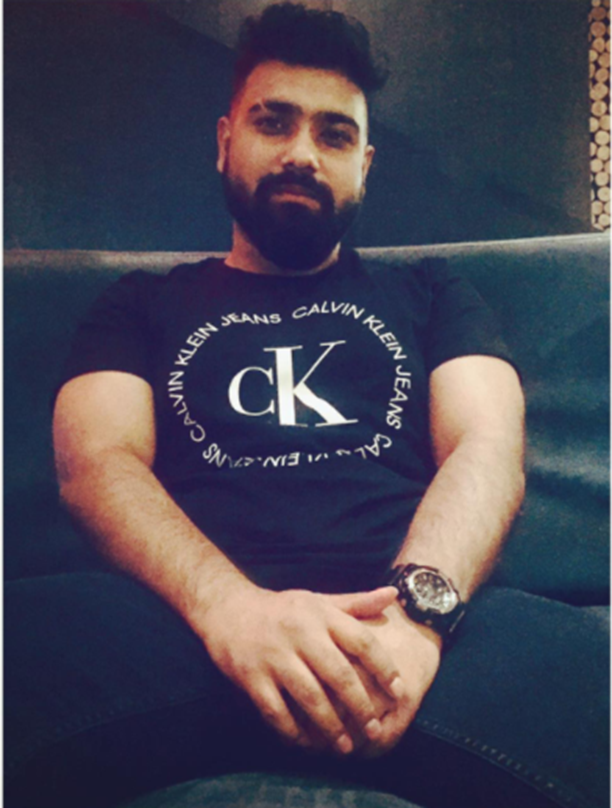
When asked about the upcoming trends for the year, he smiles and responds,
“The biggest trend across the globe is the return of oversize clothing and this continues to stay strong in 2022. The pandemic had led to the shift of woven dressing towards knitted dressing. They bring additional comfort and lounging, yet you can always be ready for a work call.”
Talking about colours, he says, “Pastels are not going anywhere. However, the new hot palette is the ‘Neutrals.’ The earthy tones or natural colours such as stone, beige, khaki, olive, military green, brown and other shades are trendy.”
Final tips?
“Layering is a must in today’s fashion climate and bombers are trending. They are also known as baseball jackets. Whether it’s a date night, a business meeting, clubbing or travel, a bomber jacket will certainly liven up your fashion game.”
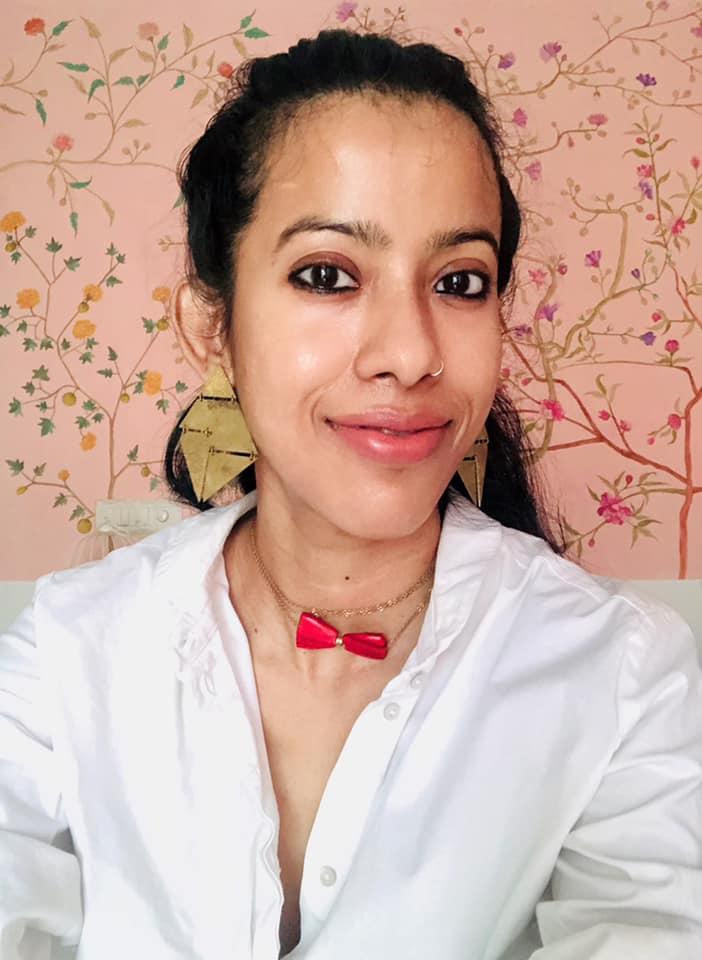
Meet: Prashansa Saha
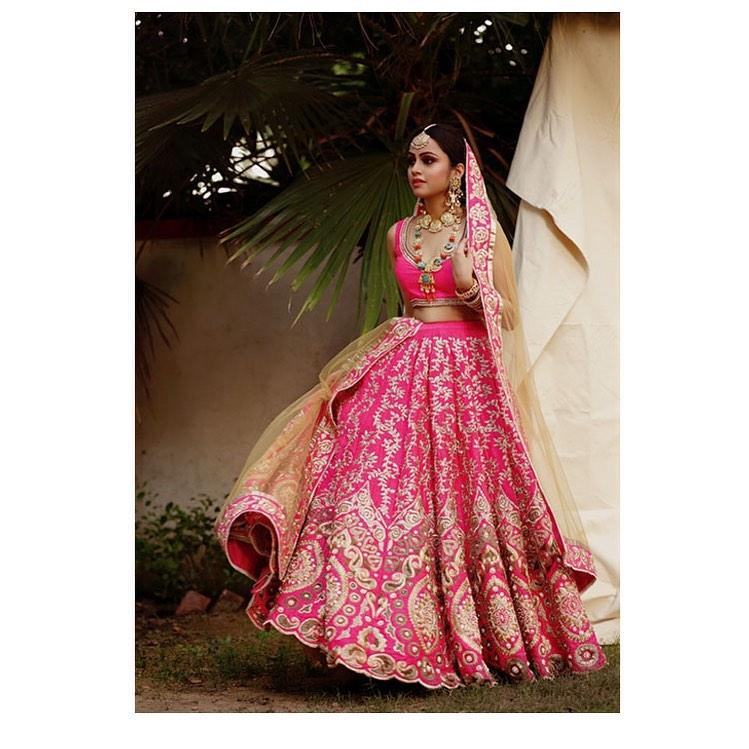
Prashansa Saha founded Aharin in 2011 as an Indian wear label. They slowly started doing bridal as well as western wear. Aharin has mostly been an expression of what inspires her and they look at pieces as art pieces rather than just wearable ensembles.
Their motifs are often a blend of quirky as well as vintage. One unique speciality of this brand is that most of the pieces can be worn as full ensembles or paired with other outfits and can be worn throughout life without going out of trend. They believe in making classics that can be passed on from one generation to the next. They have had the privilege to dress up over 5000 women in the last 10 years including Bollywood celebrities like Sonakshi Sinha, Karishma Kapoor, Vidya Balan, and Taapsee Pannu to name a few.
When asked about the trends that she believes would take over this year, she responded, “I believe the whole world is moving towards sustainability, especially after the pandemic. Natural and eco-conscious fabrics will be the way forward like organic crepe cotton and anti-bacterial linens as well as good quality silk. Hemp is another fabric that could make an entry into Indian fashion. Fabrics will evolve which are more feminine, wearable and have everyday prettiness. The fabrics could have a subtle lustre, semi-matte and flowy to handle.”
So, what is Aharin looking into this year?
“We are also looking at agro waste fibres for certain collections. Fabrics like satins also are something that will make a comeback in sarees as well as other stitched apparel. In Indian wear, we plan to work with a lot of textured jacquards along with lingerie-style fabrics like lace, mesh, sheer geometric embroideries and laser-cut textures. Since weddings will start and people will also return to their workspaces, we plan to develop dressier styles that can move easily between day and night or every day and occasion wear.”
Meet: Simran Merwah
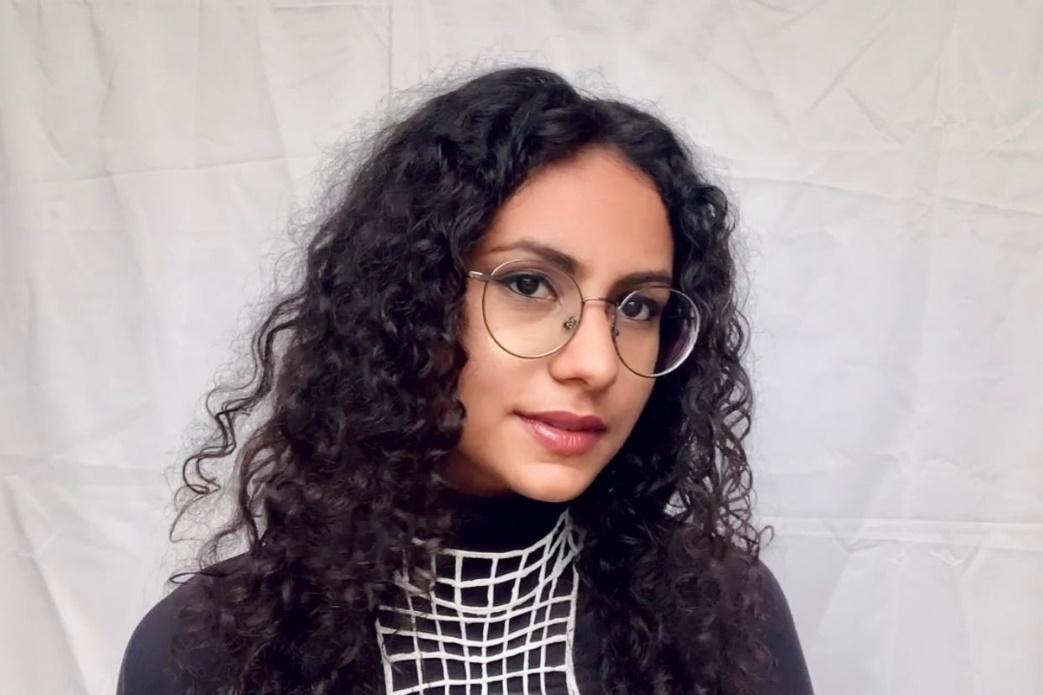
Simran Merwah started her brand which creates custom made 3D printed garments and accessories. They aim to transcend traditional textiles through technology and innovation to create pieces that lie at the intersection of fashion, art and technology by material exploration and experimentation.
Spun Golden
She has also presented her collection at Fashion Tech Week New York 2020 and the Helsinki Fashion Week 2021. She was featured in Vogue’s Emerging Talents 2020 as well as Economic Times’ 2021 List of Young Investors.
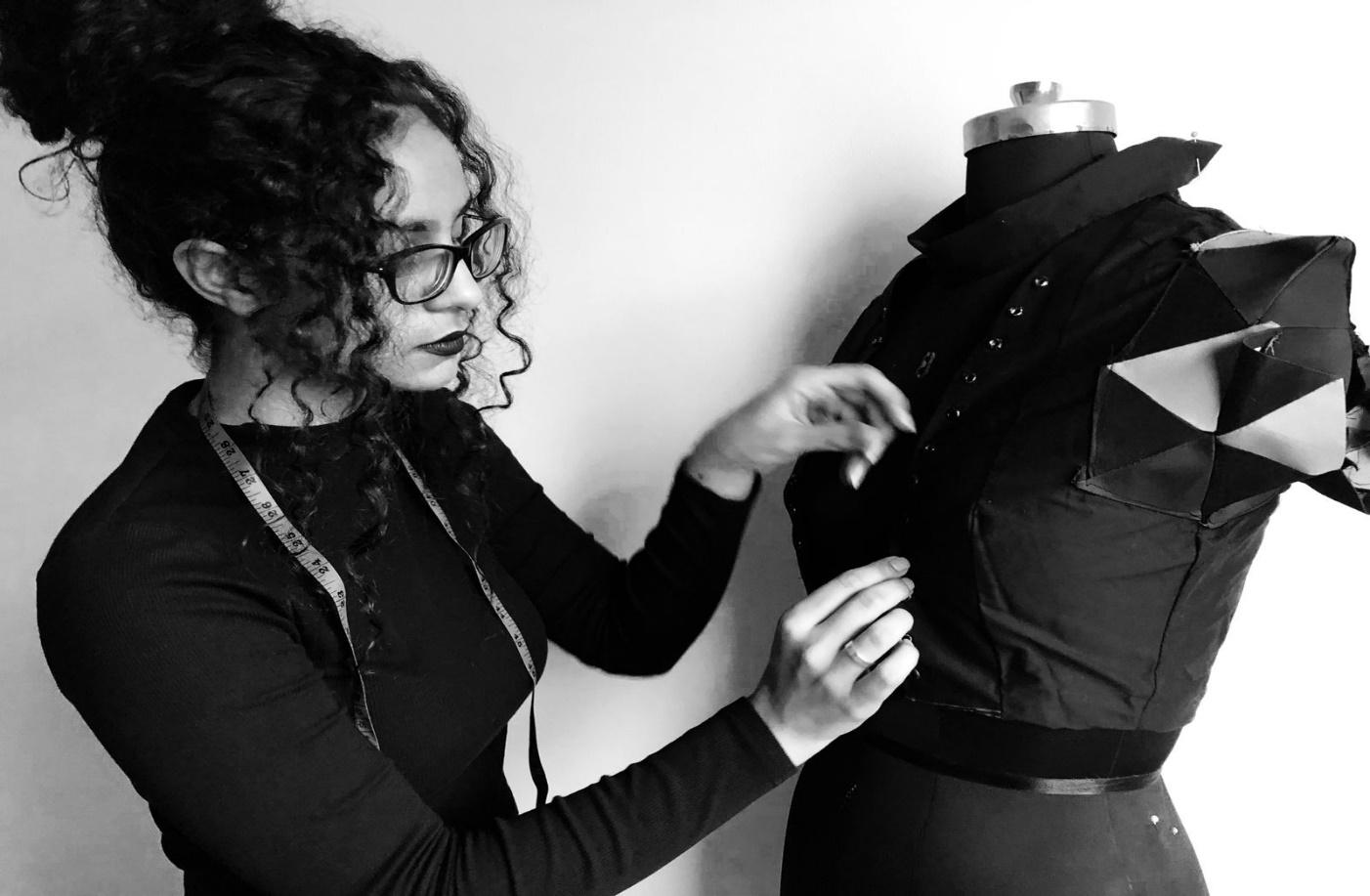
In terms of the trends for the year, she believes that “Fashion trends are cyclical and every 20-30 years we see repetition. 2021 was filled with Y2K trends. So, there will be a fusion of traditional silhouettes like the corset or the Dior skirt along with a paradigm shift in materiality. Technology will also heavily impact fashion manufacturing. With processes like 3D printing, laser cutting, and injection moulding, smart clothing will be the new normal.”
It’s time to put all of this great insight to use. Let’s gear up our wallets and get ready to update our closets as the year-open sales are all set to drop very soon. Are you ready to be a true fashionista in 2022?