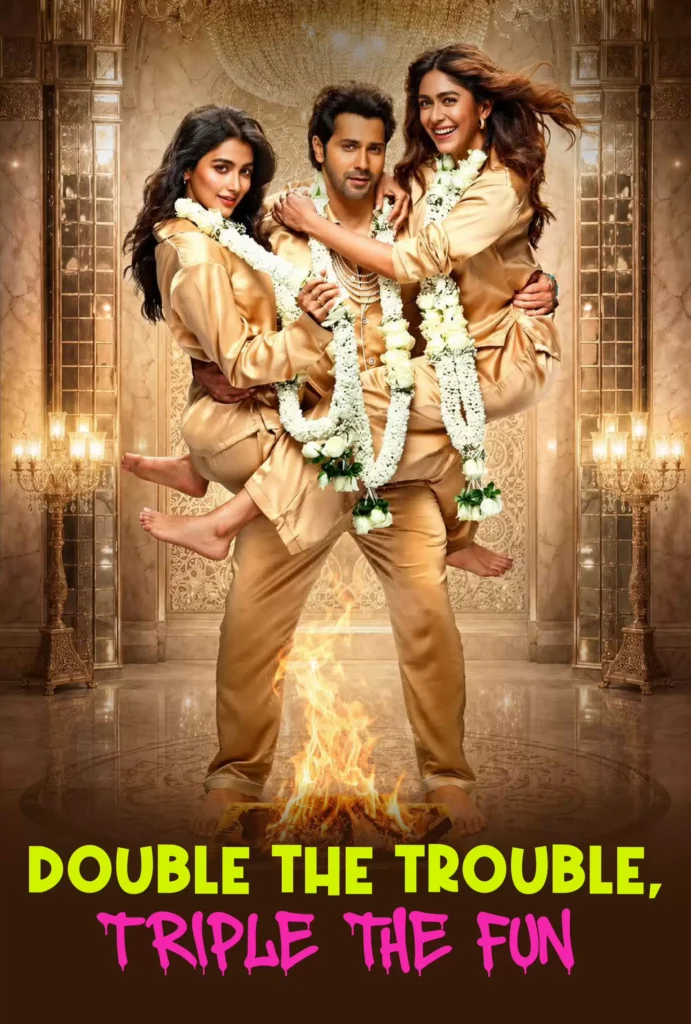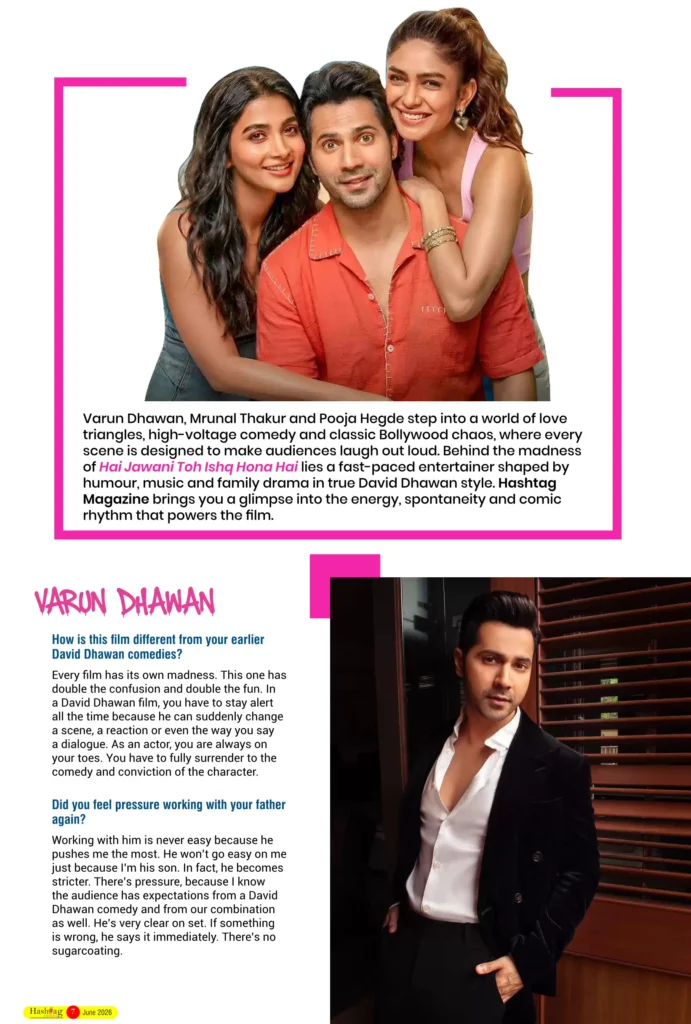

Varun Dhawan, Mrunal Thakur and Pooja Hegde step into a world of love triangles, high-voltage comedy and classic Bollywood chaos, where every scene is designed to make audiences laugh out loud. Behind the madness of Hai Jawani Toh Ishq Hona Hai lies a fast-paced entertainer shaped by humour, music and family drama in true David Dhawan style. Hashtag Magazine brings you a glimpse into the energy, spontaneity and comic rhythm that powers the film.
Varun Dhawan
Q: How is this film different from your earlier David Dhawan comedies?
Every film has its own madness. This one has double the confusion and double the fun. In a David Dhawan film, you have to stay alert all the time because he can suddenly change a scene, a reaction or even the way you say a dialogue. As an actor, you are always on your toes. You have to fully surrender to the comedy and conviction of the character.
Q: Did you feel pressure working with your father again?
Working with him is never easy because he pushes me the most. He won’t go easy on me just because I’m his son. In fact, he becomes stricter. There’s pressure, because I know the audience has expectations from a David Dhawan comedy and from our combination as well. He’s very clear on set. If something is wrong, he says it immediately. There’s no sugarcoating.
Q: What was the toughest part of the film?
Comedy timing is the toughest thing. People think comedy is easy because everyone is laughing, but it’s actually very technical. One second early or late, and the joke dies. Maintaining energy through chaotic scenes while keeping the rhythm correct was the hardest part. David Sir’s comedy looks effortless on screen, but while shooting, it’s extremely demanding physically and mentally.
Q: Salman Khan joked that you keep recreating his songs. Your reaction?
I grew up on Salman Sir’s films and songs, so for me it’s nostalgic and emotional. When he joked, saying, ‘Isne mera ek aur gaana uthaya,’ I just started laughing because somewhere he’s right also. But those songs are iconic, and recreating them is a tribute from our side. You start feeling like Salman Khan after doing these songs because his swag is unmatched.
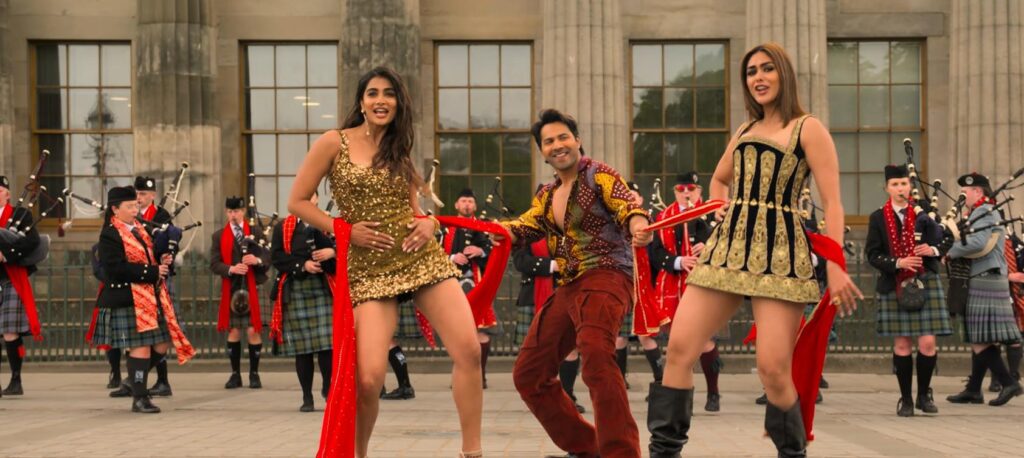
Q: You recreated the iconic Chunnari Chunnari for this film, a song with huge nostalgia attached to it. How did you approach it?
Recreating it with Pooja and Mrunal was definitely exciting. We actually first heard the track while we were in Scotland during the shoot. Ramesh created the song beautifully. The challenge was really about committing to the song and the situation in the film. The recreated version has been designed differently to suit the film’s comic tone and storyline. In our movie, the context is completely different: it’s a comedy. There’s a double-trouble situation happening, and that confusion itself creates the humour.
Q: The film has all the hallmarks of a classic David Dhawan entertainer. What was it like stepping back into that world for the fourth time?
The film has all the ingredients of a classic family entertainer: humour, confusion, music and heart. This is a perfect mix of comedy, love, confusion and family drama. For me personally, every collaboration with dad is special, but this one carries something extra for so many reasons.

Mrunal Thakur
Q: Why are you rejecting big film offers lately?
No matter how big the opportunity is, if I don’t connect emotionally with the story, I say no. Earlier, I used to feel scared about missing opportunities, but now I’ve understood that peace of mind and conviction are more important. I want to be proud of the films I choose. I don’t want to do films just because they are big-banner projects. The role should excite me as an actor.
Q: Why did you choose this comedy film?
After doing emotionally heavy films, I genuinely wanted to explore something lighter and more entertaining. Comedy is actually very challenging because timing matters so much, and that excited me. Working with David Dhawan Sir on a commercial entertainer was something I had never experienced before. This film gave me the chance to be more carefree on screen.
Q: What kind of roles do you want now?
I want flawed, unconventional characters. I don’t want women in films to exist only around the hero’s journey. I want stories where women have emotional depth, ambition, vulnerability and individuality. I’m attracted to characters that feel human and imperfect because audiences connect more honestly with them.
Q: How was working with Varun Dhawan?
Varun brings a lot of energy to the set. He’s constantly improvising and trying to make scenes more entertaining. That energy becomes infectious and helps everyone loosen up, especially in comedy scenes. His comic timing is excellent, and he makes co-actors feel comfortable.
Q: Was comedy difficult for you?
Honestly, not laughing during takes was the hardest thing. There were scenes where all of us would break character because the situations were so absurd and funny. Comedy looks effortless when done well, but while performing it, you realise how disciplined the rhythm and reactions need to be.
Q: You signed on to this film before knowing the script, the story, or even who your co-star would be. Walk us through that first meeting with David Dhawan Sir.
When I first met David Dhawan ji over a cup of chai, I had no idea what the film was, who the hero was, or what the story was. During that 45-minute conversation, sir told me just one thing: ‘You’re a good actor, and I want to present you with a role that will bring out the funny side of you as well.’ That was enough for me. I said yes right then.
Q: Comedy is a very different gear from the intense roles you’re known for. Did stepping into this film feel like a risk?
As an actor, if I were entering the comedy genre, especially as a commercial entertainer, it had to be a David Dhawan film. David, sir, I wish I had met you many, many moons ago so that I would have had more opportunities to work with you. In my head, I was thinking: ‘Sir, please sign me for three films at least!’
Q: Did this film change you as a performer?
I genuinely feel my comic timing has improved after this movie. I have to credit David, sir, for that. Describing the whole collaboration as a memorable learning experience doesn’t do it justice; it was transformative in ways I didn’t expect going in.
Pooja Hegde
Q: What specifically did David Dhawan Sir teach you about doing comedy on screen?
David sir, has always told us to act with conviction. He believes that we think quite a lot, and he’s advised us not to think much, because the idea is to spread laughter among the audience. That’s something I truly learned from David Sir. It sounds simple, but it’s actually the hardest note to follow because actors are trained to analyse everything.
Q: There’s something to be said about a leading woman holding her own in a full-blown comedy. Do you think Bollywood underestimates women in the comedy space?
I always feel that if a girl can do comedy, it’s a game-changer. Personally, I do love serious films, but every time I reach home after a hectic day of work, I always unwind by watching something that has comedy in it. There is a real craft in making people laugh, and I wanted to prove I could do it.
Q: Why did you sign this film?
A David Dhawan comedy has its own charm and energy. I’ve grown up watching these entertainers, so being part of that world was exciting for me. The script had madness, humour, music and family emotions: all the ingredients of a classic commercial entertainer. I wanted to experience this kind of fast-paced comedy space because timing and spontaneity are very important here.
Q: Who laughed the most during shoots?
Usually, Varun starts something, and then everyone breaks character. Once one person laughs, it becomes impossible to continue because the scenes themselves are already so chaotic. Sometimes we wasted more time laughing than actually shooting.
Q: Was the film physically demanding?
The songs and comic sequences required a lot of energy. In comedy, your body language, reactions and expressions are constantly active, so it becomes physically exhausting after a point. The dance numbers especially needed stamina because David Sir likes high-energy songs with full performance.