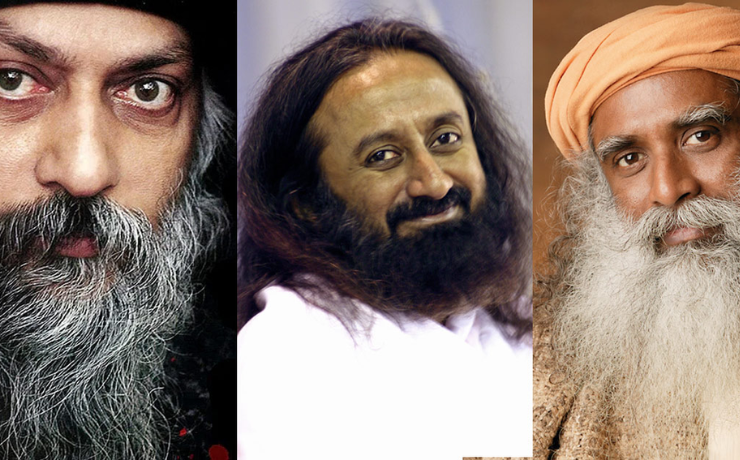
Modern Indian Yogis

The Modern Indian Yogis - Hashtag Magazine

India has always been a philosophical nation driven by the concept of learning and teaching. In this context, Indian yogis or better referred to as philosophers are revered and loved across nations and beyond. Here we present a few influential yogis with great spiritual essence and followers.

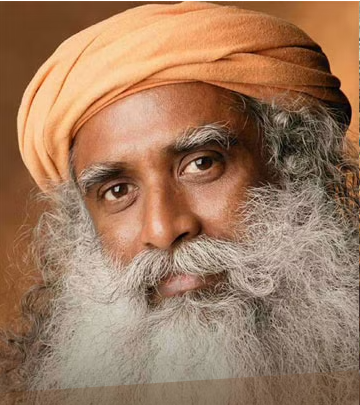
  1. Jagadish Vasudev

Fondly known as Sadhguru, Jaggi Vasudev is the perfect amalgamation of contemporary storytelling and ancient tales. A guru riding motorcycles, speaking impeccable English, witty with words and Indian in roots, Sadhguru has won the hearts of Indians and foreigners alike, with his philosophies explained suitably to the palette of the current generation.

Practising and preaching yogic sciences and spirituality, Sadhguru stays impactful through his activities that include ISHA Foundation, Rally for Rivers, Gramotsavam (Rural Games Festival), Education, Plantation, Agriculture, Ecology, Mental Health, Bike rally to understand native Americans and more. He is the most active and followed philosopher in the modern age living up to his name of “YouTube Guru” with his channel The Mystics of India and is an active Twitter member.

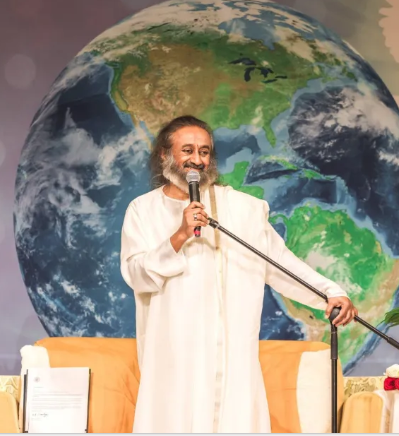
  1. Shri Shri Ravi Shankar

Famous for his teachings through “The Art of Living,” Shri Shri Ravi Shankar has the dream of building a world where people are content with themselves as well as with others. Standing apart from teachings solely focused on spirituality, Shri Shri Ravi Shankar’s interaction never adheres to any particular religion, caste, or creed. He also practices what he preaches through various programs supporting the economically and socially backwards and believes that spirituality magnifies basic human values.

  1. BK Shivani

More relevant and known by the name sister Shivani, BK Shivani is a member of the Brahma Kumari’s and is quite famous on social media through her outlook on life and philosophies. Coming from a background of Engineering and marriage, sister Shivani truly understands the two sides of life and searches for the answers of peace and contentment within oneself rather than from the reprieve gained from the materialistic world. Her speeches and seminars mostly concentrate on the motivational aspect urging the young generation as well as all those who follow her to find inner peace.

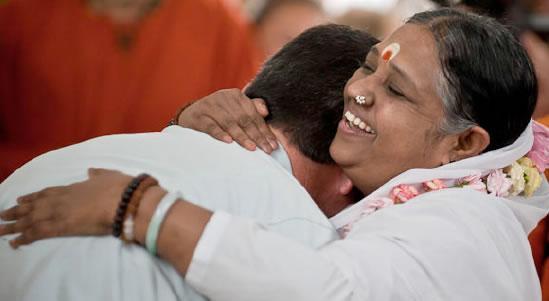
  1. Mata Amritanandamayi
Source:amma.org

Affectionately referred to as “Amma” meaning mother in most South Indian languages, Mata Ammritanandamayi is a spiritual guru with religious roots. With strong devotion towards her beloved deity Lord Krishna, Mata Amritanandamayi believes and preaches that knowledge,

action and devotion are the three elements that drive humanity towards a better and caring world. 

Her compassion is so great that people lovingly call her “Hugging Saint” for the affectionate hugs that she gives to those seeking her irrespective of their caste, creed, ethnicity, and religion. She believes that she has to serve the people and through these bring about changes in the world.

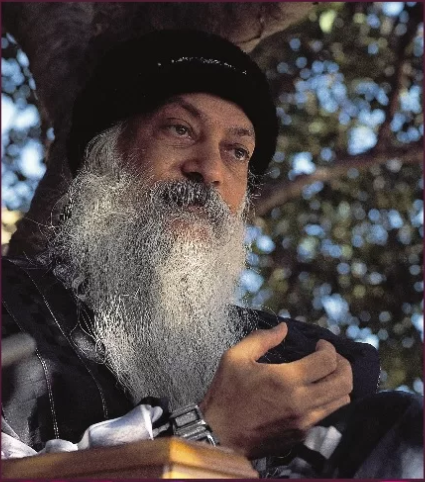
  1. Osho

Quite possibly the most controversial spiritual head to have ever existed is Osho. He is known, followed, and also scorned by various people of the society for his unique philosophies. With the given name Rajneesh, Osho is said to have attained the divine sate of Samadhi at the age of 21. He has not been aligned with any religion, but the philosophical nature embedded in the Indian culture. His teachings concentrate on importance of freethought, meditation, mindfulness, love, celebration, courage, creativity, humour, and sexual freedom, that according to the widely believed religious philosophies need to be absconded to understand the true nature of life which he opposed.

He has come to be known as the “Sex Guru” for his unconventional belief that sex is a natural part of life and does not have to be avoided for attaining spiritual fulfilment. He died on 19 January 1990 at the age of 58, but his teachings and philosophies live on through his disciples.

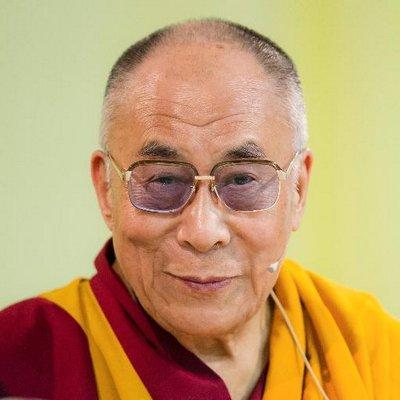
  1. Dalai Lama

The current Dalai Lama is undoubtedly belonging to both the countries of Tibet and India, and it is not an exaggeration to include his name in the list of the most followed spiritual gurus of India. A winner of the Nobel Peace Prize in 1989, Dalai Lama has a huge political impact though his teachings are based on Buddhist religious and spiritual practices. 

Believed to be the reincarnation of the previous Dalai Lama, the current Dalai Lama is revered in India and has conducted many seminars and humanitarian works in schools, colleges, offices, and other institutions around the world.

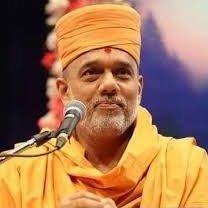
  1. Swami Gyanvatsal

Popularly known as the Management guru, Swami Gyanvatsal is the founder of Swami Narayan Sanstha, preaching the principles of unity, non-violence, selflessness, good karma, and faith according to Hinduism. He believes and implements that morality is the highest pinnacle of spirituality and urges everyone to follow Dharma. 

A mechanical engineer by profession and a saint by nature, Swami Gyanvatsal gives motivational speeches about stress management, depression, and even modern topics like how to be a good boss.

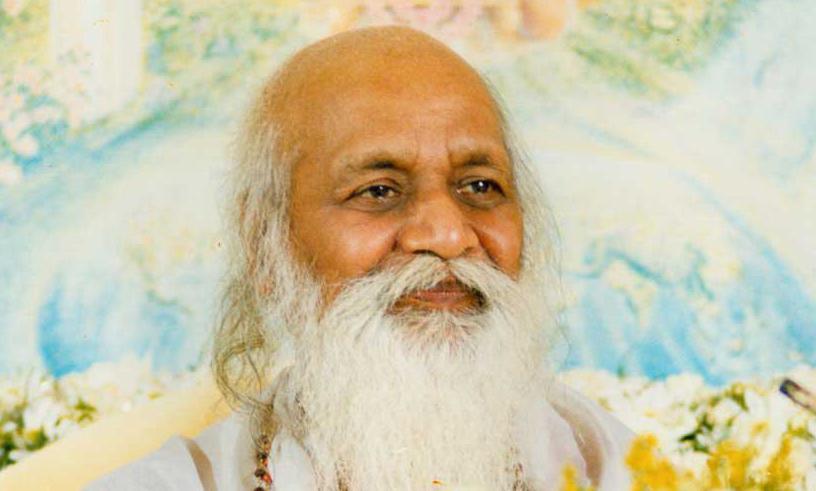
  1. Maharishi Mahesh Yogi

The pioneer of transcendental meditation, a meditation technique recommended even by psychologists, Maharshi Mahesh Yogi studied under Guru Dev for 13 years. He is the one who introduced this form of meditation to the Western world, specifically to America and Europe. The Beatles and other famous people once used this technique, but they have since left it. Nevertheless, it is still widely used to enhance mental health.

  1. Gaur Gopal Das

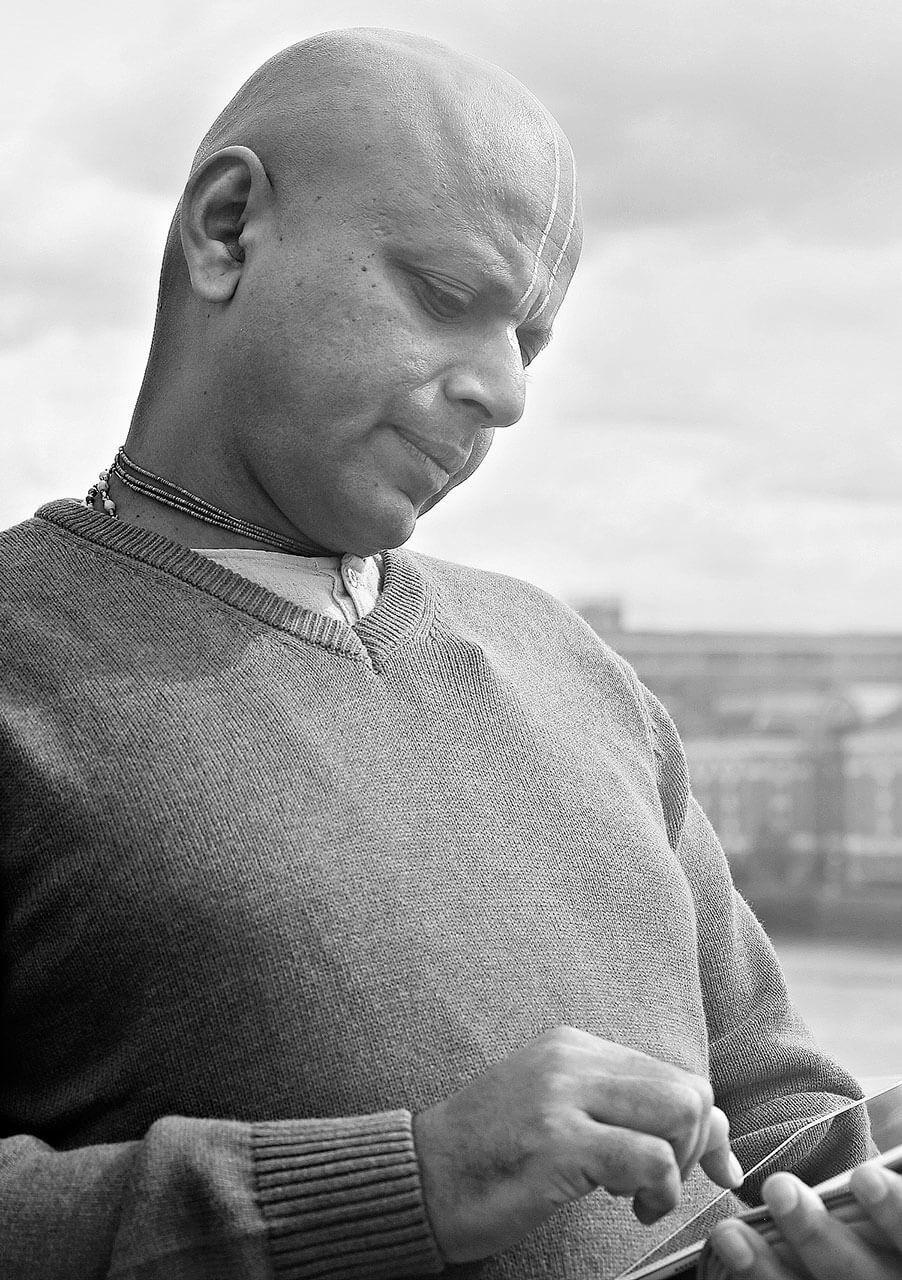
Better known as a monk, Gaur Gopal Das has been a practising monk for 23 years. Fulfilling the role of a storyteller, life coach, author and friend to millions, Gaur Gopal Das preaches and discusses spirituality and delivers motivational speeches. His logical anecdotes, humour and wit associated with Vedanta teachings have made him a great keynote speaker. His speech “The Monk who stole his Ferrari” at Ernst and Young, London is by far the most famous of his speeches.

  1. Swami Mukundananda

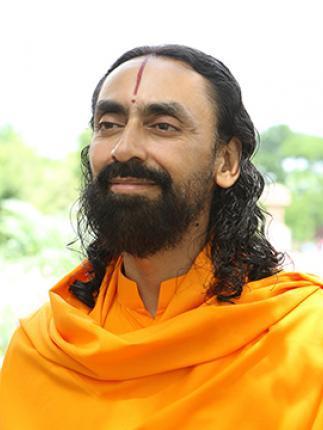
A spiritual leader who has a simplistic way of explaining scriptures, Swami Mukundananda has dedicated three-and-a-half decades of his life studying and practising the principles of mind management. He has great proficiency in Vedic scriptures, Upanishads, Bhagavad Gita, Bhagavatam and the Indian and Western systems of philosophy. His teachings explained in simple-yet-scientific approach, have garnered a large following worldwide.

Leave a comment

Your email address will not be published. Required fields are marked *

Dr. Geetanjali Chopra: Leading Wishes and Blessings NGO

Dr. Geetanjali Chopra is the Founder and President of the Delhi-based NGO Wishes and Blessings. Educated at Convent of Jesus and Mary School, Lady Shri Ram College, and later at Jawaharlal Nehru University, where she completed her Master’s and Doctorate in International Relations, her academic journey was further shaped by specialised training in International Law in the Netherlands and Italy. Raised in a family where service was embedded as a way of life, she recalls visiting a school for visually impaired children with her grandfather. One moment continues to define her path. “A little girl tugged my pant and asked, ‘Didi, mera birthday kab hota hai?’” she shares. The innocence of that question revealed a deeper truth, that deprivation is also about invisibility. “That question stayed with me,” she says, “and it continues to shape who I am today.” PURPOSE | Beyond Comfort, Toward Calling Before founding Wishes and Blessings, Dr. Chopra describes her life as “perfect, secure and stable.” She was writing policy papers, authoring books, and speaking at global forums. Yet a Holi celebration with visually impaired children shifted her perspective. “I realised my purpose extended beyond personal comfort or professional achievement,” she says. Established in 2014, the organisation works without discrimination of age, gender, religion or background. “For me, service is not charity, but partnership, listening first, and then responding.” DIFFERENCE | Leadership Through Presence Personal involvement defines her leadership. While dedicated teams manage projects, she remains closely engaged. “Service is much more than providing support; it is about building meaningful relationships,” she explains. Her approach centres on dignity and continuity. “It’s about standing beside them, not only in moments of need, but through every step of their lives.” THE BEGINNING | A Festival of Belonging After her grandfather’s passing, she returned to the school that shaped

Home-grown Sustainable Brands to look out for in 2025

With enterprises taking sustainability seriously, green business is no longer just a keyword. Whether sourcing fair-trade raw materials, creating a circular value chain, giving employment opportunities to locals, or reducing net zero emissions, these enterprises are going full throttle to ensure we do not need another planet, reviews Ketki Gadre. Sustainable Brands No Nasties No Nasties represents the perfect blend of style and sustainability, offering expressive and ethically responsible fashion. The brand is dedicated to making climate-conscious choices fashionable, ensuring its products are committed to trendsetting design and environmental stewardship. True to its name, No Nasties promises that its items are free from harmful components—no genetically modified seeds, carcinogenic pesticides, toxic dyes, or unethical business practices are involved in their production. The brand is one of the pioneering Indian enterprises that prioritizes transparency and offers detailed information about its supply chain. It uses soft and sustainable materials, such as 100% organic cotton terry fabric. Moreover, every product includes detailed information on its environmental impact—highlighting its carbon footprint, carbon offset, and water savings—all easily accessible on the website alongside each product description. The brand aims to create a consumer movement encouraging conscious choices for a better future. No Nasties has been certified by PETA, Good on You, and Green Story, and their factories are Fairtrade-certified. About the Founder: Apurva Kothari founded No Nasties in 2011. With a background in software engineering, Apurva transitioned into the ethical fashion space after recognizing the devastating environmental and social impacts of conventional fashion. Under his guidance, the company has championed using sustainable materials, ethical labour practices, and environmental impact awareness. Apurva’s vision extends beyond fashion, as he is a strong advocate for fair-trade principles and a circular economy, aiming to positively impact both people and the planet. Website: https://www.nonasties.in/ Instagram: https://www.instagram.com/nonasties/ Coco Leni Coco Leni

The Ultimate Social Media Guide for 2024

In the ever-evolving social media landscape, cracking the code to optimal posting time can be elusive. Fear not, wandering content creators, for this article shall serve as your guiding light through the maze of algorithms and audience engagement. Brace yourselves as we embark on a journey to master the art of social media timing for the year 2024. Social Media Post Guide Chapter 1: The Rhythm of Engagement Like a symphony, social media platforms thrive on the harmonious interplay of content and audience. To conduct this symphony with finesse, one must understand the rhythm of user activity. For example, let us take India, where the daily routines and cultural nuances paint a unique tapestry that influences when users are most receptive to your posts. Chapter 2: The Golden Hours Like the hidden treasures, the golden hours of social media promise maximum engagement. For Social media creators, these golden windows of opportunity appear strategically throughout the day. One important tip: As these are the highly engaging times to post your content on Social Media, many competitors will also post simultaneously. So schedule your post half an hour before the golden hours, which will put your post on the top when the golden hours start ticking. Chapter 3: The Art of Content Creation You have half the battle now that you know the best posting times. To truly conquer the complete kingdom of social media, one must master the power of content creation. Tailor your content to the diverse tapestry of audiences, catering to their interests, aspirations, and cultural nuances. Take India as an example and consider how we can create various types of content based on its locations. Chapter 4: The Art of Scheduling While timing and content are essential, scheduling cannot be overlooked. Let’s focus on scheduling tools to ensure

Rural Healthcare Solutions

Medyseva, a healthcare start-up dedicated to serving rural India, is led by Rachita Kasliwal, an alumna of Mayo College Girls School, Ajmer. Following her academic journey with a B.Com (Hons.) from Shri Ram College of Commerce and a PGDM from the Loyola Institute of Business Administration, Chennai, Rachita immersed herself in her family’s healthcare business. As the driving force behind Medyseva’s Marketing and Operations, Rachita champions the mission to provide accessible medical services to rural communities. Since July 2021, Medyseva has conducted over 3000 consultations, emphasizing preventive healthcare and hygiene practices for societal well-being. In conversation with Surabhi Goel, Rachita Kasliwal of Medyseva discusses bridging healthcare gaps in rural India through telemedicine. What motivated Medyseva’s creation, and how does it tackle rural healthcare challenges? When COVID-19 hit, people struggled to see doctors in person. As friends and relatives reached out for help consulting doctors remotely, initially to my husband, the scale of the issue dawned on us. Rural areas faced a severe shortage of healthcare resources, leaving residents with no viable options for medical consultations. Witnessing this, we recognized the potential to address this challenge through telemedicine solutions. In rural regions, limited access to qualified medical professionals often leads to residents seeking assistance from unqualified practitioners or enduring lengthy and costly journeys to nearby cities for treatment. Seeing how technology helped with online classes, we also decided to use it for healthcare. That’s how Medyseva was born, aiming to bring medical help to rural areas through telemedicine. As a female entrepreneur in health tech, what hurdles did you face founding Medyseva? The main challenge I faced was changing people’s mind set about telemedicine. Many still believe a doctor must see or touch them for a diagnosis. Consulting a doctor remotely seemed foreign in rural areas, where generations have relied on

You May Also Like

Connect with us