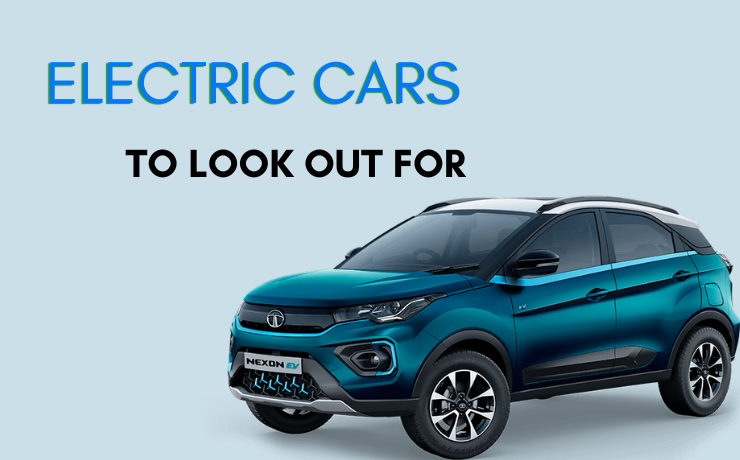
Electric Cars to look out for

Fully electric vehicles are better for the environment because fuel cars are damaging the environment with the noise and air pollution. To protect the environment from further damage automobile companies have come up with these new innovative electric cars which are affordable in price and equipped with the latest specifications. Electric vehicles are the future now and if you are planning to buy a new EV car, we have listed some of the upcoming EV cars launching this year in the automobile market.

Why are Electric Cars better than fuel cars?

  1. Electric cars are better than fuel cars as the maintenance cost is cheaper due to the simple structure and specifications. 
  2. Electric cars are silent functioning vehicles because the vehicles run on electric motors instead of engines and this functioning reduces noise pollution as well.
  3. If you buy an EV you don’t have to worry about the varying fuel prices in the country. You can conveniently charge the vehicle at your home. With fast charging options, the car will be fully charged in 60 mins.
  4. EVs are easy to drive because they are gearless and they come with a set of pedals for increasing or decreasing the speed.
  5. As EVs are the future of the transport system, some government systems are providing incentives to the ones who are buying an EV.

Several electric cars are releasing this year. Here are some of the electric cars to watch out for.

1) Tata Tiago EV

Tata Tiago EV was showcased at the 2018 Auto Expo Event. This is an electric car with a charging setup and a battery-powered mechanism. The Tata Tiago Electric version will be launched officially somewhere around Mid June 2022. The Tiago EV is expected to come with a 30kW electric motor with fast charging support. The Top speed of this vehicle is 100kmph with a 130km range on a full charge.
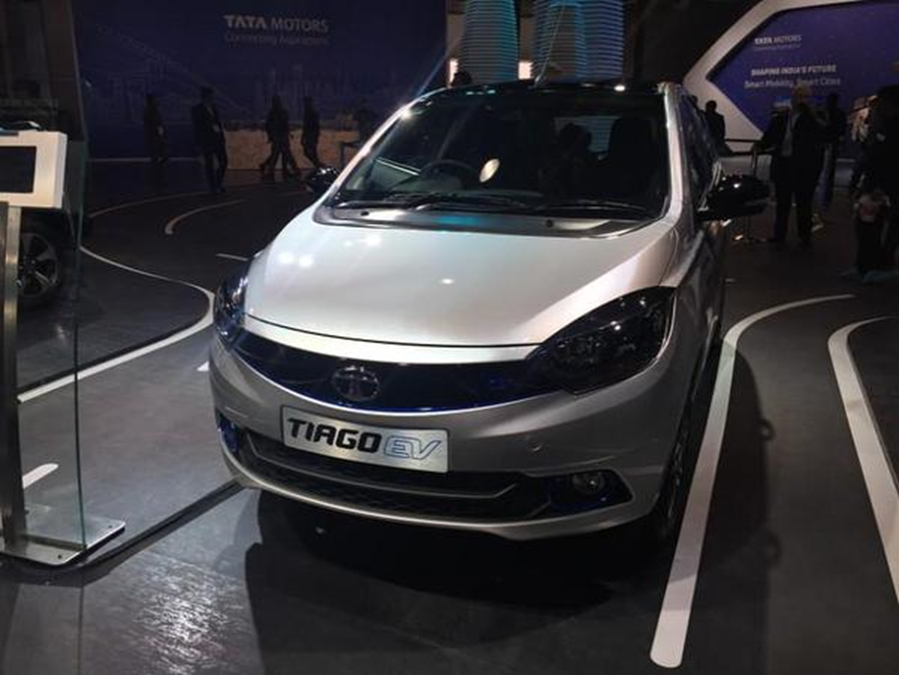
Launch Date: Mid June 2022(Expected), Price: Rs 5-7 Lakhs

2) Mahindra eKUV 100

Mahindra eKUV 100 will lead the electric car line up in Mahindra Company. The car comes with a six-seat setup with connectivity features like remote diagnostics, cabin pre-cooling, and real-time location. The powering of the vehicle is a 30kW Lithium-ion battery, and it can cover 140kms on a full charge. The battery charges very quickly in less than an hour.
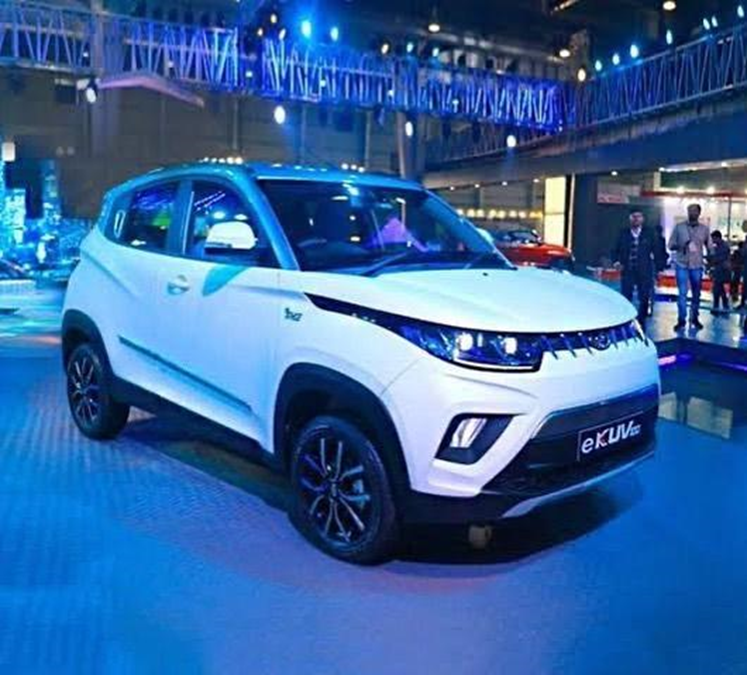
 Launch Date: Mid-June 2022. Price: Rs 8-10 Lakhs

3) Kia EV6

The new Kia EV6 is the first electric vehicle from Kia in India. The interesting features of this car are that EV6 is a premium car with wireless Apple Carplay and Android Auto with an 800V charging system and UVO Connect. The 14-Speaker Meridian audio system along with a panoramic sunroof and automatic climate control in the car makes it one of the futuristic electric cars to look out for. Kia EV6 battery can be fully charged in half an hour when it is connected to a 350KW fast charger.
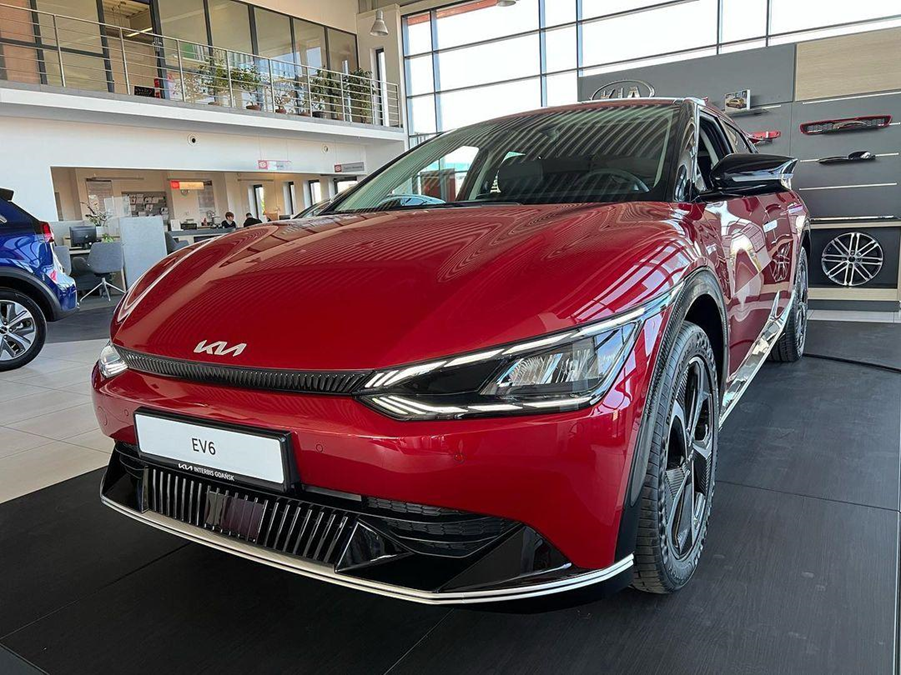
Launch Date: 15th June 2022. Price: Rs 65 Lakhs

4) Hyundai Kona Electric

Hyundai Kona Electric is one of the electric cars to watch out for. The car is expected to release on the market during August. Hyundai Kona is equipped with a 39.2 kWh lithium-ion battery which will be able to deliver a range of 452 Kilometers on a full charge. The car comes with extra safety with six airbags and the latest specifications like sensors, cameras, and driving mode.
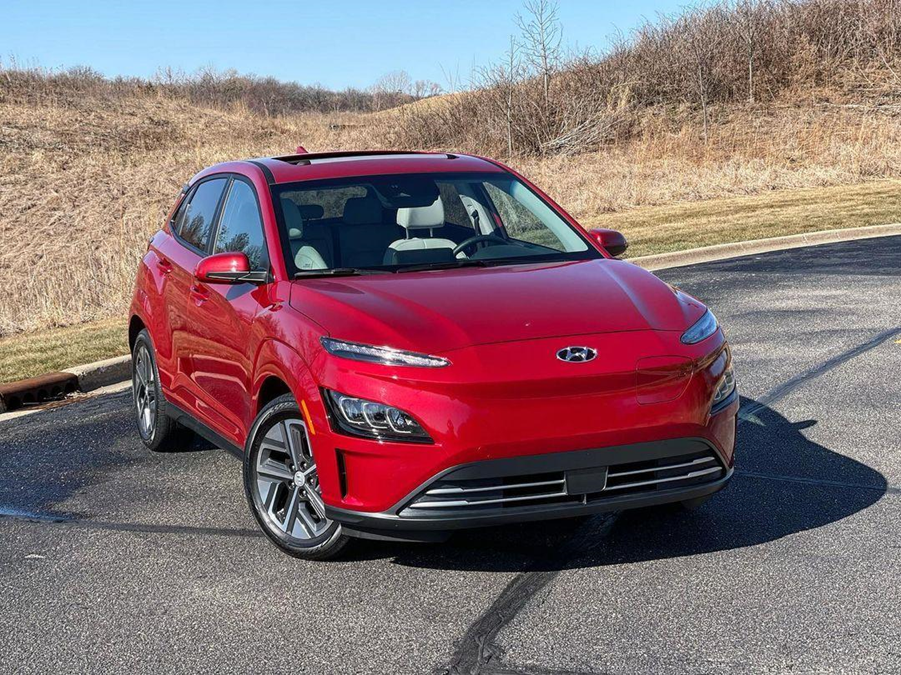
Launch date: August 2022. Price: Rs 24 Lakhs

5) Tata Altroz EV

Tata company showcased the electric variant of the Altroz car at the Geneva Motor Show in 2019. The car is expected to have some features from Nexon EV in terms of PDU, and battery pack. But the slight difference between the Altroz and Nexon is that Altroz will receive a different power output and the driving range is also increased to 300Kms on a single charge.
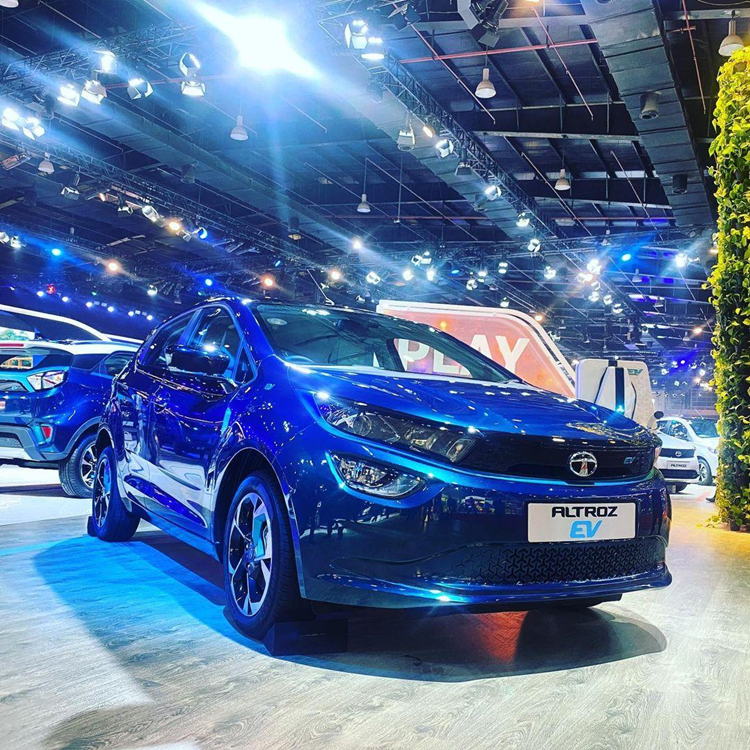
Launch Date: Mid 2022. Price: Rs 10 Lakhs

6) Mercedes Benz EQA

Mercedes Benz EQA is expected to release in India in May 2022. The car comes with international specifications like a 66.5kWH battery pack with a driving range of 426Kms on a single charge. The charging time for 10 to 80 percent is done in just 30 minutes with an output of 100kW with fast charging. If it is charged in charging stations it would take at least 5 to 6 hours to fully charge.
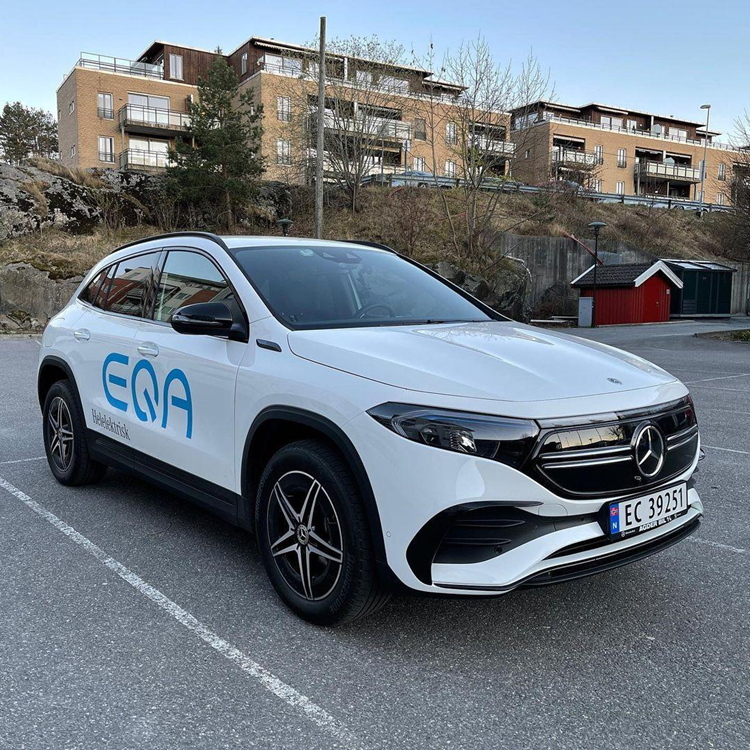
 Launch Date: May 2022. Price: Rs 60 Lakhs

7) Maruti WagnoR EV

Maruti WagnoR has been sent to test drives on Indian roads recently and very soon it will be released in the market. The WagnoR EV is expected to have a driving range of 180kms on a single charge. The battery charges up to 80% in an hour with fast charging capabilities. The car comes with Apple Car Play, Android Auto, rear parking sensors with a camera, dual front airbags, and electric folding ORVMS.
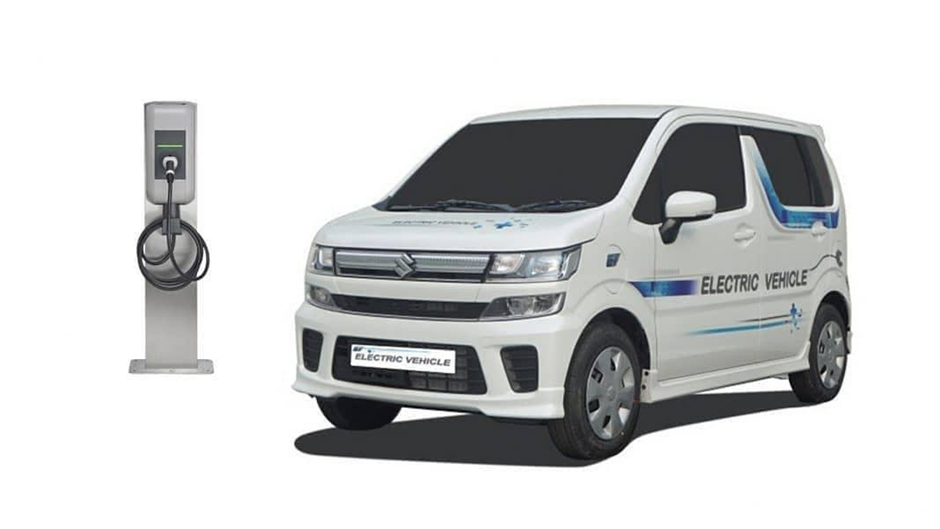
Launch Date: May or June 2022. Price: Rs 10 Lakhs

Conclusion

These are all the electric cars that will be released in 2022. Along with them, Tata Nexon EV, Audi E-Tron, MG ZS EV, and Jaguar I-Pace are also releasing very soon. Electric cars are no longer a gimmick now, soon they are going to take over transportation and reduce the pollution on the planet.

Leave a comment

Your email address will not be published. Required fields are marked *

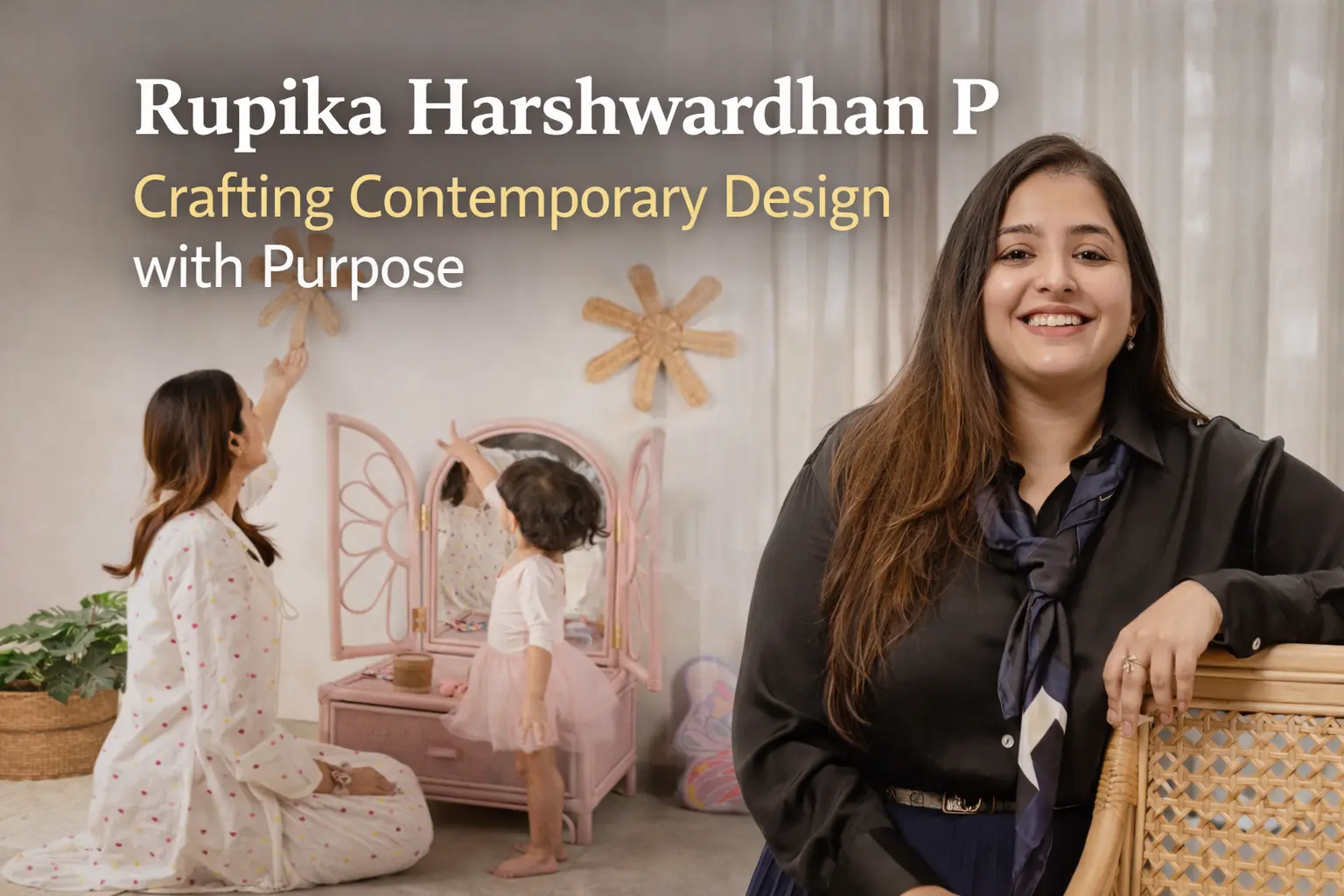
CINTA & Pantai Pura Founder Rupika Harshwardhan P

For Rupika Harshwardhan P, design has never been merely aesthetics; it is emotional architecture. A graduate of Srishti School of Art and Design, with further studies in art history at Chitrakala Parishad, her education trained her to see spaces as layered narratives shaped by material, form, and feeling. An early internship at Elle Decor India proved pivotal. It offered her an insider’s view of the design industry and crystallised a quiet but firm decision: she would not simply participate in design, she would build something of her own. Drawn instinctively to craft traditions and handmade objects, Rupika’s understanding of “home” is rooted in belonging. For her, furniture is not functional; it is memory made tangible. Brands Built on Meaning Rupika is the Founder and Creative Director of CINTA and Pantai Pura. CINTA, meaning “love,” is a children’s home décor brand centred on imagination and family bonds. Pantai Pura, “Sacred Beach,” explores natural harmony and mindful living. “I didn’t create these brands just to sell furniture,” she explains. “I wanted to change how we see materials and craftsmanship.” Her work bridges tradition and modernity, connecting artisan communities with contemporary homes. Particularly through CINTA, she reflects on how a child’s first furniture piece can become part of their emotional blueprint. Reimagining Rattan At the core of her practice is rattan, a material she champions for its agility, durability, and quiet elegance. Challenging misconceptions that it is dated or interchangeable with bamboo, Rupika reinterprets rattan through a contemporary lens while honouring traditional craft. Her approach rests on three pillars: craftsmanship, co-creation, and community. Designs are developed collaboratively with artisans, resulting in bespoke pieces that respond to real homes rather than fleeting trends. “Design is a conversation, not a monologue,” she says. From Online Beginnings to Experiential Spaces Both brands began online, where one

Dr. Geetanjali Chopra: Leading Wishes and Blessings NGO

Dr. Geetanjali Chopra is the Founder and President of the Delhi-based NGO Wishes and Blessings. Educated at Convent of Jesus and Mary School, Lady Shri Ram College, and later at Jawaharlal Nehru University, where she completed her Master’s and Doctorate in International Relations, her academic journey was further shaped by specialised training in International Law in the Netherlands and Italy. Raised in a family where service was embedded as a way of life, she recalls visiting a school for visually impaired children with her grandfather. One moment continues to define her path. “A little girl tugged my pant and asked, ‘Didi, mera birthday kab hota hai?’” she shares. The innocence of that question revealed a deeper truth, that deprivation is also about invisibility. “That question stayed with me,” she says, “and it continues to shape who I am today.” PURPOSE | Beyond Comfort, Toward Calling Before founding Wishes and Blessings, Dr. Chopra describes her life as “perfect, secure and stable.” She was writing policy papers, authoring books, and speaking at global forums. Yet a Holi celebration with visually impaired children shifted her perspective. “I realised my purpose extended beyond personal comfort or professional achievement,” she says. Established in 2014, the organisation works without discrimination of age, gender, religion or background. “For me, service is not charity, but partnership, listening first, and then responding.” DIFFERENCE | Leadership Through Presence Personal involvement defines her leadership. While dedicated teams manage projects, she remains closely engaged. “Service is much more than providing support; it is about building meaningful relationships,” she explains. Her approach centres on dignity and continuity. “It’s about standing beside them, not only in moments of need, but through every step of their lives.” THE BEGINNING | A Festival of Belonging After her grandfather’s passing, she returned to the school that shaped

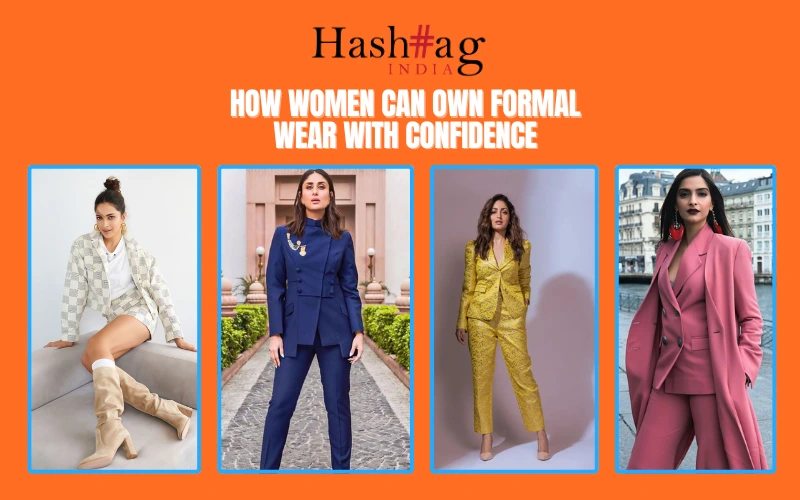
Power Dressing 2025: How Women Can Own Formal Wear with Confidence

Power dressing is no longer about boxy blazers and stiff formals it’s about striking a balance between authority and style. Today’s formal wear for women reflects individuality, inclusivity, and modern flair, making it perfect for boardrooms, networking events, and even hybrid workspaces. The key? Dressing smart while staying authentic. 1. The New Rules of Power Dressing Fit is Everything: Tailored Silhouettes are back. Invest in well-fitted trousers, blazers, and dresses that complement your body type. Monochrome Magic: Neutral palettes (beige, cream, navy, black) remain timeless, but bold single-tones like emerald, cobalt, or burgundy are trending. Comfort with Structure: Think stretch fabrics, breathable cotton-blends, and soft linen with sharp cuts robust yet wearable. 2. Key Trends in Women’s Formal Wear Relaxed Blazers: Oversized yet structured blazers paired with slim trousers or skirts. Statement Shirts: Ruffles, asymmetrical collars, or tie-up necklines that add flair without being loud. Wide-Leg Trousers: High-waisted, floor-grazing trousers elongate the frame while exuding confidence. Skirt Suits: Pair pencil skirts and A-line midi skirts with blazers for a feminine twist. Minimalist Accessories: Sleek belts, layered chains, or geometric earrings that enhance but don’t overpower. 3. How to Wear Formal Wear Right Balance Masculine & Feminine: Pair a strong-shouldered blazer with soft silk blouses or delicate heels. Invest in Classics: A crisp white shirt, tailored black trousers, and a navy blazer form the foundation of a classic power look. Shoes Matter: Block heels, loafers, or pointed-toe flats comfort without compromise. Play with Prints (Sparingly): Pinstripes, houndstooth, or checks add character while maintaining a professional look. 4. Accessories & Grooming for the Win A structured handbag or tote keeps things polished. Watches remain the ultimate power accessory. Groomed hair (sleek buns, soft waves) and neutral-toned makeup complete the look. Pro Tip: True power dressing isn’t just about clothes it’s about wearing

Open Marriage: What the Law Says in India

In a time where conversations around love, relationships, and commitment are evolving rapidly, open marriages have started entering the mainstream discussion — often met with equal parts curiosity and judgment. Popularized by celebrity revelations and global media, the idea of consensual non-monogamy within a legally recognized marriage is no longer taboo, though still controversial. Hashtag magazine explores what open marriages really are, the potential pros and cons, and where Indian law stands on the subject.  What Is an Open Marriage? An open marriage is a consensual agreement between spouses that allows either or both partners to have sexual or emotional relationships outside the marriage — without it being considered cheating. The key component is mutual consent and communication. It differs from infidelity or extramarital affairs, as both partners are aware and accepting of the arrangement.  Pros of an Open Marriage 1. Honest Communication To make an open marriage work, partners need to have open, honest, and deep communication. This can lead to stronger emotional transparency and reduced chances of deception. 2. Personal Freedom Some people feel constrained by lifelong monogamy. Open marriages may offer them the ability to explore their identities, desires, and attractions — while still being emotionally and legally committed to their spouse. 3. Better Conflict Resolution Surprisingly, couples in open marriages often report better conflict resolution skills, as constant communication and negotiation become second nature. 4. Avoiding Sexual Stagnation Over the years, some couples report a loss of physical intimacy. An open marriage may help maintain physical excitement without ending the relationship. 5. Emotional Security If done with consent and care, it can reduce insecurities as the primary emotional bond stays intact while physical exploration is allowed outside the marriage.  Cons of an Open Marriage 1. Jealousy and Insecurity Despite rules and agreements, jealousy often creeps in. Managing emotional responses can be challenging, especially if one partner feels replaced or less valued. 2. Risk of Emotional Attachment Even

You May Also Like

Connect with us