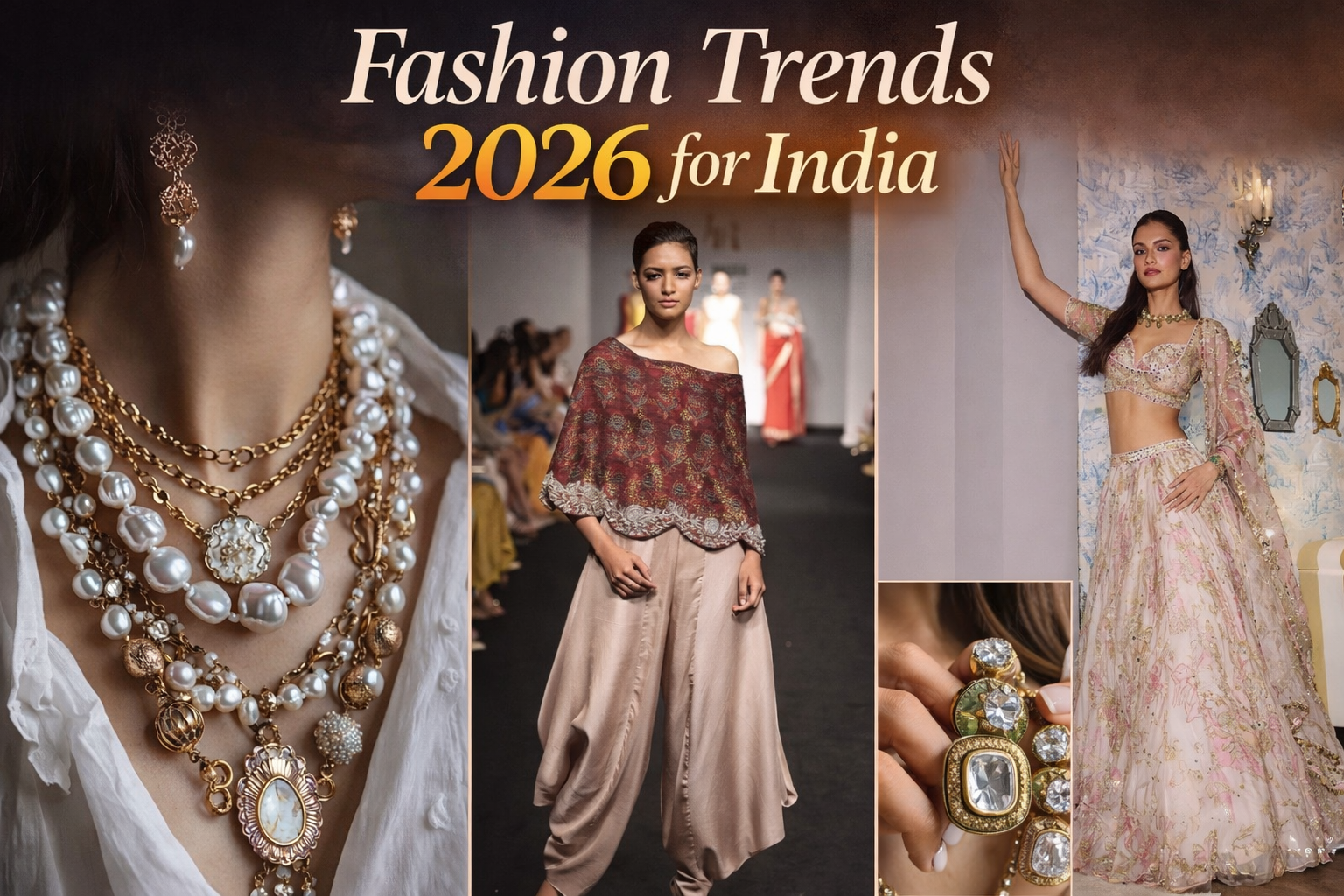
Fashion Trends 2026 for India

As India’s fashion ecosystem matures at the intersection of culture, technology, and sustainability, 2026 is poised to be a defining year. Below is a structured outlook on the key fashion trends expected to shape India this year…

Sustainable Fashion Becomes the Default, Not the Differentiator

By 2026, sustainability will no longer be a niche or premium positioning in India—it will be an expectation.

  • Materials: Increased adoption of organic cotton, bamboo blends, banana fibre, hemp, and recycled polyester.
  • Practices: Circular fashion models—resale, repair, and upcycling, and rental— gain mainstream traction.
  • Consumer mindset: Shoppers demand transparency around sourcing, labour practices, and carbon footprint.

Brands that fail to integrate sustainability at the core level risk losing relevance, particularly among Gen Z and urban millennials.

Indian Craft Revival with a Modern Lens

Indian fashion in 2026 doesn’t abandon tradition; it reinvents it:

  • Handloom fabrics and artisanal textiles such as khadi, chanderi, and bandhani are being updated with modern cuts and silhouettes.  
  • Ethnic pieces like sharara and gharara bottoms return with drama and movement, balanced by shorter kurtas or attached cape drapes.  
  • Indo-western blends—co-ord sets, dhoti pants with crop tops, and sari gowns—continue to appeal to younger gen.  This trend reflects India’s fashion duality: honouring heritage while embracing global styling sensibilities.

Fluid Fashion and Gender-Inclusive Design

Gender boundaries in Indian fashion continue to dissolve, becoming more visible and commercially viable in 2027

  • Silhouettes: Kurta dresses, dhoti pants, oversized shirts, co-ord sets, and draped forms designed without gender labels.
  • Retail evolution: Gender-neutral sections in both online and offline stores.
  • Cultural impact: Particularly strong among urban youth and creative professionals.

This shift reflects broader social acceptance and a move toward personal expression over conformity.

Statement Accessories and Maximalist Flourishes

While minimalism remains influential, accessories in 2027 are loud and expressive:

  • Brooches, once relegated to formals, have made a comeback as chic focal pieces—pinned on blazers, hats, or bags.  
  • Animal prints beyond leopard—zebra, snake, and cow—are emerging as fashion accents in both western and traditional wardrobes.  
  • Maximalist accessories such as wide belts, oversized bangles, and layered jewellery are trending globally and influencing Indian style narratives.  

These bold accents allow everyday outfits to feel intentional and expressive, especially on social and festive occasions.

Occasion Wear Gets Versatile

Formal and festive wear in 2027 reflects a lighter, more functional approach:

  • Bridal hues shift toward softer, photo-friendly shades that feel timeless, such as muted rose, deep plum, and champagne beige.  
  • Statement blouses, fusion drapes, and simplified embroidery balance elegance with wearability.  

Celebratory fashion now blends comfort with ceremony, appealing to both traditional and globalized tastes.

Calm Luxury via New Colour Narratives

The palette dominating 2027 leans toward serenity and sophistication.

  • Pantone’s Colour of the Year 2026—Cloud Dancer, a refined off-white—signals a move toward subtle, versatile neutrals that elevate any outfit.  
  • Trend forecasts also highlight icy blues, soft pastels (ballerina pink, sage), and muted earth tones as powerful colour anchors for the season.  

What this means for India: Gentle hues complement traditional fabrics like silk and cotton, and work beautifully in both ethnic wear and western pieces. Pastels and neutrals are expected to become wardrobe multipliers from daywear to evening looks.

Leave a comment

Your email address will not be published. Required fields are marked *

5 Viral Shopping Apps Dominating Gen Z Trends

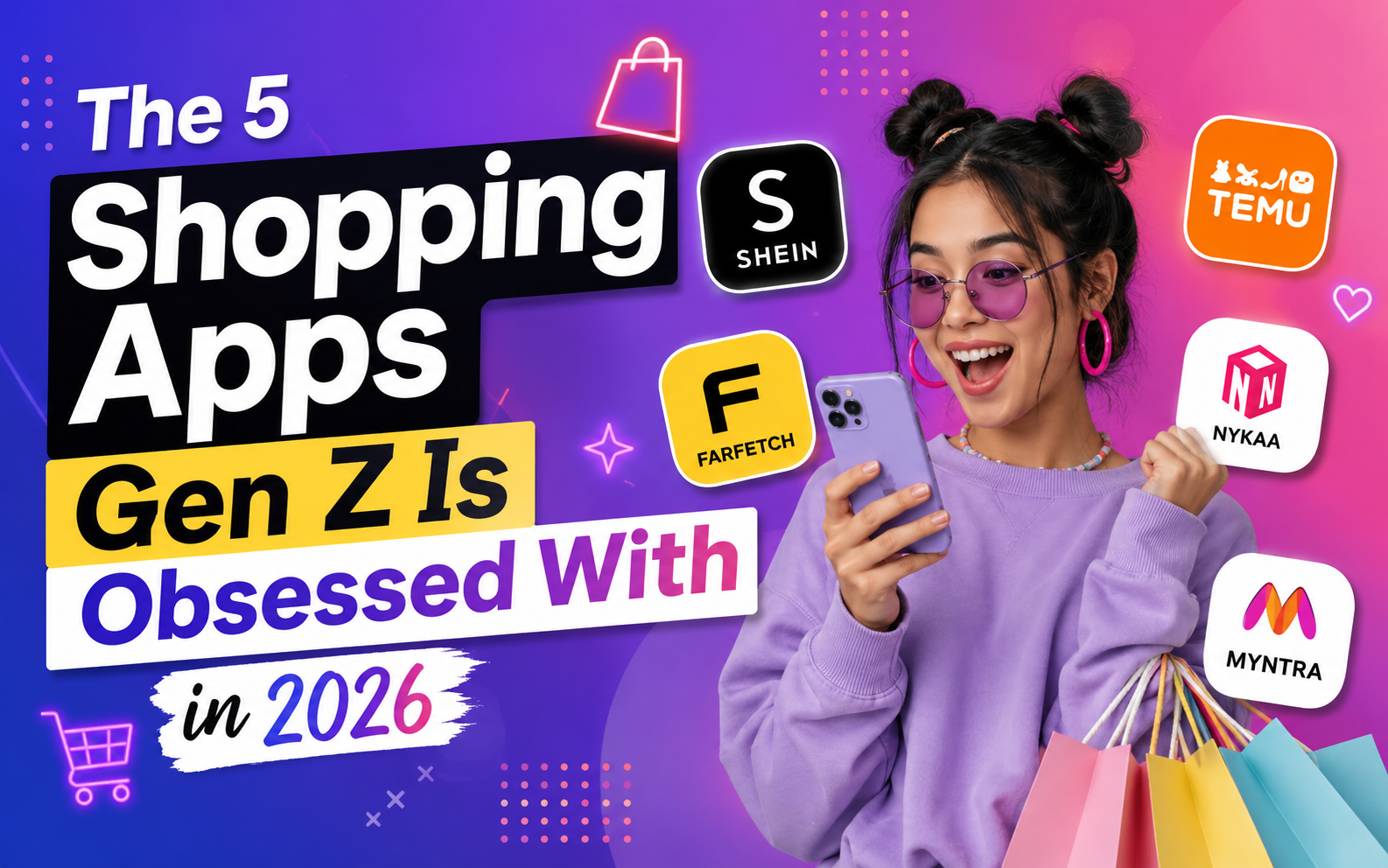
Gen Z shopping in India is fast, trend-driven and completely digital, with fashion apps shaping what’s in and what’s out. From viral styles to budget-friendly finds, these platforms make it easy to build a wardrobe with just a few taps. Here are five of the best shopping apps Gen Z is obsessed with right now, curated by Sunerii Vennam. Shopping today goes far beyond malls and offline stores. With just a few taps, you can build an entire wardrobe, whether it’s trend-led pieces or a carefully curated personal style. From Y2K revivals to ever-evolving microtrends, fashion is moving faster than ever. And somehow, our carts are filling up even faster. From aesthetic outfits to budget-friendly basics, these are the five apps Gen Z in India can’t get enough of right now. Savana: The Rising Favourite Savana has become a go-to app for people chasing trendy, Pinterest-inspired looks because it’s not just budget-friendly but also known for its new type of sales almost every week. This makes Savana one of the best apps for buying daily essential outfits or the best outfit maker for your next event. The app stands out because its collections often match current trends, making it popular among shoppers who enjoy experimenting with styles. Sunerii’s Favourites: Unique tops and versatile jewellery Newme: Fashion That Understands Gen Z Newme feels like an app built specifically for younger shoppers. The styles are bold, trendy and often inspired by what is currently popular online. The main fan favourites from this store are dresses and bodycons. Newme is expanding its base by also opening offline stores in multiple states across the country, such as Hyderabad, Bangalore, Delhi and more. If keeping up with trends is important, Newme has become a familiar name. Sunerii’s Favourites: Bodycon dresses and hoodies/ sweatshirts Littlebox India:

Best Summer Fashion Outfits 2026

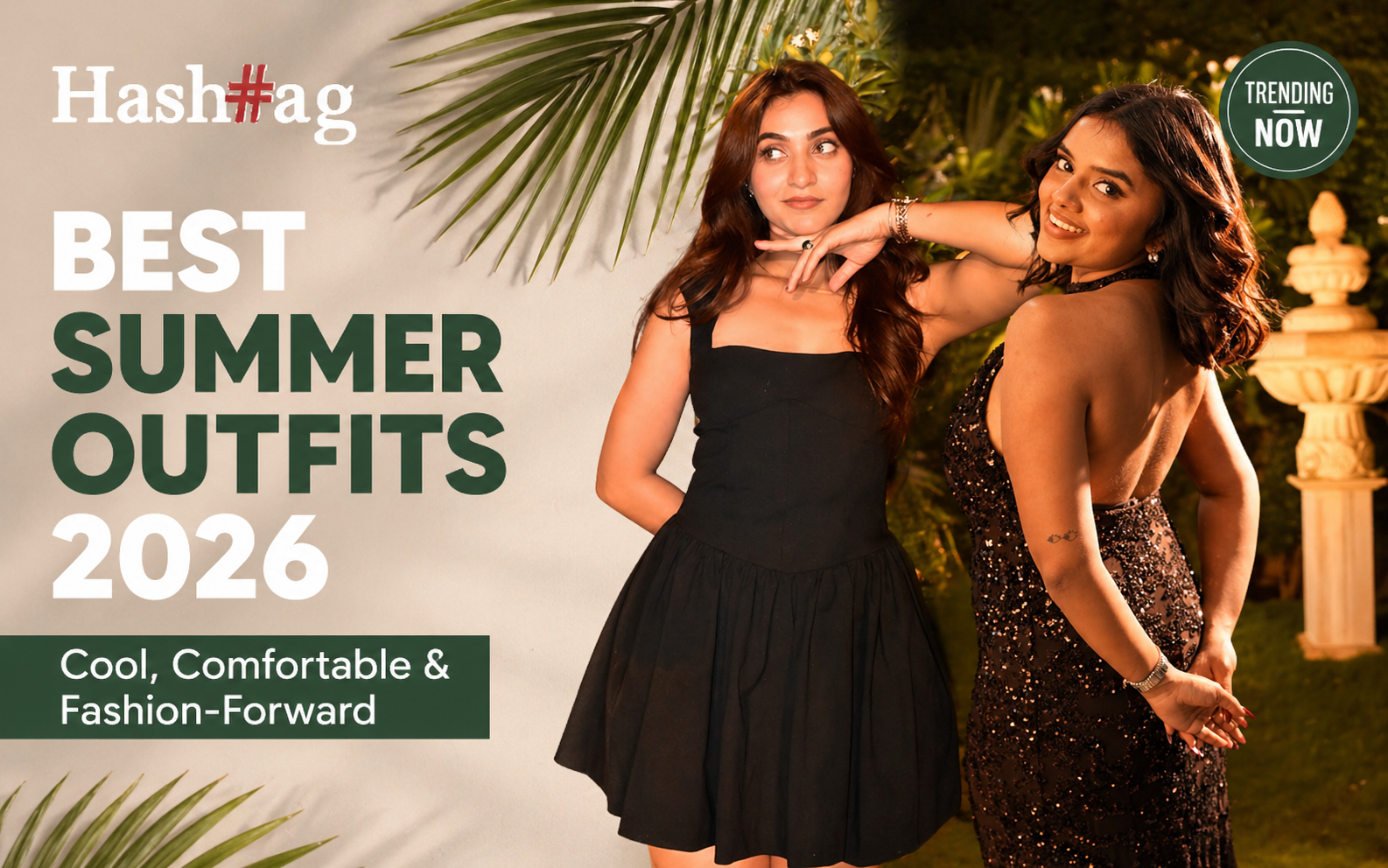
Wondering what to wear this summer? Hashtag Magazine brings you effortless style tips from fashion creators to help you stay cool, chic, and on-trend all season long. Jahanvi Tiwari, Mumbai YouTuber & Beauty Content Creator Jahanvi Tiwari, the face behind Thebrowndaughter, has built a strong voice in the beauty and lifestyle space with a community of nearly 1.5 million followers. Known for her authentic approach and focus on representation, her style reflects ease, confidence, and trend awareness. Her Summer Essentials: Linen Love: Invest in breathable linen trousers and shirts easy, elevated, and perfect for the heat. Soft Colour Palette: Think butter yellow, baby pink, and light blue for a fresh, summery feel. Maximalist Accessories: Pair minimal outfits with bold bangles, rings, or waist chains to add personality. Deepa Rani, Delhi Fashion & Lifestyle Creator Deepa Rani is known for her minimal, refined aesthetic rooted in simplicity and authenticity. Her style leans toward timeless pieces that feel both elegant and practical. Her Summer Style Guide: Breathable Fabrics First: Choose linen, cotton, and mulmul over synthetics for a luxe yet comfortable look. Relaxed Silhouettes: Flowy trousers, oversized shirts, and co-ords keep things polished yet easy. Minimal Accessories: Opt for dainty gold jewellery, a classic tote, or sleek sunglasses less is more. From breezy fabrics to statement details, summer dressing is all about balance comfort meets style, with a touch of individuality.

Lakmé Fashion Week 2026: Designers Shaping the Future of Indian Fashion

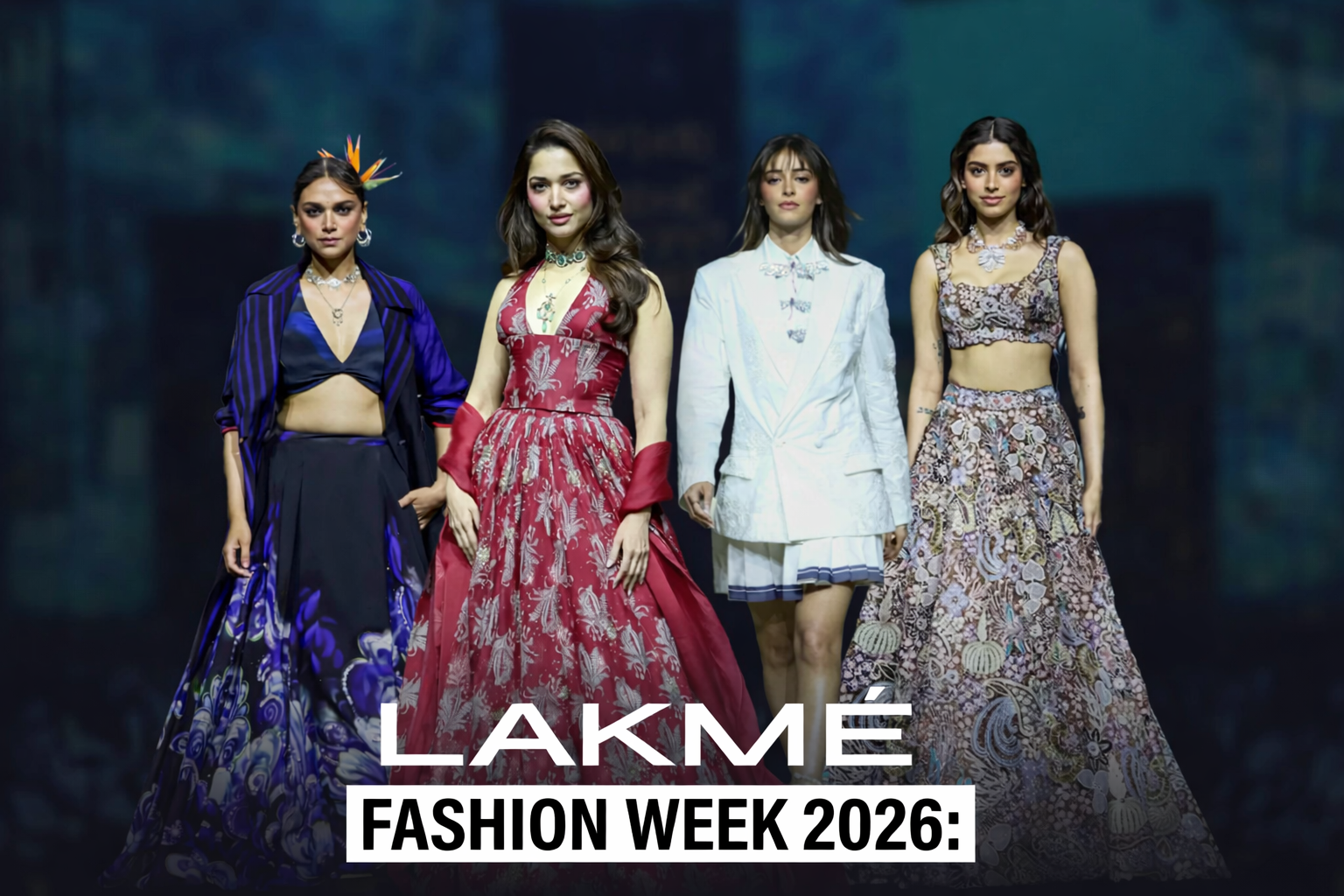
At Lakmé Fashion Week March 2026, Indian fashion moved beyond spectacle into a more process-driven, thoughtful era. This season wasn’t just about trends; it was about how clothes are made, who makes them, and why they matter. From artisanal revival to futuristic textiles, designers showcased a powerful blend of sustainability and innovation. Hashtag magazine gives you the key highlights Péro by Aneeth Arora: Out of Office Background: Known for “international clothing with an Indian heart,” Aneeth Arora focuses on artisanal, handmade textiles. Collection Spotlight: The runway was transformed into a theatrical office space complete with desks and telephones. The collection used a strict palette of blue and white to reimagine rigid workwear as playful, comfortable attire. USP: Sartorial theatre that addressed the modern work-life balance through hand-embroidered, “carefree” garments. Manish Malhotra: Luxury Prêt & Accessories Debut Background: India’s premier bridal couturier, Malhotra, is famous for his cinematic glamour and association with Bollywood. Collection Spotlight: This show marked his first dedicated luxury prêt (ready-to-wear) line and the launch of MM Accessories. The collection focused on “Quiet Luxury”, multi-wear separates and travel-ready couture. USP: Lifestyle Branding. A pivot from heavy bridal couture to a versatile, modern wardrobe that maintains his signature “timeless glamour”. AFEW by Rahul Mishra: White Gold Background: Mishra is a global pioneer in sustainable luxury and was the first Indian to win the International Woolmark Prize. Collection Spotlight: In partnership with SUPIMA, this collection explored the ecology of cotton. Motifs included dragonflies, marigolds, and insects, all hand-embroidered on fine cotton and Chanderi weaves. USP: “Cotton into Couture.” Repositioning humble cotton as a high-luxury fibre through artisanal density and a quieter, more restrained aesthetic. Amit Aggarwal: Orizon Background: A master of structured, architectural fashion who uses recycled materials and signature metallic polymer strips. Collection Spotlight: In collaboration with Indriya Jewels,

Gold Is Back: Why Classic Jewellery Is Regaining Its Shine in 2026

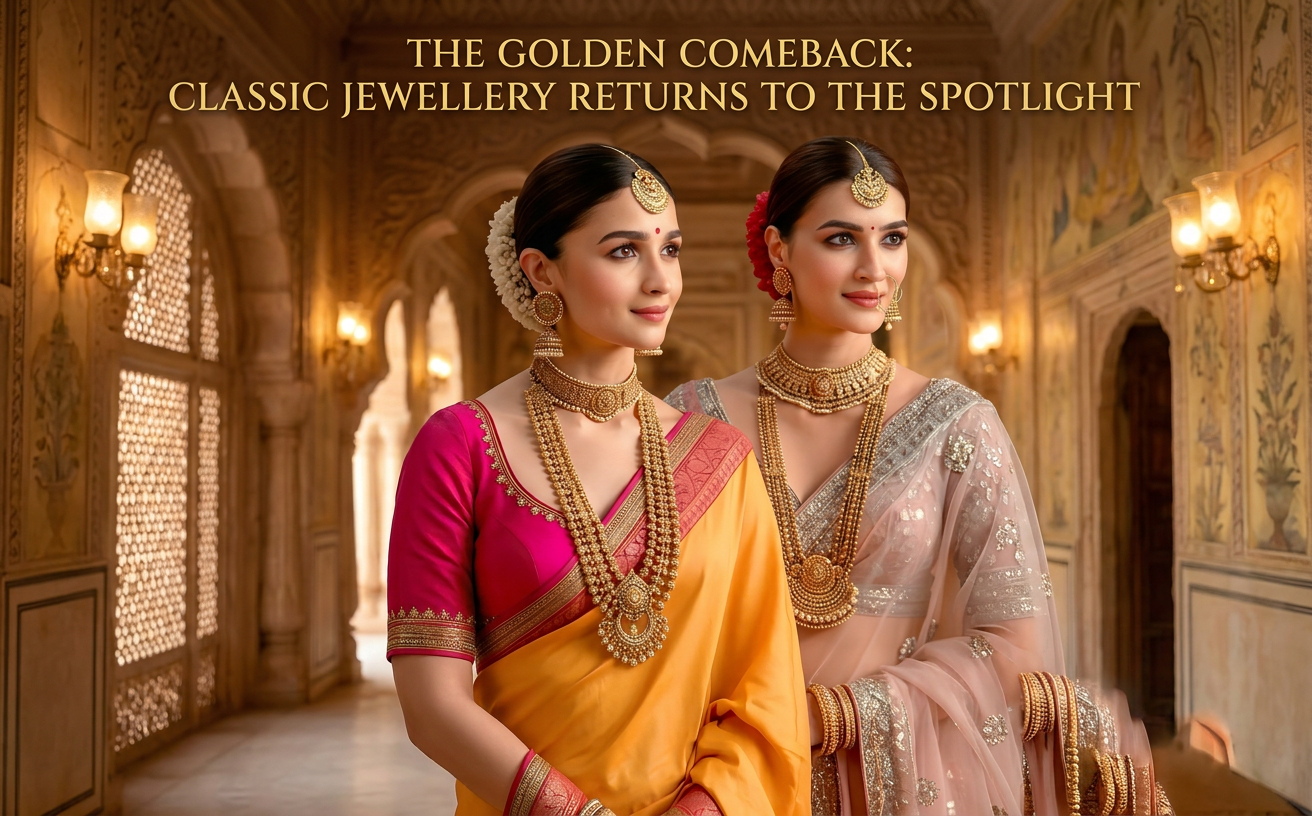
For the past decade, the jewellery industry has seen waves of change. Artificial jewellery, minimalist designs, and the rapid rise of lab-grown diamonds have transformed consumer preferences, especially among younger buyers looking for affordable luxury. Yet in 2026, gold jewellery is quietly reclaiming its throne. From weddings to everyday fashion and even men’s accessories, gold is experiencing a powerful resurgence not just as ornamentation, but as a trusted investment. The Investment Factor One of the biggest reasons for gold jewellery’s comeback is simple: stability. While diamonds and lab-grown alternatives have gained popularity due to affordability, they often lack strong resale value. Gold, on the other hand, remains a tangible asset that can be sold, exchanged, or passed down generations. This financial security has made gold increasingly attractive to modern buyers who want jewellery that doubles as an investment. During recent wedding seasons in India, jewellers have reported rising demand for plain gold jewellery in 22K, 18K and 14K forms as buyers prioritise long-term value over heavily diamond-studded pieces. With gold prices steadily climbing in recent years, many consumers now view gold jewellery as a form of wearable wealth something that carries emotional significance while also retaining monetary value. Celebrity Influence and the Wedding Effect Celebrity culture continues to play a major role in shaping jewellery trends. A recent example is the high-profile wedding of actors Rashmika Mandanna and Vijay Deverakonda, which sparked widespread discussion about heritage jewellery. The couple’s wedding looks prominently featured elaborate handcrafted gold pieces inspired by South Indian temple architecture. Rashmika reportedly wore eleven pieces of traditional gold jewellery, while Vijay made headlines for embracing bold groom jewellery including layered necklaces, ear studs, cuffs and other royal-inspired ornaments. Their wedding highlighted something significant: gold jewellery is no longer just for brides. Men Are Embracing Jewellery Again Historically,

You May Also Like

Connect with us