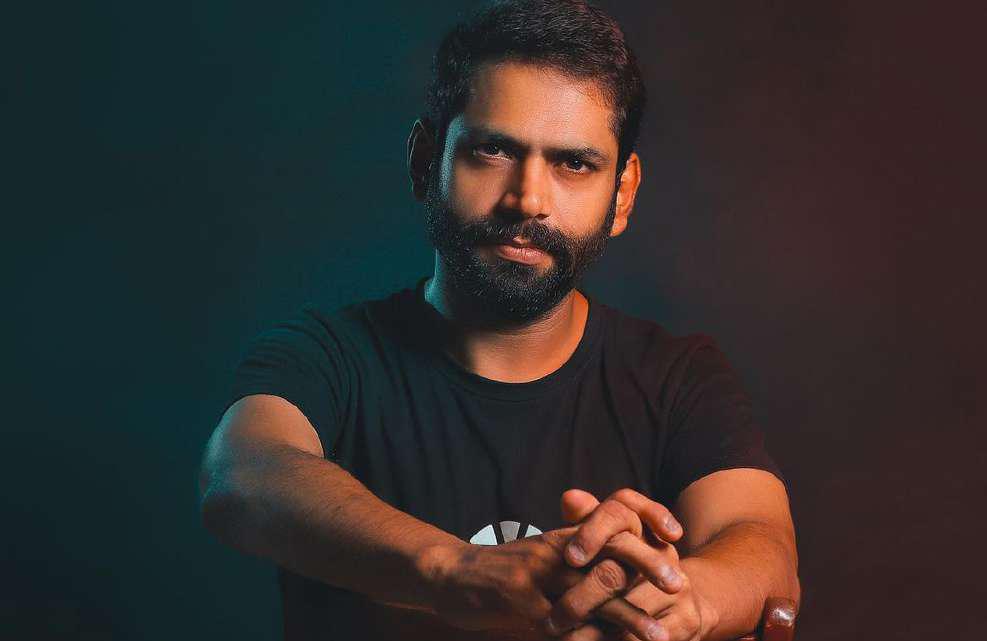
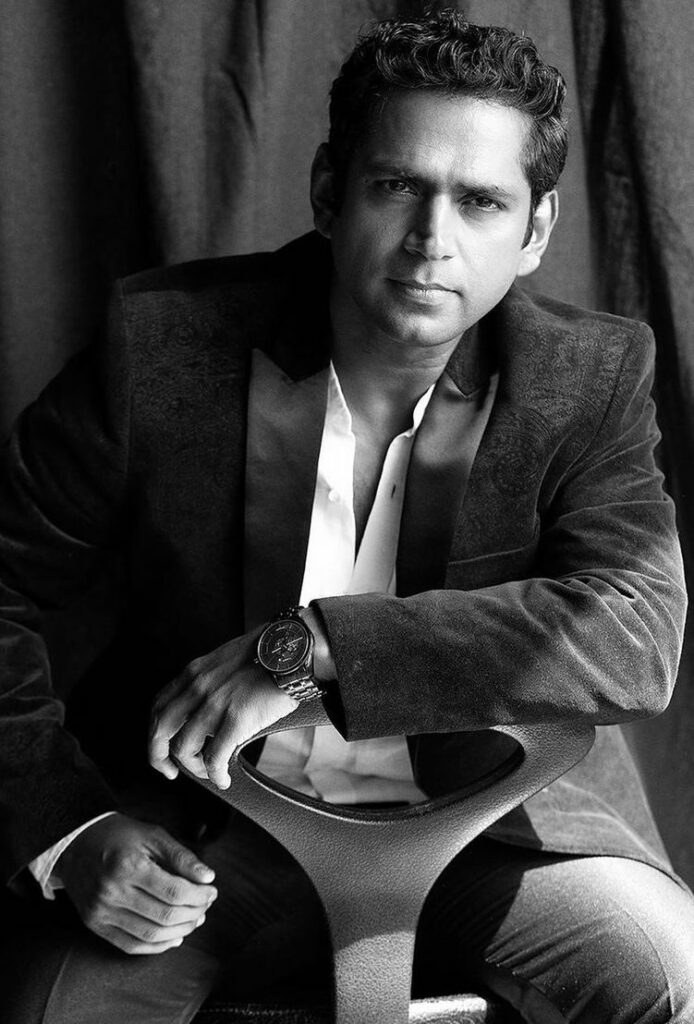
Sharib Hashmi – Shining Brighter

With his role as ‘JK’ in The Family Man, SHARIB HASHMI has not only won many hearts but has become a household name. In a conversation with AAKANKSHA BAJPAI he speaks about his journey in the film industry.

The second season of The Family Man had the audience finding themselves in tandem with the characters. In this journey, we also found our omnipresent friend ‘JK’ in Sharib Hashmi.

His breakout role is credited to the Amazon Prime series, but we have seen him grace our screens many times. Alongside playing the lead role in the 2012 film Filmistaan, Hashmi has also starred in Jab Tak Hai Jaan, and Slumdog Millionaire, alongside OTT performances in Asur and Scam 1992. We learn from the actor about his upcoming projects and his journey so far.
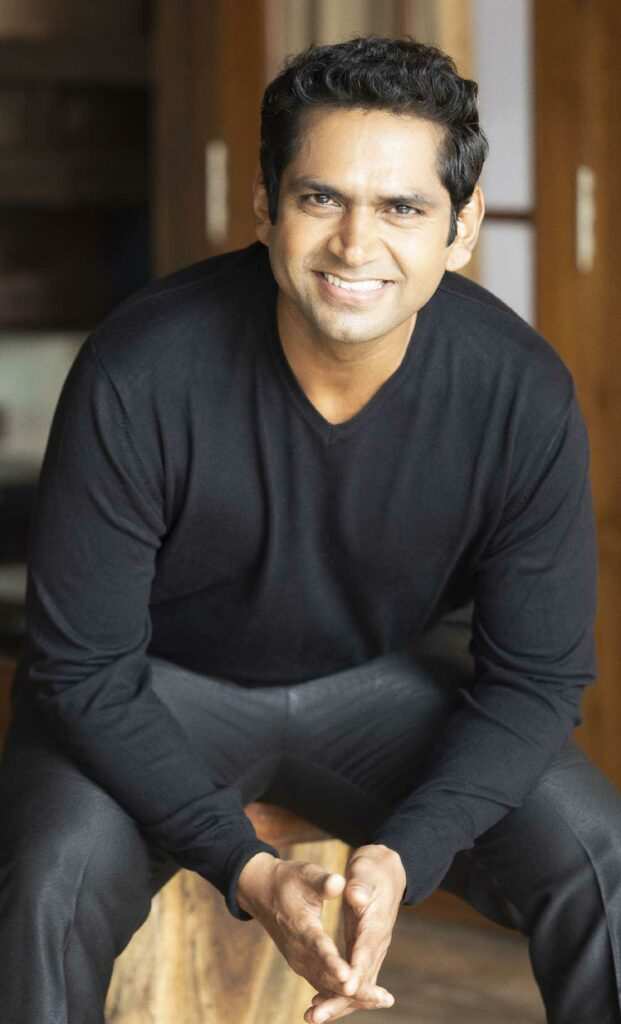
On Acting and The Beginning

Your father was a film journalist; will you say that impacted your career and your choices?

It had a huge impact on me. The seeds of becoming an actor were sown subconsciously in my mind. I used to go to film parties with my father. I would attend film shoots, grand premieres and muhurats; as a child, I was awestruck with the glitz and glamour. Somehow, I knew I was made for this world. So yes, it was because of my father that I was introduced to showbiz. 

You started as an Assistant Director and even wrote for movies. How and when did the switch to acting come to be?

I actually acted in two films, Slumdog Millionaire and Haal E Dil, even before I had decided to become an actor. I was working at Channel V when a friend suggested my name for a bit part in Haal E Dil. Another friend had cast me in a sequence in Slumdog Millionaire. I still had no intention of taking up acting as a profession then. It was when I was working at Imagine Showbiz that my dear friend Namit Das recommended my name for a part in Dhobi Ghat. Although I got auditioned and got selected as well, Kiran ji thought appearance wise I did not match the character well and I was replaced with Danish Hussain, who’s a brilliant actor and now a dear friend. That incident however shook me completely, and I decided to quit my well-paying job at the age of 33 to pursue acting full time. That’s how the acting journey began. 

Sharib Hashmi: “Be it movies, series, or theatre, as long as I get to act, I’m pleased.”

What is your creative process before taking up any role?

I don’t have a fixed process. It keeps changing with the kind of role I get. Every character demands a different approach. Some characters need extensive research, some need spontaneity. So, my process also changes with every role.  
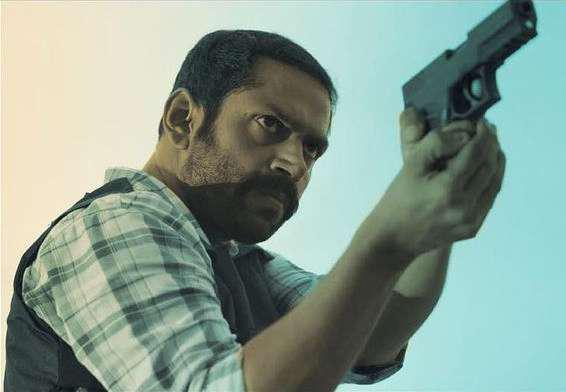
You have done series as well as movies. How different are both the mediums? Which one do you prefer?

Though as an audience, cinema is what I love more, as far as work is concerned, I just prefer to act. The medium really doesn’t matter to me. Be it movies, series, or theatre, as long as I get to act, I’m pleased.

It was because of my father that I was introduced to showbiz

The Experience So Far

Your role as ‘JK’ in The Family Man has garnered you more attention than any of your previous roles. How did that impact your professional and personal life?

It changed drastically! All these years I was yearning for that kind of love and appreciation, which I received as JK. And I thank Raj, DK, and Mukesh Chhabra for casting me in such an adorable character. Now the kind of roles I’m being offered are meaty and the audience love has increased immensely. All I can say now is ‘Yeh Dil Maange More’

4. We saw you alongside Shahrukh Khan in Yash Chopra’s last movie, Jab Tak Hai Jaan. How was that experience?

Jab Tak Hai Jaan was like a dream come true. Working in Yash ji’s last film as a director was a huge honour for me. I still remember my first day when I entered YRF studio – Aditya Chopra standing with his team on one side, and on the other was ace cinematographer Anil Mehta along with the legendary Yash Chopra. It was as if I was dreaming. Then I met the greatest superstar, SRK, and he never made me feel like a newcomer. He was a great co-actor. I’ll always cherish the days I spent on the sets of Jab Tak Hai Jaan

On working with SRK: “He never made me feel like a newcomer.
5. Filmistaan won a National Award. How was that experience different from any of your other experiences in movies?  

Filmistaan is and will always remain closest to my heart. It was because of Filmistaan that people took notice of my work for the first time. I learnt a lot working on the film with an amazingly talented cast such as Kumud Mishra ji, Inaamulhaq, and Gopal Dutt. Each of them taught me something new. I will never be able to thank director Nitin Kakkar enough for giving me Filmistaan.

8. Manoj Bajpayee and you seem to share a close bond on and off-screen. How has your experience been working with him?
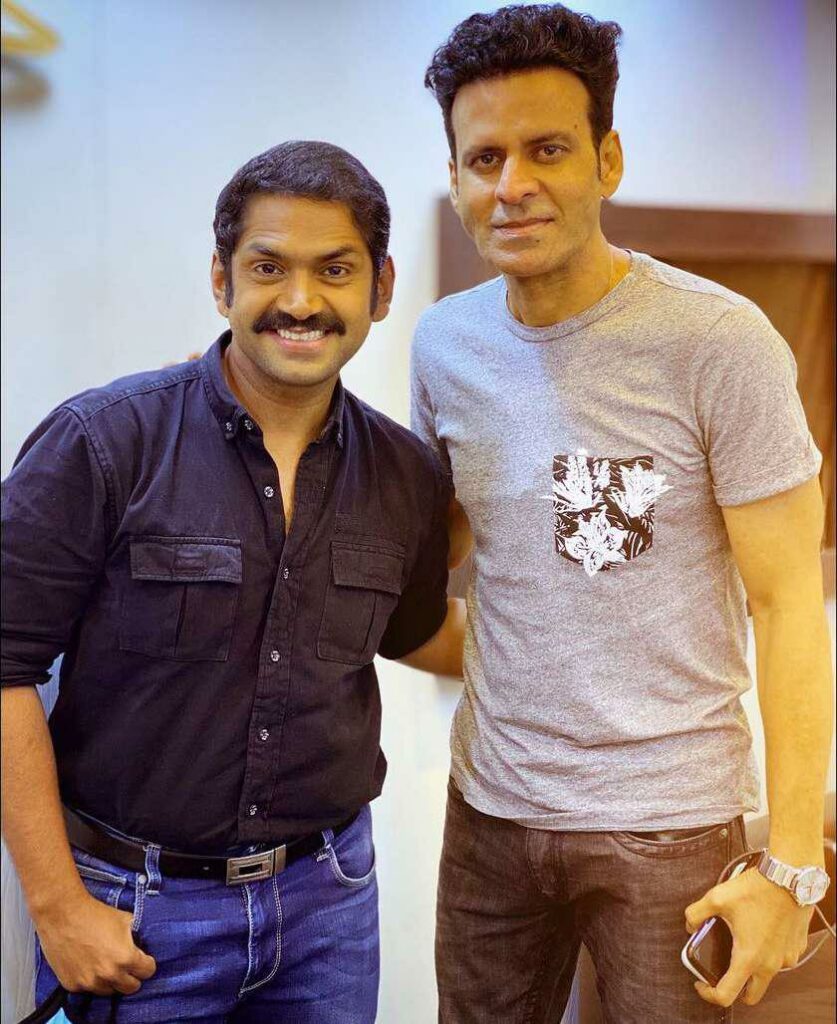

Working with Manoj sir has been such a satisfying experience. I really wish and pray to God that I get to work with him on many more projects. It’s like going to a film school. He makes his co-stars so comfortable that you forget you’re working with a legend. All you remember is the character Srikant Tiwari. He’s a friend, philosopher, guide, and big brother all rolled into one for me. I love and respect him and admire him tremendously. 

Latest Ventures

Your recent projects are Bishwa and Helmet; how different are your characters in both the movies?

I have a small cameo in Helmet whereas, in Bishwa, I’ll be seen in an important part. And yes, they are completely different from each other. I’m very happy with the kind of roles I’ve been offered post The Family Man.
I have a few projects lined up and coming through. There’s Dhaakad, Mission Majnu, and Bishwa, as well as a series called Six Suspects.

Leave a comment

Your email address will not be published. Required fields are marked *

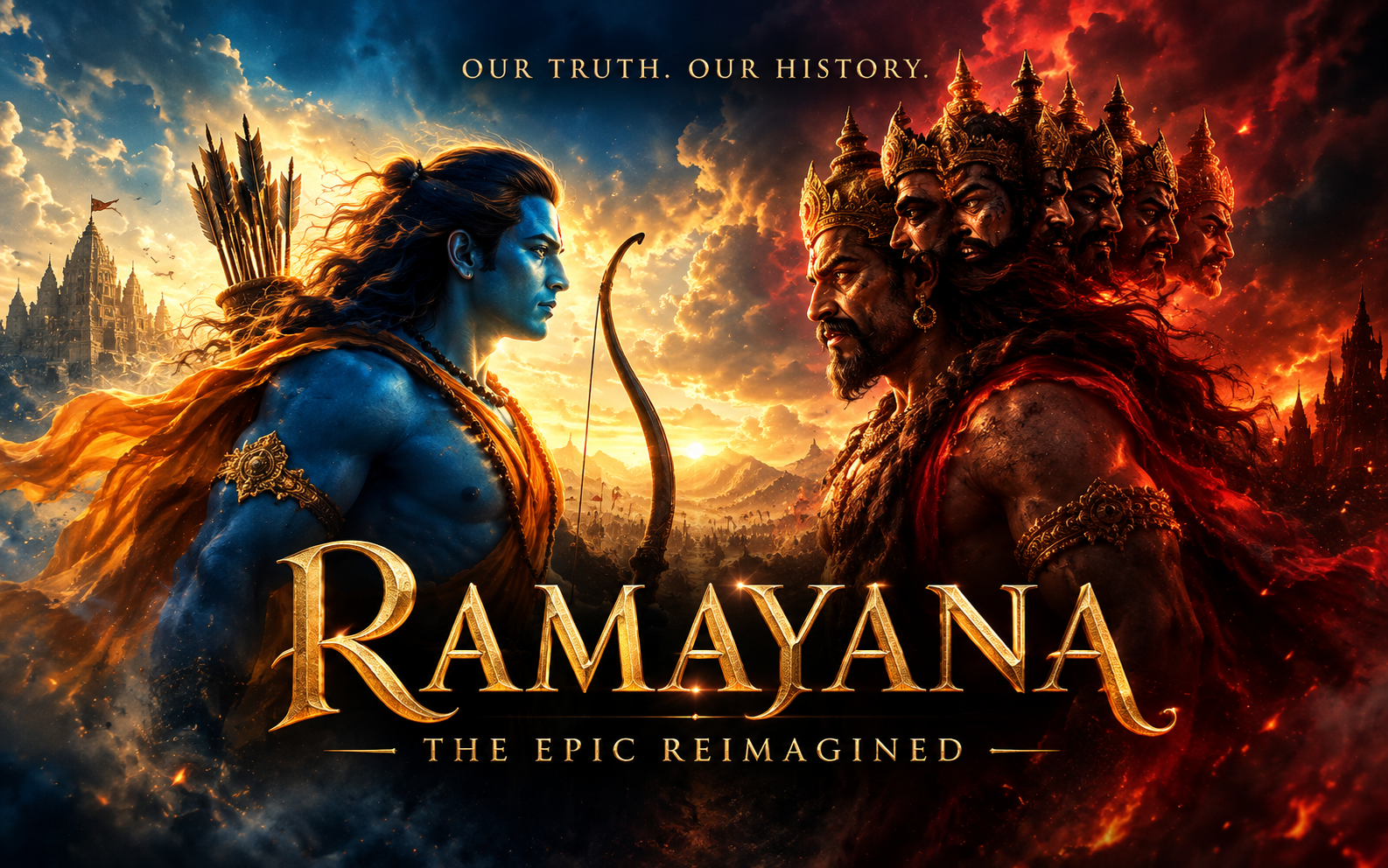
RAMAYANA: THE EPIC REIMAGINED

Ramayana: The Epic Reimagined is shaping up to be one of Indian cinema’s most ambitious productions, bringing together a star-studded cast and an international creative team. From its two-part format and reported ₹4,000-crore budget to its cutting-edge visual effects and global release plans, here are 10 things to know about the epic cinematic spectacle. 1.Two films, one epic Ramayana is planned as a two-part cinematic project. The first instalment is scheduled for release during Diwali 2026, with the second chapter planned for Diwali 2027. The films are directed by Nitesh Tiwari and produced by Namit Malhotra. Ranbir Kapoor has revealed that the team shot around six hours of footage for the first film before editing it down. A Chinese listing reportedly indicates a runtime of about 166 minutes for Part One. 2.Ranbir Kapoor as Rama: The first choice Ranbir Kapoor plays Lord Rama, amid years of speculation over other names. Mahesh Babu, Hrithik Roshan and Ram Charan were among the actors linked to various versions of the project. However, director Nitesh Tiwari and producer Namit Malhotra have clarified that Ranbir was always their first choice for their current Ramayana. Tiwari cited his physicality, screen presence and ability to convey emotion through his expressions. Interestingly, Yash, who plays Ravana, was also reportedly considered for Rama before taking on the antagonist. 3.Sai Pallavi is Sita Sai Pallavi plays Sita opposite Ranbir Kapoor’s Rama. The role marks a major Hindi-film project for the acclaimed South Indian actor and adds another prominent South Indian star to the cast alongside Yash. 4.A large ensemble cast An extensive ensemble supports the three leads. Sunny Deol plays Hanuman, Ravi Dubey plays Lakshman, Arun Govil plays Dasharath, Lara Dutta plays Kaikeyi, Indira Krishnan plays Kausalya, Kajal Aggarwal plays Mandodari, Rakul Preet Singh plays Shurpanakha, Kunal Kapoor plays Indra

Exclusive Interview: Nikhil Siddhartha on Swayambhu, Family and Politics

After the pan-India success of Karthikeya 2, Nikhil Siddhartha finds himself at a pivotal phase in his career. The actor is currently gearing up for the release of Swayambhu, one of the most ambitious projects he has undertaken to date, a historical action drama that demanded nearly two-and-a-half years of dedication, extensive physical transformation, and months of post-production work. In a candid conversation with Priyanka Goud, Nikhil opens up about the challenges of mounting a large-scale period film, why he prioritises quality over quantity, how fatherhood has changed his outlook on life, and his belief in using cinema as a tool for social awareness. A Two-and-a-Half-Year Commitment Describing Swayambhu as a project unlike any other in his career, Nikhil revealed that he dedicated nearly two and a half years exclusively to the film.“Some films are easy to make, and some are difficult. Swayambhu falls into the category of films that demand complete commitment. I underwent a significant transformation for the role, growing my hair long, maintaining a specific physique, and immersing myself in the character and story throughout the production period,” he said. A Historical Story with Universal Appeal One of the aspects that attracted Nikhil to Swayambhu was its historical backdrop. Nikhil plays Krishnan Raman, a historical figure whose name appears on ancient copper plate inscriptions that have recently gained attention. “This story is rooted in history, but its themes are universal,” he said. “It’s not confined to one region; audiences across India will be able to connect with it.” The actor also highlighted the growing importance of visual effects in modern filmmaking. Swayambhu reportedly contains nearly 2,700 VFX shots, making post-production one of the most demanding phases of the project. “We completed principal photography in December 2025, but for the last five to six months it has been

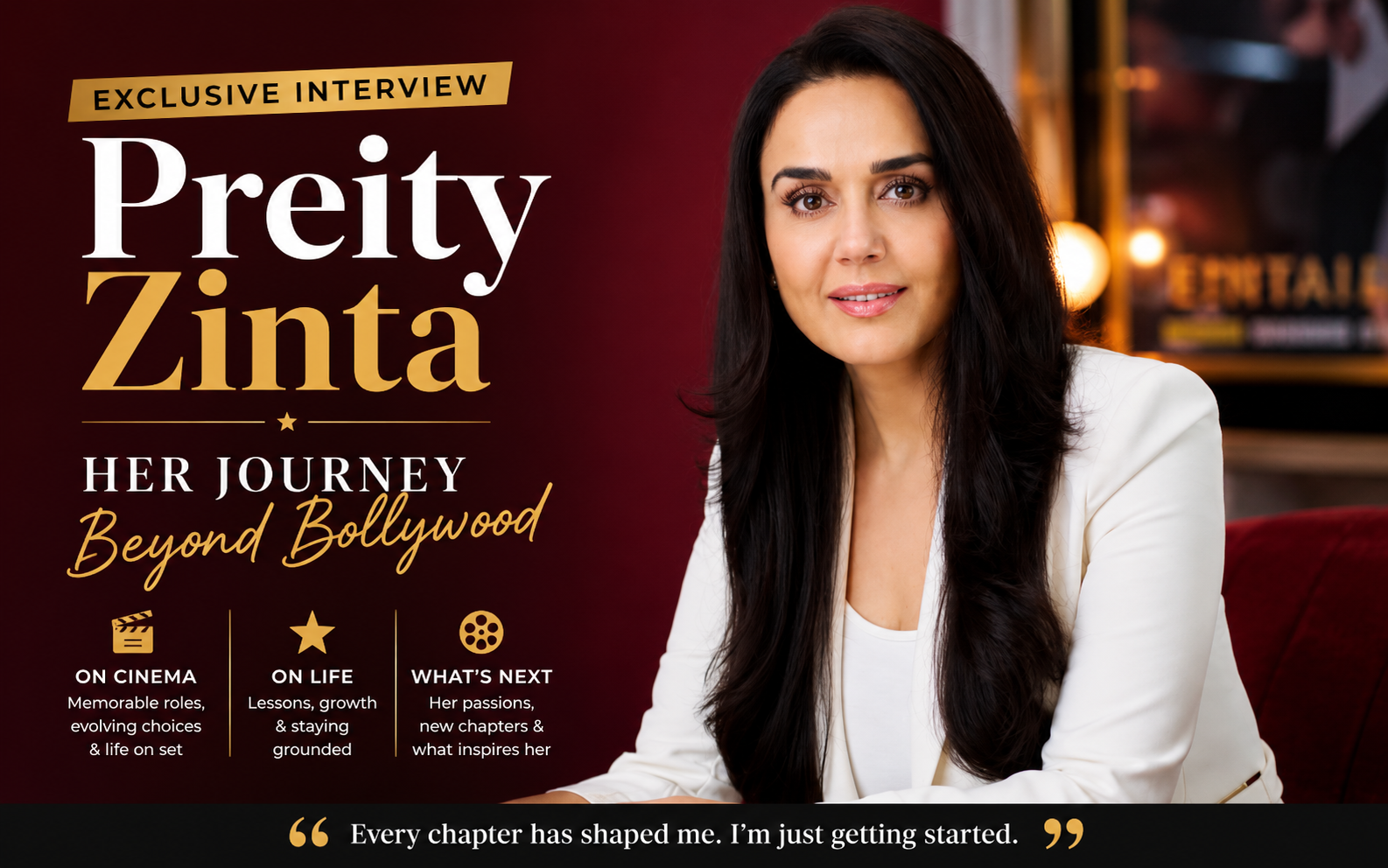
Preity Zinta on Batwara 1947, Motherhood and Finding Her Way Back to Cinema

For Preity Zinta, returning to the screen with Batwara 1947 is about more than making a comeback. The period drama allowed her to explore a chapter of India’s history, work with director Rajkumar Santoshi for the first time, and step into a world far removed from her own. But the film also made her reflect on how much life has changed since she began her career, from the freedoms available to women today to the perspective that comes with becoming a mother. For Zinta, Batwara 1947 is ultimately a story about family, resilience and hope, as she tells Lipika Varma in an exclusive conversation. Why did you say yes to doing this film? What touched you the most? There were a couple of things. First, I really wanted to work with Raj ji. I had never worked with him before, so working with him was always on my bucket list. I had also always wanted to do a period film. Beyond that, I genuinely loved the story. What touched me most was that even in the darkest of times, there is always a ray of hope. People may see this as a story about two countries, but for me, it is essentially about a family. I was also deeply affected by stories of families who believed they were leaving their homes temporarily, even burying their jewellery and valuables, thinking they would return. They never imagined they would lose everything forever. Since this is my first period film, I spent time researching and understanding that era. After such a long break from films, why did you choose this project? I was enjoying my personal life, focusing on my family and raising my children. Professionally, I had always wanted to work with Raj ji and also wanted to do a period film.

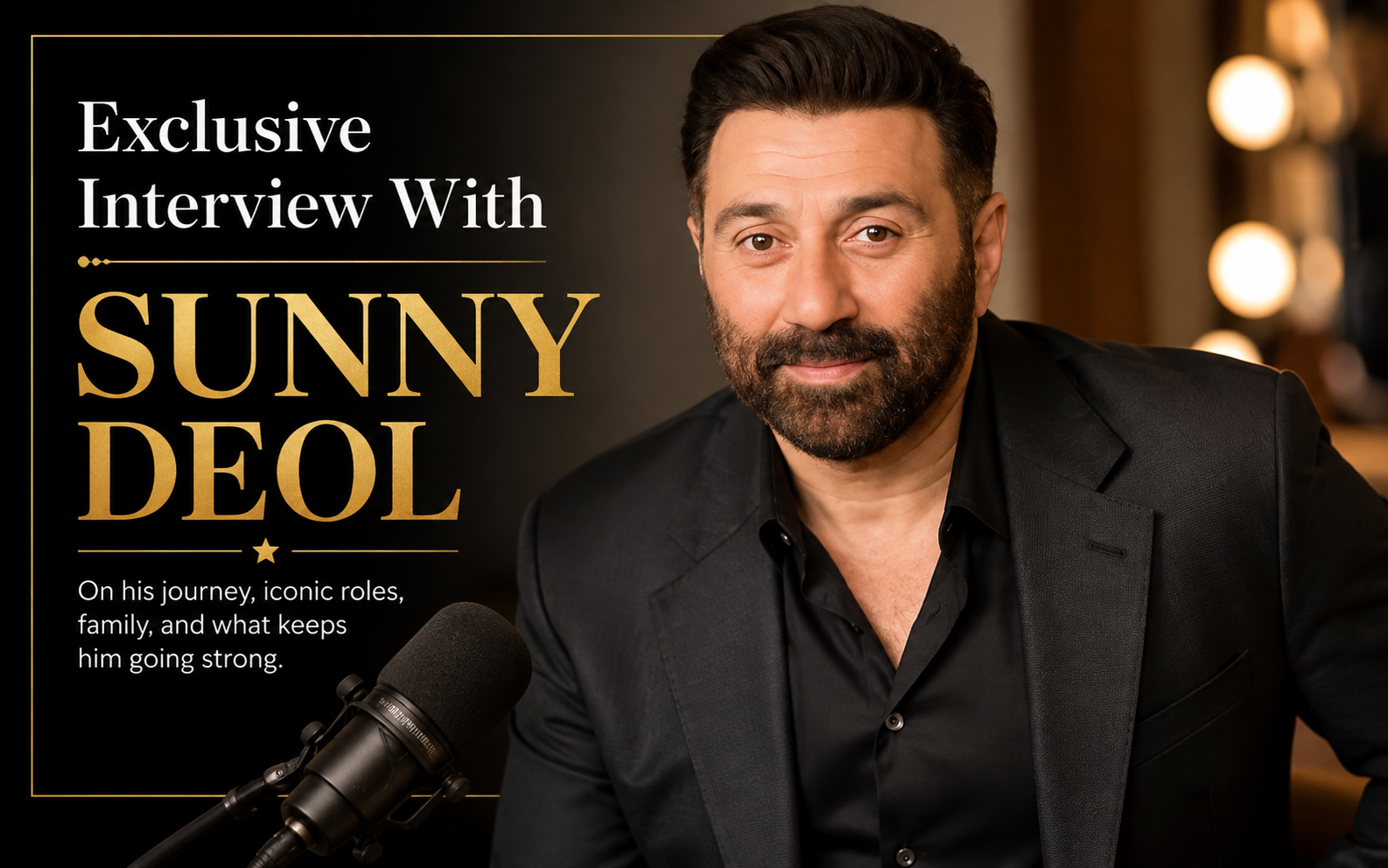
Exclusive Interview with Sunny Deol: Life Beyond Bollywood

Sunny Deol: “Every Film Leaves Some Kind of Impact” With Batwara 1947, Sunny Deol returns to a story rooted in Partition, family and the human cost of one of the most defining moments in Indian history. The actor reflects on why he sees the film as fundamentally different from Gadar, his long-standing association with director Rajkumar Santoshi, his father Dharmendra’s connection to their shared cinematic history, and the responsibility actors carry when their work leaves a lasting impact on audiences. In conversation with Lipika Varma, Sunny Deol also opens up about playing a character outside the action-driven image audiences often associate with him and working alongside his son Karan. How did you approach the character in this film? For me, it was the subject, the story and the character that I had heard about, and I approached it accordingly. I don’t know exactly what was tweaked. I didn’t read the original play or see it. Vivek Raj had read it, and we had been working on this story since 2010. Unfortunately, we couldn’t make it back then, so we had been waiting all these years. As soon as we got the opportunity, we jumped into it. Sunny, are you happy that your fans, including those in Pakistan, will get to see you in a completely different kind of role this time, without the iconic hand-pump moment or typical action scenes? Actually, I don’t think it’s about that. Fans are always there, and they love you no matter what. Sometimes journalism and politics come into the picture and change the colours of things. But the actual viewer, the person sitting in the theatre and watching the film, doesn’t necessarily look at things that way. They simply watch the film. I’ve met a lot of fans across the country and around the