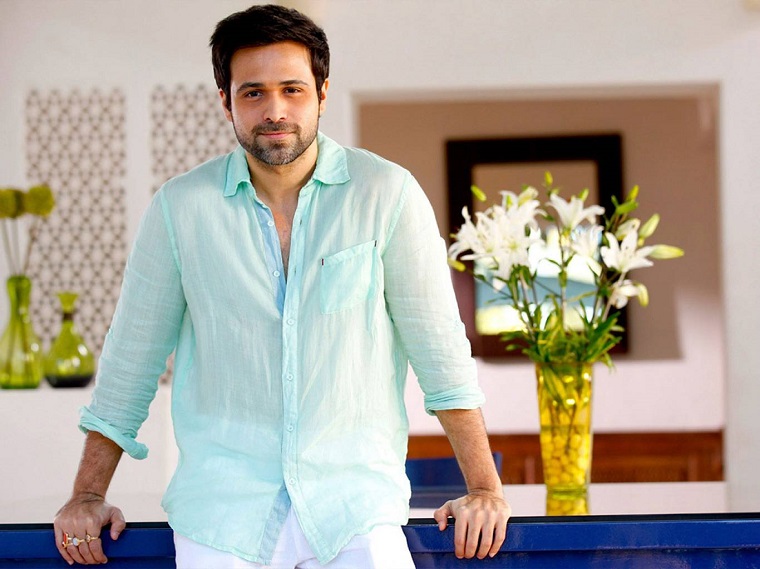
Emraan Hashmi: “At the moment I want to focus on acting but I would definitely want to produce soon.”

MRAAN HASHMI, in an interview with LIPIKA VARMA

EMRAAN HASHMI, in an interview with LIPIKA VARMA, on his latest release and its intriguing plot, as well as future projects.

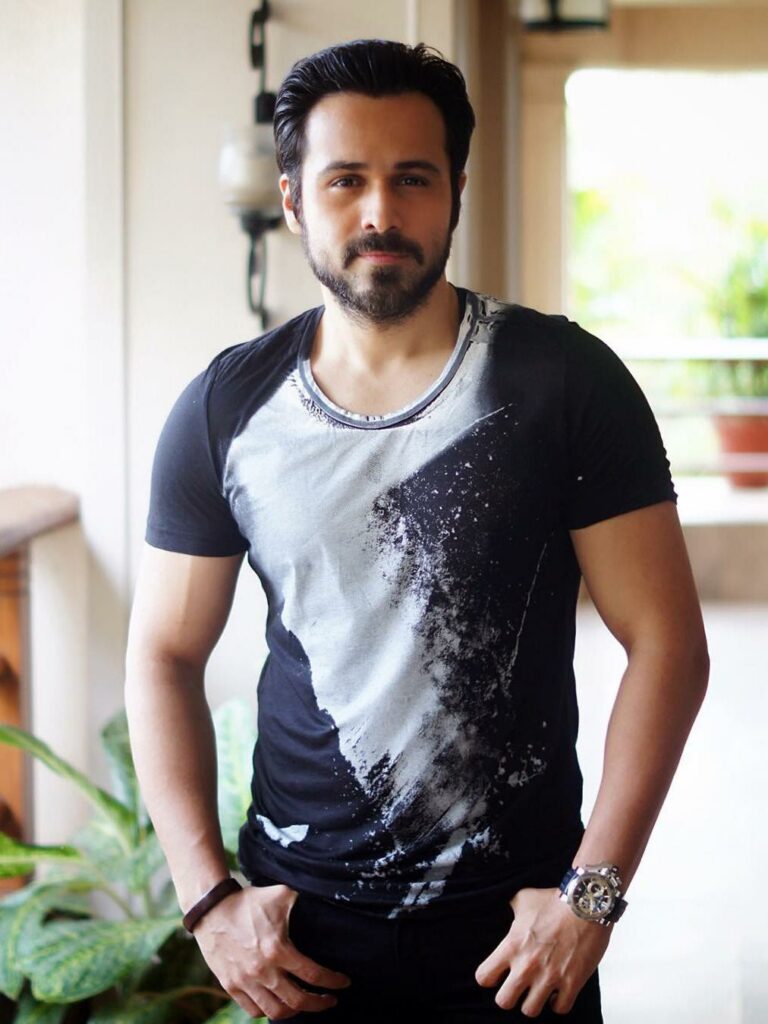
Emraan Hashmi has come a long way from his debut days, finding his footing and forte as an actor and a producer. His latest venture is the much-awaited film Chehre, where he stars opposite Amitabh Bachchan in the lead role. He talks us through the film, and its processes, and spills the details on what lies ahead.
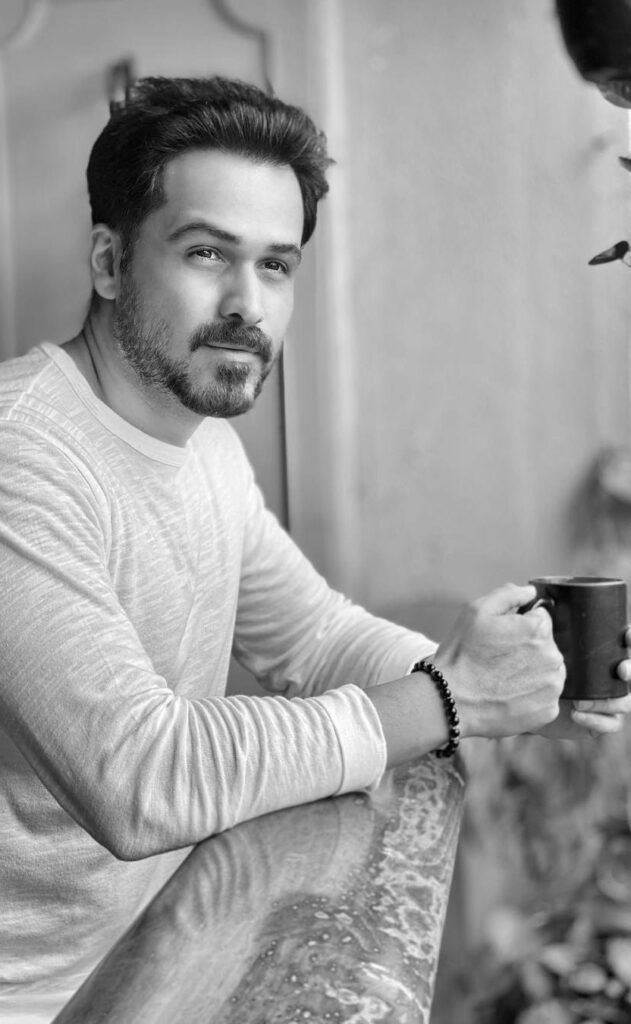
EMRAAN HASHMI

You have come a long way in your career, dabbling in both acting and production. What comes next?

As a producer, I’m waiting for the right script. In the meantime, I’m focusing on acting. Producing and wearing a producer’s hat comes with its own challenges. At the moment I want to focus on acting but I would definitely want to produce soon.

People feel that producing a film only concerns the finances. Taking creative calls is much more important for a film

Actors have been known to be troublemakers on set, but never you. What have you learnt from your experience as an actor and a producer?

I was an assistant director before becoming an actor, so I know the hurdles a producer must face. I am aware of how they get into a spot when the actors trouble them. I am very respectful and empathetic towards the producers and give my 100% to my projects. Producing films is an extremely tough job. Beyond the financial aspect, there are so many things unknown when you’re shooting a film. You need to get everything right. People feel that producing a film only concerns the finances. Taking creative calls is much more important for a film unless you are 100% in or else it is not a good thing to get in.

Let’s talk about Chehre. What’s behind the title?

Chehre does simply refer to face. All human beings have different faces in real life. Chehre is given this title because it’s an interesting film and explores this theme of masking. Every character in the film has many faces. We all wear masks and very seldom reveal our vulnerabilities or our real face. We are exposed when we are pushed behind the wall; then, we reveal our faces. We are someone we truly trust. That’s the title: Chehre. It comes from Amitabh Bachchan’s character trying to face us. When I enter the house, he wants to unmask the real face of mine. He is a lawyer, so he tries to unearth whatever I have done and get to the bottom of the matter. In the narration, they forget their identity in this game of masking and unmasking. The question asked is ‘Who are they actually?’
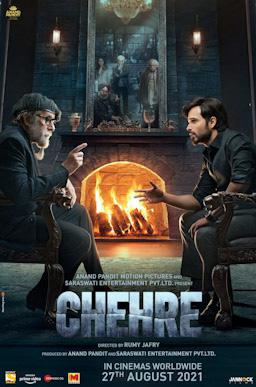
There has been a lot of chatter about the setting of the movie. 

It’s a deserted, reclusive place. A group of lawyers, and a judge, assemble in this house. They start playing a very interesting game. The game they play is a mock trial, a courtroom drama. Amitji’s character grills the guests. He wants to know what it is that a person has done in their life that is unethical and wrong. It’s then that you start seeing some revelations in this house.
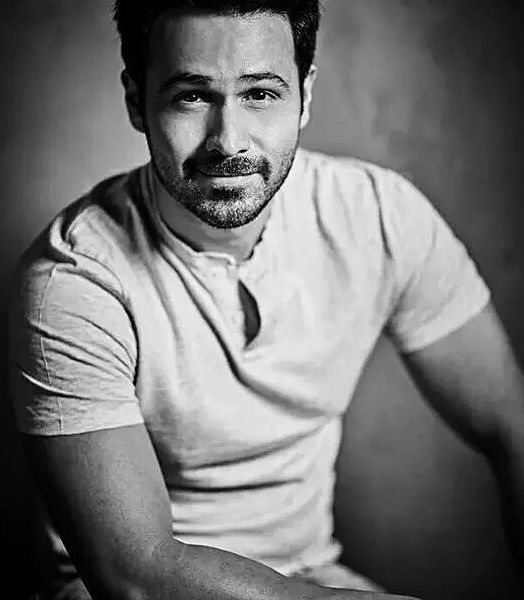
How was your experience working with Amitabh Bachchan?

 It was very scary in the beginning, obviously. It was a great script, and I was excited to work with Amit ji alongside a stellar cast. Fear crops up. I hoped to be able to match up and not ruin the script. That’s when my survival mechanism kicked in. I worked my ass off before getting into comparisons. I worked hard, and I hope the audience is able to see that. 

Future endeavours?
It’s a Malayalam horror remake of the super hit film Ezra, although the original title might not be the final title. This film will probably be a September or October release.

I worked hard, and I hope the audience is able to see that.

Leave a comment

Your email address will not be published. Required fields are marked *

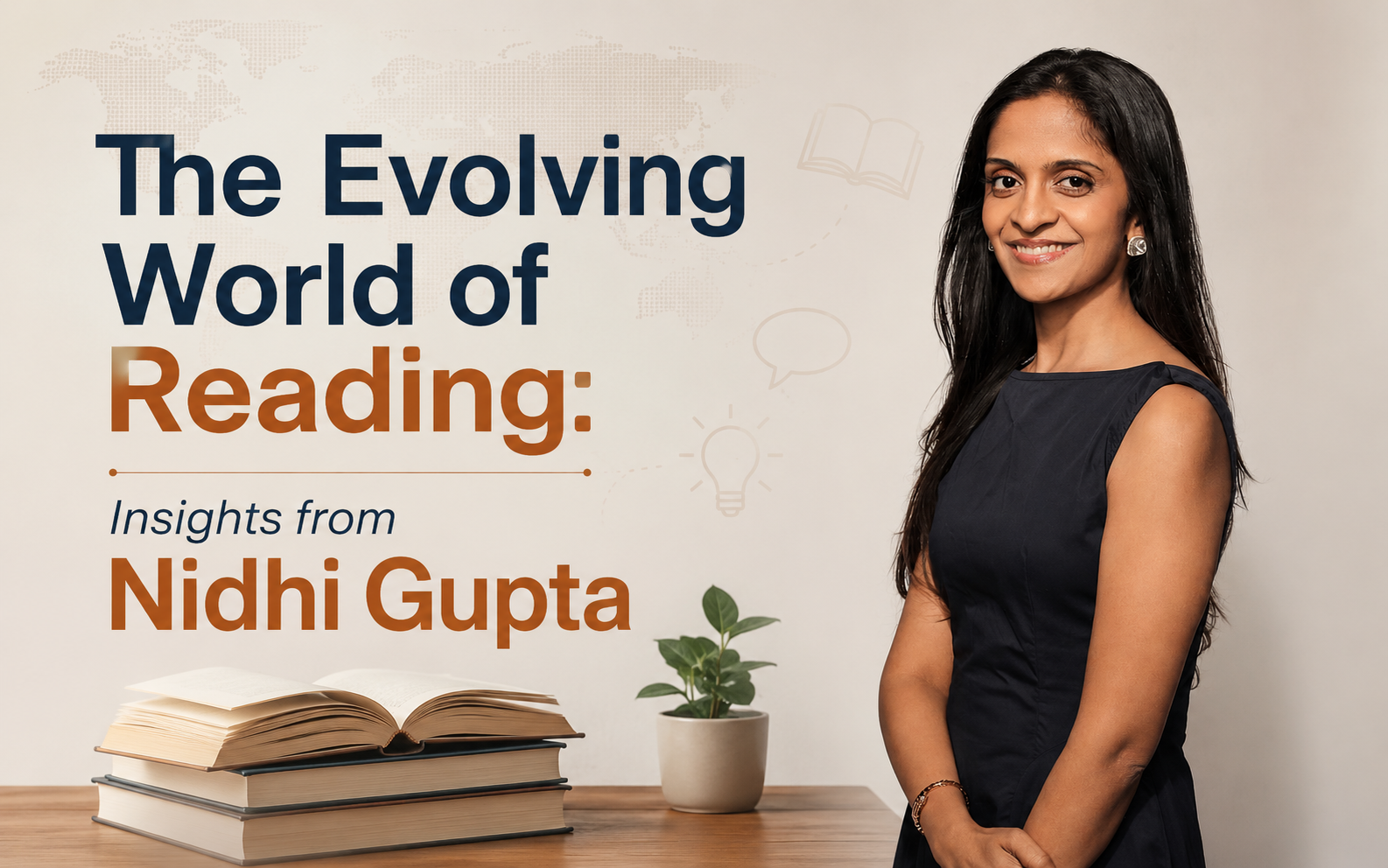
Turning Pages, Building Communities: Nidhi Gupta on the Evolving World of Reading

In a time when attention spans are shrinking and digital content dominates, the enduring power of books continues to find new ways to resonate. At the helm of Crossword Bookstores, Nidhi Gupta has spent over 15 years shaping not just a retail brand, but a thriving reading culture. In this conversation, she reflects on her personal relationship with books, the shifting habits of modern readers, and why bookstores today are as much about community as they are about commerce. You’ve spent over 15 years shaping Crossword’s journey. What role have books played in your own life, and which titles or authors have deeply influenced you personally and professionally? I’ve always shared a deep connection with books. They hold many roles in our lives, serving as companions, guiding us as teachers, and opening windows to perspectives we might never otherwise experience. Growing up, reading helped shape my curiosity and empathy, and over the years, it’s become integral to how I think and make decisions. I’ve been deeply influenced by authors who combine storytelling with insight, whether it’s literary fiction that explores human complexity or business writing that sharpens perspective. Professionally, books have taught me the importance of staying adaptable and constantly learning, which is essential in an ever-evolving industry like ours. In an age of short-form digital content and shrinking attention spans, how do you see the culture of reading evolving, especially among younger audiences in India? While it’s true that attention spans are being challenged, I don’t believe the desire to read has diminished. Younger audiences today are discovering stories in new ways, whether through curated recommendations, social media, or genre-driven communities. What’s encouraging is that when the right book reaches the right reader, the engagement is still deeply immersive. We’re also seeing a shift toward more accessible formats, relatable

Movies to Watch This Summer May 2026

From high-fashion drama to gritty psychological thrillers and action-driven regional cinema, this summer’s big-screen lineup offers something for every kind of moviegoer. Whether you’re in the mood for a nostalgic sequel, an intense character study, or a gripping continuation of a beloved franchise, these upcoming releases promise compelling stories, standout performances, and plenty of cinematic spectacle. The Devil Wears Prada 2 Language: English Drama, Comedy The Devil Wears Prada 2 is the much-anticipated sequel to the iconic 2006 fashion drama, set to release on May 1, 2026. Directed by David Frankel and written by Aline Brosh McKenna, the film revisits the high-stakes world of fashion journalism in a rapidly evolving media landscape. The original star-studded cast returns, including Meryl Streep as the formidable Miranda Priestly, Anne Hathaway as Andy Sachs, Emily Blunt as Emily Charlton, and Stanley Tucci as Nigel. New additions like Justin Theroux and Kenneth Branagh bring fresh dynamics to the story. The sequel follows Andy’s return to Runway magazine as Miranda struggles to keep the publication relevant. With Emily now leading a luxury brand holding the key to Runway’s future, the film promises drama, power shifts, and a stylish look at modern media. BandarLanguage: HindiPsychological thriller Bandar is a crime thriller directed by Anurag Kashyap, known for his raw, unfiltered storytelling. The film follows Samar, an ageing television star whose life spirals after a scandal lands him in prison, forcing him to confront both external brutality and internal demons.Premiering at the Toronto International Film Festival (TIFF) 2025, the film has already generated buzz for its dark, character-driven narrative and intense performances, particularly Bobby Deol’s transformative role. Sanya Malhotra is expected to bring emotional depth, adding another layer to the story. True to Kashyap’s style, the film explores themes of power, downfall, and survival within a harsh, claustrophobic

Between Film Sets and Mountain Escapes: Kayadu Lohar’s Journey

Long before the Tamil film Dragon became a cultural moment, Kayadu Lohar was quietly building her career across industries. A winner of the Everyuth Fresh Face, Kayadu stepped into cinema in her teens and gradually explored Kannada, Malayalam, Telugu, and Tamil industries with projects like Mugilpete, Pathonpatham Noottandu, Alluri, and Funky. But it was Dragon, opposite Pradeep Ranganathan, that turned her into a viral sensation, bringing widespread recognition and positioning her as one of the emerging pan-South talents to watch. In a candid conversation with Priyanka Goud, Kayadu opens up about sudden fame, navigating multiple film industries, and finding peace away from the spotlight through travel. Acting Was Always the Plan For Kayadu, acting wasn’t a coincidence; it was always the goal. “I always knew I wanted to be an actor,” she says. Winning the Fresh Face title during college became the first big push. “It gave me visibility, auditions, and belief. At just 18, I found myself travelling across cities for auditions, sometimes attending three to four in a single day. As a newcomer, you don’t always get full narrations. Many times, you say yes based on the production house or the hero attached.” Navigating Languages and Cultures Born into a North Indian family, speaking Nepali at home, fluent in Hindi and Marathi, and raised in Pune, entering South Indian cinema came with its own challenges. “South Indian languages aren’t my first language, so understanding the rhythm and culture initially took time,” she says. But over the years, she developed her own process. For Kayadu, learning a language goes beyond memorising lines. “If I’m doing a Malayalam film, I’ll only listen to Malayalam songs during that phase. Music helps me understand the emotion and culture behind the language.” The Dragon Effect Her performance as Pallavi in Dragon proved to

Rajakumari: The Artist Bridging Classical Heritage and Rap

Svetha Yallapragada Rao, professionally known as Rajakumari, is based in Mumbai. She holds a BA in Religious Studies and comes from a family of doctors, where education and discipline were deeply valued. However, it was Indian classical dance that shaped her most profoundly. She began training at a very young age, immersing herself in tradition, mythology, and devotion. Reflecting on those formative years, she says, “Classical dance didn’t just teach me technique, it taught me reverence, storytelling, and the sacred power of the stage.” The discipline of classical arts instilled in her both artistic rigour and spiritual grounding, foundations that continue to define her creative expression. Art with Cultural Responsibility Rajakumari chose her stage name intentionally. “I chose the identity of ‘Rajakumari’ as a vision, almost like embodying the energy of a goddess,” she explains. Having grown up inspired by Devi through classical dance, the divine feminine became central to her artistic identity. While growing up in America, she noticed the absence of Indian artists in mainstream spaces. “I wanted to become the artist I needed when I was younger, someone unapologetically Indian, modern, powerful, and visible.” Breaking into the American record label system in 2016 came with significant challenges. There were battles, resistance, and moments that demanded persistence. Yet, witnessing the cultural shift today validates that journey. “When I meet fans who proudly wear their bindis or celebrate their culture boldly, I understand the weight of the journey. We are all connected, and cultural pride is powerful.” THE RAJAKUMARI CODE Rajakumari believes authenticity is her defining strength. “Trends shift, genres evolve, and paths change, but I have always remained true to my vision and message.” She emphasises manifestation and cultural pride as pillars of her philosophy. “You don’t have to abandon any part of yourself to succeed.” Her work

You May Also Like

Connect with us