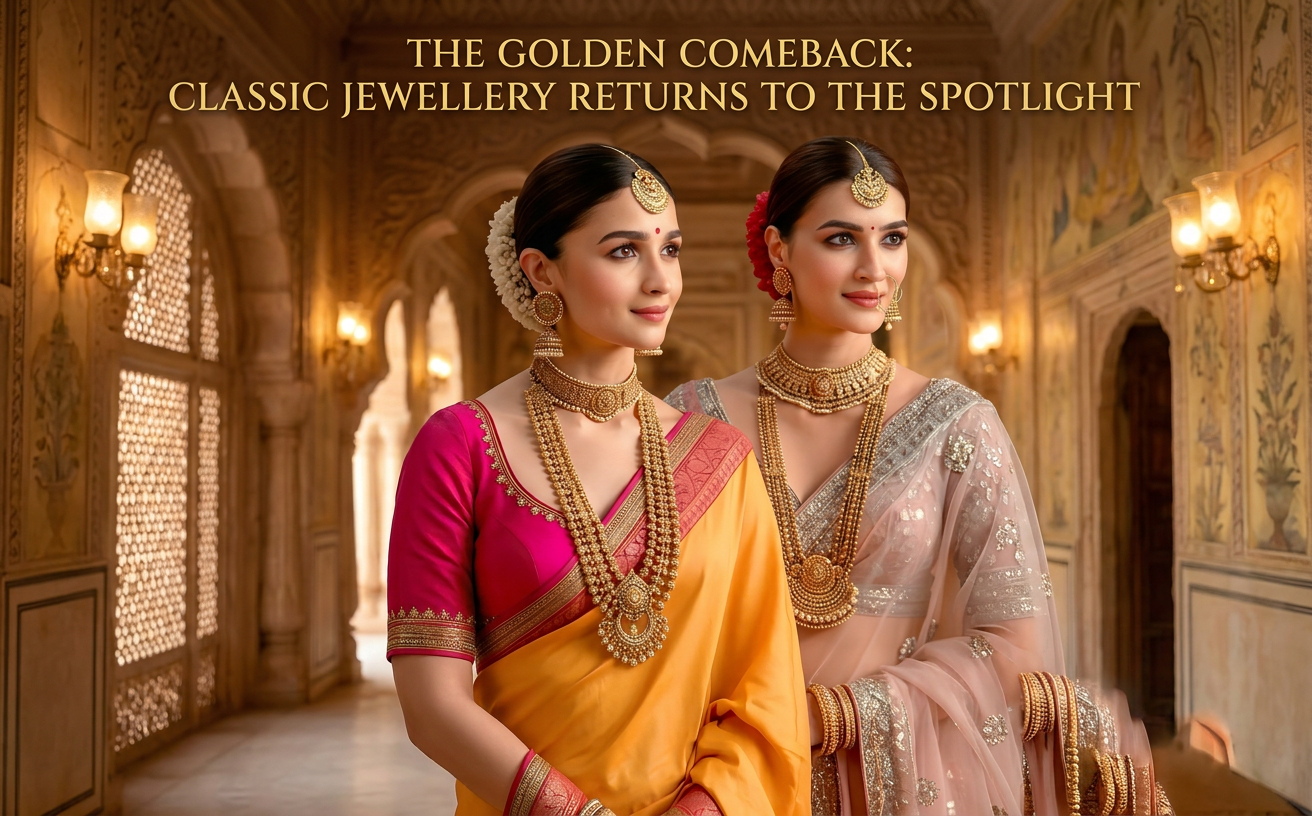
For the past decade, the jewellery industry has seen waves of change. Artificial jewellery, minimalist designs, and the rapid rise of lab-grown diamonds have transformed consumer preferences, especially among younger buyers looking for affordable luxury.
Yet in 2026, gold jewellery is quietly reclaiming its throne. From weddings to everyday fashion and even men’s accessories, gold is experiencing a powerful resurgence not just as ornamentation, but as a trusted investment.
The Investment Factor
One of the biggest reasons for gold jewellery’s comeback is simple: stability. While diamonds and lab-grown alternatives have gained popularity due to affordability, they often lack strong resale value. Gold, on the other hand, remains a tangible asset that can be sold, exchanged, or passed down generations.
This financial security has made gold increasingly attractive to modern buyers who want jewellery that doubles as an investment. During recent wedding seasons in India, jewellers have reported rising demand for plain gold jewellery in 22K, 18K and 14K forms as buyers prioritise long-term value over heavily diamond-studded pieces.
With gold prices steadily climbing in recent years, many consumers now view gold jewellery as a form of wearable wealth something that carries emotional significance while also retaining monetary value.
Celebrity Influence and the Wedding Effect
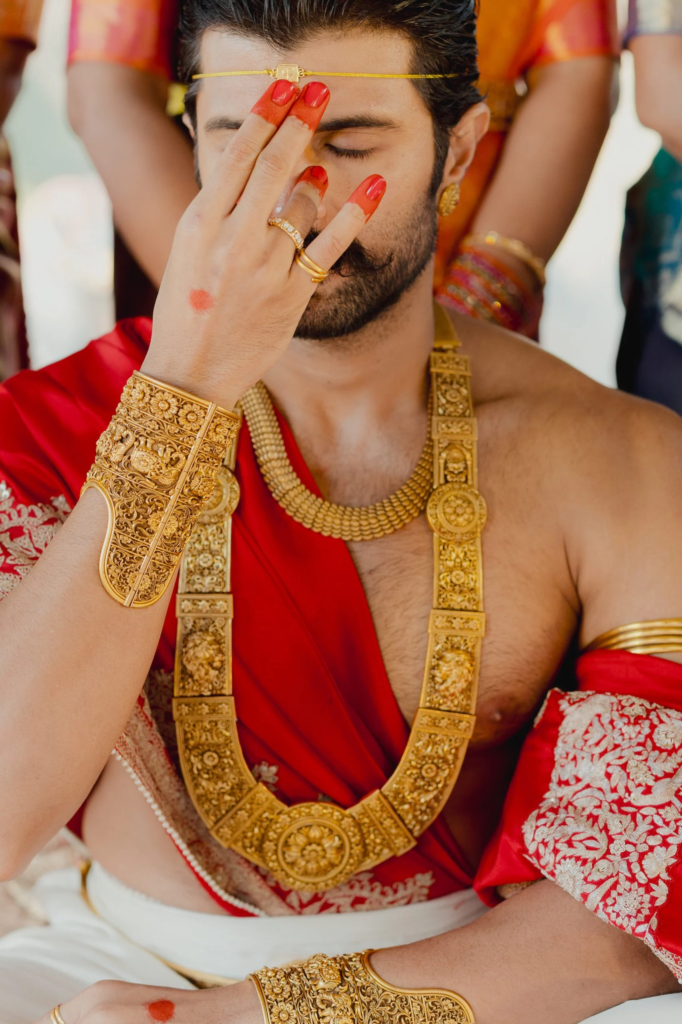
Celebrity culture continues to play a major role in shaping jewellery trends. A recent example is the high-profile wedding of actors Rashmika Mandanna and Vijay Deverakonda, which sparked widespread discussion about heritage jewellery. The couple’s wedding looks prominently featured elaborate handcrafted gold pieces inspired by South Indian temple architecture.
Rashmika reportedly wore eleven pieces of traditional gold jewellery, while Vijay made headlines for embracing bold groom jewellery including layered necklaces, ear studs, cuffs and other royal-inspired ornaments.
Their wedding highlighted something significant: gold jewellery is no longer just for brides.
Men Are Embracing Jewellery Again
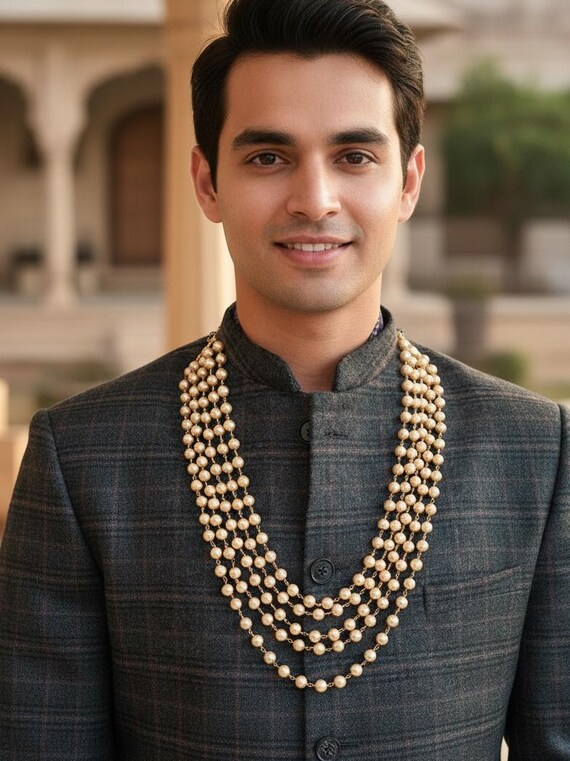
Historically, men across many cultures wore jewellery as symbols of power and identity. From royal necklaces to warrior cuffs, adornment was never limited by gender. In recent years, this tradition is being rediscovered.
Modern menswear increasingly incorporates gold chains, signet rings, bracelets and ear studs. Celebrities, athletes and fashion influencers are embracing these accessories, helping to normalise jewellery as a part of men’s style. The Deverakonda wedding, where the groom’s ornate gold jewellery drew almost as much attention as the bride’s, reflects this shift toward more expressive male fashion.
Gold in the Age of Lab Diamonds
Lab-grown diamonds are still growing in popularity, largely due to their affordability and accessibility. Prices of lab-grown diamonds have dropped significantly in recent years, making them attractive alternatives for younger buyers.
However, many consumers now see these stones primarily as fashion jewellery rather than long-term investments. In contrast, gold continues to hold intrinsic value regardless of trends.
As a result, many jewellery buyers are adopting a hybrid approach purchasing affordable diamonds or artificial pieces for everyday styling while investing in gold jewellery for important occasions and financial security.
A Timeless Metal in a Changing Market
Trends in fashion come and go, but gold has proven remarkably resilient. Its emotional significance, cultural relevance, and economic value give it an advantage that few other materials can match.
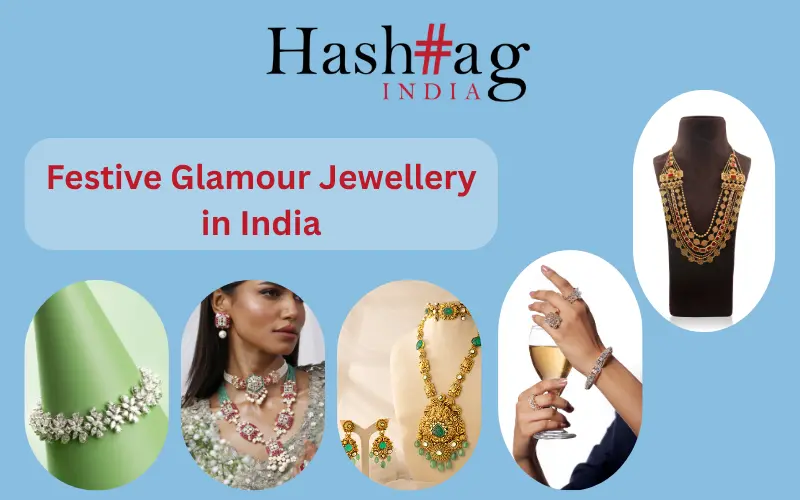
In a world increasingly dominated by fast fashion and synthetic alternatives, gold jewellery offers something rare: permanence. Whether worn as a statement necklace, a simple chain, or an heirloom bangle, it continues to represent both beauty and security.
And in 2026, that timeless appeal is shining brighter than ever.