Holistic Recovery Post COVID-19

The coronavirus has long lasting effects even after the person tests negative and is deemed to have recovered. Bindu Gopal Rao discovers a programmer that can help people bounce back better.

The second wave of COVID-19 has seen a spike in infections and while recoveries have also increased, the most common issue reported by those who have recovered is tiredness. Recently super fit actor, Malaika Arora admitted that COVID-19 had broken her physically.

While the long-term impact of the coronavirus is still being discovered, Kaivalyadhama, a traditional yoga school located in the serene Sahyadri mountain ranges of Lonavala, in Western India has launched a programme to recover effectively from the disease.

Spread over 180-acres of scenic lush-green landscape and pristine flora, Kaivalyadhama was founded by Swami Kuvalayananda in 1924, with the purpose of merging yoga tradition with science and making this knowledge relevant and accessible to the world. Kaivalyadhama has retained Yoga in its authentic and traditional form without dilution for the last 97 years so that the benefit of this holistic science is not lost.

“We believe that traditional Yoga has the answers for a holistic fulfilling life and thus we are the first institute in the world to start scientific research in yoga,” claims Subodh Tiwari, CEO, Kaivalyadhama, adding, “We also started the first Yoga College of the world and offer courses from certification, graduation, post-graduation, diplomas and P.hd in Yoga. Our health centre offers programmes in yoga coupled with therapies from Ayurveda and Naturopathy to help

individuals manage various diseases, relax and rejuvenate themselves.”

In response to the current COVID-19 situation, they have recently launched ‘Prabalatwam’, a two-week programme especially designed for the individuals who have recovered from

COVID-19 and are looking to bounce back to their fighting fit health status.

“The programme aims to improve lung capacity, provide total body detoxification, discover best efficiency and effectiveness in work and personal life and above all help in accessing peace and harmony within. The integrated approach of Yoga Therapy, Sattvic diet, Ayurvedic detoxification treatments and Naturopathy in a natural healing environment are the key highlights of Prabalatwam,” says Tiwari.

The approach is personalised for each individual and focuses on building strength and internal healing. The program costs Rs. 20,000 for two weeks and participants can additionally choose the accommodation from choice of standard to deluxe rooms or even cottages.

As COVID-19 recovered patients face several after-effects such as compromised lung capacity, neurological issues, severe fatigue, and issues with joints, yogic practices would benefit such people. “Practice of yoga asanas has shown good impact on the muscular and neurological system. Practices of Pranayama are beneficial for enhancing the entire respiratory system and dealing with some neurotransmitters such as ‘gaba’, which produces a feeling of well-being.

Practices of Cleansing essentially detoxifies oneself,” says Tiwari. Any person who has recovered from Covid-19 infection can join the course.

The institute has several courses that focus on health and rejuvenation like healing treatments through naturopathy, Yoga for weight management, Yoga for pain management, detoxification through Ayurvedic Panchkarma and Yoga for immersive healing. “All programs are offered in multiples of one week and include stay, sattvic meals, yoga, cleansing practices and various therapies. We also offer several online workshops on different topics such as emotional healing, pranayama, yogic diet, stress management, and COVID-19 recovery,” says Tiwari.

The response to the course has been encouraging and participants have reported improvement in lung capacity, muscle strength and stamina. “We have hosted people from all over India, right from Bengal to Chennai to Gujarat to Jammu. The holistic approach of our programme along with the environment, food, therapies and yoga have shown phenomenal results which have been documented by our pre and post program tests and results,” says Tiwari.

Prabalatwam is an evidence-based programme and the Institute has tested and continues to test the effects of the intervention of Yoga, Ayurveda and Naturopathy on post COVID-19 patients. “Yoga practices include specific practices for lung capacity, increasing digestive efficacy, and greater quality of sleep. Ayurveda and Naturopathy therapies are focused on rejuvenating individuals and detoxification. The environment, energy and food at the institute plays a very important role for individuals toward greater health,” says Tiwari.

Looking ahead the institute plans to expand their health centre infrastructure and are currently building a centre to focus on cancer survivors and those suffering from non-communicable diseases. “We have expanded our online footprint and now also offer courses through our e-learning platform. We wish to reach out to as many people across the world so that they can experience the benefits of undiluted traditional yoga,” signs off Tiwari.

Leave a comment

Your email address will not be published. Required fields are marked *

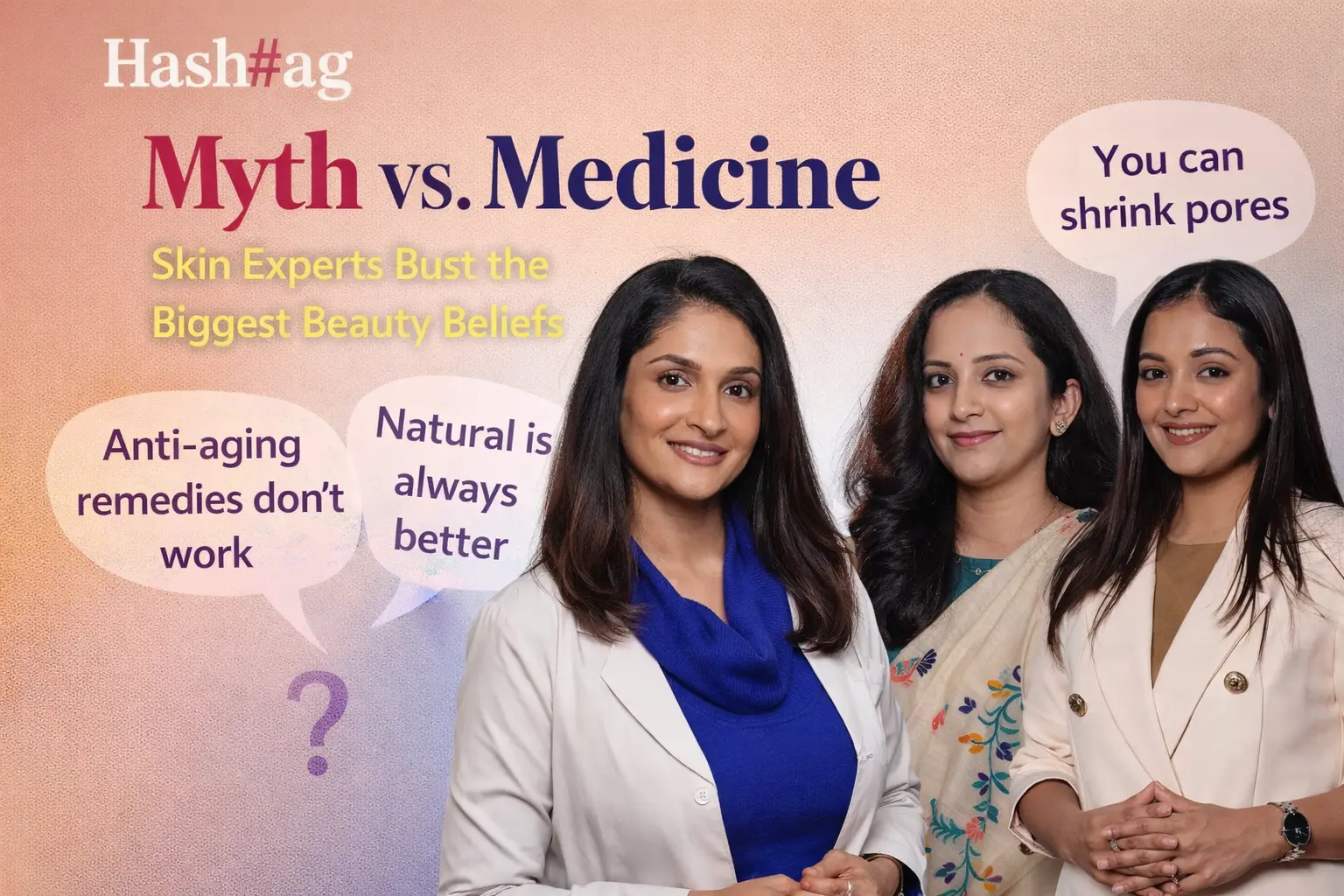
Myth vs. Medicine: Skin Experts Bust the Biggest Beauty Beliefs

In an age of reels, trends, and skincare hacks, it’s harder than ever to separate beauty facts from fiction. Hashtag Magazine turned to dermatologists and skincare experts to decode what truly benefits your skin, and what belongs in the bin. Here’s the expert-approved truth your skin has been waiting for. Dr Anupriya Goel is an Aesthetic Dermatologist and Medical Director of Berkowits Hair and Skin Clinics. She is the author of the book, How to Get Glass Skin, published by Penguin House. She actively writes articles in medical journals and newspapers and has more than 20 million views on her YouTube videos. She is a National trainer of anti-ageing procedures like Botox, fillers and threadlift and an international trainer for hair growth treatments. Can climate and pollution directly affect skin health and trigger skin problems? Yes. Climate and pollution have a direct impact on skin health. Extreme temperatures, low humidity, and UV exposure can disrupt the skin barrier, leading to dryness, sensitivity, pigmentation, acne, and premature ageing. Pollution particles generate free radicals that increase oxidative stress, damage collagen, worsen inflammation, and aggravate conditions like acne, eczema, and melasma. Is it necessary to change skincare products when the seasons change? In many cases, yes. Skin needs change with the weather. During colder or drier months, the skin tends to lose moisture faster and may require richer moisturisers and gentler cleansers. In hot or humid seasons, lighter formulations, non-comedogenic products, and better oil control are often needed. Adjusting skincare helps maintain a healthy skin barrier year-round. Can a damaged skin barrier cause multiple skin issues at the same time? Absolutely. The skin barrier is essential for retaining moisture and protecting against irritants, allergens, and microbes. When it is compromised, the skin becomes more prone to dryness, redness, acne, sensitivity, infections, and flare-ups

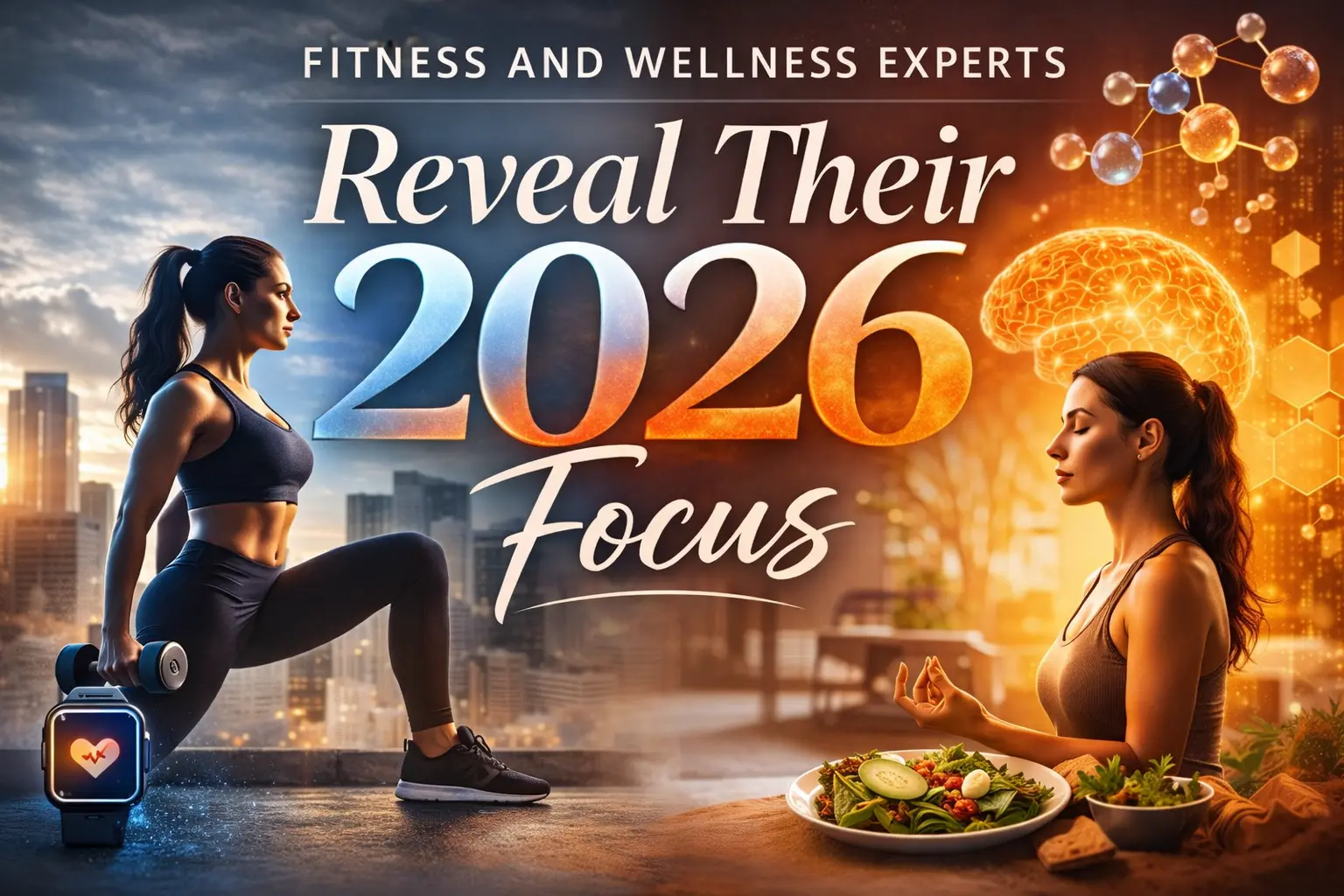
New Year, New Goals: Fitness and Wellness Experts Reveal Their 2026 Focus

As 2026 begins, Hashtag Magazine speaks to fitness and wellness influencers to learn about their goals, routines, and trends for the year ahead. From mindful movement to holistic health, here’s how they plan to stay strong, balanced, and inspired. Mihir Jogh: Bringing Balance and Clarity through Yoga Mihir Jogh is a seasoned yoga teacher and founder of JogaShala, an online platform rooted in classical Hatha yoga and enriched with modern movement, mobility, and breath work practices. With over 15 years of teaching experience, Mihir is celebrated for his thoughtful sequencing, alignment focus, and ability to make yoga practical, grounding, and relevant to modern life. His work empowers people to find freedom in their bodies, clarity in their minds, and confidence in movement both on and off the mat. New Year’s Resolution for 2026–For 2026, Mihir plans to place self-care at the heart of his life. “This means prioritizing rest, sleep, and intentional travel, and allowing myself time to absorb each experience truly,” he explains. He is also returning to study in an ashram, approaching his own practice with humility and curiosity. Transformative Habits–He recommends a straightforward habit for overall well-being: a daily disconnect. Even a few minutes away from screens, notifications, and constant stimulation through quiet reflection, journaling, conscious breathing, or yoga, which can reset the nervous system and reconnect us with our inner rhythm. Yoga for Stress and Digital Fatigue–Mihir observes that people are turning to yoga not just for flexibility, but to cope with stress, burnout, and digital overload. “Yoga teaches us to slow down, breathe consciously, and respond instead of reacting,” he says. Simple practices like mindful movement, breath awareness, and strategic pauses help regulate the nervous system and cultivate resilience in an increasingly demanding world. Karina Trigubchak: Mindful Movement, Meaningful Strength Karina Trigubchak is a wellness

Ayurveda in the Modern Age: How India’s Ancient Science Is Going Global

Ayurveda is an ancient Indian system of medicine that focuses on achieving harmony between the body, mind, and spirit through natural methods such as diet, herbal remedies, and lifestyle adjustments. This “science of life” is moving far beyond its Indian origins to become a globally embraced approach to health, attracting millions who seek natural balance. The global market for Ayurvedic medicine and related services was estimated at $17.15 billion in 2024 and is projected to reach $85.83 billion by 2033, demonstrating explosive growth. This expansion reflects a global shift toward balanced, natural living. For example, Ayurveda views leisure as essential for well-being. Taking time for sports, socializing, or even playing the wonderland live casino game supports this balance, offering mental renewal through engaging experiences. As this philosophy spreads, it is reshaping health, beauty, and wellness worldwide, moving beyond purely allopathic approaches. Global Acceptance of Ayurvedic Practices The international community is increasingly recognizing Ayurveda as a viable complementary health system. Organizations around the world are taking steps to regulate and promote its use. For instance, the World Health Organization (WHO) has actively supported the development and regulation of traditional and complementary medicine globally. Official Recognition and Integration The integration of Ayurvedic principles into mainstream health systems is a major trend. Over 80 percent of the population across 170 countries reportedly use traditional medicine, including Ayurveda. Academic and clinical collaborations are also expanding. The acceptance is moving beyond simple acknowledgment into formal regulatory frameworks. Several Western nations now permit registered practitioners to operate legally: The United States National Institutes of Health recognizes Ayurvedic medicine as a form of complementary and alternative medicine. Five nations within the European Union formally recognize Ayurvedic therapy, acknowledging its therapeutic value. India established the Ministry of Ayush to promote education, research, and propagation of indigenous medicine systems

Bridal Beauty 2025: Trends, Tips & Timeless Looks for Modern Brides

In 2025, bridal beauty is all about achieving glowing skin, embracing individuality, and exuding timeless elegance. Celebrity makeup artist Bianca Louzado, known for her work with some of India’s most famous brides, shares her expert insights on the looks, palettes, and tips that are defining this year’s weddings. What’s the most significant bridal makeup trend of 2025? Fresh, luminous skin with a ‘your skin but better’ finish is dominating this year. Brides want understated elegance soft sculpting, creamy products, and light-reflecting highlights that create an ethereal glow. Brides are still inspired by celebrity weddings. “For Sanjana Ganesan at her wedding with Jasprit Bumrah, I created a fresh, skin-focused look that remains a favourite today. Kiara Advani’s dewy glow and Alia Bhatt’s romantic minimalism are also top references, while Priyanka Chopra’s modern-traditional fusion appeals to brides who want balance. For intimate and destination weddings, soft glam effortless, romantic looks are most popular. But in grand, multi-day North Indian celebrations, traditional glam with bold eyes and vibrant colours continues to shine. Colours & Palettes to Watch Warm peach, muted rose, soft corals Gold, champagne, and bronze shimmer for the eyes Matte berry lips for winter weddings Glossy nude lips for summer ceremonies How does destination wedding makeup differ by climate? Beach weddings: Lightweight, sweat-resistant products with SPF and minimal powdering. Cold climates: Rich hydration layers, creamy textures, subtle highlighter. Dry regions like Rajasthan: Matte long-wear bases with hydrating prep, warm earthy tones. Do’s & Don’ts for Brides See a dermatologist several months in advance and stick to a consistent skincare routine. Avoid experimenting with facials or new skincare products right before the big day. What mistakes do brides commonly make? Over-exfoliating, last-minute treatments, and ignoring the event’s lighting when finalizing looks. Lighting matters more than most people realize. If a trial is

You May Also Like

Connect with us