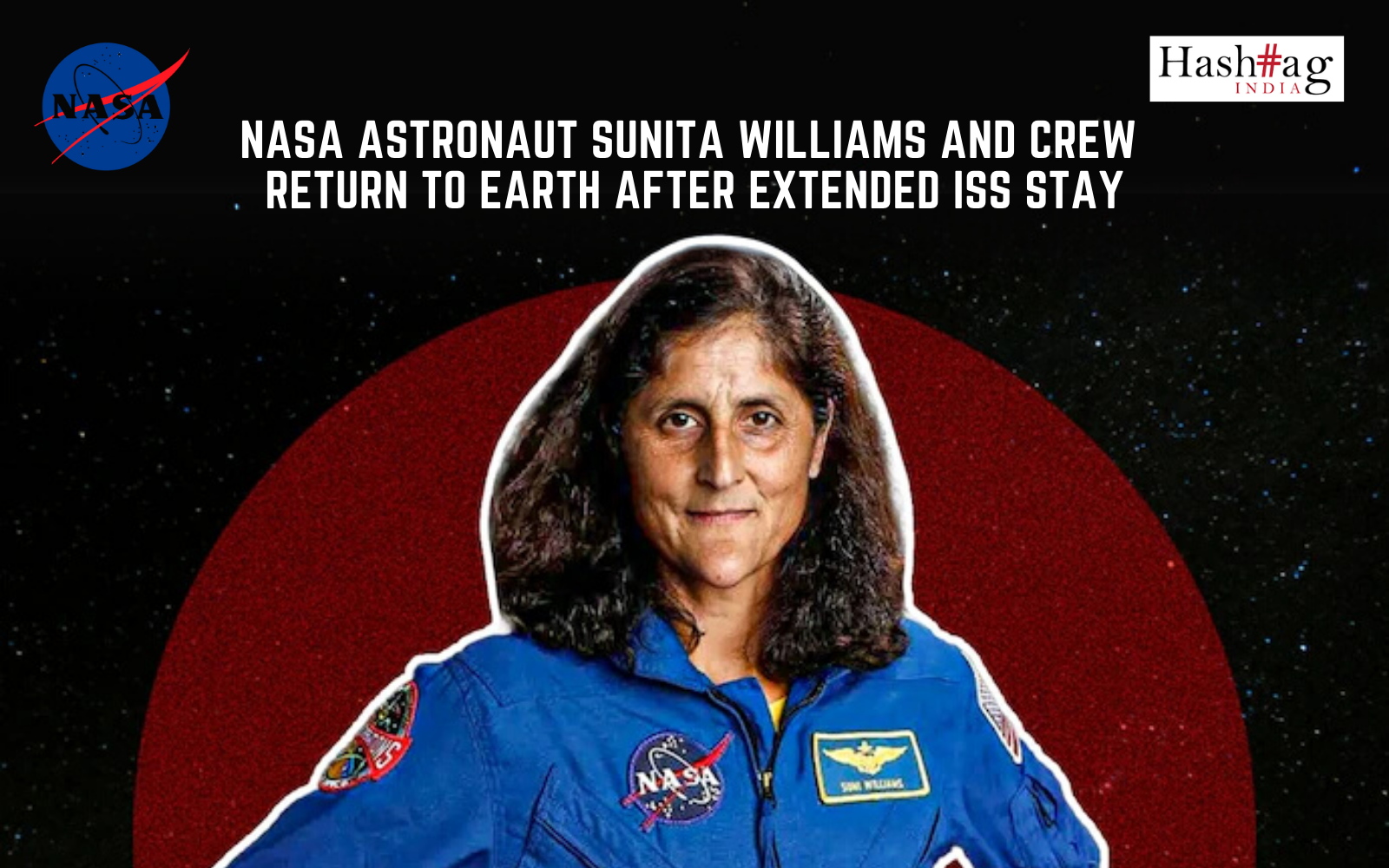
NASA Astronaut Sunita Williams and Crew Return to Earth After Extended ISS Stay

NASA astronaut Sunita Williams and her fellow crew member, Butch Wilmore, have safely returned to Earth after an unexpectedly prolonged stay aboard the International Space Station (ISS). The two astronauts, who originally launched aboard the Boeing Starliner for a planned eight-day mission, ended up spending over nine months in space due to technical issues with their spacecraft. Hashtag Magazine gives you an overview of the mission that went on longer than expected.

Launch and Initial Mission Plans

Williams and Wilmore lifted off aboard the Boeing CST-100 Starliner on June 5, 2024, from Cape Canaveral, Florida. This mission, called the Crew Flight Test (CFT), was meant to be a short-duration test of Boeing’s new spacecraft, which NASA had chosen as part of its Commercial Crew Program. The goal was to demonstrate that the Starliner could successfully transport astronauts to and from the ISS, providing an alternative to SpaceX’s Crew Dragon.

Upon arriving at the ISS, Williams and Wilmore were welcomed by the station’s existing crew. Their responsibilities included running scientific experiments, testing the Starliner’s systems, and participating in routine station maintenance. However, what was intended to be a brief stay soon turned into an unexpectedly long mission due to complications with their return vehicle.

Technical Issues and Delays

Shortly after docking at the ISS, NASA engineers detected multiple technical issues with the Starliner. The most significant problems included malfunctions in five of its thrusters and a persistent helium leak in the propulsion system. These concerns made it unsafe for the astronauts to use the spacecraft for their planned return.

Boeing and NASA engineers worked tirelessly to diagnose and fix these problems remotely. Extensive tests were conducted to determine whether Starliner could safely bring Williams and Wilmore back to Earth. Given the complexities of spaceflight and the need for absolute safety, the return was postponed multiple times to allow for additional troubleshooting.

Despite the delays, NASA assured the public that Williams and Wilmore were safe aboard the ISS. The station had enough resources, and the astronauts were integrated into the daily operations of the crew. They also took part in scientific research and outreach programs, even celebrating milestones like Thanksgiving and Christmas in space.

Successful Return and Splashdown

After months of assessment, NASA and Boeing confirmed that the Starliner was ready for its return journey. On March 18, 2025, the spacecraft successfully undocked from the ISS. Williams and Wilmore re-entered Earth’s atmosphere and made a parachute-assisted landing in the southwestern United States. This marked the first time a crewed Starliner mission had completed both the journey to and from space.

Upon landing, the astronauts were met by NASA’s recovery team and underwent standard medical evaluations. Despite spending much longer in microgravity than planned, both Williams and Wilmore were reported to be in good health.

Lessons from the Starliner Mission

The delays faced by Williams’ mission highlight the difficulties of space travel, particularly with new spacecraft. Boeing’s Starliner program, which was meant to be a competitor to SpaceX’s Crew Dragon, faced multiple setbacks but also provided valuable lessons. NASA and Boeing will now use the data gathered from this mission to refine Starliner’s systems and improve future flights.

For Sunita Williams, this mission added to her already impressive career as an astronaut. A veteran of multiple spaceflights, she has now spent over 500 days in space across her missions. Her resilience and adaptability, even in unexpected circumstances, once again demonstrated the dedication required for human space exploration.

As she returns to Earth, Williams’ journey underscores both the challenges and triumphs of pushing the boundaries of spaceflight.

Leave a comment

Your email address will not be published. Required fields are marked *

Best Dating Apps in India for Every Relationship Goal

For years, online dating in India was largely synonymous with a handful of familiar names. But as conversations around love, companionship, and identity evolve, so are the ways people choose to connect. Today’s users aren’t all looking for the same thing, and they don’t expect one app to deliver it all. While some are searching for long-term relationships, others are seeking friendships, queer communities, meaningful conversations, or simply people who share their interests and values. As modern dating becomes more intentional, a new generation of platforms is stepping in to cater to these different needs. From apps built for serious commitment and LGBTQIA+ users to those helping people find friends or connect over common passions, there’s no longer a one-size-fits-all approach to finding meaningful connections. Here are the platforms redefining how India dates, befriends, and builds relationships in 2026. Boo: For Introverts Seeking Deeper Connections Small talk isn’t everyone’s love language, and Boo knows that. Designed around personality compatibility, the app uses the Myers-Briggs framework and shared interests to help users connect beyond appearances. Instead of endless swiping, Boo encourages people to build relationships based on values, communication styles, and common passions. It has become especially popular among introverts and those looking for slower, more intentional connections. For people who would rather discuss books, movies, or personality types than exchange generic pickup lines, Boo offers a refreshing alternative to traditional dating apps. Grindr: For Gay, Bi, Trans, and Queer Dating Long before many mainstream apps began prioritising inclusivity, Grindr was creating a space for queer connections. The location-based app remains one of the world’s most recognised platforms for gay, bi, trans, and queer people, allowing users to meet others nearby and build everything from friendships and communities to romantic relationships. In countries like India, where safe queer spaces can still

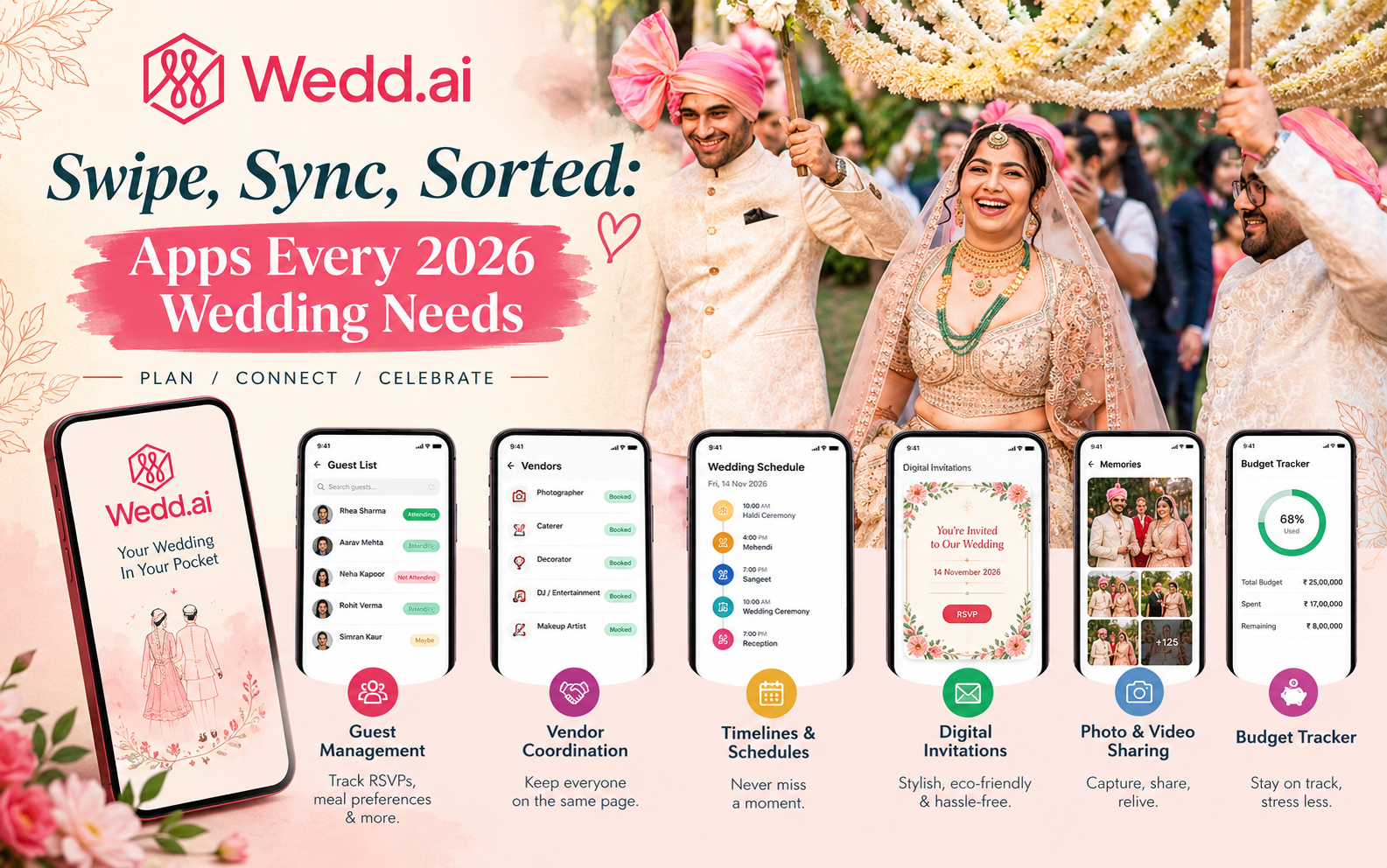
Best Wedding Apps for Indian Weddings in 2026

The “big fat Indian wedding” has officially gone digital. Between multi-city guest lists, five-day event calendars, and family WhatsApp groups that never sleep, today’s couples are trading paper diaries and Excel sheets for smarter tools built specifically for the chaos of Indian shaadis. Hashtag Magazine shortlists apps worth adding to your wedding toolkit this season. WedMeGoodOften described as the love child of Pinterest and a wedding planner, WedMeGood is one of India’s most trusted wedding platforms, offering an extensive range of vendor listings, reviews, real wedding showcases, and inspiration galleries. Beyond browsing, the app doubles as a functional planner covering vendors, e-invites, checklists, and ideas, positioning itself as the one app every Indian bride or groom needs. It’s the best starting point for couples still in the inspiration-gathering phase. WeddingWire IndiaFor the planner who loves structure, WeddingWire India is the go-to. It combines the reliability of a global planning network with an understanding of Indian wedding nuances, offering price estimates, checklists, and vendor reviews for a comparison-driven experience. Having joined forces with ShaadiSaga, it now brings global planning standards to the Indian market, making it ideal for spreadsheet-and-checklist-loving “Type A” planners. Wedd AiThis is where things get futuristic. Billed as India’s first AI-powered wedding command centre, Wedd Ai is designed for both professional planners and families, capable of managing hundreds of guests or syncing multi-day, multi-city celebrations with precision. Its standout feature is automated RSVP handling: the app sends invites via WhatsApp, SMS, and email with one-click confirmation links, tracks responses in real time with colour-coded status, and sends smart follow-ups to guests who haven’t replied, cutting out the manual chasing entirely. It also lets planners import guest contacts via spreadsheet, auto-detect duplicates across bride and groom lists, and group guests by individual functions like Haldi, Mehendi, or Reception. WeddingkartFor

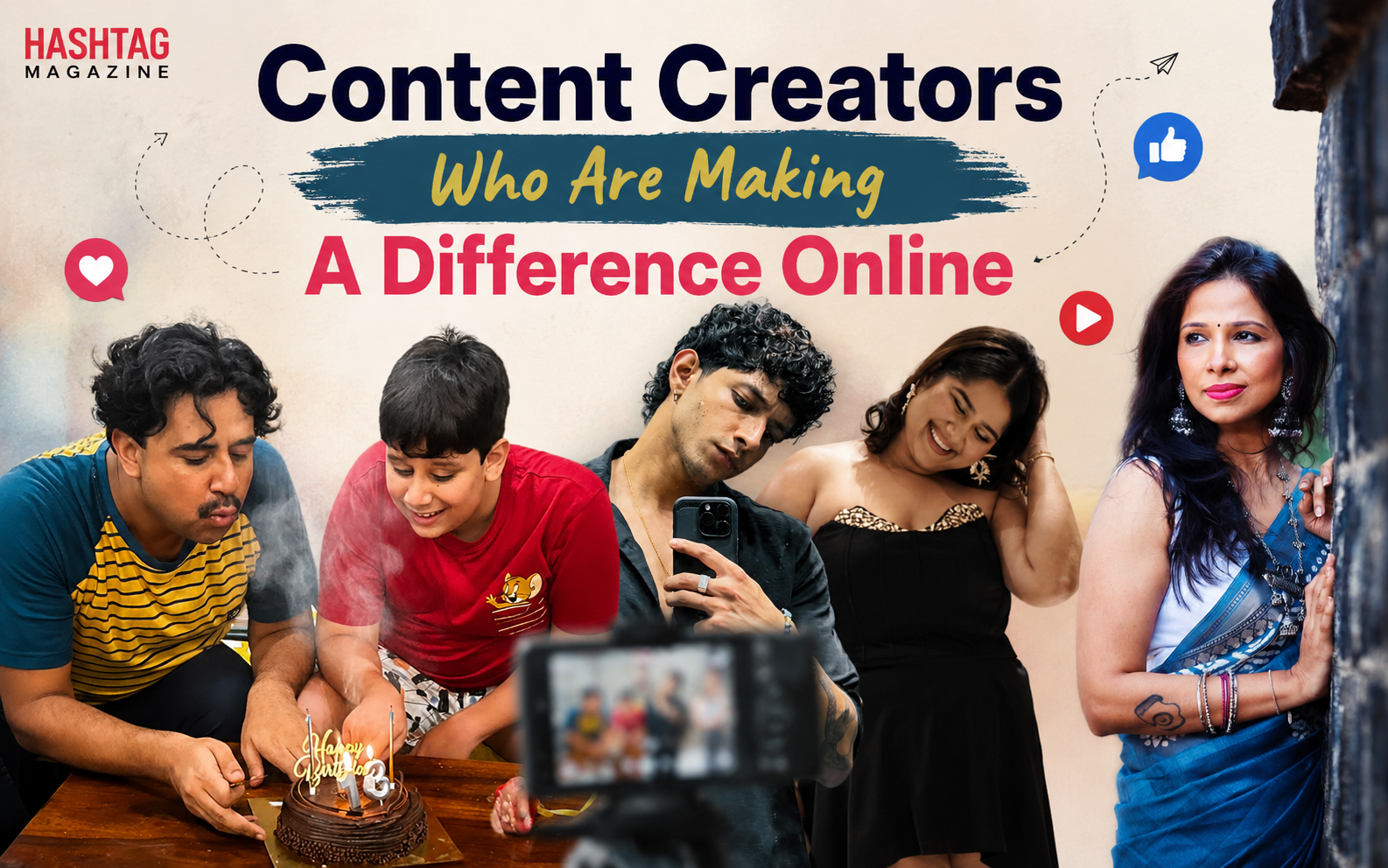
4 Content Creators Who Are Making A Difference Online

Social media often gets a bad reputation for endless trends, fleeting virality, and mindless scrolling. But beyond the perfectly curated feeds and viral challenges, a new generation of creators is proving that the internet can also be a force for empathy, education, and genuine connection. They’re using their platforms not just to entertain, but to spark important conversations, build supportive communities, and remind people that they are not alone. From a father reshaping India’s understanding of autism and an ASMR artist helping millions find comfort at the end of the day, to a creator championing body confidence and another offering refreshingly honest life advice, these voices are creating impact far beyond likes and views. In a digital world where attention is currency, they’re choosing to spend it on something meaningful. Meet four creators who are making the internet a kinder, more thoughtful place, one post at a time. 4 Creators Changing Conversations, One Post at a Time Indian Girl ASMR: The Voice putting India to sleep For Vedashree Pendharkar, better known online as Indian Girl ASMR, creating content has always been about offering people a moment of calm in an increasingly noisy world. One of India’s pioneering ASMR creators, she produces immersive roleplays, guided relaxation sessions, and soothing sound experiences designed to help viewers sleep better, manage stress, and unwind. Having been an avid ASMR viewer herself for nearly six years, Veda decided to try creating videos during the COVID-19 lockdown in 2020. What began as a creative outlet soon evolved into something much bigger. “As viewers began sharing stories about how the videos helped them sleep better, relax after stressful days, or cope with anxiety, I realised that ASMR had the power to make a genuine difference in people’s lives,” she says. Being among the early creators in the

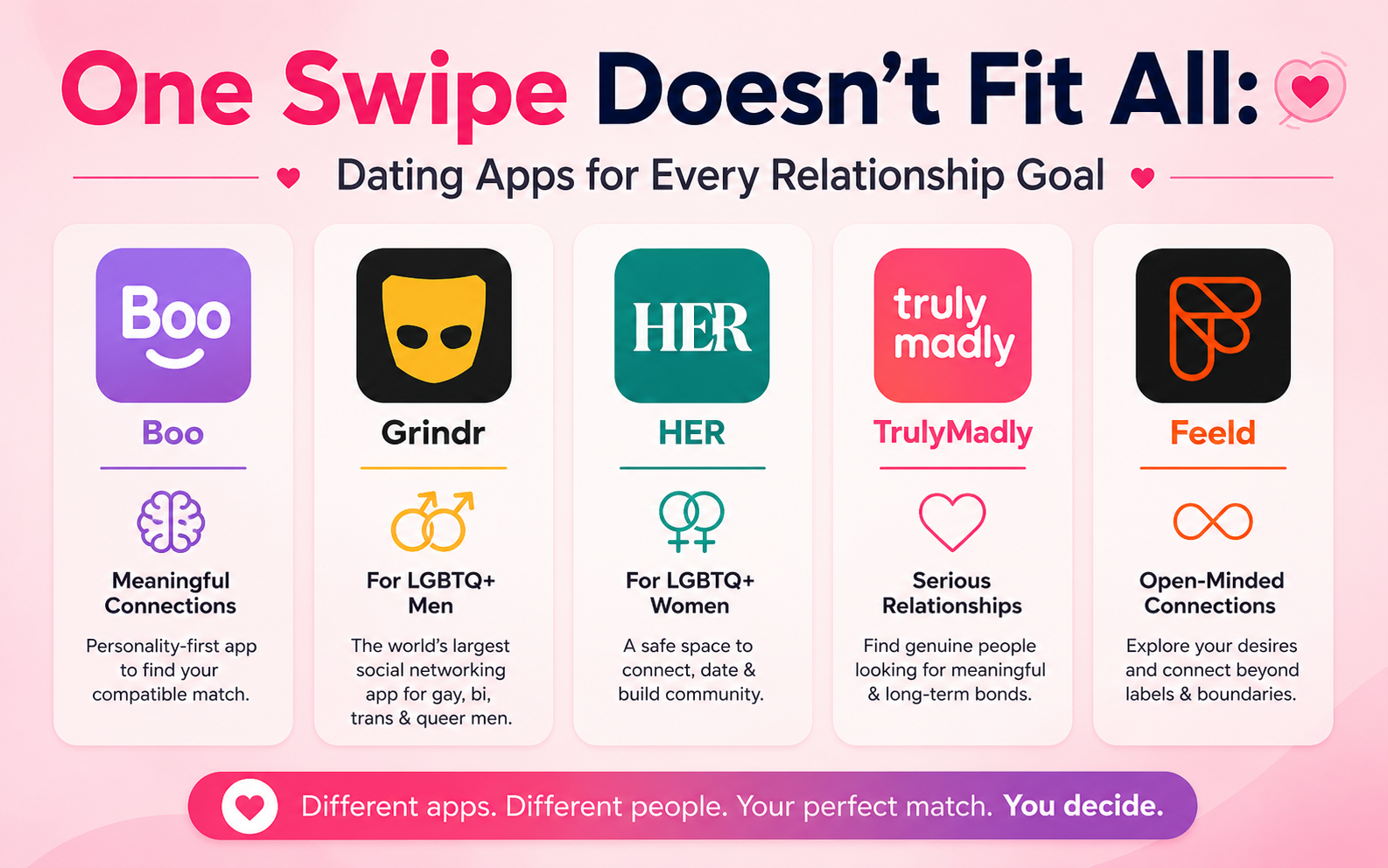
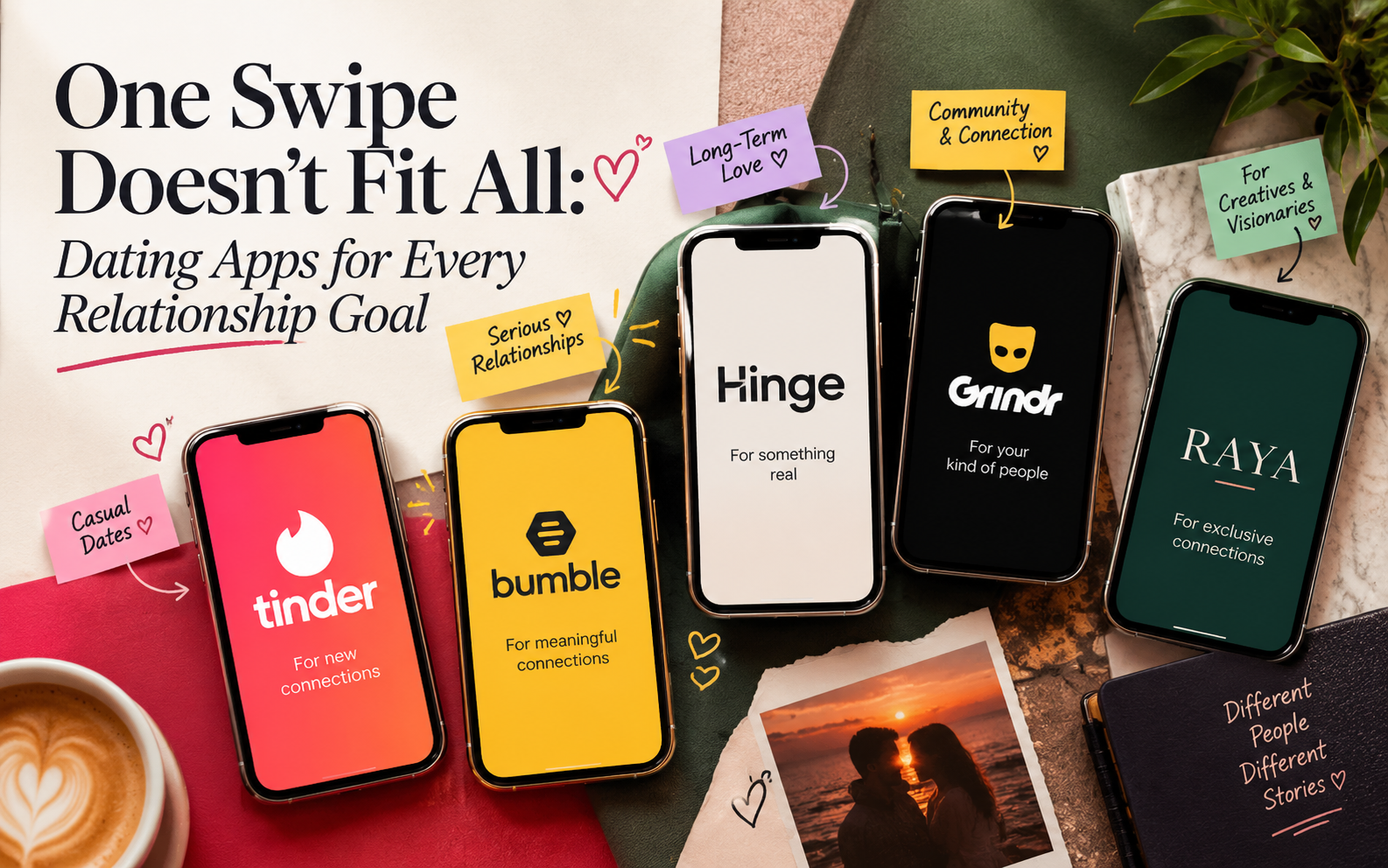
One Swipe Doesn’t Fit All: Dating Apps for Every Relationship Goal

For years, online dating in India was largely synonymous with a handful of familiar names. But as conversations around love, companionship, and identity evolve, so are the ways people choose to connect. Today’s users aren’t all looking for the same thing, and they don’t expect one app to deliver it all. While some are searching for long-term relationships, others are seeking friendships, queer communities, meaningful conversations, or simply people who share their interests and values. As modern dating becomes more intentional, a new generation of platforms is stepping in to cater to these different needs. From apps built for serious commitment and LGBTQIA+ users to those helping people find friends or connect over common passions, there’s no longer a one-size-fits-all approach to finding meaningful connections. Here are the platforms redefining how India dates, befriends, and builds relationships in 2026. Boo: For Introverts Seeking Deeper Connections Small talk isn’t everyone’s love language, and Boo knows that. Designed around personality compatibility, the app uses the Myers-Briggs framework and shared interests to help users connect beyond appearances. Instead of endless swiping, Boo encourages people to build relationships based on values, communication styles, and common passions. It has become especially popular among introverts and those looking for slower, more intentional connections. For people who would rather discuss books, movies, or personality types than exchange generic pickup lines, Boo offers a refreshing alternative to traditional dating apps. Grindr: For Gay, Bi, Trans, and Queer Dating Long before many mainstream apps began prioritising inclusivity, Grindr was creating a space for queer connections. The location-based app remains one of the world’s most recognised platforms for gay, bi, trans, and queer people, allowing users to meet others nearby and build everything from friendships and communities to romantic relationships. In countries like India, where safe queer spaces can still

You May Also Like

Connect with us