
Vaccines on Pregnant Women

Dr Prabha Ramakrishna,  Obstetrics & Gynaecology, Sakra World Hospital Bengaluru airs away misconceptions and busts myths about vaccines on pregnant moms.

The journey to motherhood or pregnancy is undoubtedly the most eventful and delightful phase of a woman’s life. However, the global pandemic has put pregnant mothers at risk, making it a point of grave concern among would-be mums. The Center For Disease Control And Prevention (CDC) has stated pregnant and post-partum women are at an increased risk of severe illness from Covid-19 virus, compared to those who aren’t pregnant, although the overall risk of severe illness from the virus is low at present. The virus puts the would-be mums at a greater risk of preterm birth and other adverse pregnancy outcomes compared to pregnant women without Covid-19. 

Keeping these in mind, the Ministry of Health and Family Welfare, India has approved vaccination of pregnant women against Covid-19 with the condition that a pregnant woman has the choice to take an informed decision of getting vaccinated or not during pregnancy. However, several myths around the harmful impact of Covid-19 vaccination on pregnant women have given birth to misconceptions among would-be mums that need to be busted. 

The myths and the facts around Covid-19 vaccination among pregnant women

Myth: A woman planning for a baby must not get Covid-19 vaccination

Fact: As the vaccines aren’t made of live viruses, it is unlikely to risk the foetus if a pregnant mother takes her jab. While there’s a floating misconception that a woman planning for pregnancy should not plan one till two to three months following the vaccination course, waiting for that duration does give the women the time needed to develop antibodies.

VACCINES ON PREGNANT WOMEN

Myth: Vaccination impacts the menstrual cycle, period flow and causes pain. 

Fact: There is no evidence to establish an association of Covid-19 vaccine with menstruation, such as increase in bleeding or pain.

Myth: Breastfeeding moms should stay away from Covid-19 vaccines. 

Fact: It is a false alarm. In fact, a vaccinated lactating mother can help to protect her new-born from the virus through breastfeeding. When lactating mothers get vaccinated, it produces an antibody response protecting the mothers from new Covid-19 infection. These antibodies can get transferred to the new-born while breastfeeding, safeguarding the infants with passive immunity from the virus. 

Myth: Covid-19 vaccines are not safe for pregnant women 

Fact: Available data suggest that the risk of complications in pregnancy is way higher in terms of contracting the virus during pregnancy than any possible risk associated with the vaccination. 

Myth: Covid-19 vaccine passes through the placenta and can damage the baby


Fact: After a vaccine is administered in the muscle, the body recognises the vaccine and generates a response in the form of antibodies. These antibodies cross the placenta through the bloodstream or may reach the baby through breast milk while breastfeeding. Notably, these antibodies in the mother generated post-vaccination provide protection to both the mother and the baby during pregnancy as well as breastfeeding. 

Myth: Covid-19 vaccination makes pregnant women all sick


Fact: No additional side effects of Covid-19 vaccines are reported among pregnant women compared to non-pregnant ones. Post-vaccination, a pregnant woman faces similar sickness as any other non-pregnant woman which should go away within a few days. 

Pregnant women are more vulnerable to Covid-19 infection and hence, it is essential to clear off the misconceptions and bust the myths around the effects of vaccination on pregnant women. This will help the would-be mums or lactating mums to make informed decisions about vaccination and provide the best protection to the foetus and the newborns. 

Leave a comment

Your email address will not be published. Required fields are marked *

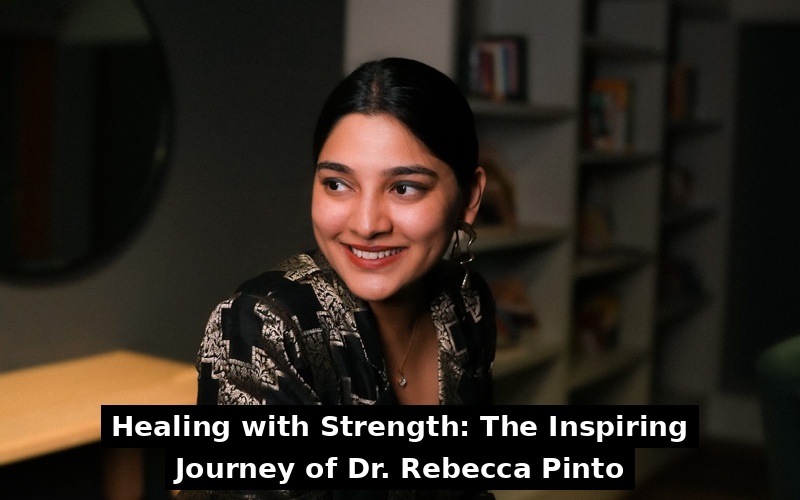
Healing with Strength: The Inspiring Journey of Dr. Rebecca Pinto

Based in Bangalore, Dr. Rebecca Pinto is a physiotherapist by qualification, but as she says, “My life has been shaped far more by experience than by textbooks.” Losing her mother at a young age, Rebecca grew up in a single-parent household with her father. Financial constraints were not abstract concepts; they were lived realities. “I saw what a lack of money really does, not just to your lifestyle, but to your peace, your choices, even your relationships,” she shares. That early exposure instilled two beliefs: financial independence creates freedom, but happiness remains a choice. Known among friends as vibrant and dependable, she describes herself as “caring, witty, and observant.” Her critics may call her detached, but she believes that detachment “has helped me survive more than anything else.” Health Beyond Information Today, Dr. Pinto wears multiple hats: physiotherapist, nutritionist, and content creator. But her mission extends beyond treatment plans. She challenges deeply ingrained habits. “When you understand health, you don’t just treat people, you change how they live,” she explains. Content creation began casually, a simple experiment. But the moment people began telling her, “This helped me,” the weight shifted. “That’s when it stopped being content and became responsibility.” For Rebecca, health isn’t about longevity alone. “It’s about living without constantly feeling tired, inflamed, or uncomfortable, which unfortunately has become normal.” Clarity Over Comfort In an industry flooded with trends, her voice stands out for its directness. “Most people don’t change because they lack information. They don’t change because no one has made them question their habits.” She positions herself deliberately between comfort and awareness. Her approach is simple, sometimes blunt, but always rooted in science. “If something is harming you, I’ll say it, even if it’s something you enjoy.” Her audience associates her with two defining qualities: clarity and

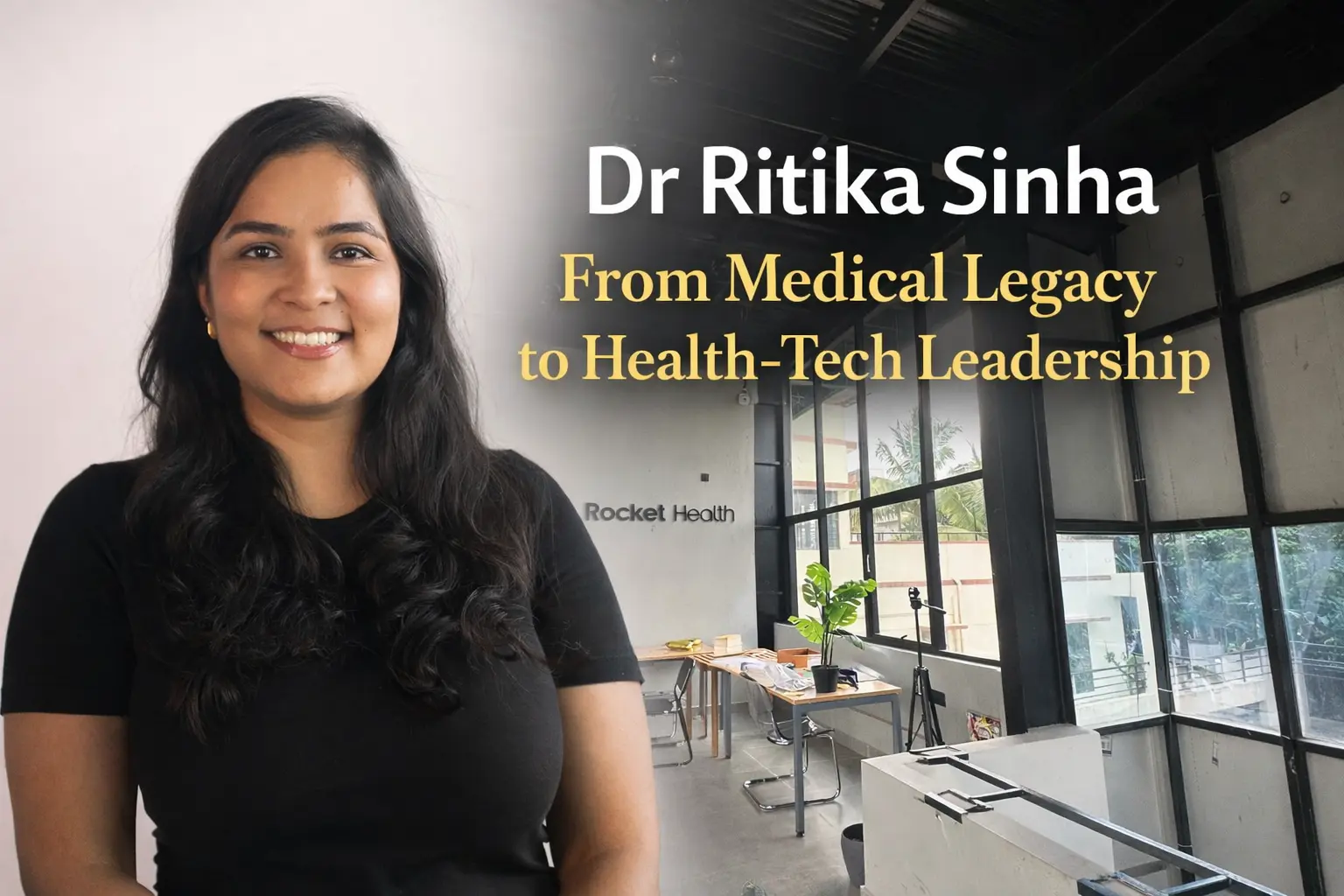
Dr Ritika Sinha: Transforming Healthcare with Rocket Health

Dr Ritika Sinha was born and raised in Gaya, Bihar, and is now based in Bangalore. She comes from a family of doctors, her mother a gynaecologist and her father a surgeon, who runs a hospital in Bihar. Growing up in a medical household meant early exposure to patient care, long hours, and the operational realities of healthcare delivery. “Healthcare was never abstract for me,” she reflects. “I saw firsthand what responsibility toward patients actually looks like.” A major turning point came during the COVID-19 pandemic, when she helped launch a pilot initiative to support patients across India. That experience exposed significant gaps in access and continuity of care, particularly in mental health. “It really opened my eyes to how broken the system can be,” she says. “It changed how I saw my role as a doctor.” In a bold move, she decided to step away from the traditional clinical path just before her postgraduate entrance exams to build Rocket Health full-time. “It was scary,” she admits, “but I had absolute clarity.” Normalising Mental Healthcare Dr Sinha is a doctor-turned-entrepreneur and co-founder of Rocket Health, a digital mental healthcare company focused on therapy, psychiatry, and integrated care. The motivation behind the company was clear: mental healthcare has long been misunderstood and stigmatised. “People think therapy is only for extreme situations,” she explains. “We want to normalise it, to make it as routine as going to the gym or seeing a physician. For her, the mission is deeply personal and systemic at the same time. Mental health, she notes, influences every dimension of life, relationships, work, confidence, and decision-making. “As more people are opening up to these conversations, the care available to them must be credible and high-quality,” she emphasises. Quality at Scale Dr. Sinha’s role centres on building healthcare systems

Decoding Modern Mental Health

In a world where stress, digital overload, and rising expectations shape our everyday lives, mental well-being has become more crucial than ever. Experts like Dr. Sarthak Dave and Dr. Era Dutta break down the modern pressures affecting our minds and offer clear, science-backed ways to cope. Understanding Anxiety TodayDr. Sarthak Dave Breaks Down Myths, Warning Signs & Everyday Coping Tools Dr. Sarthak Dave, MBBS, MD (Psychiatry), is one of India’s most trusted voices in mental health. Based in Ahmedabad, Gujarat, he is the founder of Vibha Healing Center, a safe, accessible space for individuals seeking support and guidance. In this conversation, he sheds light on anxiety what people misunderstand most, when stress becomes a clinical concern, and how simple, science-backed tools can help restore balance. 1. What’s the most misunderstood aspect of anxiety today? Two misconceptions stand out. First, many people believe their level of anxiety is the only “real” version of anxiety. So they often struggle to understand or accept that someone else might experience it far more intensely. Second, people assume anxiety must always have an external cause. But clinical anxiety often arises from internal factors hormonal changes, genetics, or neurotransmitter imbalances. In such cases, changing your environment won’t fix the issue. Addressing the biological changes is what helps. 2. When does “normal stress” turn into a clinical concern? Stress is a natural human response. But it becomes a clinical issue when it causes socio-occupational or socio-academic dysfunction meaning your ability to function in daily life is affected. If you’re unable to eat, sleep, concentrate, work, study, or connect with people the way you used to, that’s a red flag. Additionally, if symptoms persist for more than 2 weeks and continue to worsen rather than resolve, they should be taken seriously. In such situations, stress is no longer

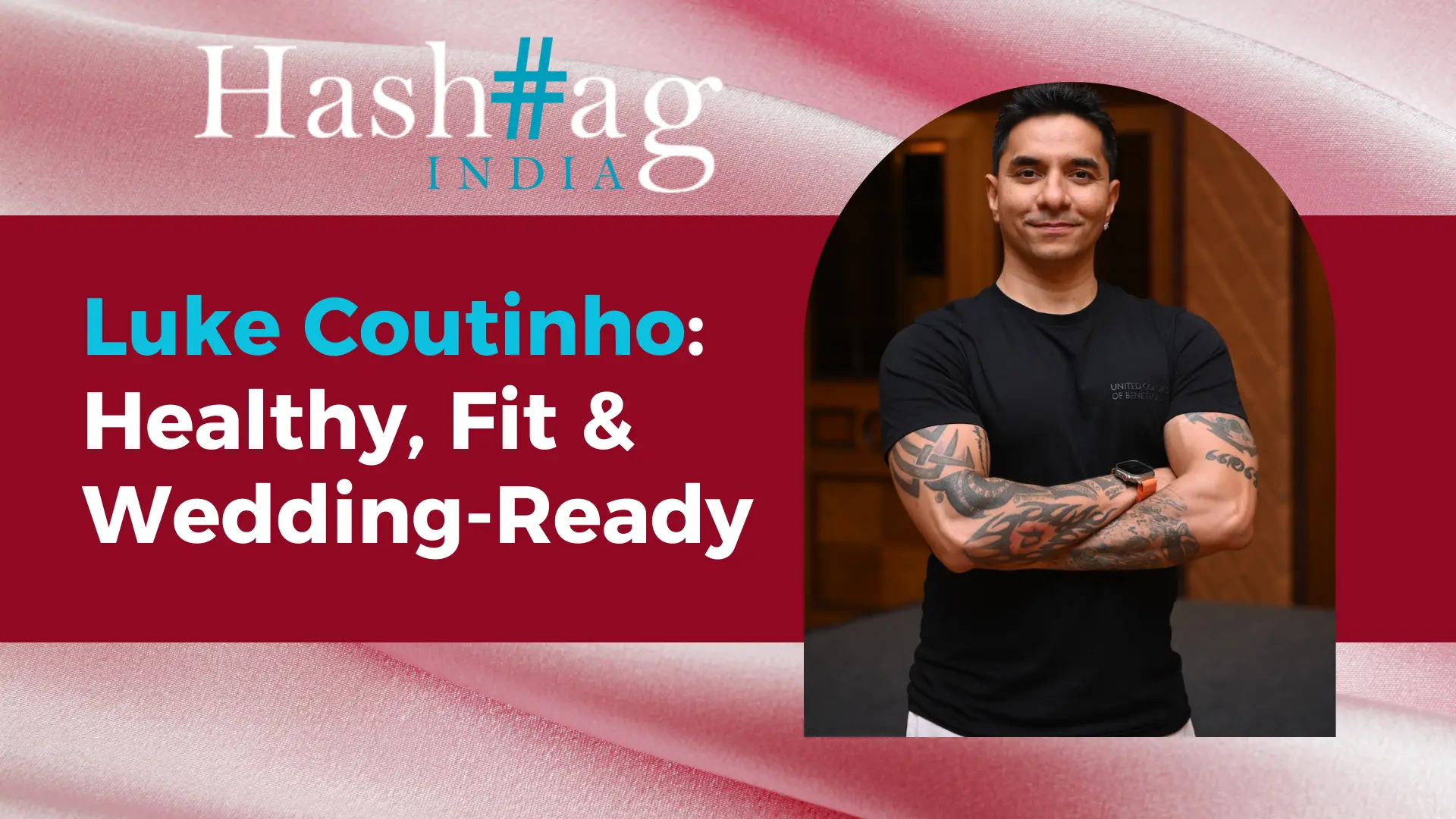
Wedding Wellness with Luke Coutinho: Starting the Journey

Luke Coutinho, India’s leading Integrative Lifestyle Expert, believes that true wedding prep goes far beyond fitting into an outfit or chasing picture-perfect looks. For him, it’s about building strength, balance, and inner calm that lasts well beyond the wedding day. Here, he shares his holistic wellness guide for brides and grooms stepping into this new chapter. From a holistic health perspective, how early should brides and grooms start preparing their bodies for the wedding? I’ve always believed that wedding prep should start with the inside. If we’re talking about sustainable energy, balanced hormones, strong immunity, or calm emotional states it’s not a 15-day crash course. It’s a rhythm you build. Ideally, I encourage couples to begin six to 12 months in advance. That gives us space to work on the deeper layers like gut repair, sleep cycles, metabolic health, and emotional resilience. Even three months can make a real difference if done right. But more than timelines, I believe in intention. Whether you start 12 months or six weeks before, ask yourself: Am I just trying to look good for a day, or do I want to feel well through all the days that follow? How can couples set wellness goals that go beyond just looking good in wedding photos?It’s easy to get caught up in aesthetics wanting to fit into a certain outfit or chase a number on the scale. But real wellness is about how you feel your energy, your digestion, your mood, your ability to stay calm amidst the chaos. I always tell couples: Don’t make the goal about shrinking your body. Make it about strengthening your health, supporting your hormones, and building the emotional resilience to actually enjoy your wedding. When you feel good inside, it shows up outside on your skin, in your eyes, and

You May Also Like

Connect with us