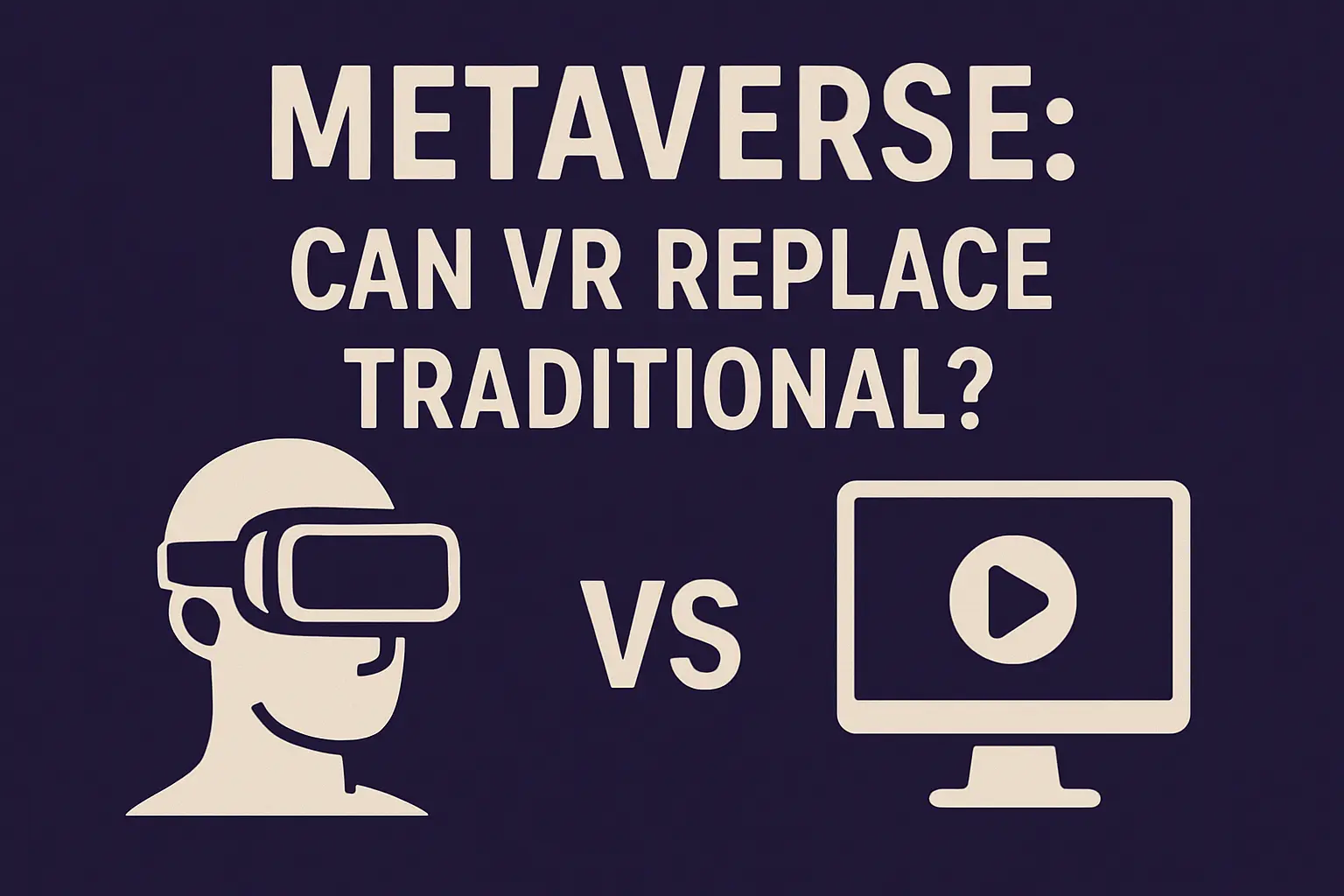
Metaverse: Can VR Replace Traditional ?

The roar of virtual slot machines, the digital chime of winning spins, and the hypnotic glow of your screen the sweet symphony of online casinos, where wallets vanish with a click, and dreams dangle on the edge of an algorithm.

But what if you could sit at virtual blackjack tables, sip virtual cocktails, and smoke virtual cigars, while the only thing actually smoking was your GPU? Welcome to the metaverse, the latest boogeyman for traditional online casinos.

VR casinos, promise a fully immersive experience from the comfort of your couch or bed, no judgment. But is this the end of traditional casinos, or just a shinier way to chase the same old odds? One thing’s for sure: at least here, you won’t have to dodge tourists or bad karaoke.

A Casino You Can’t Touch

The metaverse is a glorious invention that proves we don’t need reality anymore. In its simplest form, the metaverse is a digital universe where people interact via avatars, living their best virtual lives. This brave new world blends VR, AR, blockchain, and a touch of living in a simulation paranoia to create an interactive space for everything, including gambling.

For example: an online casino in Decentraland, where you can strut around in your digital Gucci outfit, playing blackjack with people who may or may not be real. They use DG tokens, players earn rewards, stake crypto, and experience a gambling hall that doesn’t smell like cigars and regret.

Of course, this wasn’t invented overnight. The concept of the metaverse was first described in 1992 by Neal Stephenson in Snow Crash, a cyberpunk novel where people escaped their dull reality through a virtual world. Little did he know, decades later, tech giants and crypto bros would make this dream a very expensive reality.

Feature

Metaverse Casino

Traditional Online Casino

User Interaction

Immersive 3D environments with avatar-based interactions.

2D interfaces with limited social interaction.

Technology

Utilizes VR/AR technologies for a lifelike experience.

Primarily relies on standard web or mobile interfaces.

Currency

Often incorporates cryptocurrencies and NFTs for transactions and in-game assets.

Typically uses fiat currencies for deposits and withdrawals.

Ownership

Players can own, trade, or sell virtual assets within the platform.

Limited to account balances; no ownership of virtual assets.

Experience

Offers a more immersive and interactive gambling environment.

Focuses on traditional gameplay without immersive elements.

The truth is, it’s more hype than reality—at least for now. While platforms like Decentral Games are pushing the concept forward, VR casinos remain a niche market. Most gamblers still prefer traditional online casinos like Raj Bet, which are faster, more accessible, and don’t require wearing a headset that makes you look like a futuristic cyborg.

VIP Access? More Like a Tech Barrier

Not everyone can just slip into the metaverse and start rolling virtual dice. The dream of VR casinos is exciting on paper, but in reality, it comes with a hefty price tag and a list of technical issues that make traditional online casinos look far more convenient. 

While high-end headsets like the Meta Quest Pro and HTC Vive Pro 2 promise near-realistic immersion, they cost as much as a decent vacation, ironic, considering VR’s biggest selling point is escaping reality.

VR Headset

Price Range

Casino Compatibility

User Experience

Drawbacks

Meta Quest 2

$300–$400

Limited

Good, but lacks high realism

No full-body tracking, lower graphics quality

HTC Vive Pro 2

$800–$1,200

Strong

High-end visuals, pricey setup

Requires high-performance PC, expensive accessories

Valve Index

$999

Strong

Great immersion, requires PC

Complex setup, not portable, high cost

PSVR 2

$550

Moderate

Console-dependent

Limited to PlayStation ecosystem, fewer casino apps

Meta Quest Pro

$999+

Very Strong

High-end, mixed reality features

High cost, bulky design

Pico 4

$400–$500

Moderate

Lighter, more affordable

Less content support, weaker processing power

So, who will be the first to fully embrace metaverse gambling? Likely, it will be:

  • Tech Enthusiasts – Those who already own VR headsets and enjoy futuristic experiences.
  • Crypto & Blockchain Investors – Blockchain fans may be among the first to use metaverse casinos, which typically accept cryptocurrencies.
  • Gen Z & Millennials – Raised on gaming, used to virtual environments, and more comfortable with digital transactions.

Right now, VR gambling isn’t ready for the mainstream—the headsets are too expensive, the user base is too niche, and the overall experience isn’t smooth enough to compete with regular online casinos. 

However, in five to ten years, when VR headsets become cheaper, lighter, and more integrated into everyday life, metaverse casinos could finally go from a luxury gimmick to a real alternative to traditional gambling halls.

Regulation and Security: The Wild West of VR Gambling

VR casinos sound like a dream, until you remember they exist in a digital Wild West, where laws are more of a suggestion than an actual rule. 

Traditional online casinos have strict licensing, fraud protection, and regulators breathing down their necks. VR casinos? They’re often floating in the blockchain ether, with no clear jurisdiction, no oversight, and a “trust us, bro” attitude when it comes to fairness. Here are the biggest challenges in VR gambling regulation:

  • Jurisdictional Conflicts – Is a VR casino based in the U.S., Malta, or floating somewhere on the blockchain? Who governs it? Nobody really knows.
  • Fraud & Fair Play – Without regulation, how can you trust virtual dealers aren’t rigging the game behind the scenes?
  • Money Laundering Risks – Crypto anonymity makes laundering cash as easy as changing an avatar’s outfit.
  • Age Restrictions – Verifying a player’s real age in the metaverse? As tricky as catching a shapeshifter.
  • Scams Unique to VR Casinos – Unlike traditional online gambling, the metaverse introduces rug pulls, pump-and-dump schemes, and even NFT-based gambling frauds.

Some countries are already pros at handling online gambling and might extend their rules to the metaverse someday. Malta, Gibraltar, and the UK have well-defined gambling laws, while Macau, Monaco, and Las Vegas are high-roller paradises that could go virtual if they see enough profit in it.

For now, though, VR gambling remains an unregulated, high-stakes adventure, where the only real gamble might be whether you even get to cash out your winnings.

Conclusion

Do you think VR casinos could take the place of traditional online casinos?  Not just yet.  VR gambling is super immersive and interactive, but traditional online casinos are still easier to access, more efficient, and have that trust factor going for them.  

VR casinos are popping up as a cool new option instead of taking over the traditional ones. They’re appealing to a specific crowd, while online platforms still lead the way in the world of digital gambling.

Leave a comment

Your email address will not be published. Required fields are marked *

ABHAY PRABHAVANA: WHERE INDIA’S ANCIENT VALUES MEET THE FUTURE

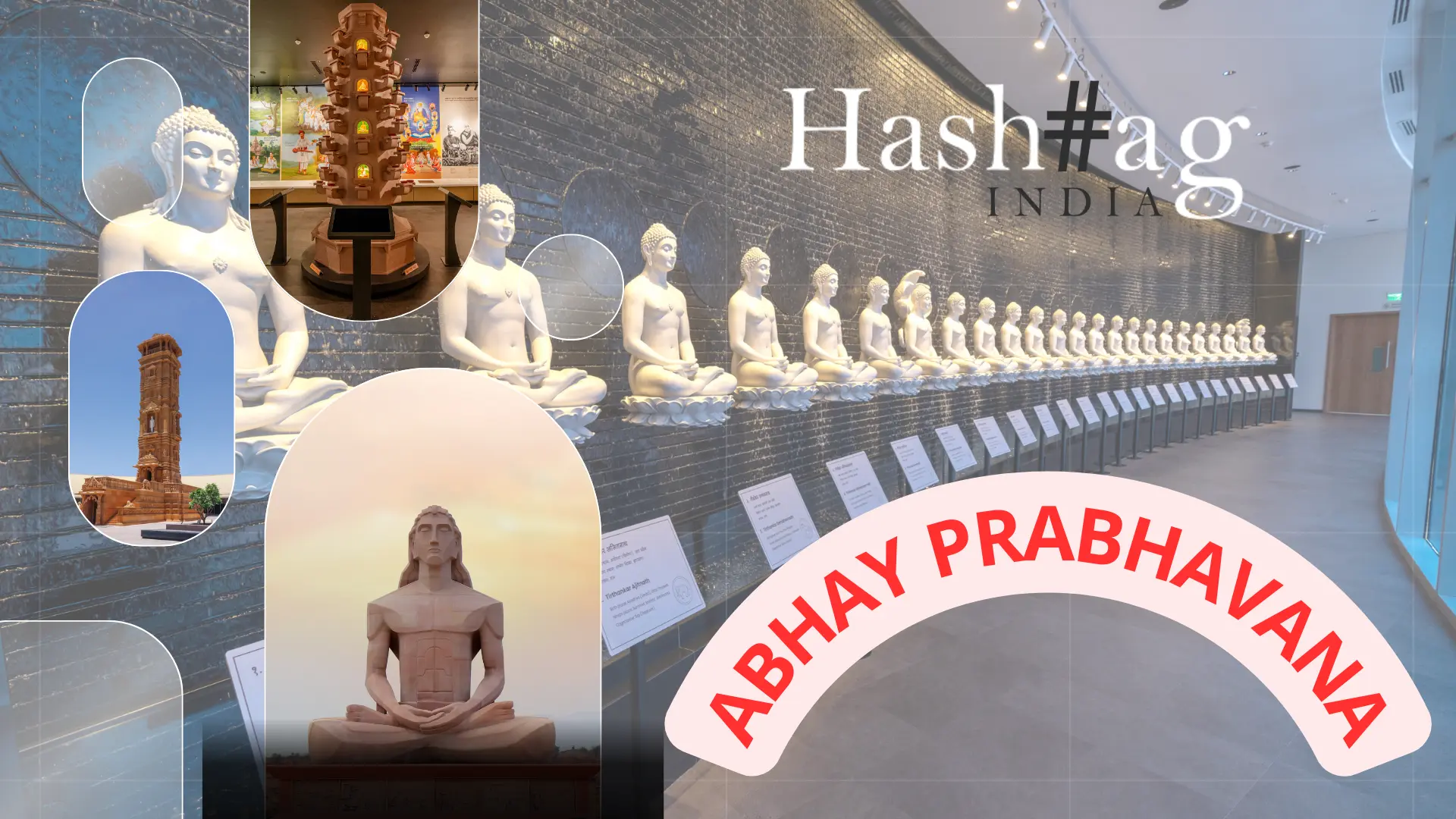
What if a museum didn’t just show you history, but revealed the very values that built India as a civilisation? Abhay Prabhavana is a remarkable museum nestled far away from the rush and noise of the city. Surrounded by peaceful rural landscapes and open skies, the place feels deliberately distanced from distractions, almost as if silence itself is part of the experience. As Vonteru Aarthi Reddy explores, this space offers far more than visual exhibits. Unlike any museum I’ve visited, Abhay Prabhavana does not rely on ancient artefacts or recycled displays. Instead, it invites you on a carefully crafted journey to understand India’s values, evolution, and inner wisdom. What makes it even more extraordinary is that the museum took nearly ten years to build researching, writing, sculpting, designing, revising, and refining all dedicated to presenting India’s civilisation with clarity and integrity. A Museum Built Like a Civilisation — Layer by Layer The first thing that struck me was how thoughtfully everything is structured. This is not a place that overwhelms you with dates and artefacts. Instead, the museum unfolds like a narrative, a story of who we are, where we came from, and why our civilisation stood firm for thousands of years. The journey begins with India’s ancient values. Concepts like Atma, Karma, restraint, truthfulness, compassion, and discipline, often misunderstood or oversimplified, are explained here with remarkable clarity. Visual storytelling blends seamlessly with philosophy. As you move forward, the museum transitions into India’s civilizational story. You witness how our earliest cultures formed along the rivers, how Jain, Buddhist, and Vedic traditions shaped thought, and how ideas circulated freely in ancient India. The narrative is honest and balanced; it explains prosperity, decline, resilience, and transformation without exaggeration or omission. Everything inside the museum is freshly created: every sculpture, every painting, every

Vartika Chandani: Wedding Planner Trends for 2025

At just 19, Vartika Chandani has transformed The Vara Weddings into a cross-city, cross-border celebration design company known for its culturally rooted yet contemporary weddings. From Mumbai to Marrakech, her team curates immersive experiences that blend emotion, tradition, and storytelling. Among India’s new wave of trailblazers, she gives us a lowdown on the latest wedding trends this 2025. What are the top 3 most requested luxury add-ons in 2025 weddings?In 2025, couples are investing in experiences that immerse guests completely. Personalised touchpoints like curated welcome hampers, live perfume bars, and interactive food artistry counters are huge. Entertainment is bigger than ever think international acts, celebrity performances, aerial musicians, and projection mapping shows. Design has gone bold, with dramatic floral tunnels, bespoke thematic entries, and LED or 3D-mapped dance floors that transform spaces into dreamscapes. For couples looking to elevate their wedding beyond tradition, what unexpected elements are trending? Indian weddings are embracing immersive, non-traditional elements that surprise and delight festival-style after-parties, intimate chef’s table dinners for family, and live artists painting moments as they happen. Interactive zones are booming, from mixology counters and tarot corners to custom fragrance blending. These details create a personal storyline for the wedding, making it an unforgettable journey rather than just an event. Guests today expect more than food and music. How are you keeping them engaged between events? Guests crave connection and interaction they want to be part of the celebration, not just watch it. We create “mini-worlds” within weddings: nostalgia corners with childhood games, art walls for illustrated messages, live food theatres, and immersive setups like chai-tasting lounges or quirky photo booths that change with each function. These zones spark conversations, laughter, and memories beyond the dance floor. How are tech and AI shaping modern weddings? Couples are embracing AI powered memory booths

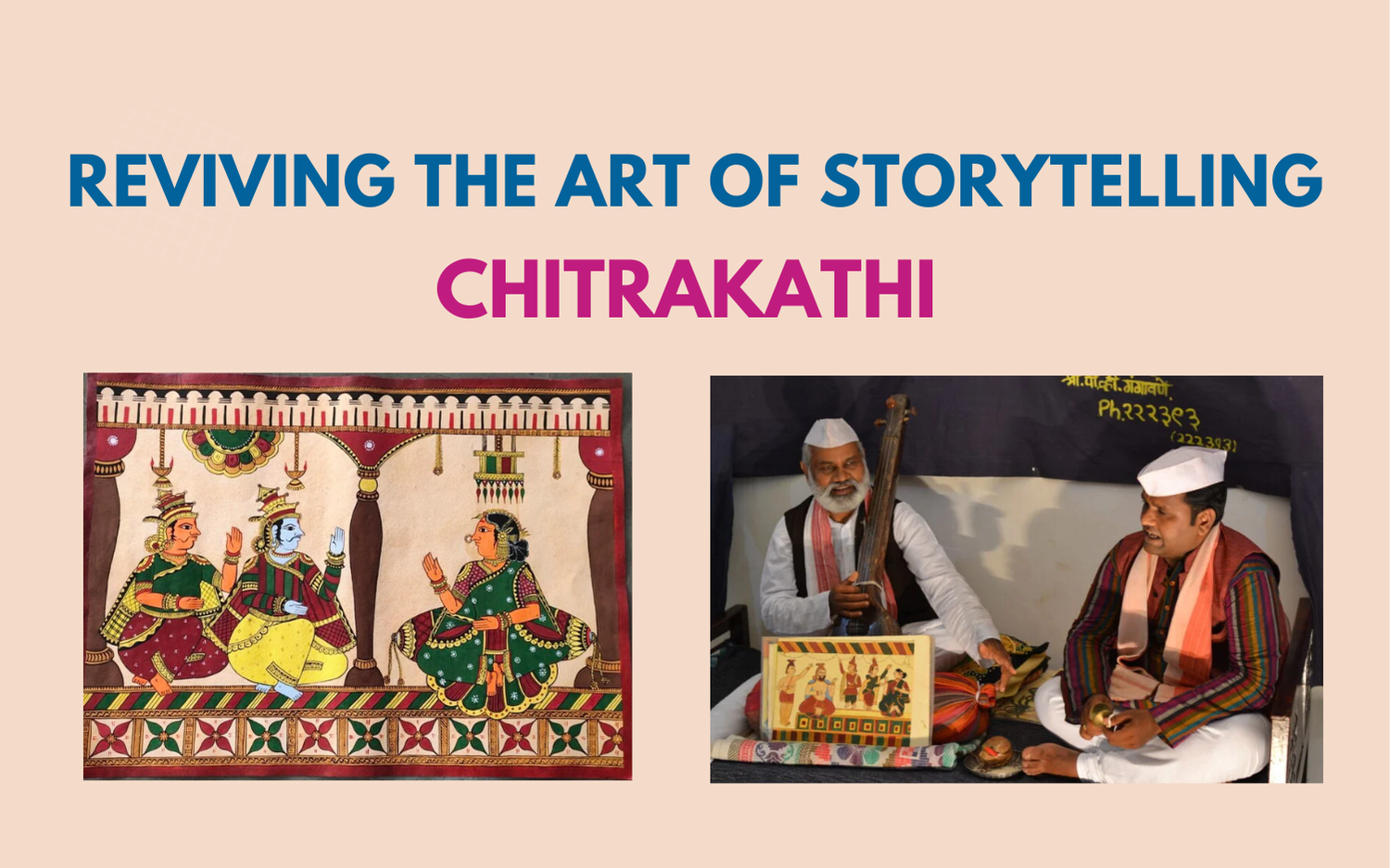
Reviving the art of storytelling: Chitrakathi

The once popular Chitrakathi, storytelling through paintings, is brought back to life by the Gangawane family in Maharashtra’s Sindhudurg. Ketki Gadre interviews the last family practicing this art form to delve into their motivations and the supporters who have aided them on this journey. After a long day of trekking the Western Ghats around Bhogwe Beach in Sindhudurg, my luxury resort, Coco Shambhala, suggested an unusual activity – an art class. They agreed to it and invited Chetan Gangavane, a third-generation Chitrakathi artist working to revive this art form. Chitrakathi Art While setting up the art activity, Mr Chetan briefs me about the 11 art forms his community (Thakar) has been involved with for generations. His family currently practices three art forms unique to Maharashtra: String puppetry, Chitrakathi, and Shadow puppetry. “Chitrakathi involves storytelling through art on a 12×15” or 12×18” canvas, which can take 1-3 days to complete, depending on the painting’s intricacy. Traditionally, these paintings depicted scenes from mythological epics like the Ramayana and Mahabharata, accompanied by live singers playing instruments. Therefore, Chitrakathi artists needed not only painting skills but also the ability to sing and play instruments,” explains Mr. Chetan. The Thakar community, an Adivasi tribe living in the forests, gained recognition for their art from the erstwhile warrior king Chhatrapati Shivaji Maharaj. He brought them out of forests and closer to towns and provided them opportunities to perform art shows during festivals. In return, the community assisted the king by spreading messages of social enlightenment through their art. The artists earned their livelihood for many years through food or monetary donations. However, over time, attitudes shifted, and people stopped donating food and began treating them with disrespect. The Gangavane family is the last Thakar community to practice this centuries-old art form. The rest gave up with

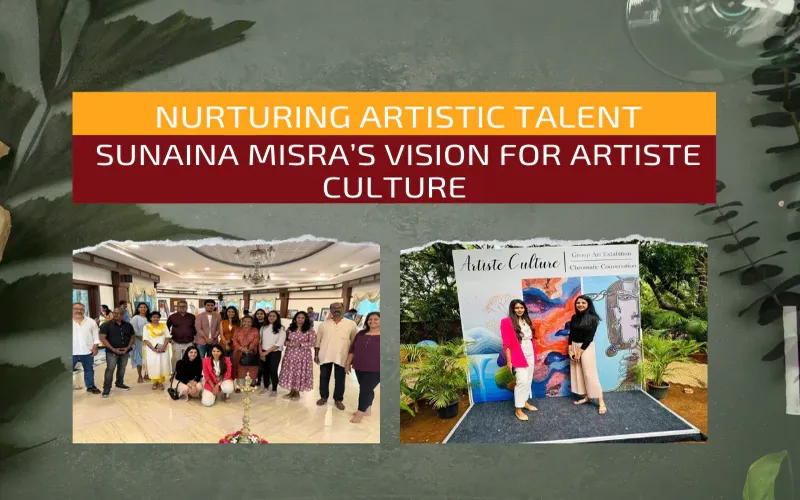
Nurturing Artistic Talent: Sunaina Misra’s Vision for Artiste Culture

In the vibrant world of contemporary art, one name stands out for its unique approach to nurturing and managing artistic talent: Goa-based Sunaina Misra. As the founder of Artiste Culture, Sunaina has revolutionized how artists are managed, helping them navigate the complexities of the art industry. Her agency works directly with artists worldwide, assisting them in making connections and developing the skills needed to elevate their creative careers. Surabhi Goel had the pleasure of sitting down with Sunaina to discuss her background, the origin of Artiste Culture, and her vision for the future. I always grew up in an environment where my mother encouraged me to explore art in various forms, painting or visiting galleries. She wanted me to find my passion, so she enrolled me in different classes, from basketball to art. By age 15, I started working with an artist in Lucknow, helping him in his studio. There, I discovered my knack for organizing and managing artistic tasks, such as typing resumes and basic computer tasks. This experience sparked my interest in art management. Later, I pursued my Master’s in Art and Design Management in Newcastle, which solidified my understanding of the field. After various roles, including working for an art start-up and a museum, COVID-19 hit, leading me to start Artiste Culture. A blend of necessity and passion drove me to create a platform to support artists during uncertain times. The inspiration came from identifying gaps within the industry. Artists often struggled with managing their careers while focusing on their art. I wanted to create a space where artists could focus on creating while we took care of everything else—finding exhibitions, writing citations, and managing logistics. My vision was to build a multicultural and diverse environment that supports artists from all over the world. Over time, Artiste

You May Also Like

Connect with us