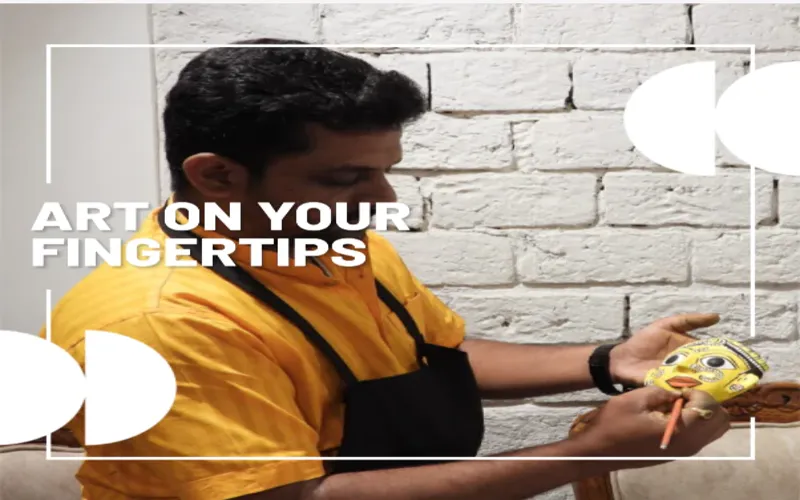
Art on Your Fingertips

Rooftop is a community-driven art experiences marketplace App that makes traditional Indian art forms accessible to the world. This App is a one-stop destination for all art needs, which is bridging the gap between Indian artisans and art lovers all over the world. This first-of-its-kind art technology company endeavours to curate art and recreational activities based on traditional art. Bindu Gopal Rao in conversation with the Founder of Rooftop, Kartik Gaggar.

Rooftop was started to help the arts and artists. “Whilst travelling I came across so many different indigenous artists that were struggling to create value for their crafts. I was impressed with their skills and the passion with which they continued to love their heritage despite the challenges. When I started Rajasthan Studio, I wanted to bring art lovers closer to the artists and regenerate value for the arts. In 2020, when the pandemic hit, this provided me with an opportunity to revamp and pivot to a digital/online space with Rooftop. This enterprise was a brainchild of long hours of work, tears, and a zeal to make Indian traditional arts mainstream again,” explains Kartik Gaggar, CEO & Founder, of Rooftop.
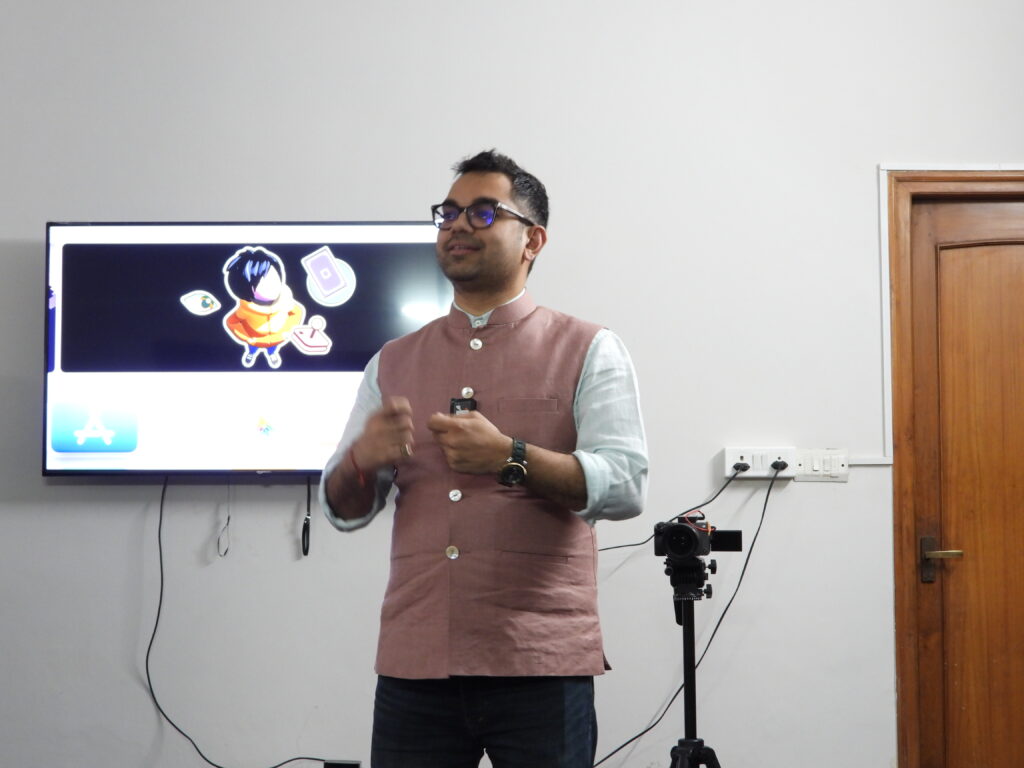
So how does it work? Rooftop works for art lovers and artists. It intends to connect the two and create revenue and value for different art forms scattered around the country. Rooftop onboards artists and experts based on their level of skills and love for their craft. The team record either workshops or courses with them to then market the same to different target audiences ranging from simple art lovers to hardcore artists. They also have subscription plans for people who are passionate about learning and upskilling. “Subscription is a great way to consume art and courses are great as it also gives you a personal connection with the artist as it has more immersive depth. We have an art inspiration feature where we ask the artists questions about the art form, which can be consumed by anyone on the app,” says Gaggar.

The Rooftop team believes in being completely transparent with the artists and keeping an open, clear line of communication and work based on trust. “Our journey to onboard artists for maestro courses is manifold. First, we create a list of all artists who have been practising the art for at least a decade if not more. Furthermore, we research their achievements and awards and based on the level of that we set up intensive meetings with them between the arts research team and me. I also make it a point to visit them at their homes to create a relationship that will put them at ease and help them understand Rooftop’s mission,” says Gaggar.
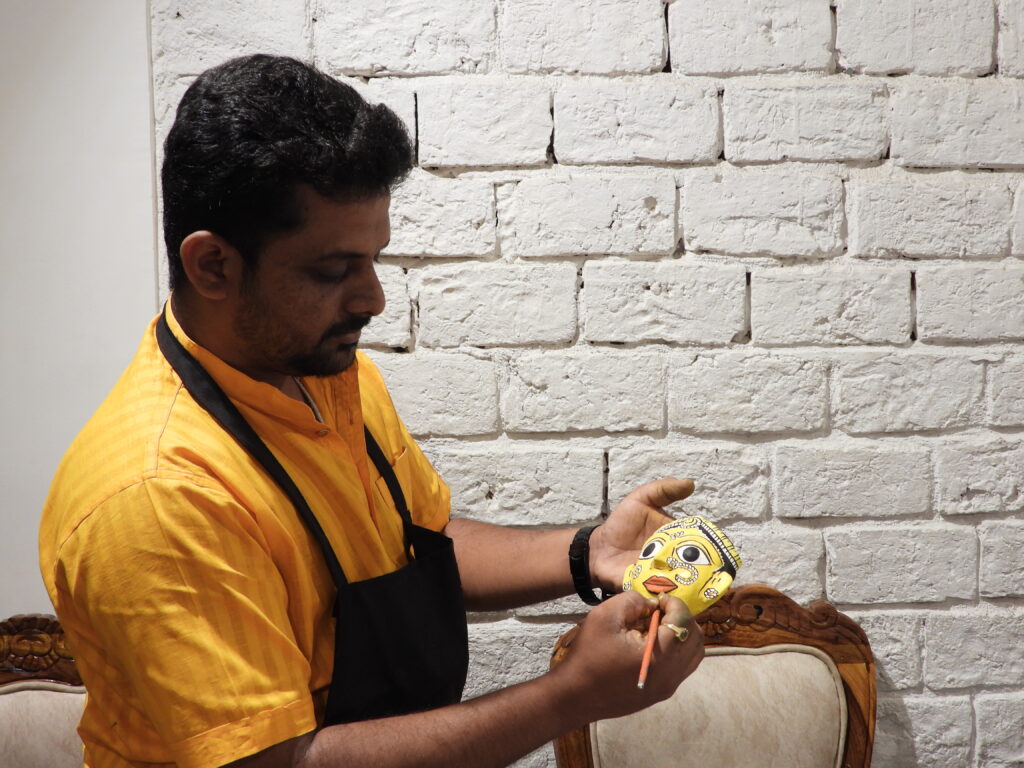
To ensure that they are putting out the best material, they have an in-house arts research team that works with the operations team to plan and structure the courses. They have set up a framework for their courses that they follow to create a standard process. There are four stages comprising the making of the maestro course – research, pre-production planning, shooting the course and post-production management. “Our core revenue comes from B2B and in the last 12 months, we have done workshops for corporates, for institutions as well as the Ministry of Culture, and about 80% of the revenue has come from there. From B2C we get money from workshop registrations and courses. Courses we assume will be one of the main revenue-generating sources. Award-winning artists who are part of courses make a royalty for life and in cases where there are multiple artists from the same family, we have bought that content because of that there are no issues. The Cheriyal family from Andhra Pradesh lived at different places, but we got the whole family together and we bought the content,” explains Gaggar.
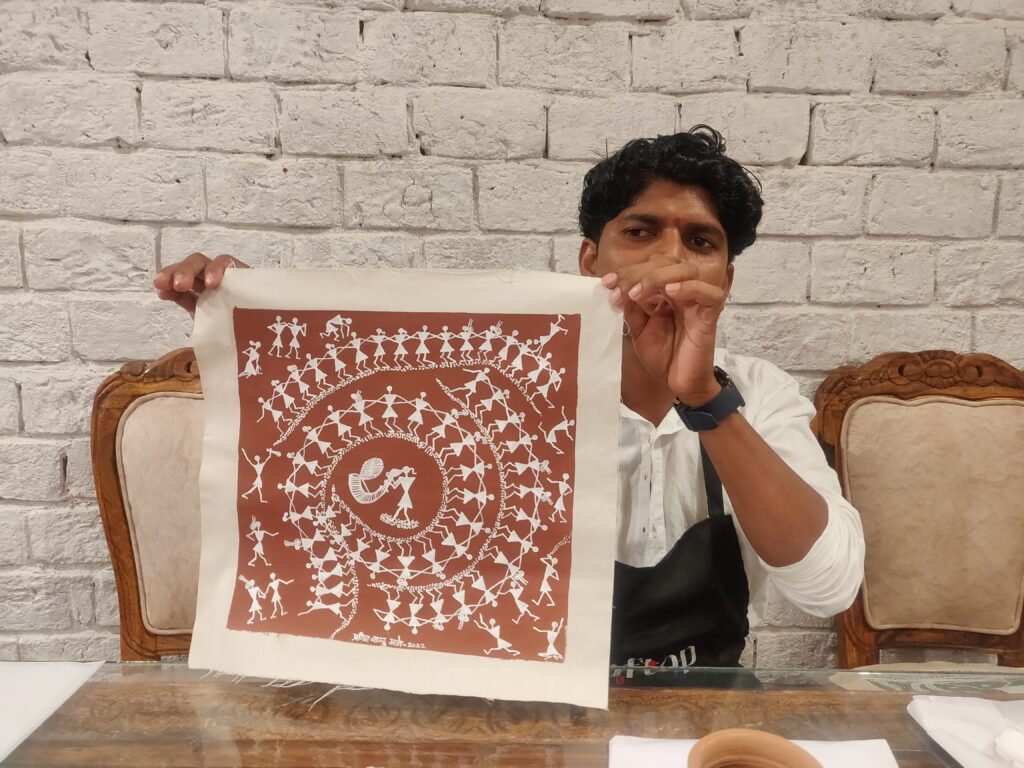
The team has recently finished shooting Tibetan Thangka with Padmashree awardee Shri Wangchuk Bhutia. The next few courses that they plan to start researching are Kerala Mural and Kalamkari. The target groups include students, hobby artists, professional artists, art enthusiasts, art explorers like interior designers and architects and people who are just curious about art. Hobby artists get paid between ₹800 and ₹2000 and master artists get anywhere from ₹5000 to ₹20,000 and more but to be honest, the artists have never demanded that they be paid a specific amount.”

Customer feedback and vendor feedback are important aspects that they consider. For someone who wants to try the app, they offer a free workshop and an option to upload their work on the community space where they can take feedback from others. “We are looking at creating engagement first. Over the last three years, we have worked with over 2500 artists and we have created a supply of artists who can give art courses in India so we know whom we can work with,” says Gaggar. The team is also planning to organise and host multiple offline art workshops and talks in different cities in India. Currently, they are looking at Mumbai, Delhi, Pune, and Bangalore to start the schedule.

Gaggar has robust plans for the app going forward. “We want to work towards enhancing user experience, expanding market reach, building a strong online community, improving data analytics and insights, exploring commercial opportunities, and generating trust and value among the artisan community. With blockchain technology coming into the whole art space and the world of NFTs, we are excited to see the possibilities for creators,” he concludes.

Leave a comment

Your email address will not be published. Required fields are marked *

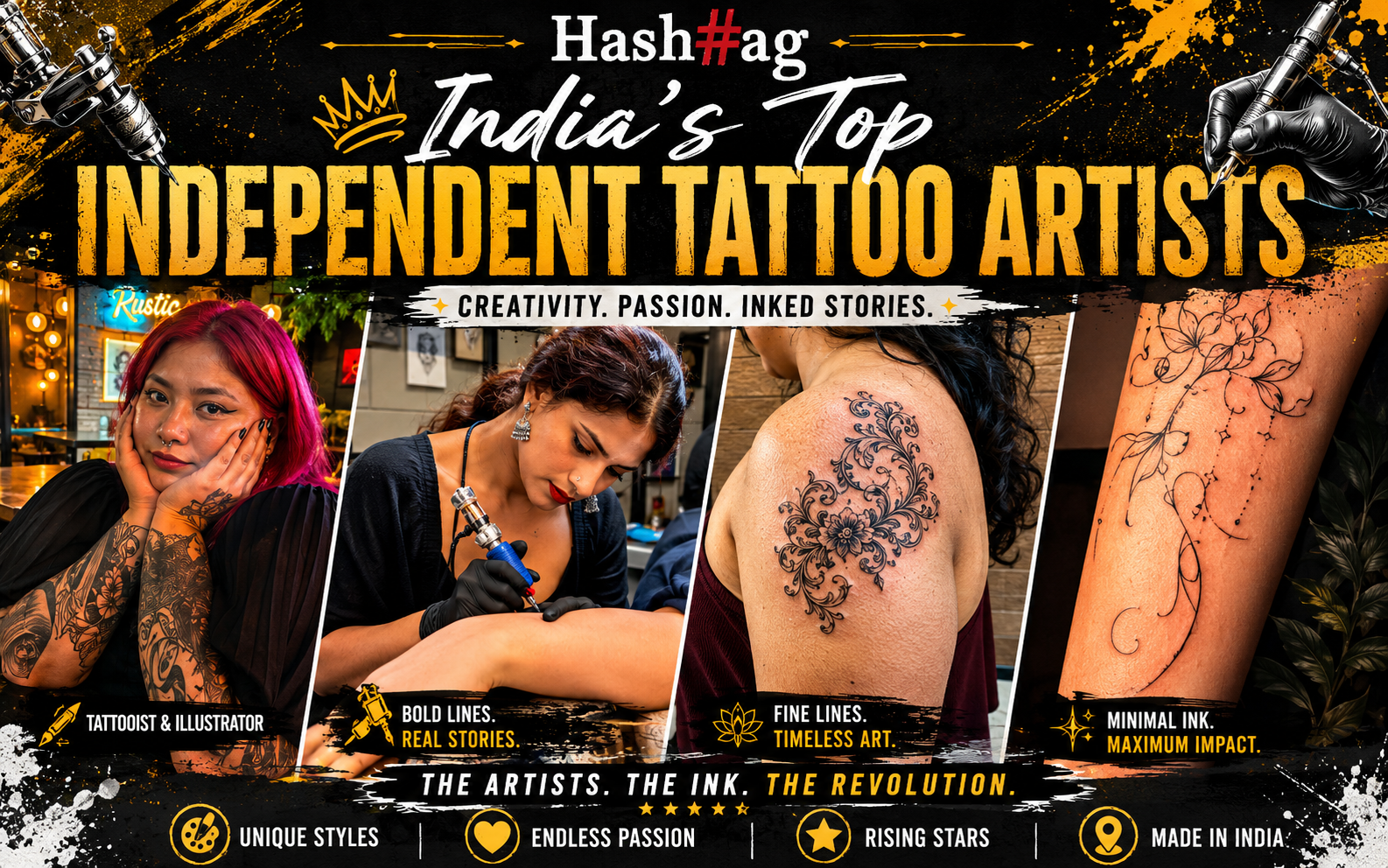
Independent Tattoo Artists Making India’s Ink Scene Cooler Than Eve

There was a time when getting tattooed meant walking into the most popular studio in town and choosing a design off a wall. But India’s tattoo culture has evolved far beyond that. Today, people are searching for something far more personal, with art that carries identity, emotion, storytelling, and individuality. In an era where self-expression matters more than trends, independent tattoo artists are becoming the real stars of the ink scene. Mehak Walia in conversation with six independent tattoo artists, discussing their specializations and beyond. From hyper-detailed realism and hand-poked art to experimental linework and culturally rooted designs, a new generation of tattoo artists across India is building loyal communities purely through their distinct styles and creative vision. They are not just creating tattoos; they are creating experiences, safe spaces, and deeply personal collaborations that stay with people for life. So, let’s just shine a spotlight on some of the most exciting independent tattoo artists making their mark and redefining what India’s modern ink culture looks like today. Six Must-Check Independent Tattoo Artists: AZ aka Azrael: For Azrael, tattooing is far more than a profession; it is a deeply personal and meditative form of expression. Drawn to the idea of creating lasting art on somebody else’s skin, he describes the process as both peaceful and creatively fulfilling. “I love the whole process of creating art on somebody else’s skin,” he says, adding that tattooing is also where he feels most connected to music and to his own individuality as an artist. “I feel like I want to do my own thing in my own way.” While many artists view tattooing purely as body art, Azrael sees the medium extending far beyond skin. Inspired by the intersection of fashion, design, and tattoo culture, he believes the industry has the potential to

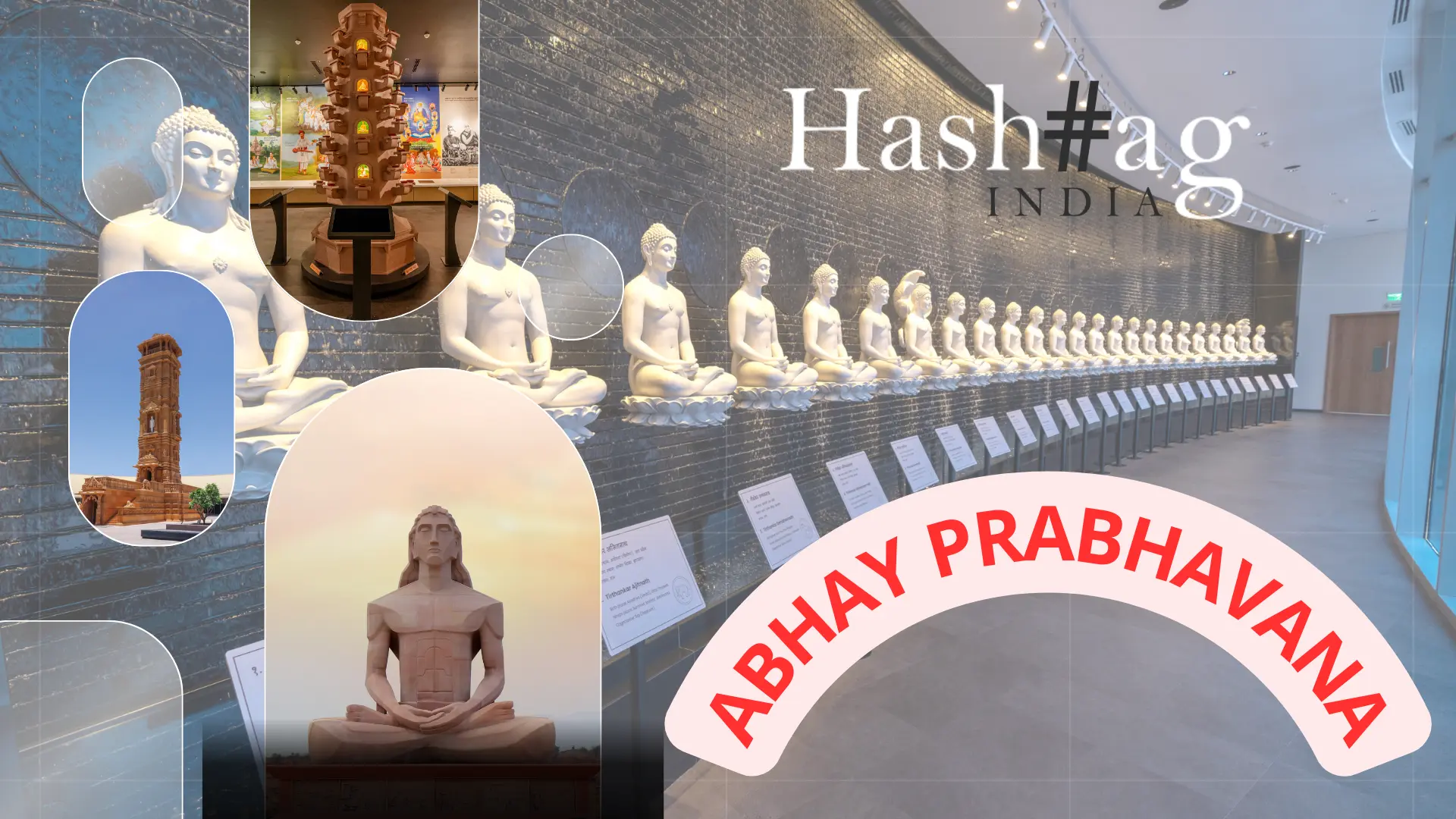
ABHAY PRABHAVANA: WHERE INDIA’S ANCIENT VALUES MEET THE FUTURE

What if a museum didn’t just show you history, but revealed the very values that built India as a civilisation? Abhay Prabhavana is a remarkable museum nestled far away from the rush and noise of the city. Surrounded by peaceful rural landscapes and open skies, the place feels deliberately distanced from distractions, almost as if silence itself is part of the experience. As Vonteru Aarthi Reddy explores, this space offers far more than visual exhibits. Unlike any museum I’ve visited, Abhay Prabhavana does not rely on ancient artefacts or recycled displays. Instead, it invites you on a carefully crafted journey to understand India’s values, evolution, and inner wisdom. What makes it even more extraordinary is that the museum took nearly ten years to build researching, writing, sculpting, designing, revising, and refining all dedicated to presenting India’s civilisation with clarity and integrity. A Museum Built Like a Civilisation — Layer by Layer The first thing that struck me was how thoughtfully everything is structured. This is not a place that overwhelms you with dates and artefacts. Instead, the museum unfolds like a narrative, a story of who we are, where we came from, and why our civilisation stood firm for thousands of years. The journey begins with India’s ancient values. Concepts like Atma, Karma, restraint, truthfulness, compassion, and discipline, often misunderstood or oversimplified, are explained here with remarkable clarity. Visual storytelling blends seamlessly with philosophy. As you move forward, the museum transitions into India’s civilizational story. You witness how our earliest cultures formed along the rivers, how Jain, Buddhist, and Vedic traditions shaped thought, and how ideas circulated freely in ancient India. The narrative is honest and balanced; it explains prosperity, decline, resilience, and transformation without exaggeration or omission. Everything inside the museum is freshly created: every sculpture, every painting, every

Metaverse: Can VR Replace Traditional ?

The roar of virtual slot machines, the digital chime of winning spins, and the hypnotic glow of your screen the sweet symphony of online casinos, where wallets vanish with a click, and dreams dangle on the edge of an algorithm. But what if you could sit at virtual blackjack tables, sip virtual cocktails, and smoke virtual cigars, while the only thing actually smoking was your GPU? Welcome to the metaverse, the latest boogeyman for traditional online casinos. VR casinos, promise a fully immersive experience from the comfort of your couch or bed, no judgment. But is this the end of traditional casinos, or just a shinier way to chase the same old odds? One thing’s for sure: at least here, you won’t have to dodge tourists or bad karaoke. A Casino You Can’t Touch The metaverse is a glorious invention that proves we don’t need reality anymore. In its simplest form, the metaverse is a digital universe where people interact via avatars, living their best virtual lives. This brave new world blends VR, AR, blockchain, and a touch of living in a simulation paranoia to create an interactive space for everything, including gambling. For example: an online casino in Decentraland, where you can strut around in your digital Gucci outfit, playing blackjack with people who may or may not be real. They use DG tokens, players earn rewards, stake crypto, and experience a gambling hall that doesn’t smell like cigars and regret. Of course, this wasn’t invented overnight. The concept of the metaverse was first described in 1992 by Neal Stephenson in Snow Crash, a cyberpunk novel where people escaped their dull reality through a virtual world. Little did he know, decades later, tech giants and crypto bros would make this dream a very expensive reality. Feature Metaverse Casino Traditional

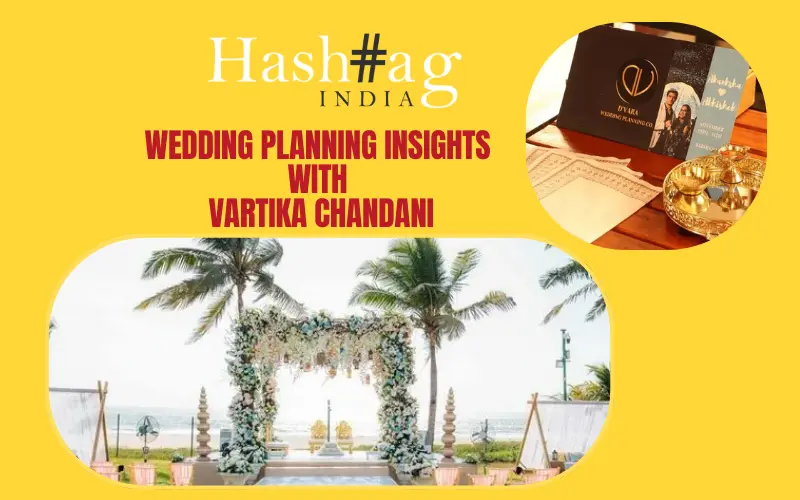
Vartika Chandani: Wedding Planner Trends for 2025

At just 19, Vartika Chandani has transformed The Vara Weddings into a cross-city, cross-border celebration design company known for its culturally rooted yet contemporary weddings. From Mumbai to Marrakech, her team curates immersive experiences that blend emotion, tradition, and storytelling. Among India’s new wave of trailblazers, she gives us a lowdown on the latest wedding trends this 2025. What are the top 3 most requested luxury add-ons in 2025 weddings?In 2025, couples are investing in experiences that immerse guests completely. Personalised touchpoints like curated welcome hampers, live perfume bars, and interactive food artistry counters are huge. Entertainment is bigger than ever think international acts, celebrity performances, aerial musicians, and projection mapping shows. Design has gone bold, with dramatic floral tunnels, bespoke thematic entries, and LED or 3D-mapped dance floors that transform spaces into dreamscapes. For couples looking to elevate their wedding beyond tradition, what unexpected elements are trending? Indian weddings are embracing immersive, non-traditional elements that surprise and delight festival-style after-parties, intimate chef’s table dinners for family, and live artists painting moments as they happen. Interactive zones are booming, from mixology counters and tarot corners to custom fragrance blending. These details create a personal storyline for the wedding, making it an unforgettable journey rather than just an event. Guests today expect more than food and music. How are you keeping them engaged between events? Guests crave connection and interaction they want to be part of the celebration, not just watch it. We create “mini-worlds” within weddings: nostalgia corners with childhood games, art walls for illustrated messages, live food theatres, and immersive setups like chai-tasting lounges or quirky photo booths that change with each function. These zones spark conversations, laughter, and memories beyond the dance floor. How are tech and AI shaping modern weddings? Couples are embracing AI powered memory booths

You May Also Like

Connect with us