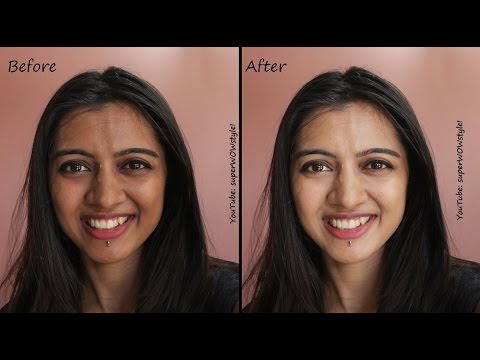
Remedies on how to get rid of suntan at home the natural way.
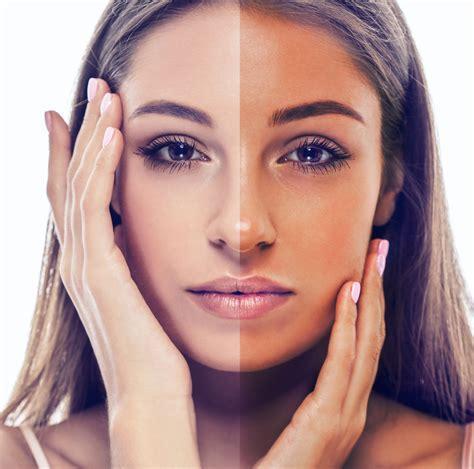
Getaways are delightful, especially during the summer months, but nobody enjoys the scorching heat. Vacations are refreshing until you find that your face has grown two tones darker owing to solar radiation!
In addition to tanning, skin disorders like hyperpigmentation and dark patches are the result of significant UV light exposure. These affect the human skin as UV light depletes the innate skin moisture and hydration levels, causing the skin to seem lifeless and drab.
Don’t panic! There are various efficient treatments for removing tanning. You no longer need to be concerned about taking a vacation with the appropriate skincare strategy. Let us delve deeper to learn more about how you can remove tan from your face with easy remedies.
What is a Suntan?
Prolonged hours of sunlight exposure normally results in the skin becoming a shade or two darker; this would be referred to as tanning. A tan is the skin’s attempt to defend itself against sun harm. Whenever UV radiation from the sun enters the epidermis, they stimulate the development of melanocytes, which produces melanin, the brownish substance that protects the skin from burns. As a result, the skin darkens, resulting in the appearance of a tan.
What causes tanning?
UV photons of three wavelengths make up the solar spectrum.
- Ultraviolet A
These beams are thought to be the most harmful element responsible for skin tanning. UVA rays enter the deepest regions of the epidermis, causing cell damage.
- Ultraviolet B
UVB rays often cause damage to the top skin’s surface. Interaction with these rays increases in the summers and decreases in the winters. UVB rays, apart from UVA rays, don’t stimulate melanocytes. Nevertheless, it causes DNA destruction, which increases melanin synthesis even more.
- Ultraviolet C
UVC has been the most hazardous since it has the lowest frequency; nonetheless, the average individual is not at threat since the sun’s natural UVC rays have minimal penetration into skin. Nevertheless, Ultraviolet C radiation blackens much more as a result of oxidation and promotes skin darkening.
10 Homemade Remedies To Fight Tanning:
Now that we have explored suntanning and its causes, let us take a look at a few budget-friendly options for tan removal that you can use from the comfort of your home. 
- Honey and Lemon Juice
This is the oldest remedy in the book, and yet the most efficient in dealing with facial suntan.
Application:
- Squeeze 1 fresh lemon juice into a bowl and mix in 1 tablespoon honey.
- Gently massage this concoction on your face and leave it on for half an hour before removing it with a gentle cleanser.
- You may also prepare an exfoliator by adding sugar to the already made paste. This will peel off damaged dead cells as well as remove tan.
Why does this work?
Lemon juice has a whitening impact, which aids in the rapid removal of tan. It is a good source of Vitamin C that is an excellent tan elimination ingredient. The citric acid in lemon aids in the elimination of acne as well as the fading of blemishes. Honey functions like an antioxidant, assisting in the reversal of UV-induced harm to the skin.
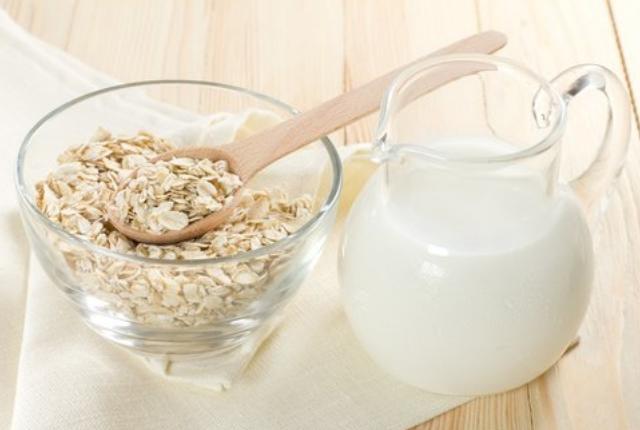
- Buttermilk and Oats
These are two versatile ingredients that not only help in detoxing your body but also treat skin damage.
Application:
- Blend 2 tablespoons of oats in 1⁄2 cup of water with 2-3 teaspoons of raw, unsweetened buttermilk.
- You may also incorporate honey to enhance the pack to become extra hydrating.
- Massage the solution on your skin and apply across all the tanning-affected regions.
- Allow it to sit for roughly 20 minutes and scrub in a circular pattern. Remove to uncover fresher, luminous skin.
Why does this work?
Before you learn how to remove a tan from your face, you must know how these ingredients work effectively in removing suntan. Oatmeal has scrubbing and cleaning capabilities that are second to none. Buttermilk contains lactic acid, which helps to eliminate tan, soothe the skin, and enhance skin complexion.
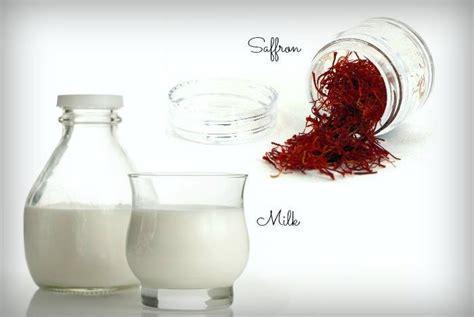
- Milk and Saffron
This technique boasts of being capable of removing tan from your face within a single day!
Application:
- Immerse several saffron threads in milk for a while.
- Use this milk to treat the afflicted regions.
- Saffron could be put in cream rather than milk to moisturize the skin.
Why does this work?
Saffron is an attractive element in the Indian family of spices. Saffron is an organic element that helps achieve radiant skin. It is also used to enhance skin’s elasticity, cure conditions such as discolouration, eye bags, acne, and blemishes, and soften darker skin.
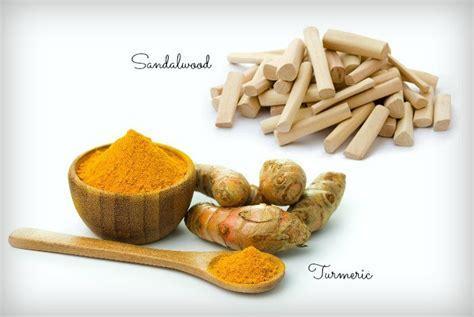
- Turmeric and Sandalwood
A remedy from ancient times, this mask will undeniably work on treating suntan, whilst also helping with skin whitening.
Application:
- Sandalwood powder may be used on the face as a solution or in a mask by combining it with milk or coconut milk.
- Turmeric can be incorporated into the mix to increase its efficacy in eliminating tan.
Why does this work?
This is one of the best ways to remove tan from your face because sandalwood provides calming and refreshing characteristics that bring comfort to sunburned skin. The therapeutic effects of turmeric and the exfoliant characteristics of milk function effectively when combined to erase tan.
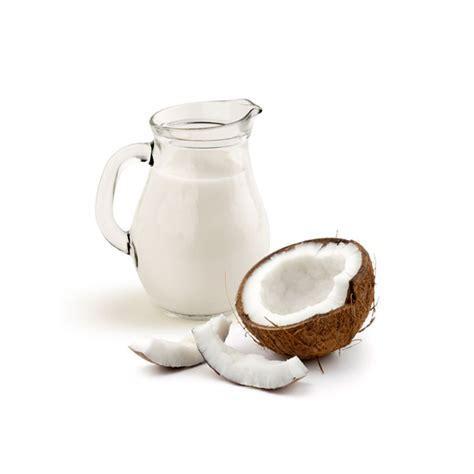
- Coconut Milk
Coconut milk is one such ingredient that lightens up the skin and body internally as well as externally.
Application:
- Dip a cotton swab soaked in healthy and natural coconut milk all around your face.
- Keep it on until it is entirely soaked into the epidermis or dried. Use a gentle cleanser to remove it.
Why does this work?
Coconut milk is extremely nutritious and moisturising to the skin. It aids in the restoration of depleted moisture. It contains Vitamin C and gentle acids, which aid in the eradication of tanning from the comfort of your home.
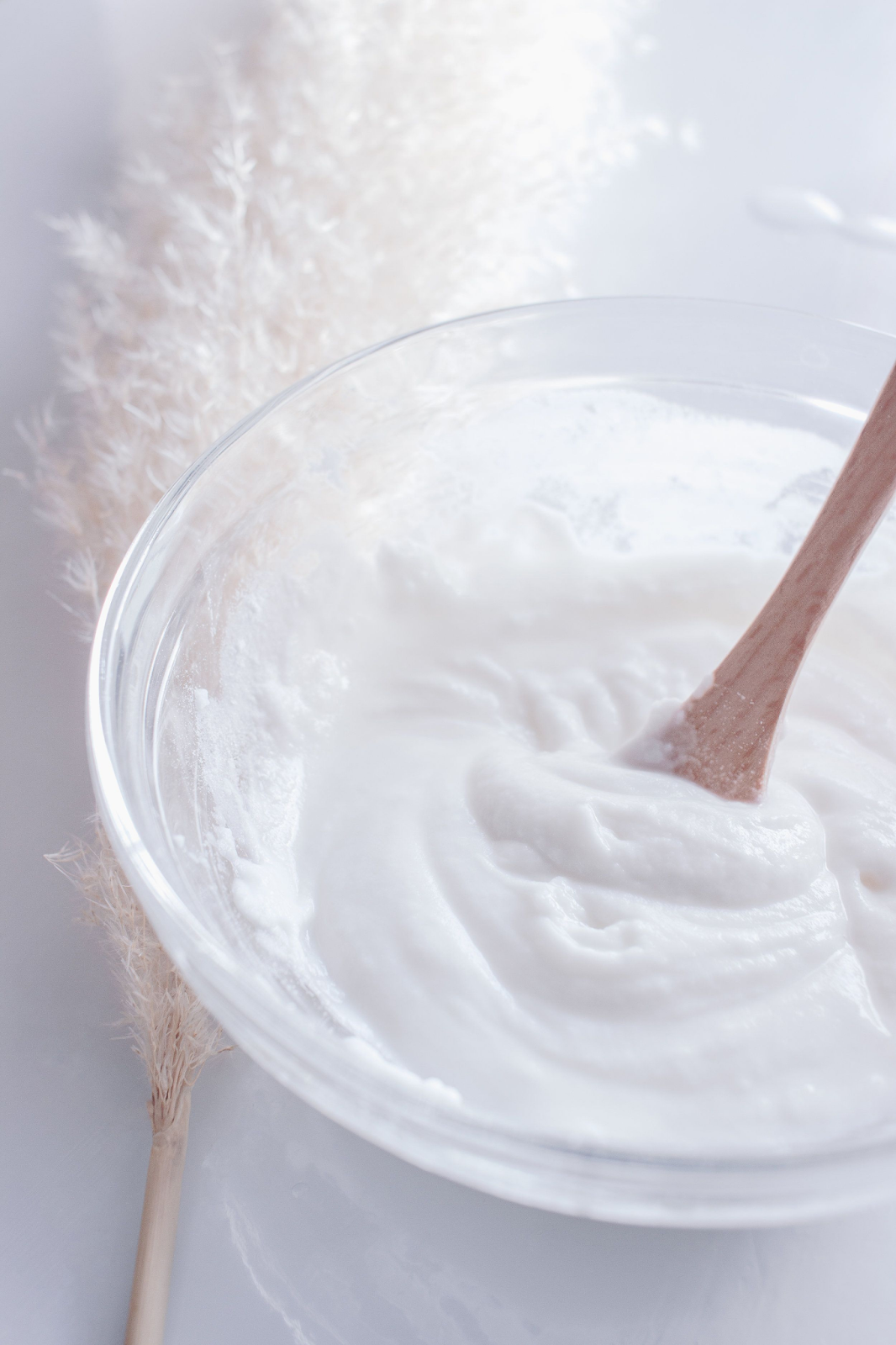
6. Milk and Rice Flour
One among many ingredients that serve to repair skin is rice flour. The procedure for a rice flour scrub is mentioned below.
Application:
- Mix milk and rice flour in equal proportions until it forms the consistency of a paste.
- Gently massage the prepared paste onto your face and neck in a circular motion.
- Leave it on for around 45-60 minutes and wash it with lukewarm water.
Why does this work?
Rice flour is known for its whitening properties that work towards vivifying your facial glow. It works as a robust exfoliator, removing dead skin cells from the face, whereas milk is a powerful exfoliant.
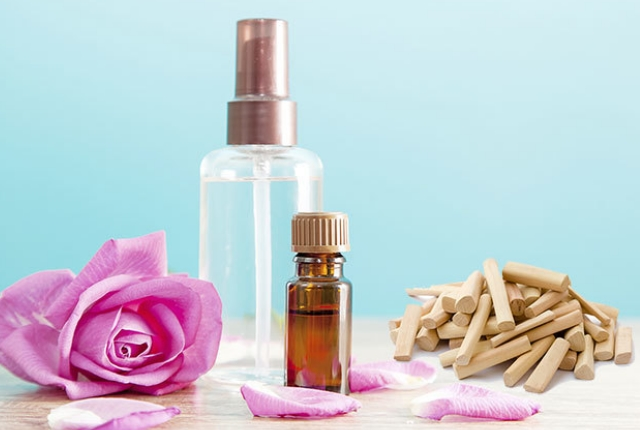
7. Sandalwood and Rose Water
This is a highly effective method to cure pimples and acne, alongside tanning.
Application:
- Blend 2 tablespoons of pure sandalwood powder along with 3-5 tablespoons of rose water to make it into a slurry-like-paste.
- Apply the paste to your face for 60-90 minutes and rinse it off with cold water.
Why does this work?
As previously said, sandalwood is best-known for its rejuvenating properties that hydrate the face. Sandalwood, when paired with rose water, ameliorates the appearance of the skin. Both the ingredients together work to smoothen your skin.

8. Tomato Mask
Besides being a rich source of vitamin C, tomatoes kindle collagen production. This face mask also improves skin elasticity.
Application:
- Extract the pulp from one whole tomato. 3 tablespoons of the pulp extracted is required to make this DIY mask.
- Apply the pulp for half an hour and let it dry.
- Later, rinse it off with water and apply a moisturizer.
Why does this work?
Tomatoes are an excellent skin lightener. It shields the skin from sun exposure and depigmentation. Tomatoes heal, cleanse, and renew dry skin, while also decreasing acne.
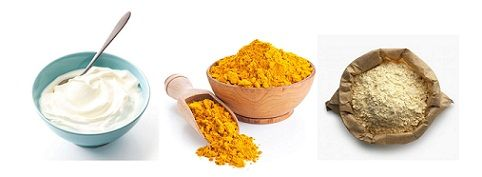
9. Besan, Yoghurt and Turmeric
A remedy that is incorporated in every household, this is a sureshot way to remove tan from your face.
Application:
- Stir 1 tablespoon of turmeric and besan along with 2 tablespoons of yoghurt.
- Gradually rub the paste on your face for 3 minutes and allow it to dry for an additional 30 minutes.
- Exfoliate with the dried paste and rinse it off with water.
Why does this work?
Besan, or gram flour, aids in the removal of tan and the lightening of skin tone. It minimises excess oil and keeps blemishes at bay. Turmeric slows the ageing process, improves the suppleness of your skin, and cures discoloration. It also helps to reduce unbalanced skin complexion and harshness. Yogurt includes lactic acid as well as other alpha hydroxy acids, helping hydrate and scrub the skin, leaving it supple and glowing. It also has modest bleaching capabilities that might help to lighten skin discolouration and ageing spots. Yogurt also aids in the prevention of breakouts.
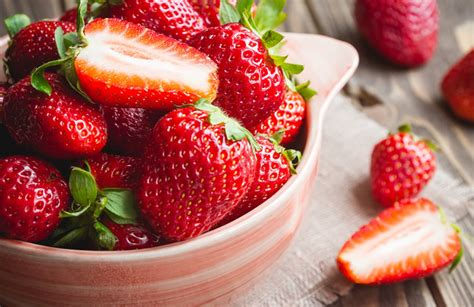
10. Strawberry and Milk Cream
Yet another rich source of Vitamin C, strawberries make lifeless skin radiant and soft.
Application:
- Blend a mashed strawberry with milk cream so that it forms a paste.
- Apply the mixture and gently massage it on your face.
- leave it for 30 minutes and rinse it off with water.
Why does this work?
Strawberries have properties that act as a shield from UV exposure and slow the ageing process. Anecdotal research says they have a whitening influence on the skin that might aid in the removal of tan.
These are a few ergonomic ways to remove tan from your face, all while basking in the comfort of your home. Fret no more and vacay happily!