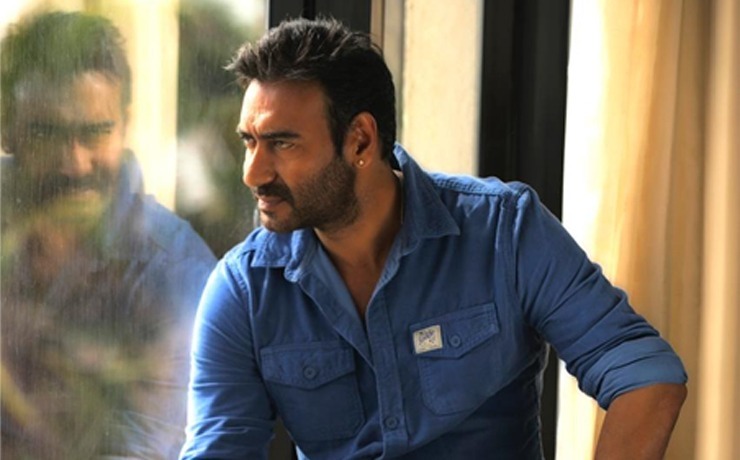
Ajay Devgn: “People need to know of our history, which has not been depicted a lot.”

Ajay Devgn

LIPIKA VARMA , in conversation with AJAY DEVGN, on Bhuj, the rise of OTT, and how he believes films are apt mediums to depart historical knowledge.

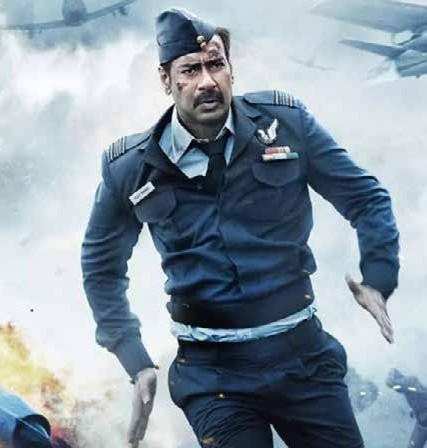
Actor, film director and producer Ajay Devgn has to his credit over one hundred films alongside not just one, but two National Awards to his name. His last theatrical release, Tanhaji: The Unsung Warrior, was a successful biographical film. It comes as no surprise to his viewers then that, with his next release, Devgn continues to push the envelope. Bhuj: The Pride of India is set during the Indo-Pakistan war of 1971. The film charts the life of Squadron Leader Vijay Karnik, then in charge of Bhuj airport. As has been seen with other films over the past year, Bhuj is now streaming on the OTT platform Disney+Hotstar.

On Bhuj, biopics, and historical lineage

After your last film Tanhaji, you seem to be doing another biopic with Bhuj. Is it a conscious decision? How realistic is this one?

Be real to the character; don’t make it too filmy. Whatever you have seen, it’s very real. When any person is fighting for his country, he is not showing off. It comes naturally from within. So, a film needs to be made true to its craft and should be based on reality. We have shown it to Army and Air Force personnel, and they are happy about it.

Be real to the character; don’t make it too filmy

Bhuj was slated for theatrical release but is now an OTT venture. What do you think of the tussle between theatrical release and the OTT platform?
There is no certainty that the third wave will not happen. While we have been facing losses as theatres have been shut, they will be made up for. Whenever theatres open, even across the world, people will go to watch films. We recently saw our film on the big screen for colour corrections. It was altogether a different experience. OTT is a very good chance for the industry. Most filmmakers from the industry keep arguing for theatre. Theatres will open and we producers will strike a good balance as films will still be seen in theatres. Many films can still be watched on OTT. Bhuj will be seen on OTT; it is a growth for the industry.

How important is it for the recent generation to know about India’s unsung heroes and more of our history?

 People need to know of our history, which has not been depicted a lot. The British tried to push our history under the carpet so that the sacrifices of our true heroes wouldn’t come to the forefront. There is not much written about the unsung heroes in the school textbooks either. Tanhaji’s bravery had a mention of half a page when we went to school, and this has disappeared now. We should talk about it. This generation does not know of all who fought and sacrificed their lives to get us freedom from the clutches of the British. When you understand the difficulty that has gone to achieve independence, you will come together. Real people have worked selflessly, and their sacrifices need to be remembered.

What do actors want? They want to be seen to the maximum.

An Insider’s Insight on the Industry

Do you agree that a big producer’s muscle power will fetch him more theatres?

All of us, including you guys, are aware of this fact. When you make a film, you want your product to go all over, and you are looking at the best release. It’s not about muscle power. It’s not that we are trying to create a loss for others, but we are trying to get maximum theatres to be able to show our product to many more people. There is nothing wrong with it. Woh ladaayi toh chalti rahegi [That fight will go on]. Many people are involved in the filmmaking process and so much money is spent. You will try your best that the product reaches the right place. Whether you are at loss, or the others are at loss…this happens in all the industries. We have no choice. Theatres are less compared to the number of films made every year, so this fight will continue.
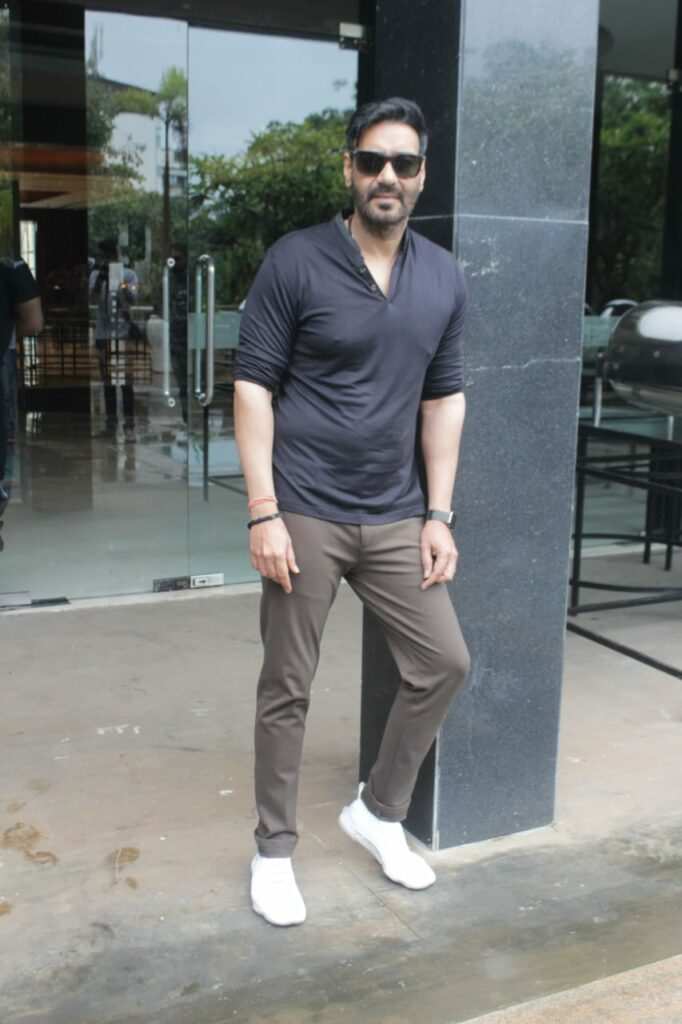
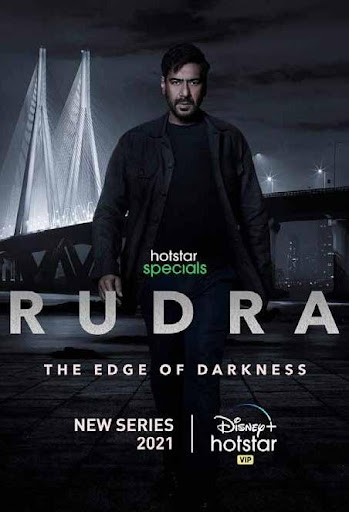
You have debuted on OTT with Rudra. What difference did you find? What are do your future plans look like?

We are currently working on an OTT project and are planning a film. The idea of telling historical and biographical stories is merely for people to know about their sacrifices. We have completed May Day with just 4- 5 days’ work remaining. I debuted with Rudra on the OTT platform and realised working for OTT platforms is the same. Filming on OTT takes a lesser number of days in comparison to films. Also, we have to up our sleeves in terms of filmmaking and its storytelling. If it’s not up to the mark, children also shun it within a minute and say, “Yeh kya bakwas hai.”

Whenever theatres open, even across the world, people will go to watch films.

Many stars are shifting to working on OTT now. What do you make of this shift?

What do actors want? They want to be seen to the maximum. So, with the advent of platforms, it strikes a good balance between theatres and OTT. We can show our work on both OTT and films. This will enable the filmmakers to show their work to people all over.
Besting Social Media

Many say social media has become the deciding factor for how well films fare depending on reviews. How do you look at it?

The deciding factor is the film ultimately. Regarding the meter gauge of the film on OTT, that is there, we don’t come to know exactly about it. But can make out knowing how well the film has been received and this helps you know about the success of the film. We cannot do anything as everyone has become the media by putting their own comments. The best part is to be away from it. I’m not much on Twitter or any other platform. I only use it whenever I feel like conveying something.

So how do you handle trolls?

Honestly, speaking on my phone, I am not operational on any social media platform be it Twitter or Instagram. The best way is not to keep updated. Whenever I wish to say something, I do go on it and write it on my social media platform. Most of the time we see cuss words written on it. There is no credibility about what is written. How do we know what is right and what is wrong? Only our trusted people’s judgment makes sense. Most of the time I remain disconnected.

Leave a comment

Your email address will not be published. Required fields are marked *

Rani Mukherjee: Three Decades of Purpose, Power, and Reinvention

As Rani Mukherjee completes 30 remarkable years in Indian cinema, her journey stands as a masterclass in longevity, courage, and conscious choices. From becoming one of Bollywood’s most recognisable romantic leads to redefining female-led storytelling with powerful, socially rooted performances, Rani’s career has been driven by instinct, integrity, and an unwavering commitment to meaningful cinema. In a candid reflection on her career with LIPIKA VARMA, she opens up about finding her voice, literally and creatively, embracing challenging roles, the joy of recognition, and why stories should always matter more than labels. Excerpts On retaining her voice while distributors wanted her voice to be dubbed My experience working with Karan Johar on Kuch Kuch Hota Hai is particularly memorable. I remember how Karan trusted me to dub my own lines despite distributors’ concerns about my voice. “I love your voice”—those words from Karan made me stand my ground. That confidence helped me retain my unique voice and paved the way for future roles. On taking challenging roles that inspire and empower women I’m all about taking on roles that challenge me and inspire women. My characters in Hum Tum, Kabhi Alvida Naa Kehna and Saathiya are examples of strong, progressive women who break stereotypes. My approach to acting is simple: I immerse myself in each character, leaving my personal biases aside. I am passionate about portraying women who make their own choices, reflecting the evolving Indian woman empowering themselves. My goal is to inspire audiences, especially women, with stories that resonate. On working with Sanjay Leela Bhansali in Black It was transformative. I was inspired by his direction, particularly how he captured scenes with a unique energy. Bhansali’s attention to detail pushed me to give my best performance. Learning sign language for Black, was a challenging yet rewarding experience. I totally

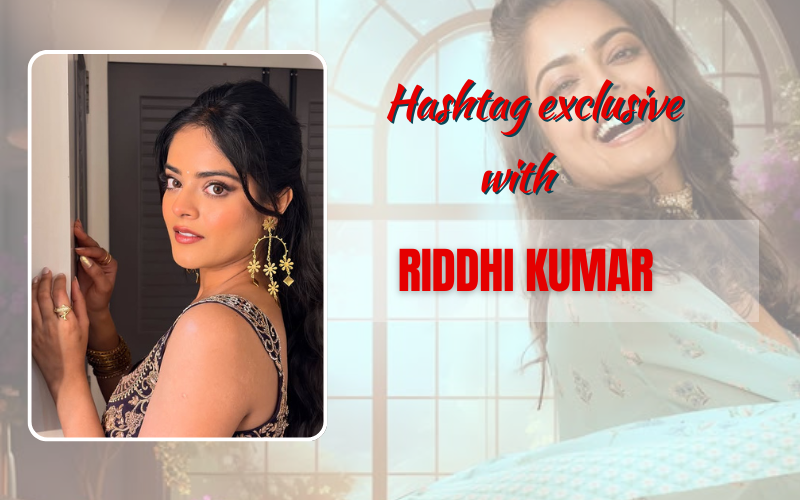
Riddhi Kumar on Raja Saab, Chemistry with Prabhas, and Life in the Spotlight

From the ramp at the Miss Universe pageant to the big screen, Riddhi Kumar has been quietly building a diverse career with films like Pranaya Meenukalude Kada in Malayalam, Superboys of Malegaon in Hindi, and acclaimed web series, Candy and Crash Course. She made her Telugu debut with Lover and later impressed audiences with a small role in Radhe Shyam. Now, after three years, she returns with the Prabhas-starrer Raja Saab, marking a key milestone in her journey. In this candid chat with Priyanka Goud, Riddhi opens up about her evolution as an actor, her on-screen chemistry with Prabhas, and the dream roles she’s eager to bring to life. On her journey from Lover, web series to Raja Saab Honestly, I’d describe it as a beautiful ride filled with exploration, experiences, and constant learning. I started with Telugu cinema, then worked in the Malayalam, Hindi, and Marathi industries, which taught me so much about different cultures, creativity, and languages. I’ve been fortunate to collaborate with incredible filmmakers and actors like Prabhas, Adarsh Gaurav, Reema Kagti, and Kamal sir. Now, being back in Telugu cinema with Prabhas for Raja Saab feels like a full-circle moment. I’m truly excited to see how this new chapter unfolds. On her bond with Prabhas, creating a huge buzz among audiences I’m really glad audiences are loving our bond. The gift he gave me, which I wore in The Raja Saab, is just one small example of his big heart. As everyone knows, he’s a real foodie and loves feeding the people around him. Once, he even sent a whole carriage to the set with three types of biryani, non-veg curries, and fried items, all homemade, packed with flavour and absolutely scrumptious! I’ll always cherish the fun moments we had on set, and one beautiful quality

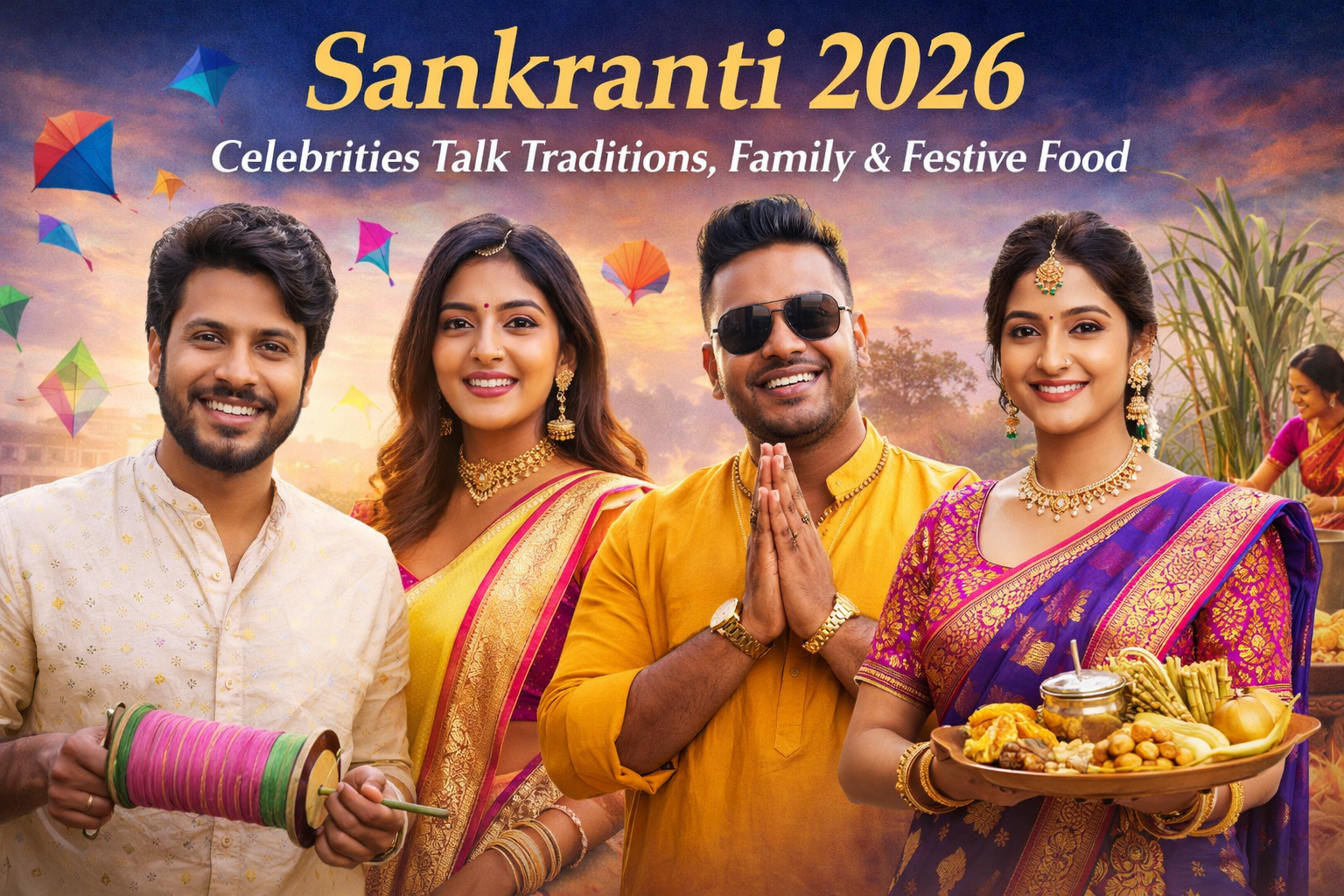
Kites, Food & Family: Celebs share what makes Sankranti special

Sankranti is more than just a festival it’s a feeling rooted in memories, traditions, and togetherness. For celebrities juggling packed schedules, the festival offers a rare pause to reconnect with family, roots, and simpler joys. From festive food and kite flying to early-morning rituals and childhood nostalgia, actors Sundeep Kishan, Eesha Rebba, Rahul Sipligunj, and others open up about how they celebrate Sankranti and what makes it one of the most cherished times of the year. Sundeep Kishan: Among all the festivals we celebrate, Sankranti has always been my absolute favourite. It’s that one time of the year when life truly slows down, and everyone comes together like one big family. The festive mornings, flying kites with friends, spending time with loved ones, and reliving childhood memories, it’s pure joy. And Sankranti is never complete without food: hot garelu, ariselu, traditional sweets, and home-cooked delicacies made with so much love. While cockfighting is a big part of the festival in many parts of Andhra Pradesh, that’s something I’ve only witnessed once. Eesha Rebba: Sankranti feels like a beautiful reset for me every single year. No matter how busy life gets, this festival gently reminds me to pause and reconnect with my roots. From cooking together at home and bonding over delicious festive meals to flying kites with my niece and sharing unhurried, happy conversations with family these simple moments are what genuinely make Sankranti special for me. It’s a time filled with warmth, laughter, and togetherness. And of course, Sankranti also comes with its own little indulgence I happily treat it as a cheat day where I eat as much pulihora as I want, because that’s one dish I can never resist. My mom makes the best ariselu and bobbatlu; my mouth waters just thinking about them. Rahul Sipligunj: This

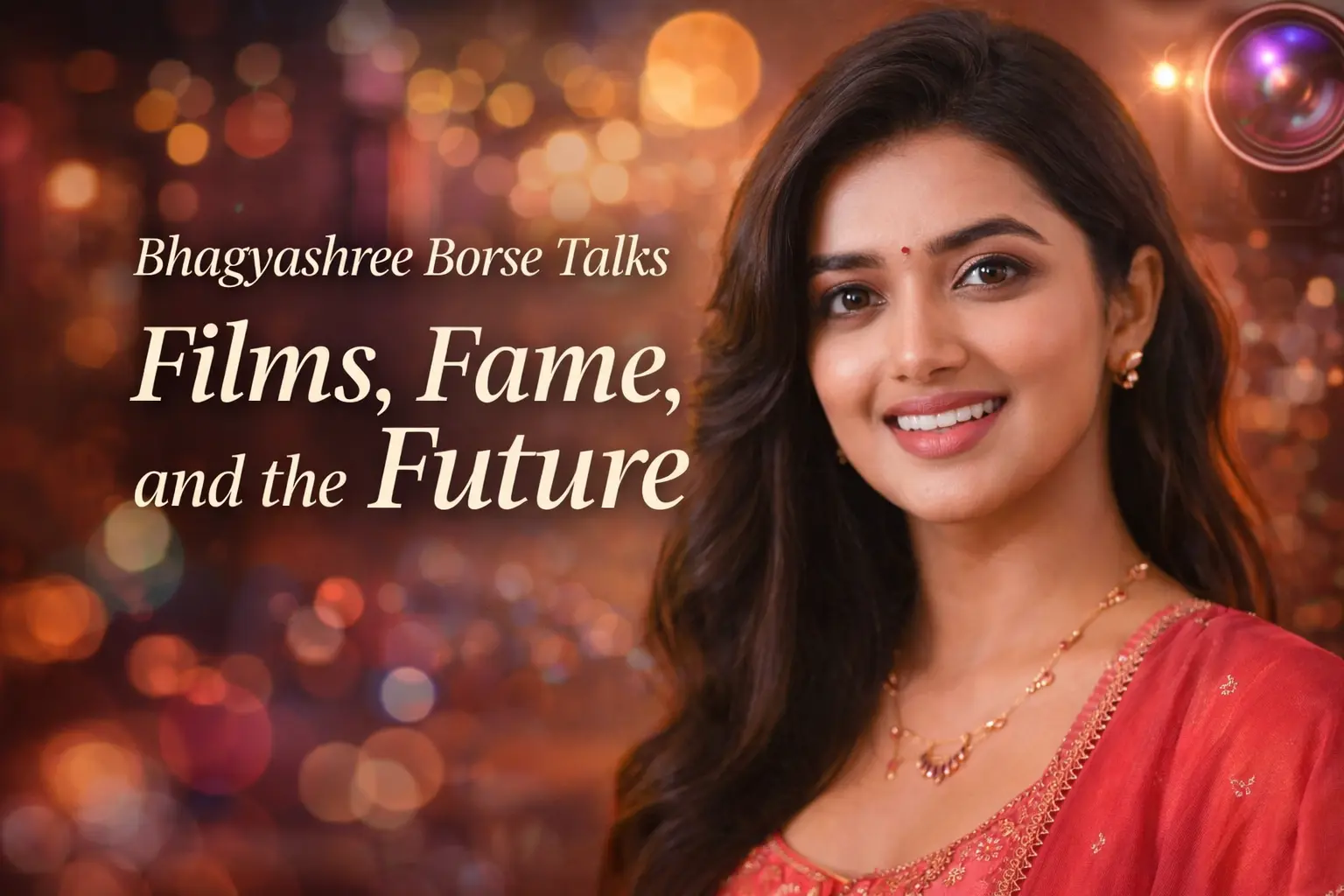
A Star in the Making: Bhagyashree Borse Talks Films, Fame, and the Future

From a small-town girl with big dreams to a fast-rising name across industries, Bhagyashree Borse is carving her own space in South cinema one film at a time. With a background in Business Management and an unexpected entry into the world of acting through modelling, Bhagyashree’s journey has been anything but conventional. After making her presence felt with Hindi cameos in films Chandu Champion, she transitioned seamlessly into South cinema, earning attention for her performances in Telugu and Tamil films, including Mr Bachchan, Kingdom, Andhra King Taluka, and Kaantha. In an exclusive chat with Priyanka Goud, she opens up about her journey, lessons from working with stars like Dulquer Salmaan, Rana Daggubati, staying rooted amid fame, and what excites her about the road ahead. On Her Acting Dream and Career Graph I feel like I’ve come a long way, yet I’m still just beginning. From a small town in Maharashtra to bigger cities with even bigger dreams, my journey has taken me from studying business to modelling and now acting. Destiny has been kind, but hard work has been the real key. Acting was never part of the plan while I was growing up, I’d say it was truly destiny’s call. I started modelling at the age of 18 while pursuing Business Management, and I felt extremely comfortable in front of the camera. That’s where my love story with the camera began. It feels like a beautiful beginning. On navigating success, failures, and audience expectations Honestly, for me, real success lies in the love and support I receive from the audience. When people connect with my characters or appreciate my work that means everything to me. As an actor, all you can do is give your hundred percent and perform to the best of your ability. The outcome that is

You May Also Like

Connect with us