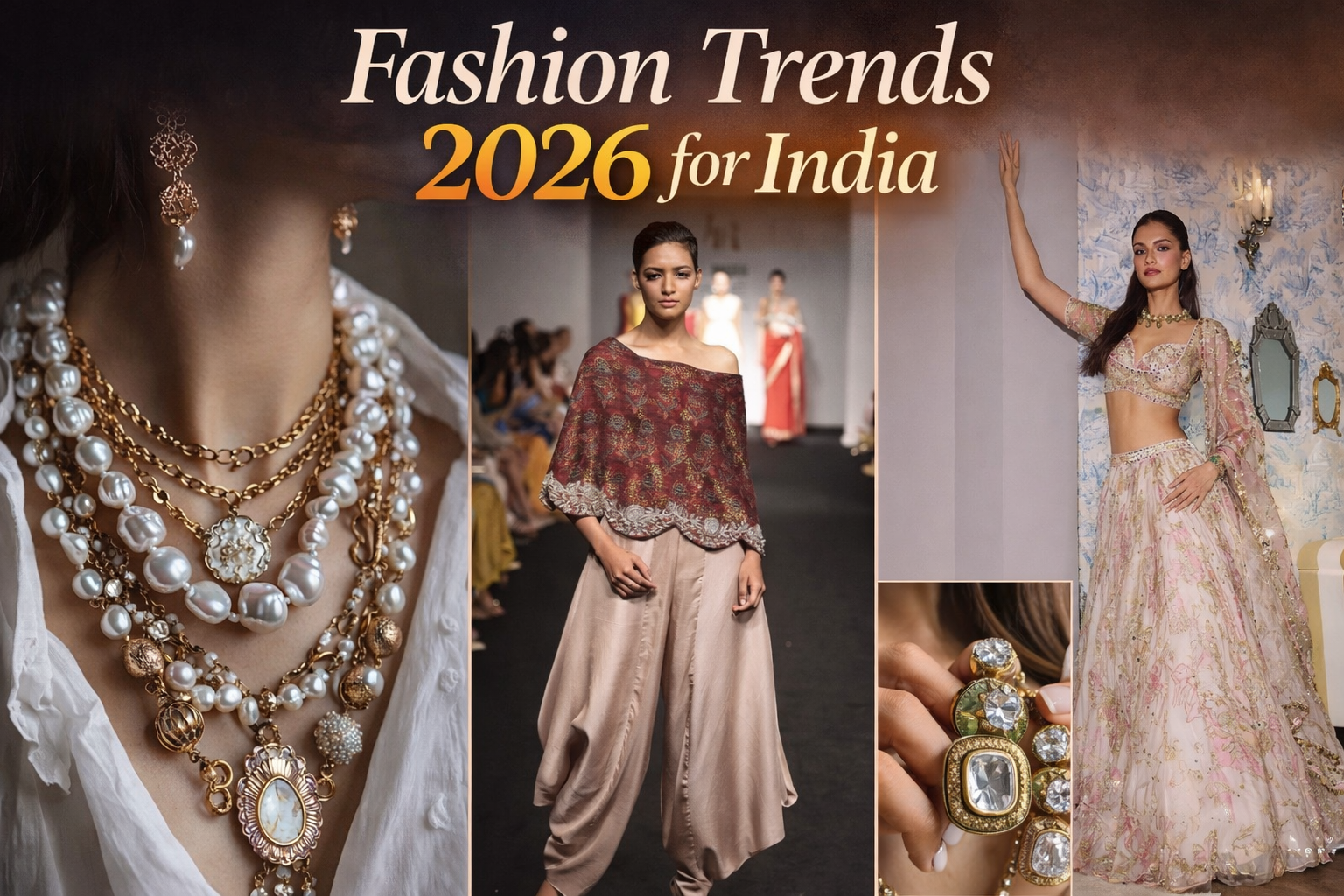
As India’s fashion ecosystem matures at the intersection of culture, technology, and sustainability, 2026 is poised to be a defining year. Below is a structured outlook on the key fashion trends expected to shape India this year…
Sustainable Fashion Becomes the Default, Not the Differentiator
By 2026, sustainability will no longer be a niche or premium positioning in India—it will be an expectation.
- Materials: Increased adoption of organic cotton, bamboo blends, banana fibre, hemp, and recycled polyester.
- Practices: Circular fashion models—resale, repair, and upcycling, and rental— gain mainstream traction.
- Consumer mindset: Shoppers demand transparency around sourcing, labour practices, and carbon footprint.
Brands that fail to integrate sustainability at the core level risk losing relevance, particularly among Gen Z and urban millennials.
Indian Craft Revival with a Modern Lens
Indian fashion in 2026 doesn’t abandon tradition; it reinvents it:
- Handloom fabrics and artisanal textiles such as khadi, chanderi, and bandhani are being updated with modern cuts and silhouettes.
- Ethnic pieces like sharara and gharara bottoms return with drama and movement, balanced by shorter kurtas or attached cape drapes.
- Indo-western blends—co-ord sets, dhoti pants with crop tops, and sari gowns—continue to appeal to younger gen. This trend reflects India’s fashion duality: honouring heritage while embracing global styling sensibilities.
Fluid Fashion and Gender-Inclusive Design
Gender boundaries in Indian fashion continue to dissolve, becoming more visible and commercially viable in 2027
- Silhouettes: Kurta dresses, dhoti pants, oversized shirts, co-ord sets, and draped forms designed without gender labels.
- Retail evolution: Gender-neutral sections in both online and offline stores.
- Cultural impact: Particularly strong among urban youth and creative professionals.
This shift reflects broader social acceptance and a move toward personal expression over conformity.
Statement Accessories and Maximalist Flourishes
While minimalism remains influential, accessories in 2027 are loud and expressive:
- Brooches, once relegated to formals, have made a comeback as chic focal pieces—pinned on blazers, hats, or bags.
- Animal prints beyond leopard—zebra, snake, and cow—are emerging as fashion accents in both western and traditional wardrobes.
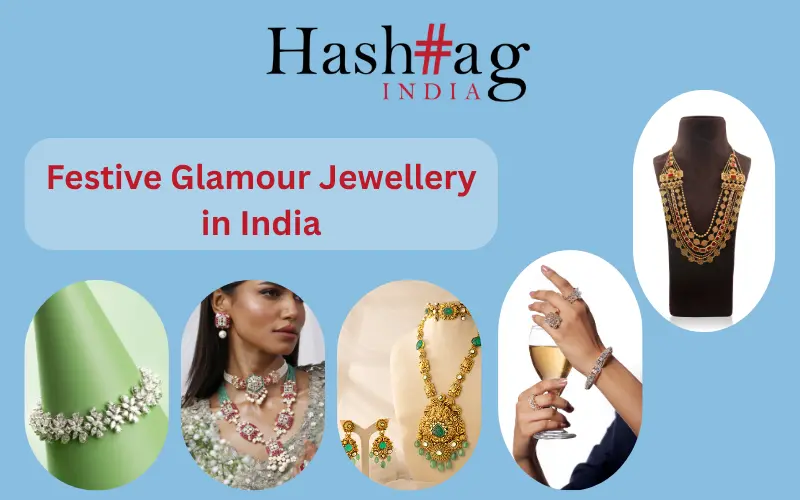
- Maximalist accessories such as wide belts, oversized bangles, and layered jewellery are trending globally and influencing Indian style narratives.
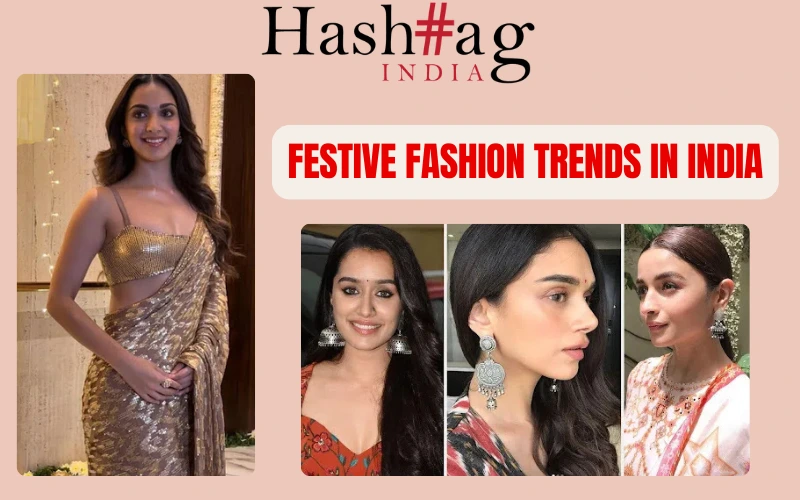
These bold accents allow everyday outfits to feel intentional and expressive, especially on social and festive occasions.
Occasion Wear Gets Versatile
Formal and festive wear in 2027 reflects a lighter, more functional approach:
- Bridal hues shift toward softer, photo-friendly shades that feel timeless, such as muted rose, deep plum, and champagne beige.
- Statement blouses, fusion drapes, and simplified embroidery balance elegance with wearability.
Celebratory fashion now blends comfort with ceremony, appealing to both traditional and globalized tastes.
Calm Luxury via New Colour Narratives
The palette dominating 2027 leans toward serenity and sophistication.
- Pantone’s Colour of the Year 2026—Cloud Dancer, a refined off-white—signals a move toward subtle, versatile neutrals that elevate any outfit.
- Trend forecasts also highlight icy blues, soft pastels (ballerina pink, sage), and muted earth tones as powerful colour anchors for the season.
What this means for India: Gentle hues complement traditional fabrics like silk and cotton, and work beautifully in both ethnic wear and western pieces. Pastels and neutrals are expected to become wardrobe multipliers from daywear to evening looks.