Sneakers: A Reflection of Personal Style

customised shoes in india

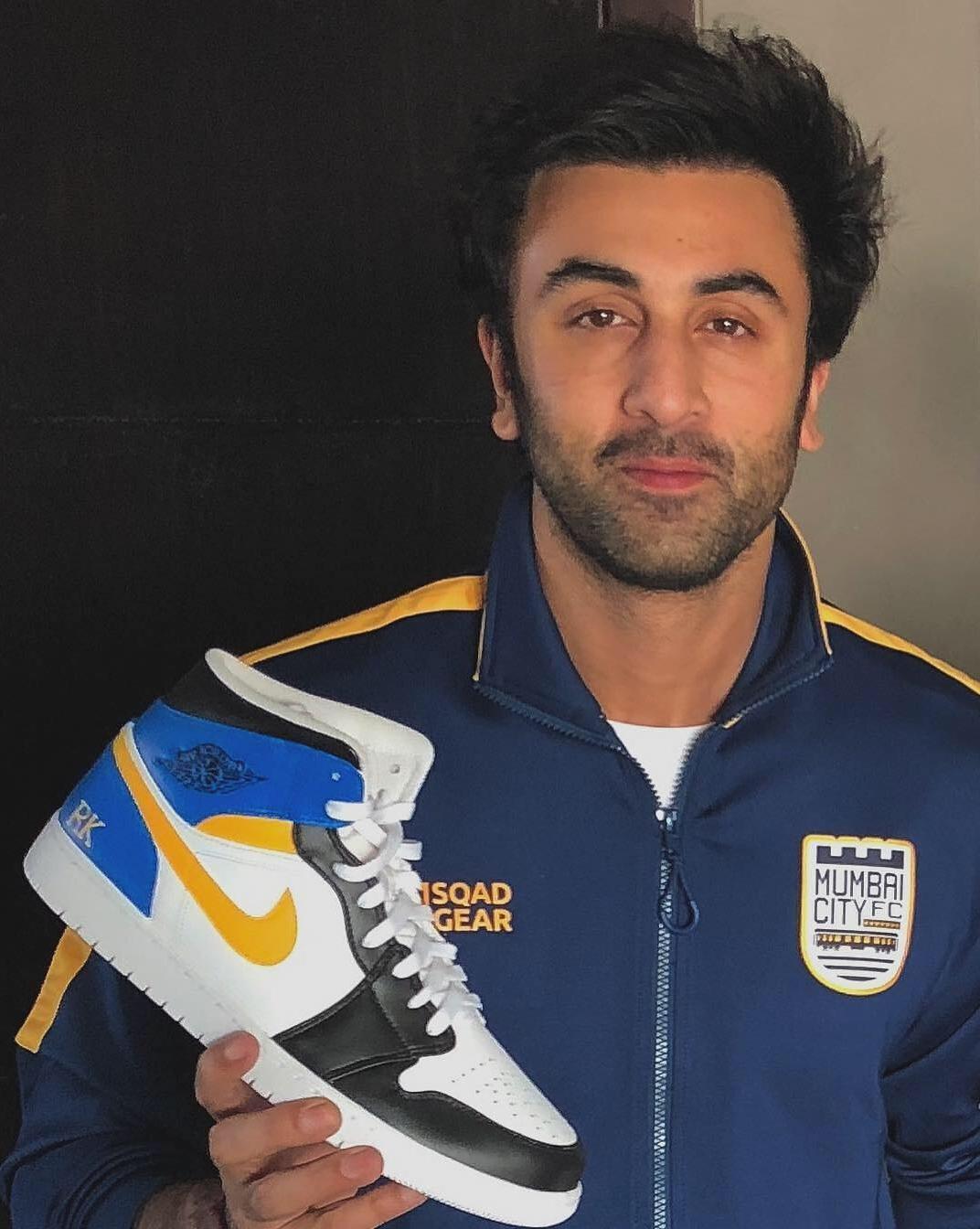
Tired of seeing the same old sneaker designs? It’s time to embrace personalized sneakers! From hand-painted artwork to intricate embroidery, custom sneakers offer a fresh way to showcase your unique style. What began as sportswear has evolved into a significant part of fashion culture. Personalized sneakers allow wearers to express their individuality through choices in colours, patterns, designs, or even adding unique details like initials and dates. They directly connect the wearer with their footwear, turning sneakers into a personal statement.   Discover the world of custom sneakers as S. Roselin explores this exciting trend.

As custom sneakers grow in popularity, India is experiencing a surge in home-grown brands catering to the demand for unique, customizable designs. Influencers and celebrities have further fuelled this trend by flaunting their custom creations, making these shoes an integral part of modern fashion.

One of the brands leading this movement is Courtside, founded by Saigun Grover in New Delhi. Courtside transforms everyday sneakers into extraordinary works of art. “Custom sneakers enable boundless self-expression and spark countless conversations wherever you go,” says Grover, emphasizing that sneakers are more than just footwear—they are a form of personal identity. Courtside’s collections include anime-inspired designs, coffee-themed creations, and reinterpretations of iconic models like Jordans and AF1s. “We’re seeing an evolution in sneaker culture where people are increasingly seeking unique ways to differentiate themselves,” Grover adds. Whether customers opt for pre-designed sneakers or upload their ideas, Courtside ensures that every pair reflects the wearer’s personality.

Saigun Grover

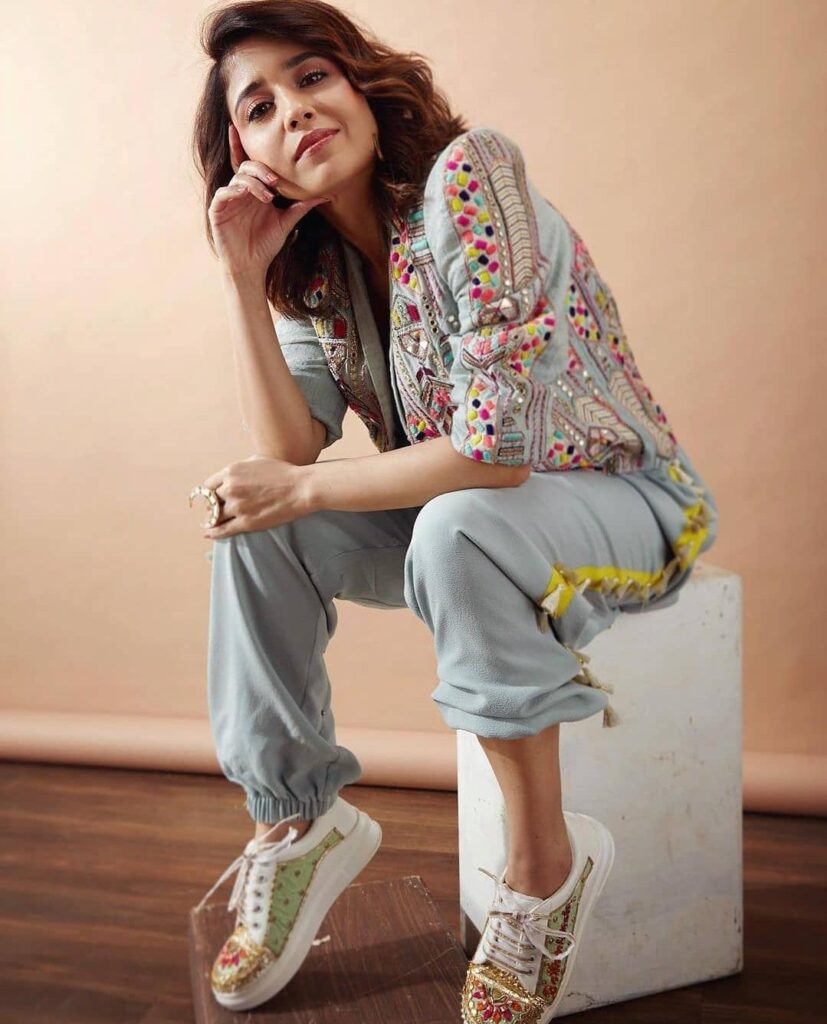
Taking a more traditional approach, The Saree Sneakers by Shruti Kasat blends the elegance of Indian craftsmanship with the comfort of sneakers. An alumna of NIFT Kolkata and DOMUS Milan, Shruti’s journey began with prioritizing comfort over high heels. This personal preference soon transformed into a brand that caters to fashion-conscious individuals looking for something different. “This fusion footwear serves as an excellent accessory, turning heads wherever they go,” shares Shruti. Her brand specializes in handcrafted sneakers with intricate zardosi embroidery and delicate chikankari details. Shruti aims to merge tradition with modernity, allowing customers to design their sneakers to match their style or specific outfits. “Comfort became a priority for me, and that’s how I began to explore the idea of customized sneakers. I wanted shoes that looked great but also felt good,” she explains.

Shruti Kasat

With sneaker culture thriving, more Indian brands like Che, Shoes Your Daddy, Threadune, Miracle Walk, and Mana Custom Art are stepping into the spotlight. These home-grown platforms offer sneaker enthusiasts a range of customization options, allowing them to express themselves through their footwear. Consumers seek sneakers that reflect their unique personalities and lifestyles as they move beyond limited-edition designs.

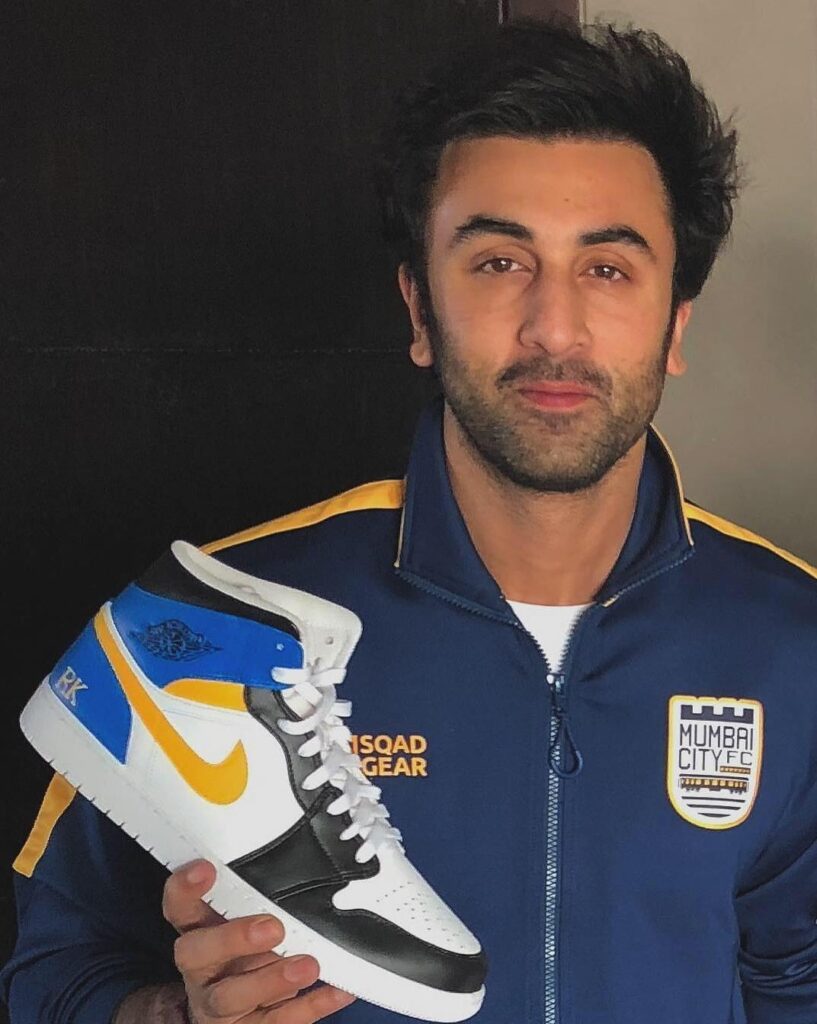
Both Courtside and The Saree Sneakers highlight how custom sneakers are transforming the fashion landscape in India. Whether they have hand-painted designs or embroidered artwork, personalized sneakers are more than just shoes—they are wearable art. As the trend continues to gain momentum, it’s clear that custom sneakers are here to stay.

Ready to dive into the world of personalized sneakers? Explore these innovative brands and express your style with every step!

Leave a comment

Your email address will not be published. Required fields are marked *

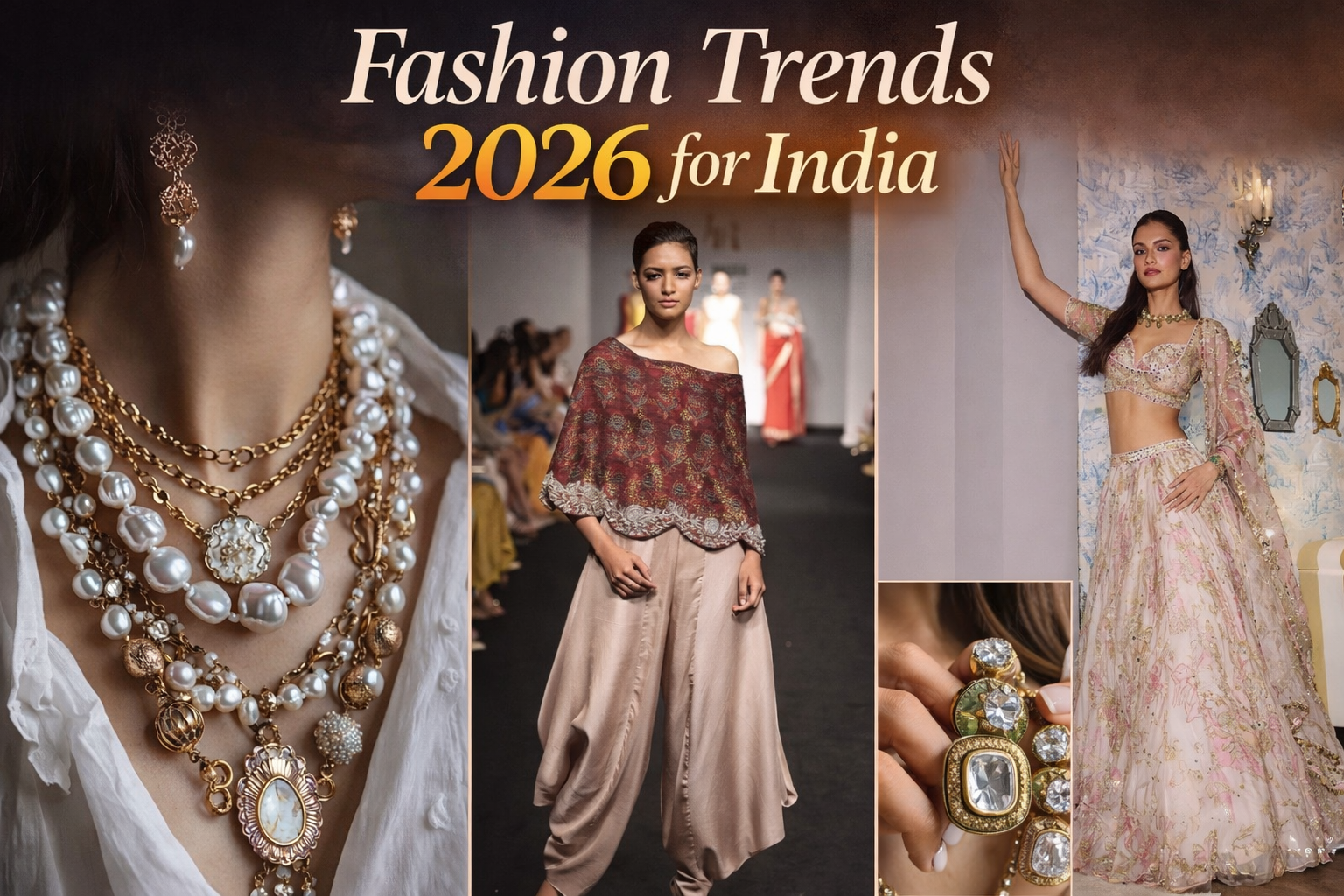
Fashion Trends 2026 for India

As India’s fashion ecosystem matures at the intersection of culture, technology, and sustainability, 2026 is poised to be a defining year. Below is a structured outlook on the key fashion trends expected to shape India this year… Sustainable Fashion Becomes the Default, Not the Differentiator By 2026, sustainability will no longer be a niche or premium positioning in India—it will be an expectation. Materials: Increased adoption of organic cotton, bamboo blends, banana fibre, hemp, and recycled polyester. Practices: Circular fashion models—resale, repair, and upcycling, and rental— gain mainstream traction. Consumer mindset: Shoppers demand transparency around sourcing, labour practices, and carbon footprint. Brands that fail to integrate sustainability at the core level risk losing relevance, particularly among Gen Z and urban millennials. Indian Craft Revival with a Modern Lens Indian fashion in 2026 doesn’t abandon tradition; it reinvents it: Handloom fabrics and artisanal textiles such as khadi, chanderi, and bandhani are being updated with modern cuts and silhouettes.   Ethnic pieces like sharara and gharara bottoms return with drama and movement, balanced by shorter kurtas or attached cape drapes.   Indo-western blends—co-ord sets, dhoti pants with crop tops, and sari gowns—continue to appeal to younger gen.  This trend reflects India’s fashion duality: honouring heritage while embracing global styling sensibilities. Fluid Fashion and Gender-Inclusive Design Gender boundaries in Indian fashion continue to dissolve, becoming more visible and commercially viable in 2027 Silhouettes: Kurta dresses, dhoti pants, oversized shirts, co-ord sets, and draped forms designed without gender labels. Retail evolution: Gender-neutral sections in both online and offline stores. Cultural impact: Particularly strong among urban youth and creative professionals. This shift reflects broader social acceptance and a move toward personal expression over conformity. Statement Accessories and Maximalist Flourishes While minimalism remains influential, accessories in 2027 are loud and expressive: Brooches, once relegated to formals, have made

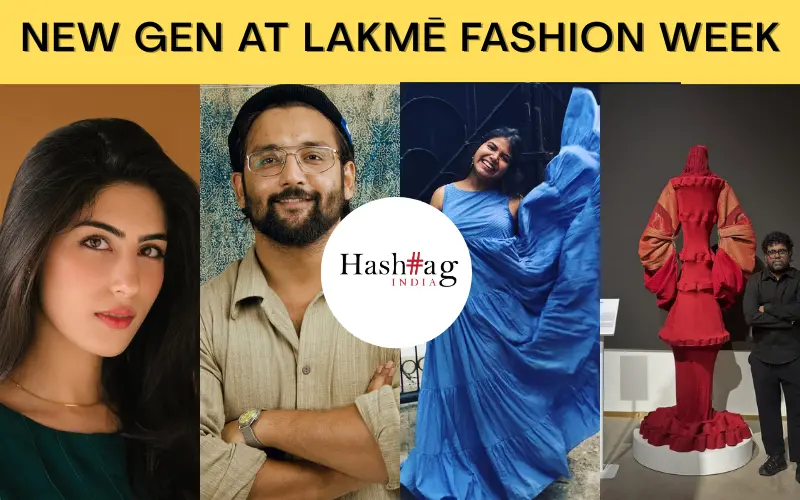
The Rise of the New Gen at Lakmē Fashion Week 2025

A new wave of designers is redefining the landscape of Indian fashion one that values purpose as much as aesthetics. At Lakmē Fashion Week x FDCI’s GenNext 2025, presented by NIF Global, we recently saw emerging talents that are fusing storytelling, sustainability, and cultural heritage to craft a more conscious, expressive future for design. Hashtag Magazine spotlights the rising stars who are weaving purpose into every thread the designers shaping not just what we wear, but why we wear it. This year’s GenNext 2025 cohort proves that the next generation isn’t just creating clothes they’re crafting conversations. From denim rebirths and handcrafted heritage to poetic sustainability and textile innovation, these visionaries are transforming Indian fashion into an art form rooted in authenticity, emotion, and soul. 1. Designer: Anam Hussain Label: Anam HussainCollection: Cut-PutlyUSP: A conceptual, sustainable exploration of empowerment through design. Inspired by Rajasthan’s Kathputlis the puppets that dance between control and liberation Anam Hussain’s Cut-Putly examines power, agency, and freedom through geometry and form. Structured, angular silhouettes represent restraint, while oversized shapes express release and individuality. The collection’s strength lies in its sustainability: over 1,000 kilograms of post-consumer denim waste was transformed through patchwork, crocheting, and hand-weaving into sculptural garments that balance grit with grace. For Hussain, waste isn’t discarded matter it’s creative potential. With hints of crochet handbags and accessories in development, Cut-Putly sets the tone for a label that is as thoughtful as it is experimental. 2. Designer: Mohammed Anas Sheikh Label: 23°N 69°ECollection: Unnamed (Kachchh-Inspired)USP: A poetic revival of Kachchh’s indigenous craft, rooted in minimalism and authenticity. Mohammed Anas Sheikh’s collection celebrates Kachchh’s artisanal spirit weaving its heritage into modern silhouettes that exude quiet strength. Centered around Kala cotton, a rain-fed indigenous fibre, his pieces highlight broken Ajrakh block prints, mirror work embroidery, and hand-dyed hues

Latest Festive Fashion Trends In India

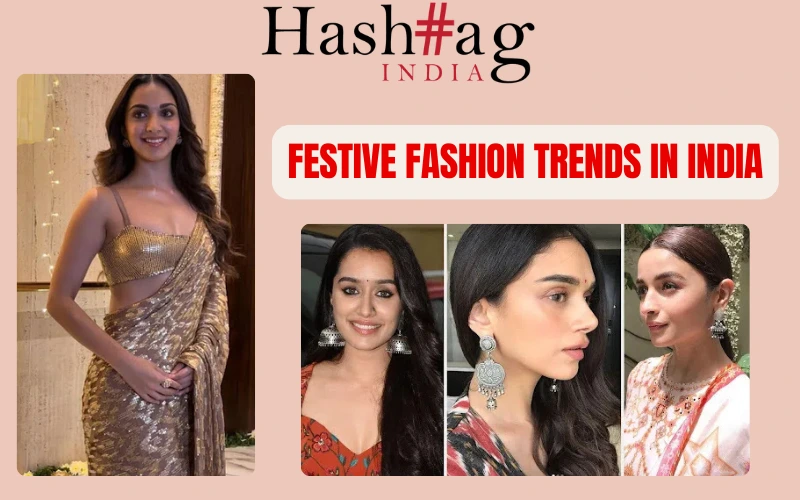
Intro: The smell of marigold flowers, the glow of diyas, the happy noise of families coming together. India’s festive season is here again, and with it comes the excitement of dressing up. Clothes are not just clothes during festivals; they are part of the celebration itself. This year’s festive fashion is a mix of tradition and modern style. From sarees to lehengas, from bold jewellery to subtle embroidery, here’s what is trending in 2025. 1. Sarees with a twist The saree is timeless. But this year, designers are giving it new life. Pre-draped sarees, gown-style sarees, and double-pallu drapes are everywhere. Designer Anamika Khanna is renowned for her dramatic draping styles, which add movement and glamour. Stars like Deepika Padukone and Kiara Advani have been wearing sarees with bold pleats, sculpted borders, and fresh silhouettes. It’s the same saree we love but reimagined for today. 2. Mix and Match Festive Separates Gone are the days of sticking to one complete set of a lehenga or a sari. Now people are mixing and matching. Heavy skirts are paired with light blouses or embroidered jackets, often accompanied by plain shararas. 3. Colours that surprise Traditional festivals’ colours like red, maroon, and gold are still there, but 2025 is experimenting. Soft tones like sage green, dusty mauve, teal, and ochre are shining this year. At Diwali parties, many celebs wore gold tissue sarees that looked festive yet classy. For Navaratri, green became the star colour, especially on the day dedicated to Goddess Skanda Mata. 4. Craft Revival and Sustainable Touch This year, old crafts are making a comeback in new and innovative ways. Hand embroidery, block prints, and vintage fabrics are being reused to create stunning outfits. Designer Mayyur Girotra even created a lehenga from five old brocade sarees, proving that fashion can

The Fashion Maestro: Exclusive Interview with Manish Malhotra On Bridal Trends

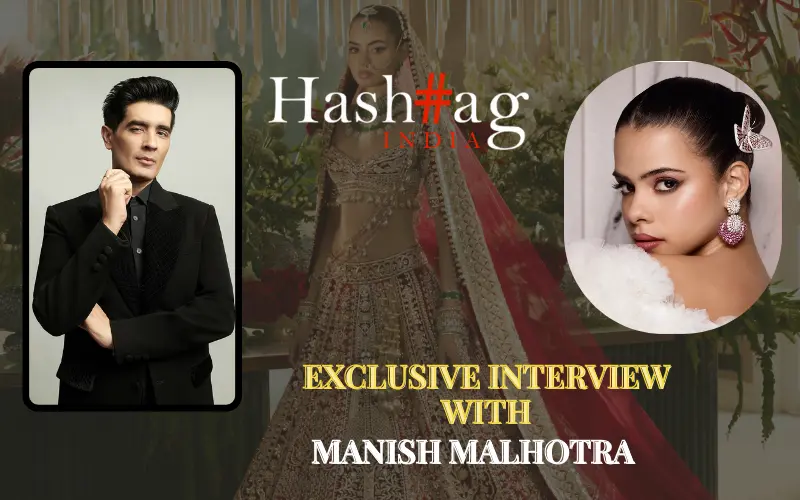
Hashtag Magazine brings you an exclusive interview with the legendary MANISH MALHOTRA, India’s most celebrated fashion designer. From redefining Bollywood glamour to shaping global couture, he opens up about his creative journey, inspirations, and the evolving world of fashion in 2025, offering rare insights into his iconic legacy. How are you making your signature bridal style more accessible to younger or more experimental brides while keeping that Manish Malhotra charm? You know, brides today are really fearless. They love their traditions, of course, but they also want to bring in their own personality, and I think that’s beautiful. For me, it’s about giving them the grandeur they’ve come to expect from a Manish Malhotra bridal look, but doing it in a way that feels fresh. That could mean innovative construction, modern silhouettes, or just a more effortless styling. The glamour will always be there, it’s just evolved. Sometimes it’s through a sharper corset, sometimes through a softer drape, but the magic is always alive. What are the top three bridal trends you see ruling weddings in 2025? So, first, I think it’s about layering. Whether it’s a signature head veil or even a cape, it allows a bride to really play with her look across different celebrations. It’s about showcasing unique embroidery or luxurious fabrics that can be styled in multiple ways. Then second, I’ve been loving crystal drapes, they bring in this beautiful sensuality and shimmer. It’s glamorous without trying too hard. And third, statement blouses – brides today are embracing unique necklines, dramatic sleeves, and corsetry to make the blouse the highlight. Which colours are defining the Manish Malhotra bridal palette this season? This season, I have been drawn to deep, decadent tones such as rich maroons, soft almond shades, old rose, and metallics that never go out

You May Also Like

Connect with us