Sole Mates: India’s Sneaker Surge

Sole Mates: India's Sneaker Surge

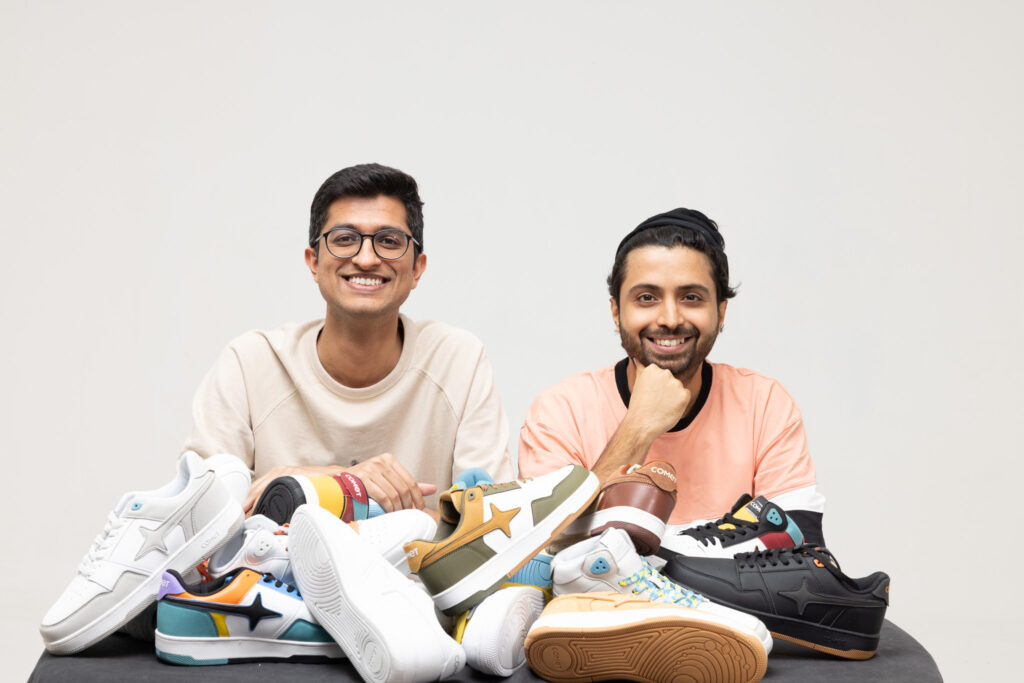
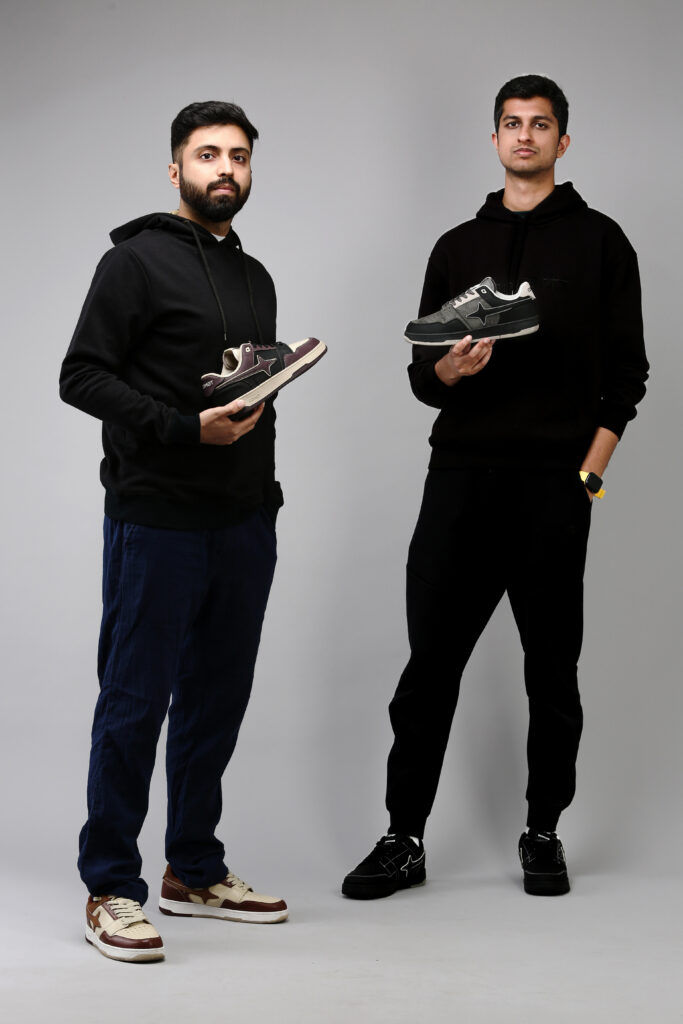
The sneaker culture in India has experienced a remarkable evolution. What once were practical and comfortable shoes have become a fashion statement, transcending sports and entering the realms of luxury fashion and haute couture. This cultural shift has sparked a vibrant community, bringing together enthusiasts from all walks of life. To delve deeper into this phenomenon, we spoke with two leading figures in the Indian sneaker industry: Utkarsh Gupta, co-founder of Comet, and Gaurav Tandon, Managing Director of Limited Edt India. Surabhi Goel discusses India’s sneaker surge with Comet and Limited Edt’s innovative strategies.  

India’s Sneaker Surge

Impact on Brand Strategy

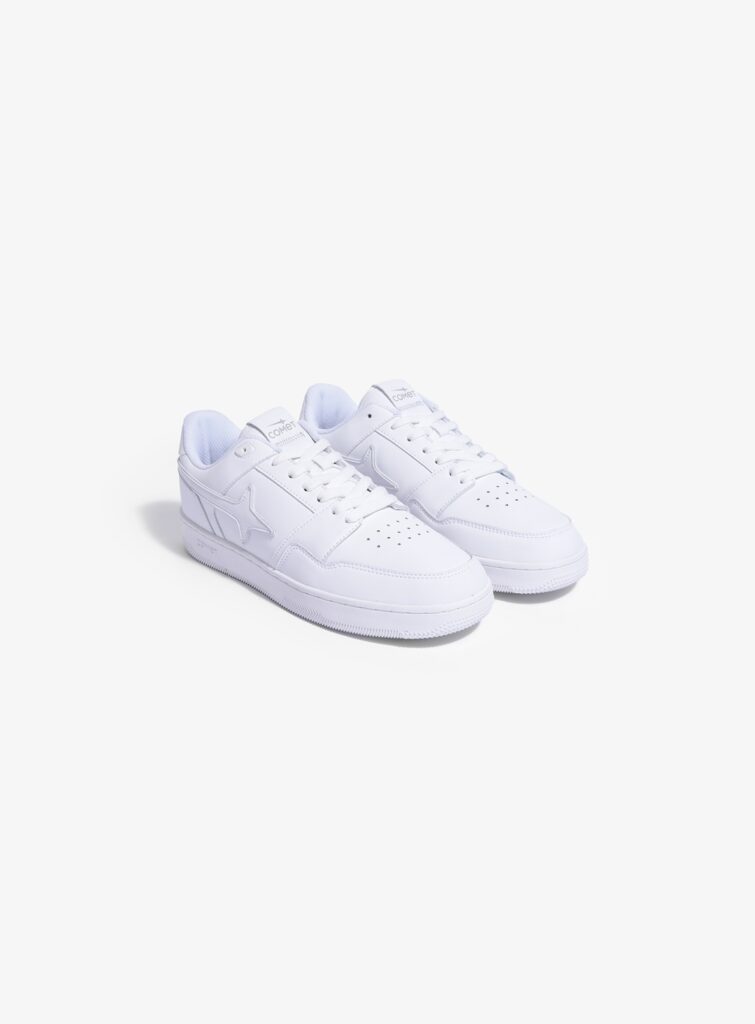
Utkarsh Gupta expressed his enthusiasm when asked about the current surge in sneaker culture and its impact on the brand’s strategy. “The surge in sneaker culture is exhilarating for us. We’re enjoying the benefits, but we’re also actively contributing to shaping this culture in India. Many global brands have attempted to enter this space, often at inaccessible prices or limited availability. We believe that infusing our culture and stories into our shoes can significantly advance sneaker culture in India. This vision is at the heart of our strategy,” said Gupta.
Gaurav Tandon echoed similar sentiments, emphasizing the cultural shift towards sneakers as symbols of style, identity, and community. “This shift has naturally driven our brand and the streetwear fashion industry. We’re not just selling sneakers but offering an experience and a lifestyle. Our strategy involves creating a space where enthusiasts can connect, share their passion, and immerse themselves in the latest trends. We have recently opened a store in Delhi NCR, allowing people to visit and experience the culture first hand,” Tandon explained.
Innovative Approaches to Limited-Edition Releases

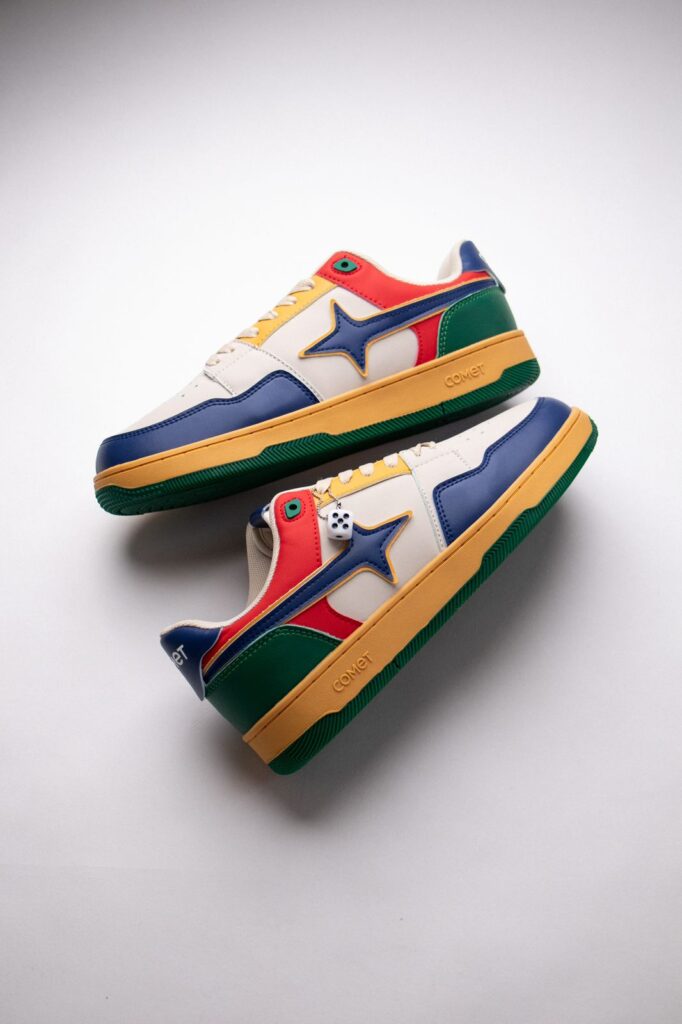
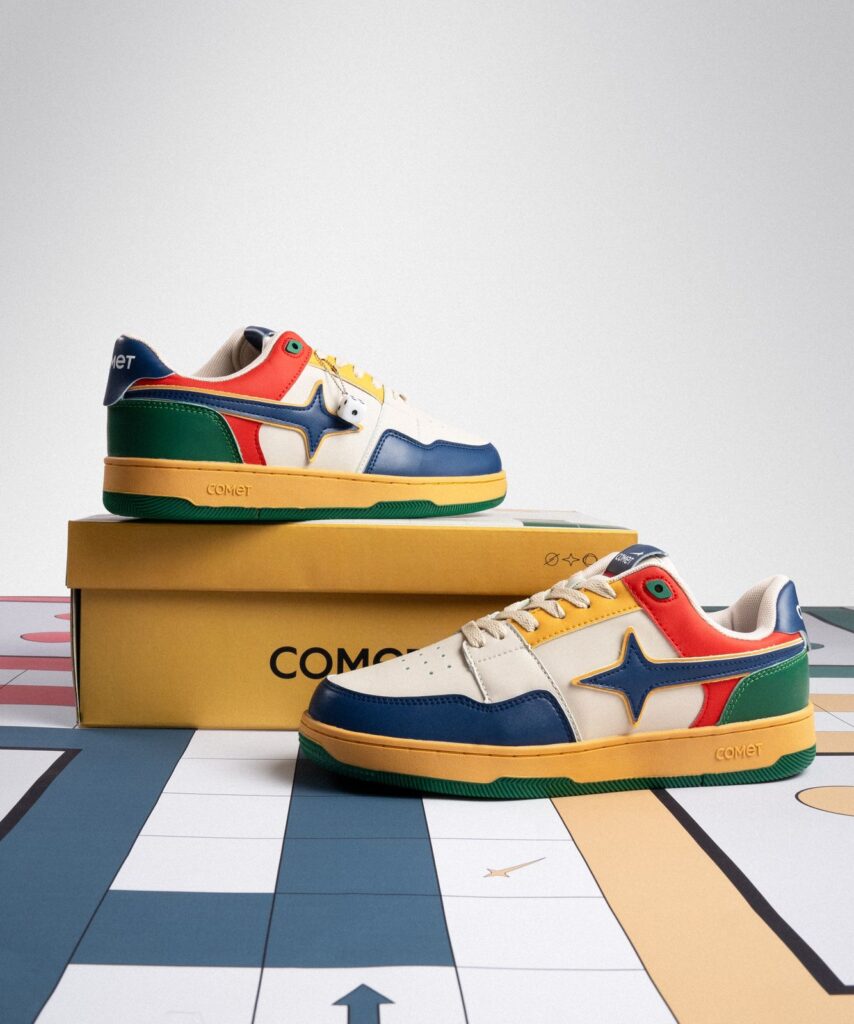
Meeting the growing demand for limited-edition releases requires innovation and creativity. Utkarsh Gupta highlighted Comet’s strategy, stating, “At Comet, we strive to release one limited-edition drop each month, where we truly unleash our creativity. Our inspirations come from compelling concepts and intriguing stories. For example, our latest drop inspired by the game of Ludo incorporates vibrant colours and dice-themed accents stemming from childhood memories. We intentionally keep our releases selective and in small quantities to maintain exclusivity and excitement.”

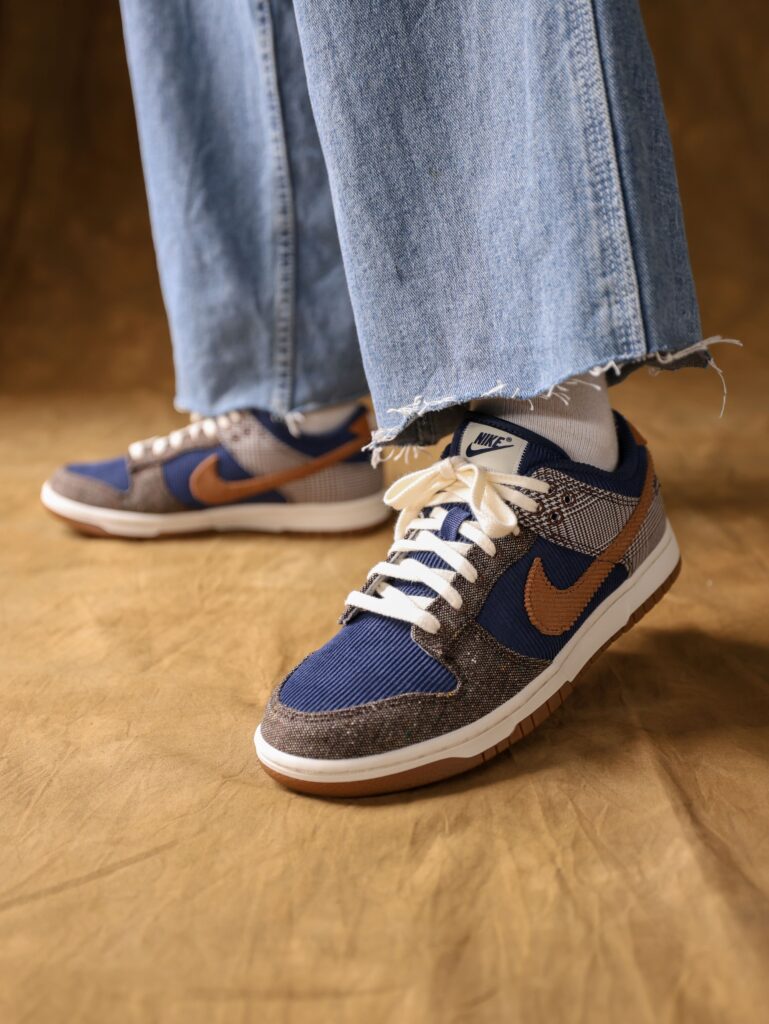
On the other hand, Gaurav Tandon revealed Limited Edt India’s approach, “We’re launching a VIP members-only section called ‘Vault’ in our Delhi store in August. This section will feature the season’s rarest and most coveted sneakers, like the Nike SB Dunk Low ‘Orange Lobster’ and Jordan 1 Low SE WRMK Sashiko Denim. Members will get exclusive access to our raffles and ballots. Our ‘Vault’ in Singapore has been a crowd favourite, and we’re excited to bring this unique shopping experience to India.”

Balancing Sustainability with Sneaker Production

The fast-paced nature of sneaker production raises significant sustainability concerns. Utkarsh Gupta addressed this issue by highlighting Comet’s commitment to high-quality, durable products. “At Comet, we invest over a year in perfecting a product before launching it. We design our sole molds and use 100% rubber in our soles, which sets us apart. This meticulous approach ensures our shoes are durable and long-lasting, promoting sustainability and reducing the environmental impact of rapid production cycles.”
Gaurav Tandon also acknowledged the importance of sustainability in the sneaker industry. “Sustainability is a crucial issue. Our primary focus has always been on delivering high-quality products that are as durable as they are stylish. We constantly explore ways to integrate sustainable practices into our operations.”

Leveraging Technology for Enhanced Customer Experience

Incorporating technology to enhance customer experience and drive brand loyalty is vital in the modern sneaker market. Utkarsh Gupta discussed Comet’s approach, “We leverage technology by focusing on innovative design, unique concepts, and top-notch product quality. Our community thrives organically on Instagram, with engagement rates upwards of 5%. Our drops often sell out within hours through organic communication, reflecting our customers’ trust in us.”
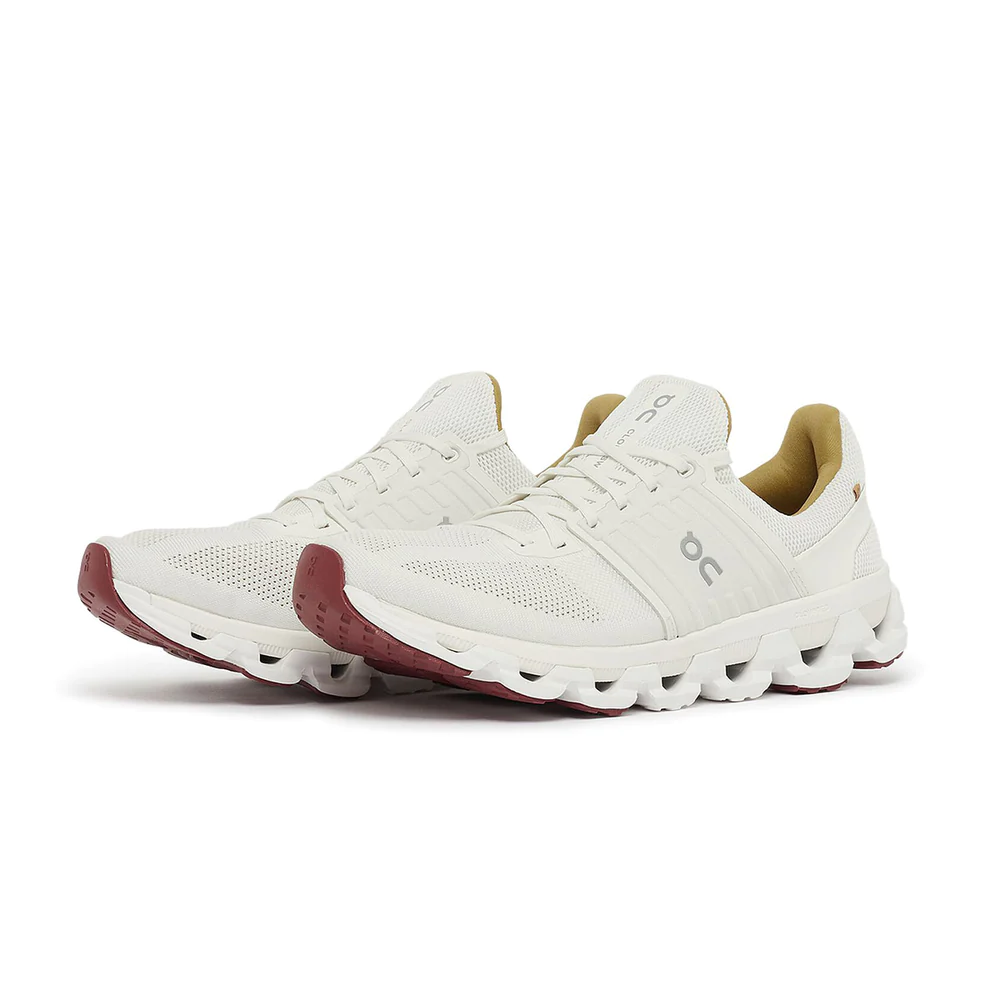
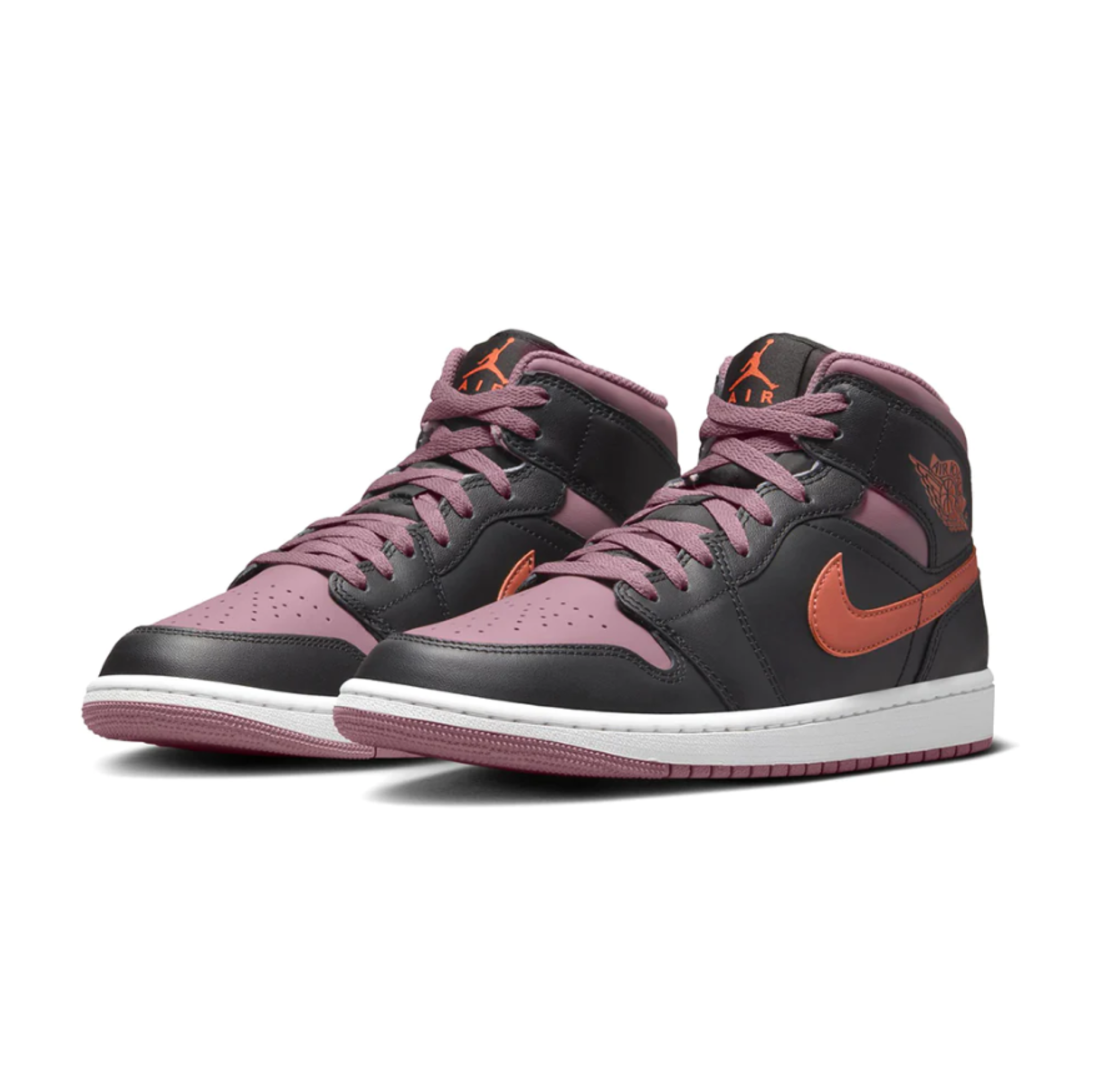
Gaurav Tandon elaborated on Limited Edt India’s use of technology, “In our stores, we create interactive displays and unique experiences that blend the physical and digital worlds. Our VIP membership program uses facial recognition to grant access to exclusive areas in our stores. Additionally, our loyalty program uses data analytics to reward customers based on shopping behaviour, fostering a deeper connection with our brand.”

The rising trends of sneaker culture in India in 2024 showcase a dynamic blend of tradition and innovation. Brands like Comet and Limited Edt India are at the forefront of this movement, integrating storytelling, sustainability, and technology to create a unique and engaging experience for sneaker enthusiasts. As this culture continues to evolve, it promises to leave an indelible mark on the fashion landscape in India.

Leave a comment

Your email address will not be published. Required fields are marked *

Tiara Dhody: Inspired by Heritage, Driven by Design

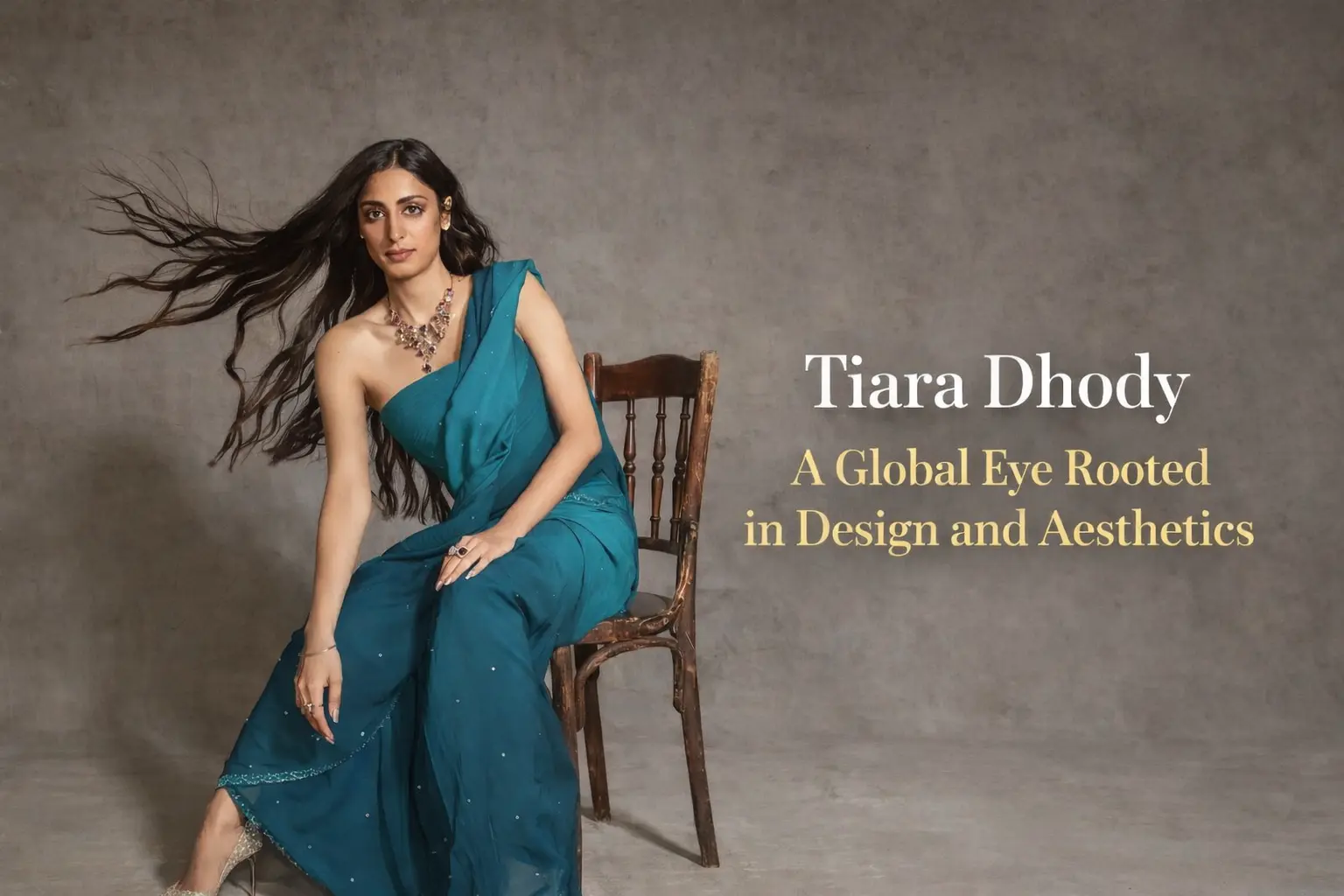
Tiara Dhody is a Mumbai-based founder and the creative force behind Treasures by Tiara. She studied at Cathedral and John Connon School, the United World College in Singapore, and later at Sarah Lawrence College, experiences that shaped her global perspective and independent thinking. Growing up in a household where fashion and design were part of everyday conversation, she was naturally immersed in aesthetics. Influenced by her mother, Queenie Dhody, and Raja Dhody, she absorbed a visual language early on. Yet, she credits her broader worldview to quieter influences. “Beyond formal education, I feel most shaped by the books I read, the films I watch, the places I travel to, and the people I surround myself with,” she says. “All of it quietly filters into my work.” Jewellery as Intimate Expression Tiara has chosen the path of self-expression, and for her, jewellery is one of the most intimate mediums through which to access it. “It’s something you can wear, feel, and move with; it becomes part of your story,” she explains. She also describes a more intangible element: “There’s something cosmic about it, the way certain pieces seem to find you at the right time.” In India, jewellery carries memory. It is passed down, inherited, gifted, layered with sentiment and history. That cultural weight deeply informs her design philosophy. “What sets my work apart is the balance between meaning and wearability,” she notes. The pieces are expressive without being loud, crafted to feel personal and enduring rather than purely ornamental. Many associate her designs with strong feminine energy, detailed craftsmanship, and jewellery that feels lived-in rather than showcased. Designed to Be Lived In Treasures by Tiara approaches jewellery differently. It is not created to be stored away for weddings or rare occasions; it is designed to be worn daily. “The idea

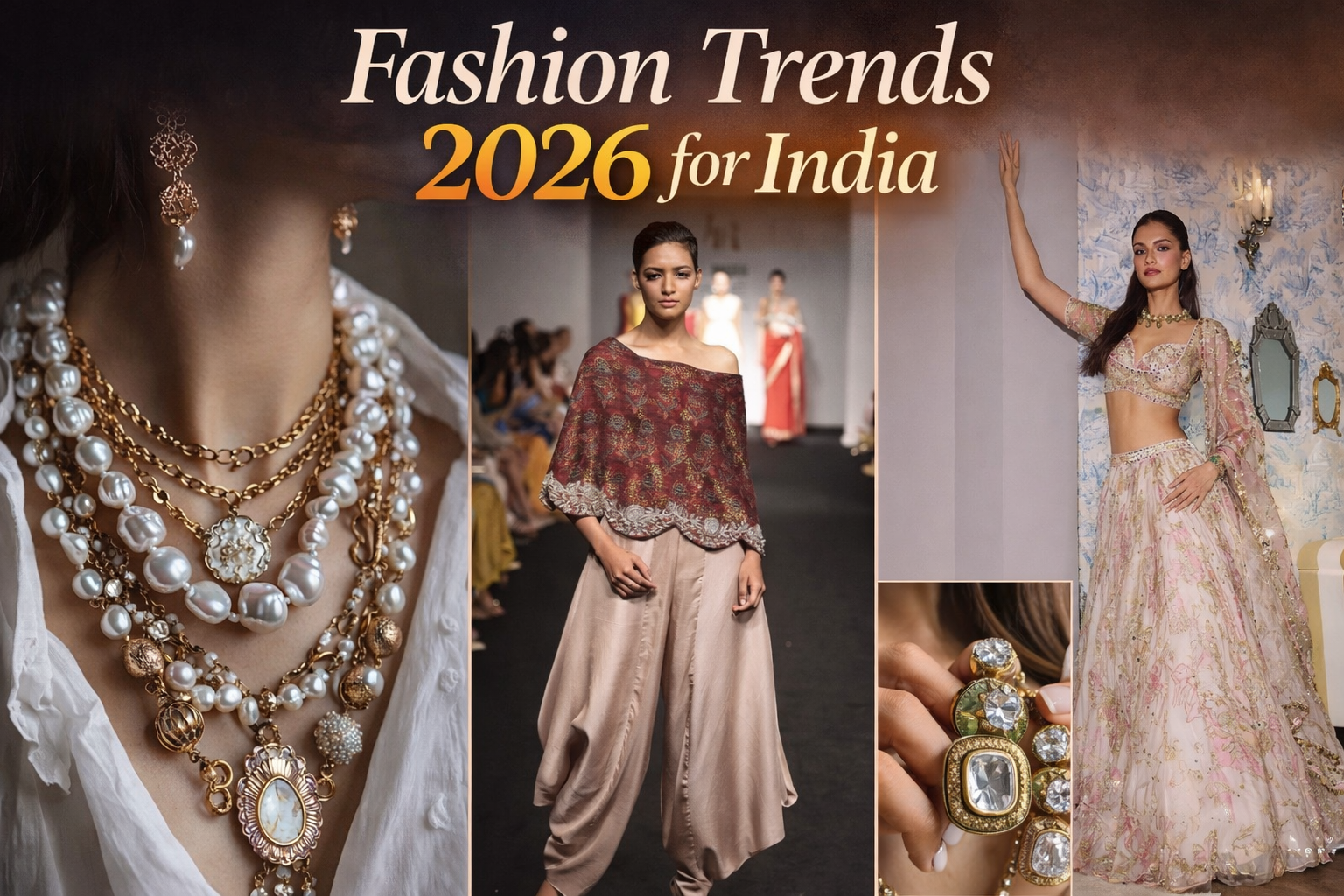
Fashion Trends 2026 for India

As India’s fashion ecosystem matures at the intersection of culture, technology, and sustainability, 2026 is poised to be a defining year. Below is a structured outlook on the key fashion trends expected to shape India this year… Sustainable Fashion Becomes the Default, Not the Differentiator By 2026, sustainability will no longer be a niche or premium positioning in India—it will be an expectation. Materials: Increased adoption of organic cotton, bamboo blends, banana fibre, hemp, and recycled polyester. Practices: Circular fashion models—resale, repair, and upcycling, and rental— gain mainstream traction. Consumer mindset: Shoppers demand transparency around sourcing, labour practices, and carbon footprint. Brands that fail to integrate sustainability at the core level risk losing relevance, particularly among Gen Z and urban millennials. Indian Craft Revival with a Modern Lens Indian fashion in 2026 doesn’t abandon tradition; it reinvents it: Handloom fabrics and artisanal textiles such as khadi, chanderi, and bandhani are being updated with modern cuts and silhouettes.   Ethnic pieces like sharara and gharara bottoms return with drama and movement, balanced by shorter kurtas or attached cape drapes.   Indo-western blends—co-ord sets, dhoti pants with crop tops, and sari gowns—continue to appeal to younger gen.  This trend reflects India’s fashion duality: honouring heritage while embracing global styling sensibilities. Fluid Fashion and Gender-Inclusive Design Gender boundaries in Indian fashion continue to dissolve, becoming more visible and commercially viable in 2027 Silhouettes: Kurta dresses, dhoti pants, oversized shirts, co-ord sets, and draped forms designed without gender labels. Retail evolution: Gender-neutral sections in both online and offline stores. Cultural impact: Particularly strong among urban youth and creative professionals. This shift reflects broader social acceptance and a move toward personal expression over conformity. Statement Accessories and Maximalist Flourishes While minimalism remains influential, accessories in 2027 are loud and expressive: Brooches, once relegated to formals, have made

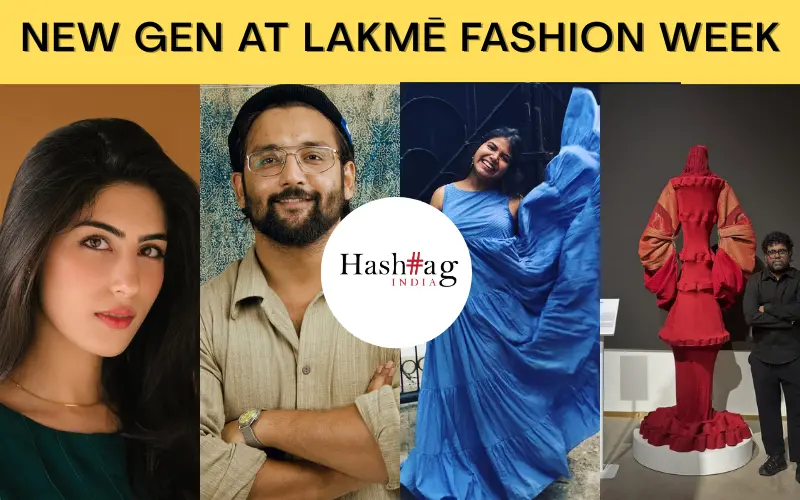
The Rise of the New Gen at Lakmē Fashion Week 2025

A new wave of designers is redefining the landscape of Indian fashion one that values purpose as much as aesthetics. At Lakmē Fashion Week x FDCI’s GenNext 2025, presented by NIF Global, we recently saw emerging talents that are fusing storytelling, sustainability, and cultural heritage to craft a more conscious, expressive future for design. Hashtag Magazine spotlights the rising stars who are weaving purpose into every thread the designers shaping not just what we wear, but why we wear it. This year’s GenNext 2025 cohort proves that the next generation isn’t just creating clothes they’re crafting conversations. From denim rebirths and handcrafted heritage to poetic sustainability and textile innovation, these visionaries are transforming Indian fashion into an art form rooted in authenticity, emotion, and soul. 1. Designer: Anam Hussain Label: Anam HussainCollection: Cut-PutlyUSP: A conceptual, sustainable exploration of empowerment through design. Inspired by Rajasthan’s Kathputlis the puppets that dance between control and liberation Anam Hussain’s Cut-Putly examines power, agency, and freedom through geometry and form. Structured, angular silhouettes represent restraint, while oversized shapes express release and individuality. The collection’s strength lies in its sustainability: over 1,000 kilograms of post-consumer denim waste was transformed through patchwork, crocheting, and hand-weaving into sculptural garments that balance grit with grace. For Hussain, waste isn’t discarded matter it’s creative potential. With hints of crochet handbags and accessories in development, Cut-Putly sets the tone for a label that is as thoughtful as it is experimental. 2. Designer: Mohammed Anas Sheikh Label: 23°N 69°ECollection: Unnamed (Kachchh-Inspired)USP: A poetic revival of Kachchh’s indigenous craft, rooted in minimalism and authenticity. Mohammed Anas Sheikh’s collection celebrates Kachchh’s artisanal spirit weaving its heritage into modern silhouettes that exude quiet strength. Centered around Kala cotton, a rain-fed indigenous fibre, his pieces highlight broken Ajrakh block prints, mirror work embroidery, and hand-dyed hues

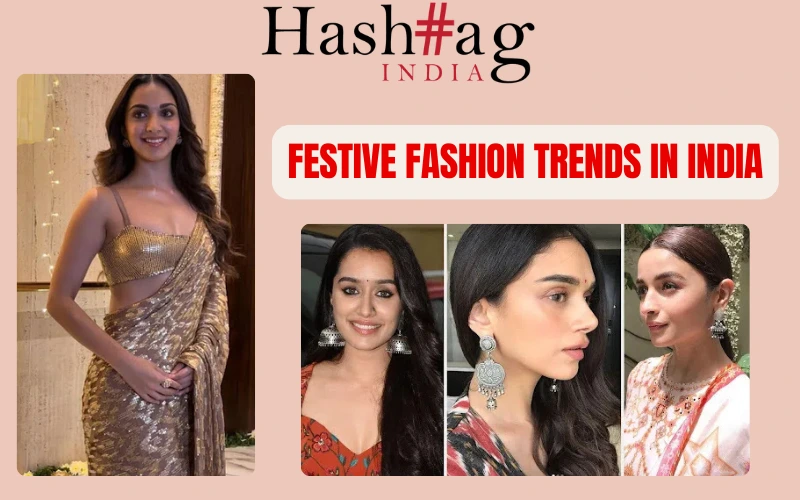
Latest Festive Fashion Trends In India

Intro: The smell of marigold flowers, the glow of diyas, the happy noise of families coming together. India’s festive season is here again, and with it comes the excitement of dressing up. Clothes are not just clothes during festivals; they are part of the celebration itself. This year’s festive fashion is a mix of tradition and modern style. From sarees to lehengas, from bold jewellery to subtle embroidery, here’s what is trending in 2025. 1. Sarees with a twist The saree is timeless. But this year, designers are giving it new life. Pre-draped sarees, gown-style sarees, and double-pallu drapes are everywhere. Designer Anamika Khanna is renowned for her dramatic draping styles, which add movement and glamour. Stars like Deepika Padukone and Kiara Advani have been wearing sarees with bold pleats, sculpted borders, and fresh silhouettes. It’s the same saree we love but reimagined for today. 2. Mix and Match Festive Separates Gone are the days of sticking to one complete set of a lehenga or a sari. Now people are mixing and matching. Heavy skirts are paired with light blouses or embroidered jackets, often accompanied by plain shararas. 3. Colours that surprise Traditional festivals’ colours like red, maroon, and gold are still there, but 2025 is experimenting. Soft tones like sage green, dusty mauve, teal, and ochre are shining this year. At Diwali parties, many celebs wore gold tissue sarees that looked festive yet classy. For Navaratri, green became the star colour, especially on the day dedicated to Goddess Skanda Mata. 4. Craft Revival and Sustainable Touch This year, old crafts are making a comeback in new and innovative ways. Hand embroidery, block prints, and vintage fabrics are being reused to create stunning outfits. Designer Mayyur Girotra even created a lehenga from five old brocade sarees, proving that fashion can

You May Also Like

Connect with us