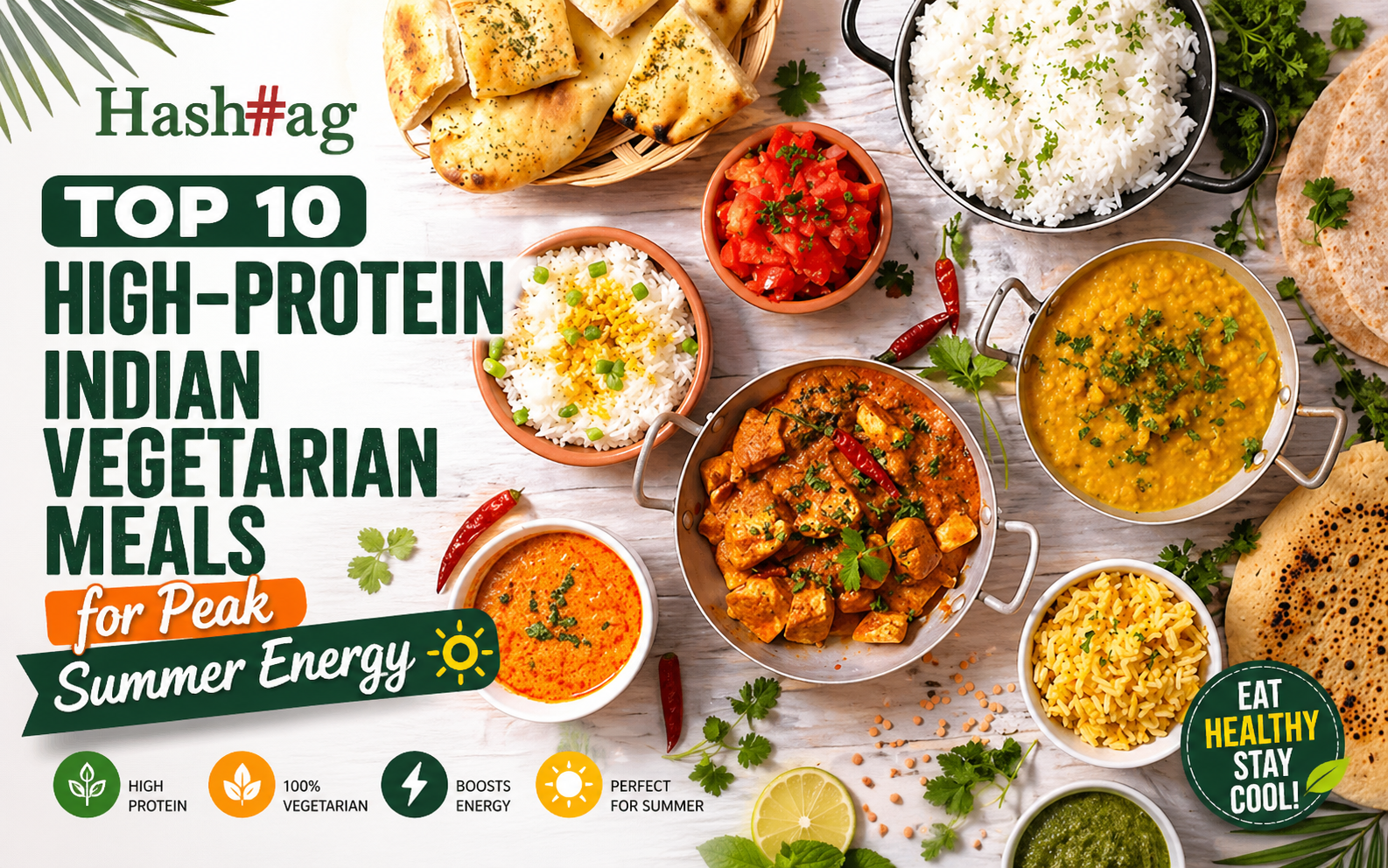
Summer in India is not just hot, it is exhausting. You wake up tired. By afternoon, you can barely think straight. You reach for chai, then cold drinks, then more chai. And somehow, by evening, you feel worse than when the day started. Here is what most people don’t know: the food you eat in summer decides how much energy you carry through the day. Heavy, oily meals make you sluggish. Too little food leaves you dizzy. But high-protein vegetarian meals, the kind Indian kitchens have been making for centuries, give your body exactly what it needs to stay sharp, stay cool, and stay strong. Dhanush Kumar writes about the Top 10 High-protein Indian vegetarian meals, which are not fancy supplements, no expensive imports. Just real Indian food, done right.
Moong Dal Chilla
If you eat just one thing differently this summer, make it this. Moong dal chilla is a thin, crispy pancake made from soaked green moong, and it is one of the lightest, most protein-rich breakfasts in Indian cooking.
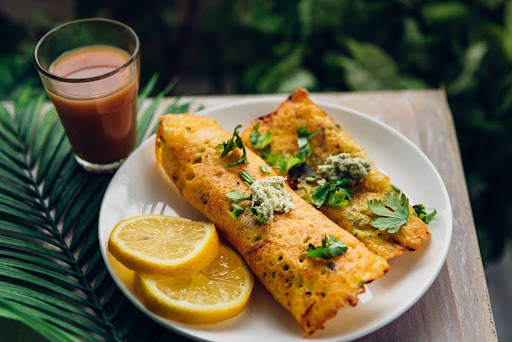
The magic of moong in summer is real. It is naturally cooling for the body, and it digests easily, so you don’t feel heavy after eating. Add some grated ginger and green chilli, a little ajwain, and serve with green chutney, and you have a breakfast that keeps you full till noon without weighing you down. Children love it. Office-goers love it. Your body in 42 degrees of heat will absolutely love it.
Rajma Chawal
Yes, it is a classic. Rajma is one of the highest-protein legumes available in India, rich, thick, and deeply satisfying. Pair it with plain rice, and you have a complete meal with all the essential amino acids your body needs.
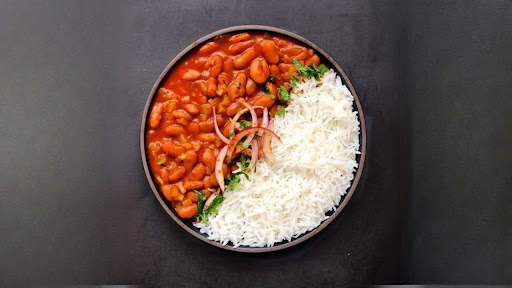
The trick in summer is to make it lighter: Less oil, more tomatoes, skip the cream, and finally add a squeeze of lemon at the end. Eat it for lunch, rest for 30 minutes, and you will have the energy to power through an entire afternoon. Ask any Punjabi family, this is their summer secret weapon.
Paneer Bhurji with Whole Wheat Roti
Paneer is India’s answer to the protein question, and paneer bhurji is the fastest way to get it on your plate. Scrambled, spiced with onions, tomatoes, turmeric, and a pinch of cumin, it comes together in under 10 minutes and delivers serious protein without a lot of effort.
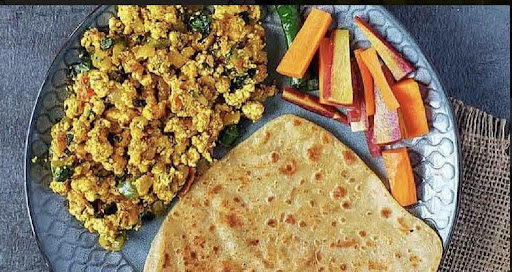
In summer, skip the paratha and pair it with plain whole wheat roti instead. Less oil means your digestive system doesn’t have to work overtime in the heat. A small bowl of curd on the side makes it even better, cooling, probiotic, and just the thing your gut needs when temperatures are brutal outside.
Sprouted Moong Salad
You do not always want to stand in front of a hot stove when it is 42°C outside. Sprouted moong salad requires zero cooking, just soak overnight, let the moong sprout for a day, then toss with cucumber, tomato, onion, lemon, chaat masala, and a handful of coriander.
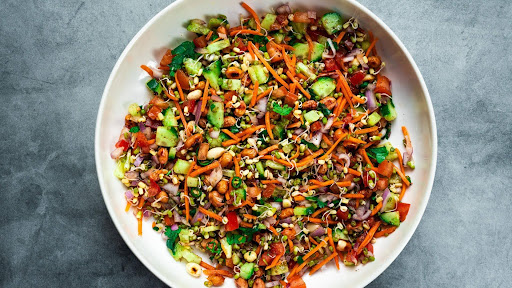
Here is the nutritional magic: when moong sprouts, its protein becomes even easier to absorb. The vitamins multiply. It is essentially alive food, and it gives you clean, sustainable energy without any heaviness. Eat a big bowl as a mid-morning snack or a light lunch and feel the difference within an hour.
Curd Rice
If South India had a mascot for surviving summer, it would be curd rice. Cold, creamy, tempered with mustard seeds, curry leaves, green chilli, and grated ginger, this dish is both food and medicine for the season.
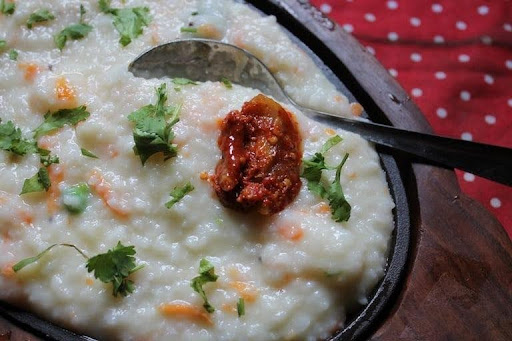
Curd is packed with protein and probiotics. Rice gives you slow-release carbs. Together, they are one of the most balanced summer meals in the world. Eat it cold, eat it with any pickle, and immediately feel your body temperature drop. This is not just comfort food; it is science served in a bowl, and Tamil, Telugu, and Kannada kitchens have known this for centuries.
Chana Dal Soup
Chana dal is one of the most underrated protein sources in Indian cooking. It has more protein than most dals, a low glycaemic index, meaning it does not spike your blood sugar, and it is incredibly cheap. In summer, make it thin like a soup instead of thick like a cur
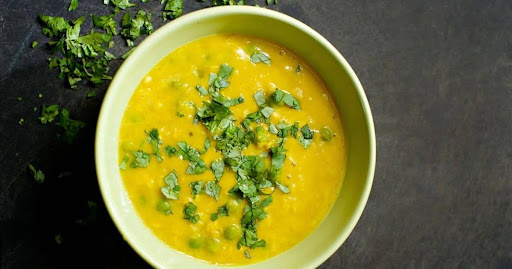
A watery, lightly spiced chana dal with a tadka of jeera, garlic, and dried red chilli is one of the best things you can have for dinner in peak summer. It is warm but not heavy. It keeps you full through the night. And it costs almost nothing to make, which is always a good thing.
Tofu Bhurji
Tofu gets a bad reputation in India, mostly from people who have never had it cooked well. Crumbled and cooked exactly like paneer bhurji, with the same onion, tomato, and spice base, firm tofu is honestly hard to tell apart. And its protein profile is exceptional.
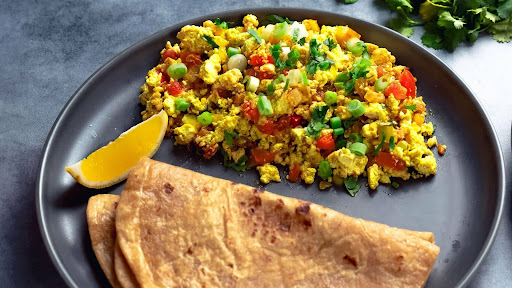
What makes tofu a summer star is that it is lighter than paneer and contains isoflavones that are genuinely good for your body in the heat. It also has no saturated fat, so your digestive system handles it effortlessly. If you are health-conscious, gym-going, or just want something that keeps you lean through the season, tofu bhurji deserves a real chance.
Sattu Sharbhat and Sattu Paratha
If you have never had sattu, you are missing one of India’s greatest nutritional gifts. Roasted chana flour, that is all it is. And yet it is one of the most protein-dense, body-cooling foods in the entire subcontinent.
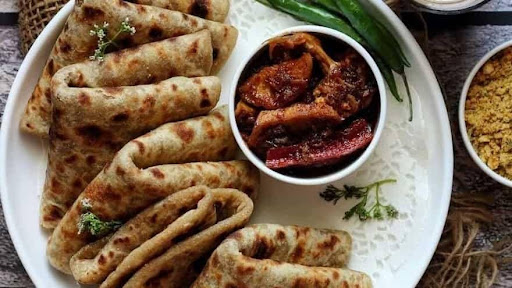
In summer, drink it as a sharbat; mix sattu with cold water, a pinch of kala namak, roasted jeera powder, and a squeeze of lemon. It is earthy, refreshing, and fills you up for hours. In Bihar and UP, labourers have been drinking this through brutal summers for generations, and they are not wrong. You can also stuff it into parathas with onion and pickle for a protein-loaded breakfast. Cheap, ancient, and absolutely brilliant.
Palak Paneer (Light Version)
Palak paneer is not just delicious in summer; it is genuinely useful. Spinach is rich in iron, which your body loses faster when you sweat. Paneer gives the protein. Together, they restore exactly what the heat takes away from you.
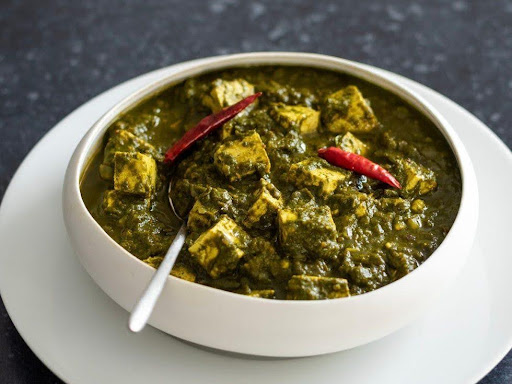
The summer trick is to make it lighter than the restaurant version. Blanch the spinach instead of cooking it for a long time. Also, use minimal oil, and skip the cream entirely; the spinach puree itself gives you a creamy base. A little ginger and garlic, a few cubes of soft paneer, and you have a dinner that is both nourishing and genuinely good to eat. Your evening self will feel completely different to your midday self in the best way.
Quinoa Khichdi
Khichdi is already one of the best summer meals, easy to digest, gentle on the stomach, and deeply satisfying. Now replace the rice with quinoa, and you have something extraordinary. Quinoa is one of the very few plant foods that contains all nine essential amino acids, making it a complete protein, which most Indian grains are not.
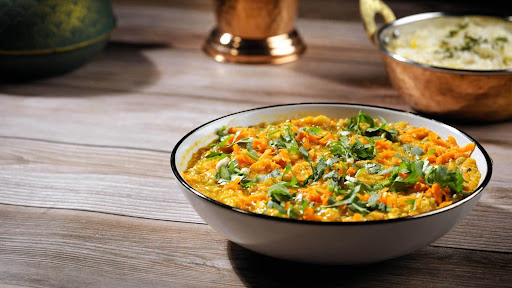
Cook it the same way as regular khichdi: moong dal, turmeric, ginger, and ghee tadka. The quinoa cooks in about the same time as rice. The taste is nuttier and slightly different, but enormously good. It is the kind of meal that makes you feel genuinely restored after eating it, not heavy, not light, just exactly right.
Summer Eating Guide for Every Indian
- Eat your biggest meal at lunch, not dinner. Your digestion is strongest in the middle of the day; use it.
- Drink a glass of water before every meal. Dehydration disguises itself as hunger in summer and makes fatigue worse.
- Avoid heavy, oily food between 12 PM and 4 PM. That is peak heat time. Keep it light, keep it protein-rich.
- Add cooling foods daily: Curd, cucumber, coconut water, mint, and raw onion all lower body temperature naturally.
- Do not skip meals to eat less in summer. Your body needs more fuel to deal with the heat, not less.
Conclusion
You don’t have to overhaul your entire diet. Just start with breakfast. Swap your biscuits and chai for a moong dal chilla or a glass of sattu sharbat and notice how differently your morning feels. One meal at a time, that’s all it takes.