
How to Keep Your Home Cool without Increasing AC Bills

How to Keep Your Home Cool without Increasing AC Bills

When summer arrives in full force, so do the electricity bills. The air conditioner becomes your best friend, and also your biggest expense. But what if you could enjoy a cool, comfortable home without watching your energy costs skyrocket?

The good news is, you can! With a few strategic changes and smart habits, it’s possible to reduce heat indoors while keeping AC usage efficient and affordable. Dhanush Kumar brings you a practical, lifestyle-friendly guide to staying cool without overloading your electricity bill.

Block the heat before it enters

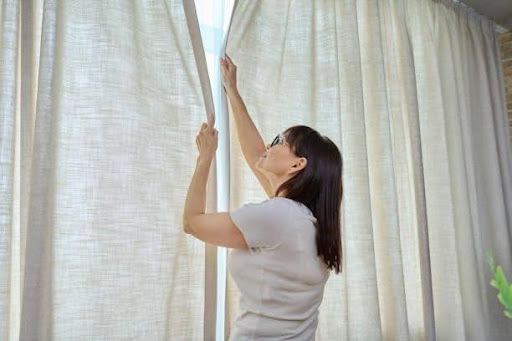
The easiest way to cool your home is to stop the heat at the source. Close curtains and blinds during peak sun hours. Sunlight streaming through windows can significantly raise indoor temperatures. Use thick curtains, blackout drapes, or reflective blinds during afternoon hours. Light-coloured curtains work best as they reflect heat instead of absorbing it. Additionally, using window films, which are heat-reflective and affordable, can reduce solar heat gain without darkening your home too much.
Switch to Energy-Efficient Lighting

Traditional incandescent bulbs generate heat. Switching to LED lights not only lowers electricity consumption but also keeps rooms cooler. LED bulbs consume less energy and emit minimal heat, a small change that makes a noticeable difference during peak summer.

TIPS 

Let Air Circulate Naturally

Good airflow reduces dependence on air conditioning.

Cross Ventilation is Key

Open windows early morning and late evening when temperatures are lower. Allow fresh air to circulate naturally.

Use Ceiling Fans Smartly

Ceiling fans don’t cool the air; they circulate it. But that circulation helps sweat evaporate faster, making you feel cooler.

Pro tip: Set ceiling fans to rotate counter clockwise in summer for a cooling effect.

Seal Gaps and Insulate Properly

Cool air escaping means your AC works harder. Close gaps around doors, windows & AC vents. Use draft stoppers to prevent air leaks. Proper insulation keeps cool air inside longer, reducing AC runtime.

Avoid Heat-Generating activities during the day

Small lifestyle changes matter.

  • Cook during early mornings or late evenings
  • Avoid using ovens in peak afternoon heat
  • Air-dry clothes instead of using dryers
  • Unplug unused electronics

Even TVs, chargers, and laptops generate heat when running continuously.

Add Indoor Plants for natural cooling

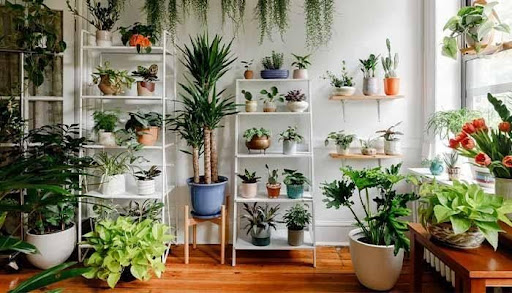
Plants reduce moisture in the air through transpiration, subtly cooling indoor spaces.

Low maintenance options include:

  • Areca Palm
  • Snake Plant
  • Aloe Vera

They enhance air quality and add aesthetic appeal, a win-win for lifestyle and comfort.
Use Light, Breathable Fabrics at Home

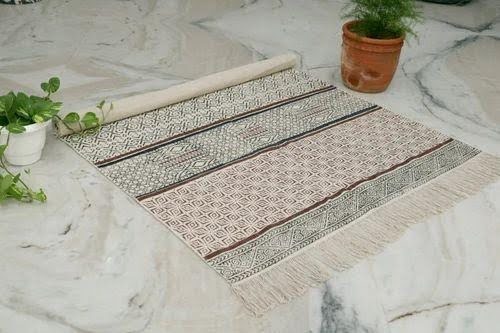
Swap heavy upholstery, rugs, and bedding for lightweight cotton or linen during the summer months. Dark and thick materials trap heat, while lighter fabrics keep interiors feeling airy and fresh.
Create a Night Cooling Routine

Before sleeping:

  • Ventilate rooms if the outdoor air is cooler
  • Turn off unnecessary lights
  • Run fans alongside AC for better circulation

Using a fan with AC allows you to increase the thermostat temperature slightly while maintaining comfort.

Smart Cooling is Smart Living

Cooling your home isn’t about blasting the AC all day; it’s about working with your space intelligently. From blocking sunlight to improving airflow, these small changes collectively reduce heat build-up and energy strain. Energy efficiency is no longer just about saving money. It’s about sustainable living, mindful consumption, and creating comfort without excess. A comfortable summer doesn’t have to mean shocking electricity bills. By combining smart habits, simple home upgrades, and mindful usage, you can maintain a refreshing indoor environment without overworking your AC.

After all, true lifestyle luxury isn’t about using more, it’s about using wisely. This summer, keep your cool and your budget intact.

Leave a comment

Your email address will not be published. Required fields are marked *

Dinaz’s Décor Diaries 2025: Wedding Trends & Tips

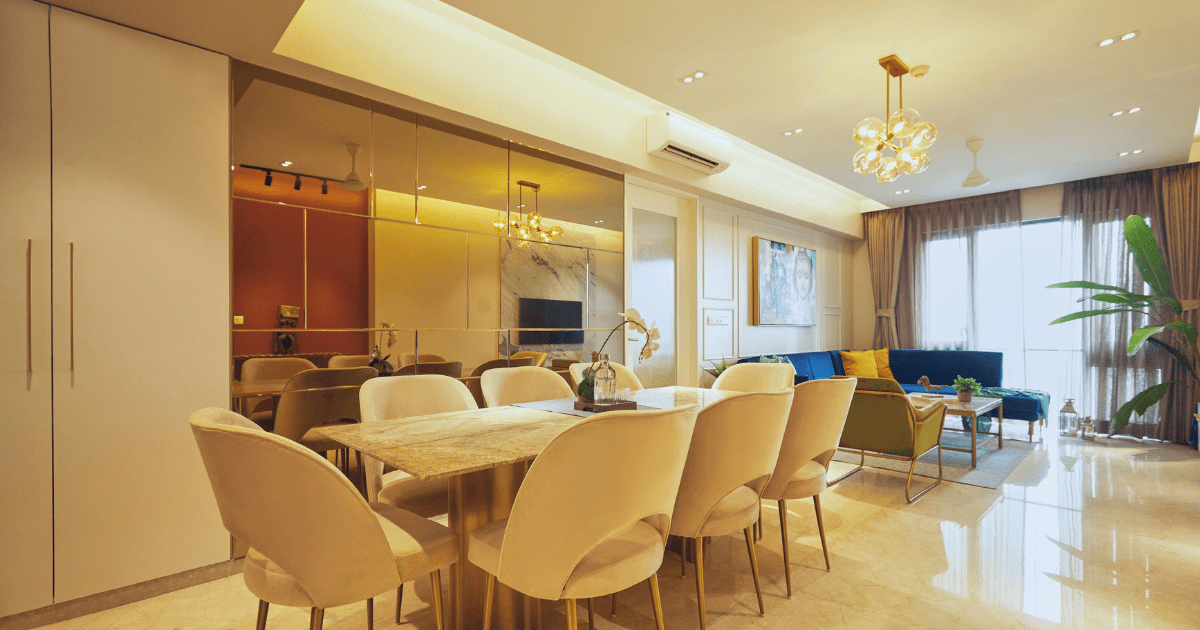
Nestled comfortably between luxury and elegance, Dinaz’s eye for imaginative design and impeccable execution creates multi-layered décor and immersive experiences that delight all the senses. From vintage elegance to contemporary glamour, Design & Décor by Dinaz has grown into a trendsetting firm curating celebrations that remain rooted in memory. From Ambanis to the Ram Charans and the who’s who of the country, weddings feel incomplete without her touch. Here, Dinaz shares her expert insights on wedding décor in 2025. 1.What are the most prominent wedding decor trends you’re observing across India in 2025?This year, weddings are less about grandeur for its own sake and more about experiences. Décor is becoming highly immersive each wedding tells a story through layered themes, curated art, and thoughtful detailing. Couples are leaning towards fusion concepts traditional Indian elements blended seamlessly with contemporary luxury. 2.In your view, what is the single biggest decor transformation shaping Indian weddings this year?The biggest transformation is the rise of personalisation at scale. Even the largest celebrations are designed to feel intimate and meaningful, where every detail reflects the couple’s journey. Décor has shifted from just visual beauty to becoming a medium of storytelling. 3.Which colour palettes are dominating the season? Have you noticed any surprising comebacks?We’re seeing muted pastels paired with regal jewel tones sapphire blues, emerald greens, and deep burgundy. The surprising comeback is gold but not in its loud avatar; instead, antique, and brushed gold accents are adding understated richness. 4.Are couples leaning more towards luxurious opulence or sustainable minimalism in their decor choices?Interestingly, they want both. Couples are very conscious today they desire the glamour and drama of a luxury wedding, but with choices that reflect responsibility and mindfulness. So, the décor is opulent in aesthetic but minimal in waste, a balance of indulgence and intent.

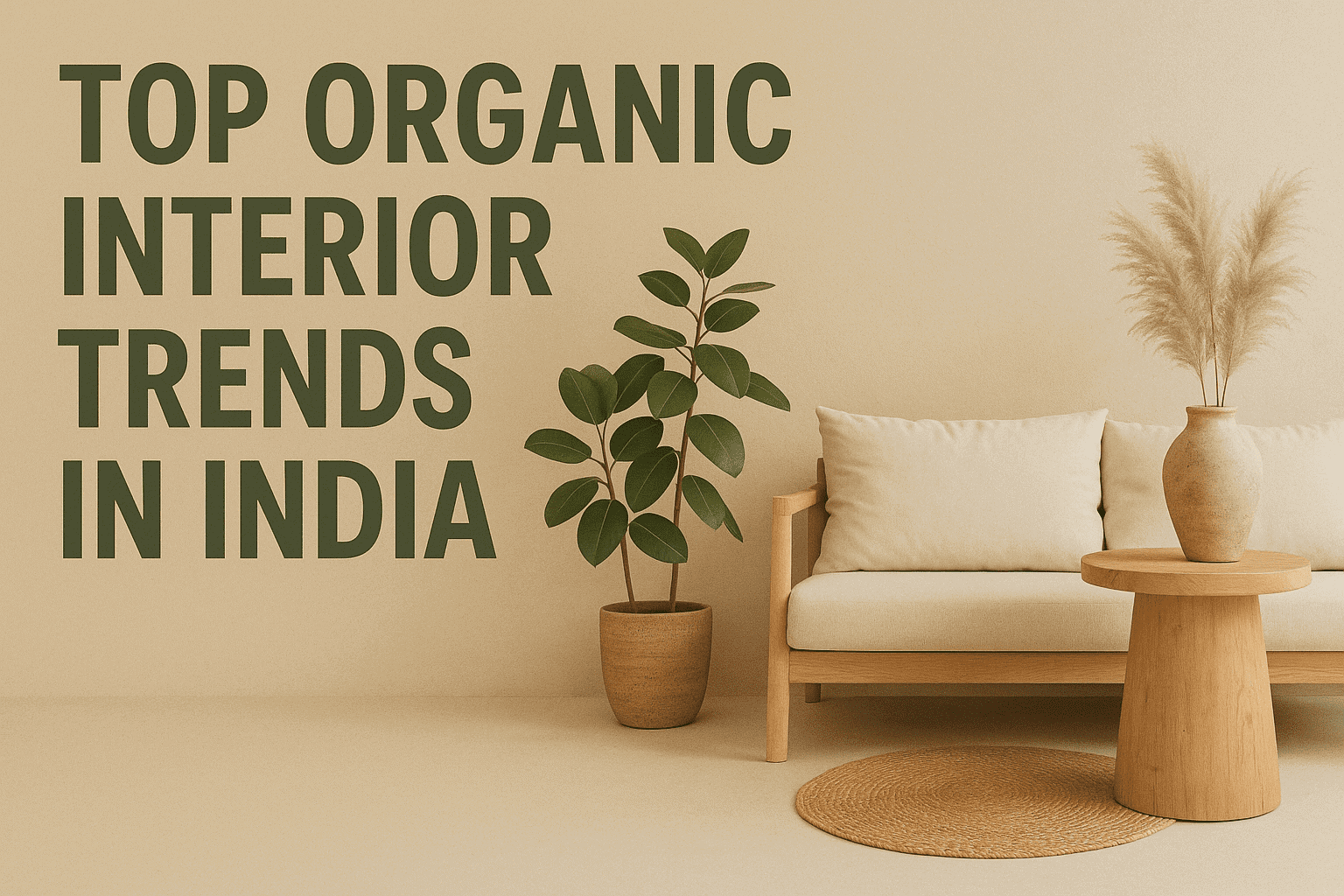
Embracing Organic Interior Trends in India: A Return to Nature at Home

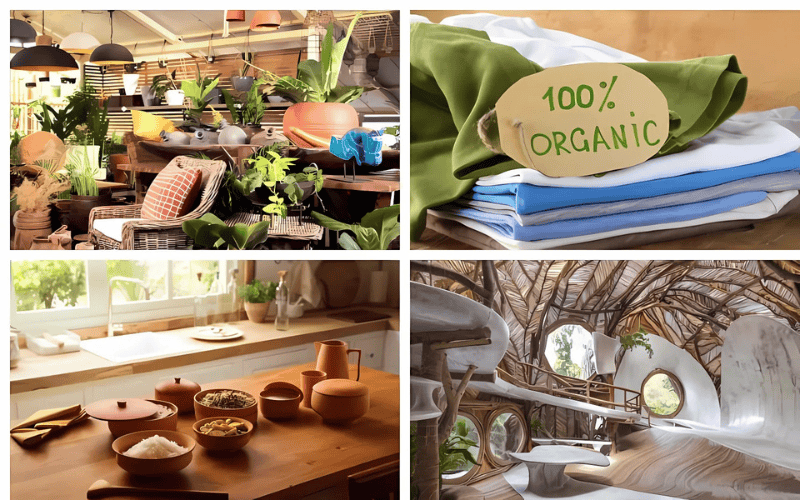
In an age of hyperconnectivity and urban chaos, Indian homeowners are increasingly turning inward — quite literally — to create organic, nature-inspired interiors that soothe the senses and connect with tradition. Whether it’s the rustic charm of mud-plastered walls, the calming presence of indoor plants, or the earthy textures of jute and cane, the shift towards organic design in India is both aesthetic and deeply rooted in cultural heritage. This movement isn’t just about trends — it’s about sustainability, well-being, and reconnecting with indigenous materials. What Are Organic Interiors? Organic interior design is about incorporating natural elements, textures, colours, and materials into your living space. It emphasises sustainability, biophilic design, and the use of locally-sourced, eco-friendly materials. In India, this translates beautifully through the use of: Why Organic Design Makes Sense in the Indian Context India’s rich heritage in vernacular architecture and handcrafted decor makes it a fertile ground for the organic trend. From the thatched roofs of Kerala to mud homes of Gujarat, Indian living has long embraced natural design, long before it became a global trend. Top Organic Interior Trends in India and How to Incorporate Them 1. Earthy Colour Palettes Use shades like terracotta, olive green, sand, ochre, and clay to evoke a grounded, warm feel. Tip: Use lime-washed walls or clay-based paints for an authentic and toxin-free finish. 2. Sustainable Furniture Choose reclaimed wood, bamboo, rattan, or handcrafted cane furniture. Tip: Brands like Baro Design (Mumbai) and Phool Patti (Lucknow) offer handcrafted, eco-conscious furniture made by Indian artisans. 3. Indoor Plants as Living Décor Biophilic design is central to organic interiors. Plants improve air quality and aesthetics. Tip: Try low-maintenance plants like snake plant, money plant, or areca palm. Place them in terracotta pots or brass planters for a traditional touch. 4. Handmade and Textured Fabrics

The Rise of Earth Tones and Organic Textures in India: Where Nature Meets Design

Across Indian homes, wardrobes, and stores, there’s a noticeable shift away from synthetic gloss and mass production toward something deeper, calmer, and more rooted. Earth tones and organic textures have emerged as the leading design trend of the moment. But in India, this isn’t just a passing aesthetic, it’s a return to heritage. Whether it’s the handwoven texture of khadi, the terracotta of rural homes, or the ochre walls of Rajasthan’s palaces, India has always had a strong connection to natural materials and earthy palettes. Today’s movement is a modern reimagining of that age-old wisdom. Hashtag Magazine captures the trend.  Why Are Earth Tones and Organic Textures Trending in India? Cultural familiarity: India’s architecture, crafts, and textiles have always drawn from nature — red earth, turmeric yellow, indigo, stone, jute, and clay. In Indian Interior Design Natural materials and earthy palettes are finding their way into urban homes, boutique resorts, and even co-working spaces. Indian Brands Leading the Way: Freedom Tree (Mumbai): Known for its bold yet earthy colour palettes, Freedom Tree combines handcrafted Indian sensibilities with contemporary design — think teak wood furniture, hand-printed textiles, and terracotta accents.  In Indian Fashion India’s fashion scene is embracing natural fabrics and subdued colours — a counter to the once-dominant trend of bling and embellishment. Top Indian Brands Embracing Earthy Aesthetics: · Anavila: Known for her linen saris in muted tones, Anavila is synonymous with earthy elegance. Her palette includes pale greys, olive greens, and natural browns — woven with stories of craft revival.· Nicobar: This contemporary lifestyle brand offers earthy wardrobe basics, travel gear, and home décor with Indian soul. Their use of khadi, cotton, and bamboo blends modern cuts with a grounded colour scheme.· Okhai: Backed by Tata Chemicals Society for Rural Development, Okhai supports rural artisans and offers naturally

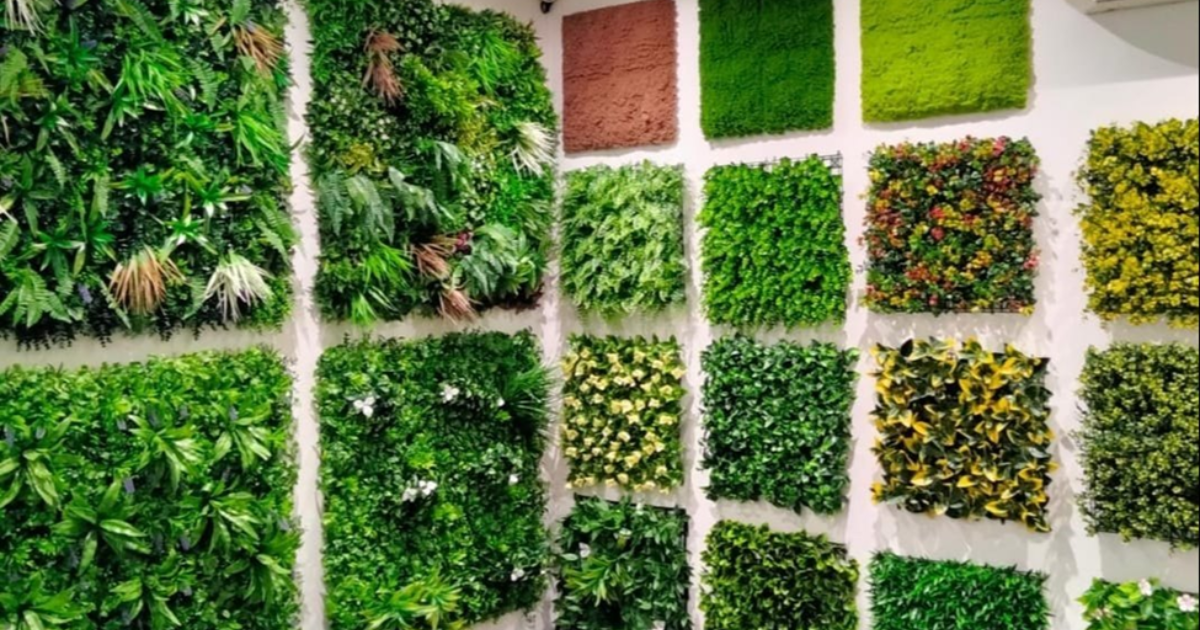
Vertical Gardening- A Green Oasis for Your Home

Do you crave the tranquillity of nature but lack the square footage for a sprawling garden? Well, fret no more! Vertical gardening has emerged as a revolutionary way to transform your living space into a lush green paradise. Dhanush Kumar writes about the Vertical, a space-saving marvel that allows you to cultivate a vibrant haven, breathing life into your walls and enhancing your overall well-being. The Benefits of Vertical Gardens Planting the seeds of your Vertical Paradise How to Maintain Your Vertical Garden? Conclusion Vertical gardens are more than just a trendy decor element; they are a testament to green living. Incorporating this innovative concept into your home will create a breath taking visual masterpiece and haven that promotes well-being and fosters a connection with nature.

You May Also Like

Connect with us