Diabetes Care: How Superfood Jackfruit Flour Is Helping Fight The Good Fight

Adding a tablespoon of green jackfruit flour to one’s daily meals is significantly effective at lowering the plasma and glucose level in patients with Type 2 Diabetes. Hashtag speaks to Ruksana Sultana, a consultant clinical dietitian who holds a PGDND and a Master’s in Clinical Nutrition and Dietetics while being a lifetime member of Telangana chapter of the Indian Dietetic Association on how this superfood works, its various benefits, and how one can incorporate it in their diet for better living.
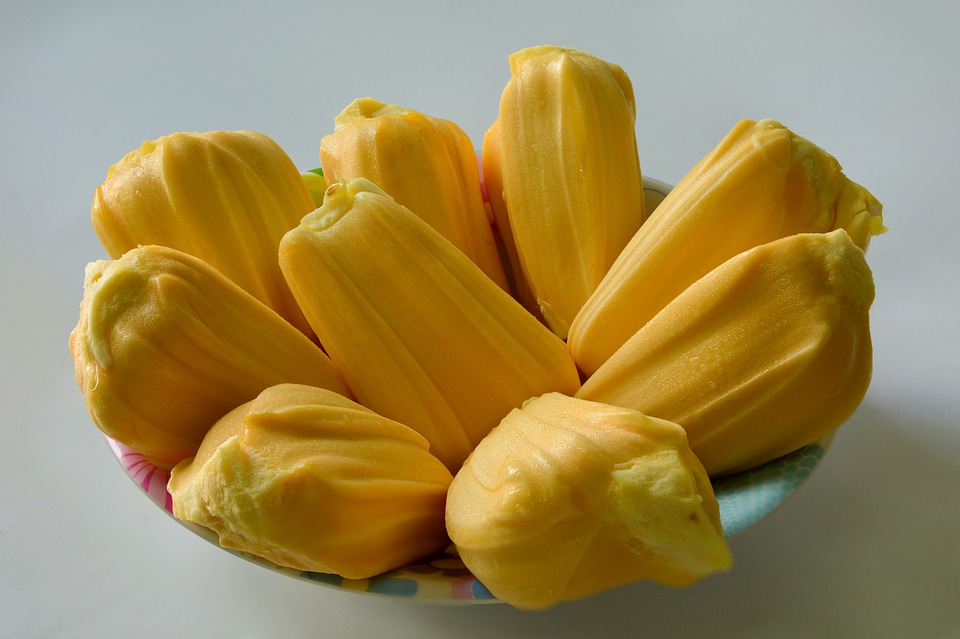
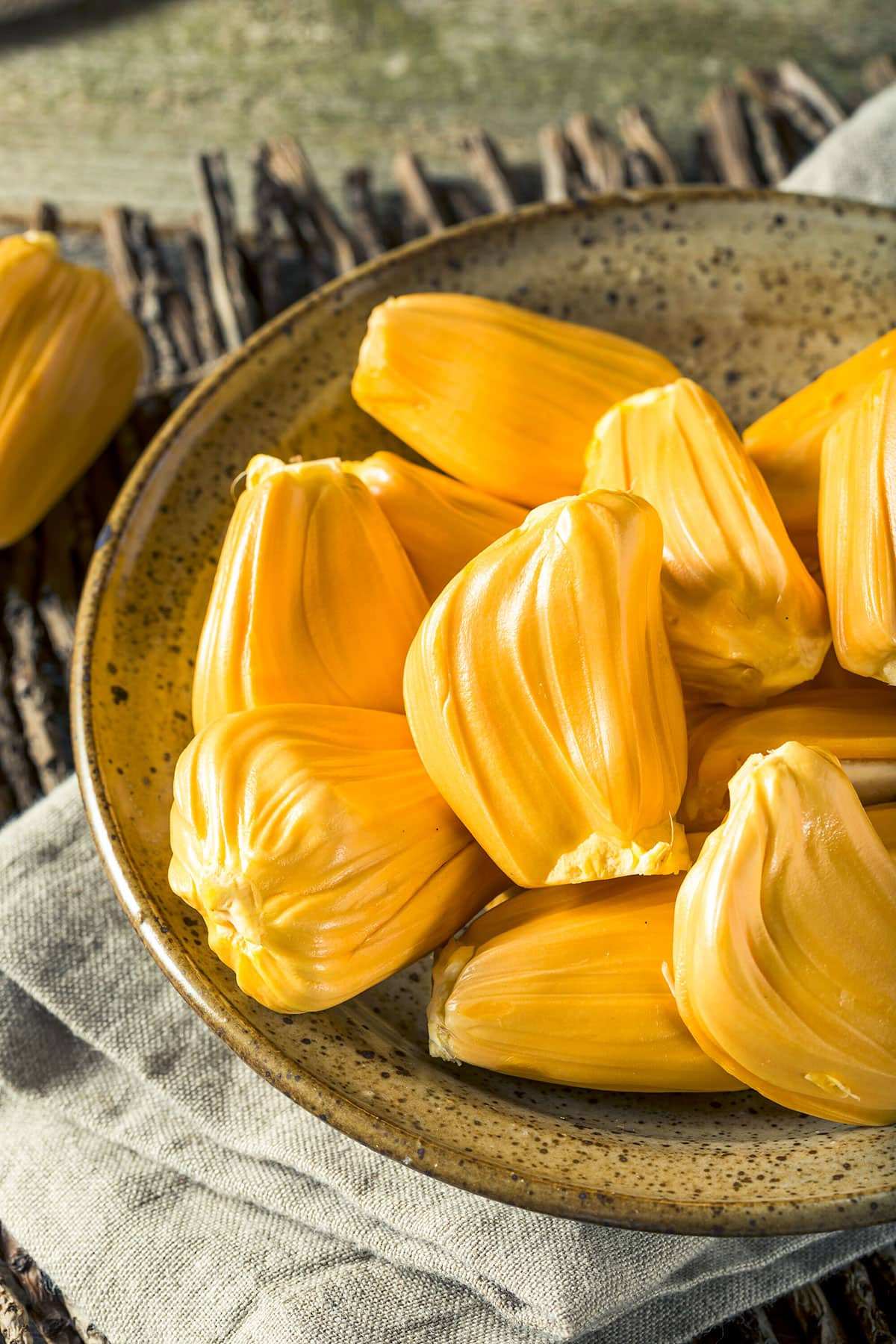
In a new study, Kochi researchers have discovered that green jackfruit powder decreases blood sugar and glycosylated haemoglobin (HbA1c) in diabetes patients. The research, published in a prominent journal, suggests the therapeutic potential of green jackfruit powder in improving glycaemic control in Type 2 Diabetes Mellitus.Jackfruit (Artocarpus heterophyllus Lam) is an ancient fruit that is widely consumed as a fresh fruit. The use of jackfruit bulbs and its parts has also been reported since ancient times for their therapeutic qualities. The health benefits of jackfruit have been attributed to its wide range of physicochemical applications.

Super-powered fruit!

Jackfruit contains vitamin A, vitamin C, thiamine, riboflavin, calcium, potassium, iron, sodium, zinc, and niacin among many other nutrients. It has low calorie content.

When it comes to diabetes, what sets jackfruit apart is its medium glycaemic index (GI). This means a lower spike in blood sugar levels. Your body break down the fruit slowly, particularly the seeds which are a good source of both soluble and insoluble fibre. According to the Food and Drug Administration (FDA), soluble fibre can help lower LDL cholesterol levels and slow the absorption of carbohydrates into the bloodstream, which can help prevent spikes in blood glucose after eating.

The jackfruit flour is low in carbs, has moderate amount of fibre and protein, and is rich in protective antioxidants, which makes it a wonder food for people with diabetes.

Recommended Dose:

  • A single serving of 100 g of jackfruit only contains 94 calories. It is a rich source of potassium – 303mg of potassium can be found in 100 g of jackfruit.
  • 2 tablespoons of jackfruit flour can be included in a meal.

Caution!

Certain people are allergic to jackfruit, especially those who are allergic to birch pollen (22). Moreover, due to its potential to lower blood sugar levels, individuals with diabetes may need to have their medication dosages changed if they eat this fruit on a regular basis.

RECIPE

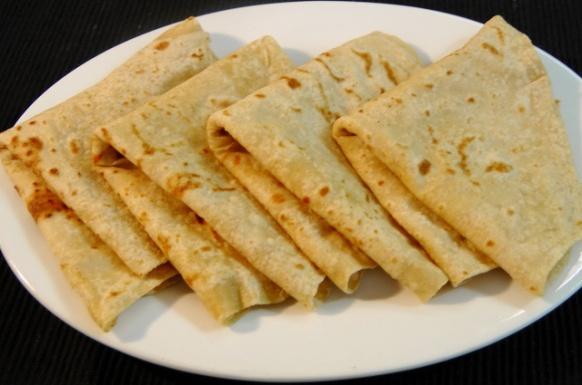
How To: Jackfruit Flour Roti

Ingredients

How to make soft Chapatis using Jackfruit flour? - Healthyliving from  Nature - Buy Online

Method of preparation

  1. Take jackfruit flour and wheat flour in a bowl. Mix salt in it. Add a bit of water and begin to knead.
  2. Keep on kneading till the dough becomes pliable and soft.
  3. After kneading the dough rest it for 15 minutes.
  4. Make balls of the dough in the palm of your hands.
  5. Flatten the ball. Sprinkle some jackfruit flour to the dough ball.
  6. Pre-heat the griddle or tawa.
  7. While tawa is getting hot, start rolling the dough ball into a flat round circle using a rolling pin.
  8. Now put the roti on a hot tawa. First cook one side, it should be less than 1/3rd cooked. Turn and cook the other side, this should be a little bit more cooked than the first side – about ½ cooked.
  9. Now hold the roti with a tong and keep the first side which was cooked, directly on fire. The roti will start to puff. Turn and keep the other side on fire, roti will puff more until fully cooked.


Leave a comment

Your email address will not be published. Required fields are marked *

Eat Clean with Eshanka: Dubai to Delhi Wellness Journey

With her professional base in Dubai and strong roots in Delhi, Eshanka Wahi brings together global business acumen and deeply personal purpose. An alumna of the European Business School, London, where she earned her Master’s in International Business, and a BCom (Honours) graduate from Delhi University, her academic foundation is firmly strategic. But her real education, she says, came from lived experience. At 21, she returned to India to build her first company from the ground up. “Those early years taught me resilience, decision-making, and the courage to build something from scratch,” she reflects. By 23, she had expanded independently into Dubai, navigating a new culture and market. Each transition strengthened her belief in “intentional growth, self-leadership, and manifestation backed by consistent action.” Wellness as Philosophy Eshanka describes her professional identity as rooted in holistic wellness, conscious living, and culinary nutrition. “My work is not confined to a single title; it is an extension of my beliefs and the way I choose to live,” she shares. Her journey into wellness unfolded organically. What began as personal exploration evolved into a calling. “Wellness was never just an interest; it was a philosophy and a responsibility.” Through recipes, products, and immersive experiences, she aims to simplify well-being. “Wellbeing is not a luxury; it is foundational to how we show up in every role we play.” Soul-Driven Creation What distinguishes her brand is alignment. “Everything I create is deeply soul-driven,” she says. Nothing is trend-led or mechanical. Her recipes use ingredients she personally trusts; her products reflect practices she follows; her retreats are designed to foster genuine reconnection. “This alignment between my beliefs, my lifestyle, and my work naturally differentiates me,” she explains. “Everything is built from authenticity, intention, and soul.” A Pandemic Pivot During COVID-19, her primary company in corporate events and

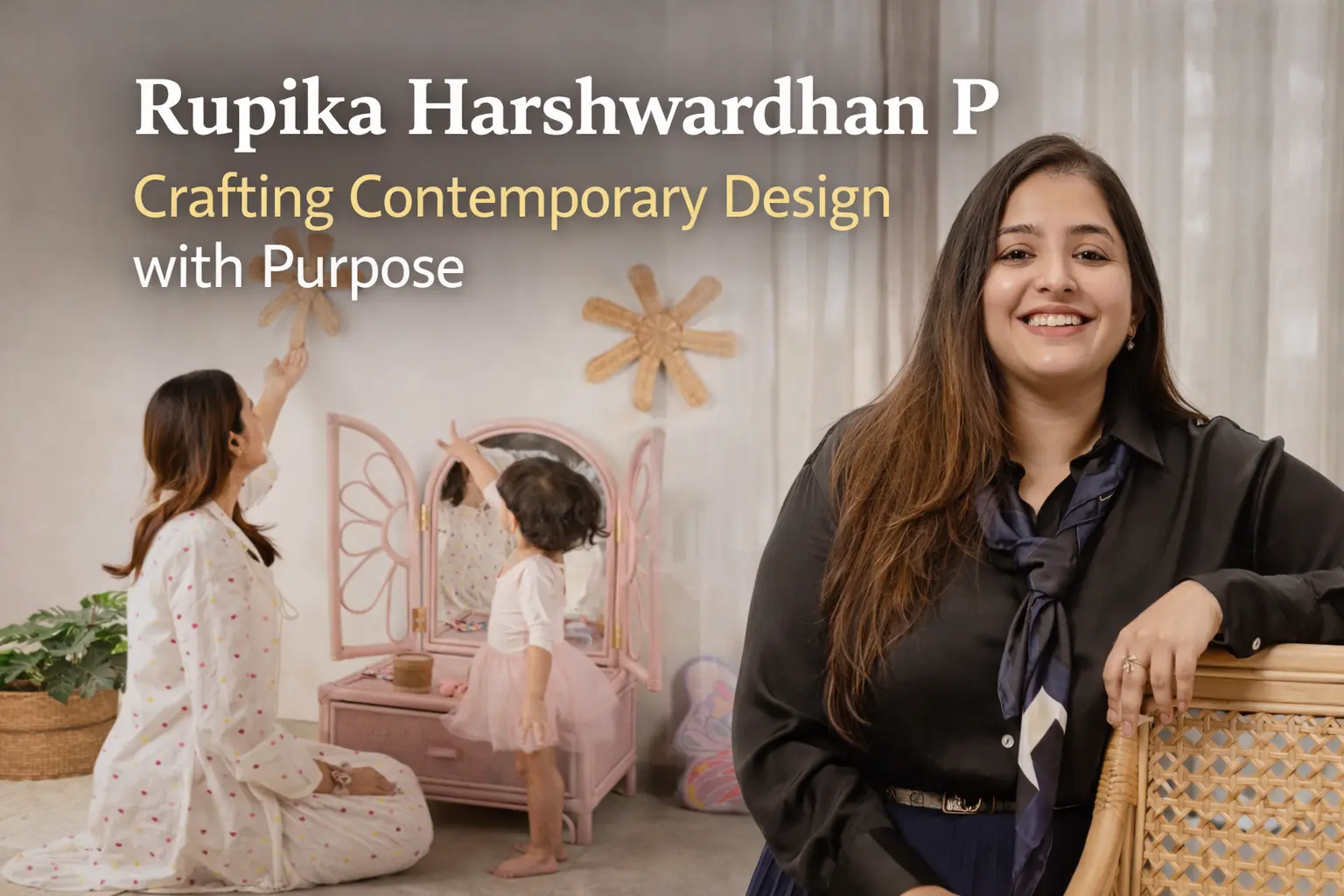
CINTA & Pantai Pura Founder Rupika Harshwardhan P

For Rupika Harshwardhan P, design has never been merely aesthetics; it is emotional architecture. A graduate of Srishti School of Art and Design, with further studies in art history at Chitrakala Parishad, her education trained her to see spaces as layered narratives shaped by material, form, and feeling. An early internship at Elle Decor India proved pivotal. It offered her an insider’s view of the design industry and crystallised a quiet but firm decision: she would not simply participate in design, she would build something of her own. Drawn instinctively to craft traditions and handmade objects, Rupika’s understanding of “home” is rooted in belonging. For her, furniture is not functional; it is memory made tangible. Brands Built on Meaning Rupika is the Founder and Creative Director of CINTA and Pantai Pura. CINTA, meaning “love,” is a children’s home décor brand centred on imagination and family bonds. Pantai Pura, “Sacred Beach,” explores natural harmony and mindful living. “I didn’t create these brands just to sell furniture,” she explains. “I wanted to change how we see materials and craftsmanship.” Her work bridges tradition and modernity, connecting artisan communities with contemporary homes. Particularly through CINTA, she reflects on how a child’s first furniture piece can become part of their emotional blueprint. Reimagining Rattan At the core of her practice is rattan, a material she champions for its agility, durability, and quiet elegance. Challenging misconceptions that it is dated or interchangeable with bamboo, Rupika reinterprets rattan through a contemporary lens while honouring traditional craft. Her approach rests on three pillars: craftsmanship, co-creation, and community. Designs are developed collaboratively with artisans, resulting in bespoke pieces that respond to real homes rather than fleeting trends. “Design is a conversation, not a monologue,” she says. From Online Beginnings to Experiential Spaces Both brands began online, where one

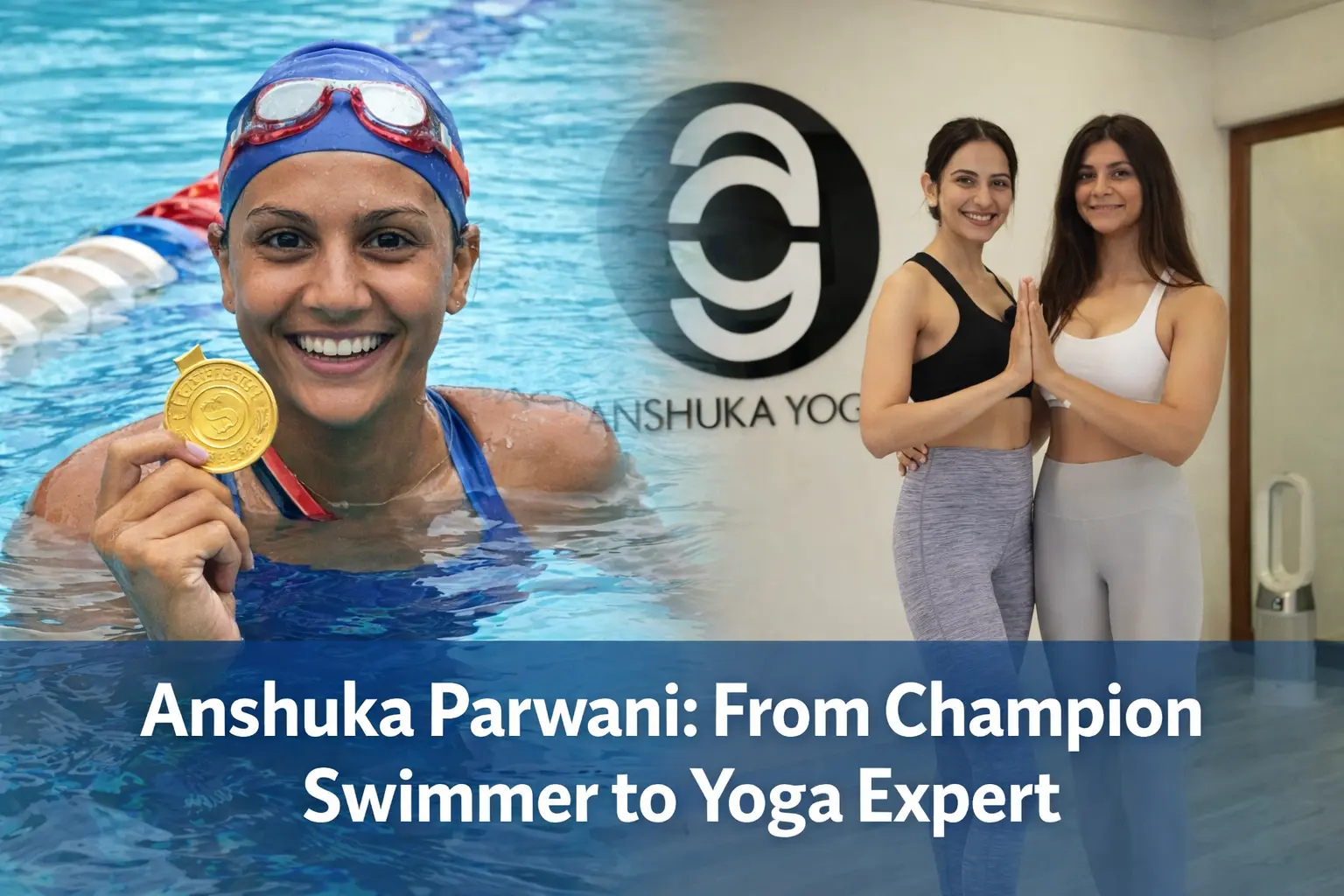
MUMBAI | Holistic Wellness Practitioner, Celebrity Yoga Expert & Founder, Anshuka Yoga

Anshuka Parwani’s life has always revolved around movement, but its meaning has evolved with time. A holistic wellness practitioner and celebrity yoga expert, she grew up learning yoga under her mother’s guidance, building an early foundation in mind-body awareness. Alongside that, she was a competitive athlete and went on to become a national-level gold medalist swimmer. Later, she trained as a commercial pilot, an experience that shaped her discipline, focus, and resilience. But it was a serious accident over a decade ago that altered her trajectory. “My recovery journey through yoga did not just rebuild my physical strength,” she reflects, “it transformed my understanding of healing, inner power, and holistic health.” That period of rebuilding reshaped not just her body, but her philosophy. Today, she channels that lived experience into her work, helping others discover strength, balance, and conscious living. Wellness as Foundation Anshuka describes herself as a wellness entrepreneur and educator. “I want people to reconnect with their bodies and their inner selves, and build strength in a holistic and sustainable way,” she says. Her approach is rooted in firsthand transformation, through movement, breathwork, mindful living, and conscious nutrition. For her, wellness is not indulgence; it is infrastructure. “When people feel stronger, calmer, and more balanced, it changes the way they live and relate to the world,” she explains. Personalised, Not Performative What sets her apart is her bio-individual approach. “No two bodies are the same, and wellness should reflect that uniqueness,” she says. Blending traditional yoga with functional movement and scientific application, she prioritises sustainability over spectacle. She rejects extremes and trend-driven practices. Instead, her philosophy centers on consistency, integrity, and authenticity. “Wellness is not about shortcuts,” she emphasises. “It’s about building a foundation that supports you for life.” Building Beyond the Studio From private sessions to retreats,

Myth vs. Medicine: Skin Experts Bust the Biggest Beauty Beliefs

In an age of reels, trends, and skincare hacks, it’s harder than ever to separate beauty facts from fiction. Hashtag Magazine turned to dermatologists and skincare experts to decode what truly benefits your skin, and what belongs in the bin. Here’s the expert-approved truth your skin has been waiting for. Dr Anupriya Goel is an Aesthetic Dermatologist and Medical Director of Berkowits Hair and Skin Clinics. She is the author of the book, How to Get Glass Skin, published by Penguin House. She actively writes articles in medical journals and newspapers and has more than 20 million views on her YouTube videos. She is a National trainer of anti-ageing procedures like Botox, fillers and threadlift and an international trainer for hair growth treatments. Can climate and pollution directly affect skin health and trigger skin problems? Yes. Climate and pollution have a direct impact on skin health. Extreme temperatures, low humidity, and UV exposure can disrupt the skin barrier, leading to dryness, sensitivity, pigmentation, acne, and premature ageing. Pollution particles generate free radicals that increase oxidative stress, damage collagen, worsen inflammation, and aggravate conditions like acne, eczema, and melasma. Is it necessary to change skincare products when the seasons change? In many cases, yes. Skin needs change with the weather. During colder or drier months, the skin tends to lose moisture faster and may require richer moisturisers and gentler cleansers. In hot or humid seasons, lighter formulations, non-comedogenic products, and better oil control are often needed. Adjusting skincare helps maintain a healthy skin barrier year-round. Can a damaged skin barrier cause multiple skin issues at the same time? Absolutely. The skin barrier is essential for retaining moisture and protecting against irritants, allergens, and microbes. When it is compromised, the skin becomes more prone to dryness, redness, acne, sensitivity, infections, and flare-ups

You May Also Like

Connect with us