The Cultural Renaissance of 2025: Stories, Sounds, and Screens That Defined Our Year

Every few years, culture wakes up. It shakes off the glitter of hype and the exhaustion of algorithms, and remembers why it exists: to make us feel. 2025 was that year.

It was a year when cinema looked inward, music spoke from the gut, and books dared to whisper truths louder than noise. It wasn’t about what trended; it was about what touched. Across languages and continents, from stadium screens to small-town shelves, a rare sincerity returned to art.

So here it is, the heart of a year that gave us back our faith in creativity. The top 6 songs, top 6 films, and top 6 books of 2025, the trinity of sound, story, and soul.

Top 6 Songs of 2025: The Year Music Found Its Soul Again

1.Die with a Smile — Lady Gaga & Bruno Mars
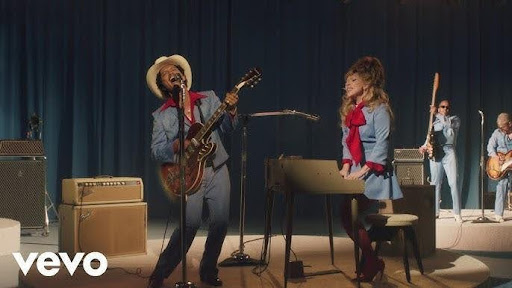
If love had a curtain call, this would be its soundtrack. “Die with a Smile” feels like a whispered promise at the world’s end. It’s vulnerable, timeless, perfectly restrained. Gaga and Mars blend heartbreak with grace, soul with silence. It’s rare when two powerhouses meet and choose softness over spectacle. The retro visuals, slow-burning arrangement, and raw harmony make this song a classic in an age that forgets to pause.

2.Sapphire — Ed Sheeran (feat. Arijit Singh)
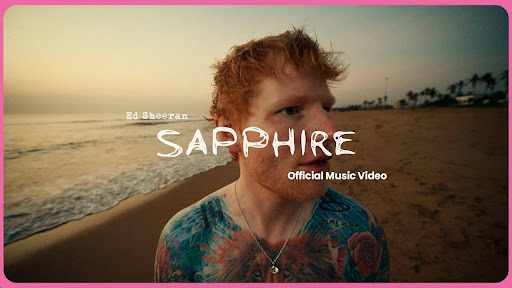
Ed Sheeran’s Sapphire gleams with a rare kind of intimacy, where Western pop meets Eastern longing, with Arijit Singh’s voice woven through the melody. It’s both global and grounded, like the sound of two worlds learning to breathe together. The song is tender yet mighty. It moves slowly, almost reverently, and reminds us why Sheeran’s music feels less like a performance and more like a conversation.

3. Uyi Amma — from Azaad (Music by Amit Trivedi)
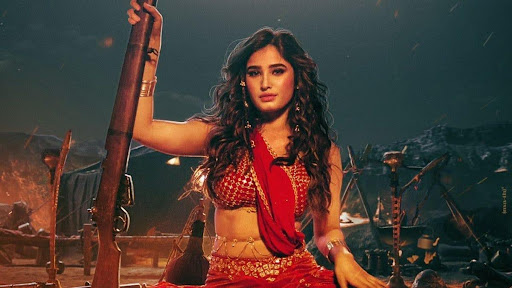
Then there’s Uyi Amma—a song that doesn’t shout, it shakes you.
Composed by Amit Trivedi, sung by Madhubanti Bagchi, and penned by Amitabh Bhattacharya, it stands as one of the most stirring musical creations of 2025. 

The Choreography by Bosco Martis adds visual poetry; Rasha Thandani’s fiery performance transforms it into a cinematic cry for freedom.

4. Godari Gattu Meedha — from Sankranthiki Vasthunam (Telugu)
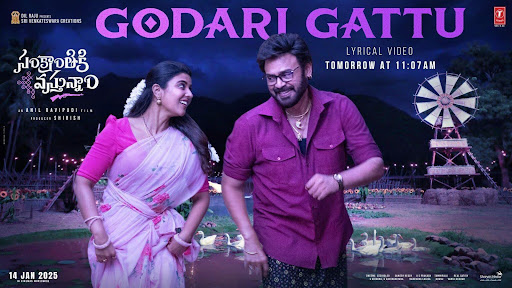
This one smells like rain on red earth. Bheems Ceciroleo’s composition celebrates the Godavari region with rustic charm and cinematic splendour. Its folk roots wrapped in festival spirit a track that captures home, harvest, and heart. It’s proof that when regional music speaks honestly, it doesn’t stay local it becomes universal.

5. Firestorm — from They Call Him OG (Telugu)
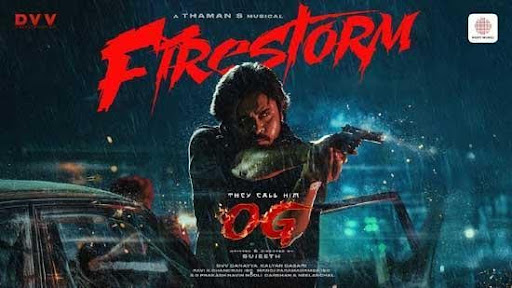
Pure adrenaline. “Firestorm” is not a song; it’s a declaration. Thaman S crafts an anthem built for roaring crowds and blazing screens. The percussion hits like thunder, the chorus bites like steel, and every note feels cinematic. It’s a storm dressed as a song, and Pawan Kalyan’s aura turns it into legend. Telugu music has found its swagger again and it sounds like Firestorm.

6. Boom Boom — from Dude (Tamil)
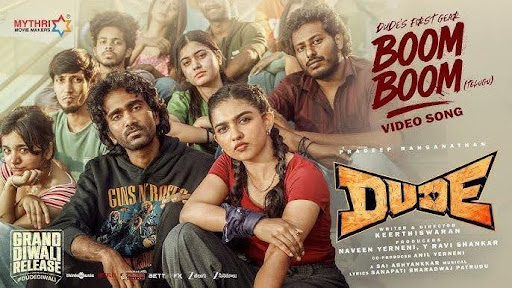
Sometimes, music just wants you to move. “Boom Boom” by Sai Abhyankkar is that unapologetic burst of joy. This is a track that trades philosophy for fun. It’s fresh, flirty, and fearlessly modern. The kind of song that sneaks into your playlist, makes you dance in traffic, and reminds you why music exists: not just to feel deeply, but to feel alive.

Leave a comment

Your email address will not be published. Required fields are marked *

Hottest Wedding Music Trends

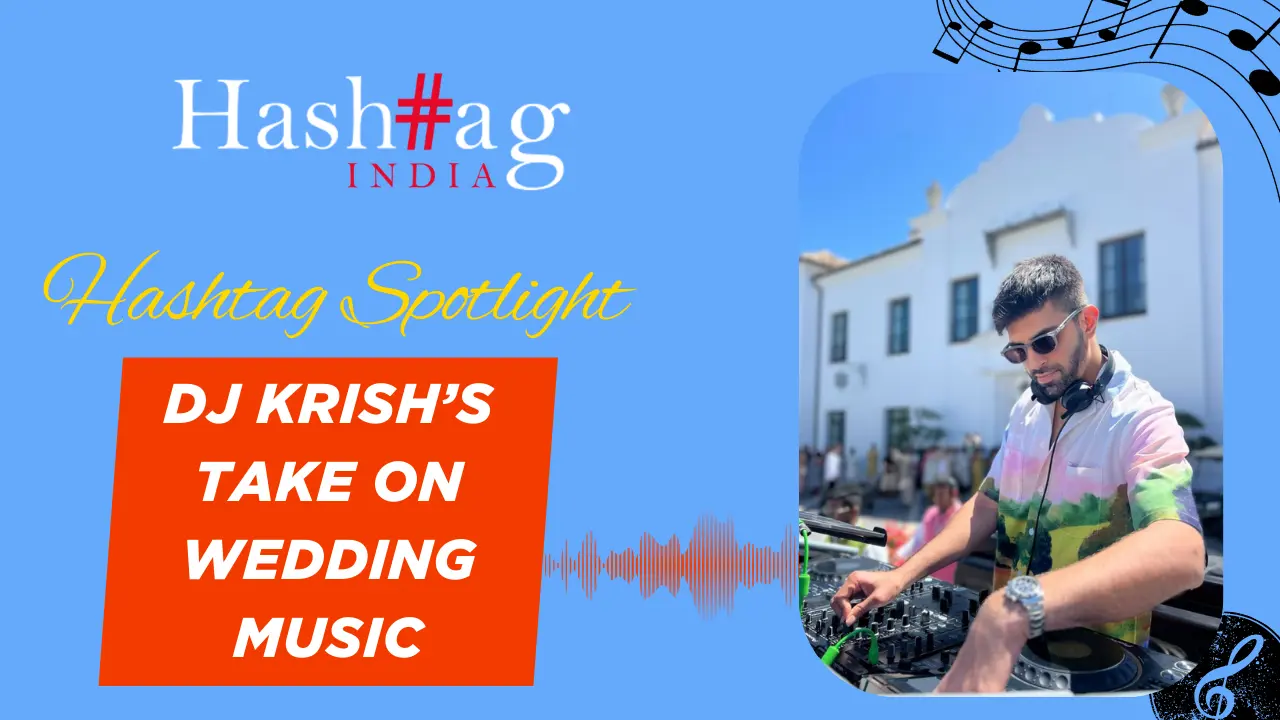
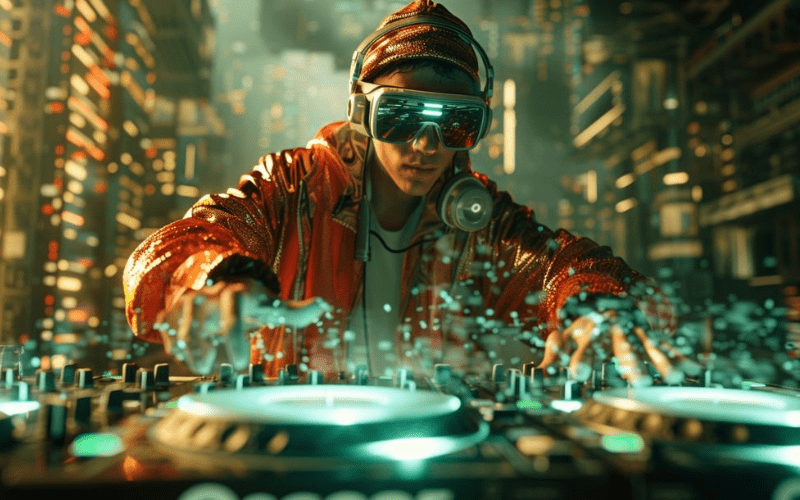
From celebrity weddings to luxury destination celebrations, music has become the soul of modern weddings. Internationally acclaimed DJ Krish aka TBOM, who has performed at high-profile events including star-studded Bollywood gatherings, shares the biggest shifts he sees in wedding music today. 1. What’s the hottest music trend you’re seeing at weddings? Right now, it’s all about fusion couples blend Bollywood with Afro beats. Guests want that big-festival energy but with familiar tunes everyone can sing along to. 2. How are couples customising their Sangeet playlists? Couples are getting very hands-on. They curate a list of “must-play” songs for family entries, couple performances, and after-party vibes. Many even share Spotify playlists with me beforehand, which I then remix and structure into a seamless flow. 3. Are live mashups or remixes more in demand? Mashups are winning. Couples love it when I surprise the crowd by fusing a classic Bollywood track with an international drop. It feels personal and unique like their wedding has its own soundtrack. 4. Do you see more Bollywood, techno, or a fusion of both? Definitely a fusion of both. Bollywood creates nostalgia and connection, while techno adds the high-energy kick. Together, it’s unbeatable. 5. What song never fails to get the dance floor packed at a Sangeet? Gallan Goodiyan still works like magic – it gets every generation on the floor instantly. 6. What’s your go-to track to kick off a party? I usually start with something groovy but powerful – like a reworked version of London Thumakda or mundian tu bachke – it instantly sets the tone for a big night ahead. 7. How do you balance traditional requests with trending beats? I never ignore traditional requests – instead, I remix them live. For example, turning a folk wedding track into a house/afro house version ensures

Ginni Mahi: The Voice of a Quiet Revolution

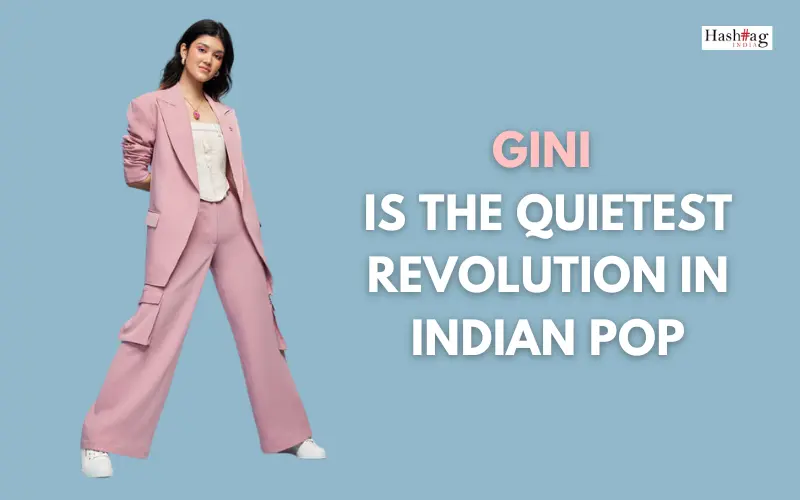
GINNI MAHI is a 19-year-old singer-songwriter from Jalandhar, Punjab, known for blending soulful melodies with powerful lyrics that give voice to the marginalized. A self-taught musician and poet, she rose to fame with Write a Song With Me and continues to challenge norms through her socially conscious music. Her work fuses tradition and modernity, making her not just an artist, but a quiet revolutionary in Indian pop. MANOGNA REDDY gives us an overview. At just 19, Ginni Mahi from Jalandhar, Punjab, is leading a soft revolution in Indian pop music. Blending soulful melodies with thought-provoking lyrics, Ginni’s music carries a deep emotional resonance that connects with listeners across generations. Her breakthrough moment came in 2022 with Write a Song With Me, a track that showcased her raw storytelling and unique voice. Unlike most pop artists, Ginni’s songs don’t just entertain they evoke, provoke, and often heal. Born in Dehradun into a Punjabi family, Ginni is a self-taught singer-songwriter who began her musical journey at the age of six, learning the harmonium and guitar. By ten, she was experimenting with any instrument she could find. Alongside music, she also began writing poetry early on, using it as a tool to express the world she was observing through constant travel—her father’s transferable job meant she lived in multiple cities, an experience she credits for shaping her cultural sensitivity and lyrical depth. Now based in Mumbai, Ginni often reflects on how the city’s fast pace contrasts with her desire for slow living. “In Mumbai, people forget to notice even a fallen leaf,” she says, a poetic metaphor for her approach to life and art. Her music draws on her personal experiences, but it also becomes a powerful medium for the voices of the marginalized particularly Dalits and women. Her lyrics, often rooted in

How AI is Shaping the Future of Indian Music

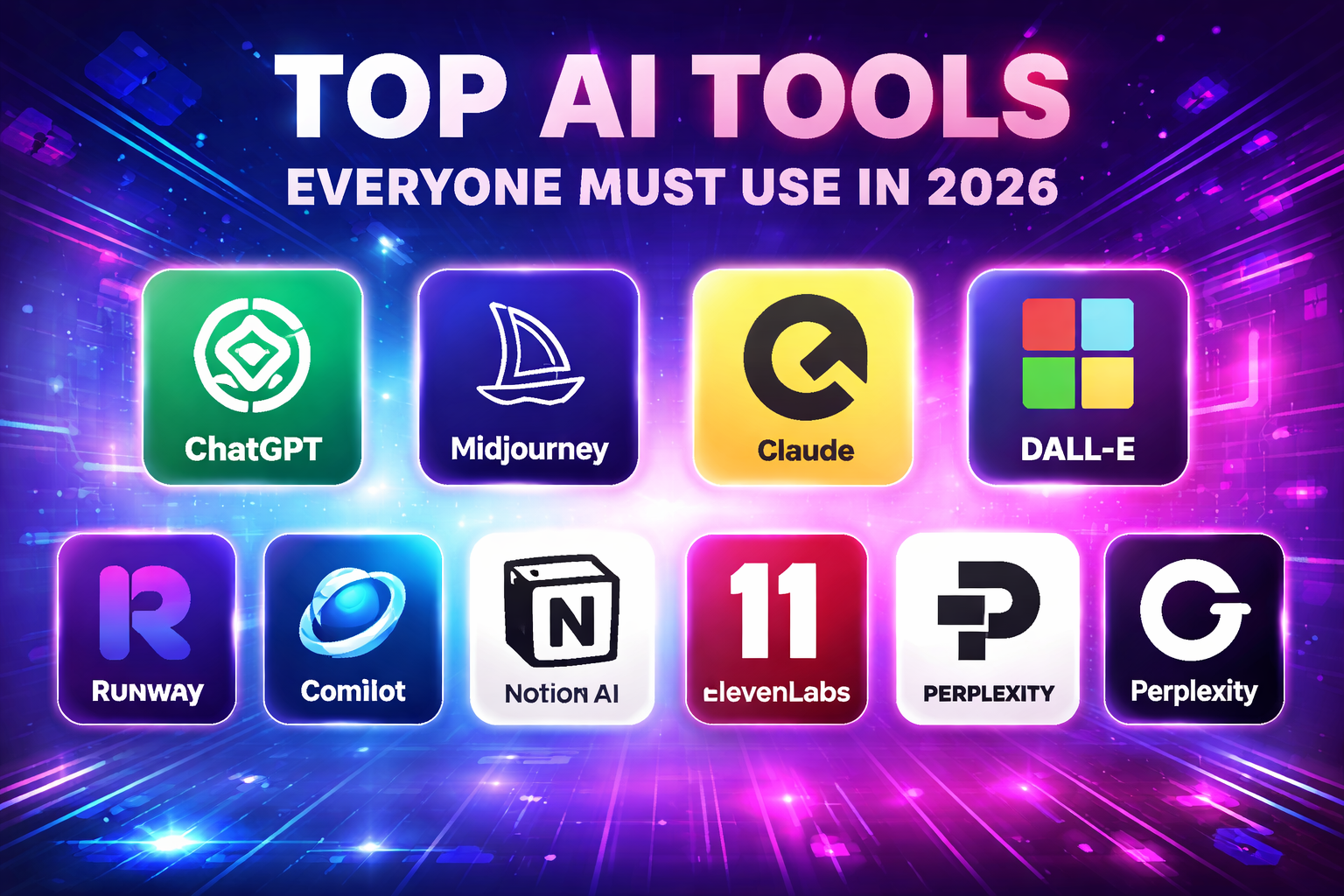
From the corridors of Bollywood to the home studios of independent musicians, the Indian music industry is experiencing a transformation powered by Artificial Intelligence (AI). It’s not just about automation anymore—it’s about collaboration between artists and algorithms. As the demand for content explodes across OTT platforms, indie labels, and social media, AI is becoming a composer’s secret weapon, helping with everything from beat production to mastering, lyric writing to music distribution. So, how exactly is AI changing the game in India—and what are the tools shaping this sonic revolution Hashtag Magazine gives you a lowdown… Why Musicians Are Embracing AI Traditionally, music creation involved hours of manual labor—writing melodies, programming beats, editing vocals, mixing, and mastering. But today’s music ecosystem requires speed and scale. That’s where AI steps in. In India, where genres range from Bollywood, hip-hop, and folk to EDM and Carnatic fusion, AI tools are allowing artists to: As independent musicians continue to rise, AI becomes not a replacement for creativity, but a collaborative co-pilot. Top AI-Powered Tools for Indian Music Composers Here’s a curated list of the latest AI apps and platforms transforming the music creation process in India: 1. Boomy Best for: Indie artists & songwritersBoomy allows users to create full-length original songs using AI—within minutes. You pick a mood and genre, and Boomy generates music. It’s perfect for creators who want to focus on lyricism and storytelling without getting too technical with production. Indian edge: Several Indian indie artists are using Boomy to build demos quickly and test audience reaction on Instagram Reels and YouTube Shorts. 2. LALAL.AI Best for: Music producers & remix artistsThis AI tool allows you to isolate vocals, instruments, and stems from any song. Want to sample a classic Kishore Kumar hook or remix an AR Rahman instrumental? LALAL.AI makes it

Badshah: The Rise of India’s Pop King

Whether you hear him booming from wedding speakers or blasting in luxury clubs in Dubai, there’s no missing Badshah. With his signature blend of Punjabi swagger, Bollywood hooks, and international production value, Aditya Prateek Singh Sisodia, better known by his stage name Badshah, has become a musical phenomenon—not just in India but across the globe. From engineering classrooms to headlining world tours, Badshah’s story is one of reinvention, resilience, and relentless rhythm. Hashtag magazine deep dives into his journey, his sound, and his global concert circuit. The Beginning: From Math to Mic Badshah didn’t always plan to be a rap superstar. Born in Delhi in 1985, he studied civil engineering at PEC Chandigarh, but music was always his true calling. Early influences ranged from Eminem and Tupac to Punjabi folk and Bollywood classics. His first musical stint was as a member of Mafia Mundeer, alongside fellow rapper Yo Yo Honey Singh. But in 2012, Badshah broke away to pursue a solo career—marking the beginning of a new era in Indian pop and hip-hop. The Breakthrough Hits Badshah exploded onto the scene with “Saturday Saturday” and “Abhi Toh Party Shuru Hui Hai”, setting the tone for a brand of music that was bold, bass-heavy, and Bollywood-ready. Unlike his predecessors, he wasn’t trying to be just a rapper—he was building a soundtrack for India’s nightlife and new-age youth. What followed were back-to-back chartbusters: His songs routinely dominate wedding playlists, club scenes, and social media trends alike—making him India’s streaming superstar. Global Domination & Concert Tours Badshah’s popularity isn’t limited to Indian shores. His music has found a home with diaspora communities in Dubai, Canada, the U.S., the UK, Australia, and Southeast Asia—countries where his live concerts attract massive crowds. His Paagal World Tour was a turning point, with sold-out shows in London,

You May Also Like

Connect with us