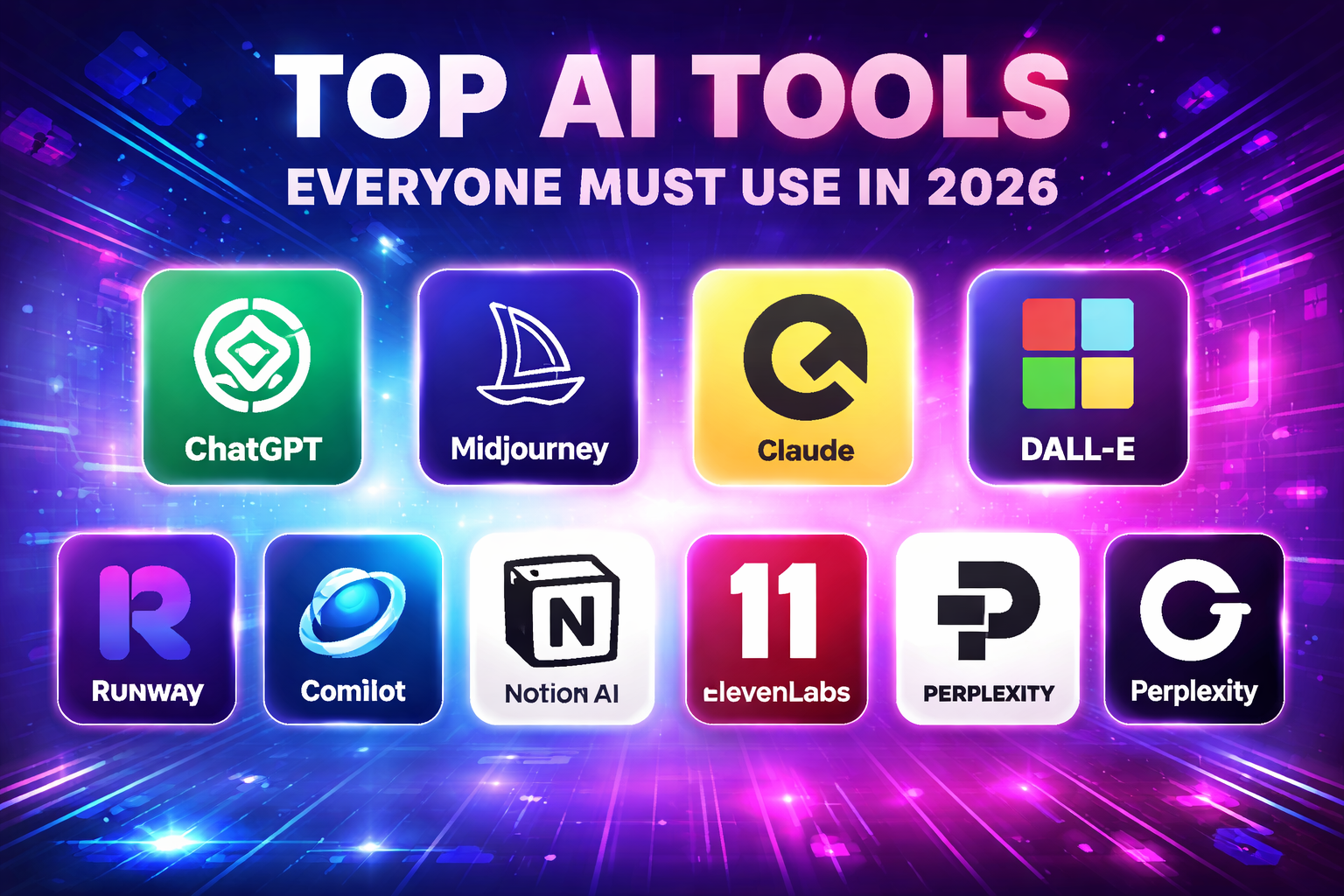
Artificial Intelligence is no longer limited to tech companies or programmers. In 2026, AI tools are becoming essential everyday companions for students, professionals, entrepreneurs, designers, and content creators. From writing emails and designing visuals to coding software and researching complex topics, AI-powered platforms are transforming how we work and create.
Experts say generative AI tools now help automate repetitive tasks, speed up creativity, and improve productivity across industries. They allow users to produce content, analyze data, generate visuals, and even compose music within minutes.
Here are some of the most powerful AI tools everyone should consider using in 2026.
1. ChatGPT – The All-Purpose AI Assistant
ChatGPT remains one of the most widely used AI tools globally. It can help users write articles, generate ideas, summarize information, plan projects, and even assist with coding. Its conversational interface allows people to interact with AI as if they were talking to a colleague.
Best for:
- Writing and editing content
- Brainstorming ideas
- Coding and debugging
- Learning new topics
For many professionals, ChatGPT has become a daily productivity companion.

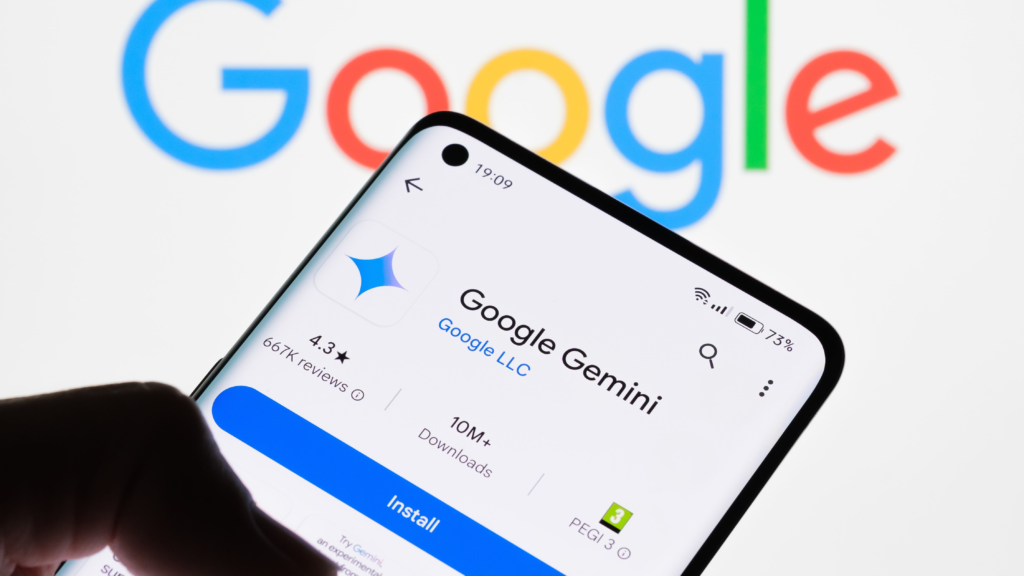
2. Google Gemini – AI for Research and Productivity
Google Gemini is designed to integrate deeply with Google’s ecosystem, including Gmail, Docs, Sheets, and Android devices. It excels at analyzing large amounts of information, summarizing reports, and answering complex research questions.
Best for:
- Research and information analysis
- Email drafting and document summaries
- Data insights and knowledge work
Because of its integration with Google tools, Gemini is especially useful for students and professionals.
3. Microsoft Copilot – The Workplace AI
Microsoft Copilot is embedded directly into Microsoft 365 apps like Word, Excel, Outlook, and Teams. It can generate reports, create presentations, summarize meetings, and analyze spreadsheets.
Best for:
- Office productivity
- Data analysis in Excel
- Drafting professional emails and reports
For businesses and corporate teams, Copilot acts like an AI colleague inside everyday tools.
4. Perplexity AI – The AI Search Engine
Perplexity AI is redefining how people search for information online. Instead of displaying a list of links like traditional search engines, it generates concise answers backed by sources.
Best for:
- Research and fact-checking
- Quick explanations of complex topics
- Academic and professional learning
It’s particularly useful for students, journalists, and researchers.
5. Midjourney – AI for Stunning Visuals
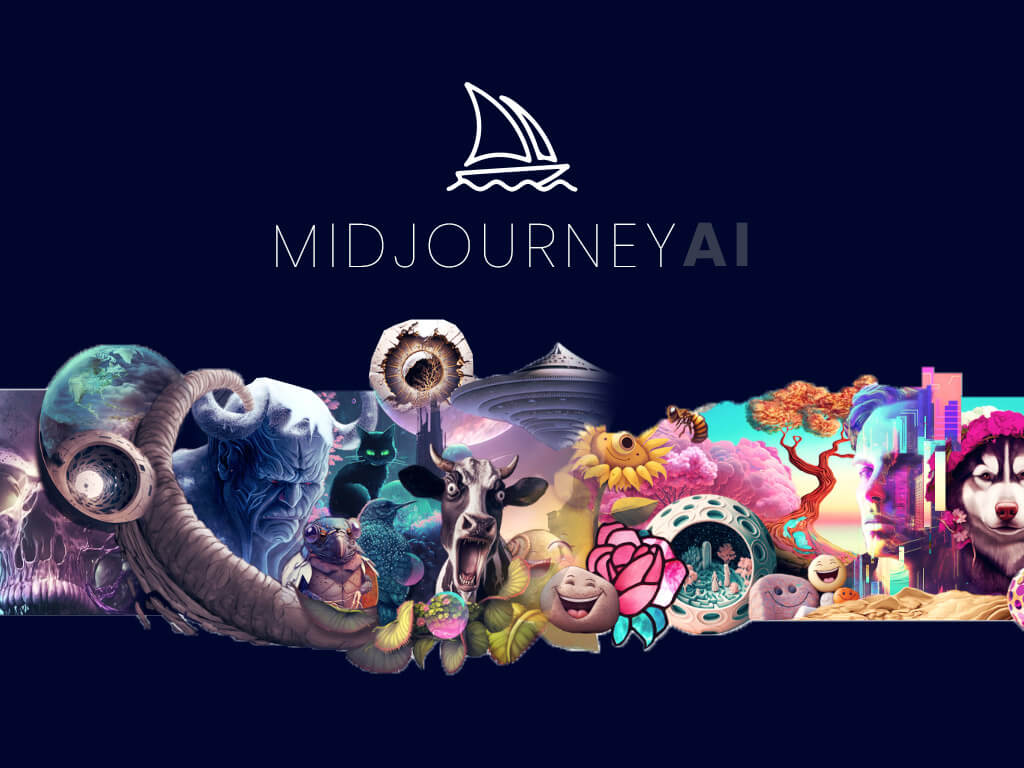
Midjourney is one of the most popular AI image generators. With simple text prompts, users can create detailed artwork, brand concepts, social media visuals, and illustrations.
Best for:
- Graphic design inspiration
- Marketing visuals
- Concept art and digital illustration
For creators and marketers, it has become a powerful creative tool.
6. Adobe Firefly – AI for Professional Design
Adobe Firefly is part of the Adobe Creative Cloud ecosystem and offers advanced generative features like text-to-image and text-to-video creation. It also powers tools like Photoshop’s generative fill.
Best for:
- Professional graphic design
- Photo editing and visual effects
- Content creation for marketing and media
It is especially popular among designers and creative professionals.
The Future of AI Tools
AI tools are rapidly becoming everyday digital assistants rather than niche technology products. They are helping individuals work faster, think creatively, and solve problems more efficiently.
Experts believe that mastering AI tools will soon become a basic professional skill—similar to learning how to use spreadsheets or search engines. As technology continues to evolve, the people who understand how to collaborate with AI will have a significant advantage in the future workplace.
In 2026, AI is not replacing human creativity—it is amplifying it.