There’s something magical about watching beloved characters leap from pages to pixels, transforming the theatre of our imagination into a shared visual experience. While the debate over the book rages on, certain adaptations transcend comparison. They become masterpieces in their own right, honouring the source material while embracing the unique possibilities of cinema and television. Dhanush Kumar writes about six adaptations that didn’t just meet expectations; they soared beyond them.
The Lord Of The Rings Trilogy
When Peter Jackson announced his ambitious plan to adapt J.R.R. Tolkien’s sprawling epic, sceptics predicted disaster. How could anyone compress Middle-earth’s intricate world-building, complex languages, and philosophical depth into film? The answer was simple: by treating the source material with reverence while understanding cinema’s different language.
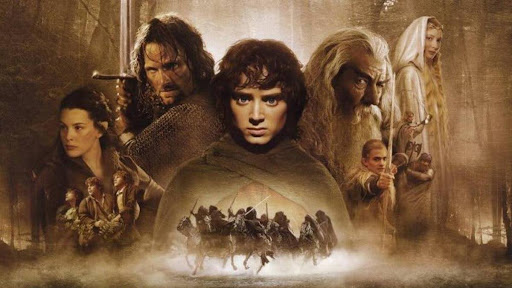
Jackson’s trilogy became more than an adaptation; it became a cultural phenomenon that introduced Tolkien’s work to millions who might never have picked up the books. The films captured the essence of friendship, sacrifice, and the corrupting nature of power that made the novels timeless.
What makes this adaptation brilliant is its ability to capture the soul of the work. Two decades later, these films remain the benchmark against which all fantasy adaptations are measured.
The Shawshank Redemption
Stephen King’s novella Shawshank Redemption was already a powerful tale of hope and friendship. Frank Darabont’s adaptation transformed into what many consider the greatest film ever made, a title it has held on IMDb’s Top 250 for years.
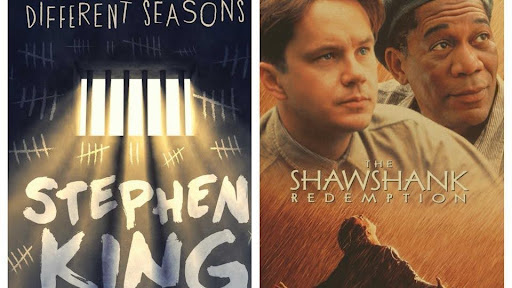
The film expands on King’s lean narrative, giving depth to the relationship between Andy and Red, two prisoners who find redemption in the most unlikely place. What elevates this adaptation is its patience. The famous rooftop scene, Adny’s opera moment, and that glorious finale on the Pacific Coast aren’t just cinematic moments; they are emotional moments that understand the assignment. Hope is a good thing, maybe the best of things.
Harry Potter Film Series
When Warner Bros. acquired the rights to J.K. Rowling’s Phenomenon, the stakes couldn’t have been higher. Millions of children and adults had already fallen in love with the Boy who Lived, and expectations were astronomical. What followed was an eight-film journey that became a defining cultural touchstone for an entire generation.
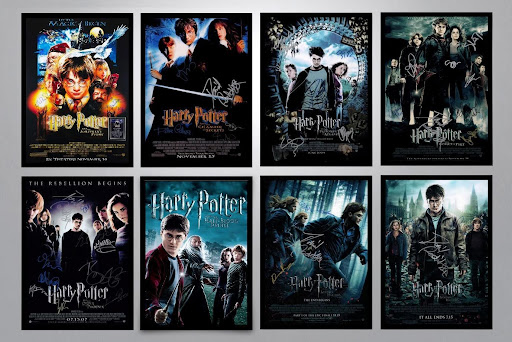
The series’ greatest triumph was its casting of Daniel Radcliffe, Emma Watson, and Rupert Grint, who grew up on screen. But it was the supporting cast that elevated these films into something extraordinary Alan Rickman’s Severus Snape and Maggie Smith’s McGonagall brought charm to the magical world.
The adaptation succeeded because it understood that Harry’s story was never about magic; it was about love, sacrifice, and choosing who we become.
The Handmaid’s Tale.
Margaret Atwood’s 1985 novel felt like prophecy when Hulu adapted it in 2017. The adaptation’s genius lies in its visual storytelling. The oppressive reds of the Handmaid’s robes, the clinical whites of the Wives, and the suffocating architecture of Gilead create a color-coded nightmare that needs no explanation. Elisabeth Moss’s performance as Offred gives voice to the internal monologue that made Atwood’s novel so powerful.
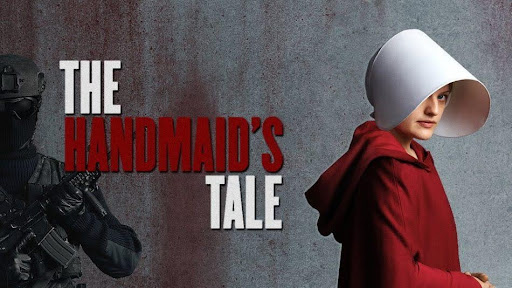
What makes this adaptation remarkable is its willingness to go beyond the source material while maintaining Atwood’s thematic integrity. The series explores questions Atwood posed and then pushes further, examining resistance and the long shadow of trauma in ways that feel both faithful and freshly relevant.
Little Women
Louisa May Alcott’s beloved novel has been adapted numerous times, but Greta Gerwig’s version did something revolutionary. Gerwig’s masterstroke was restructuring the narrative, weaving past and present together to emphasize the artistic ambitions and economic realities facing the March sisters. This nonlinear approach transforms Jo’s story from a simple coming-of-age tale into a meditation on art, commerce, and the choices women make when options are limited.
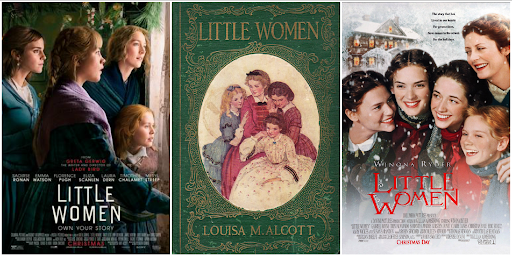
The adaptation also gave Alcott herself a voice, incorporating the author’s own frustrations with her publisher into Jo’s story. It’s an adaptation that understands its source material so profoundly that it can interrogate it while celebrating it.
The Queen’s Gambit
Walter Tevis’s 1983 novel about a chess prodigy battling addiction was largely forgotten until Netflix’s 2020 adaptation became a cultural phenomenon. The limited series format was perfect for this character-driven story, allowing each episode to function as a carefully crafted chapter in Beth Harmon’s journey.
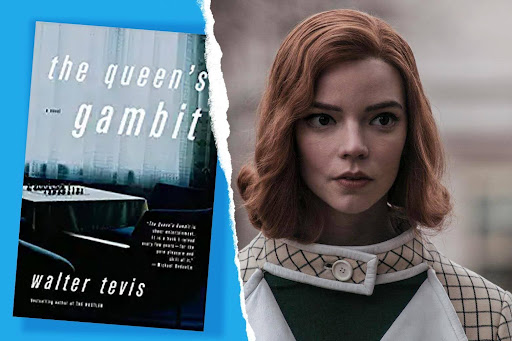
Anya Taylor-Joy’s magnetic performance anchors the series, but it’s the visual storytelling that elevates it. Director Scott Frank transforms chess matches into thrilling sequences that convey the game’s beauty without requiring you to know how the pieces move.
The adaptation succeeds because it understands that Beth’s story isn’t really about chess it’s about genius, loneliness, addiction, and the families we choose. It expanded the emotional resonance of Tevis’s novel while maintaining its core.
Conclusion
These six adaptations remind us that the best book-to-screen translations aren’t slavish recreations but thoughtful reinterpretations. They understand that books and visual media speak different languages, and the translator’s job is to capture meaning, not just words.
The magic happens when creators approach source material with love, respect, and the courage to make bold choices that serve the story’s soul.