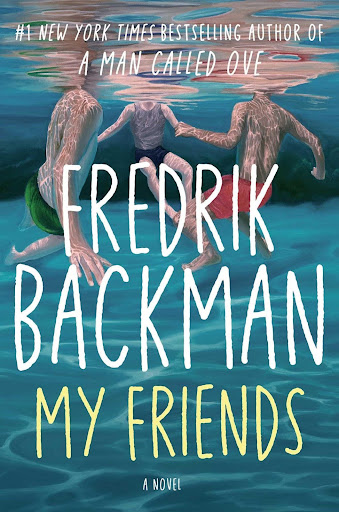
My Friends by Fredrik Backman
Backman has always written about ordinary people and the extraordinary tenderness hidden inside them. My Friends continues that legacy. Set in a small Swedish town where everyone knows everyone and everything. This novel unravels the tangled lives of four friends as they stumble into adulthood and the painful beauty of growing up. It’s not just a story of friendship. It’s about how we hold on when life changes its rhythm. Backman’s prose is gentle yet piercing, like being hugged and gutted at once. If A Man Called Ove made you cry, My Friends will leave you staring at the ceiling, smiling through the ache. This is the kind of book that feels lived-in, human, humble, and quietly magnificent.
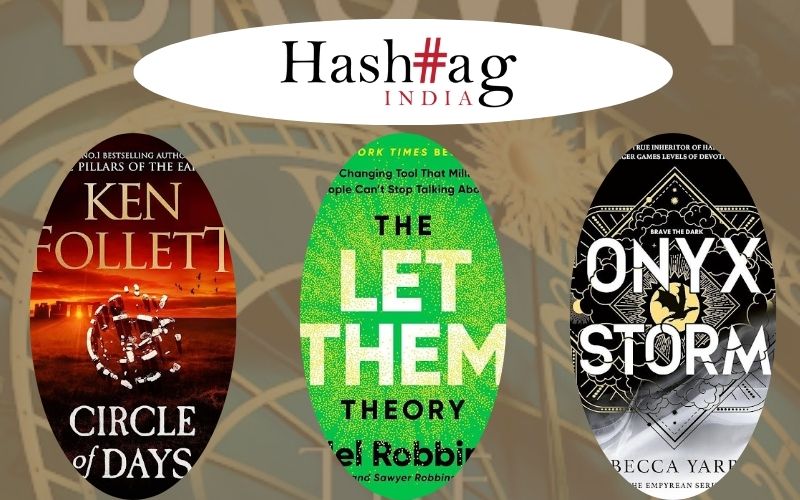
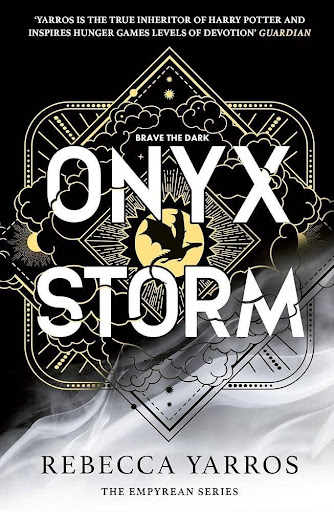
Onyx Storm by Rebecca Yarros
The queen of dragon fiction is back, and she’s not holding back her fire. Onyx Storm, the third in Yarros’s Empyrean saga, is pure combustion: romance, rebellion, and raw emotion. The stakes are higher, the dragons fiercer, the heartbreak deeper.
Yarros understands something most fantasy writers forget that world-building means nothing if you don’t make the reader feel. Every battle has a pulse; every kiss, a consequence. Beneath all the fire and flight, this is a story about power who wields it, who pays for it, and who dares to challenge it. Expect sleepless nights and shredded nerves.
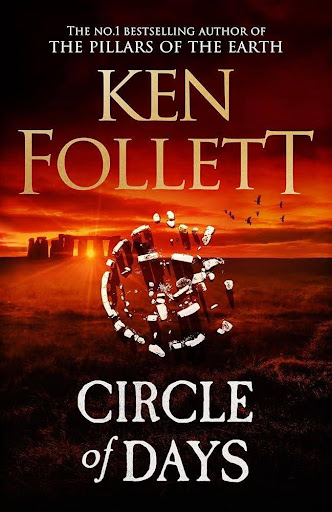
Circle of Days by Ken Follett
Ken Follett has never been content to tell small stories. Circle of Days, a monumental historical novel about the creation of Stonehenge, is a towering return to the kind of storytelling that built civilizations.
He takes you back five thousand years, into a world where faith and fear were indistinguishable, where men built monuments not for glory but for gods. Follett’s detail is cinematic: the sound of chisels, the taste of blood, the smell of stone dust. Yet beneath all that grandeur, he finds the same fragile thread of humanity that binds us now. This is not a quick read; it’s an experience. One that reminds you that our ancestors weren’t primitive; they were dreamers, builders, believers.
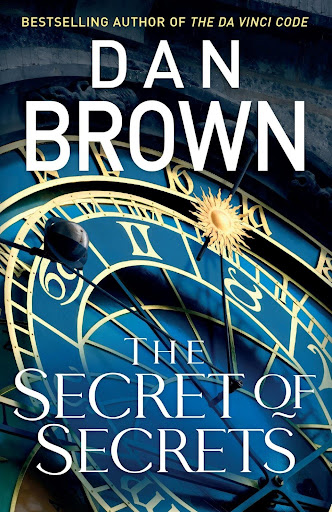
The Secret of Secrets by Dan Brown
Every few years, Dan Brown reappears like a comet burning bright, scattering mystery and conspiracy in his wake. The Secret of Secrets is his boldest yet.
This time, he leaves the Vatican behind and dives deep into the origins of consciousness itself. Think neuroscience meets myth, code meets creed. The story moves between hidden monasteries in Tibet, the crypts of Istanbul, and secret research labs in Geneva. All connected by a manuscript said to hold “the final proof of the divine.”
Brown’s pacing is relentless; his clues are addictive. You turn pages not because you want to but because you have to. It’s a story about faith, knowledge, and the danger of understanding too much. Love him or mock him, Brown knows how to make a reader feel alive. And that’s a rare art.
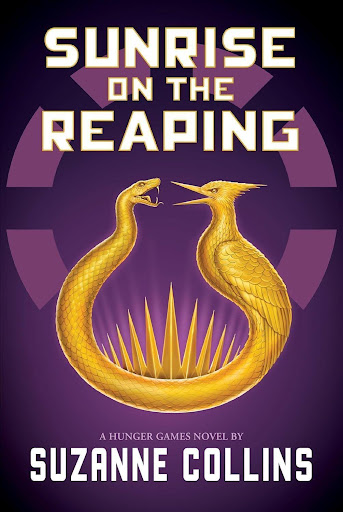
Sunrise on the Reaping by Suzanne Collins
Collins returns to Panem, but this isn’t a retread; it’s a revelation. Sunrise on the Reaping, set decades before Katniss Everdeen picked up her bow, traces the 50th Hunger Games, a turning point in the Capitol’s iron rule.
This book drips with dread and despair but also compassion. Collins exposes not just the Games, but the machinery behind them. Propaganda, poverty, and the slow conditioning of cruelty. Her prose is spare, brutal, and hauntingly honest.
She doesn’t offer heroes; she only gives choices. And in those choices, the moral rot of the world becomes clear. It’s the kind of prequel that doesn’t explain the past. It deepens it, making the entire saga hit harder. If The Hunger Games was about survival, Sunrise on the Reaping is about complicity and that’s what makes it unforgettable.
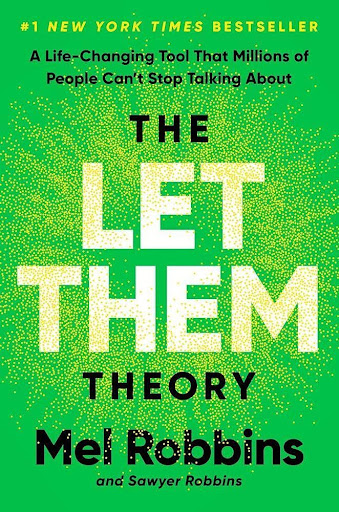
The Let Them Theory by Mel Robbins
After a shelf of fiction and fantasy, this book lands like a sharp breath of reality. Mel Robbins, who turned five-second courage into a global phenomenon, returns with The Let Them Theory: A Life-Changing Tool That Millions of People Can’t Stop Talking About.
The premise is deceptively simple: stop fighting every current, stop trying to fix what others think, and let them. Let them talk. Let them leave. Let them misunderstand. In those two words lies liberation, not the manic kind of self-help hustle, but the calm strength of boundaries. Robbins writes with the energy of someone who’s lived through noise and finally found peace. It’s not another motivational manual; it’s a compass pointing you back to yourself.