
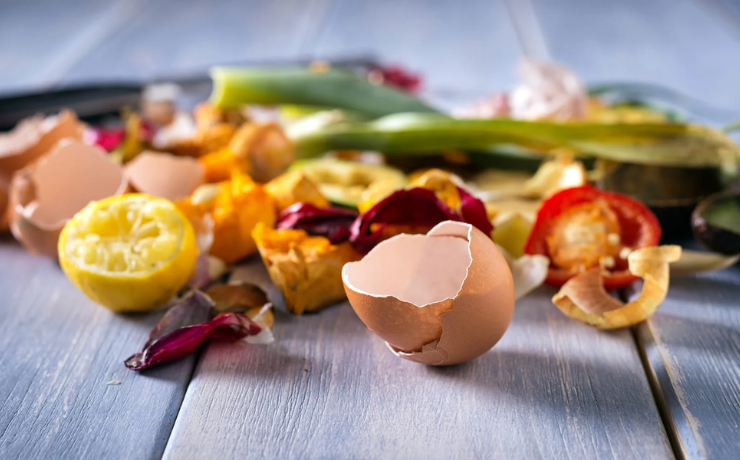
Common household items as plant fertilizers

Common household items as plant fertilizers - Hashtag Magazine

Although growing plants in your backyard brings a lot of pleasure and joy, it is also important to maintain the growth of the plants. Fertilizers are important for the growth of the plant, as well as providing the nutrients required for the soil. The plant’s soil may get depleted of its energy. These are some of the common household items with which you can get greener and healthier plants.

Homemade Fertilizer for Plants

Here are some natural household items that you can use in your garden.

1. Coffee(or)Tea Grounds

Coffee or tea grounds are the most common household items which can be used in the garden. Coffee grounds contain some wonderful nutrients which are required for plant growth and they attract worms as well. Recycle your coffee grounds and you can either sprinkle them on the soil or you can soak up the grounds for a week and use it for watering your plants.

2. Eggshells

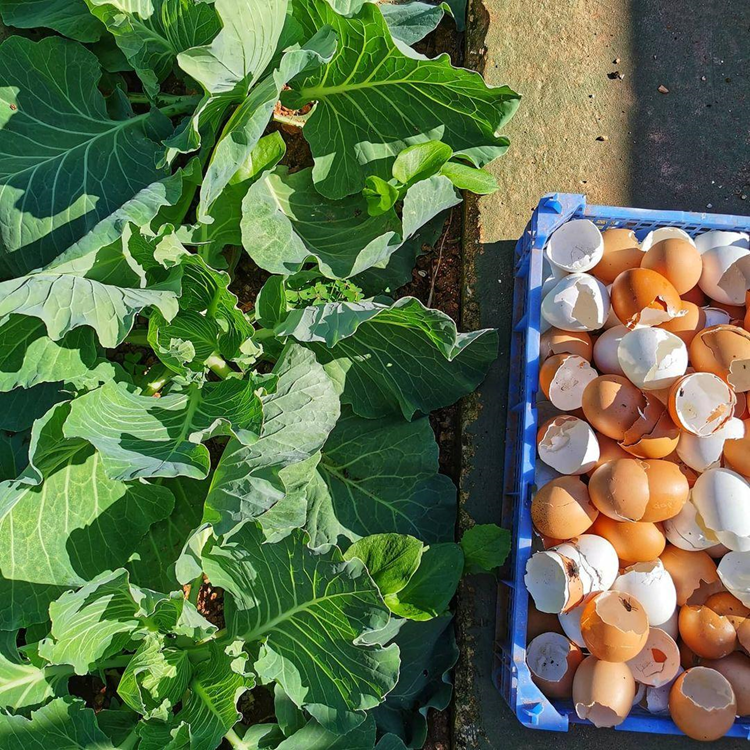
Eggshells are one of the best garden fertilizers. Eggshells come with excellent nutrients like calcium, sources of selenium, and nitrogen which are beneficial for plant growth. You can just toss the eggshells directly into the soil. For better and faster results try to crush the shells more so that they will get into the soil quickly.
3. Banana Peels

Bananas are healthy fruits with nutrients beneficial for us. But the banana peels are healthy food for the plants. Banana peels contain good potassium levels which are wonderfully suitable for the plant’s growth. All you have to do is simply bury these peels by digging up a small hole in the pot. You can also blend the peels with other vegetable scraps to get more benefits.

4. Grass Clippings

If you have a natural lawn in your backyard then make sure that you collect the grass clippings regularly. Because they are very rich in nitrogen and potassium content which is highly essential for the plants. The idea of using grass clippings as fertilizers has been used by farmers for centuries. The method is simple: just soak the grass clipping in 1/3rd bucket of water and mix them daily. Use it to water your plants about 2 or 3 times a week.

5. Wood Ash

Wood Ash and Charcoal Ash are excellent materials that can be used as fertilizers. They have potassium content which is mainly useful for plant growth. Remember that you have to use untreated hardwood ashes and use them accordingly. Too much hardwood ash can disturb the pH levels of the soil and bring disastrous results in the growth.

6. Manure

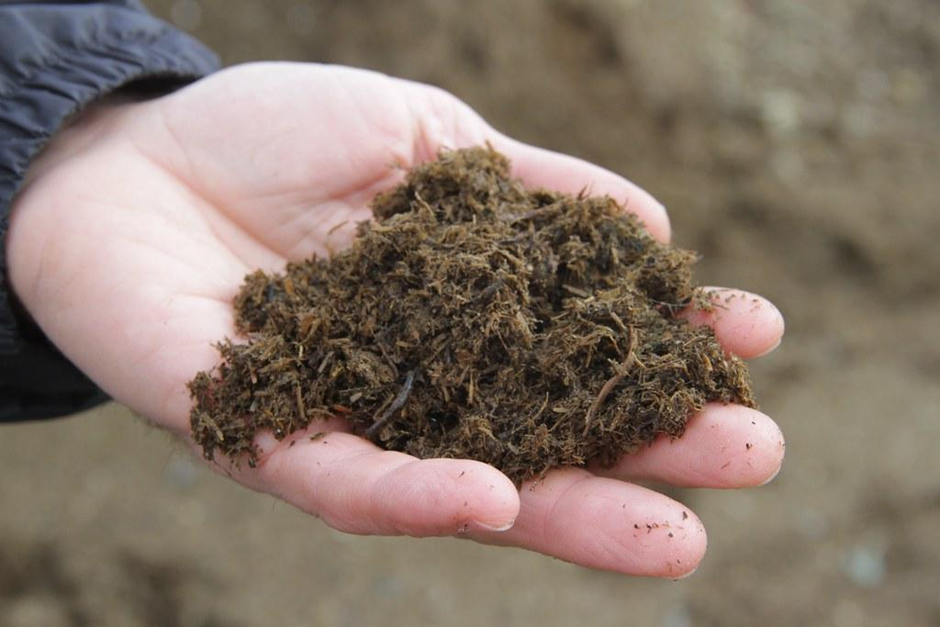
Manure is a natural and wonderful fertilizer that is very beneficial for plants. Manure comes from various sources like cows, buffaloes, and horses. Manures are high in nitrogen and other nutrients which are essential for plant growth. Raw manure is highly acidic, it can cause dangerous effects on the plants. So it is better to use composted manure to improve soil water retention.
7. Tree Leaves

It is common to throw away fallen leaves. Instead, collect them and use them as a fertilizer for your plants. Leaves are rich in nitrogen and trace minerals which attract earthworms. You can mulch the plants with the leaves or you can crush the leaves and spread them across the soil.

8. Potato Water

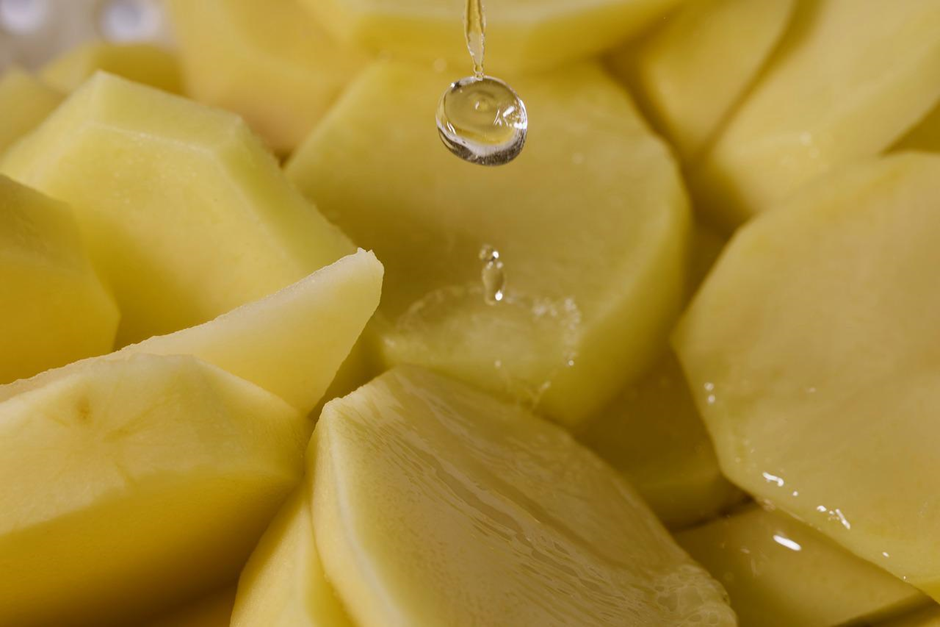
Whenever you boil potatoes in water, don’t throw the water away because potato water has good ingredients which can help in promoting the plant’s growth. Potatoes contain minerals and nutrients which are used by plants to develop immunity levels to environmental stress.
9. Coconut

Coconuts have great ingredients which can become a wonderful fertilizer for the plants. Create a mixture of coconut and add it to the water. Pour the water weekly twice or thrice over the soil which will help your plants to flourish more.

10. Matches

Matches are excellent sources of magnesium which is a healthy source for plants. Just break the matches and toss them in the soil or you can soak them in the water and use it as a fertilizer. What happens here is the magnesium will dissolve into the soil and helps the plants to grow healthier and greener.

Conclusion – These are some of the best common household items which act as wonderful fertilizers. All these fertilizers are natural and they are far better than chemical fertilizers. You can also use aquarium water, fish scraps, raw honey, and kitchen and vegetable scraps.


Leave a comment

Your email address will not be published. Required fields are marked *

Cool & Nourish: Refreshing Summer Drinks to Beat the Heat

As temperatures rise during the summer months, staying hydrated becomes essential for maintaining energy, digestion, and overall health. While water remains the most important source of hydration, traditional summer drinks made with natural ingredients can provide additional nutrients and cooling benefits. Across India and other tropical regions, seasonal beverages made from fruits, herbs, and dairy have long been used to regulate body temperature and replenish minerals lost through sweat. These refreshing drinks not only quench thirst but also support digestion, boost immunity, and help the body stay balanced during intense heat. Here are some easy summer beverages along with their health benefits and simple recipes you can try at home. Aam Panna (Raw Mango Summer Cooler) Aam Panna is a classic summer drink known for its tangy flavour and cooling properties. It is made from raw mangoes blended with spices and herbs. Health BenefitsRaw mangoes are rich in vitamin C and antioxidants, which help boost immunity and prevent dehydration. The drink also restores electrolytes lost through excessive sweating and protects against heatstroke. Why You Should Drink ItAam Panna is considered one of the best traditional drinks to combat summer fatigue and heat exhaustion. Recipe Ingredients 2 raw mangoes 3 tablespoons sugar or jaggery (adjust to taste) ½ teaspoon roasted cumin powder A few fresh mint leaves A pinch of black salt 2 cups chilled water Method Boil or pressure-cook the raw mangoes until soft. Peel the skin and extract the pulp. Blend the pulp with sugar, mint leaves, cumin powder, and black salt. Add chilled water and mix well. Serve cold with ice and a few mint leaves for garnish. Buttermilk (Chaas) Buttermilk is a light, refreshing drink made from yogurt diluted with water and flavoured with spices. Health BenefitsIt is rich in probiotics, which support gut health and digestion.

From Menus To Memories: Top Hosting Tips For The Ultimate Dinner Party

There’s something magical about a well-executed dinner party. Whether you’re rounding up your best friends for a catch-up or entertaining extended family for a celebratory night in, the joy of feeding those you love never goes out of fashion. As much as we love a night out at a fancy restaurant, there’s a certain charm about staying in, lighting some candles, and serving up your signature dish with pride. For many Indian hosts, a dinner party is more than just a meal it’s a full-blown experience. From the starters to the send-off, every detail adds up to make your guests feel welcome, well-fed, and genuinely impressed. But pulling it off requires more than just a decent butter paneer and some extra plates. Whether you’re a seasoned host or dipping your toes into the world of dinner parties, here are some top tips for hosting with ease, style, and a whole lot of heart. Start With The Invite to Set The Tone Early Planning for a dinner party starts way before the guests come knocking at your door it begins with your invitation. A blasé “Dinner on Friday?” text on WhatsApp doesn’t cut it. If you want to elevate the vibe, design your own PDF invitation cards it’s a small touch that shows thought, effort, and makes everything feel more intentional. Plus, you get a chance to convey the essentials date, dress code (if applicable), theme, and what to bring or not bring (i.e., a bottle of wine, or no surprise plus-ones). Creating your own invitations also helps you set expectations in a classy way. Fancy a relaxed rooftop vibe with finger food and sangria? Or something a bit more traditional, with thalis and mithai? Either way, when your invite looks the part, your guests know what to bring and the

Healing with Strength: The Inspiring Journey of Dr. Rebecca Pinto

Based in Bangalore, Dr. Rebecca Pinto is a physiotherapist by qualification, but as she says, “My life has been shaped far more by experience than by textbooks.” Losing her mother at a young age, Rebecca grew up in a single-parent household with her father. Financial constraints were not abstract concepts; they were lived realities. “I saw what a lack of money really does, not just to your lifestyle, but to your peace, your choices, even your relationships,” she shares. That early exposure instilled two beliefs: financial independence creates freedom, but happiness remains a choice. Known among friends as vibrant and dependable, she describes herself as “caring, witty, and observant.” Her critics may call her detached, but she believes that detachment “has helped me survive more than anything else.” Health Beyond Information Today, Dr. Pinto wears multiple hats: physiotherapist, nutritionist, and content creator. But her mission extends beyond treatment plans. She challenges deeply ingrained habits. “When you understand health, you don’t just treat people, you change how they live,” she explains. Content creation began casually, a simple experiment. But the moment people began telling her, “This helped me,” the weight shifted. “That’s when it stopped being content and became responsibility.” For Rebecca, health isn’t about longevity alone. “It’s about living without constantly feeling tired, inflamed, or uncomfortable, which unfortunately has become normal.” Clarity Over Comfort In an industry flooded with trends, her voice stands out for its directness. “Most people don’t change because they lack information. They don’t change because no one has made them question their habits.” She positions herself deliberately between comfort and awareness. Her approach is simple, sometimes blunt, but always rooted in science. “If something is harming you, I’ll say it, even if it’s something you enjoy.” Her audience associates her with two defining qualities: clarity and

Shruti Mahajan: From Home Kitchens to Digital Food Education

Shruti Mahajan’s relationship with food began long before social media. Raised in a home where meals symbolised comfort and connection, she grew up understanding that food was never just functional; it was emotional infrastructure. Today, based in Delhi NCR, she balances a full-time corporate career alongside a steadily growing culinary platform. Her dual life reflects her personality: equal parts structured and creative. “I’ve always balanced discipline with imagination,” she shares. Managing time, health, and responsibility firsthand shaped her belief that food solutions must work in real life, not just on screen. Simplifying the Everyday Shruti identifies as a culinary content creator and digital educator, but her core mission is simpler: make healthy eating realistic. She noticed that nutrition-forward cooking often felt overwhelming or aspirational. “Food is something we deal with every single day,” she says. “If we can make it easier and healthier, it genuinely improves quality of life.” Her content is built around that practicality, short, efficient recipes designed for busy schedules. Shruti’s signature format includes 30–40 second recipes that viewers can watch, save, and cook without friction. She focuses on ingredients already present in Indian kitchens and has carved a niche by making millets engaging, from Ragi Brownies and Ragi Dhokla to Millet Sambar Khichdi. Built on Consistency Her journey began quietly, experimenting in her own kitchen and sharing what worked. There was no dramatic pivot, only persistence. Balancing content creation alongside a demanding job required discipline. That phase reinforced her core belief: consistency outweighs perfection. The turning point came when followers began writing, “I actually tried this.” That validation signalled impact. Today, she is focused less on virality and more on systems, structured PDFs, nutrition-led education, and scalable tools that empower everyday cooks. Power in Balance Shruti operates on three principles: balance over extremes, progress over pressure,

You May Also Like

Connect with us