
Common household items as plant fertilizers

Common household items as plant fertilizers - Hashtag Magazine

Although growing plants in your backyard brings a lot of pleasure and joy, it is also important to maintain the growth of the plants. Fertilizers are important for the growth of the plant, as well as providing the nutrients required for the soil. The plant’s soil may get depleted of its energy. These are some of the common household items with which you can get greener and healthier plants.

Homemade Fertilizer for Plants

Here are some natural household items that you can use in your garden.

1. Coffee(or)Tea Grounds

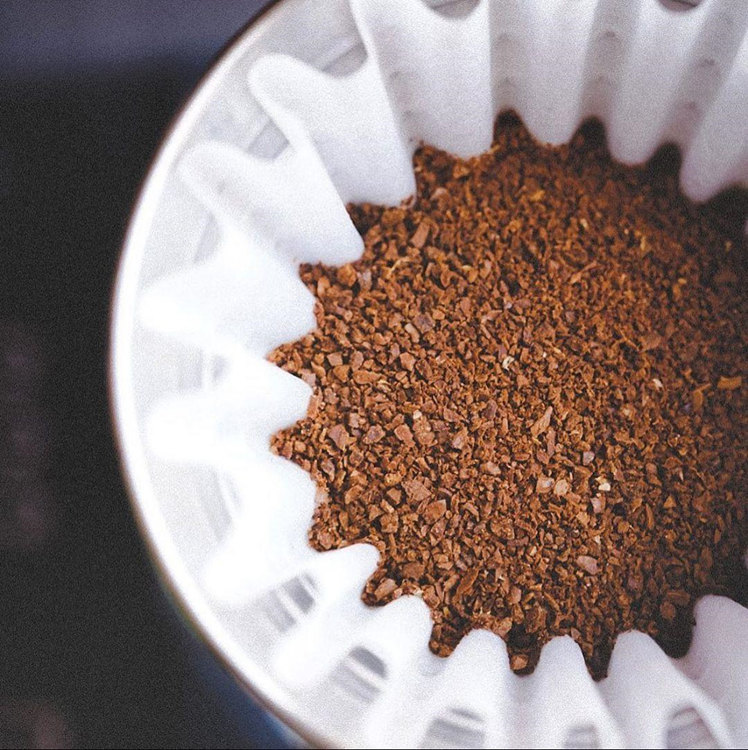
Coffee or tea grounds are the most common household items which can be used in the garden. Coffee grounds contain some wonderful nutrients which are required for plant growth and they attract worms as well. Recycle your coffee grounds and you can either sprinkle them on the soil or you can soak up the grounds for a week and use it for watering your plants.
2. Eggshells

Eggshells are one of the best garden fertilizers. Eggshells come with excellent nutrients like calcium, sources of selenium, and nitrogen which are beneficial for plant growth. You can just toss the eggshells directly into the soil. For better and faster results try to crush the shells more so that they will get into the soil quickly.

3. Banana Peels

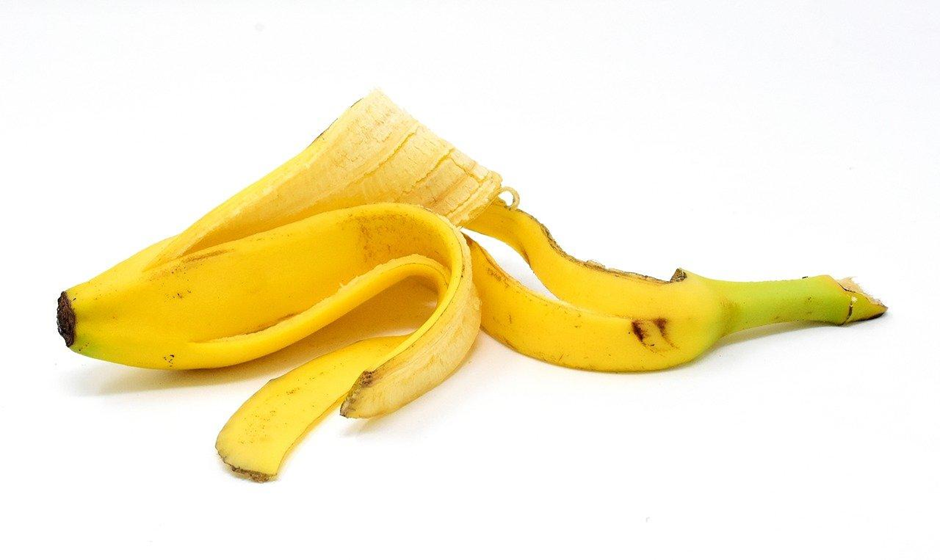
Bananas are healthy fruits with nutrients beneficial for us. But the banana peels are healthy food for the plants. Banana peels contain good potassium levels which are wonderfully suitable for the plant’s growth. All you have to do is simply bury these peels by digging up a small hole in the pot. You can also blend the peels with other vegetable scraps to get more benefits.
4. Grass Clippings

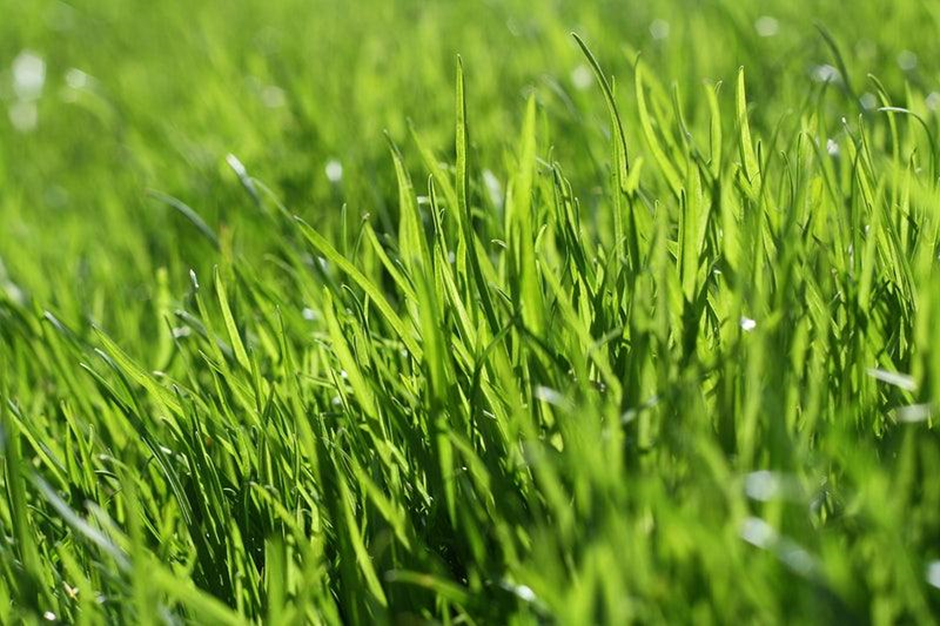
If you have a natural lawn in your backyard then make sure that you collect the grass clippings regularly. Because they are very rich in nitrogen and potassium content which is highly essential for the plants. The idea of using grass clippings as fertilizers has been used by farmers for centuries. The method is simple: just soak the grass clipping in 1/3rd bucket of water and mix them daily. Use it to water your plants about 2 or 3 times a week.
5. Wood Ash

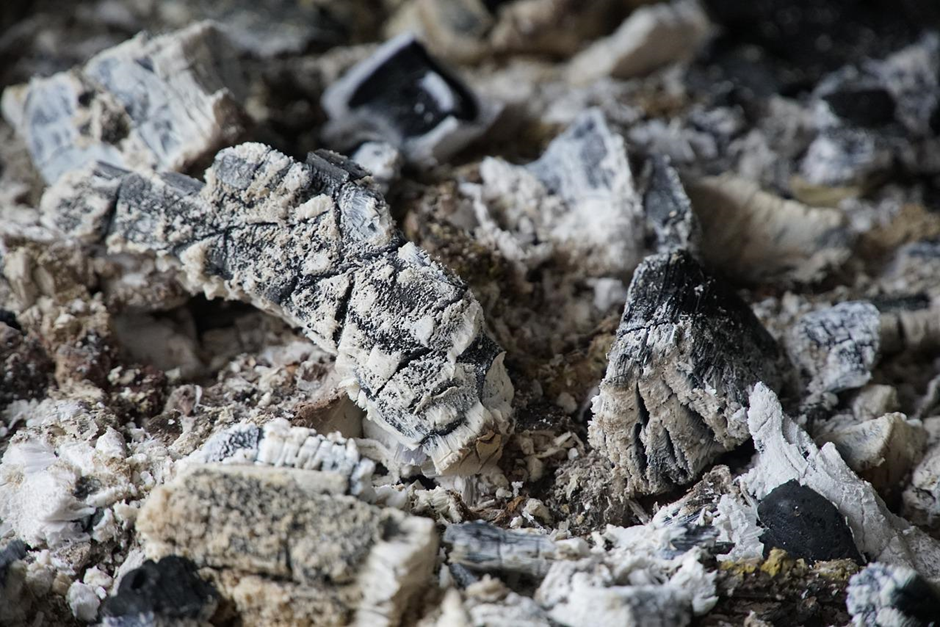
Wood Ash and Charcoal Ash are excellent materials that can be used as fertilizers. They have potassium content which is mainly useful for plant growth. Remember that you have to use untreated hardwood ashes and use them accordingly. Too much hardwood ash can disturb the pH levels of the soil and bring disastrous results in the growth.
6. Manure

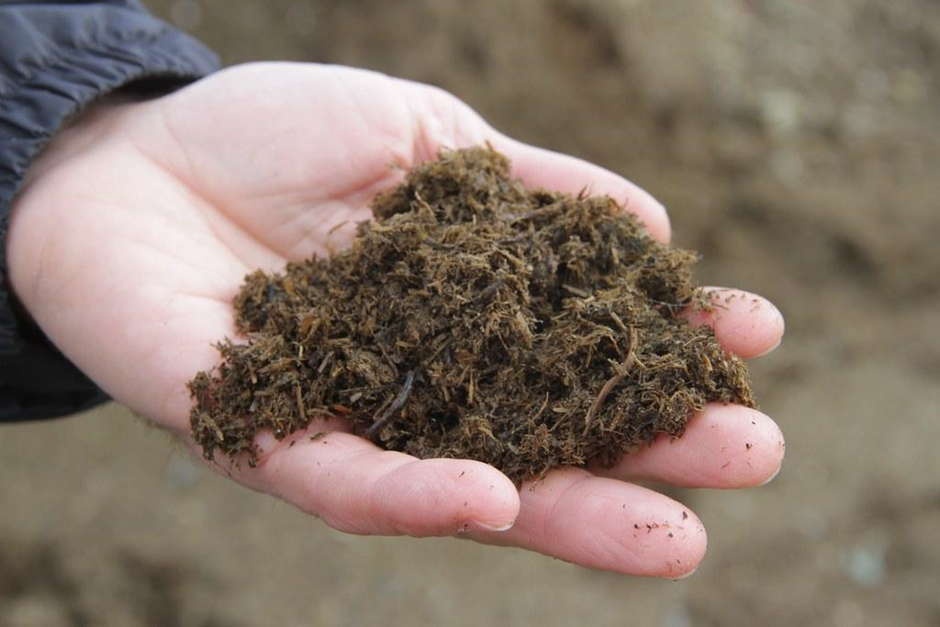
Manure is a natural and wonderful fertilizer that is very beneficial for plants. Manure comes from various sources like cows, buffaloes, and horses. Manures are high in nitrogen and other nutrients which are essential for plant growth. Raw manure is highly acidic, it can cause dangerous effects on the plants. So it is better to use composted manure to improve soil water retention.
7. Tree Leaves

It is common to throw away fallen leaves. Instead, collect them and use them as a fertilizer for your plants. Leaves are rich in nitrogen and trace minerals which attract earthworms. You can mulch the plants with the leaves or you can crush the leaves and spread them across the soil.

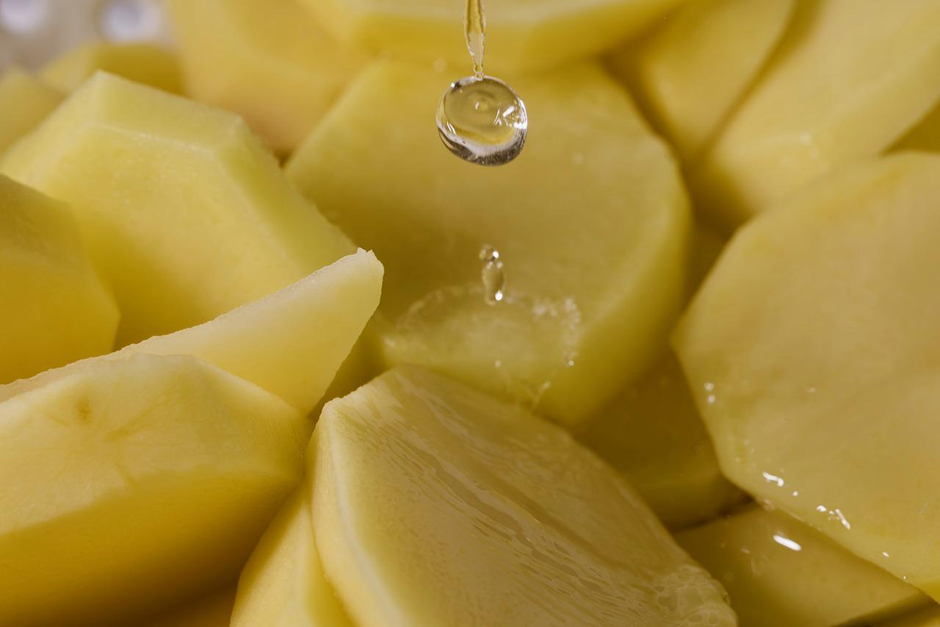
8. Potato Water

Whenever you boil potatoes in water, don’t throw the water away because potato water has good ingredients which can help in promoting the plant’s growth. Potatoes contain minerals and nutrients which are used by plants to develop immunity levels to environmental stress.
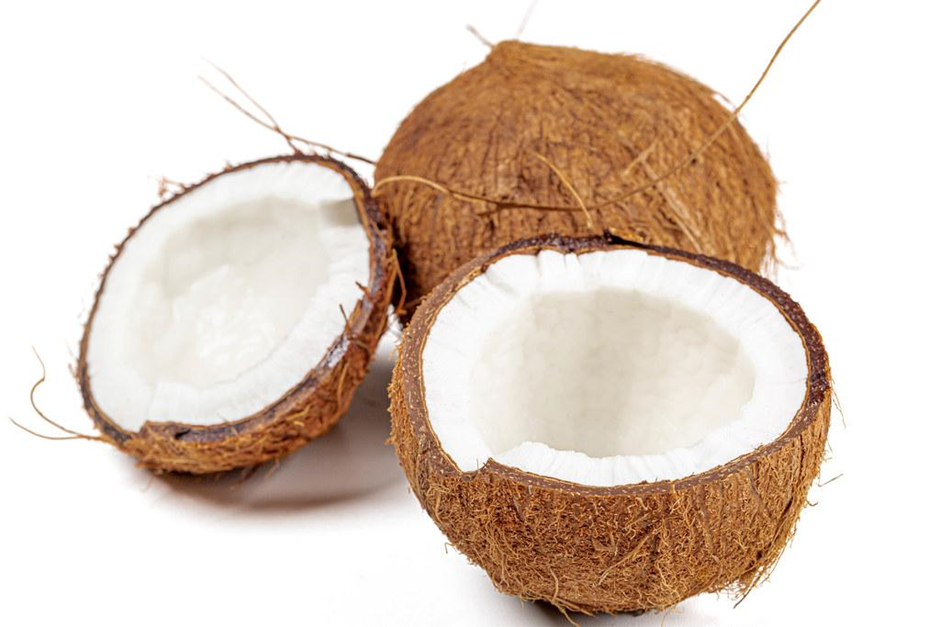
9. Coconut

Coconuts have great ingredients which can become a wonderful fertilizer for the plants. Create a mixture of coconut and add it to the water. Pour the water weekly twice or thrice over the soil which will help your plants to flourish more.
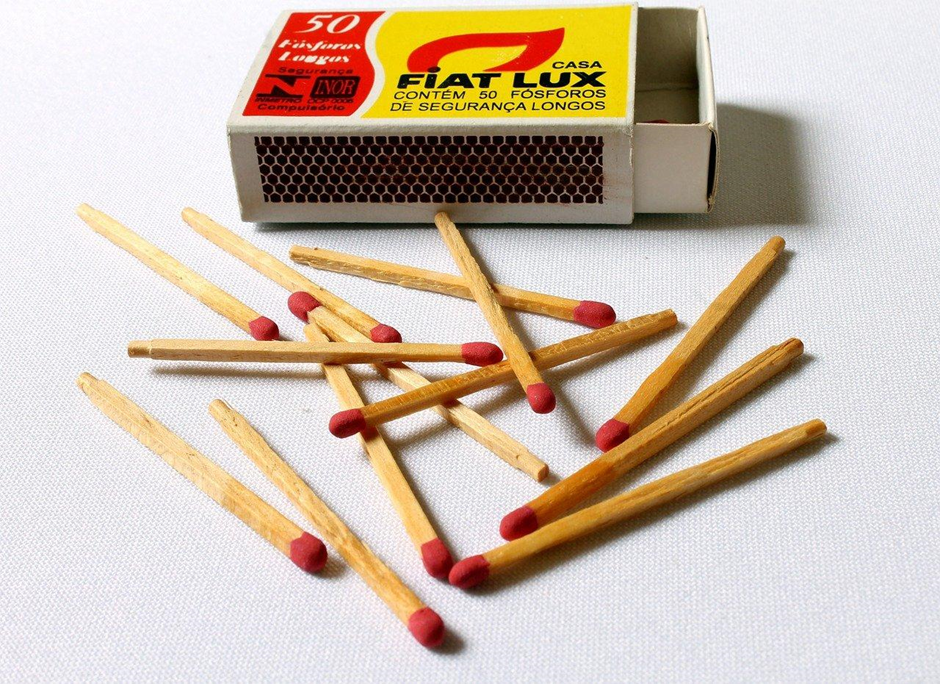
10. Matches

Matches are excellent sources of magnesium which is a healthy source for plants. Just break the matches and toss them in the soil or you can soak them in the water and use it as a fertilizer. What happens here is the magnesium will dissolve into the soil and helps the plants to grow healthier and greener.
Conclusion – These are some of the best common household items which act as wonderful fertilizers. All these fertilizers are natural and they are far better than chemical fertilizers. You can also use aquarium water, fish scraps, raw honey, and kitchen and vegetable scraps.


Leave a comment

Your email address will not be published. Required fields are marked *

Men’s Hormonal Health: Dr Vikrant Singh Thakur on Nutrition, Sleep and Stress

Dr Vikrant Singh Thakur is a neurologist based in Karimnagar, Telangana, affiliated with Time Neuro Care Hospital and Orchid Hospitals. His work focuses on catching lifestyle-related health problems before they turn serious, especially in men who tend to deprioritise their own health. Here’s his take on nutrition, fad diets and the hormonal fallout of poor sleep and stress. The Convenience Food ProblemOne of the biggest nutritional challenges men face today is the increasing dependence on convenience foods, processed meals, sugary beverages, and diets that are high in calories but low in essential nutrients. Many men consume excess refined carbohydrates, unhealthy fats and added sugars while neglecting adequate protein, dietary fibre, fruits, vegetables and essential micronutrients. What that Imbalance actually causesThis imbalance can contribute to weight gain, abdominal obesity, insulin resistance, type-2 diabetes, high cholesterol, fatty liver disease and cardiovascular problems. Irregular eating makes it harder still; skipping meals, eating late at night, frequent restaurant meals and overeating after long working hours can make weight management difficult. Excessive alcohol consumption further affects liver health, nutritional status and metabolic function. The Deficiencies Nobody Talks AboutMicronutrient deficiencies are also worth considering. Inadequate intake of iron, vitamin B12, vitamin D, folate and other essential nutrients may contribute to fatigue, weakness or other health problems, depending on the specific deficiency, and these often go unrecognised for a long time because the symptoms are vague and easy to attribute to simply being busy or tired. What a Balanced Plate Actually Looks LikeThe advice is to focus on balanced, sustainable eating rather than restrictive diets. A healthy plate should generally include vegetables, whole grains, appropriate portions of protein, fruit and healthy fats. Pulses, eggs, dairy products, nuts, fish and lean meats can all be part of a balanced diet, depending on individual preferences and health requirements. The

Men’s Mental Health: Dr Vee on Mind-Body Connection

Dr Vishakha Shivdasani, known as Dr Vee, is a medical doctor and a recognised voice in longevity medicine and metabolic health, with over 20 years of clinical experience in conditions like obesity, PCOS and type 2 diabetes. Through her platform @doctorvee and her bestselling book COVID and Post-COVID Recovery, she’s built a reputation for connecting the dots between emotional and physical health. Here, she breaks down why men’s mental health shows up differently, and what to actually do about it. What are the most common mental health challenges in men, and why do many hesitate to seek help?Men most commonly face depression, anxiety, burnout, substance use and chronic sleep disruption. The problem is, men often don’t recognise these as mental health issues. Depression in men frequently shows up as irritability, anger, fatigue, withdrawal or a reliance on alcohol rather than as sadness. The consequences are serious: men die by suicide at several times the rate of women, even though they seek help far less often. Many hesitate because they’ve been taught that vulnerability is weakness. In my practice, I see men who’ll see a doctor for a cholesterol number but stay silent about months of poor sleep, low mood or constant gut trouble. The body often says what the man won’t. How do work pressure, stress and societal expectations affect men’s emotional wellbeing?Men are often expected to be providers, problem-solvers and the strong ones. When that pressure never switches off, the body stays in a prolonged stress response. Elevated cortisol disrupts sleep, promotes abdominal fat, raises blood pressure and blood sugar, lowers testosterone, and alters the gut microbiome. This is the gut-brain axis at work: the gut produces most of the body’s serotonin, which is why chronic stress so often appears as acidity, bloating or irritable bowel symptoms alongside anxiety

Men’s Grooming and Hygiene: Dr Chaitanya Challa Debunks Common Myths

Dr Chaitanya Challa is a Hyderabad-based physician specialising in Internal Medicine and Critical Care, with a focus on preventive healthcare and lifestyle-related disorders. He believes good health starts with everyday choices, including the ones men tend to overlook or get wrong. Here, he breaks down common hygiene mistakes, persistent myths and the essentials of a practical daily routine. Does sweating actually cause body odour, and what’s the risk of staying in sweaty clothes for too long?One of the most common mistakes is assuming that sweating itself causes body odour. Sweat is largely odourless; the smell develops when bacteria on the skin break down components of sweat. Areas like the underarms and groin are particularly prone to this. Staying in sweaty clothes for too long, especially after exercise, creates a warm, moist environment that encourages skin irritation and fungal infections. Men should change out of sweaty clothing, dry themselves thoroughly after bathing, and pay attention to areas where moisture accumulates. What should a basic daily grooming routine look like, including underarm and oral care?It doesn’t have to be complicated or expensive. Consistency matters far more than the number of products you use. Bathe regularly, paying attention to the underarms, groin, feet and other areas that accumulate sweat. Use a gentle cleanser, rinse thoroughly and dry properly, particularly between the toes and in skin folds. Change your underwear and socks daily, and change out of damp clothing after exercise. Underarm care also depends on choosing the right products. An antiperspirant helps reduce sweating, while a deodorant primarily controls odour. Choose what suits your needs and skin, and avoid applying fragranced products to irritated or freshly shaved skin. Oral hygiene deserves equal attention. Brush twice daily with fluoride toothpaste, clean between your teeth using floss or an interdental cleaner, and keep up with

Luke Coutinho on Men’s Health: Everyday Habits That Build Long-Term Wellness

Luke Coutinho didn’t set out to become one of India’s most recognised voices in holistic health. He spent a decade at IBM, chasing a conventional corporate career, before a quiet realisation changed everything: the most successful people he knew, with access to the best doctors and trainers money could buy, still weren’t healthy. That gap between excellent medical care and the way people actually live became his life’s work. Fifteen years, a team of over 160, and thousands of patients later, his philosophy of Foundational Medicine and Lifestyle has become essential reading for anyone trying to understand why effort alone doesn’t always translate to health. His Journey From Goa to the corporate world I grew up in Goa in the late 90s and early 2000s. Like most young people, I went through different phases, and I think that’s how it should be. Each chapter teaches you something and leads you to the next. During college, I worked weekends at my cousin’s restaurant, waiting tables, helping in the kitchen and sometimes running the bar. It was hard work, but it taught me a lot about people and service. After college, I worked in hospitality before joining a multinational company that took me to Dubai, London and Qatar. When I returned to India, I spent 10 years at IBM. Throughout those years, nutrition remained a personal interest. I studied it out of curiosity, never imagining it would eventually become my career. The realisation that changed my approach to health My turning point came from what I saw in the corporate world. Many senior executives, people with impressive titles who travelled constantly, were neglecting their health. They had access to the best doctors, nutritionists, trainers and gyms. They could afford any superfood they wanted. And still, they weren’t healthy. That didn’t add up

You May Also Like