Kareena Kapoor – Discover her Journey and Insights

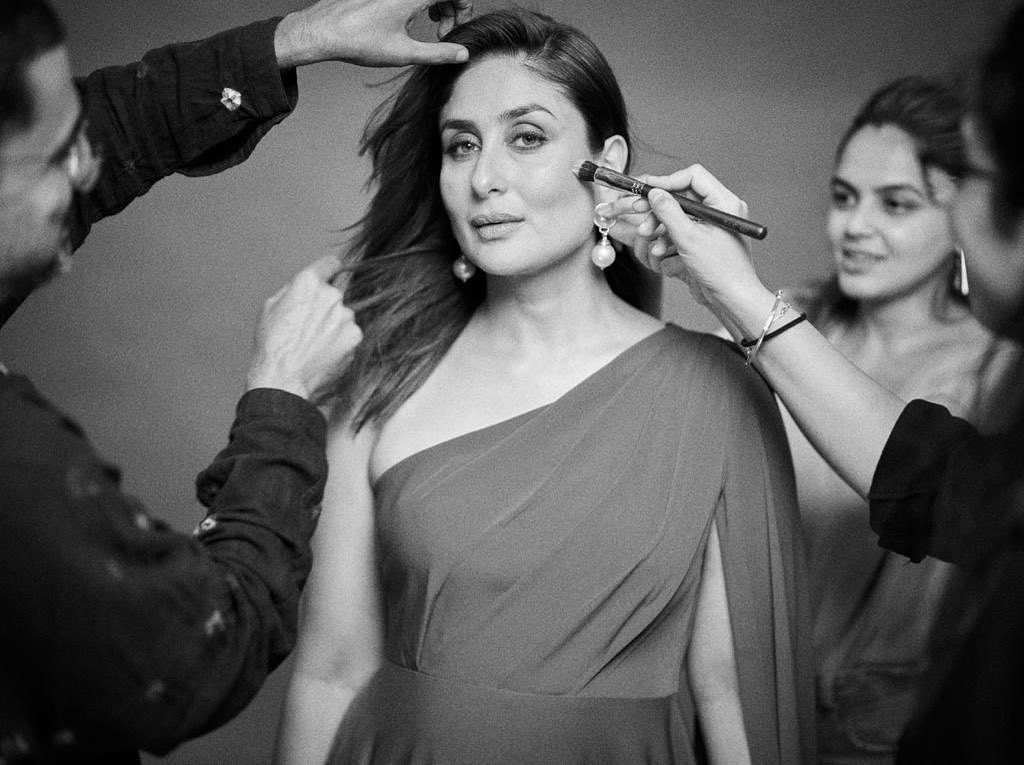
Kareena Kapoor is all set to make her Netflix debut with the film Jaane Jaan, where she takes on the role of Maya D’Souza, bringing to life Keigo Hagashino’s bestselling novel, ‘The Devotion Suspect X.’ The anticipation for the film is at its peak, as the team recently unveiled an exciting trailer to the media, offering a glimpse into the picturesque backdrop of Kalimpong, where the story unfolds. The expectations are soaring for this film, especially with the talented director Sujoy Ghosh at the helm. Lipika Varma in an exclusive with the actress…
Excerpts –

How was your shooting experience, as the film was shot in Kalimpong and Darjeeling?

The weather was so cold in Darjeeling and Kalimpong, and the shooting was a different experience. Sujay chose to shoot at this location, as the mood was right for the story, which is very important when shooting a thriller.

You probably had many offers from OTT platforms; what made you choose this film to debut in the OTT space?

Yes, I did get offers, but I didn’t like any script until now, as I didn’t feel it was worth starting on OTT.  Everyone is doing such good work on OTT platforms. Sujoy wanted to make this film for Netflix. When I read this script, I loved it. I have always wanted to do a thriller or something different, and this was the perfect opportunity. 

What is the big deal of working on OTT?

It’s a different kind of performance where you need to be more prepared. We, as actors, know that performance has to be good, as it is watched more closely. It’s more important than anything else. I want people to watch my work and appreciate it.
What was the most challenging and toughest thing for you to do in this film?

There is nothing really tough about work. I didn’t find anything difficult as I wanted to do it. It was a joy being part of this experience, so you want to do it rather than think of it as a challenge.

How do you rate Sujoy Ghosh among all the other directors you have worked with?

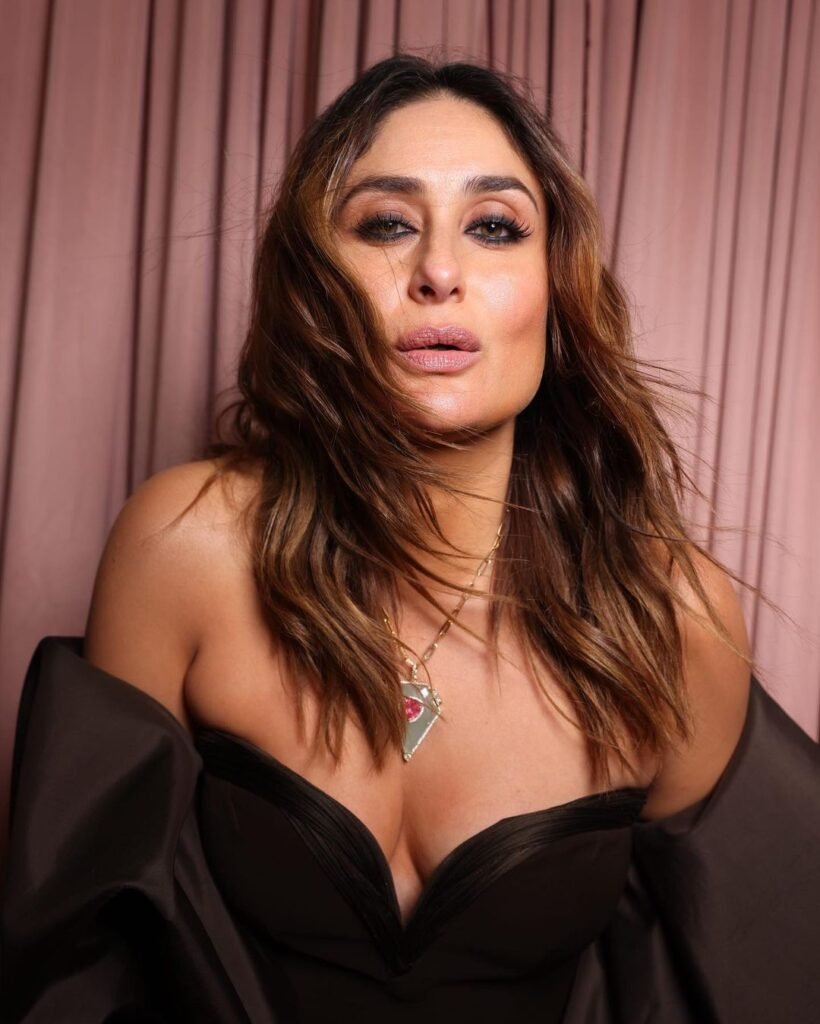
I think he is very good at his job. He always pushes his artists to do something different. He emotionally drains them and brings out that side of them, which is slightly more intense. He makes such stories which require a perfect performance from his actors. This film is a story of a mother and a child, which has been shown darkly and wonderfully.

Has the criteria for choosing films changed over the years?

One can’t do the same films again and again. I will still keep doing commercial films. But a side of me wants me to do different kinds of films apart from the same stuff.

What is your take on changing challenges into opportunities?

One needs to explore different things. Choose different scripts, and scripts are content-oriented now. It’s all about choices rather than just being part of a successful film. We have to make the right choices. You are proving yourself constantly. Everyone wants to be known through their work.

Lastly, Jaane Jaan is premiering on your birthday; what are birthday celebrations to you now?

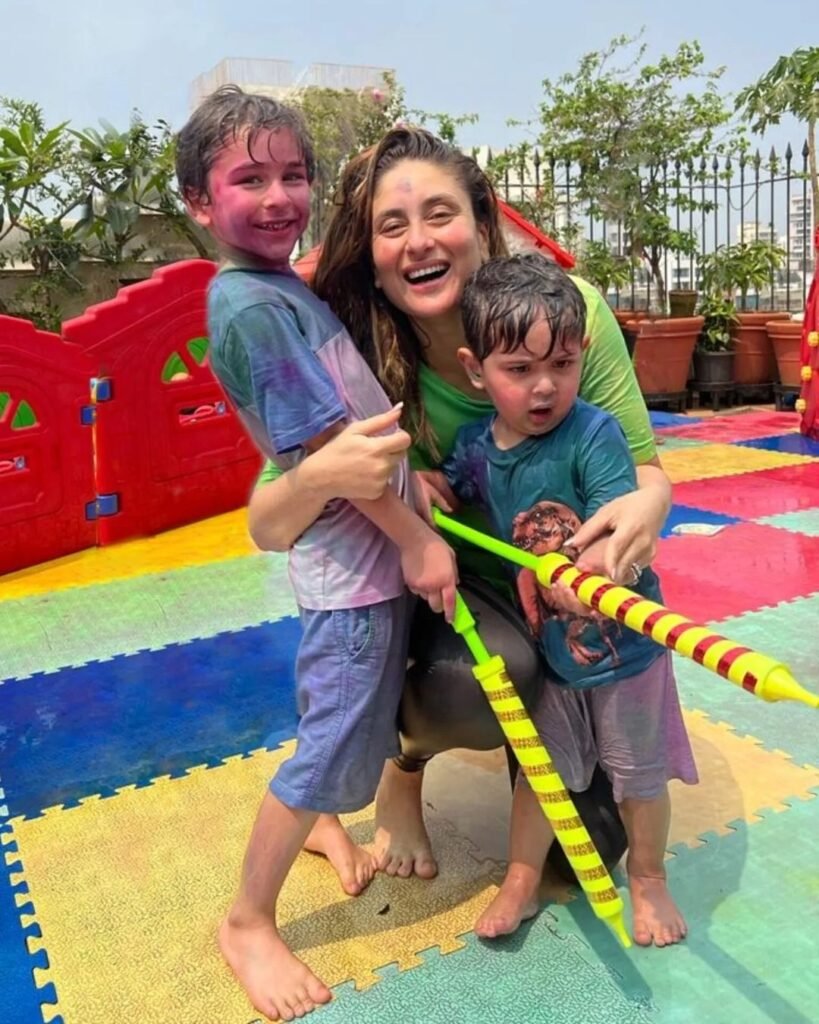
Birthdays are more family now rather than parties. It is more about being around with family and my kids.


Leave a comment

Your email address will not be published. Required fields are marked *

Mrunal Thakur on Do Deewane Seher Mein: Love, Insecurities and Finding Peace

With Do Deewane Seher Mein now released, Mrunal Thakur steps into a romance that celebrates vulnerability, emotional honesty and modern companionship. Produced under Sanjay Leela Bhansali’s banner, the film explores relationships through a lens of hope and self-discovery. In an exclusive conversation with Lipika Varma, the actor opens up about insecurities, beauty stereotypes, marriage, and the quiet confidence she has grown into over the years. You’ve spoken about insecurities before. What were your early struggles? Even after moving to Mumbai, I struggled with confidence. I couldn’t answer questions in class because I was insecure about my English and my Marathi accent. My name is unisex, and boys would make fun of it. When I entered the industry, I felt I needed to sound “elite.” I thought accent and diction defined you. Today, I realise insecurities only matter when you give them importance. I’m comfortable in my own skin now. I feel good the way I am. Have you ever faced challenges because of being considered “too beautiful”? Yes, sometimes people think that if you’re beautiful and successful, life must be easy. It’s not! There are moments when I wish I could just be normal. For Love Sonia, my audition was literally placed in a folder marked “Do Not Open.” Fortunately, the director opened it and felt I was right for the role. I had to convince the team that with prosthetics and makeup, we could make it work. People assume beauty makes everything easy. It doesn’t. Everyone struggles. Beauty alone cannot carry you forward. There are a lot of things that have to fall in place. I also remember attending a funeral and not being able to grieve freely because cameras were around. Sometimes you just want to be a daughter or sister, not an actor. How was it working

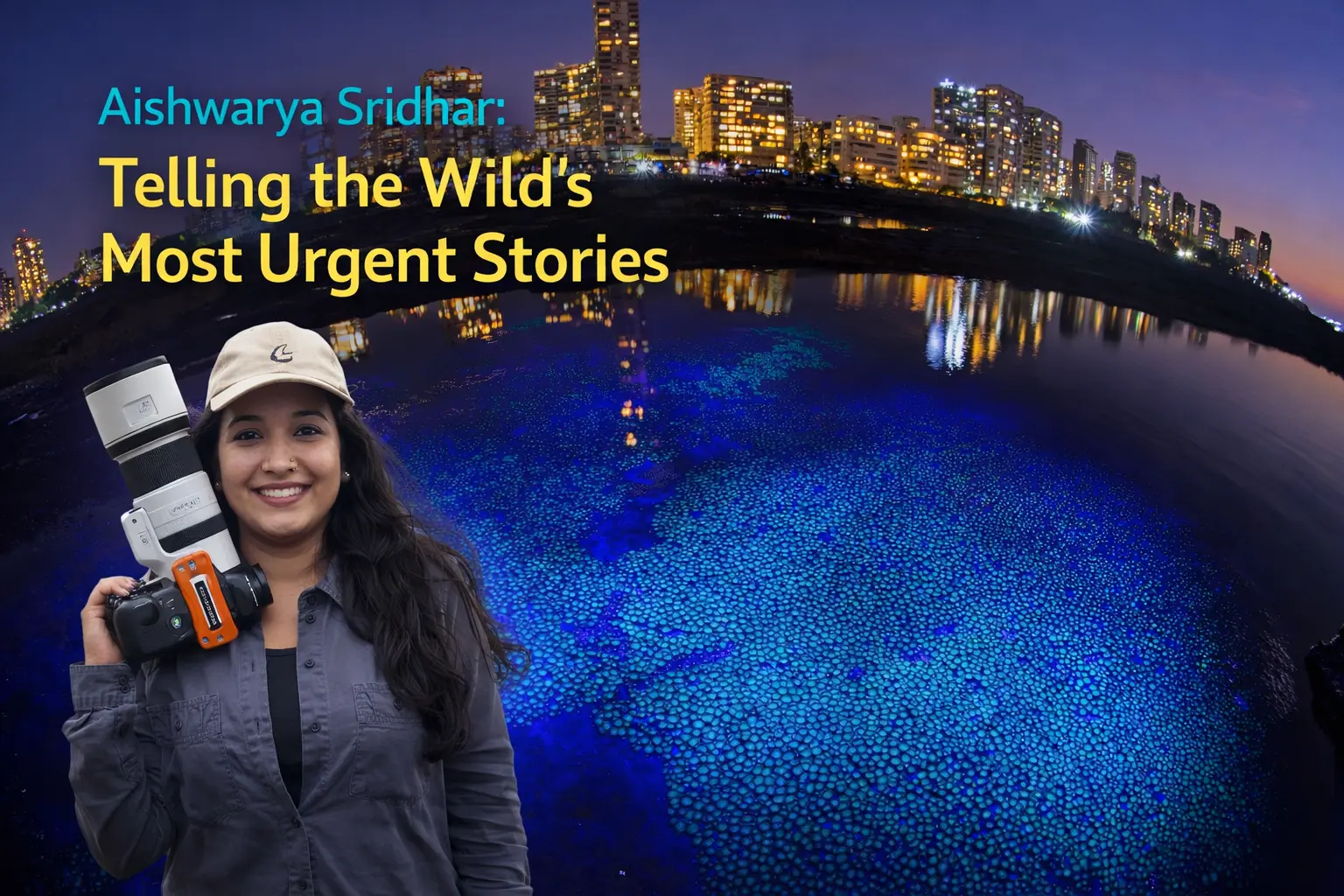
Aishwarya Sridhar: Telling the Wild’s Most Urgent Stories

Aishwarya Sridhar grew up in New Panvel, on the edge of the biodiverse foothills of Matheran, an ecosystem that holds nearly 7–8% of the world’s recorded species. A graduate in Mass Media, with Cambridge A Levels in Business and Accounting, she was raised in a family that balanced structure and creativity. Her father, Sridhar Ranganathan, a Chartered Accountant and former Vice President at Vodafone, taught her financial discipline while her mother, Rani Sridhar, an advertising professional and homemaker, nurtured storytelling instincts. Her earliest memories are of forests, fireflies, and quiet ecological change. “As I grew older, I watched that world slowly change, forests gave way to highways, and the fireflies disappeared.” That loss ignited a purpose in her. A turning point came when she watched Life with Sir David Attenborough. If a documentary could make her care about Komodo dragons from her living room, she reasoned, perhaps she could do the same for India’s wildlife. Conservation through Storytelling Today, Aishwarya is a National Geographic Explorer, Canon EOS Influencer, and Associate Fellow at the International League of Conservation Photographers (iLCP). As the co-founder and CEO of Bambee Studios, she leads a full-service production house specialising in natural history and environmental documentaries for global broadcast. “I don’t see my work as content creation, I see it as conservation through storytelling,” she says. “My camera is simply the bridge between two worlds, the wilderness and people who may never step into it.” Her productions have aired on National Geographic WILD, Arte, CuriosityStream, NHK, KBS, and Love Nature. Her photography has appeared in National Geographic magazine, BBC Wildlife, The Guardian, Mongabay, Digital Camera, The Times of India, and Sanctuary Asia. In 2020, she became the first Indian woman to win at the Wildlife Photographer of the Year Awards in London, and she has received

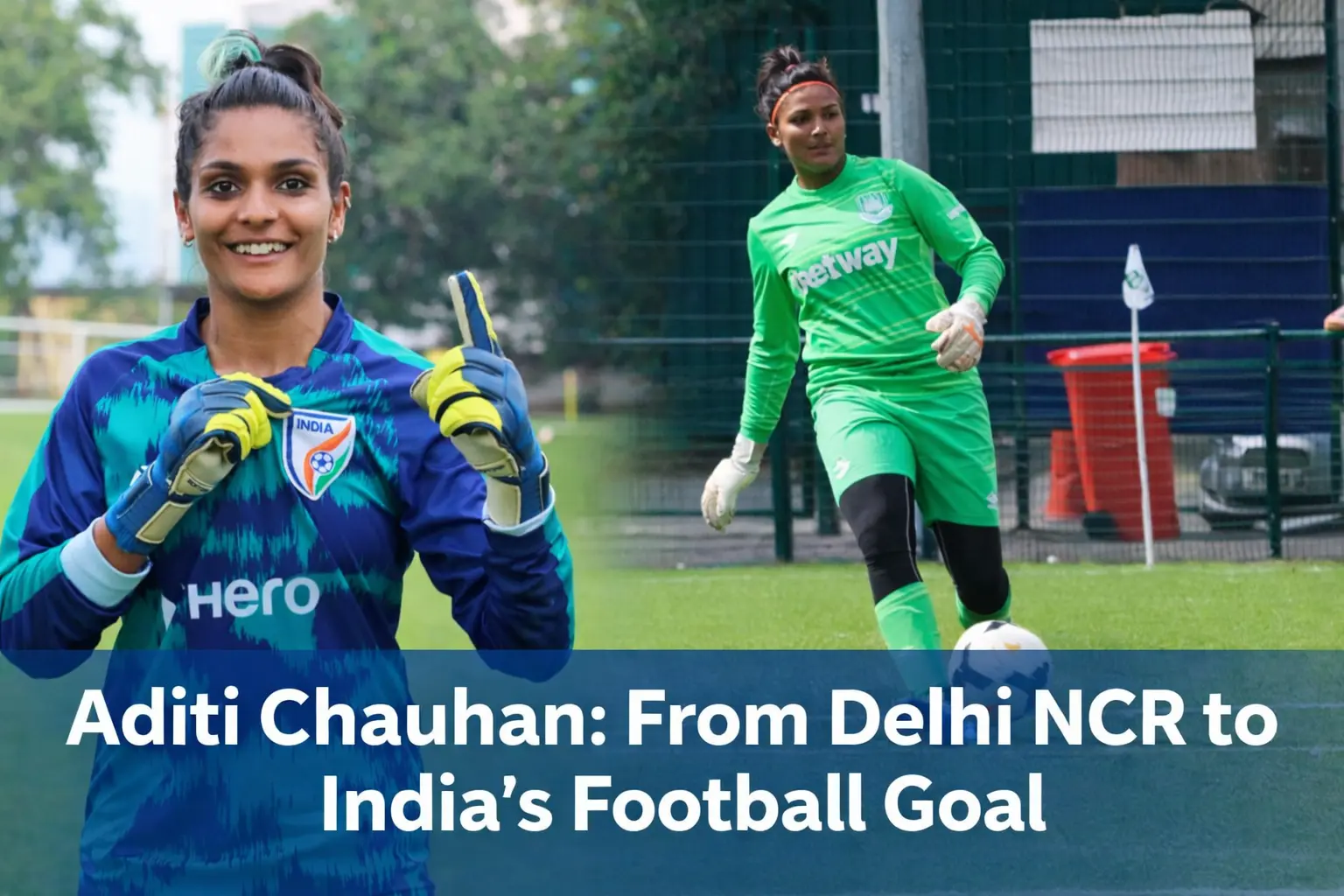
Delhi NCR | Professional Footballer, Founder of She Kicks & Aditi Chauhan Foundation

This March, Hashtag Magazine celebrates the spirit of International Women’s Day with a special feature that puts the spotlight where it truly belongs, on women who are chasing their dreams and building their own success stories. Across fashion, food, sports, tech, and beyond, women today are breaking barriers, redefining industries, and proving that ambition has no single path. This edition brings together 25 inspiring stories of women who dared to start, lead, create, and persist, each journey unique, yet united by courage, resilience, and purpose. We present Next-Gen Women: Bold, Brilliant, Unstoppable. Learning to Stand Alone Aditi Chauhan was raised in Delhi NCR in a defence family that valued discipline and education. She was an active, competitive child who loved sports. “I didn’t grow up thinking I would become a professional footballer, because honestly, that wasn’t something girls around me were shown as possible.” She first started playing basketball before discovering football at the age of 15. “Once I stood in goal for the first time, something just clicked. I loved the responsibility of it. I loved that when everyone else panicked, I had to stay calm.” Moving abroad to pursue sports management while chasing football required convincing people, managing finances, and carrying expectations, all at a young age. Her parents’ quiet support made all the difference. “They never told me I couldn’t try.” Growing up as one of the only girls on the pitch shaped her resilience early. “It teaches you two things very quickly: how to fight for space, and how to stand alone,” she says. More than a Career Football gave her more than a profession. “It gave me confidence and an identity when I was still figuring myself out. It gave me strength in moments when I felt invisible.” When she signed with West Ham United

Rani Mukherjee: Three Decades of Purpose, Power, and Reinvention

As Rani Mukherjee completes 30 remarkable years in Indian cinema, her journey stands as a masterclass in longevity, courage, and conscious choices. From becoming one of Bollywood’s most recognisable romantic leads to redefining female-led storytelling with powerful, socially rooted performances, Rani’s career has been driven by instinct, integrity, and an unwavering commitment to meaningful cinema. In a candid reflection on her career with LIPIKA VARMA, she opens up about finding her voice, literally and creatively, embracing challenging roles, the joy of recognition, and why stories should always matter more than labels. Excerpts On retaining her voice while distributors wanted her voice to be dubbed My experience working with Karan Johar on Kuch Kuch Hota Hai is particularly memorable. I remember how Karan trusted me to dub my own lines despite distributors’ concerns about my voice. “I love your voice”—those words from Karan made me stand my ground. That confidence helped me retain my unique voice and paved the way for future roles. On taking challenging roles that inspire and empower women I’m all about taking on roles that challenge me and inspire women. My characters in Hum Tum, Kabhi Alvida Naa Kehna and Saathiya are examples of strong, progressive women who break stereotypes. My approach to acting is simple: I immerse myself in each character, leaving my personal biases aside. I am passionate about portraying women who make their own choices, reflecting the evolving Indian woman empowering themselves. My goal is to inspire audiences, especially women, with stories that resonate. On working with Sanjay Leela Bhansali in Black It was transformative. I was inspired by his direction, particularly how he captured scenes with a unique energy. Bhansali’s attention to detail pushed me to give my best performance. Learning sign language for Black, was a challenging yet rewarding experience. I totally

You May Also Like

Connect with us