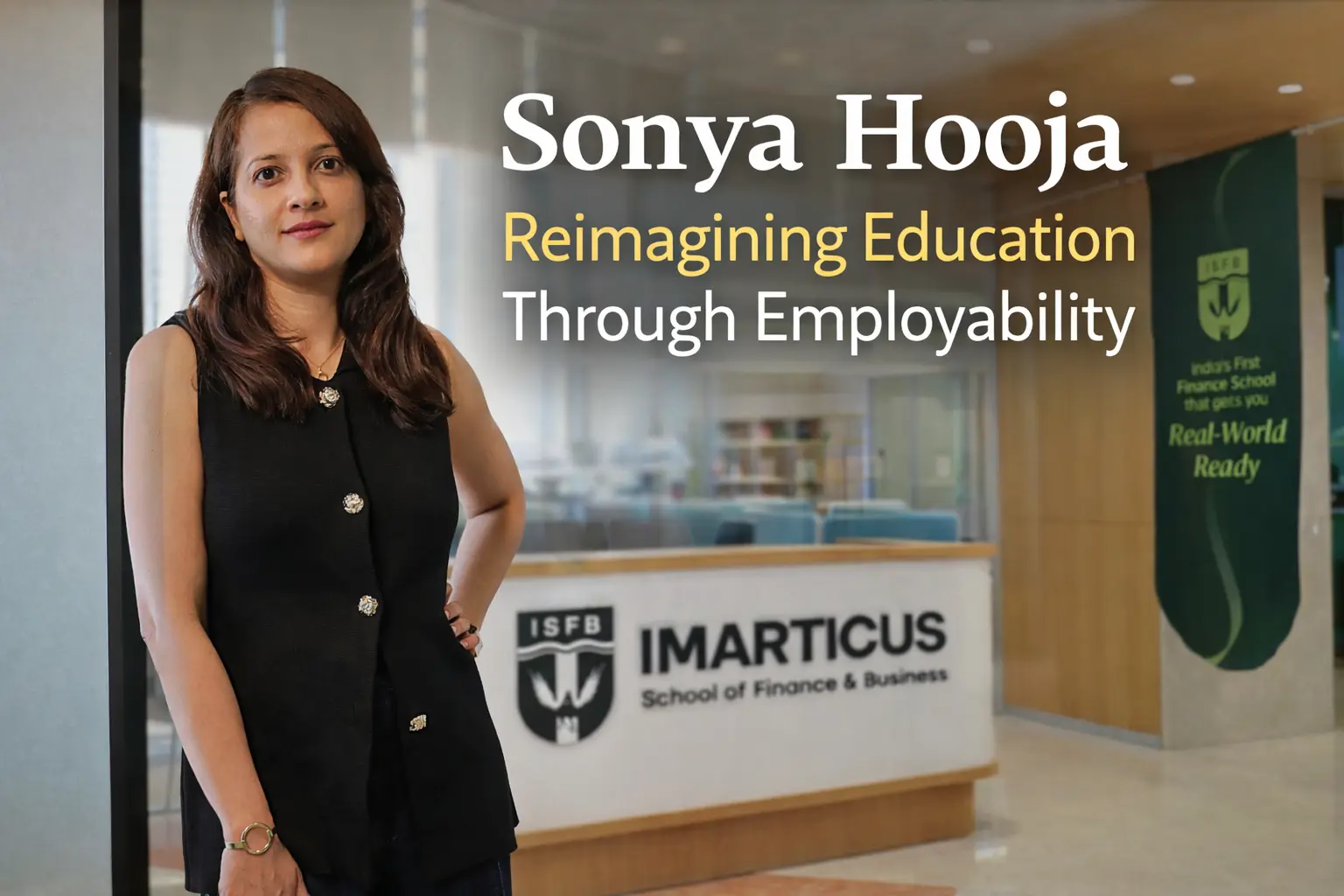
Sonya Hooja of Imarticus Learning | Education Meets Employability

Sonya Hooja of Imarticus Learning | Education Meets Employability

Sonya Hooja brings a rare blend of global academic rigour and hands-on strategic consulting experience to India’s professional education ecosystem. A graduate of Rutgers University with an MBA from INSEAD, she spent nearly a decade as a strategy consultant with Accenture, Affiliated Computer Services, and Lehman Brothers across India, Southeast Asia, and the United States.

During these years, she observed a persistent and costly disconnect. “Organizations were struggling to find workplace-ready professionals despite an abundance of qualified graduates,” she notes. The gap between academic credentials and job readiness was not incidental; it was systemic. That insight became the foundation of her entrepreneurial journey.

Education Designed for Employability

In 2012, Sonya co-founded Imarticus Learning with a fundamental question: “What if education started with employment needs rather than academic tradition?”

Her conviction stemmed from firsthand experience of how traditional systems lagged behind rapidly evolving industries, particularly finance, analytics, and technology. For her, education is not about certificates alone. “It’s about giving people the tools to change their economic trajectory,” she says. Today, having impacted over 10,00,000 learners, she remains focused on career mobility at scale, whether that means enabling a Tier-2 city graduate to enter a Big Four firm or helping a mid-career professional transition into leadership.

Outcome Ownership

What distinguishes Sonya’s leadership philosophy is what she calls “outcome ownership.” “We don’t start with ‘what should people learn?’” she explains. “We start with ‘what do employers actually need, and how do we build that capability?’”

This backward design model has translated into measurable outcomes, approximately one learner placed every hour, and certification pass rates that exceed industry benchmarks: CPA: 92% | ACCA: 72% | CFA: 57% | CMA: 51% Under her operational stewardship, Imarticus Learning has built what she describes as “the full learning arc.” Through initiatives like Imarticus Kickstarter, learners are engaged during college, supported through first-career transitions, advanced via global certifications, and later upskilled through executive education partnerships with leading IIMs and IITs. Increasingly, AI fluency is embedded across programs to prepare learners for an AI-driven workforce.
Building Trust from Scratch

Launching Imarticus Learning in 2012 meant entering a space without the legacy credibility of a university or the transactional clarity of a placement agency. Trust had to be built deliberately.

“The biggest challenge wasn’t funding or competition,” Sonya reflects. “It was changing mindset, helping people see that learning doesn’t end with a degree.”

The early years were focused on proving the model through rigorous training, authentic mentorship, and measurable job outcomes. She personally invested time forging partnerships with Fortune 500 companies, global banks, and Big Four firms, not merely as hiring partners, but as co-designers of curriculum.

Scaling Impact

Two strategic inflection points reshaped the company’s trajectory.

The first was expansion from B2C into B2B and B2A verticals, transforming Imarticus Learning from an individual training provider into a capability-building partner for enterprises and universities. This enabled delivery of industry-relevant degrees in finance, analytics, and technology at an institutional scale.

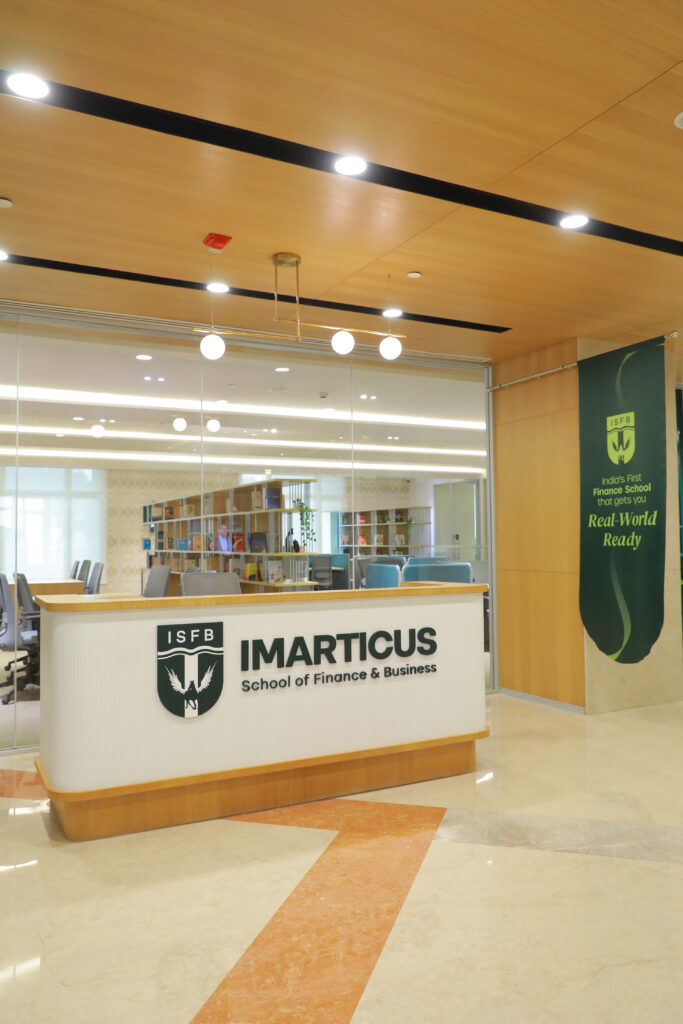
The second was the launch of ISFB, India’s first dedicated School of Finance & Business. Rather than adapting existing programs, Sonya chose to build a specialised institution focused on early-career finance education, signalling long-term commitment. Global validation followed in 2024, when Imarticus Learning was named among the World’s Most Transformational Growth Companies by the GSV 150 and recognised as Outstanding Education Company of the Year at the ET Business Leaders Awards.

Relevance Through Reinvention

Sonya operates with one non-negotiable principle: learner outcomes above all else. “Every decision we make, curriculum, partnerships, technology, is filtered through one question: will this create measurable career progress?” she explains. She is acutely aware that industries evolve faster than traditional education systems. Staying relevant, in her view, requires continuous employer engagement, performance data analysis, and rapid iteration. “What worked in 2012 wouldn’t work today, and what works today won’t work in 2030,” she says. “That’s the reality of education leadership.”

Solve the Problem You Can’t Ignore

To aspiring women entrepreneurs, her advice is pragmatic. “Don’t wait for perfect conditions,  they don’t exist.” She did not begin with a detailed blueprint. “I had a problem I couldn’t ignore and a belief that I could help solve it.”

Entrepreneurship, she believes, is iterative: start, learn, adapt. Surround yourself with people who challenge you, prioritise impact over optics, and prepare for a marathon rather than a sprint.

Today, Sonya defines success not merely by revenue but by transformation at scale, the number of individuals empowered to build sustainable, meaningful careers. Her closing advice is simple and direct: “Ask yourself what problem you can’t stop thinking about. Then go solve it.”

Leave a comment

Your email address will not be published. Required fields are marked *

Sukriti Mendiratta: Founder of Panda’s Box

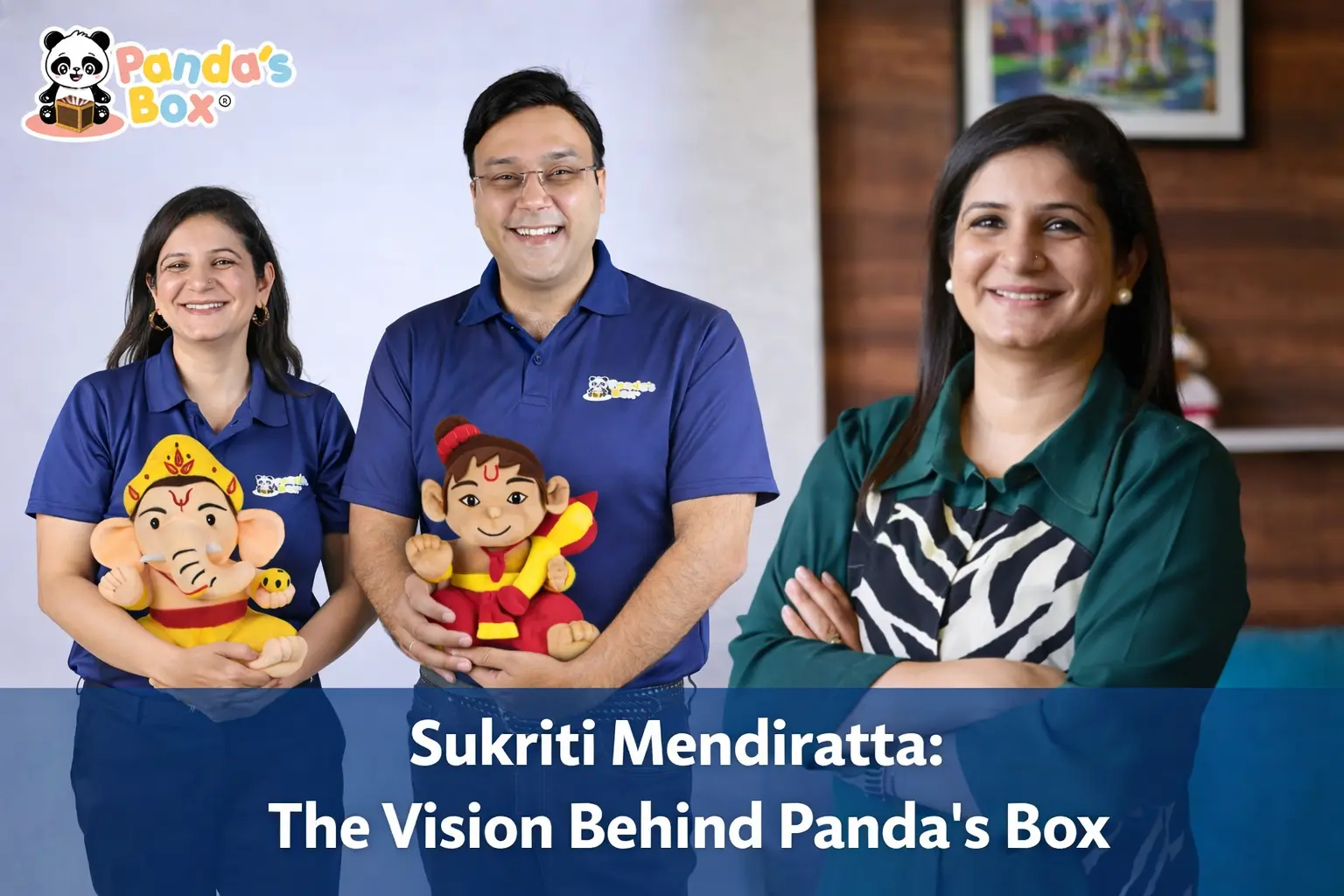
Sukriti Mendiratta is the founder of Panda’s Box, a Delhi-NCR-based direct-to-consumer children’s brand dedicated to culturally rooted, screen-free play. Armed with an MBA in Communications from the Symbiosis Institute of Media & Communication and a BA (Hons) in Journalism from Delhi College of Arts & Commerce, she brings both strategic thinking and storytelling expertise to her work. Her perspective is shaped as much by motherhood as by education. Growing up in a home where Indian stories, mantras, and traditions were woven into everyday life, she experienced firsthand the grounding power of culture. As a parent herself, she became increasingly aware of how quickly screens were replacing slow, meaningful childhood moments. Reclaiming Calm Childhoods Sukriti founded Panda’s Box to help families gently introduce Indian values and traditions during a child’s formative years. “Early childhood is the most powerful phase to build identity, confidence, and emotional security,” she believes. Her struggle to find non-digital, culturally relevant tools for her own child became the catalyst. She envisioned products that foster listening, repetition, touch, and shared experiences, calm alternatives to overstimulating digital content. Experience Over Stimulation With over 15 years of experience across brands like Cosmo First, Hyundai, Revlon, and Zydus Wellness, Sukriti combines corporate precision with maternal intuition. Panda’s Box is a pioneer of mantra-chanting toys in India and offers one of the most diverse collections of culturally rooted, screen-free products for children aged 0 to 6. Her philosophy is simple: play should nurture, not overwhelm. From Boardroom to Playroom Founded in April 2022, Panda’s Box emerged after Sukriti identified a clear gap in the market. Parents wanted to pass down values but lacked accessible tools. Schools didn’t address this space, and digital platforms often distracted more than they connected. Leaving behind a successful corporate career, she chose entrepreneurship, building tactile learning tools

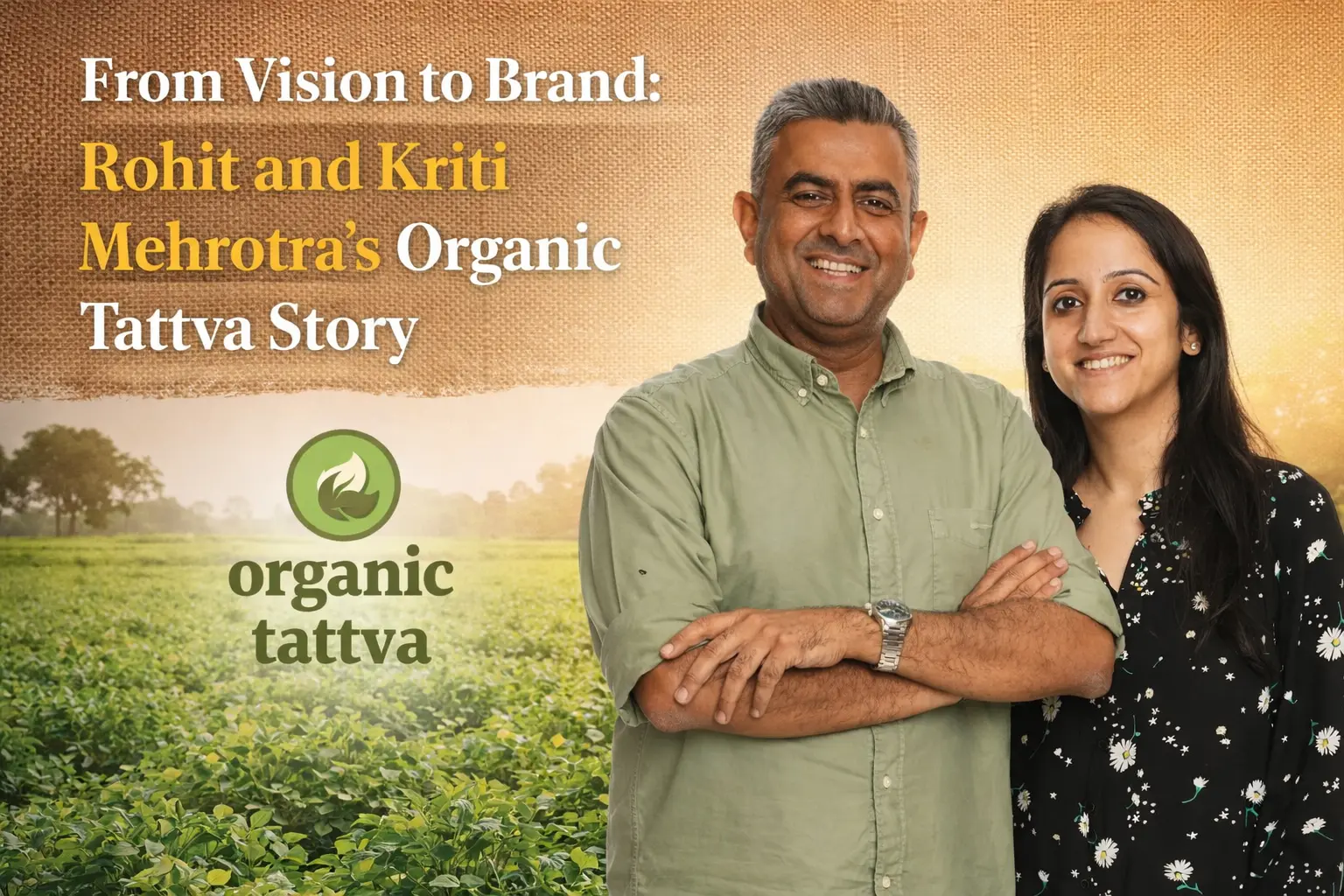
From Vision to Brand: Rohit and Kriti Mehrotra’s Organic Tattva Story

Rohit and Kriti Mehrotra, co-founders of Organic Tattva, combine entrepreneurial discipline and brand intuition to make organic living accessible and trustworthy. Their journey reflects a shared commitment to conscious choices, family health, and building a transparent, responsible food brand. Tell us a little about yourselves. What were each of you doing professionally before Organic Tattva came into the picture? Rohit Mehrotra: I come from an entrepreneurial background. Before Organic Tattva, I was involved in the business of exporting housewares and kitchenware. In 2012, I felt a strong pull towards the FMCG space and identified a clear gap in the organic food sector, particularly the need for a robust backend-to-front-end integration. That led to the inception of Organic Tattva. I’m a University of Sheffield alumnus, and I have been part of the management and operations for a while now. Kriti Mehrotra: I come from a Corporate Finance background with a diverse work portfolio and experience in the IT industry. I believe it’s my expertise in Finance and Export Management which has contributed significantly to the company’s growth, especially in expanding into international markets. I feel really committed to excellence and integrity, and to drive meaningful growth while establishing Organic Tattva as a trusted leader in its category. You come from different backgrounds. How did your journeys converge into creating an organic food brand together? Our differences have actually broadened our perspectives and strengthened our partnership. What truly brought us together was a shared set of values. Despite coming from different professional backgrounds, we both grew increasingly concerned about food safety, rising lifestyle-related health issues, and the declining trust in everyday food choices. Our complementary strengths and shared purpose naturally aligned, leading to the birth of Organic Tattva. Was there a single trigger moment or a gradual realisation that convinced you to

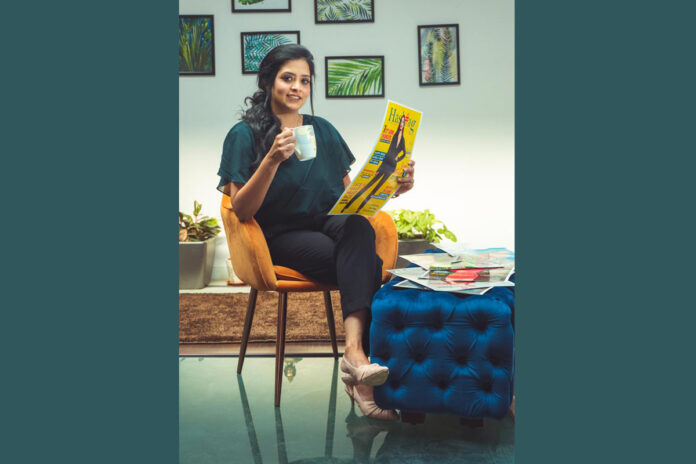
The lady behind India’s first digital magazine

How does a print journalist adapt and redefine digital journalism? A journalist, an Editor and now an entrepreneur, Sinduri Vuppala talks about redefining online reading with her venture, Hashtag Magazine and why digital is here to stay… For a lifestyle journalist with over 16 years of experience with local and national magazines, where she decided the direction of the editorial slant, it was perhaps the next natural thing to start a magazine. But then, Sinduri Vuppala’s latest assignment is hardly everybody’s cup of chai. For one, Hashtag is India’s first and only digitally interactive magazine. Secondly, the images and stories are hyper realistic taking the reading experience to a hitherto unknown level, Harry Potter fans would be reminded of the newspaper of the wizarding world, The Daily Prophet. Each time she heard of yet another big publication shut shop, she procrastinated on her idea. “I continued to persist on the idea that there were other people like me out there -people who still revelled in thick paper and sweet-smelling ink, not to mention thoughtful long-form journalism that take more than a couple of minutes and a smartphone camera to crank out…” Enter 2020, and the whole world went upside down. Covid really was the final nail in the coffin for the print media, which was already dying a natural death. “People stopped getting newspapers and overnight everything went digital, and information was all online. It also proves the speed with which digital works, you can reach about 60000 to a lakh people in a matter of hours (depending on your reach) in just a matter of minutes!” states Sinduri. The founder who initially dabbled multiple ideas, hot upon the perfect combination via Hashtag. The magazine has both long-form and snippet-y kind of stories; it is pan-India in its scope and caters to a wide variety

You May Also Like

Connect with us