Embracing Sustainable Fashion: Simple Steps to Making a Big Impact

Embrace Sustainable Fashion eco-friendly choices and learn 5 simple steps to make a big impact

In a world driven by fast-paced trends and throwaway culture, the fashion industry’s environmental and ethical impact is increasingly under scrutiny. Sustainable fashion emerges as a powerful solution, promoting a harmonious blend of style and responsibility. It transcends mere clothing; it embodies a commitment to eco-friendly materials, ethical production processes, and fair labour practices. Mehak Walia in conversation with Tushita Mehta, the founder of Style Island and the VP of marketing for Social Entrepreneur Club, UBC.

Many of us are seeing sustainable fashion as a term everywhere, prominently being associated with Bollywood actresses like Alia Bhatt and Deepika Padukone who have been repeating their wedding ensembles to promote sustainability but, let’s be honest- Choosing sustainable fashion isn’t just a trend; it’s a transformative choice with widespread benefits. By opting for eco-friendly and ethical clothing, individuals contribute to a healthier planet and support communities worldwide. Founded by Tushita Mehta, Delhi-based Style Island is a sustainable clothing and lifestyle brand working towards introducing eco-ethically produced goods. As a VP of Marketing, at the Social Entrepreneurship Club, she was required to galvanize support for the adoption of sustainable products among global stakeholders, policymakers, and consumers. Additionally, she conducted rigorous research to understand consumers’ lifestyle needs in developed as well as developing nations.

Discussing fashion sustainability as a whole, the talented diva exclaimed, “Sustainable fashion refers to the production, consumption, and disposal of clothing in an environmentally and socially responsible manner. The fashion industry has long been associated with various negative impacts, such as resource depletion, pollution, and labour exploitation. Sustainable fashion aims to address these issues by promoting ethical and eco-friendly practices throughout the entire fashion supply chain. It’s perfectly ‘cool’ to prioritize sustainability and personal significance over fleeting fashion fads. Every piece of clothing has a story, and we can make a powerful statement by reimagining and reusing our treasures, giving them a new lease on life in the process. As sustainability becomes a more prominent concern globally, many fashion brands are incorporating these principles into their business models to contribute to a more sustainable and responsible industry.”

Her zeal and wish to carry out eco-ethical fabric construction on a large-scale production level led her to build Style Island, a brand that made changes like using 50% less water than other garment manufacturers. Their commitment to water conservation ensures that every garment is not just stylish but also contributes to a greener planet. Further, their commitment to superior quality means less wear and tear, ensuring your wardrobe staples last longer and contribute to a more sustainable lifestyle. Each of the brand’s pieces is created to withstand trends, promoting longevity and reducing the impact of disposable fashion on the planet. From design to production, the brand prioritizes efficiency to minimize waste. The Style Island’s commitment to low-waste practices ensures that every garment tells a story of mindful creation.

Discussing the advantages of this shift to fashion sustainability, Tushita Mehta said, “Sustainable fashion aims to minimize the negative effects of clothing production on the environment by using eco-friendly materials, reducing pollution, and conserving resources. Sustainable fashion emphasizes fair wages, safe working conditions, and workers’ rights, addressing issues such as child labour and exploitation in the fashion industry. Embracing sustainable practices can lead to the long-term viability of the fashion industry by reducing reliance on finite resources and promoting more efficient and resilient supply chains. Sustainable fashion promotes the creation of high-quality, durable garments, encouraging a shift away from disposable, fast fashion items that contribute to a throwaway culture.”
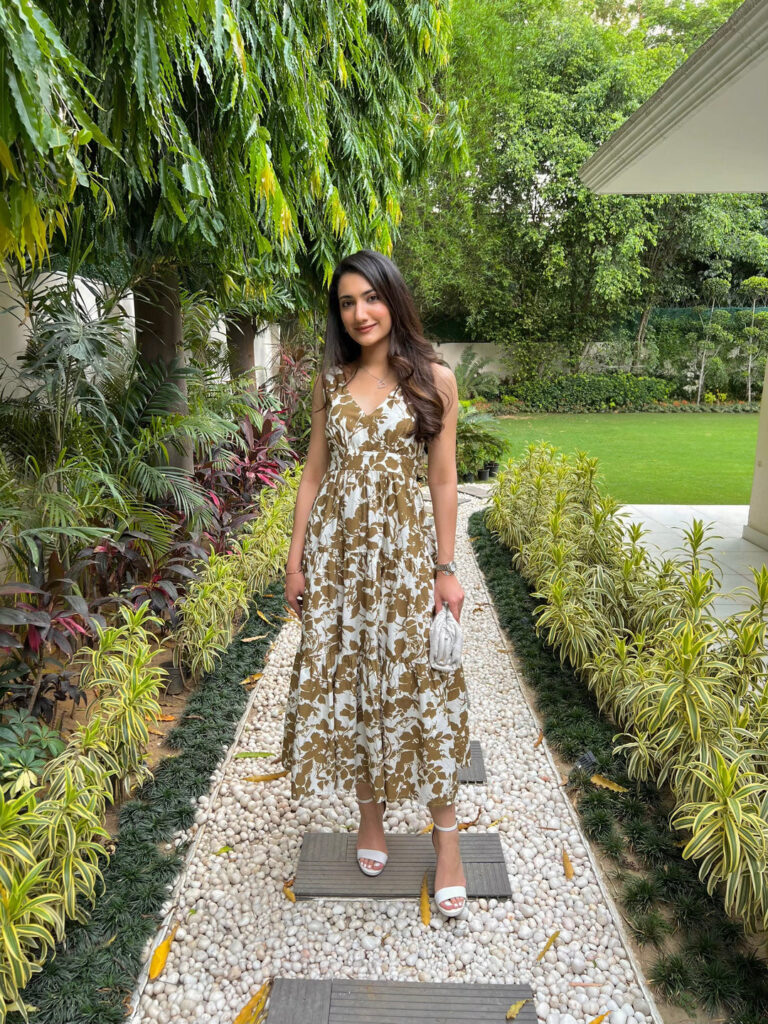
Long-term economic advantages and the superior quality associated with sustainable garments underscore the wisdom of this shift. So, do you want to incorporate the magic and beauty of sustainable fashion into your life? Well, let’s get the process going. Here are 5 simple and convenient ways to help you get there.

5 Simple Ways to Incorporate Sustainable Fashion in Your Life:

1. Mindful Consumption:

In a society accustomed to fast fashion, adopting mindful consumption is key. Prioritize quality over quantity, investing in timeless pieces that stand the test of trends. A wardrobe built on thoughtful choices minimizes environmental impact and fosters a sustainable mind set.

2. Second-hand and Vintage Shopping:

Explore the charm of second-hand and vintage shopping. Not only does this practice reduce clothing waste, but it also unveils unique fashion treasures. Bollywood stars like Alia Bhatt and Deepika Padukone have set a trend by reusing their wedding sarees, emphasizing the beauty of treasured pieces with sentimental value.

3. Clothing Swaps:

Transform your social circle into a fashion haven by organizing or participating in clothing swap events. Swapping garments with friends or the community is not only an eco-friendly way to refresh your wardrobe but also an opportunity to connect with like-minded individuals.

4. DIY and Upcycling:

Embrace your inner creativity by turning old clothes into new, personalized pieces. DIY projects and upcycling not only breathe new life into forgotten garments but also allow for self-expression and a sense of accomplishment.

5. Support Sustainable Brands:

Direct your purchasing power toward brands committed to sustainability and ethical practices. Bollywood stars endorsing sustainable fashion, like Priyanka Chopra and Kareena Kapoor Khan, amplify the importance of supporting brands that align with environmental and ethical values.

Raising awareness about sustainable fashion is crucial. Education empowers consumers to make informed choices, fostering a collective shift towards a more sustainable and responsible fashion industry. Share your knowledge and encourage discussions within your community to amplify the impact of sustainable choices. Incorporating sustainable fashion into our lives is not just a personal choice; it’s a collective responsibility. By making mindful decisions, embracing second-hand treasures, participating in clothing swaps, exploring DIY projects, and supporting ethical brands, each individual becomes a catalyst for positive change.

After all, Tushita believes that this trend is here to stay, “Consumer awareness regarding environmental and social issues is on the rise. As people become more informed about the impact of their choices, there is a growing demand for products that align with their values, including sustainable fashion. Younger generations, particularly Millennials and Generation Z, are more environmentally and socially conscious. The digital age and the influence of social media have enabled information about sustainable fashion practices to spread rapidly. Celebrities, influencers, and fashion bloggers often use their platforms to promote sustainable brands and practices, amplifying the message and encouraging widespread adoption. While the momentum of trends can be influenced by various factors, the multifaceted nature of sustainability and its alignment with evolving societal values suggest that sustainable fashion is likely to continue shaping the industry in 2024 and beyond.”

Bollywood stars and influencers, with their influence, highlight that sustainable fashion can be glamorous, setting the stage for a stylish and eco-conscious future for generations to come. This mindful shift, marked by intentionality and responsibility, ensures a sustainable fashion legacy for the evolving world of style, spanning beyond fleeting trends.

Leave a comment

Your email address will not be published. Required fields are marked *

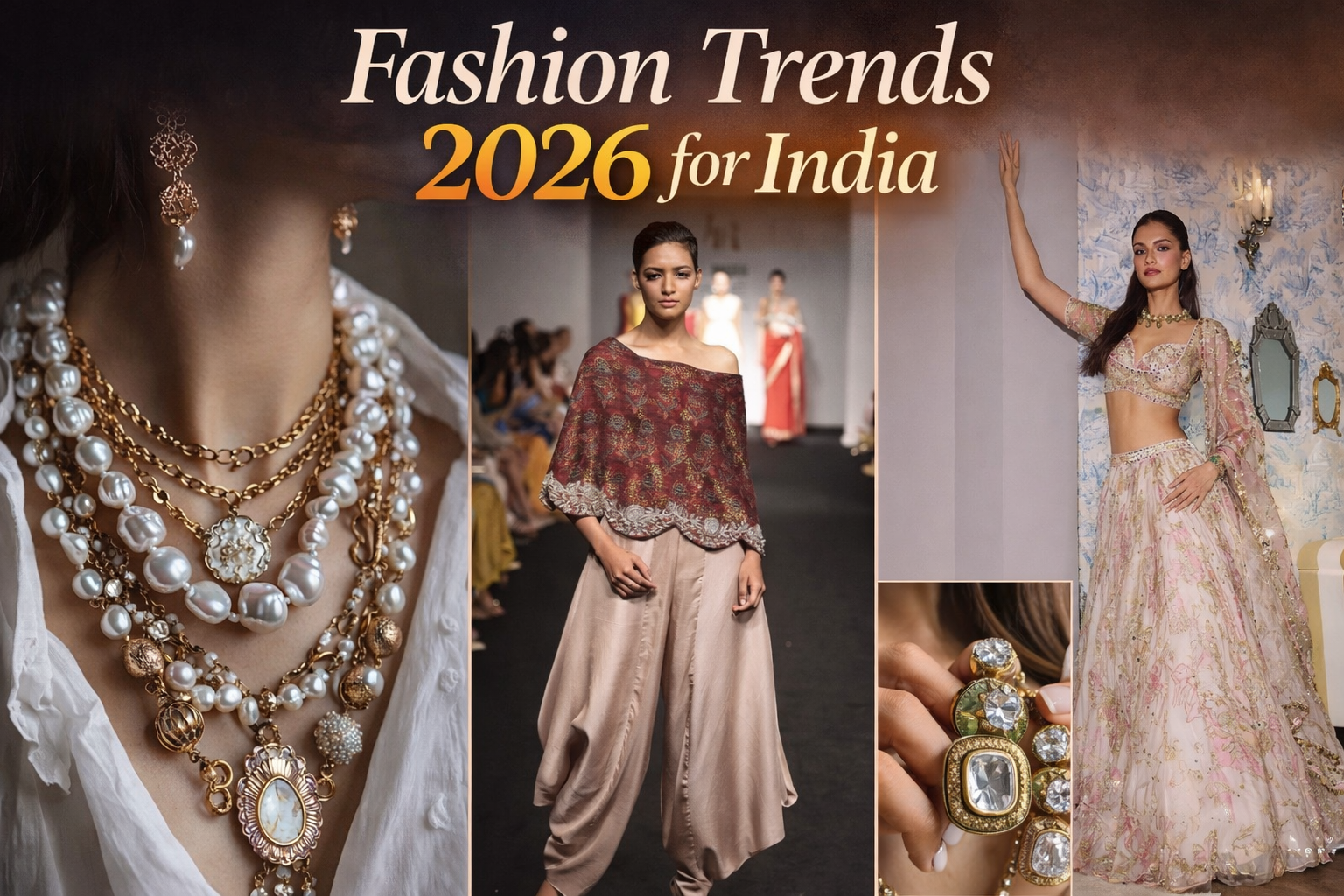
Fashion Trends 2026 for India

As India’s fashion ecosystem matures at the intersection of culture, technology, and sustainability, 2026 is poised to be a defining year. Below is a structured outlook on the key fashion trends expected to shape India this year… Sustainable Fashion Becomes the Default, Not the Differentiator By 2026, sustainability will no longer be a niche or premium positioning in India—it will be an expectation. Materials: Increased adoption of organic cotton, bamboo blends, banana fibre, hemp, and recycled polyester. Practices: Circular fashion models—resale, repair, and upcycling, and rental— gain mainstream traction. Consumer mindset: Shoppers demand transparency around sourcing, labour practices, and carbon footprint. Brands that fail to integrate sustainability at the core level risk losing relevance, particularly among Gen Z and urban millennials. Indian Craft Revival with a Modern Lens Indian fashion in 2026 doesn’t abandon tradition; it reinvents it: Handloom fabrics and artisanal textiles such as khadi, chanderi, and bandhani are being updated with modern cuts and silhouettes.   Ethnic pieces like sharara and gharara bottoms return with drama and movement, balanced by shorter kurtas or attached cape drapes.   Indo-western blends—co-ord sets, dhoti pants with crop tops, and sari gowns—continue to appeal to younger gen.  This trend reflects India’s fashion duality: honouring heritage while embracing global styling sensibilities. Fluid Fashion and Gender-Inclusive Design Gender boundaries in Indian fashion continue to dissolve, becoming more visible and commercially viable in 2027 Silhouettes: Kurta dresses, dhoti pants, oversized shirts, co-ord sets, and draped forms designed without gender labels. Retail evolution: Gender-neutral sections in both online and offline stores. Cultural impact: Particularly strong among urban youth and creative professionals. This shift reflects broader social acceptance and a move toward personal expression over conformity. Statement Accessories and Maximalist Flourishes While minimalism remains influential, accessories in 2027 are loud and expressive: Brooches, once relegated to formals, have made

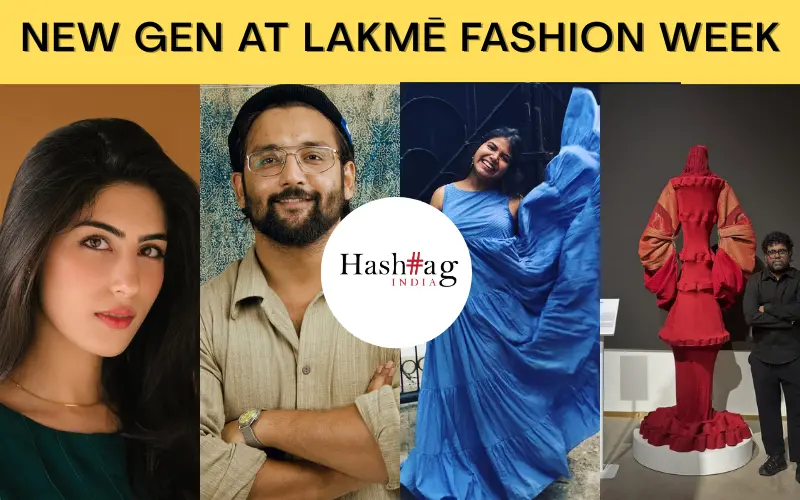
The Rise of the New Gen at Lakmē Fashion Week 2025

A new wave of designers is redefining the landscape of Indian fashion one that values purpose as much as aesthetics. At Lakmē Fashion Week x FDCI’s GenNext 2025, presented by NIF Global, we recently saw emerging talents that are fusing storytelling, sustainability, and cultural heritage to craft a more conscious, expressive future for design. Hashtag Magazine spotlights the rising stars who are weaving purpose into every thread the designers shaping not just what we wear, but why we wear it. This year’s GenNext 2025 cohort proves that the next generation isn’t just creating clothes they’re crafting conversations. From denim rebirths and handcrafted heritage to poetic sustainability and textile innovation, these visionaries are transforming Indian fashion into an art form rooted in authenticity, emotion, and soul. 1. Designer: Anam Hussain Label: Anam HussainCollection: Cut-PutlyUSP: A conceptual, sustainable exploration of empowerment through design. Inspired by Rajasthan’s Kathputlis the puppets that dance between control and liberation Anam Hussain’s Cut-Putly examines power, agency, and freedom through geometry and form. Structured, angular silhouettes represent restraint, while oversized shapes express release and individuality. The collection’s strength lies in its sustainability: over 1,000 kilograms of post-consumer denim waste was transformed through patchwork, crocheting, and hand-weaving into sculptural garments that balance grit with grace. For Hussain, waste isn’t discarded matter it’s creative potential. With hints of crochet handbags and accessories in development, Cut-Putly sets the tone for a label that is as thoughtful as it is experimental. 2. Designer: Mohammed Anas Sheikh Label: 23°N 69°ECollection: Unnamed (Kachchh-Inspired)USP: A poetic revival of Kachchh’s indigenous craft, rooted in minimalism and authenticity. Mohammed Anas Sheikh’s collection celebrates Kachchh’s artisanal spirit weaving its heritage into modern silhouettes that exude quiet strength. Centered around Kala cotton, a rain-fed indigenous fibre, his pieces highlight broken Ajrakh block prints, mirror work embroidery, and hand-dyed hues

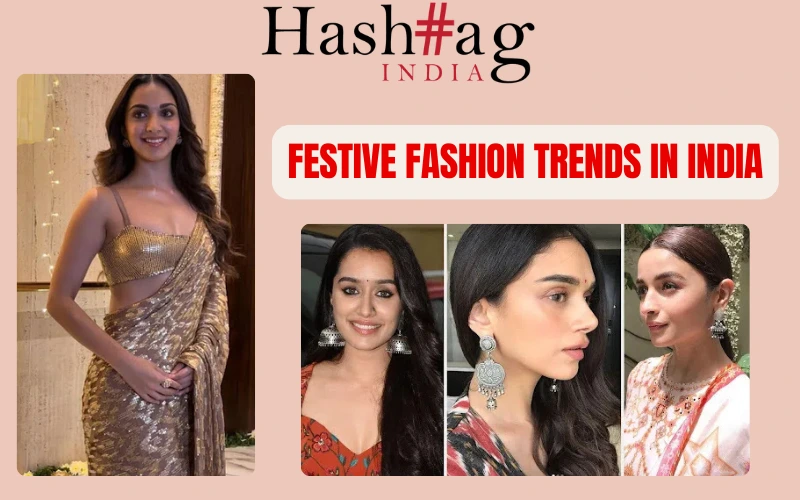
Latest Festive Fashion Trends In India

Intro: The smell of marigold flowers, the glow of diyas, the happy noise of families coming together. India’s festive season is here again, and with it comes the excitement of dressing up. Clothes are not just clothes during festivals; they are part of the celebration itself. This year’s festive fashion is a mix of tradition and modern style. From sarees to lehengas, from bold jewellery to subtle embroidery, here’s what is trending in 2025. 1. Sarees with a twist The saree is timeless. But this year, designers are giving it new life. Pre-draped sarees, gown-style sarees, and double-pallu drapes are everywhere. Designer Anamika Khanna is renowned for her dramatic draping styles, which add movement and glamour. Stars like Deepika Padukone and Kiara Advani have been wearing sarees with bold pleats, sculpted borders, and fresh silhouettes. It’s the same saree we love but reimagined for today. 2. Mix and Match Festive Separates Gone are the days of sticking to one complete set of a lehenga or a sari. Now people are mixing and matching. Heavy skirts are paired with light blouses or embroidered jackets, often accompanied by plain shararas. 3. Colours that surprise Traditional festivals’ colours like red, maroon, and gold are still there, but 2025 is experimenting. Soft tones like sage green, dusty mauve, teal, and ochre are shining this year. At Diwali parties, many celebs wore gold tissue sarees that looked festive yet classy. For Navaratri, green became the star colour, especially on the day dedicated to Goddess Skanda Mata. 4. Craft Revival and Sustainable Touch This year, old crafts are making a comeback in new and innovative ways. Hand embroidery, block prints, and vintage fabrics are being reused to create stunning outfits. Designer Mayyur Girotra even created a lehenga from five old brocade sarees, proving that fashion can

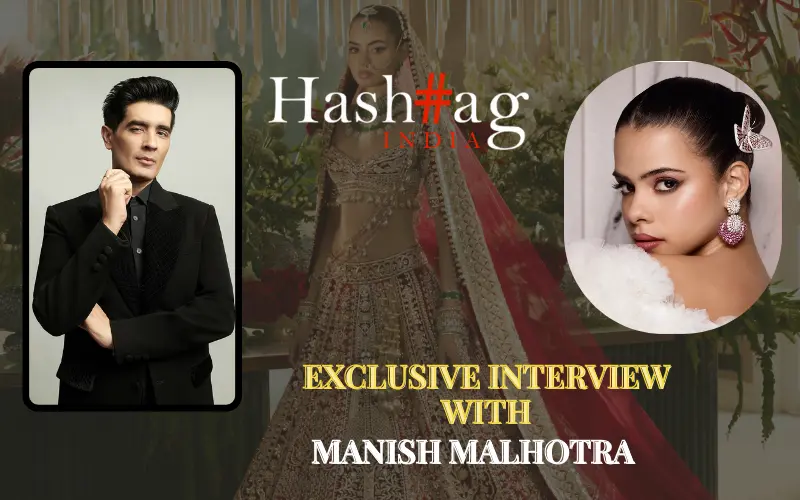
The Fashion Maestro: Exclusive Interview with Manish Malhotra On Bridal Trends

Hashtag Magazine brings you an exclusive interview with the legendary MANISH MALHOTRA, India’s most celebrated fashion designer. From redefining Bollywood glamour to shaping global couture, he opens up about his creative journey, inspirations, and the evolving world of fashion in 2025, offering rare insights into his iconic legacy. How are you making your signature bridal style more accessible to younger or more experimental brides while keeping that Manish Malhotra charm? You know, brides today are really fearless. They love their traditions, of course, but they also want to bring in their own personality, and I think that’s beautiful. For me, it’s about giving them the grandeur they’ve come to expect from a Manish Malhotra bridal look, but doing it in a way that feels fresh. That could mean innovative construction, modern silhouettes, or just a more effortless styling. The glamour will always be there, it’s just evolved. Sometimes it’s through a sharper corset, sometimes through a softer drape, but the magic is always alive. What are the top three bridal trends you see ruling weddings in 2025? So, first, I think it’s about layering. Whether it’s a signature head veil or even a cape, it allows a bride to really play with her look across different celebrations. It’s about showcasing unique embroidery or luxurious fabrics that can be styled in multiple ways. Then second, I’ve been loving crystal drapes, they bring in this beautiful sensuality and shimmer. It’s glamorous without trying too hard. And third, statement blouses – brides today are embracing unique necklines, dramatic sleeves, and corsetry to make the blouse the highlight. Which colours are defining the Manish Malhotra bridal palette this season? This season, I have been drawn to deep, decadent tones such as rich maroons, soft almond shades, old rose, and metallics that never go out

You May Also Like

Connect with us