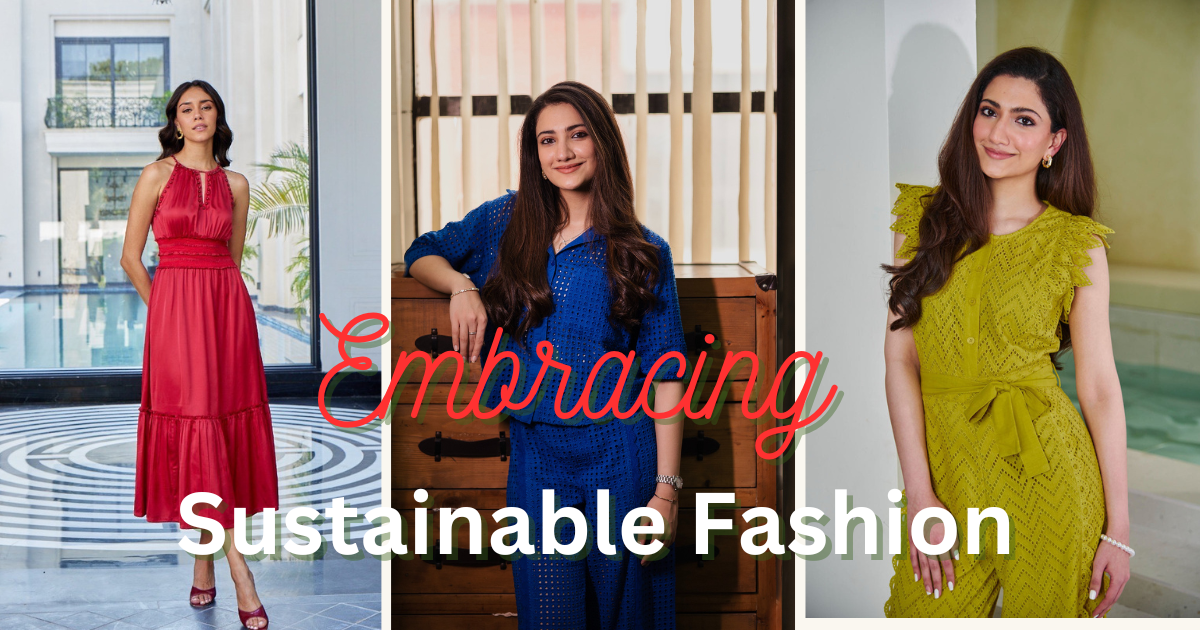
Embracing Sustainable Fashion: Simple Steps to Making a Big Impact

Embrace Sustainable Fashion eco-friendly choices and learn 5 simple steps to make a big impact

In a world driven by fast-paced trends and throwaway culture, the fashion industry’s environmental and ethical impact is increasingly under scrutiny. Sustainable fashion emerges as a powerful solution, promoting a harmonious blend of style and responsibility. It transcends mere clothing; it embodies a commitment to eco-friendly materials, ethical production processes, and fair labour practices. Mehak Walia in conversation with Tushita Mehta, the founder of Style Island and the VP of marketing for Social Entrepreneur Club, UBC.

Many of us are seeing sustainable fashion as a term everywhere, prominently being associated with Bollywood actresses like Alia Bhatt and Deepika Padukone who have been repeating their wedding ensembles to promote sustainability but, let’s be honest- Choosing sustainable fashion isn’t just a trend; it’s a transformative choice with widespread benefits. By opting for eco-friendly and ethical clothing, individuals contribute to a healthier planet and support communities worldwide. Founded by Tushita Mehta, Delhi-based Style Island is a sustainable clothing and lifestyle brand working towards introducing eco-ethically produced goods. As a VP of Marketing, at the Social Entrepreneurship Club, she was required to galvanize support for the adoption of sustainable products among global stakeholders, policymakers, and consumers. Additionally, she conducted rigorous research to understand consumers’ lifestyle needs in developed as well as developing nations.

Discussing fashion sustainability as a whole, the talented diva exclaimed, “Sustainable fashion refers to the production, consumption, and disposal of clothing in an environmentally and socially responsible manner. The fashion industry has long been associated with various negative impacts, such as resource depletion, pollution, and labour exploitation. Sustainable fashion aims to address these issues by promoting ethical and eco-friendly practices throughout the entire fashion supply chain. It’s perfectly ‘cool’ to prioritize sustainability and personal significance over fleeting fashion fads. Every piece of clothing has a story, and we can make a powerful statement by reimagining and reusing our treasures, giving them a new lease on life in the process. As sustainability becomes a more prominent concern globally, many fashion brands are incorporating these principles into their business models to contribute to a more sustainable and responsible industry.”

Her zeal and wish to carry out eco-ethical fabric construction on a large-scale production level led her to build Style Island, a brand that made changes like using 50% less water than other garment manufacturers. Their commitment to water conservation ensures that every garment is not just stylish but also contributes to a greener planet. Further, their commitment to superior quality means less wear and tear, ensuring your wardrobe staples last longer and contribute to a more sustainable lifestyle. Each of the brand’s pieces is created to withstand trends, promoting longevity and reducing the impact of disposable fashion on the planet. From design to production, the brand prioritizes efficiency to minimize waste. The Style Island’s commitment to low-waste practices ensures that every garment tells a story of mindful creation.

Discussing the advantages of this shift to fashion sustainability, Tushita Mehta said, “Sustainable fashion aims to minimize the negative effects of clothing production on the environment by using eco-friendly materials, reducing pollution, and conserving resources. Sustainable fashion emphasizes fair wages, safe working conditions, and workers’ rights, addressing issues such as child labour and exploitation in the fashion industry. Embracing sustainable practices can lead to the long-term viability of the fashion industry by reducing reliance on finite resources and promoting more efficient and resilient supply chains. Sustainable fashion promotes the creation of high-quality, durable garments, encouraging a shift away from disposable, fast fashion items that contribute to a throwaway culture.”
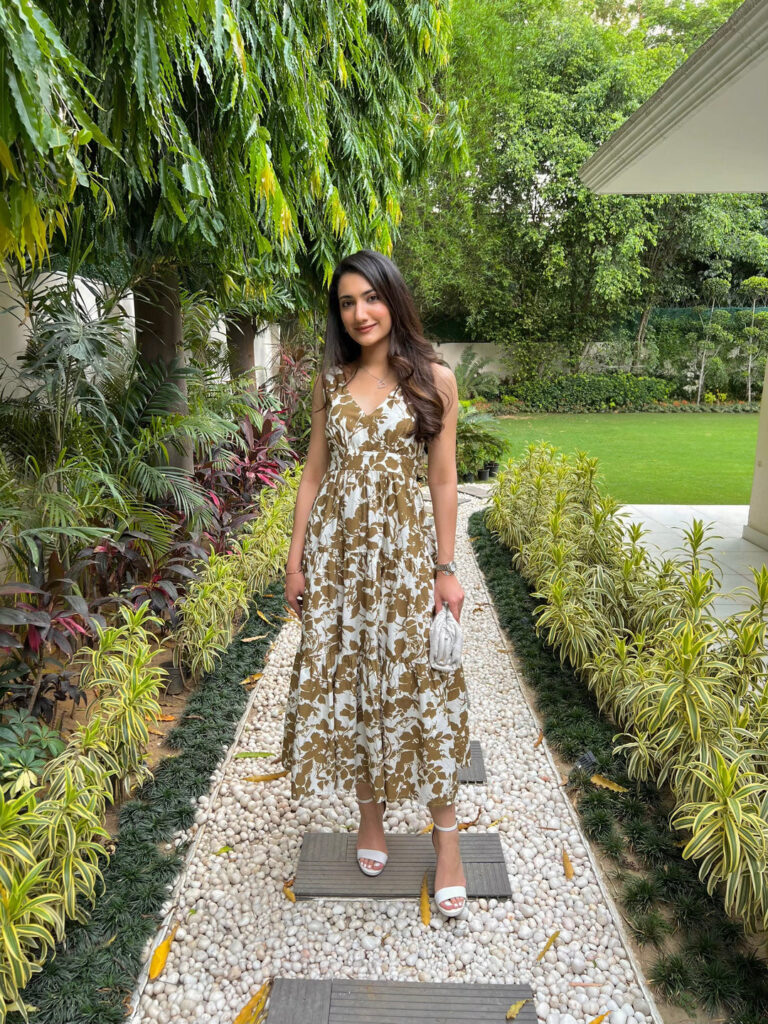
Long-term economic advantages and the superior quality associated with sustainable garments underscore the wisdom of this shift. So, do you want to incorporate the magic and beauty of sustainable fashion into your life? Well, let’s get the process going. Here are 5 simple and convenient ways to help you get there.

5 Simple Ways to Incorporate Sustainable Fashion in Your Life:

1. Mindful Consumption:

In a society accustomed to fast fashion, adopting mindful consumption is key. Prioritize quality over quantity, investing in timeless pieces that stand the test of trends. A wardrobe built on thoughtful choices minimizes environmental impact and fosters a sustainable mind set.

2. Second-hand and Vintage Shopping:

Explore the charm of second-hand and vintage shopping. Not only does this practice reduce clothing waste, but it also unveils unique fashion treasures. Bollywood stars like Alia Bhatt and Deepika Padukone have set a trend by reusing their wedding sarees, emphasizing the beauty of treasured pieces with sentimental value.

3. Clothing Swaps:

Transform your social circle into a fashion haven by organizing or participating in clothing swap events. Swapping garments with friends or the community is not only an eco-friendly way to refresh your wardrobe but also an opportunity to connect with like-minded individuals.

4. DIY and Upcycling:

Embrace your inner creativity by turning old clothes into new, personalized pieces. DIY projects and upcycling not only breathe new life into forgotten garments but also allow for self-expression and a sense of accomplishment.

5. Support Sustainable Brands:

Direct your purchasing power toward brands committed to sustainability and ethical practices. Bollywood stars endorsing sustainable fashion, like Priyanka Chopra and Kareena Kapoor Khan, amplify the importance of supporting brands that align with environmental and ethical values.

Raising awareness about sustainable fashion is crucial. Education empowers consumers to make informed choices, fostering a collective shift towards a more sustainable and responsible fashion industry. Share your knowledge and encourage discussions within your community to amplify the impact of sustainable choices. Incorporating sustainable fashion into our lives is not just a personal choice; it’s a collective responsibility. By making mindful decisions, embracing second-hand treasures, participating in clothing swaps, exploring DIY projects, and supporting ethical brands, each individual becomes a catalyst for positive change.

After all, Tushita believes that this trend is here to stay, “Consumer awareness regarding environmental and social issues is on the rise. As people become more informed about the impact of their choices, there is a growing demand for products that align with their values, including sustainable fashion. Younger generations, particularly Millennials and Generation Z, are more environmentally and socially conscious. The digital age and the influence of social media have enabled information about sustainable fashion practices to spread rapidly. Celebrities, influencers, and fashion bloggers often use their platforms to promote sustainable brands and practices, amplifying the message and encouraging widespread adoption. While the momentum of trends can be influenced by various factors, the multifaceted nature of sustainability and its alignment with evolving societal values suggest that sustainable fashion is likely to continue shaping the industry in 2024 and beyond.”

Bollywood stars and influencers, with their influence, highlight that sustainable fashion can be glamorous, setting the stage for a stylish and eco-conscious future for generations to come. This mindful shift, marked by intentionality and responsibility, ensures a sustainable fashion legacy for the evolving world of style, spanning beyond fleeting trends.


Leave a comment

Your email address will not be published. Required fields are marked *

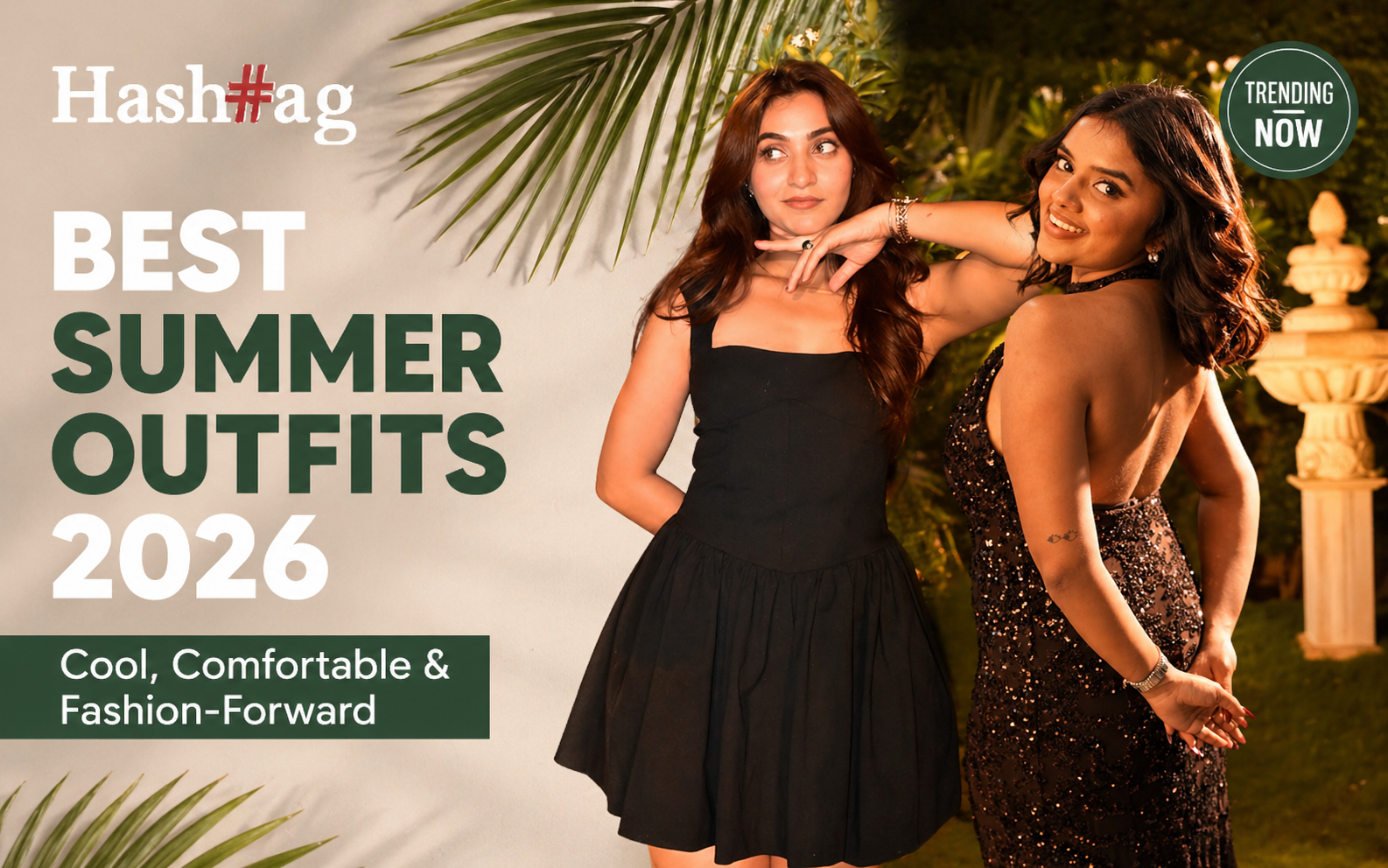
Best Summer Fashion Outfits 2026

Wondering what to wear this summer? Hashtag Magazine brings you effortless style tips from fashion creators to help you stay cool, chic, and on-trend all season long. Jahanvi Tiwari, Mumbai YouTuber & Beauty Content Creator Jahanvi Tiwari, the face behind Thebrowndaughter, has built a strong voice in the beauty and lifestyle space with a community of nearly 1.5 million followers. Known for her authentic approach and focus on representation, her style reflects ease, confidence, and trend awareness. Her Summer Essentials: Linen Love: Invest in breathable linen trousers and shirts easy, elevated, and perfect for the heat. Soft Colour Palette: Think butter yellow, baby pink, and light blue for a fresh, summery feel. Maximalist Accessories: Pair minimal outfits with bold bangles, rings, or waist chains to add personality. Deepa Rani, Delhi Fashion & Lifestyle Creator Deepa Rani is known for her minimal, refined aesthetic rooted in simplicity and authenticity. Her style leans toward timeless pieces that feel both elegant and practical. Her Summer Style Guide: Breathable Fabrics First: Choose linen, cotton, and mulmul over synthetics for a luxe yet comfortable look. Relaxed Silhouettes: Flowy trousers, oversized shirts, and co-ords keep things polished yet easy. Minimal Accessories: Opt for dainty gold jewellery, a classic tote, or sleek sunglasses less is more. From breezy fabrics to statement details, summer dressing is all about balance comfort meets style, with a touch of individuality.

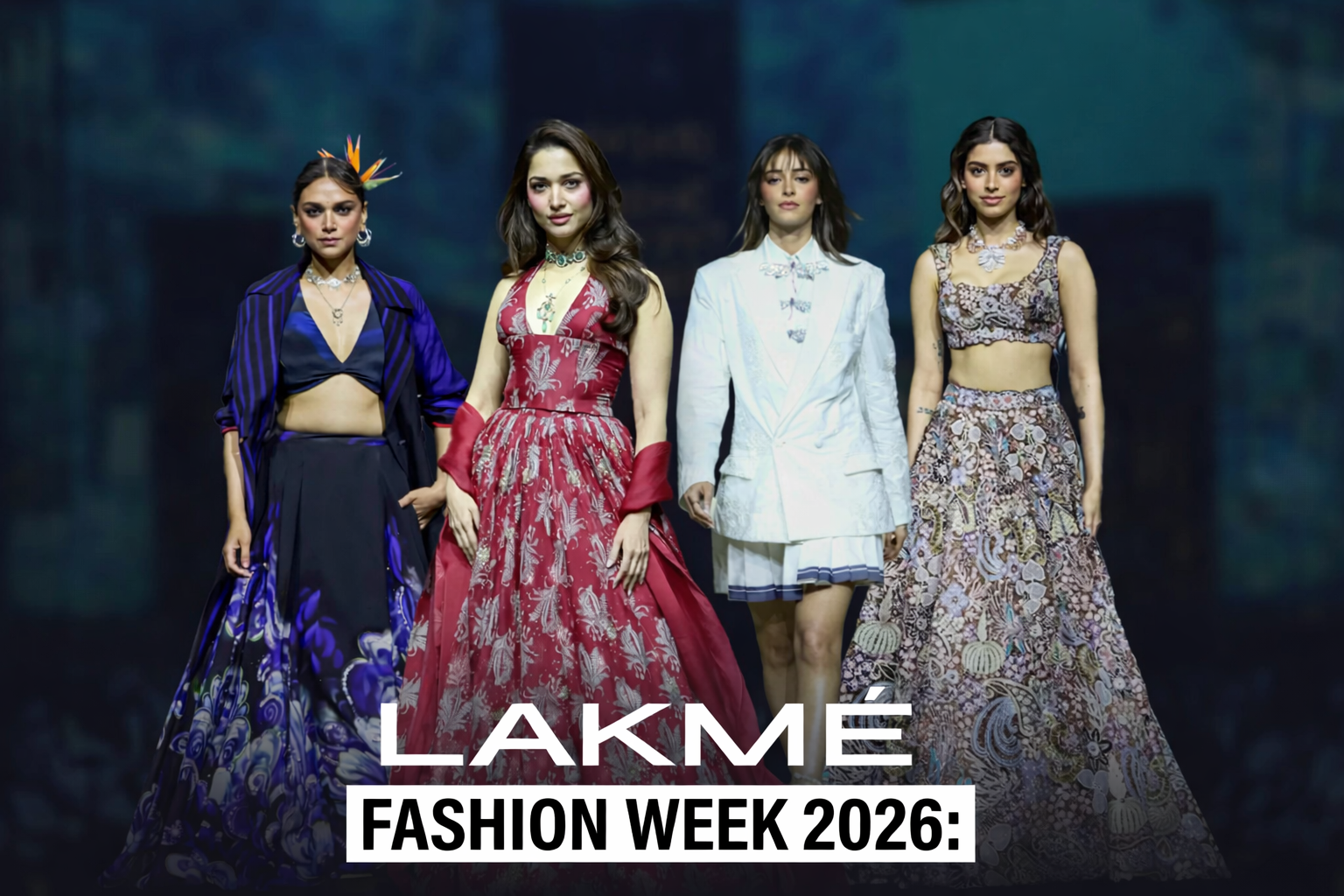
Lakmé Fashion Week 2026: Designers Shaping the Future of Indian Fashion

At Lakmé Fashion Week March 2026, Indian fashion moved beyond spectacle into a more process-driven, thoughtful era. This season wasn’t just about trends; it was about how clothes are made, who makes them, and why they matter. From artisanal revival to futuristic textiles, designers showcased a powerful blend of sustainability and innovation. Hashtag magazine gives you the key highlights Péro by Aneeth Arora: Out of Office Background: Known for “international clothing with an Indian heart,” Aneeth Arora focuses on artisanal, handmade textiles. Collection Spotlight: The runway was transformed into a theatrical office space complete with desks and telephones. The collection used a strict palette of blue and white to reimagine rigid workwear as playful, comfortable attire. USP: Sartorial theatre that addressed the modern work-life balance through hand-embroidered, “carefree” garments. Manish Malhotra: Luxury Prêt & Accessories Debut Background: India’s premier bridal couturier, Malhotra, is famous for his cinematic glamour and association with Bollywood. Collection Spotlight: This show marked his first dedicated luxury prêt (ready-to-wear) line and the launch of MM Accessories. The collection focused on “Quiet Luxury”, multi-wear separates and travel-ready couture. USP: Lifestyle Branding. A pivot from heavy bridal couture to a versatile, modern wardrobe that maintains his signature “timeless glamour”. AFEW by Rahul Mishra: White Gold Background: Mishra is a global pioneer in sustainable luxury and was the first Indian to win the International Woolmark Prize. Collection Spotlight: In partnership with SUPIMA, this collection explored the ecology of cotton. Motifs included dragonflies, marigolds, and insects, all hand-embroidered on fine cotton and Chanderi weaves. USP: “Cotton into Couture.” Repositioning humble cotton as a high-luxury fibre through artisanal density and a quieter, more restrained aesthetic. Amit Aggarwal: Orizon Background: A master of structured, architectural fashion who uses recycled materials and signature metallic polymer strips. Collection Spotlight: In collaboration with Indriya Jewels,

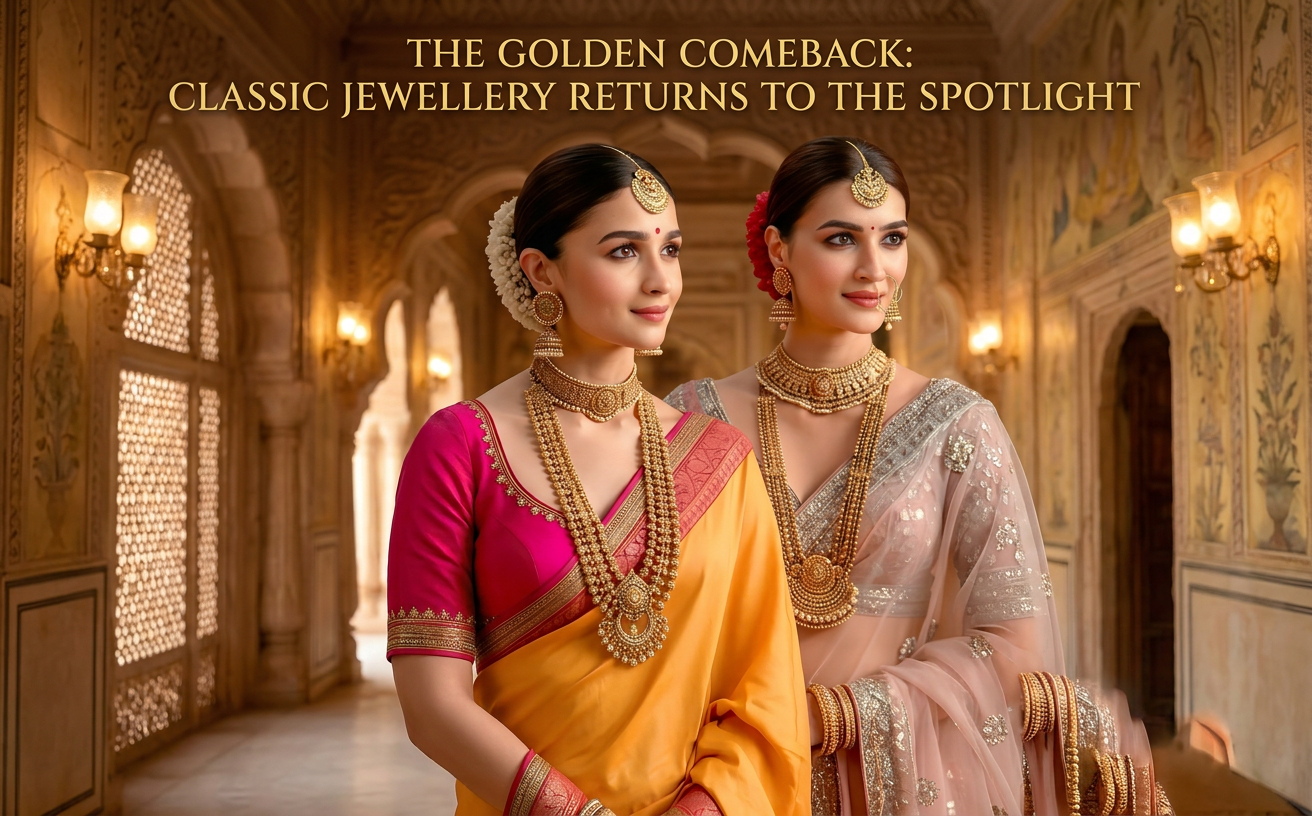
Gold Is Back: Why Classic Jewellery Is Regaining Its Shine in 2026

For the past decade, the jewellery industry has seen waves of change. Artificial jewellery, minimalist designs, and the rapid rise of lab-grown diamonds have transformed consumer preferences, especially among younger buyers looking for affordable luxury. Yet in 2026, gold jewellery is quietly reclaiming its throne. From weddings to everyday fashion and even men’s accessories, gold is experiencing a powerful resurgence not just as ornamentation, but as a trusted investment. The Investment Factor One of the biggest reasons for gold jewellery’s comeback is simple: stability. While diamonds and lab-grown alternatives have gained popularity due to affordability, they often lack strong resale value. Gold, on the other hand, remains a tangible asset that can be sold, exchanged, or passed down generations. This financial security has made gold increasingly attractive to modern buyers who want jewellery that doubles as an investment. During recent wedding seasons in India, jewellers have reported rising demand for plain gold jewellery in 22K, 18K and 14K forms as buyers prioritise long-term value over heavily diamond-studded pieces. With gold prices steadily climbing in recent years, many consumers now view gold jewellery as a form of wearable wealth something that carries emotional significance while also retaining monetary value. Celebrity Influence and the Wedding Effect Celebrity culture continues to play a major role in shaping jewellery trends. A recent example is the high-profile wedding of actors Rashmika Mandanna and Vijay Deverakonda, which sparked widespread discussion about heritage jewellery. The couple’s wedding looks prominently featured elaborate handcrafted gold pieces inspired by South Indian temple architecture. Rashmika reportedly wore eleven pieces of traditional gold jewellery, while Vijay made headlines for embracing bold groom jewellery including layered necklaces, ear studs, cuffs and other royal-inspired ornaments. Their wedding highlighted something significant: gold jewellery is no longer just for brides. Men Are Embracing Jewellery Again Historically,
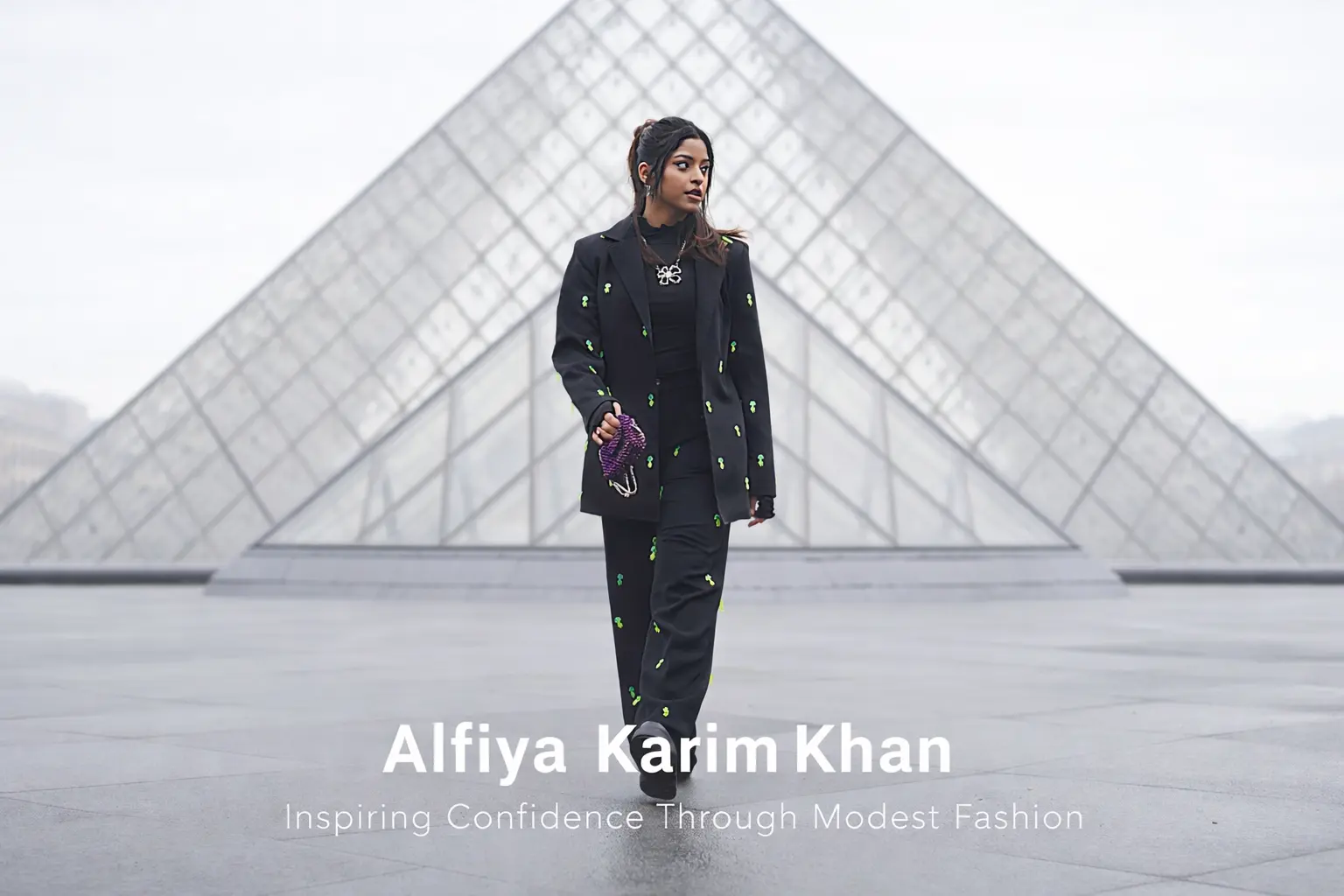
Alfiya Karim Khan: Mumbai YouTuber Redefining Modest Fashion and Digital Influence

Alfiya Karim Khan grew up in Mumbai in a family where education was non-negotiable, and ambition was encouraged, so long as it followed a conventional path. Academically strong, medicine seemed almost predetermined for her. But internally, she felt drawn elsewhere. “Deep down, I always knew my life did not belong in a hospital corridor,” she says. “It belonged in the creative industry.” Choosing to pursue a Bachelor’s degree in Mass Media instead of medicine was met with hesitation and doubt. Coming from a background where most women were financially dependent, she had rarely seen female entrepreneurship firsthand. That absence became fuel. “Every time someone questioned whether content creation was serious, it pushed me to take it more seriously,” she reflects. What began quietly in her bedroom evolved into financial independence and professional stability. Today, her work represents more than a career; it symbolises “choosing conviction over comfort.” A Cultural Voice in Modest Fashion Alfiya identifies as a digital entrepreneur and a cultural voice within the modest fashion space. A decade ago, the online fashion landscape felt misaligned with her personal style. “I did not want to shape-shift just to belong,” she explains. “I decided to build around my authenticity instead of bending away from it.” Over the past 10 years, she has collaborated with global and legacy brands, been recognised among Forbes’ Top 100 Digital Stars, and represented modest fashion at Paris Couture Week. For her, these milestones represent more than visibility; they signal representation. “This is not just fashion content,” she says. “It is about showing that ambition and values can coexist.” Reinterpreting, Not Rejecting At its core, her work reinterprets mainstream fashion through a modest lens. Rather than rejecting trends, she modifies them, layering strategically and reshaping silhouettes. “Fashion does not have to be abandoned to align with

You May Also Like

Connect with us