7 REASONS WHY YOUR VITAMIN D LEVELS ARE LOW

7 REASONS WHY YOUR VITAMIN D LEVELS ARE LOW - Hashtag Magazine

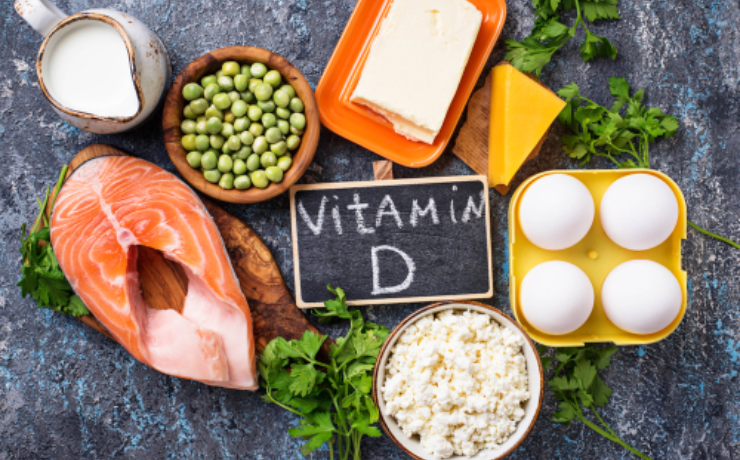
Do you know what causes low vitamin D and how to prevent a lack of this essential nutrient? Vitamin D sometimes referred to as the “sunshine vitamin,” is mostly obtained through sunlight. We also obtain vitamin D from a variety of food sources, including eggs, fatty fish, cheese, soy milk, and fortified meals, as well as from our skin, which produces the essential component when exposed to sunshine. Vitamin D can be obtained in three ways: through the skin, through diet, and through supplements. Sakshi Singh, pursuing graduation in BSc Home Science with a specialisation in clinical nutrition and dietetics from Isabella Thoburn College Lucknow lists seven reasons why your Vitamin D levels are low.  

In addition to many other health problems, low vitamin D levels may raise the risk of osteoporosis, fractures, loss of bone density, and rickets. Numerous scientists are looking at the relationship between vitamin D and autoimmune disorders like multiple sclerosis and diseases including diabetes, high blood pressure, and cancer. Low vitamin D levels can be caused by a variety of factors, including inadequate sunlight exposure, old age, and chronic kidney disease. 

The reference range for Vitamin D deficiency varies, but many consider 20 ng/mL to be deficient. Many studies, however, suggest that a more optimal level is around 60 mg/mLLow levels of vitamin D can be caused by a variety of things, including inadequate sun exposure, advanced age, and chronic renal illness. Vitamin D deficiency has become more prevalent recently. It is less readily available in foods, and people do not get enough sunlight. Sunlight exposure in the early morning, before 8 am, aids in the production of vitamin D. Unfortunately, people don’t have much sun exposure because of their busy schedules. Some patients have chronic renal disease, which prevents the body from producing the active form of vitamin D.  Increased consumption of vitamin D-rich meals each day helps control vitamin D levels. Keep in mind that most meals do not provide enough vitamin D on their own to meet daily recommendations. To ensure that vitamin D is absorbed into the bone tissue, adequate physical activity is necessary. When we are not exposed to sunlight, our bodies are unable to produce enough vitamin D3. 

A sulphur shortage could also result from avoiding foods like broccoli, eggs, nuts, seeds, and legumes, which are sources of the mineral. When your skin is exposed to sunlight, your body produces cholesterol. It’s also found in some foods, such as fatty fish and fortified dairy products, but getting enough from diet alone is difficult.

The recommended daily intake (RDI) is typically 400-800 IU, but many experts believe you should get even more. Vitamin D deficiency is widespread. It is estimated that approximately 1 billion people around the world have low levels of the vitamin in their blood.

 Signs of Vitamin D deficiency:- 

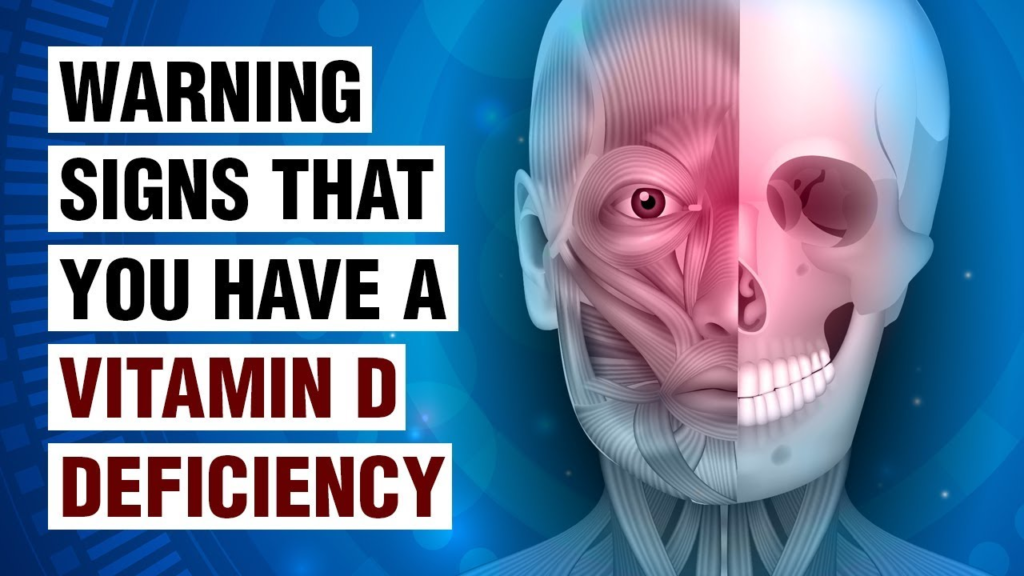
There are many symptoms of vitamin D deficiency, and many of them overlap with symptoms of other major diseases. Only a proper blood test or a few other important tests, such as a calcium and phosphate level test, can help your doctor determine vitamin D deficiency. Furthermore, there are several symptoms of this deficiency, which are as follows:
  • Aching Muscles:- It is one of the most significant signs because vitamin D aids in the absorption of calcium, and calcium aids in the maintenance of bone strength. This, in turn, affects the strength, flexibility, and mobility of your bones. As a result, bones may become achy and weak.
  • Binge Eating:- People today are addicted to new patterns, lifestyle changes, and technological advancements. Binge eating frequently leads to impaired tendencies and may cause the lack of Vitamin D or any other nutrient.
  • Painful Bones:- Because of its relationship with calcium and phosphate, vitamin D helps maintain bone strength, as previously discussed. The bones may weaken, causing pain, cracking noises, problems bending, standing, or doing any activity, or affecting how your joints work.
  • Fatigue:- Vitamin D is essential for cell metabolism, meaning its deficiency can make you sleep for long and tired for no reason. It can also make it difficult for you to carry out your daily activities.
  • Low moods:- Vitamin D is important for brain health and neurotransmitter production, and deficiency has been linked to depression, anxiety, dementia, and other cognitive disorders.
  • Heart Problems:- A lack of vitamin D has been linked to an increased risk of heart and cardiovascular diseases such as high blood pressure and stroke.
  • Reduced cognitive function:- Vitamin D has neuroprotective properties, and is involved in nerve function preservation, and a lack of it has been linked to cognitive diseases such as dementia.
  • Depression:- A depressed mood could also indicate a vitamin D deficiency. Researchers have linked vitamin D deficiency to depression, particularly in older adults, in review studies. In one study, 65% of observational studies discovered a link between low blood levels and depression. However, the researchers who reviewed the studies noted that vitamin D dosages in controlled studies were frequently very low. 

7 Common Risk factors of Vitamin D deficiency 

  • Having dark skin.
  • Being elderly.
  • Being overweight or obese.
  • Not eating much fish or dairy.
  • Always using sunscreen when going out.
  • Staying indoors.
  • People who live close to the equator and receive a lot of sunlight have a lower risk of vitamin D deficiency because their skin produces enough vitamin D to meet bodily needs.

Fixing your deficiency is simple and can have significant health benefits. Vitamin D deficiency is extremely common, and the majority of people are unaware of it. This is because the symptoms are frequently subtle and non-specific, making it difficult to determine whether they are caused by low vitamin D levels or something else. If you suspect you have a deficiency, consult with your doctor and have your blood levels checked. Fortunately, vitamin D deficiency is usually simple to correct. Increase your sun exposure, eat more vitamin-D-rich foods like fatty fish or fortified dairy products, or take a vitamin D supplement. 

Leave a comment

Your email address will not be published. Required fields are marked *

Top 10 High-Protein Indian Vegetarian Meals for Peak Summer Energy

Summer in India is not just hot, it is exhausting. You wake up tired. By afternoon, you can barely think straight. You reach for chai, then cold drinks, then more chai. And somehow, by evening, you feel worse than when the day started. Here is what most people don’t know: the food you eat in summer decides how much energy you carry through the day. Heavy, oily meals make you sluggish. Too little food leaves you dizzy. But high-protein vegetarian meals, the kind Indian kitchens have been making for centuries, give your body exactly what it needs to stay sharp, stay cool, and stay strong. Dhanush Kumar writes about the Top 10 High-protein Indian vegetarian meals, which are not fancy supplements, no expensive imports. Just real Indian food, done right. Moong Dal Chilla If you eat just one thing differently this summer, make it this. Moong dal chilla is a thin, crispy pancake made from soaked green moong, and it is one of the lightest, most protein-rich breakfasts in Indian cooking. The magic of moong in summer is real. It is naturally cooling for the body, and it digests easily, so you don’t feel heavy after eating. Add some grated ginger and green chilli, a little ajwain, and serve with green chutney, and you have a breakfast that keeps you full till noon without weighing you down. Children love it. Office-goers love it. Your body in 42 degrees of heat will absolutely love it. Rajma Chawal Yes, it is a classic. Rajma is one of the highest-protein legumes available in India, rich, thick, and deeply satisfying. Pair it with plain rice, and you have a complete meal with all the essential amino acids your body needs. The trick in summer is to make it lighter: Less oil, more tomatoes, skip

Taste the New: Trending Restaurants & Culinary Concepts in Town

Discover the latest restaurants, menus, and culinary concepts making waves across the city. From exciting new launches to fresh dining experiences, this section brings you the must-visit spots every food lover should know about. What: The Reservoire Where: Bengaluru The Reservoire has emerged as India’s largest cocktail bar, setting a new benchmark in the country’s evolving drinking culture with an extraordinary menu of over 100 cocktails. Known for its cocktail-first philosophy, the Bengaluru hotspot blends experimentation, storytelling, and immersive hospitality to create a space where drinks are crafted as memorable experiences rather than just menu items. The expansive cocktail program celebrates both innovation and familiarity. Signature creations such as Kokum Spiritz highlight regional Indian flavours, while indulgent blends like Strawberry Cheesecake blur the line between dessert and drink. Playful twists like Not A Pinacolada surprise the palate, alongside classics such as the Paloma and contemporary favourites like the Blueberry & Gin Sour. Other standouts include Mellow Minty, the bold GCT (Guava Chilli Tequila), the vibrant Blue Pea Ultimate G&T, and the house favourite Reservoire Drop. With a menu designed for discovery and constant exploration, The Reservoire invites guests to experience cocktails more dynamically and experimentally. Combining scale with craftsmanship, the bar continues to position itself as a destination for cocktail enthusiasts and curious drinkers alike in Bengaluru’s thriving nightlife scene. What: Shaara Where: Pune Ishaara, the experiential dining concept by Bellona Hospitality, has introduced a limited-time Kebabs & Curries Menu at its Pune outlets in Phoenix Marketcity, Viman Nagar and Phoenix Mall of the Millennium, Wakad. The special menu celebrates the rich culinary legacy of grilling and slow-cooked curries, drawing inspiration from Persian, Turkish, and Mughal traditions while presenting them with Ishaara’s contemporary finesse.The menu features an array of flavourful kebabs such as Persian Jujeh Kebab, Turkish Adana Kebab, Burra

A Meal with a Southern Touch

What: Bhojanam Where: Hyderabad If you’re craving a meal that feels like home, Bhojanam in Jubilee Hills offers a warm, flavourful journey through the heart of Telugu cuisine. When in the South, a thali is one of those experiences that instantly gets your lips smacking, comforting, wholesome food served traditionally on a banana leaf. In the heart of Hyderabad, Bhojanam brings this experience to life with authenticity and warmth. Located in Jubilee Hills, this sprawling 8,000 sq. ft. space has been thoughtfully put together by Pranavi Chekuri and Teja Chekuri under Fullstack Ventures. Every detail reflects a personal touch. Pranavi, who grew up learning traditional cooking from her grandmother, has incorporated her own family recipes into the menu, even something as simple as rasam is crafted with a deeply homely, authentic flavour. The space is simple yet inviting, with indoor and outdoor seating, and an open kitchen where the aromas of freshly prepared dishes fill the air. At its core, Bhojanam celebrates the rich culinary heritage of the Telugu-speaking regions—Krishna, Godavari, Rayalaseema, and Telangana, through a thoughtfully curated, region-first thali experience. Since I’m allergic to seafood, I opted for the Krishnamma Bhojanam. We began with fresh sugarcane juice, pressed on-site, with hints of lime and ginger, refreshing and perfectly balanced. What followed felt deeply personal. Pranavi joined us for the meal and made sure everything was served just right. Conversations flowed easily about food, influences, and the stories behind certain dishes, adding a layer of warmth to the experience. The meal included dishes like natu kodi vepudu and pulusu, each carrying a distinct homemade quality, nothing overdone, just honest flavours that felt like they belonged in a family kitchen. During a conversation about local Telangana dishes, anapakaya ginjalu (hyacinth beans) came up, and Pranavi mentioned that they make vadas with

Cool & Nourish: Refreshing Summer Drinks to Beat the Heat

As temperatures rise during the summer months, staying hydrated becomes essential for maintaining energy, digestion, and overall health. While water remains the most important source of hydration, traditional summer drinks made with natural ingredients can provide additional nutrients and cooling benefits. Across India and other tropical regions, seasonal beverages made from fruits, herbs, and dairy have long been used to regulate body temperature and replenish minerals lost through sweat. These refreshing drinks not only quench thirst but also support digestion, boost immunity, and help the body stay balanced during intense heat. Here are some easy summer beverages along with their health benefits and simple recipes you can try at home. Aam Panna (Raw Mango Summer Cooler) Aam Panna is a classic summer drink known for its tangy flavour and cooling properties. It is made from raw mangoes blended with spices and herbs. Health BenefitsRaw mangoes are rich in vitamin C and antioxidants, which help boost immunity and prevent dehydration. The drink also restores electrolytes lost through excessive sweating and protects against heatstroke. Why You Should Drink ItAam Panna is considered one of the best traditional drinks to combat summer fatigue and heat exhaustion. Recipe Ingredients 2 raw mangoes 3 tablespoons sugar or jaggery (adjust to taste) ½ teaspoon roasted cumin powder A few fresh mint leaves A pinch of black salt 2 cups chilled water Method Boil or pressure-cook the raw mangoes until soft. Peel the skin and extract the pulp. Blend the pulp with sugar, mint leaves, cumin powder, and black salt. Add chilled water and mix well. Serve cold with ice and a few mint leaves for garnish. Buttermilk (Chaas) Buttermilk is a light, refreshing drink made from yogurt diluted with water and flavoured with spices. Health BenefitsIt is rich in probiotics, which support gut health and digestion.

You May Also Like

Connect with us