8 lesser-known foods in India you must try!

India is a land of diversity and diversity means converging cultures, food, and traditions. It is not uncommon for someone from the East to be unaware of food generally eaten in the West and vice versa but, knowing various kinds of dishes from all over the country indeed makes a good conversation starter! In this article, Imnasanen talks about a few dishes hailing from various parts of the country that can be considered underrated when compared to the more popular dishes like puris, biryanis, etc., in India.

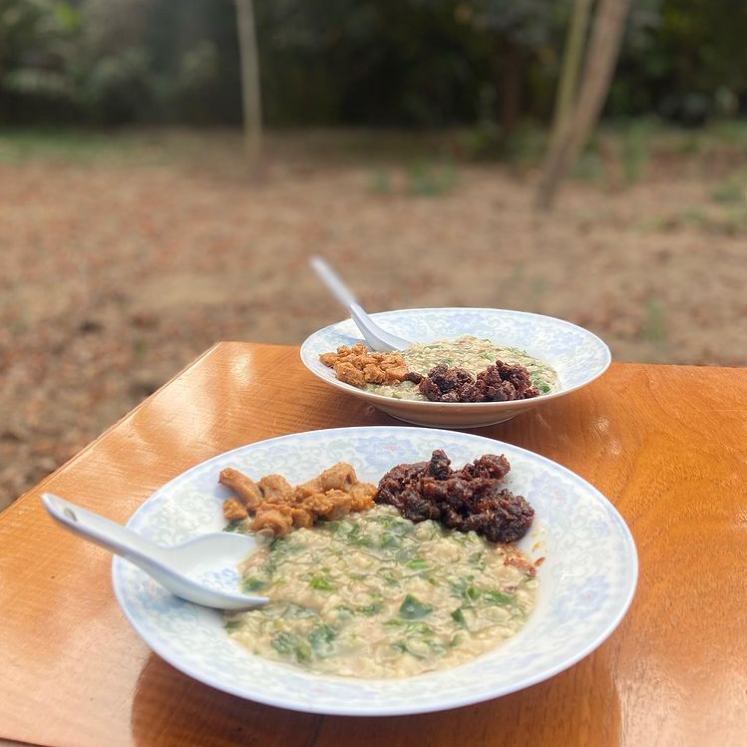
Galho (Nagaland)

Who doesn’t like a dish that is simple yet savoury to the mouth? Try Galho, which is a dish from Nagaland originating from the Angami tribe that is made with rice, vegetables, and meat. The best thing about Galho is that the dish is very open to improvisations, anyone can add any ingredients to it, which is very reminiscent of a hot pot.
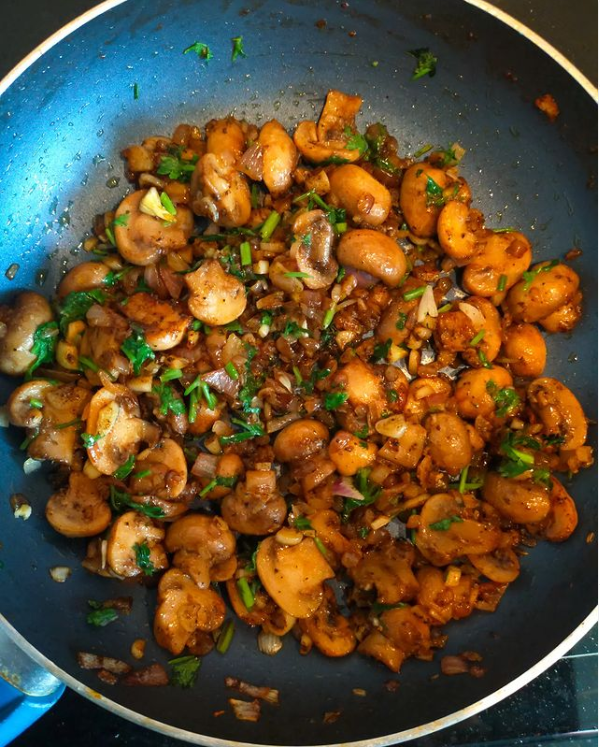
Kalan fry (Kerala)

    Vegan-friendly and gluten-free, Kalan fry is not just delicious to eat but is also very aromatic. It is prepared with curd and vegetables like yam and raw banana or mushrooms and a combination of spices like turmeric, paprika, pepper, and salt, etc. Kalan is a Malayalam word meaning spicy and this dish is often served with rice or bread depending on personal preferences. Here’s a tip in case you find that Kalan fry is too sour for your taste, coconut paste helps to balance the curd’s sourness.
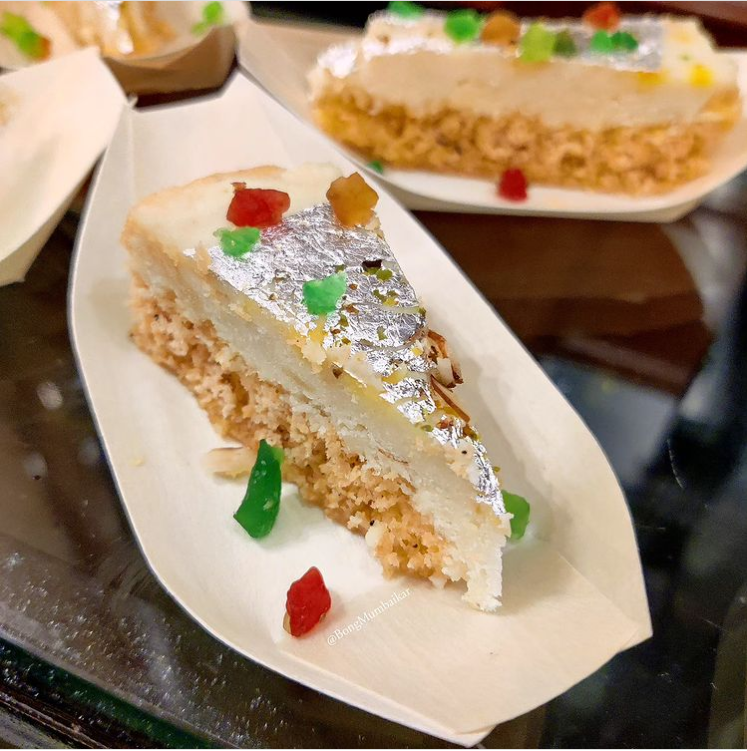
    Ghevar (Rajasthan)

    Ghevar is a Rajasthani sweet delight that is popularly made in August, during the auspicious festival of Raksha Bandhan. It is a round disc-like-shaped sweet made with flour and sugar syrup and comes in many varieties including plain, Mawa, or Malai Ghevar. Fun fact, the famous chef Sanjeev Kapoor is a big fan of this dish!
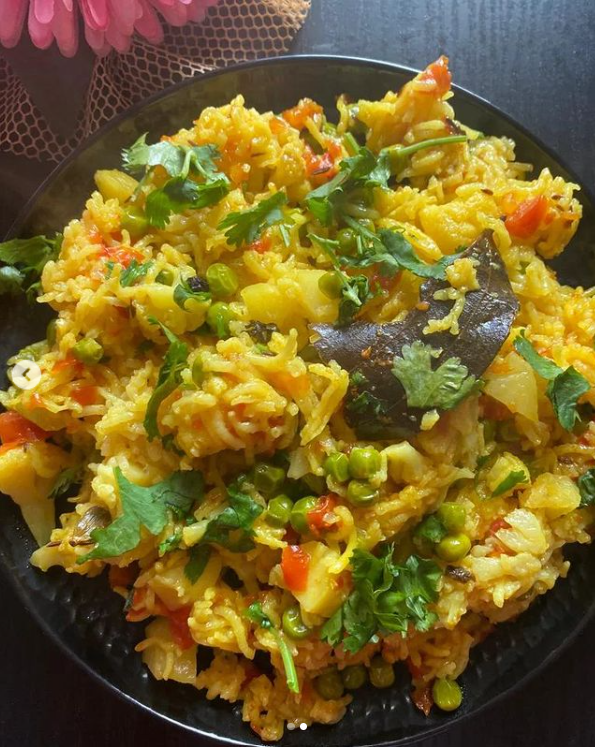
    Tehri (Uttarakhand)

    Tehri is known for its rich and satisfying palate with people of all ages coming together to make and eat this wonderful dish. Often served as a comfort food, it is made with Basmati rice, lentils, and a variety of spices and vegetables. Some people even believe that Tehri can be considered a close relative of Biryani since Tehri is also a one-pot dish.
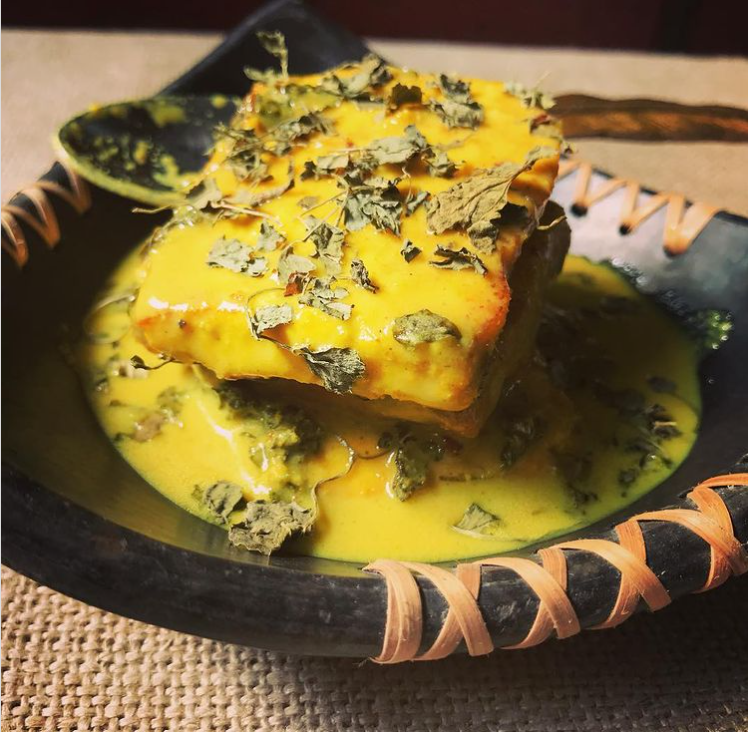
    Chaman Kaliya (Jammu and Kashmir)

    Made from paneer in a rich, creamy sauce with cardamom and fennel seeds, it is very popular with the Kashmiri Pandits who have a long line of vegetarianism roots. Saffron and turmeric are also added to enhance its taste which gives it a lemon-yellow look to the gravy and is well known for being a healthy choice of food. Chaman Kaliya is best eaten during lunch with Kashmiri Kesar Pulao for an exquisite combo meal.
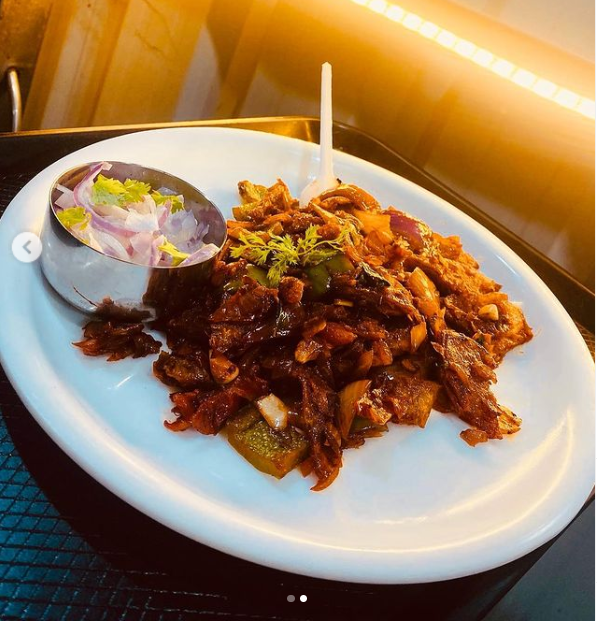
    Chilli Parotta

    Chilli Parotta is like Laccha Paratha torn into small bite-sized pieces and then fried slightly in spice, it is one of the many spicy dishes South India is known for. Chilli parotta is also known for its innovative and sustainable method of using leftover paratha, rotis, or parottas as one doesn’t have to make the dish from scratch which helps save time and ingredients. Anyone can make variations of this dish, based on their tastes and preferences. Bread crumbs and tortilla chips? Sure, go ahead. Soy sauce and oyster sauce? As long as it tastes good anything works!
    Shukto (West Bengal)

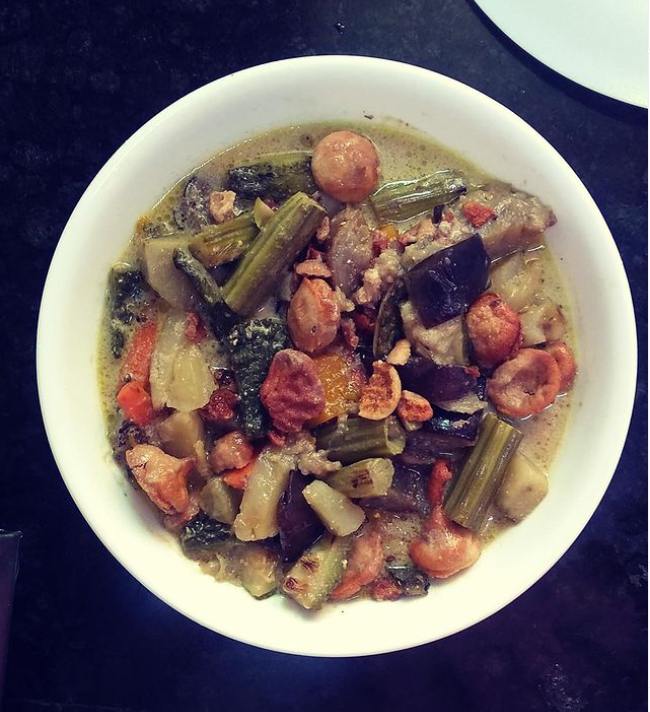
    Shukto is made from a combination of various vegetables like potatoes, eggplants, green peas, tomatoes, etc., with a myriad of spices like cumin, coriander, and mustard. This aromatic dish tries to maintain a harmonious balance between all the ingredients that are used and is considered a must-try for anyone visiting the state.
    Khichdi

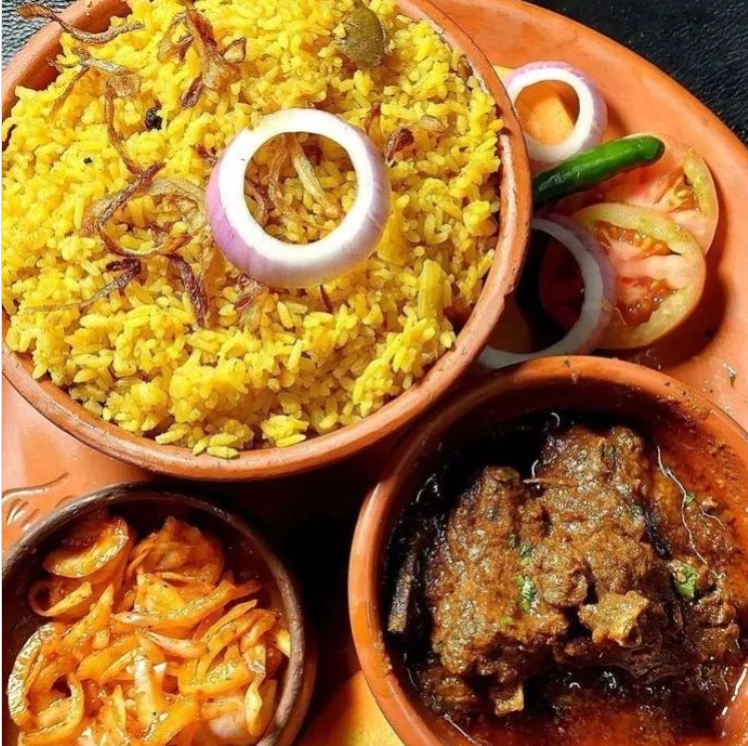
    Khichdi is largely made from rice and lentils with some regional variations according to the culture and state. It is one such dish that can be considered underrated with a rich historical significance tied to it, for example, traces of the food can be found back to the Mahabharata. The best thing about Khichdi is that it can be made in many ways and eaten at any time of the day.
    Conclusion

    Food has always been an important aspect of any culture. It is the way to the heart, it is undeniably a way to learn and appreciate our differences, and knowing different dishes from various regions will go a long way in helping you to understand people and their heritage. Understanding food is understanding the soul, history, and social customs of the region and it will certainly add to the appreciation of the cultural hot pot of diversity we live in.

    Leave a comment

    Your email address will not be published. Required fields are marked *

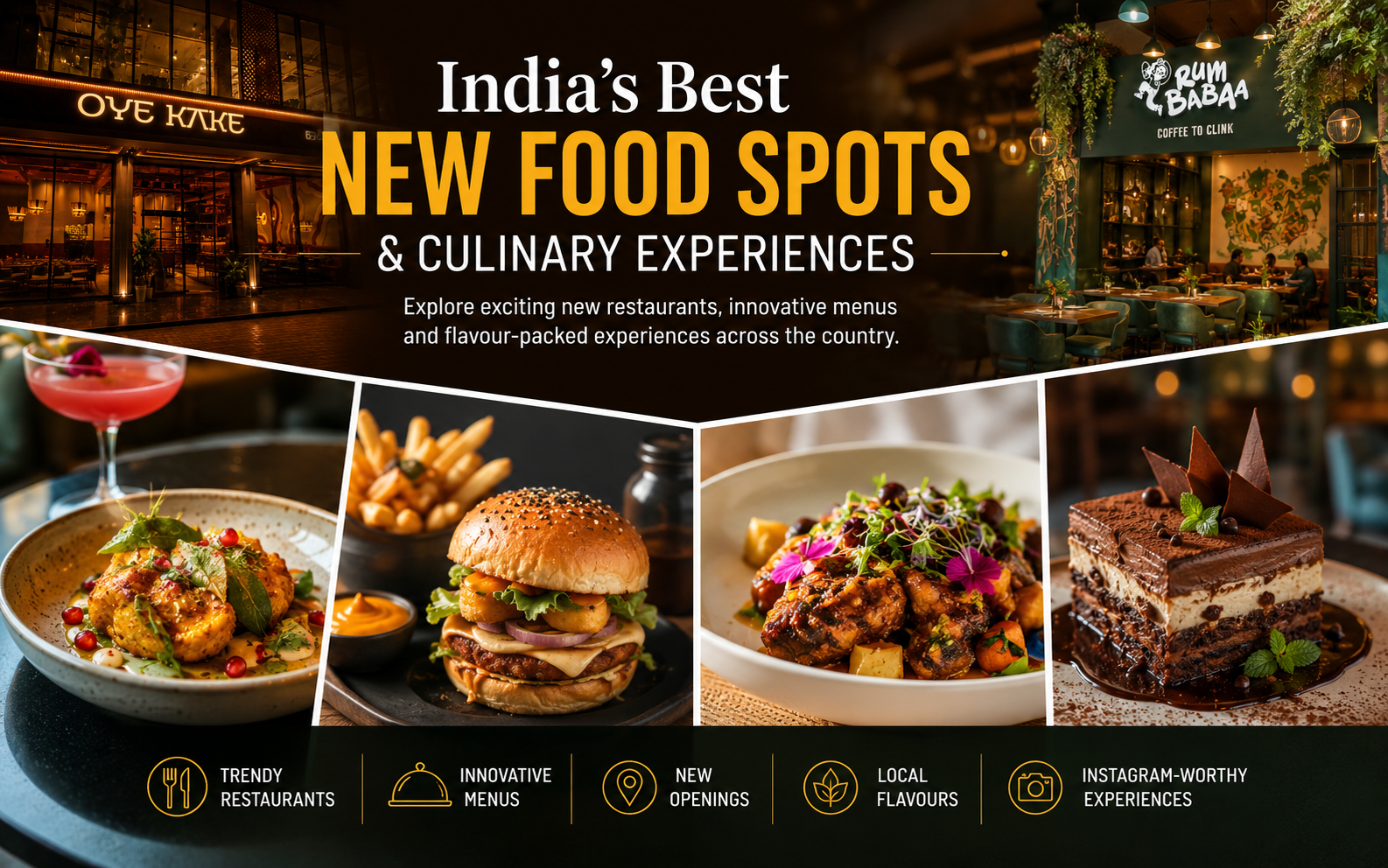
    India’s Best New Food Spots and Culinary Experiences

    New menus, exciting launches and fresh culinary concepts are redefining the way we dine. Hashtag Magazine rounds up the latest food spots and flavour-forward experiences worth checking out. What: RumBabaaWhere: Mumbai Mumbai’s café culture welcomes a refreshing new entrant with RumBabaa, an all-day coffee and vinyl-led space in Andheri that feels less like a conventional café and more like a carefully curated pause from the city’s pace. Rooted in Japanese minimalism and slow-living philosophy, the space combines warm lighting, natural textures and an intentionally unhurried atmosphere where music, coffee and conversation take centre stage. The vinyl setup at the heart of the café gives the space its soul, creating a rhythm that evolves gently from calm mornings to relaxed evening wine sessions. The menu balances nourishment with indulgence thoughtfully. Breakfast bowls, inventive egg dishes and globally inspired small plates sit comfortably alongside playful desserts and elevated comfort food. Dishes like the Krapow Omelette, Kataifi Prawns and Tiramisu French Toast showcase the café’s willingness to blend familiar flavours with creative presentation. The coffee programme is equally expansive, featuring everything from V60 pour-overs and cortados to flavour-forward creations like Mango Matcha, Black Sesame Latte and Salted Caramel Espresso Oat Latte. What makes RumBabaa stand out is its emotional warmth. It doesn’t rely on spectacle or excess, instead offering a slower, more mindful hospitality experience where good music, thoughtful food and excellent coffee come together effortlessly. Quietly stylish and deeply comforting, RumBabaa feels like the kind of neighbourhood café Mumbai didn’t realise it needed. What: ButterBrewsWhere: Pune Pune’s café culture continues to evolve, and ButterBrews’ newest outpost in Aundh arrives with a format that feels larger, more polished and intentionally experience-driven. Designed as an all-day café built around comfort and community, the new space balances functionality with warmth through thoughtfully divided indoor, outdoor

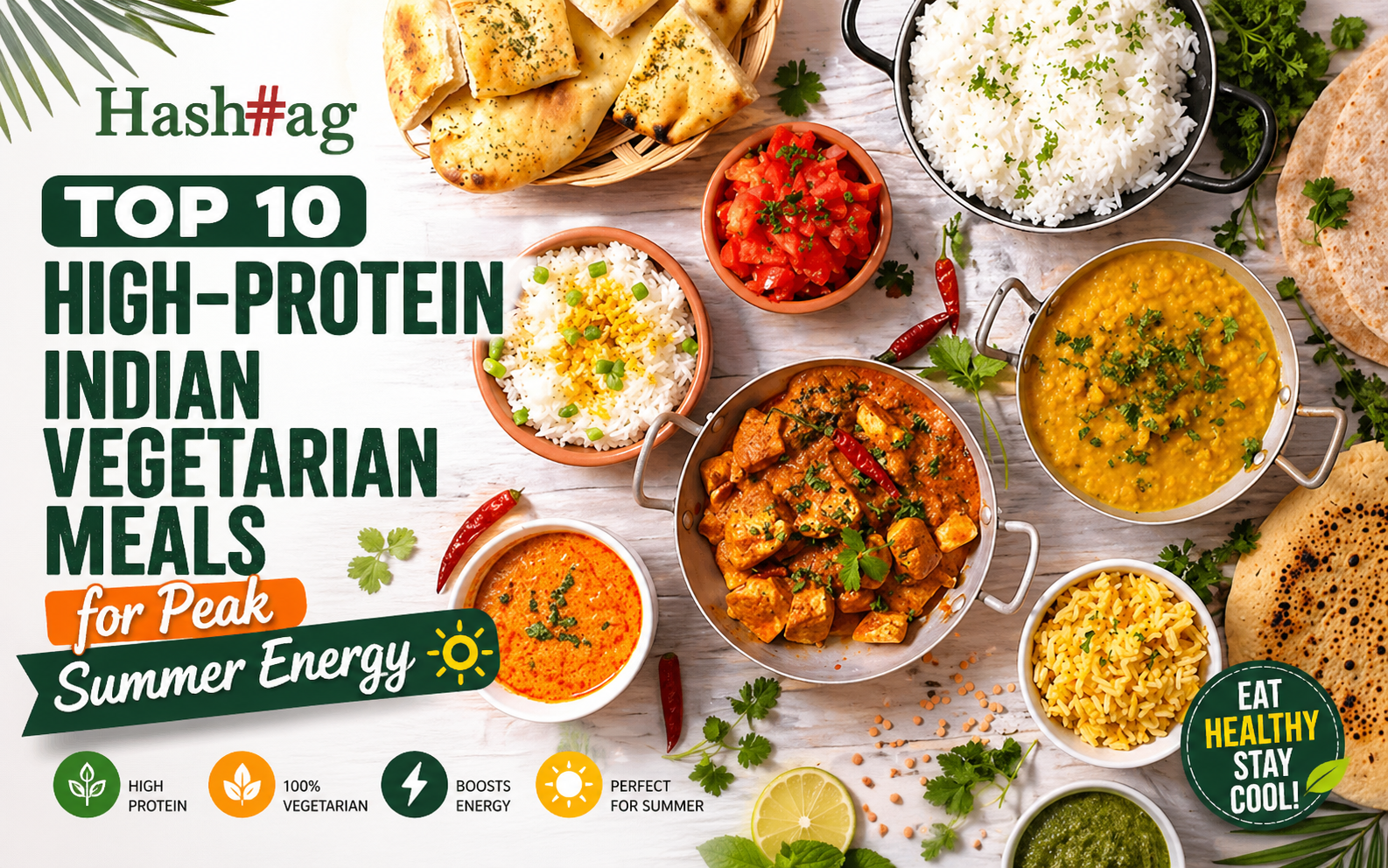
    Top 10 High-Protein Indian Vegetarian Meals for Peak Summer Energy

    Summer in India is not just hot, it is exhausting. You wake up tired. By afternoon, you can barely think straight. You reach for chai, then cold drinks, then more chai. And somehow, by evening, you feel worse than when the day started. Here is what most people don’t know: the food you eat in summer decides how much energy you carry through the day. Heavy, oily meals make you sluggish. Too little food leaves you dizzy. But high-protein vegetarian meals, the kind Indian kitchens have been making for centuries, give your body exactly what it needs to stay sharp, stay cool, and stay strong. Dhanush Kumar writes about the Top 10 High-protein Indian vegetarian meals, which are not fancy supplements, no expensive imports. Just real Indian food, done right. Moong Dal Chilla If you eat just one thing differently this summer, make it this. Moong dal chilla is a thin, crispy pancake made from soaked green moong, and it is one of the lightest, most protein-rich breakfasts in Indian cooking. The magic of moong in summer is real. It is naturally cooling for the body, and it digests easily, so you don’t feel heavy after eating. Add some grated ginger and green chilli, a little ajwain, and serve with green chutney, and you have a breakfast that keeps you full till noon without weighing you down. Children love it. Office-goers love it. Your body in 42 degrees of heat will absolutely love it. Rajma Chawal Yes, it is a classic. Rajma is one of the highest-protein legumes available in India, rich, thick, and deeply satisfying. Pair it with plain rice, and you have a complete meal with all the essential amino acids your body needs. The trick in summer is to make it lighter: Less oil, more tomatoes, skip

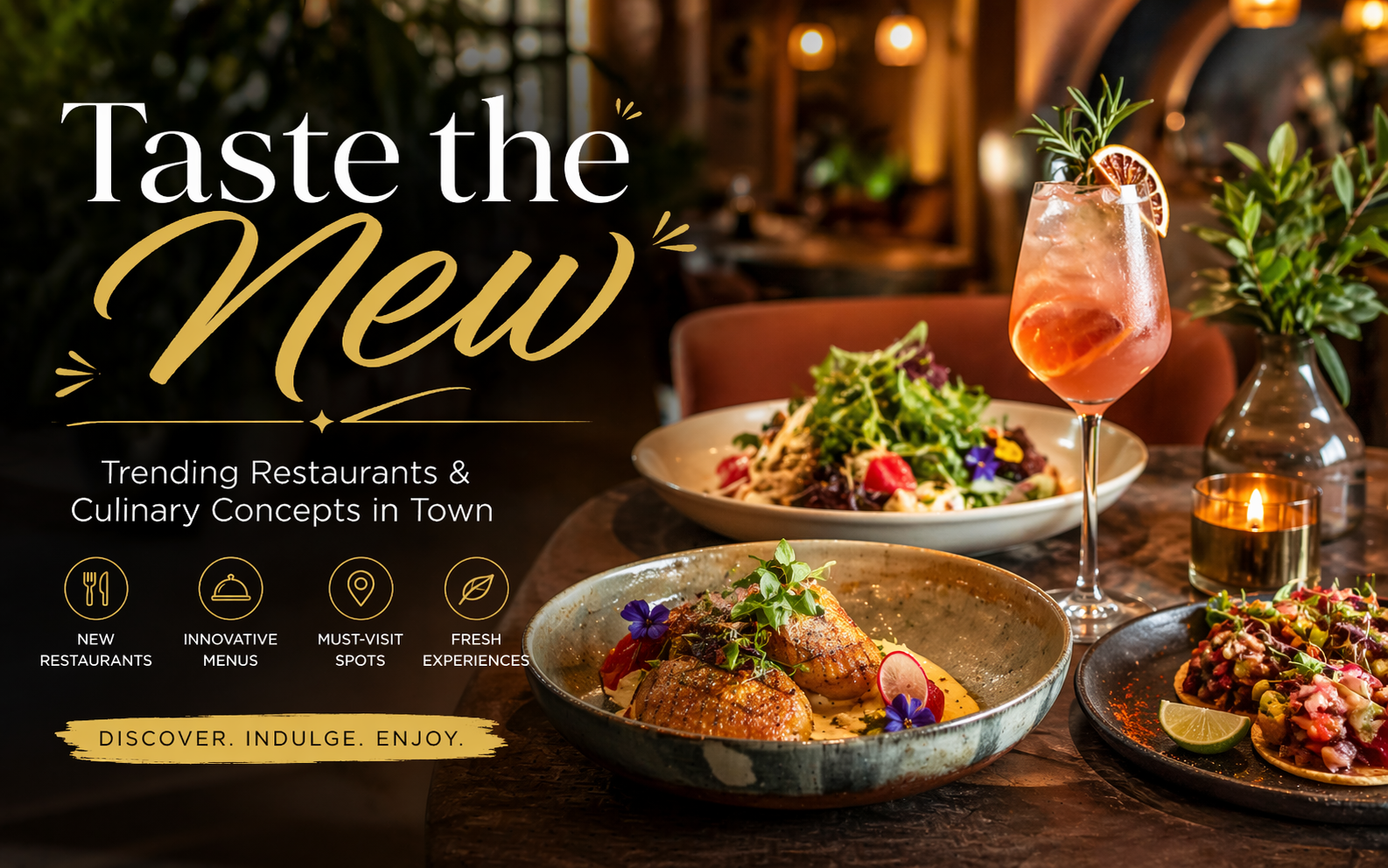
    Taste the New: Trending Restaurants & Culinary Concepts in Town

    Discover the latest restaurants, menus, and culinary concepts making waves across the city. From exciting new launches to fresh dining experiences, this section brings you the must-visit spots every food lover should know about. What: The Reservoire Where: Bengaluru The Reservoire has emerged as India’s largest cocktail bar, setting a new benchmark in the country’s evolving drinking culture with an extraordinary menu of over 100 cocktails. Known for its cocktail-first philosophy, the Bengaluru hotspot blends experimentation, storytelling, and immersive hospitality to create a space where drinks are crafted as memorable experiences rather than just menu items. The expansive cocktail program celebrates both innovation and familiarity. Signature creations such as Kokum Spiritz highlight regional Indian flavours, while indulgent blends like Strawberry Cheesecake blur the line between dessert and drink. Playful twists like Not A Pinacolada surprise the palate, alongside classics such as the Paloma and contemporary favourites like the Blueberry & Gin Sour. Other standouts include Mellow Minty, the bold GCT (Guava Chilli Tequila), the vibrant Blue Pea Ultimate G&T, and the house favourite Reservoire Drop. With a menu designed for discovery and constant exploration, The Reservoire invites guests to experience cocktails more dynamically and experimentally. Combining scale with craftsmanship, the bar continues to position itself as a destination for cocktail enthusiasts and curious drinkers alike in Bengaluru’s thriving nightlife scene. What: Shaara Where: Pune Ishaara, the experiential dining concept by Bellona Hospitality, has introduced a limited-time Kebabs & Curries Menu at its Pune outlets in Phoenix Marketcity, Viman Nagar and Phoenix Mall of the Millennium, Wakad. The special menu celebrates the rich culinary legacy of grilling and slow-cooked curries, drawing inspiration from Persian, Turkish, and Mughal traditions while presenting them with Ishaara’s contemporary finesse.The menu features an array of flavourful kebabs such as Persian Jujeh Kebab, Turkish Adana Kebab, Burra

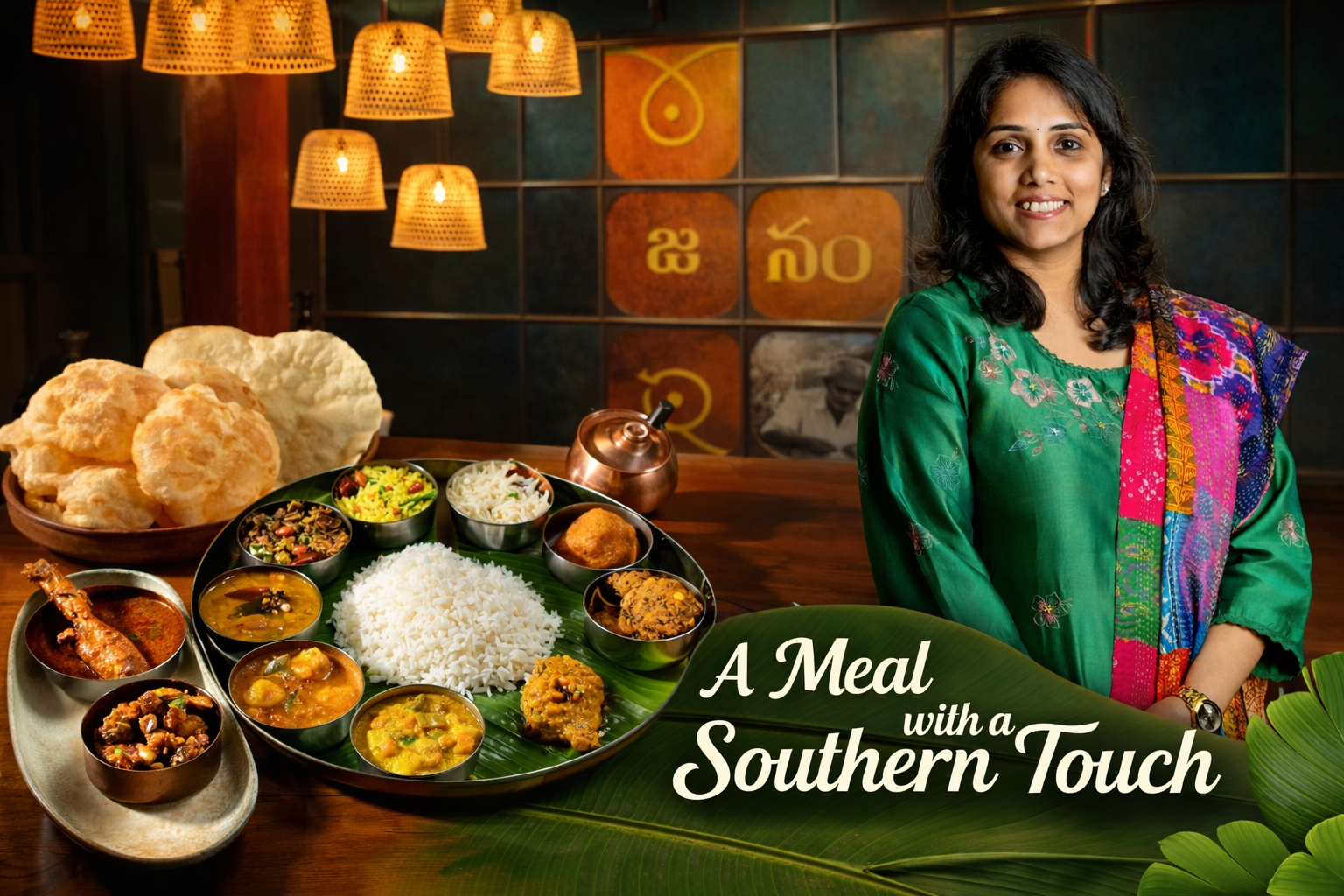
    A Meal with a Southern Touch

    What: Bhojanam Where: Hyderabad If you’re craving a meal that feels like home, Bhojanam in Jubilee Hills offers a warm, flavourful journey through the heart of Telugu cuisine. When in the South, a thali is one of those experiences that instantly gets your lips smacking, comforting, wholesome food served traditionally on a banana leaf. In the heart of Hyderabad, Bhojanam brings this experience to life with authenticity and warmth. Located in Jubilee Hills, this sprawling 8,000 sq. ft. space has been thoughtfully put together by Pranavi Chekuri and Teja Chekuri under Fullstack Ventures. Every detail reflects a personal touch. Pranavi, who grew up learning traditional cooking from her grandmother, has incorporated her own family recipes into the menu, even something as simple as rasam is crafted with a deeply homely, authentic flavour. The space is simple yet inviting, with indoor and outdoor seating, and an open kitchen where the aromas of freshly prepared dishes fill the air. At its core, Bhojanam celebrates the rich culinary heritage of the Telugu-speaking regions—Krishna, Godavari, Rayalaseema, and Telangana, through a thoughtfully curated, region-first thali experience. Since I’m allergic to seafood, I opted for the Krishnamma Bhojanam. We began with fresh sugarcane juice, pressed on-site, with hints of lime and ginger, refreshing and perfectly balanced. What followed felt deeply personal. Pranavi joined us for the meal and made sure everything was served just right. Conversations flowed easily about food, influences, and the stories behind certain dishes, adding a layer of warmth to the experience. The meal included dishes like natu kodi vepudu and pulusu, each carrying a distinct homemade quality, nothing overdone, just honest flavours that felt like they belonged in a family kitchen. During a conversation about local Telangana dishes, anapakaya ginjalu (hyacinth beans) came up, and Pranavi mentioned that they make vadas with

    You May Also Like

    Connect with us