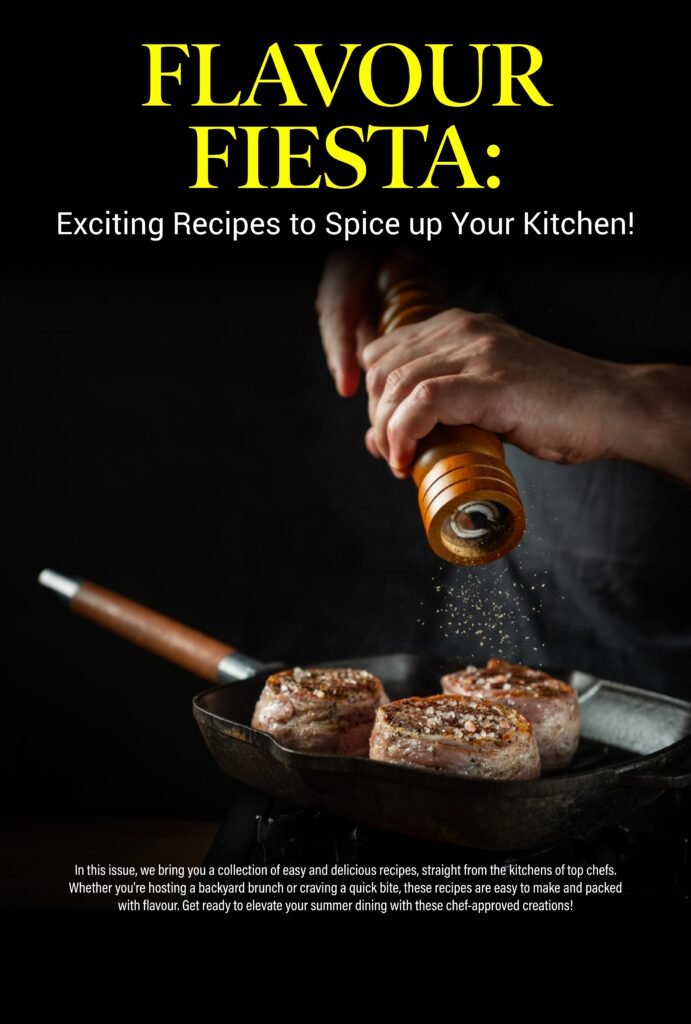
In this issue, we bring you a collection of easy and delicious recipes, straight from the kitchens of top chefs. Whether you’re hosting a backyard brunch or craving a quick bite, these recipes are easy to make and packed with flavour. Get ready to elevate your summer dining with these chef-approved creations!
What’s cooking? Thai-Style Corn Cakes
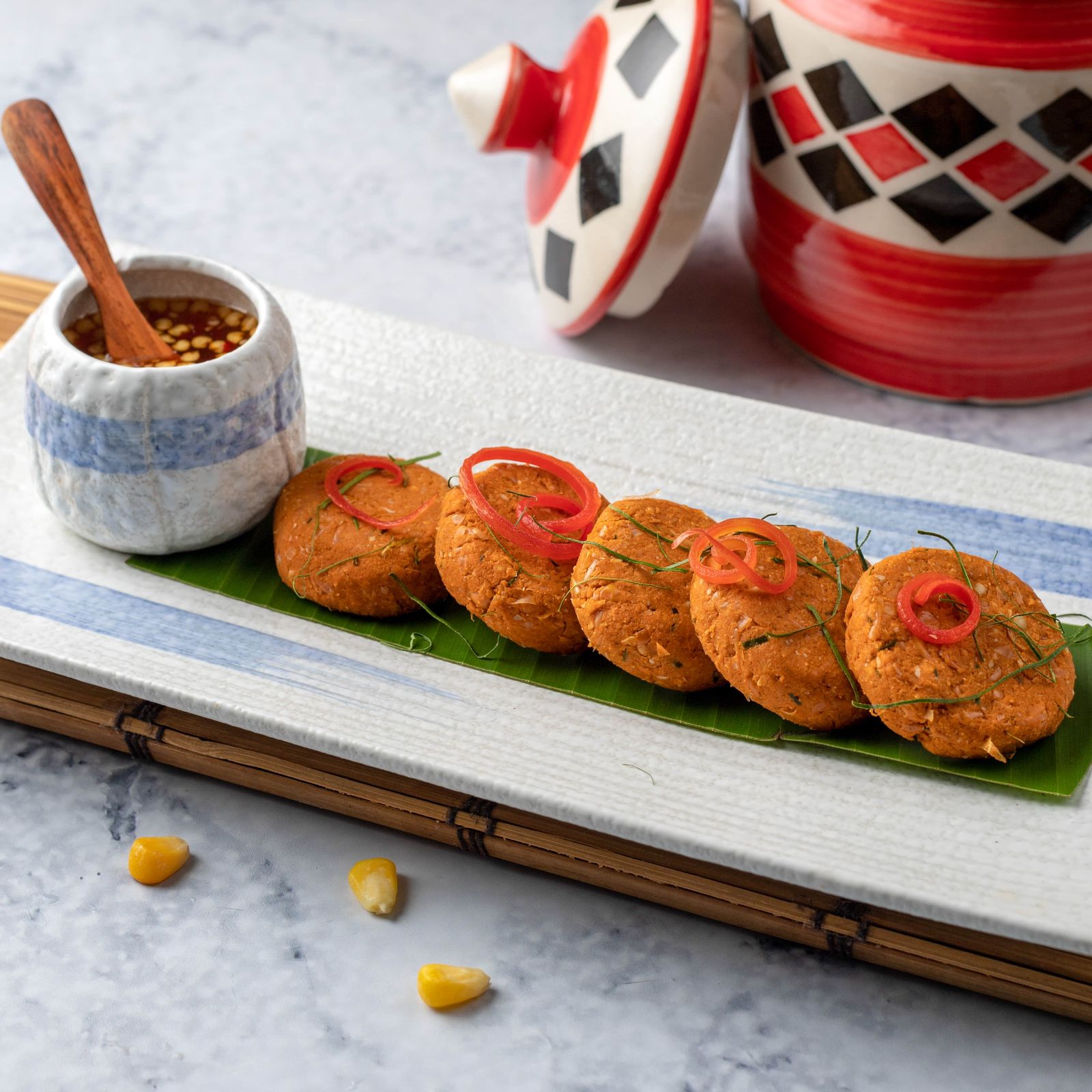
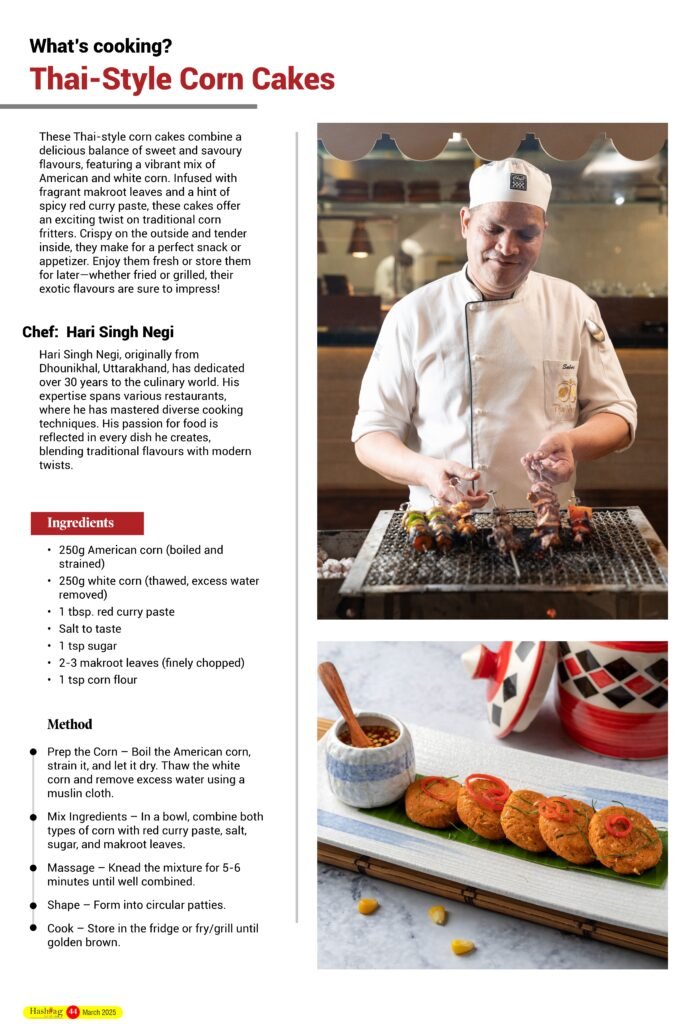
These Thai-style corn cakes combine a delicious balance of sweet and savoury flavours, featuring a vibrant mix of American and white corn. Infused with fragrant makroot leaves and a hint of spicy red curry paste, these cakes offer an exciting twist on traditional corn fritters. Crispy on the outside and tender inside, they make for a perfect snack or appetizer. Enjoy them fresh or store them for later—whether fried or grilled, their exotic flavours are sure to impress!
Chef: Hari Singh Negi
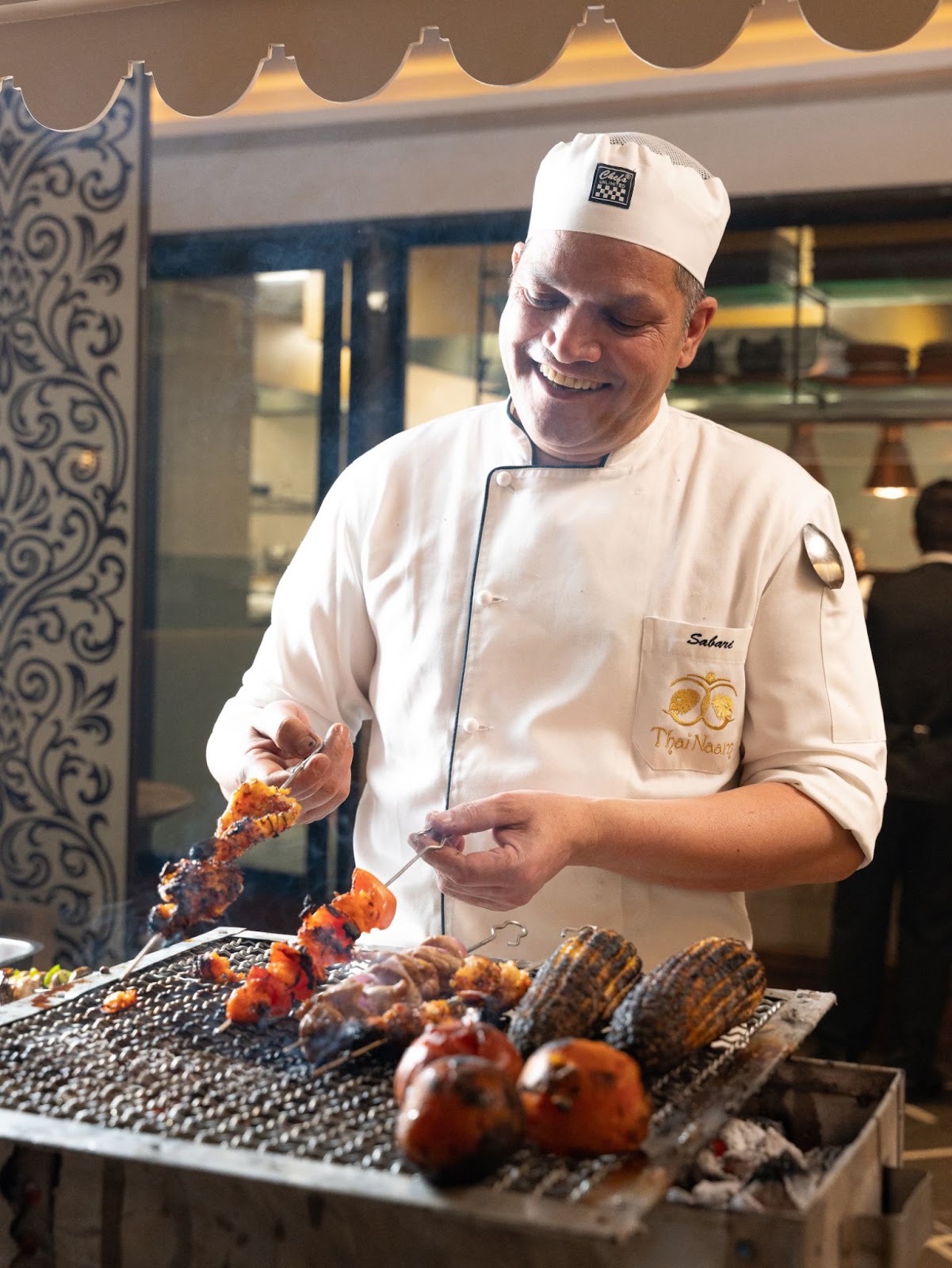
Hari Singh Negi, originally from Dhounikhal, Uttarakhand, has dedicated over 30 years to the culinary world. His expertise spans various restaurants, where he has mastered diverse cooking techniques. His passion for food is reflected in every dish he creates, blending traditional flavours with modern twists.
Ingredients
250g American corn (boiled and strained)
250g white corn (thawed, excess water removed)
1 tbsp. red curry paste
Salt to taste
1 tsp sugar
2-3 makroot leaves (finely chopped)
1 tsp corn flour
Method
- Prep the Corn – Boil the American corn, strain it, and let it dry. Thaw the white corn and remove excess water using a muslin cloth.
- Mix Ingredients – In a bowl, combine both types of corn with red curry paste, salt, sugar, and makroot leaves.
- Massage – Knead the mixture for 5-6 minutes until well combined.
- Shape – Form into circular patties.
- Cook – Store in the fridge or fry/grill until golden brown.
What’s cooking? Buffalo Chicken Wings with Maple Mayonnaise
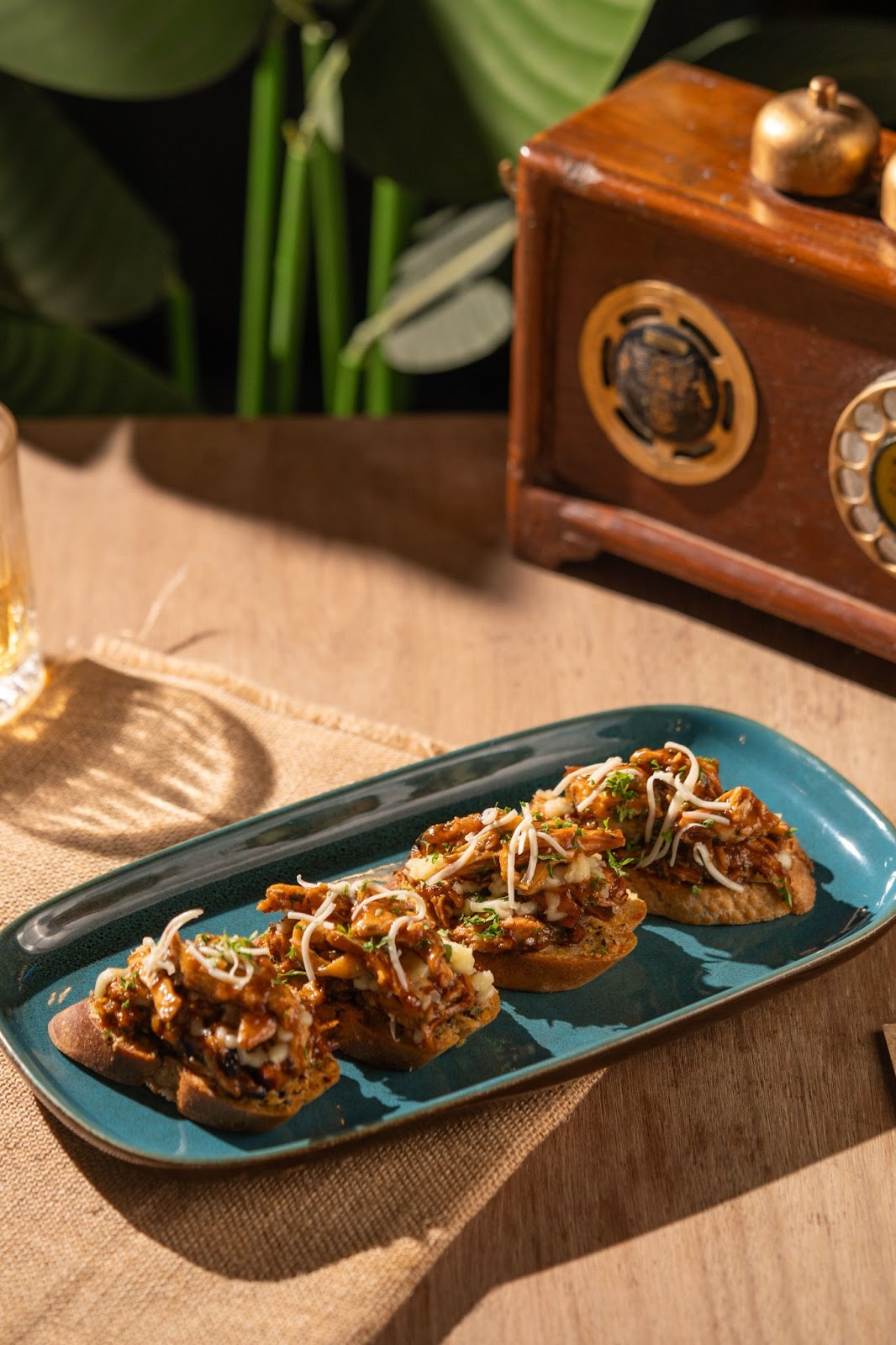
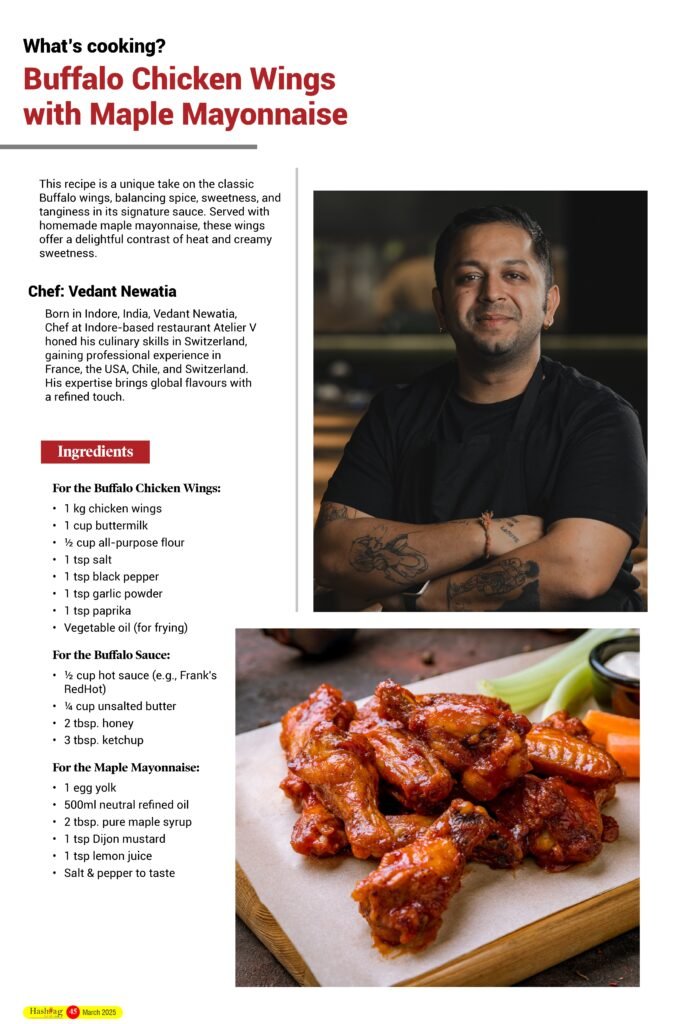
This recipe is a unique take on the classic Buffalo wings, balancing spice, sweetness, and tanginess in its signature sauce. Served with homemade maple mayonnaise, these wings offer a delightful contrast of heat and creamy sweetness.
Chef: Vedant Newatia
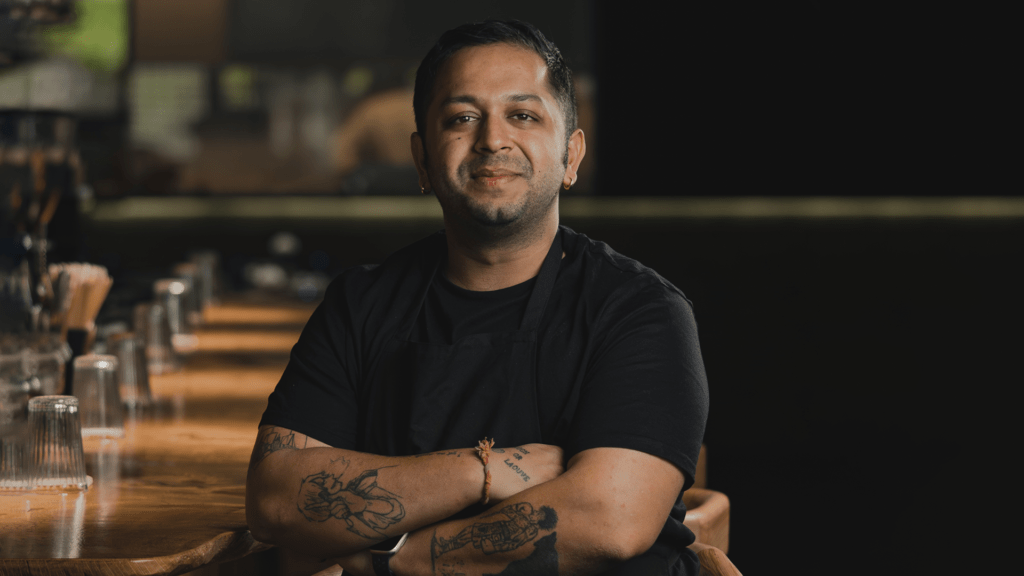
Born in Indore, India, Vedant Newatia, Chef at Indore-based restaurant Atelier V honed his culinary skills in Switzerland, gaining professional experience in France, the USA, Chile, and Switzerland. His expertise brings global flavours with a refined touch.
Ingredients
For the Buffalo Chicken Wings:
1 kg chicken wings
1 cup buttermilk
½ cup all-purpose flour
1 tsp salt
1 tsp black pepper
1 tsp garlic powder
1 tsp paprika
Vegetable oil (for frying)
For the Buffalo Sauce:
½ cup hot sauce (e.g., Frank’s RedHot)
¼ cup unsalted butter
2 tbsp. honey
3 tbsp. ketchup
For the Maple Mayonnaise:
1 egg yolk
500ml neutral refined oil
2 tbsp. pure maple syrup
1 tsp Dijon mustard
1 tsp lemon juice
Salt & pepper to taste
Method
Step 1: Prepare the Chicken Wings
Season the wings – In a large bowl, toss the wings with salt, pepper, garlic powder, and paprika. Coat in flour, dip in buttermilk, then coat in flour again.
Fry the wings – Heat oil to 180°C (350°F). Fry in batches for 8-10 minutes, turning occasionally, until golden and crispy. Drain excess oil on paper towels.
Alternative method – Bake at 200°C (400°F) for 35-40 minutes, turning halfway for even crispiness.
Step 2: Make the Buffalo Sauce
Melt butter over medium heat in a small saucepan.
Stir in hot sauce, honey, and ketchup until well combined. Remove from heat.
Step 3: Coat the Wings
Toss fried or baked wings in the warm Buffalo sauce until evenly coated.
Step 4: Make the Maple Mayonnaise
Blend egg yolk, oil, maple syrup, Dijon mustard, lemon juice, salt, and pepper. Adjust seasoning to taste.
Step 5: Serve
Serve the hot Buffalo wings with a side of homemade maple mayonnaise for dipping.
What’s cooking? Chicken Chettinad
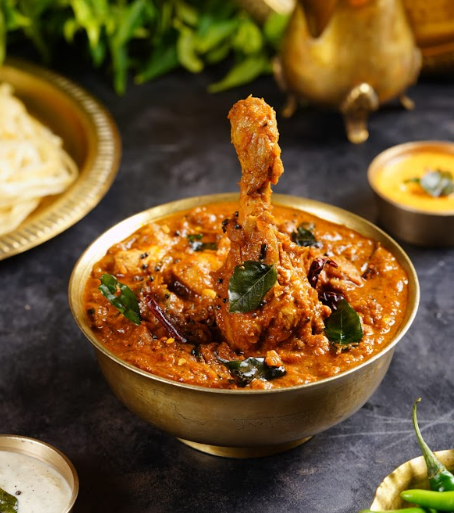
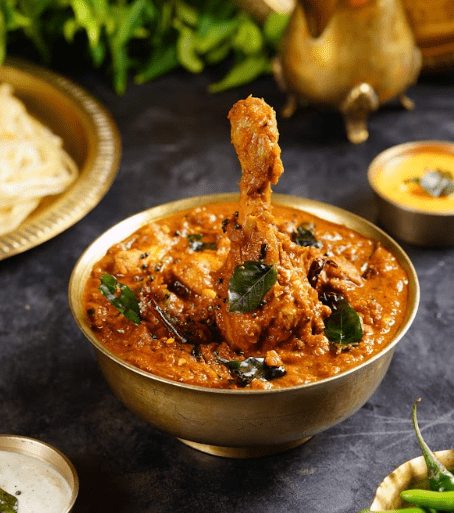
Chicken Chettinad is a flavourful and aromatic dish, famous for its intense spice blend, nutty texture, and fiery heat. Made with freshly ground Chettinad masala, this dish is a festive favourite, offering a perfect balance of bold flavours with the warmth of traditional South Indian spices.
Chef: Arokiya Doss
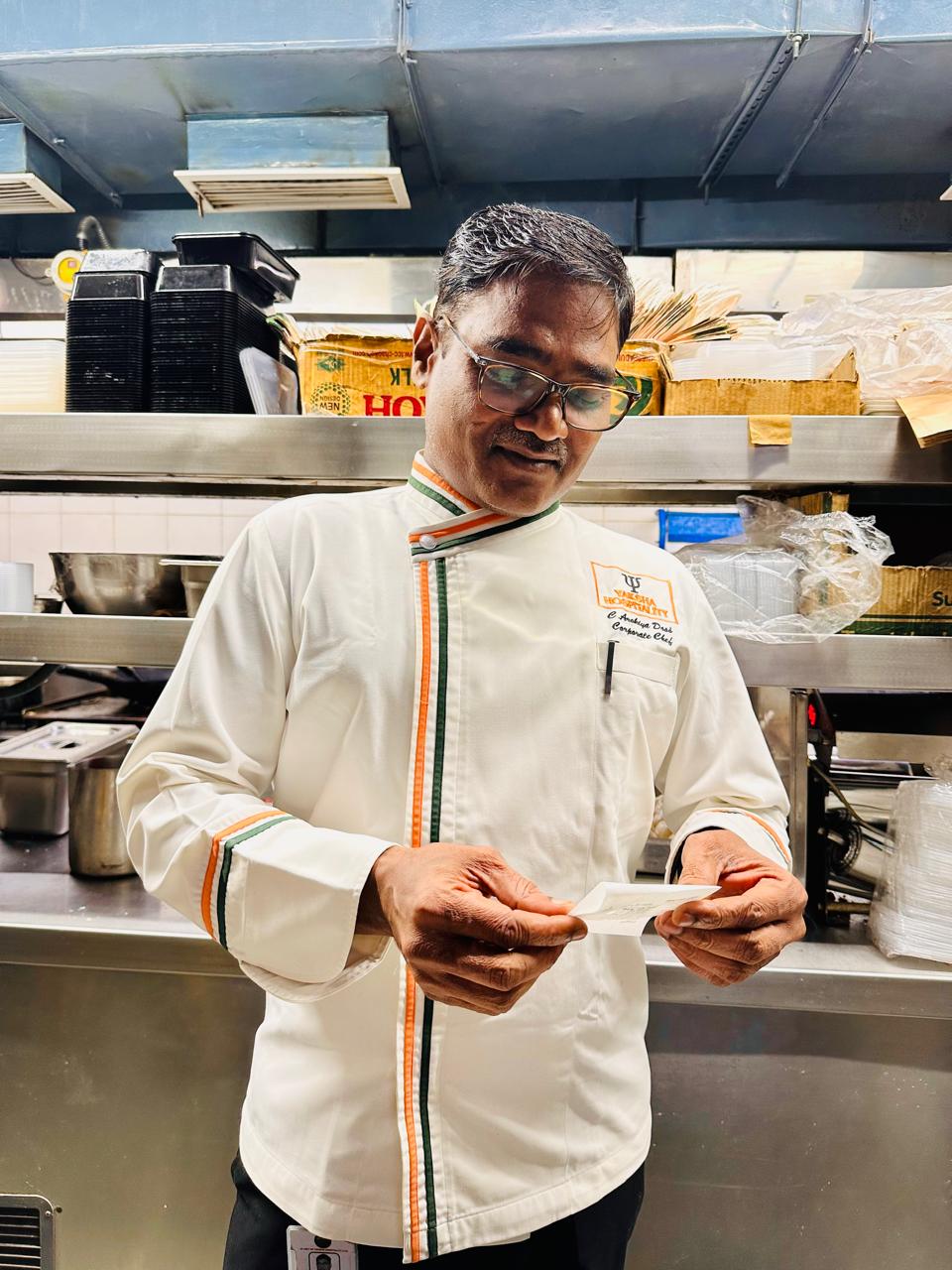
As the Head Chef at The Malabar Coast, Chef Arokiya Doss brings over 30 years of culinary expertise, blending traditional South Indian flavours with innovative techniques. Hailing from Mettathur, his passion for authentic spices and multi-cuisine influences has earned him prestigious recognition, including praise from former President Dr. APJ Abdul Kalam. Chef Doss is renowned for his signature dishes, such as Chettinad Chicken and Vaththa Kozhambu, which celebrate bold flavours and authentic South Indian spices.
Ingredients
For Marinating the Chicken:
500 grams Chicken (curry cut)
1 tsp Turmeric Powder
Salt to taste
2 tbsp. Lemon Juice
For the Chettinad Masala:
3 tbsp. Coriander Seeds
5 Dry Red Chillies
1 tsp Fennel Seeds
1 tsp Cumin Seeds
1 piece Cinnamon Stick
2 pieces Kalpasi (Black Stone Flower/Dagad Phool)
2 tsp Black Peppercorns
5 pods Cardamom
1 piece Star Anise
4 Cloves
¼ cup Fresh Coconut (grated)
For the Curry:
3 tbsp. Gingelly Oil
2 tbsp. Ginger Garlic Paste
3 sprigs Curry Leaves
2 large Onions (thinly sliced)
2 medium Tomatoes (cubed)
3 tbsp. Coriander Leaves (chopped)
Method
Step 1: Marinate the Chicken
In a bowl, marinate the chicken with turmeric powder, salt, and lemon juice.
Set aside for at least 30 minutes to allow the flavours to absorb.
Step 2: Prepare the Chettinad Masala
In a dry pan, lightly roast coriander seeds, dry red chillies, fennel seeds, cumin seeds, cinnamon, kalpasi, black peppercorns, cardamom, star anise, and cloves until fragrant.
Add grated coconut and roast until golden brown. Let it cool, then grind it into a fine paste with a little water. This forms the signature Chettinad masala.
Step 3: Cook the Curry
Heat gingelly oil in a large pan.
Add ginger-garlic paste and sauté until the raw smell disappears.
Add curry leaves and sliced onions, cooking until onions turn golden brown.
Add cubed tomatoes and cook until they soften and release their juices.
Step 4: Combine and Simmer
Add the ground Chettinad masala to the onion-tomato mixture.
Cook the masala for 3-4 minutes until the oil separates from the spices.
Add the marinated chicken, mixing well so it’s fully coated in the masala.
Cook on medium heat for 5-7 minutes.
Step 5: Final Touch
Add 1 to 1.5 cups of water, cover, and simmer for 20-25 minutes until the chicken is tender and the gravy thickens.
Garnish with chopped coriander leaves and serve hot with rice or parotta.
What’s cooking? Hara Bhara Kebab
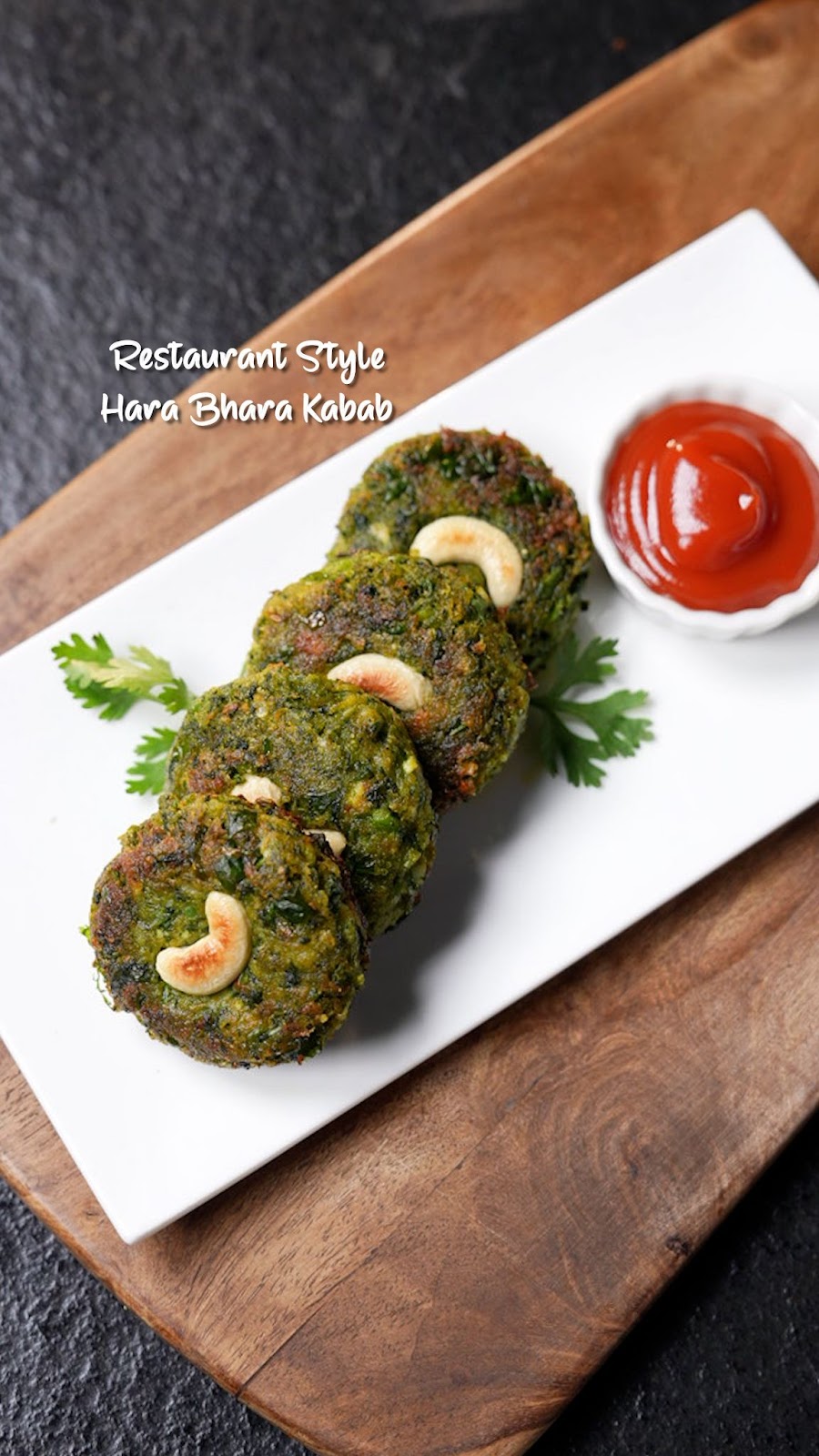
An all-time favourite, this snack is made with spinach, green peas, and potatoes, blended with aromatic spices. Its vibrant green colour, crispy texture, and rich flavours make it a wholesome and satisfying treat. Best enjoyed with hot green chutney, it’s the perfect companion for chilly evenings.
Chef: Abhinay Gupta
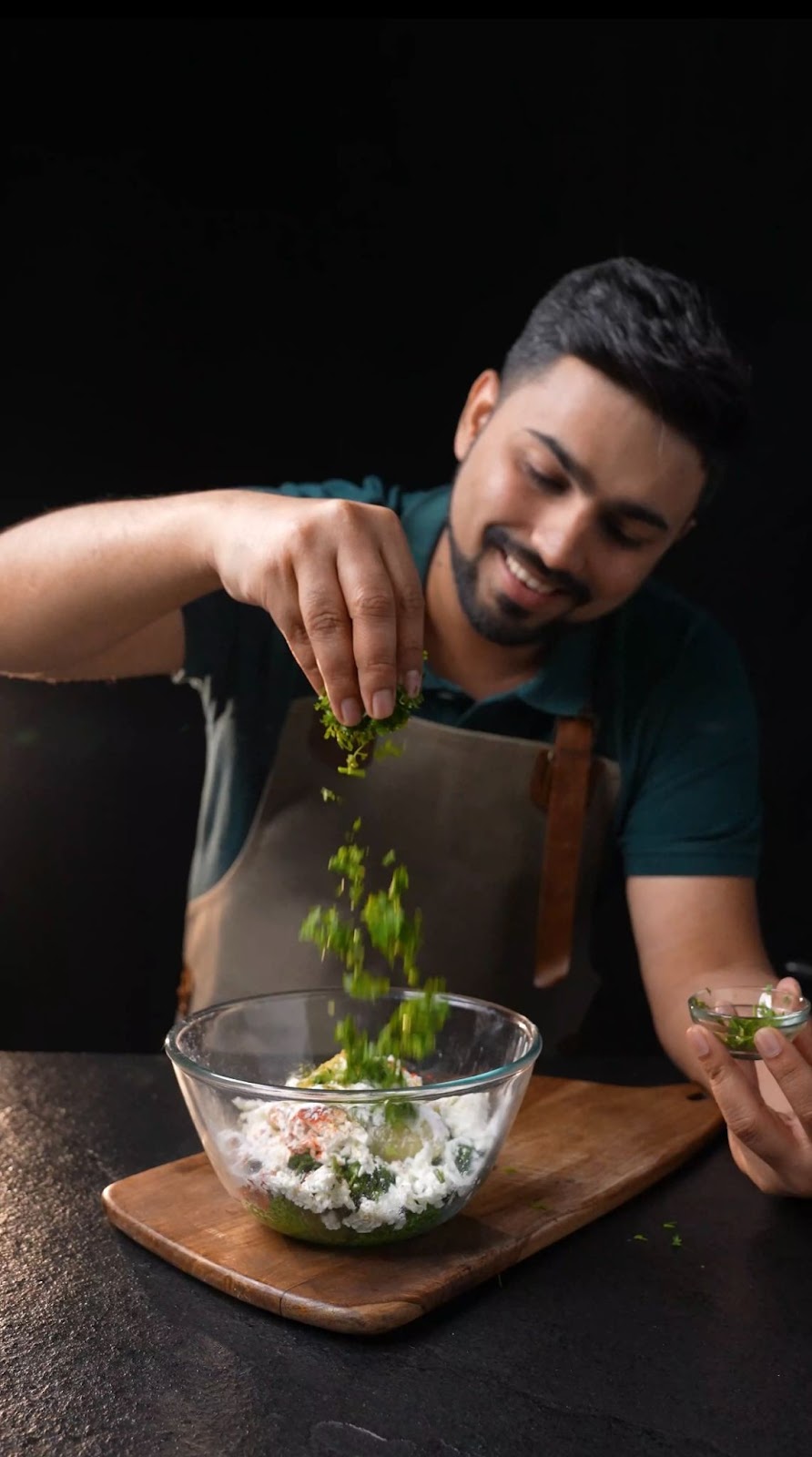
Abhinay Gupta is a creative food content creator known for his innovative approach to Indian and fusion cuisine. He expertly blends traditional recipes with modern twists, focusing on bold flavours and visually captivating presentations. His content celebrates the artistry of cooking, making his dishes both appealing and accessible.
Ingredients
For the Base:
1 tbsp. Oil
½ tsp Cumin Seeds
1-inch Ginger, roughly chopped
2-3 Garlic Cloves
2 Green Chillies, roughly chopped
1/3 cup Green Capsicum, chopped
¼ cup French Beans, chopped
½ cup Green Peas, boiled
1 cup Spinach Leaves, blanched and squeezed
For the Kebab Mixture:
2-3 Potatoes, boiled and mashed
½ cup Paneer, grated
½ tsp Red Chilli Powder
½ tsp Garam Masala Powder
½ tsp Cumin Powder
1 tsp Amchur Powder
1 tsp Coriander Powder
¼ tsp Turmeric Powder
Salt to taste
1 tbsp. Corn Flour
1 tbsp. Coriander Leaves, chopped
2 tbsp. Bread Crumbs
For Frying & Garnish:
Cashews (for garnish)
Oil for shallow frying
Method
1. Prepare the Base:
Heat oil in a pan. Add cumin seeds and let them splutter.
Add ginger, garlic, and green chillies, sautéing until aromatic.
Toss in capsicum and French beans, cooking until softened.
2. Blend the Greens:
Add boiled green peas and spinach to the pan. Stir for 2-3 minutes.
Allow the mixture to cool, then blend into a coarse paste without adding water.
3. Mix the Kebab Dough:
In a large bowl, combine the spinach mixture, mashed potatoes, and grated paneer.
Add red chilli powder, garam masala, cumin powder, amchur, coriander powder, turmeric, and salt.
Mix in corn flour, chopped coriander leaves, and bread crumbs for binding.
4. Shape the Kebabs:
Divide the mixture into equal portions. Shape them into round or oval patties.
Press a cashew in the center of each kebab for a royal touch.
5. Shallow Fry:
Heat oil in a pan. Shallow fry the kebabs on medium heat until golden brown on both sides.
6. Serve Hot:
Serve the crispy Hara Bhara Kebabs with green chutney or a yogurt dip for a delightful winter treat.
Tip:
Sprinkle a pinch of chaat masala on top before serving for an extra zing!
What’s cooking? Chicken Roulade
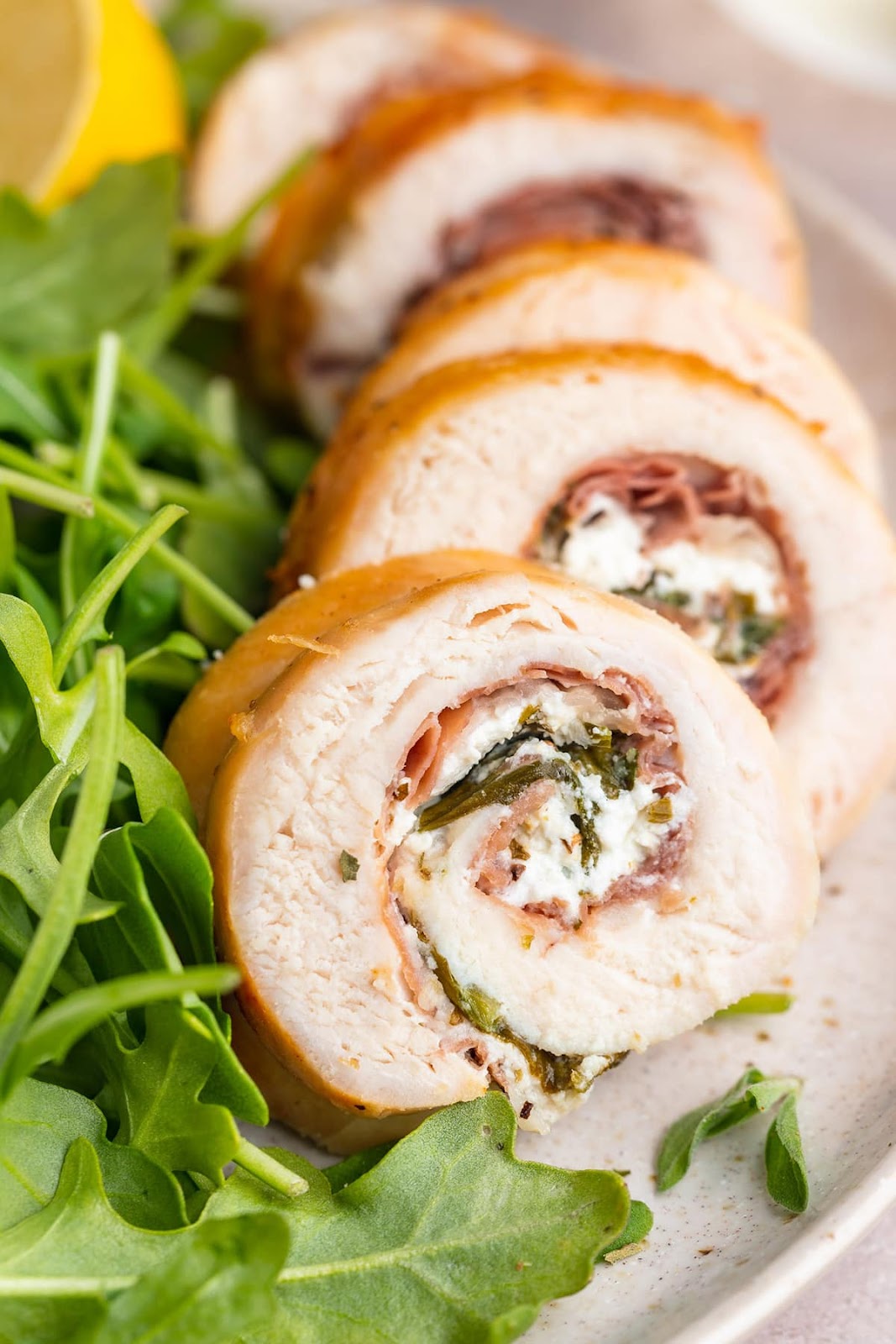
A delicious and innovative dish that combines the richness of minced chicken with the earthy sweetness of roasted beetroot puree. Wrapped in nori seaweed and roasted to perfection, this dish is complemented by a flavourful olive tapenade. The balance of textures and flavours makes it a standout culinary experience.
Who: Chef Vineeth Jayan – Executive Chef, The Den Bengaluru
With over 18 years of culinary expertise, Chef Vineeth Jayan has worked with renowned hospitality brands like Leela Palaces Hotels & Resorts and The Oberoi Group. He is celebrated for his innovative approach, using high-quality local ingredients and refined techniques. His accolades include the Times Food Guide Award and the prestigious Executive of the Year title.

Ingredients
- 200 g Chicken (Minced)
- 5 pcs Garlic, chopped
- 3 g Thyme
- 5 g Black Pepper, crushed
- Salt to taste
- 100 g Olives, finely chopped
- 30 g Parmesan Cheese, grated
- 10 g Parsley, chopped
- 50 g Olive Oil
- 1 pcs Nori Seaweed Sheet
- 50 g Roasted Beetroot Puree
Method of Preparation
1. Prepare the Chicken Mixture:
- Divide the minced chicken into two portions.
- In one bowl, mix chicken with chopped garlic, crushed black pepper, thyme, and salt.
- In another bowl, mix roasted beetroot puree with the chicken mixture.
2. Assemble the Roulade:
- Place a sheet of silver foil and spread the chicken mixture evenly as the base.
- Lay the nori sheet on top.
- Spread the beetroot-infused chicken mixture over the nori sheet and level it properly.
- Roll the mixture tightly to form a roulade.
3. Roast the Roulade:
- Roast the roulade in a preheated oven at 160°C for 15 minutes.
- Allow it to rest for 1 hour and 45 minutes.
4. Prepare the Olive Tapenade:
- In a bowl, combine finely chopped olives, garlic, grated parmesan, parsley, olive oil, and a pinch of salt.
- Mix well to form a smooth tapenade.
5. Serve:
- Slice the roulade and serve with a generous portion of olive tapenade.
What’s Cooking? Peking duck
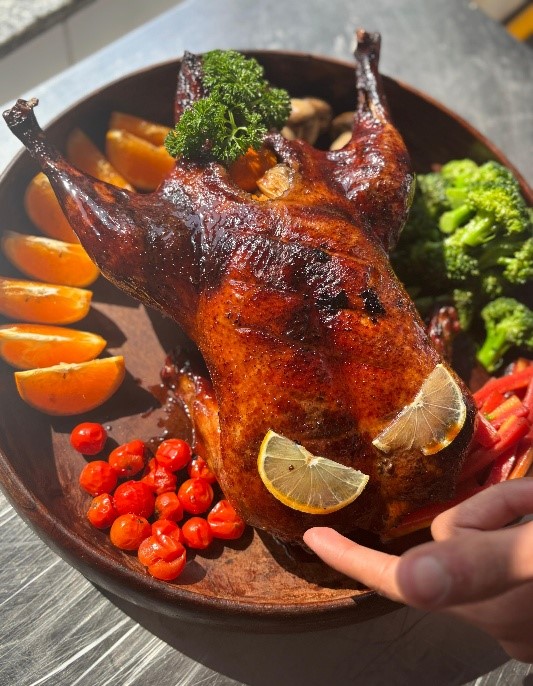
Peking duck is Chinese from Beijing, the city previously known as Peking hence the
Name, it symbolizes unity, prosperity, and cultural continuity.
Who? Chef Sanjay Sharma–Head of School, School of Culinary Excellence, Vedatya
Chef Sanjay has over two decades of work experience in the hospitality industry and
academia, having worked in India and the UK; he brings rich national and international
work experience.
Peking Duck
Ingredients
Duck (Cleaned with skin): 3kg
Orange Juice: 500ml
Black Pepper Crushed: 15gm
Castor Sugar: 125gm
Five spice mix: 10gm
Cinnamon Powder-1tbsp
Onion-200gm
Celery-100gm
Honey- 115gm
Soya sauce-200ml
Salt: To taste
Water: If required
Preparation
First Marination: Soya Sauce, Orange Juice, Water, Broth powder
Second Marination: Chinese Five Spices, Soya sauce, Cinnamon powder,
Castor Sugar
Third Marination: Honey, Salt, Five spice Powder, Castor Sugar, Cinnamon
Powder
Method of Preparation
- Blow air in the duck, to detach the skin from it.
- Soak the duck in the first margination and leave it for a while.
- Take it off and massage the duck with a second marination from inside.
- Hang it in a cool place to drain off excess moisture, preferably overnight.
- Take the duck, nicely brush the duck with the third marination, and put it in the oven at 180 o c for 45 minutes.
- Baste it again with the third marination and put it back in the oven for another 30 minutes.
- Check the duck for doneness and it should be ready to be served, if required, repeat the process till the time duct is completely cooked.
- Serve it with you choice of crunchy vegetables and pancakes.