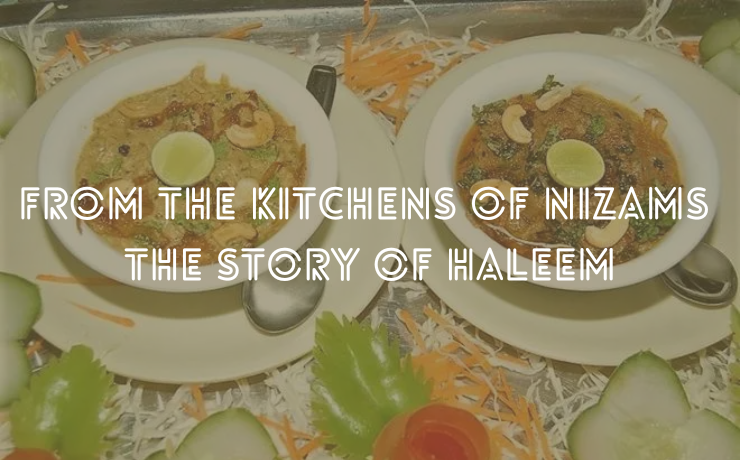
From the Kitchens Of Nizams: The Story Of Haleem

From the Kitchens Of Nizams The Story Of Haleem - Hashtag Magazine

Haleem is a slow-cooked Ramadan dish that has become a beloved dish across India. It is a delicious and hearty dish that has been enjoyed for centuries in many parts of the world. It is a popular food item during Ramadan and is also served at weddings and other special occasions. Dhanush Kumar explores the story of Haleem, and its flavours and discovers its cultural significance. 

The Origin Of Haleem: A Story Of Scarcity and Creativity

Legend has it that haleem was first created by the Prophet Muhammad when he mixed barley, lentils, and meat during a time of scarcity. This dish was so tasty that it quickly became popular among his followers and eventually spread throughout the Islamic world.
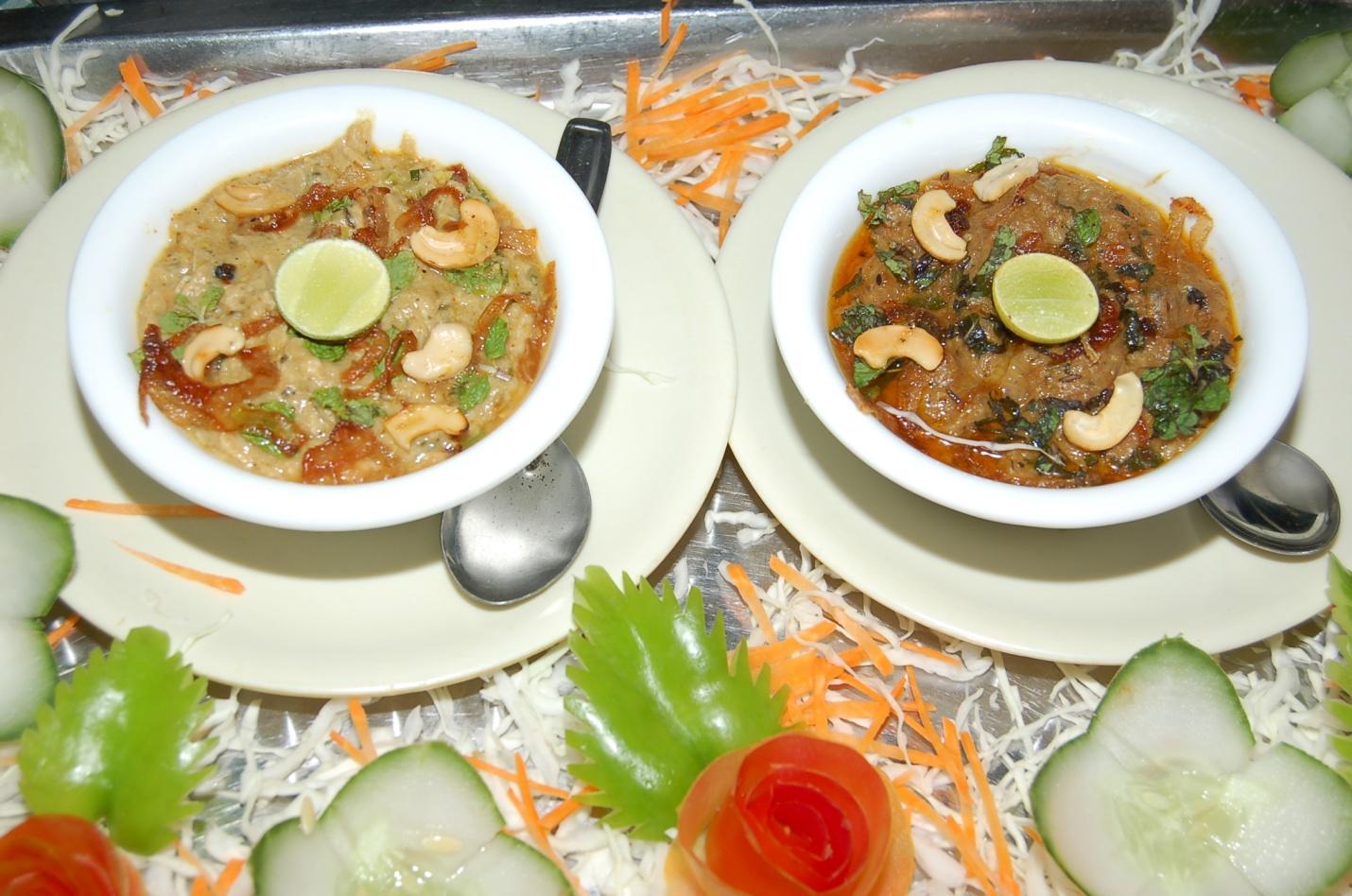
The dish originated in the Middle East, and it has become a staple food in many countries, including India, Pakistan, Bangladesh, and Iran. Each region has its unique twist on the dish, but the basic ingredients remain the same.

The Ingredients: Slow-Cooking and Spices

Haleem is made by slow-cooking a blend of lentils, meat, and spices for several hours until it becomes a thick, rich stew. The lentils are soaked and ground into a paste, which is then mixed with meat (usually mutton, chicken, and beef), and cooked on low heat for hours until the meat is tendered and the lentils have turned into a creamy consistency.
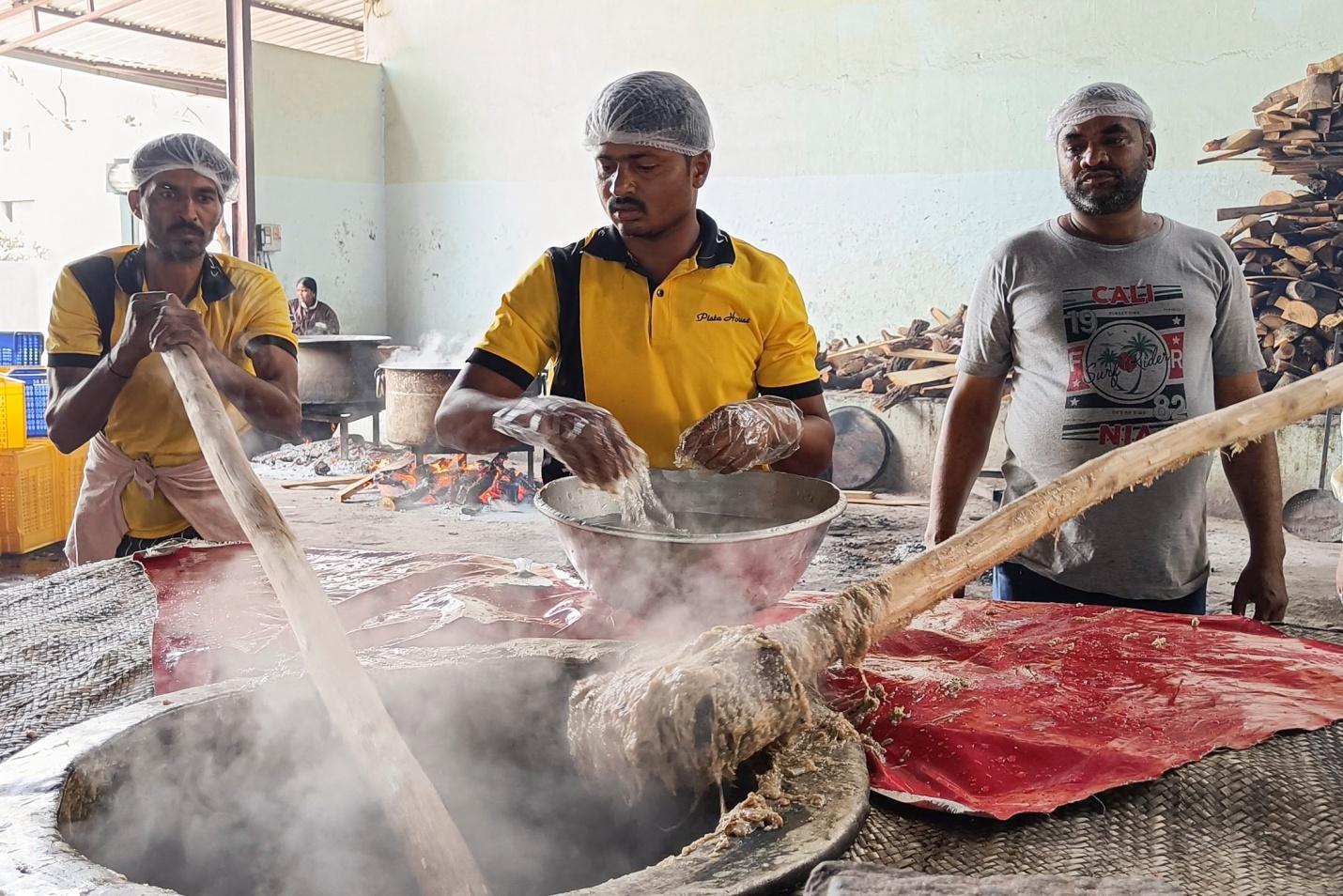
The spices that are used in haleem vary depending on the region and personal preference. The most common ingredients are ginger, garlic, cumin, coriander, turmeric, and chilli powder. The slow-cooking process allows the spices to infuse into the dish, giving it a rich flavour.

The Versatility Of Haleem
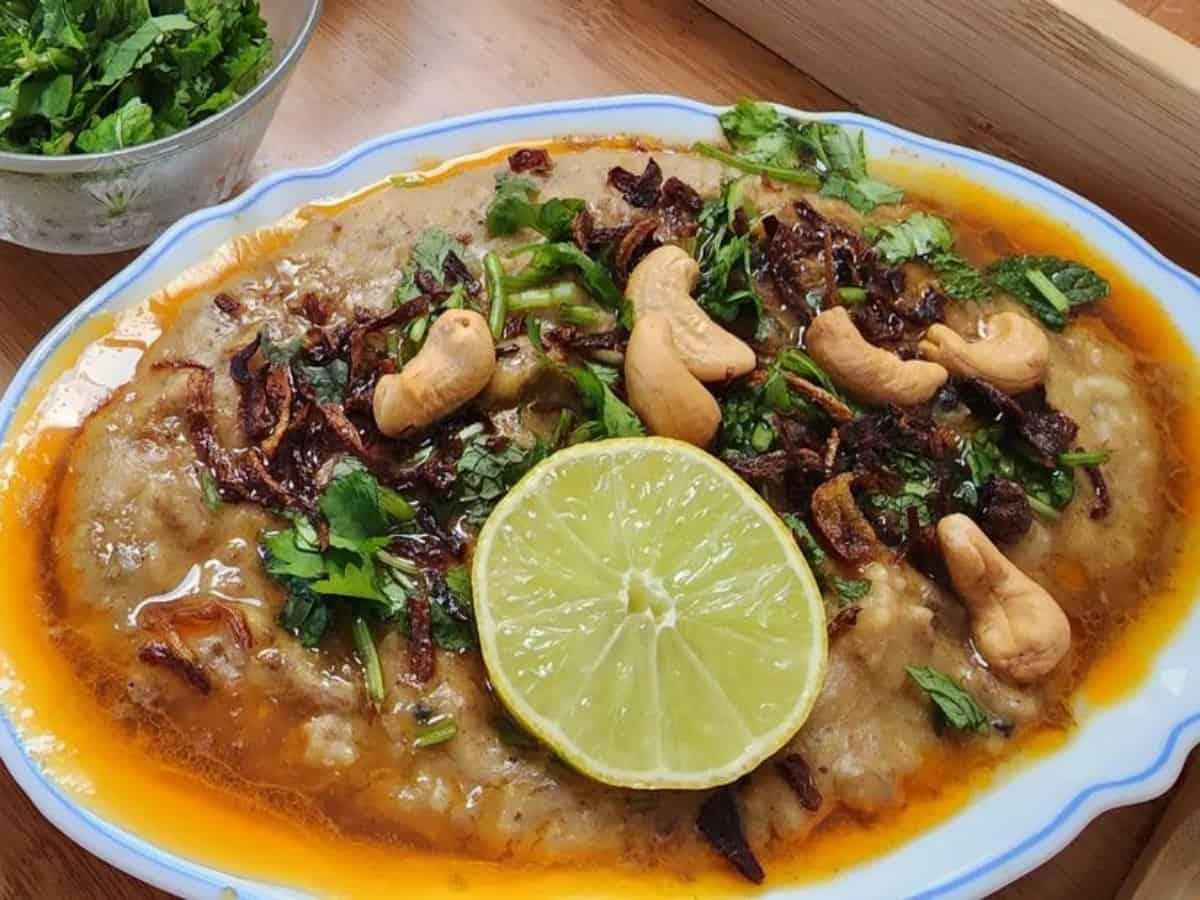
One of the best things about haleem is its versatility. It can be served as a main course, as a side dish, or even as a breakfast item. In many parts of the world, haleem is traditionally eaten during Ramadan as a way to break the fast at sunset. It can be enjoyed as a side dish, paired with other dishes such as biryani, naan, or paratha

The Nutritional Benefits Of Haleem

Many people believe that haleem is a healthy food option because it’s high in protein, fibre, and other nutrients. The lentils and meat used in haleem are both excellent sources of protein, which is important for building and repairing muscles. 
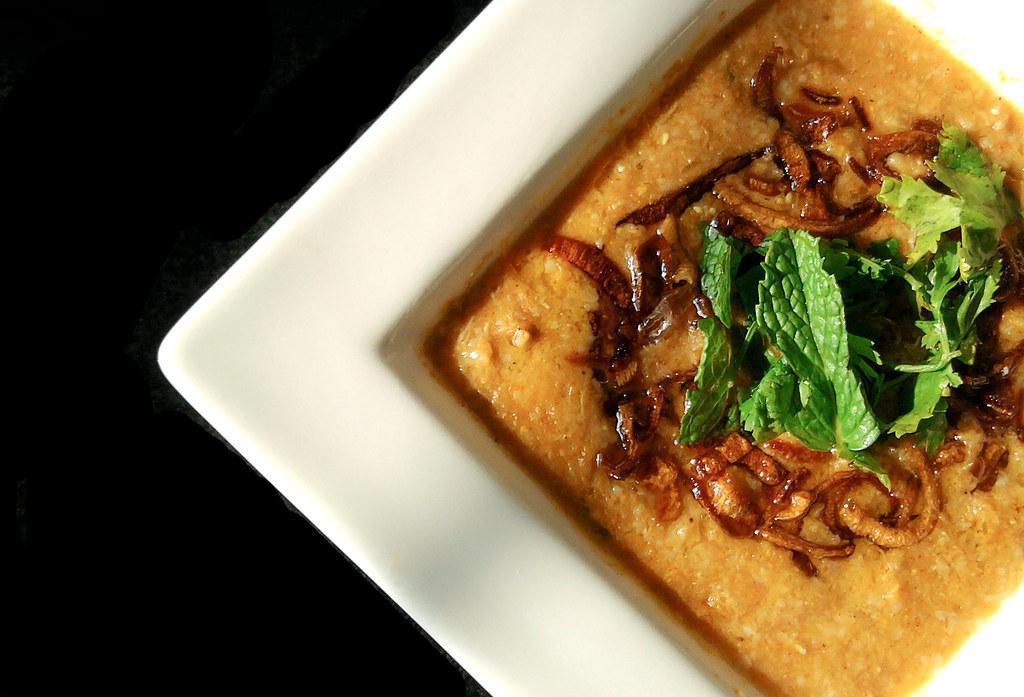
The meat used in haleem is also a good source of iron which is important for the production of red blood cells. The spices used in haleem, such as turmeric, and coriander, have been shown to have anti-inflammatory properties and may help to reduce the risk of chronic diseases.

The Cultural Significance Of Haleem
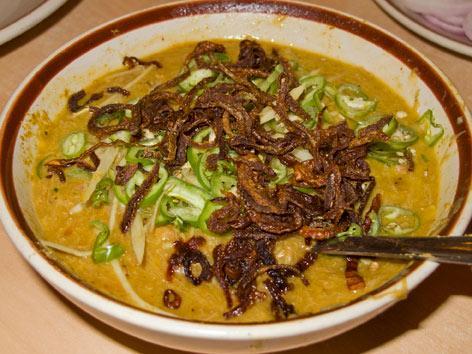
Haleem isn’t just about nutrition; it is also about culture and tradition. In many Muslim households, haleem is a symbol of family, community, and hospitality. During Ramadan, many families gather together to break their fast with a bowl of haleem. It is also a reflection of the diversity of Islamic cuisine, with each region putting its unique spin on the dish.

Conclusion

The next time you enjoy a bowl of haleem, take a moment to appreciate the history behind the delicious dish. Haleem is more than just food. It is a story, a tradition, and a way of life.

Leave a comment

Your email address will not be published. Required fields are marked *

Nidhi Goyal on Reinvention and Food Entrepreneurship

Nidhi Goyal’s story is one of quiet endurance and deliberate rebuilding. Based in Jaipur, she holds a Bachelor’s degree in Computer Applications (BCA), a foundation that sharpened her analytical thinking and discipline, qualities that would later prove vital in entrepreneurship. Raised in a middle-class business family, she grew up absorbing lessons in independence and responsibility from her father. But life tested her early. Married in 2017, the years that followed brought emotional challenges that deeply impacted her confidence and health. After the birth of her son in 2019, circumstances led her to return to her parental home. Today, as a single mother raising her child with the support of her parents, Nidhi stands self-aware and purpose-driven. “Life may not turn out the way you planned,” she reflects, “but you still have the power to rebuild it.” Cooking as Independence Nidhi is the creator behind Fun2oosh Food, where she shares simple, practical, and relatable recipes for everyday households. But beyond content, her work represents something far deeper: financial independence and dignity. “Every decision I make is driven by one purpose: to give my son a secure and value-driven future,” she says. Content creation became her pathway to rebuilding her life on her own terms. Honest Food, Real Connection Her culinary philosophy is rooted in authenticity. She creates “honest, no-fuss, everyday food,” recipes tested with patience and precision. Over time, her confidence has grown alongside her platform, earning her audience’s trust. Her community associates her work with warmth and reliability. The food feels personal, not performative, a reflection of the care behind every dish. The Courage to Begin Nidhi began her journey in 2021 during a period of vulnerability. Monetisation was slow; it took four months to earn her first $100 on YouTube, an amount that covered her son’s expenses at the

Suzann Homan: A Corporate Lawyer Crafting Goa’s Premium Spirits

Suzann Homan is a Corporate Lawyer and a proud Bandra-born Bombay Goan, whose identity blends Mumbai’s urban sensibility with deeply rooted family values. Raised in a home where food, flavour, and togetherness were sacred rituals, her worldview was shaped by culture and community. At the heart of that influence was her mother, Grace Fernandes, whose quiet strength and intuitive craft left a lasting imprint. From her, Suzann inherited an appreciation for taste, detail, and intentional living, values that would later define her entrepreneurial journey. Turning Ritual into Brand As Founder–Director of Kantala Spirits and the visionary behind Gracia Viva Agave, Suzann did not set out to merely launch a beverage. Gracia was born as a tribute, inspired by her mother’s small-batch infused agave recipe, long shared at intimate family gatherings. For Suzann, the mission was clear: transform a deeply personal ritual into an experience others could access, without losing its soul. Purpose, she believes, lies in honouring origin while allowing thoughtful evolution. Precision Meets Emotion What distinguishes Suzann’s leadership is the seamless blend of emotional authenticity and professional discipline. Where many brands pursue fleeting trends, Gracia is anchored in storytelling, flavour memory, and intention. Her legal background ensures structural rigour and compliance, while heritage guides creativity. She champions balance and mindful indulgence over excess, a philosophy increasingly aligned with modern consumer values. A Family Table in Bandra Gracia’s roots trace back to intimate family rituals. Agave spirit, sourced through family ties in Mexico, was infused at home by Grace Fernandes with fruits, spices, and chocolate, guided entirely by instinct. These bottles were never commercial. They were tokens of celebration, shared among loved ones. The shift from private ritual to public offering was gradual and deliberate, anchored in respect for its origins. Expanding the Table The defining moment came when Suzann

How Walking Away from CA Led to a Life in the Kitchen

Natasha Gandhi’s journey into food was anything but predictable. Once on the path to becoming a Chartered Accountant, she attempted the exams five times before confronting a difficult truth: her heart wasn’t in it. “Walking away from CA was terrifying,” she admits, but that leap of faith led her back to her kitchen, where she began experimenting with healthy, gluten-free, vegan desserts. What started as curiosity soon deepened into a calling. A defining moment came when she stepped onto MasterChef India, finishing as a top finalist. The platform sharpened her confidence and creative voice, introducing her to a national audience. From there, she began sharing recipes online, building a community around wholesome, hearty food rooted in story. Today, many know her as the ‘Biryani Queen,’ a title born from her ability to honour tradition while reimagining comfort food in nourishing, accessible ways. Food as Memory and Medicine Natasha describes her work as culinary storytelling. She documents traditions, reinterprets classics, and brings regional and community-driven recipes into modern kitchens. “Food, for me, is both memory and medicine,” she says. Her philosophy challenges the idea that healthy eating must feel restrictive. Instead, she champions balance, dishes that are satisfying, flavourful, and mindful without sacrificing soul. Heritage with a Modern Lens What distinguishes her voice is her focus on lesser-known regional dishes, from diverse biryanis to India’s pasta-like traditions, presented in ways that feel approachable for home cooks. She avoids chasing fleeting trends, choosing instead to create from curiosity and passion. Her signature strength lies in transforming indulgent favourites into healthier versions without compromising on depth. That blend of heritage, innovation, and mindful cooking defines her identity. Breakthrough Moments Growing up in a Punjabi household where food was celebration and identity, Natasha was surrounded by rich flavours and vibrant conversations. Influenced by chefs

Hunaaan Indiranagar: A Contemporary Pan-Asian Dining Experience

From bold spices that make you question every meal you’ve ever had to dishes that taste like they’ve travelled the world, Hunaaan delivers flavours that refuse to play it safe. Neha Dua gives a lowdown of the place. This contemporary Pan-Asian restaurant in Indiranagar packs the heat of Thai food, the heartiness of Korean cuisine, delicate Japanese dishes, and wholesome Chinese fare. Step into the 40-seater cosy place for a meal that will slap you awake and then lull you into a food coma. Plates exploding with personality Not having sushi here would be nothing short of criminal. The Ebi Tempura and Avocado Maki is everything one expects from Japanese cuisine. The prawn tempura comes alive in a riot of colours and flavours. Vegetarians, fret not, you can indulge in the Avocado Garden. Their dumplings are delectable, with very fine wrappers and perfectly balanced flavours. The Chilli Coriander Chicken Dumpling is a sight for sore eyes and hits you with a kind of balanced chaos that you can’t have enough of. And if you like your dumplings soupy, the Basil Flavoured Curry Dumpling won’t disappoint. Raise a glass to excellence A smooth Virgin Pina Colada, featuring creamy coconut milk, has the potential to teleport you to a tropical destination, while the Soju Picanté, a Hunaaan Signature Cocktail, is aptly described as “Everything you want from a picanté: Spicy, lemony, and we dare you to have just one.” Shaken. Stirred. Sipped. A little oink, a little sugar, and a lot of swagger Hunaaan’s imported pork belly deserves a mention. Doesn’t melt in your mouth, but is definitely less fatty than several other places. If you’re a tofu fan, don’t skip the tofu sizzler. But be prepared to share it with one or two others, for the portion size is HUGE. Although

You May Also Like

Connect with us