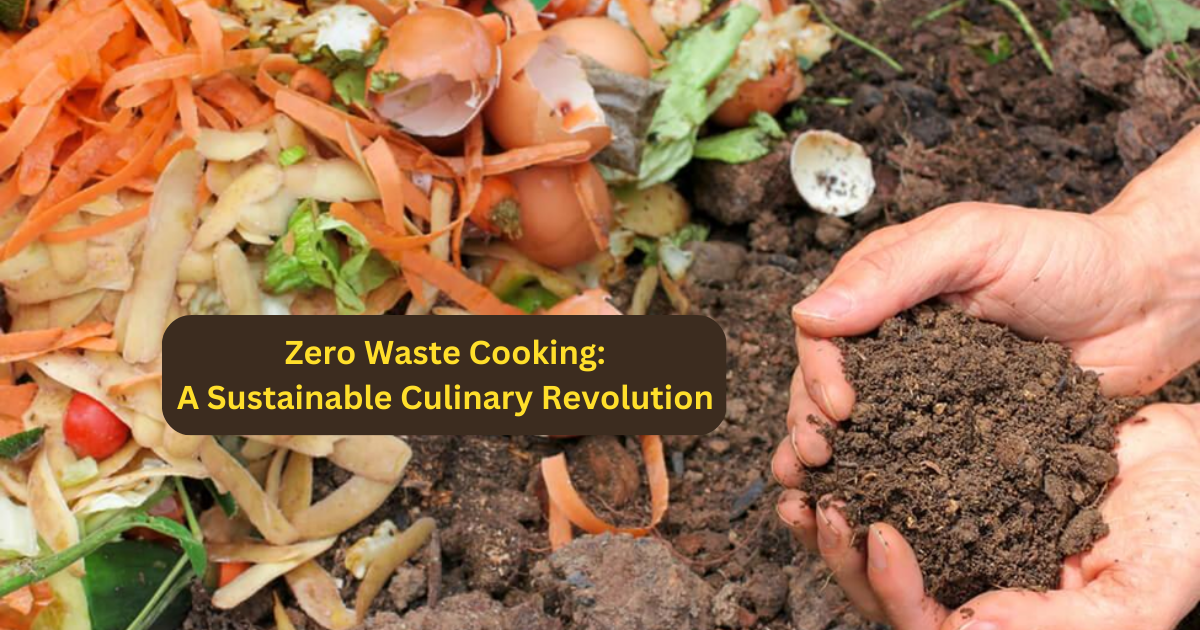
Zero Waste Cooking: A Sustainable Culinary Revolution

In a world where sustainability is at the forefront of our minds, zero-waste cooking has emerged as a deliciously eco-conscious way to reduce our environmental footprint. This culinary trend benefits the planet, our wallets, and our taste buds. Dhanush Kumar explores the art of zero-waste cooking, where every ingredient counts, and no flavor goes to waste.

One of the fundamental principles of zero-waste cooking is embracing imperfection. That means making the most of every ingredient, even those that might seem past their prime. Those slightly bruised apples can still be turned into delectable dishes with creativity and care.

Ingredient Maximization

Zero Waste Cooking starts with efficient ingredient utilization. Instead of tossing out vegetable scraps or throwing away overripe fruits, consider transforming them into tasty meals. Vegetable scraps can be turned into flavorful broths, and overripe fruits can be blended into smoothies, used as natural sweeteners, or even preserved for future use.

The Power of Preservation

Preservation techniques are essential in zero-waste cooking. You can extend their shelf life by pickling, fermenting, or freezing surplus ingredients and enjoy them long after their initial freshness. This reduces food waste and adds unique flavors and textures to your meals.

Creative Meal Planning

Zero Waste cooking encourages creative meal planning, using what you have on hand instead of running to the store for specific ingredients. It’s like a culinary puzzle, where you find inventive ways to combine various components of your pantry and fridge to create satisfying dishes.

Mindful Shopping

To truly embrace zero-waste cooking, start at the grocery store. Opt for bulk bins and reusable containers to reduce packaging waste. Purchase items with minimal packaging, or bring your own reusable bags and containers to shop in style while minimizing waste.

The Art of Composting

Even with the best intentions, sometimes food waste is inevitable. But fear not! Zero waste cooking also includes responsible disposal. Composting turns food scraps into nutrient-rich soil, closing the loop in your sustainable culinary journey.

Zero Waste Kitchen Essentials

Creating a zero-waste kitchen requires a few essential tools. Items like reusable food storage containers, beeswax wraps, and cloth produce bags are excellent choices to help reduce single-use plastics and disposable packaging.

Examples of Zero Waste Cooking

Zero Waste Cooking doesn’t have to be boring. Here are a few delicious, waste-minimizing recipes to ignite your culinary imagination.

Vegetable Scrap Broth: Turn vegetable scraps, like Carrot peels, onion skins, and other vegetable tops, into a flavourful broth. Simmer the scraps in water with herbs and seasonings for a homemade base for soups and stews.

Overripe Fruit Smoothie: Blend overripe fruits with yogurt or plant-based milk for a creamy and naturally sweet smoothie. Add a dash of honey or maple syrup if needed.

Conclusion

Zero-waste cooking isn’t just a trend. It’s a flavorful and fulfilling lifestyle choice. By adopting these principles and recipes into your daily routine, you will reduce waste and discover a world of culinary possibilities that will tickle your taste buds and leave you feeling good about your impact on the planet.

Leave a comment

Your email address will not be published. Required fields are marked *

Shruti Mahajan: From Home Kitchens to Digital Food Education

Shruti Mahajan’s relationship with food began long before social media. Raised in a home where meals symbolised comfort and connection, she grew up understanding that food was never just functional; it was emotional infrastructure. Today, based in Delhi NCR, she balances a full-time corporate career alongside a steadily growing culinary platform. Her dual life reflects her personality: equal parts structured and creative. “I’ve always balanced discipline with imagination,” she shares. Managing time, health, and responsibility firsthand shaped her belief that food solutions must work in real life, not just on screen. Simplifying the Everyday Shruti identifies as a culinary content creator and digital educator, but her core mission is simpler: make healthy eating realistic. She noticed that nutrition-forward cooking often felt overwhelming or aspirational. “Food is something we deal with every single day,” she says. “If we can make it easier and healthier, it genuinely improves quality of life.” Her content is built around that practicality, short, efficient recipes designed for busy schedules. Shruti’s signature format includes 30–40 second recipes that viewers can watch, save, and cook without friction. She focuses on ingredients already present in Indian kitchens and has carved a niche by making millets engaging, from Ragi Brownies and Ragi Dhokla to Millet Sambar Khichdi. Built on Consistency Her journey began quietly, experimenting in her own kitchen and sharing what worked. There was no dramatic pivot, only persistence. Balancing content creation alongside a demanding job required discipline. That phase reinforced her core belief: consistency outweighs perfection. The turning point came when followers began writing, “I actually tried this.” That validation signalled impact. Today, she is focused less on virality and more on systems, structured PDFs, nutrition-led education, and scalable tools that empower everyday cooks. Power in Balance Shruti operates on three principles: balance over extremes, progress over pressure,

Nidhi Goyal on Reinvention and Food Entrepreneurship

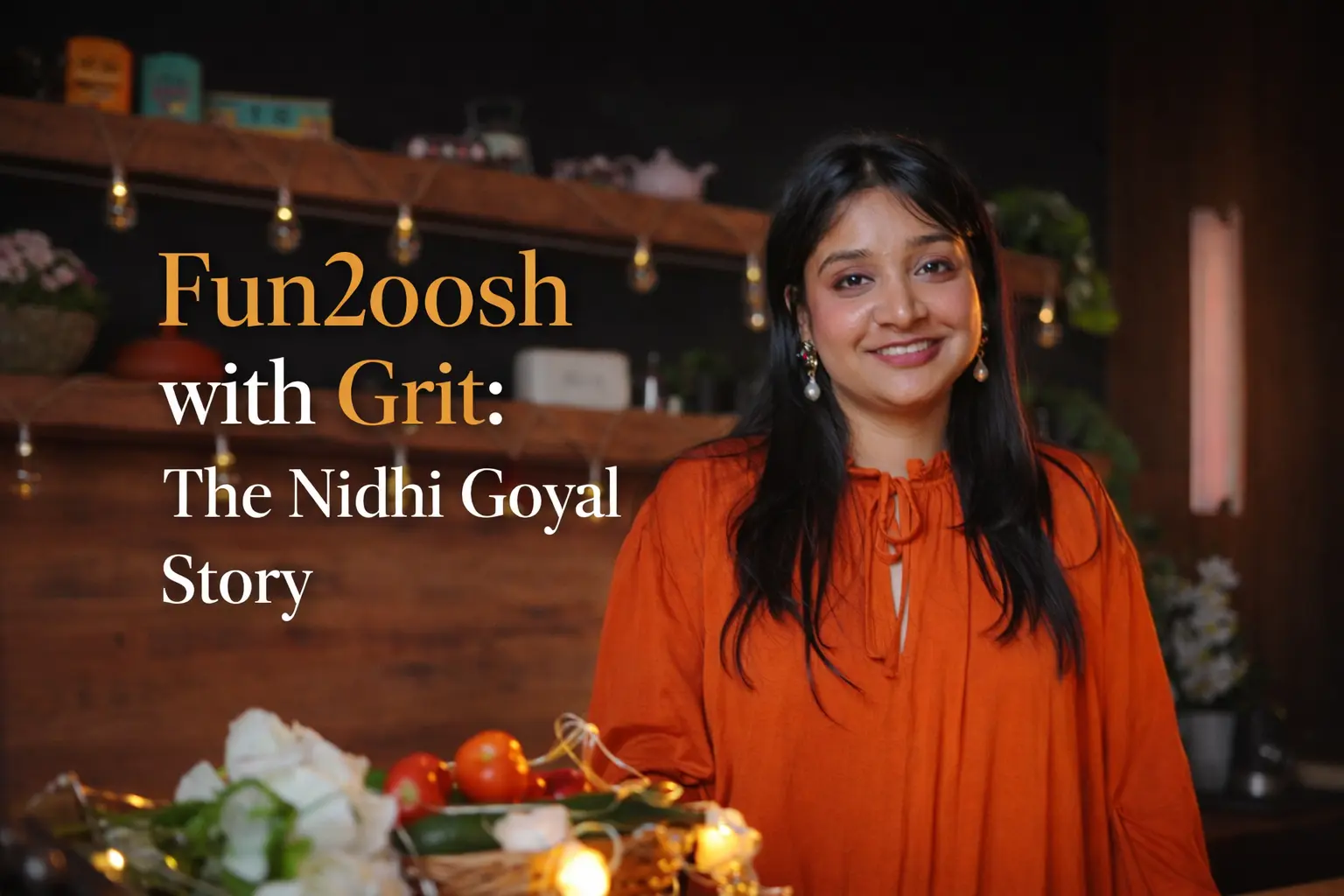
Nidhi Goyal’s story is one of quiet endurance and deliberate rebuilding. Based in Jaipur, she holds a Bachelor’s degree in Computer Applications (BCA), a foundation that sharpened her analytical thinking and discipline, qualities that would later prove vital in entrepreneurship. Raised in a middle-class business family, she grew up absorbing lessons in independence and responsibility from her father. But life tested her early. Married in 2017, the years that followed brought emotional challenges that deeply impacted her confidence and health. After the birth of her son in 2019, circumstances led her to return to her parental home. Today, as a single mother raising her child with the support of her parents, Nidhi stands self-aware and purpose-driven. “Life may not turn out the way you planned,” she reflects, “but you still have the power to rebuild it.” Cooking as Independence Nidhi is the creator behind Fun2oosh Food, where she shares simple, practical, and relatable recipes for everyday households. But beyond content, her work represents something far deeper: financial independence and dignity. “Every decision I make is driven by one purpose: to give my son a secure and value-driven future,” she says. Content creation became her pathway to rebuilding her life on her own terms. Honest Food, Real Connection Her culinary philosophy is rooted in authenticity. She creates “honest, no-fuss, everyday food,” recipes tested with patience and precision. Over time, her confidence has grown alongside her platform, earning her audience’s trust. Her community associates her work with warmth and reliability. The food feels personal, not performative, a reflection of the care behind every dish. The Courage to Begin Nidhi began her journey in 2021 during a period of vulnerability. Monetisation was slow; it took four months to earn her first $100 on YouTube, an amount that covered her son’s expenses at the

Suzann Homan: A Corporate Lawyer Crafting Goa’s Premium Spirits

Suzann Homan is a Corporate Lawyer and a proud Bandra-born Bombay Goan, whose identity blends Mumbai’s urban sensibility with deeply rooted family values. Raised in a home where food, flavour, and togetherness were sacred rituals, her worldview was shaped by culture and community. At the heart of that influence was her mother, Grace Fernandes, whose quiet strength and intuitive craft left a lasting imprint. From her, Suzann inherited an appreciation for taste, detail, and intentional living, values that would later define her entrepreneurial journey. Turning Ritual into Brand As Founder–Director of Kantala Spirits and the visionary behind Gracia Viva Agave, Suzann did not set out to merely launch a beverage. Gracia was born as a tribute, inspired by her mother’s small-batch infused agave recipe, long shared at intimate family gatherings. For Suzann, the mission was clear: transform a deeply personal ritual into an experience others could access, without losing its soul. Purpose, she believes, lies in honouring origin while allowing thoughtful evolution. Precision Meets Emotion What distinguishes Suzann’s leadership is the seamless blend of emotional authenticity and professional discipline. Where many brands pursue fleeting trends, Gracia is anchored in storytelling, flavour memory, and intention. Her legal background ensures structural rigour and compliance, while heritage guides creativity. She champions balance and mindful indulgence over excess, a philosophy increasingly aligned with modern consumer values. A Family Table in Bandra Gracia’s roots trace back to intimate family rituals. Agave spirit, sourced through family ties in Mexico, was infused at home by Grace Fernandes with fruits, spices, and chocolate, guided entirely by instinct. These bottles were never commercial. They were tokens of celebration, shared among loved ones. The shift from private ritual to public offering was gradual and deliberate, anchored in respect for its origins. Expanding the Table The defining moment came when Suzann

How Walking Away from CA Led to a Life in the Kitchen

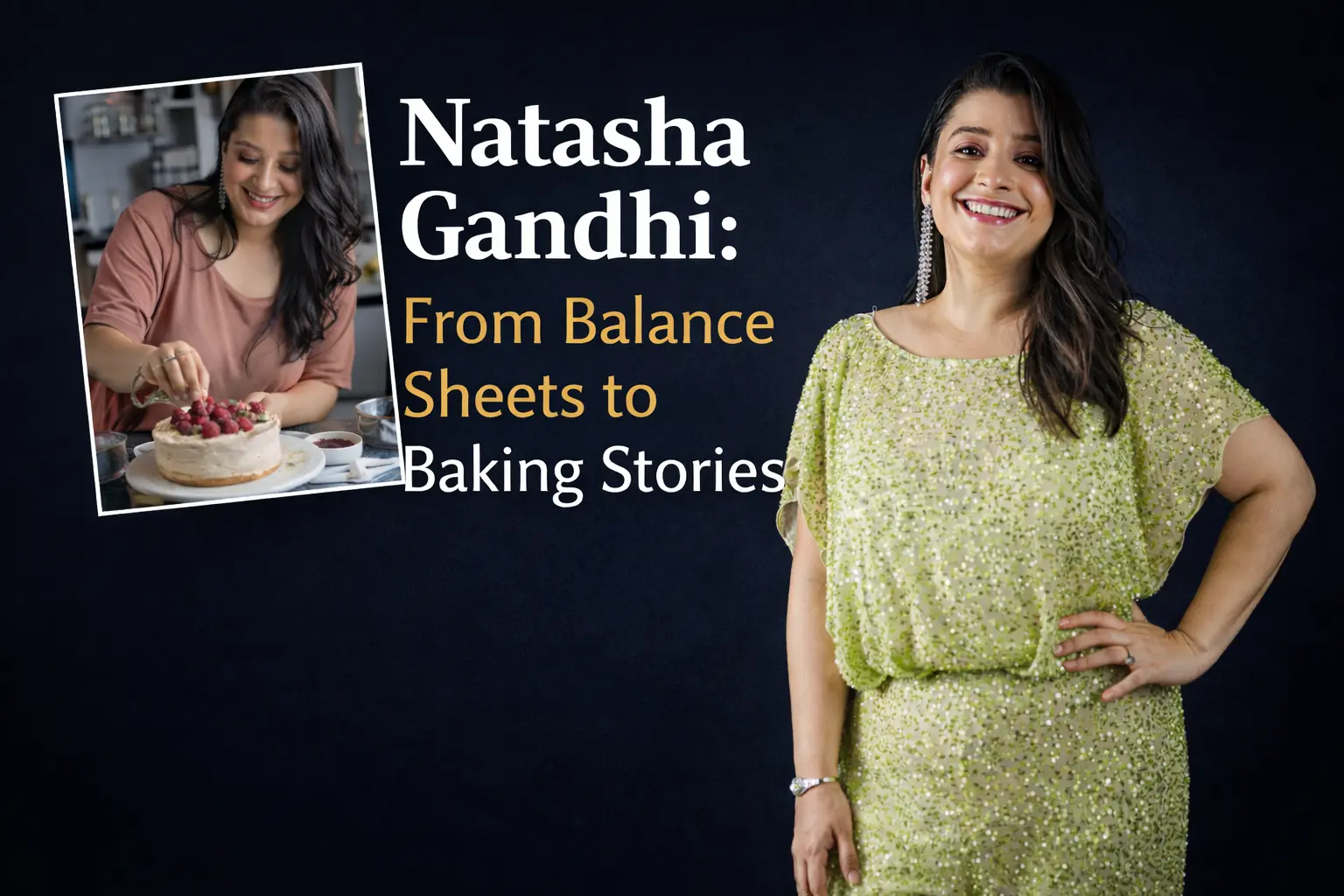
Natasha Gandhi’s journey into food was anything but predictable. Once on the path to becoming a Chartered Accountant, she attempted the exams five times before confronting a difficult truth: her heart wasn’t in it. “Walking away from CA was terrifying,” she admits, but that leap of faith led her back to her kitchen, where she began experimenting with healthy, gluten-free, vegan desserts. What started as curiosity soon deepened into a calling. A defining moment came when she stepped onto MasterChef India, finishing as a top finalist. The platform sharpened her confidence and creative voice, introducing her to a national audience. From there, she began sharing recipes online, building a community around wholesome, hearty food rooted in story. Today, many know her as the ‘Biryani Queen,’ a title born from her ability to honour tradition while reimagining comfort food in nourishing, accessible ways. Food as Memory and Medicine Natasha describes her work as culinary storytelling. She documents traditions, reinterprets classics, and brings regional and community-driven recipes into modern kitchens. “Food, for me, is both memory and medicine,” she says. Her philosophy challenges the idea that healthy eating must feel restrictive. Instead, she champions balance, dishes that are satisfying, flavourful, and mindful without sacrificing soul. Heritage with a Modern Lens What distinguishes her voice is her focus on lesser-known regional dishes, from diverse biryanis to India’s pasta-like traditions, presented in ways that feel approachable for home cooks. She avoids chasing fleeting trends, choosing instead to create from curiosity and passion. Her signature strength lies in transforming indulgent favourites into healthier versions without compromising on depth. That blend of heritage, innovation, and mindful cooking defines her identity. Breakthrough Moments Growing up in a Punjabi household where food was celebration and identity, Natasha was surrounded by rich flavours and vibrant conversations. Influenced by chefs

You May Also Like

Connect with us